Search for "electrophile" in Full Text gives 297 result(s) in Beilstein Journal of Organic Chemistry. Showing first 200.
Beilstein J. Org. Chem. 2025, 21, 2297–2301, doi:10.3762/bjoc.21.175
Graphical Abstract
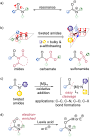
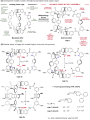
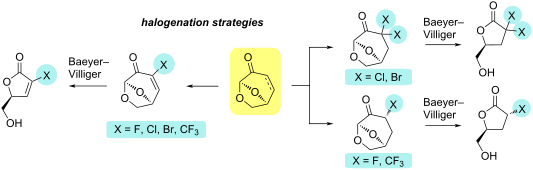
Figure 1: Halogen-containing butyrolactone-derived bioactives.
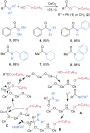
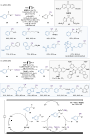
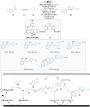
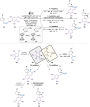
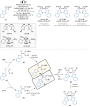
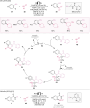
Scheme 1: Preparation of chlorinated and brominated lactones 8a,b and 11a,b.
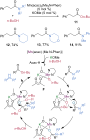
Scheme 2: Preparation of fluorinated lactone 14.
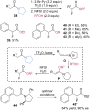
Scheme 3: Fluorination of LGO (5) and conversion to lactone 17.
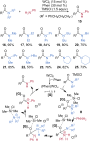
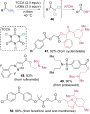
Scheme 4: Trifluoromethylation of 9a,b and 15 and subsequent Baeyer–Villiger oxidation.
Beilstein J. Org. Chem. 2025, 21, 2283–2296, doi:10.3762/bjoc.21.174
Graphical Abstract
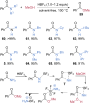
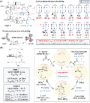
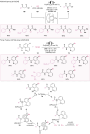
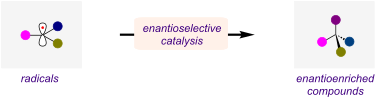
Figure 1: Methods of radical generation (A) and general types of radical reactions (B).
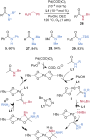
Figure 2: Chiral catalysis in enantioselective radical chemistry [13-37].
Scheme 1: Diastereo- and enantioselective additions of nucleophilic radicals to N-enoyloxazolidinone and pyrr...
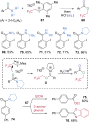
Scheme 2: Organocatalyzed formal [3 + 2] cycloadditions affording substituted pyrrolidines.
Scheme 3: Synthesis of a hexacyclic compound via an organocatalyzed enantioselective polyene cyclization.
Scheme 4: Nickel-catalyzed asymmetric cross-coupling reactions.
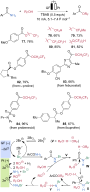
Scheme 5: Chiral cobalt–porphyrin metalloradical-catalyzed radical cyclization reactions.
Scheme 6: Enantioselective radical chaperone catalysis.
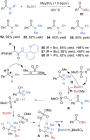
Scheme 7: Enantioselective radical addition by decatungstate/iminium catalysis.
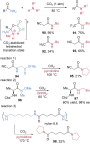
Scheme 8: An ene-reductase-catalyzed photoenzymatic enantioselective radical cyclization/enantioselective HAT...
Scheme 9: Photoenzymatic oxidative C(sp3)–C(sp3) coupling reactions between organoboron compounds and amino a...
Scheme 10: Electrochemical α-alkenylation reactions of 2-acylimidazoles catalyzed by a chiral-at-rhodium Lewis...
Scheme 11: Regio- and enantioselective electrochemical reactions of silyl polyenolates catalyzed by a chiral n...
Beilstein J. Org. Chem. 2025, 21, 2103–2172, doi:10.3762/bjoc.21.165
Graphical Abstract
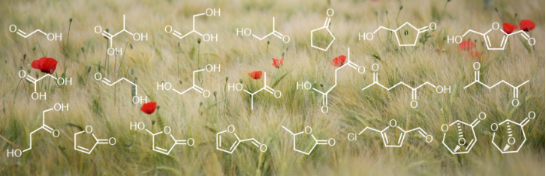
Figure 1: C2–C6 biobased carbonyl building blocks.
Scheme 1: Proposed (2 + 2) route to glycolaldehyde and glycolic acid from erythritol by Cu/AC catalyst (AC = ...
Scheme 2: Reductive amination of GCA.
Scheme 3: N-Formylation of secondary amines by reaction with GCA.
Scheme 4: Synthesis and conversion of hydroxy acetals to cyclic acetals.
Scheme 5: Synthesis of 3-(indol-3-yl)-2,3-dihydrofurans via three-component reaction of glycolaldehyde, indol...
Scheme 6: BiCl3-catalyzed synthesis of benzo[a]carbazoles from 2-arylindoles and α-bromoacetaldehyde ethylene...
Scheme 7: Cu/NCNSs-based conversion of glycerol to glycolic acid and other short biobased acids.
Scheme 8: E. coli-based biotransformation of C1 source molecules (CH4, CO2 and CO) towards C2 glycolic acid.
Scheme 9: N-Formylation of amines with C2 (a) or C3 (b) biomass-based feedstocks.
Scheme 10: Methods for the formation of propanoic acid (PA) from lactic acid (LA).
Scheme 11: Co-polymerization of biobased lactic acid and glycolic acid via a bicatalytic process.
Scheme 12: Oxidation of α-hydroxy acids by tetrachloroaurate(III) in acetic acid–sodium acetate buffer medium.
Figure 2: Selective catalytic pathways for the conversion of lactic acid (LA).
Scheme 13: Synthesis of 1,3-PDO via cross-aldol reaction between formaldehyde and acetaldehyde to 3-hydroxypro...
Scheme 14: Hydrothermal conversion of 1,3-dihydroxy-2-propane and 2,3-dihydroxypropanal to methylglyoxal.
Scheme 15: FLS-catalyzed formose reaction to synthesize GA and DHA.
Scheme 16: GCA and DHA oxidation products of glycerol and isomerization of GCA to DHA under flow conditions us...
Scheme 17: Acid-catalyzed reactions of DHA with alcohols.
Scheme 18: Synthesis of dihydroxyacetone phosphate from dihydroxyacetone.
Scheme 19: Bifunctional acid–base catalyst DHA conversion into lactic acid via pyruvaldehyde or fructose forma...
Scheme 20: Catalytic one-pot synthesis of GA and co-synthesis of formamides and formates from DHA.
Scheme 21: (a) Synthesis of furan derivatives and (b) synthesis of thiophene derivative by cascade [3 + 2] ann...
Scheme 22: Brønsted acidic ionic liquid catalyzed synthesis of benzo[a]carbazole from renewable acetol and 2-p...
Scheme 23: Asymmetric hydrogenation of α-hydroxy ketones to 1,2-diols.
Scheme 24: Synthesis of novel 6-(substituted benzylidene)-2-methylthiazolo [2,3-b]oxazol-5(6H)-one from 1-hydr...
Scheme 25: ʟ-Proline-catalyzed synthesis of anti-diols from hydroxyacetone and aldehydes.
Scheme 26: C–C-bond-formation reactions of a biomass-based feedstock aromatic aldehyde (C5) and hydroxyacetone...
Scheme 27: Ethanol upgrading to C4 bulk chemicals via the thiamine (VB1)-catalyzed acetoin condensation.
Scheme 28: One-pot sequential chemoenzymatic synthesis of 2-aminobutane-1,4-diol and 1,2,4-butanetriol via 1,4...
Scheme 29: Synthesis of 1,4-dihydroxybutan-2-one by microbial transformation.
Scheme 30: Conversion of polyols by [neocuproine)Pd(OAc)]2(OTf)2] to α-hydroxy ketones.
Scheme 31: Chemoselective oxidation of alcohols with chiral palladium-based catalyst 2.
Scheme 32: Electrochemical transformation of furfural to 5-hydroxy-2(5H)-furanone (HFO).
Scheme 33: Selective hydrodeoxygenation of HFO and oxidation to γ-butyrolactone (GBL).
Scheme 34: Photosensitized oxygenation of furan towards HFO via ozonide intermediates.
Scheme 35: Conversion of furfural to HFO and MAN by using mesoporous carbon nitride (SGCN) as photocatalyst.
Scheme 36: Synthesis of HFO from furan derivatives.
Scheme 37: Photooxidation of furfural to 5-hydroxy-2(5H)-furanone (HFO).
Scheme 38: Synthesis of Friedel–Crafts indole adduct from HFO.
Scheme 39: Conversion of HFO to α,γ-substituted chiral γ-lactones.
Scheme 40: Tautomeric transformation of HFO to formylacrylic acid.
Scheme 41: Hydrolysis of HFO to succinic acid in aqueous solution.
Scheme 42: Substitution and condensation reactions of 5-hydroxy-2(5H)-furanone (HFO).
Scheme 43: (a) Conversion of HFO towards valuable C4 chemicals and (b) anodic oxidation of 5-hydroxy-2(5H)-fur...
Figure 3: Conversion of HFO towards other natural and synthetic substances.
Scheme 44: Conversion of furfural to maleic anhydride (reaction a: VOx/Al2O3; reaction b: VPO).
Scheme 45: Conversion of furfural into succinic acid.
Scheme 46: Electro‑, photo‑, and biocatalysis for one-pot selective conversions of furfural into C4 chemicals.
Scheme 47: Production route of furfural from hemicellulose.
Scheme 48: Mechanism for xylose dehydration to furfural through a choline xyloside intermediate.
Scheme 49: Conversion of furfural to furfuryl alcohol and its derivatives.
Scheme 50: Conversion of furfural to furfuryl alcohol and 3-(2-furyl)acrolein.
Scheme 51: The aerobic oxidative condensation of biomass-derived furfural and linear alcohols.
Scheme 52: The single-step synthesis of 2-pentanone from furfural.
Scheme 53: Electrocatalytic coupling reaction of furfural and levulinic acid.
Scheme 54: Conversion of furfural to m-xylylenediamine.
Scheme 55: Conversion of furfural to tetrahydrofuran-derived amines.
Scheme 56: Formation of trans-4,5-diamino-cyclopent-2-enones from furfural.
Scheme 57: Production of pyrrole and proline from furfural.
Scheme 58: Synthesis of 1‑(trifluoromethyl)-8-oxabicyclo[3.2.1]oct-3-en-2-ones from furfural.
Scheme 59: Conversion of furfural to furfural-derived diacids.
Scheme 60: A telescope protocol derived from furfural and glycerol.
Scheme 61: A tandem cyclization of furfural and 5,5-dimethyl-1,3-cyclohexanedione.
Scheme 62: A Ugi four-component reaction to construct furfural-based polyamides.
Scheme 63: One-pot synthesis of γ-acyloxy-Cy7 from furfural.
Scheme 64: Dimerization–Piancatelli sequence toward humins precursors from furfural.
Scheme 65: Conversion of furfural to CPN.
Scheme 66: Synthesis of jet fuels range cycloalkanes from CPN and lignin-derived vanillin.
Scheme 67: Solar-energy-driven synthesis of high-density biofuels from CPN.
Scheme 68: Reductive amination of CPN to cyclopentylamine.
Scheme 69: Asymmetric hydrogenation of C=O bonds of exocyclic α,β-unsaturated cyclopentanones.
Scheme 70: Preparation of levulinic acid via the C5 route (route a) or C6 route (routes b1 and b2).
Scheme 71: Mechanism of the rehydration of HMF to levulinic acid and formic acid.
Scheme 72: Important levulinic acid-derived chemicals.
Scheme 73: Direct conversion of levulinic acid to pentanoic acid.
Scheme 74: Catalytic aerobic oxidation of levulinic acid to citramalic acid.
Scheme 75: Conversion of levulinic acid to 1,4-pentanediol (a) see ref. [236]; b) see ref. [237]; c) see ref. [238]; d) see r...
Scheme 76: Selective production of 2-butanol through hydrogenolysis of levulinic acid.
Scheme 77: General reaction pathways proposed for the formation of 5MPs from levulinic acid.
Scheme 78: Selective reductive amination of levulinic acid to N-substituted pyrroles.
Scheme 79: Reductive amination of levulinic acid to chiral pyrrolidinone.
Scheme 80: Reductive amination of levulinic acid to non-natural chiral γ-amino acid.
Scheme 81: Nitrogen-containing chemicals derived from levulinic acid.
Scheme 82: Preparation of GVL from levulinic acid by dehydration and hydrogenation.
Scheme 83: Ruthenium-catalyzed levulinic acid to chiral γ-valerolactone.
Scheme 84: Catalytic asymmetric hydrogenation of levulinic acid to chiral GVL.
Scheme 85: Three steps synthesis of ε-caprolactam from GVL.
Scheme 86: Multistep synthesis of nylon 6,6 from GVL.
Scheme 87: Preparation of MeGVL by α-alkylation of GVL.
Scheme 88: Ring-opening polymerization of five-membered lactones.
Scheme 89: Synthesis of GVL-based ionic liquids.
Scheme 90: Preparation of butene isomers from GVL under Lewis acid conditions.
Scheme 91: Construction of C5–C12 fuels from GVL over nano-HZSM-5 catalysts.
Scheme 92: Preparation of alkyl valerate from GVL via ring opening/reduction/esterification sequence.
Scheme 93: Construction of 4-acyloxypentanoic acids from GVL.
Scheme 94: Synthesis of 1,4-pentanediol (PDO) from GVL.
Scheme 95: Construction of novel cyclic hemiketal platforms via self-Claisen condensation of GVL.
Scheme 96: Copper-catalyzed lactamization of GVL.
Figure 4: Main scaffolds obtained from HMF.
Scheme 97: Biginelli reactions towards HMF-containing dihydropyrimidinones.
Scheme 98: Hantzsch dihydropyridine synthesis involving HMF.
Scheme 99: The Kabachnik–Fields reaction involving HMF.
Scheme 100: Construction of oxazolidinone from HMF.
Scheme 101: Construction of rhodamine-furan hybrids from HMF.
Scheme 102: A Groebke–Blackburn–Bienaymé reaction involving HMF.
Scheme 103: HMF-containing benzodiazepines by [4 + 2 + 1] cycloadditions.
Scheme 104: Synthesis of fluorinated analogues of α-aryl ketones.
Scheme 105: Synthesis of HMF derived disubstituted γ-butyrolactone.
Scheme 106: Functionalized aromatics from furfural and HMF.
Scheme 107: Diels–Alder adducts from HMF or furfural with N-methylmaleimide.
Scheme 108: Pathway of the one-pot conversion of HMF into phthalic anhydride.
Scheme 109: Photocatalyzed preparation of humins (L-H) from HMF mixed with spoiled HMF residues (LMW-H) and fur...
Scheme 110: Asymmetric dipolar cycloadditions on HMF.
Scheme 111: Dipolar cycloadditions of HMF based nitrones to 3,4- and 3,5-substituted isoxazolidines.
Scheme 112: Production of δ-lactone-fused cyclopenten-2-ones from HMF.
Scheme 113: Aza-Piancatelli access to aza-spirocycles from HMF-derived intermediates.
Scheme 114: Cross-condensation of furfural, acetone and HMF into C13, C14 and C15 products.
Scheme 115: Base-catalyzed aldol condensation/dehydration sequences from HMF.
Scheme 116: Condensation of HMF and active methylene nitrile.
Scheme 117: MBH reactions involving HMF.
Scheme 118: Synthesis of HMF-derived ionic liquids.
Scheme 119: Reductive amination/enzymatic acylation sequence towards HMF-based surfactants.
Scheme 120: The formation of 5-chloromethylfurfural (CMF).
Scheme 121: Conversion of CMF to HMF, levulinic acid, and alkyl levulinates.
Scheme 122: Conversion of CMF to CMFCC and FDCC.
Scheme 123: Conversion of CMF to BHMF.
Scheme 124: Conversion of CMF to DMF.
Scheme 125: CMF chlorine atom substitutions toward HMF ethers and esters.
Scheme 126: Introduction of carbon nucleophiles in CMF.
Scheme 127: NHC-catalyzed remote enantioselective Mannich-type reactions of CMF.
Scheme 128: Conversion of CMF to promising biomass-derived dyes.
Scheme 129: Radical transformation of CMF with styrenes.
Scheme 130: Synthesis of natural herbicide δ-aminolevulinic acid from CMF.
Scheme 131: Four step synthesis of the drug ranitidine from CMF.
Scheme 132: Pd/CO2 cooperative catalysis for the production of HHD and HXD.
Scheme 133: Different ruthenium (Ru) catalysts for the ring-opening of 5-HMF to HHD.
Scheme 134: Proposed pathways for preparing HXD from HMF.
Scheme 135: MCP formation and uses.
Scheme 136: Cu(I)-catalyzed highly selective oxidation of HHD to 2,5-dioxohexanal.
Scheme 137: Synthesis of N‑substituted 3‑hydroxypyridinium salts from 2,5-dioxohexanal.
Scheme 138: Ru catalyzed hydrogenations of HHD to 1,2,5-hexanetriol (a) see ref. [396]; b) see ref. [397]).
Scheme 139: Aviation fuel range quadricyclanes produced by HXD.
Scheme 140: Synthesis of HDGK from HXD and glycerol as a chain extender.
Scheme 141: Synthesis of serinol pyrrole from HXD and serinol.
Scheme 142: Synthesis of pyrroles from HXD and nitroarenes.
Scheme 143: Two-step production of PX from cellulose via HXD.
Scheme 144: Preparation of HCPN from HMF via hydrogenation and ring rearrangement.
Scheme 145: Suggested pathways from HMF to HCPN.
Scheme 146: α-Alkylation of HCPN with ethylene gas.
Scheme 147: Synthesis of 3-(hydroxymethyl)cyclopentylamine from HMF via reductive amination of HCPN.
Scheme 148: Production of LGO and Cyrene® from biomass.
Scheme 149: Synthesis of HBO from LGO and other applications.
Scheme 150: Construction of m-Cyrene® homopolymer.
Scheme 151: Conversion of Cyrene® to THFDM and 1,6-hexanediol.
Scheme 152: RAFT co-polymerization of LGO and butadienes.
Scheme 153: Polycondensation of HO-LGOL and diols with dimethyl adipate.
Scheme 154: Self-condensation of Cyrene® and Claisen–Schmidt reactions.
Scheme 155: Synthesis of 5-amino-2-(hydroxymethyl)tetrahydropyran from Cyrene®.
Beilstein J. Org. Chem. 2025, 21, 1984–1994, doi:10.3762/bjoc.21.154
Graphical Abstract
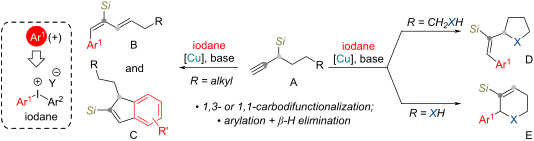
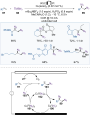
Scheme 1: Alkyne arylation with diaryl-λ3-iodanes in the context of 1,2-silyl shift and potential cyclization....
Scheme 2: Competing mechanistic pathways for diene 10 and indene 11 formation.
Scheme 3: Reaction scope for the synthesis of arylated tetrahydrofurans 8. Conditions: All reactions were per...
Scheme 4: Synthesis of lactone and pyrrolidine derivatives. Conditions: ac7e = 0.1 mmol/mL. bReaction conditi...
Scheme 5: Proposed arylation–heterocyclization mechanism for internal nucleophile-containing silanes 7.
Scheme 6: Arylation of C5-chain containing acylamides 16a–c. aThe reaction was performed under modified condi...
Beilstein J. Org. Chem. 2025, 21, 1973–1983, doi:10.3762/bjoc.21.153
Graphical Abstract
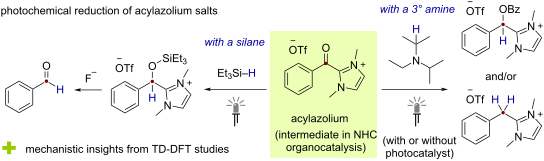
Figure 1: (a) Combining N-heterocyclic carbene (NHC) organocatalysis with photoredox catalysis for radical–ra...
Figure 2: Initial test reaction employing [Ir(dF(CF3)ppy)2(dtbpy)]PF6 as a photocatalyst in the presence of D...
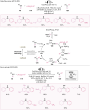
Scheme 1: Plausible mechanism for the photocatalytic reduction of benzoylimidazolium salt 1 with DIPEA. [PC] ...
Scheme 2: Plausible mechanism for the photocatalyst-free reduction of benzoylimidazolium salt 1 into O-benzoy...
Figure 3: Reduction of 2-benzoylimidazolium triflate (1) under photocatalyst-free conditions monitored over 4...
Scheme 3: (a) Reduction of 2-benzoylimidazolium triflate (1) under photocatalyst-free conditions with DIPEA a...
Beilstein J. Org. Chem. 2025, 21, 1924–1931, doi:10.3762/bjoc.21.150
Graphical Abstract
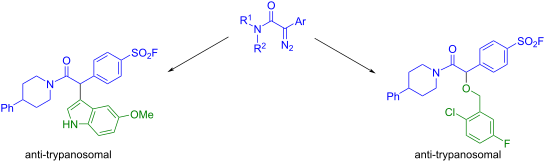
Figure 1: Envisaged connective synthesis of reactive probes 3 bearing S(VI) electrophilic warheads (WH). Dive...
Scheme 1: Synthesis of α-diazoamide substrates D1–5 of general structure 2 bearing S(VI) electrophiles. Panel...
Figure 2: Structures and reactions of co-substrates. Panel A: structures of the 16 selected co-substrates C1–...
Figure 3: Structures and structure elucidation of intermolecular reaction products. The relevant reactivity m...
Beilstein J. Org. Chem. 2025, 21, 1324–1373, doi:10.3762/bjoc.21.101
Graphical Abstract
Figure 1: Bond lengths and bond angles in oxetane at 140 K [2].
Figure 2: Analogy of 3-substituted oxetanes to carbonyl and gem-dimethyl groups [12].
Figure 3: Use of oxetanes in drug design – selected examples.
Figure 4: Examples of oxetane-containing natural products.
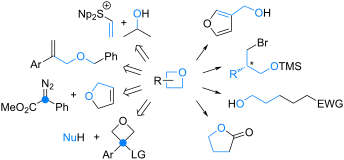
Scheme 1: Synthetic strategies towards construction of the oxetane ring.
Scheme 2: Overview of intramolecular Williamson etherification and competing Grob fragmentation.
Scheme 3: Synthesis of spiro-oxetanes via 1,4-C–H insertion and Williamson etherification.
Scheme 4: Use of phenyl vinyl selenone in the synthesis of spirooxindole oxetanes.
Scheme 5: Synthesis of bicyclic 3,5-anhydrofuranoses via double epoxide opening/etherification.
Scheme 6: Preparation of spirooxetanes by cycloisomerisation via MHAT/RPC.
Scheme 7: Oxetane synthesis via alcohol C–H functionalisation.
Scheme 8: Access to oxetanes 38 from α-acetyloxy iodides.
Scheme 9: The kilogram-scale synthesis of oxetane intermediate 41.
Scheme 10: Overview of the intramolecular opening of 3-membered rings.
Scheme 11: Synthesis of 4,7-dioxatricyclo[3.2.1.03,6]octane skeletons.
Scheme 12: Silicon-directed electrophilic cyclisation of homoallylic alcohols.
Scheme 13: Hydrosilylation–iodocyclisation of homopropargylic alcohols.
Scheme 14: Cu-catalysed intramolecular O-vinylation of γ-bromohomoallylic alcohols.
Scheme 15: Cu-catalysed intramolecular cross-coupling of hydroxyvinylstannanes.
Scheme 16: Isomerisation of oxiranyl ethers containing weakly carbanion-stabilising groups.
Scheme 17: Cyclisation of diethyl haloalkoxymalonates.
Scheme 18: Synthesis of oxetanes through a 1,5-HAT/radical recombination sequence.
Scheme 19: General approach to oxetanes via [2 + 2] cycloadditions.
Scheme 20: Synthesis of tricyclic 4:4:4 oxetanes through a photochemical triple cascade reaction.
Scheme 21: Iridium-catalysed Paternò–Büchi reaction between α-ketoesters and simple alkenes.
Scheme 22: Three-step synthesis of spirocyclic oxetanes 83 via Paternò–Büchi reaction, nucleophilic ring openi...
Scheme 23: Enantioselective Paternò–Büchi reaction catalysed by a chiral iridium photocatalyst.
Scheme 24: Synthesis of polysubstituted oxetanes 92 via Cu(II)-mediated formal [2 + 2] cycloadditions.
Scheme 25: Synthesis of alkylideneoxetanes via NHC- and DBU-mediated formal [2 + 2] cycloadditions.
Scheme 26: Use of sulphur-stabilised carbanions in ring expansions.
Scheme 27: Synthesis of α,α-difluoro(arylthio)methyl oxetanes.
Scheme 28: Ring expansion in an industrial synthesis of PF-06878031.
Scheme 29: Ring contraction of triflated 2-hydroxy-γ-lactones.
Scheme 30: Ring contraction in an industrial synthesis of PF-06878031.
Scheme 31: Photochemical ring contraction of 2,5-dihydrofurans by aryldiazoacetic acid esters.
Scheme 32: Synthesis of 3-oxetanones via O-H insertion of carbenes.
Scheme 33: Synthesis of phosphonate oxetanones via gold-mediated alkyne oxidation/O–H insertion.
Scheme 34: Syntheses and common derivatisations of 3-oxetanone.
Scheme 35: SN1 substitution of 3-aryloxetan-3-ols by thiols and alcohols.
Scheme 36: Fe–Ni dual-catalytic olefin hydroarylation towards 3-alkyl-3-(hetero)aryloxetanes.
Scheme 37: Synthesis of 3-aryloxetan-3-carboxylic acids.
Scheme 38: Decarboxylative alkylation of 3-aryloxetan-3-carboxylic acids.
Scheme 39: Synthesis of 3-amino-3-aryloxetanes via photoredox/nickel cross-coupling catalysis.
Scheme 40: Intermolecular cross-selective [2 + 2] photocycloaddition towards spirooxetanes.
Scheme 41: Synthesis of 3-aryl-3-aminooxetanes via defluorosulphonylative coupling.
Scheme 42: Two-step synthesis of amide bioisosteres via benzotriazolyl Mannich adducts 170.
Scheme 43: Functionalisation of oxetanyl trichloroacetimidates 172.
Scheme 44: Synthesis of oxetane-amino esters 176.
Scheme 45: Tandem Friedel–Crafts alkylation/intramolecular ring opening of 3-aryloxetan-3-ols.
Scheme 46: Synthesis of polysubstituted furans and pyrroles.
Scheme 47: Synthesis of oxazolines and bisoxazolines.
Scheme 48: Tandem, one-pot syntheses of various polycyclic heterocycles.
Scheme 49: Synthesis of 1,2-dihydroquinolines via skeletal reorganisation of oxetanes.
Scheme 50: Synthesis of benzoindolines and 2,3-dihydrobenzofurans and their derivatisations.
Scheme 51: Synthesis of polysubstituted 1,4-dioxanes.
Scheme 52: Preparation of various lactones via ring opening of oxetane-carboxylic acids 219.
Scheme 53: Tsuji-Trost allylation/ring opening of 3-aminooxetanes.
Scheme 54: Arylative skeletal rearrangement of 3-vinyloxetan-3-ols to 2,5-dihydrofurans.
Scheme 55: Reductive opening of oxetanes using catalytic Mg–H species.
Scheme 56: Opening of oxetanes by silyl ketene acetals.
Scheme 57: Rhodium-catalysed hydroacylation of oxetanes.
Scheme 58: Generation of radicals from oxetanes mediated by a vitamin B12-derived cobalt catalyst.
Scheme 59: Reductive opening of oxetanes by B–Si frustrated Lewis pairs.
Scheme 60: Zirconocene-mediated reductive opening of oxetanes.
Scheme 61: Enantioselective syntheses of small and medium-size rings using chiral phosphoric acids.
Scheme 62: Asymmetric synthesis of 2,3-dihydrobenzo[b]oxepines catalysed by a chiral scandium complex.
Scheme 63: Enantioselective synthesis of 1,3-bromohydrins under a chiral squaramide catalysis.
Scheme 64: Enantioselective opening of 2-aryl-2-ethynyloxetanes by anilines.
Scheme 65: Ru-catalysed insertion of diazocarbonyls into oxetanes.
Scheme 66: Ring expansion of oxetanes by stabilised carbenes generated under blue light irradiation.
Scheme 67: Expansion of oxetanes via nickel-catalysed insertion of alkynyltrifluoroborates.
Scheme 68: Nickel-catalysed expansion of oxetanes into ε-caprolactones.
Scheme 69: Expansion of oxetanes via cobalt-catalysed carbonyl insertion.
Scheme 70: Gold-catalysed intramolecular 1,1-carboalkoxylation of oxetane-ynamides.
Scheme 71: Expansion of oxetanes by stabilised sulphoxonium ylides.
Scheme 72: Cu-catalysed ring expansion of 2-vinyloxetanes by diazoesters.
Scheme 73: Total synthesis of (+)-oxetin.
Scheme 74: Total synthesis of racemic oxetanocin A.
Scheme 75: Total synthesis of (−)-merrilactone A.
Scheme 76: Total synthesis of (+)-dictyoxetane.
Scheme 77: Total synthesis of ent-dichrocephone B.
Scheme 78: Total synthesis of (−)-mitrephorone A.
Scheme 79: Total synthesis of (−)-taxol.
Beilstein J. Org. Chem. 2025, 21, 1183–1191, doi:10.3762/bjoc.21.95
Graphical Abstract
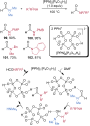
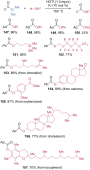
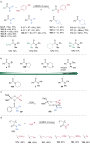
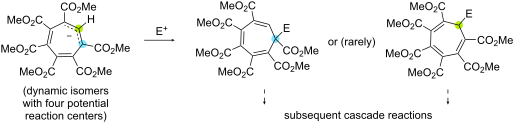
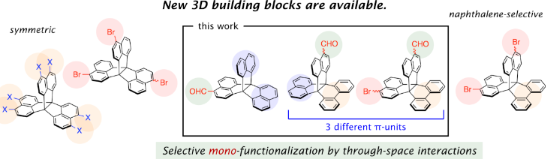
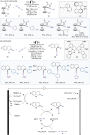
Figure 1: Chemical structures of fully π-fused propellanes and their typical reaction patterns toward electro...
Figure 2: a) Synthesis of methylene-alternating copolymers of fully π-fused propellanes. DCE, 1,2-dichloroeth...
Figure 3: Gas adsorption (filled circles) and desorption (open circles) isotherms of [3.3.3]_oligo (dark red)...
Beilstein J. Org. Chem. 2025, 21, 1135–1160, doi:10.3762/bjoc.21.91
Graphical Abstract
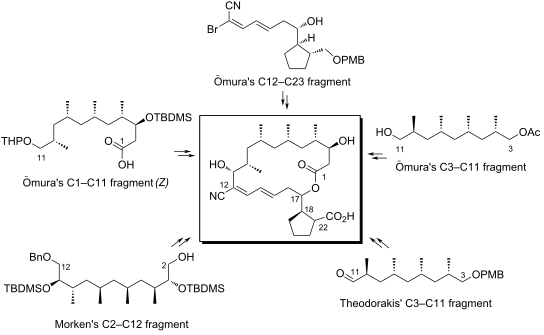
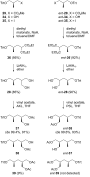
Figure 1: Chemical structure of borrelidin (1).
Scheme 1: Synthetic strategy for Morken’s C2–C12 intermediate 20 as reported by Uguen et al. [41].
Scheme 2: Preparation of monoacetates 37 and ent-38 by Uguen et al. [41].
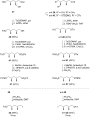
Scheme 3: Preparation of sulfones 27 and ent-27 by Uguen et al. [41].
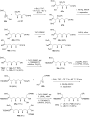
Scheme 4: Attempts to couple sulfones 27 and ent-27 with epoxides 23a–c reported by Uguen et al. [41].
Scheme 5: Modified synthetic plan for Morken’s C2–C12 intermediate by Uguen [41].
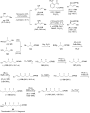
Scheme 6: Revised synthetic strategy for Morken’s C2–C12 intermediate 20 by Uguen [41].
Scheme 7: Iterative synthesis of polydeoxypropionates developed by Zhou et al. [40].
Scheme 8: Application of iterative synthesis of polydeoxypropionate to construct the C3–C11 fragment 60 of bo...
Scheme 9: Retrosynthetic analysis of borrelidin by Yadav et al. [39].
Scheme 10: Two-carbon homologation of precursor 66 in the synthesize C1–C11 fragment 61 of borrelidin [39].
Scheme 11: Synthesis of the C1–C11 fragment 61 of borrelidin from monoalcohol 65 [39].
Scheme 12: Synthetic plan for Theodorakis’ C3–C11 fragment 82 of borrelidin by Laschat et al. [38].
Scheme 13: Synthesis of Theodorakis’ C3–C11 fragment 82 from compound 88 [38].
Scheme 14: Retrosynthesis of 61 and 62b by Minnaard and Madduri [37].
Scheme 15: Synthesis of intermediate 98 by Minnaard and Madduri [37].
Scheme 16: Synthesis of Ōmura’s C1–C11 fragment 61 by Minnaard and Madduri [37].
Scheme 17: Synthesis of fragment 62b of borrelidin as proposed by Minnaard and Madduri [37].
Scheme 18: Iterative directed allylation for the synthesis of deoxypropionates by Herber and Breit [33].
Scheme 19: Iterative copper-mediated directed allyl substitution for the synthesis of Theodorakis’ C3–C11 frag...
Scheme 20: Retrosynthesis of the C3–C17 fragment of borrelidin by Iqbal and co-workers [35].
Scheme 21: Synthesis of key intermediates 137 and 147 for the synthesis of the C3–C17 fragment of borrelidin.
Scheme 22: Synthesis of the C3–C17 fragment 150a,b of borrelidin.
Scheme 23: Synthesis of the C11–C15 fragment 155a of borrelidin.
Scheme 24: Macrocyclization of borrelidin model compounds 155a and 155b using ring-closing metathesis.
Beilstein J. Org. Chem. 2025, 21, 755–765, doi:10.3762/bjoc.21.59
Graphical Abstract
Figure 1: Crystal structure of the calcium diphenyl phosphate complex 4. Hydrogen atoms are omitted for clari...
Scheme 1: Synthesis of the calcium diphenyl phosphate model complex 4 from phosphoric acid 3 and Ca(OiPr)2.
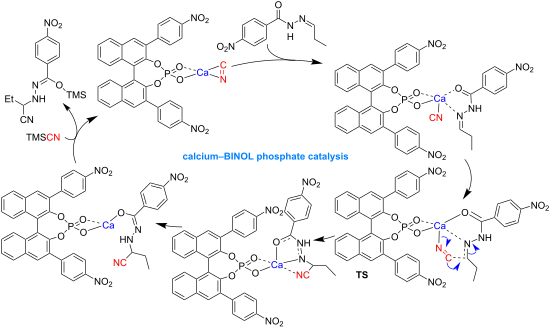
Figure 2: (A) Proposed catalytic cycle for the hydrocyanation of hydrazones with the Ca–BINOL phosphate catal...
Figure 3: Reaction energy profile for the hydrocyanation of Z-hydrazone 1, (depicted is the pathway that give...
Figure 4: Transition-state structure TS 8 for internal rotation, mixing conformational (Z/E)-pathways with op...
Figure 5: Replacement step after internal rotation in 11 via TS8 and reaction with TMSCN to give adduct 13 (s...
Beilstein J. Org. Chem. 2025, 21, 727–735, doi:10.3762/bjoc.21.56
Graphical Abstract
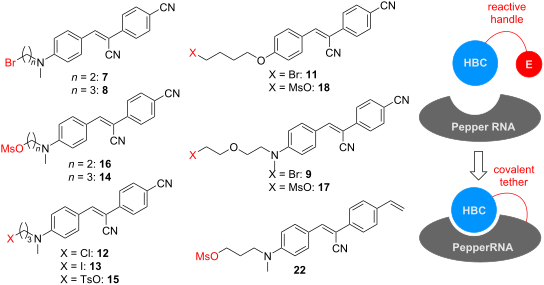
Figure 1: Structure-guided approach for engineering the (non-covalent) fluorescent light-up aptamer Pepper in...
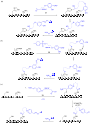
Scheme 1: Chemical structures of the HBC dye family [7]. Variations to HBC530 highlighted in red color. All dyes...
Scheme 2: Synthesis of bromoalkyl HBC derivatives 7, 8, and 9.
Scheme 3: Synthesis of the HBC ether derivative 11.
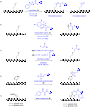
Figure 2: Pepper aptamer reacts with different HBC derivatives. Chemical structures of the HBC derivatives us...
Scheme 4: Derivatization of the HBC fluorophore 5 to generate handles with distinct electrophilic groups.
Scheme 5: Synthesis of mesylated HBC fluorophores 16, 17, and 18.
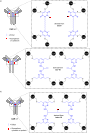
Scheme 6: Synthesis of the bifunctional HBC fluorophore 22. For an application of 22 (pulldown of circular Pe...
Beilstein J. Org. Chem. 2025, 21, 639–658, doi:10.3762/bjoc.21.51
Graphical Abstract
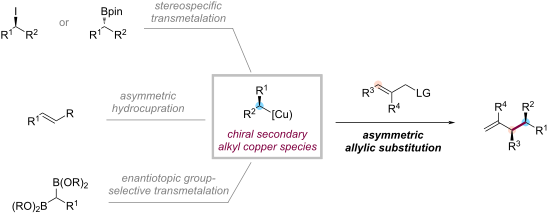
Scheme 1: Representative transition-metal catalysis for allylic substitution.
Scheme 2: Formation of stereogenic centers in copper-catalyzed allylic alkylation reactions.
Scheme 3: Copper-mediated, stereospecific SN2-selective allylic substitution through retentive transmetalatio...
Scheme 4: ZnCl2-promoted stereospecific SN2' allylic substitution of secondary alkylcopper species via sequen...
Scheme 5: Temperature and time-dependent configurational stability of chiral secondary organocopper species.
Scheme 6: DFT analysis of B–C bond lengths in various boronate complexes and correlation with reactivity.
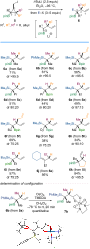
Scheme 7: Copper-catalyzed stereospecific allylic alkylation of secondary alkylboronic esters via tert-butyll...
Scheme 8: Copper-catalyzed stereospecific allylic alkylation of chiral tertiary alkylboronic esters via adama...
Scheme 9: DFT-calculated energy surface for boron-to-copper transmetalation of either the tert-butyl group or...
Scheme 10: CuH-catalyzed enantioselective allylic substitution and postulated catalytic cycle.
Scheme 11: CuH-catalyzed enantioselective allylic substitution of vinylarenes.
Scheme 12: CuH-catalyzed stereoselective allylic substitution of vinylboronic esters.
Scheme 13: (a) Generation of chiral copper species via enantioselective CuH addition to vinylBpin. (b) Regardi...
Scheme 14: CuH-catalyzed enantioselective allylic substitution of 1‐trifluoromethylalkenes with 18-crown-6.
Scheme 15: CuH-catalyzed enantioselective allylic substitution of terminal alkynes.
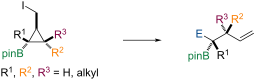
Scheme 16: Copper-catalyzed enantiotopic-group-selective allylic substitution of 1,1-diborylalkanes.
Scheme 17: (a) Computational and (b) experimental studies to elucidate the mechanistic details of the enantiot...
Scheme 18: Copper-catalyzed regio-, diastereo- and enantioselective allylic substitution of 1,1-diborylalkanes....
Scheme 19: (a) Experimental and (b) computational studies to understand the stereoselectivities in oxidative a...
Beilstein J. Org. Chem. 2025, 21, 616–629, doi:10.3762/bjoc.21.49
Graphical Abstract
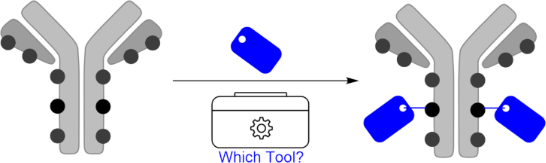
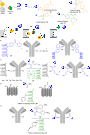
Figure 1: Representation of an antibody–drug conjugate. The antibody shown in this figure is from https://www...
Figure 2: a. Photoredox catalytic cycles; b. absorption spectrum of photosensitizers. Therapeutic window indi...
Figure 3: Graph representing the average number of publications focusing on photoredox chemistry applied to p...
Figure 4: Schematic procedure developed by Sato et al. on histidine photoinduced modification. The antibody s...
Figure 5: Schematic procedure of the divergent method developed by Sato et al. on histidine/tyrosine photoind...
Figure 6: Schematic procedure developed by Bräse et al. on photoinduced disulfide rebridging method.
Figure 7: Schematic procedure developed by Lang et al. on a photoinduced dual nickel photoredox-catalyzed app...
Figure 8: Schematic of the procedure developed by Chang et al. on photoinduced high affinity IgG Fc-binding s...
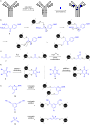
Figure 9: Potential advantages of photoredox chemistry for bioconjugation applied to antibodies. The antibody...
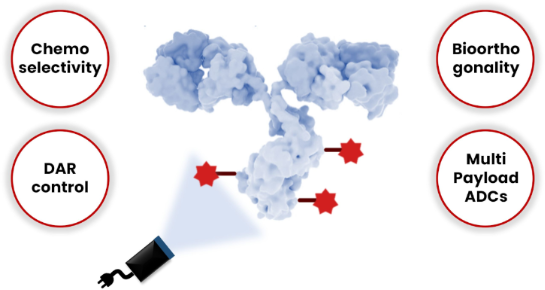
Figure 10: Representation of the photoinduced control of the DAR. The antibody shown in this figure is from ht...
Figure 11: Representation of a photoinduced control of multi-payloads ADC strategy. The antibody shown in this...
Beilstein J. Org. Chem. 2025, 21, 564–595, doi:10.3762/bjoc.21.45
Graphical Abstract
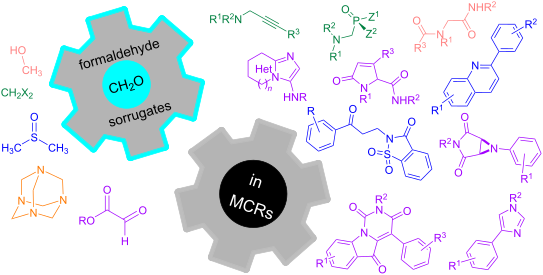
Scheme 1: Features of the ideal reaction (redrawn from P. A. Wender et al. [1]).
Scheme 2: Some of the most popular MCRs with formaldehyde as the carbonyl component.
Scheme 3: Ugi reaction under a catalyzed electro-oxidation process using TEMPO (2,2,6,6-tetramethyl-1-piperid...
Scheme 4: Examples of different products obtained by MCRs in which DMSO serves as -SCH3 source.
Scheme 5: Mechanism of the decomposition of DMSO under acidic or thermal conditions. a) In situ generation of...
Scheme 6: Povarov multicomponent reaction to quinolines.
Scheme 7: Example of the Povarov reaction with formaldehyde with a julolidine derivative as main product.
Scheme 8: Povarov multicomponent reaction to quinoline derivatives I and II using DMSO as formaldehyde surrog...
Scheme 9: Example of a Povarov three-component reaction with change of catalyst, yielding regioisomer III. In...
Scheme 10: The Povarov three-component reactions carried out under acidic catalysis to afford quinoline regios...
Scheme 11: Different MCR routes involving DMSO to synthesize complex heterocycles such as diarylpyridines and ...
Scheme 12: Pyrazole synthesis by a three-component reaction using DMSO as a source of a C-1 unit.
Scheme 13: Three-component reactions for the synthesis of aliphatic heterocycles 13 and 14 using DMSO as a for...
Scheme 14: Proposed mechanism for the 3CR between homoallylic amines, disulfides, and DMSO.
Scheme 15: Mannich-type reaction using DMSO as formaldehyde surrogate.
Scheme 16: Mechanism for the 3CR-Mannich-type reaction between aryl ketone 18, saccharine (19), and DMSO. The ...
Scheme 17: Mannich-type reaction using DMSO as formaldehyde surrogate and under oxidative activation.
Scheme 18: Three-component reaction between an indazole, a carboxylic acid, and DMSO.
Scheme 19: Amine–aldehyde–alkyne (AAA) coupling reaction and plausible mechanism.
Scheme 20: AHA coupling for the synthesis of propargylamines using dihalomethanes as C1 building blocks.
Scheme 21: AHA coupling using CH2Cl2 as both solvent and methylene source.
Scheme 22: Examples of propargylamines synthesized under catalytic AHA protocols.
Scheme 23: Proposed mechanism for the synthesis of propargylamines using dichloromethane as a C1 source.
Scheme 24: Mechanism proposed for the generation of the aminal intermediate E by Buckley et al. [68].
Scheme 25: Pudovic and Kabachnik–Fields reactions for the synthesis of α-aminophosphonates.
Scheme 26: a) Abramov side reaction that generates α-hydroxy phosphonate as a byproduct during the Kabachnik-F...
Scheme 27: Catalyst-free three component reaction to afford α-amino phosphorus product 35 using 1,1-dihaloalka...
Scheme 28: a) Proposed mechanism for the three-component reaction of dichloromethane, amine and phosphorus com...
Scheme 29: Ugi-ammonia strategy using HMTA as a formaldehyde surrogate.
Scheme 30: Glyoxylate and its derivatives as C1 building blocks.
Scheme 31: The Groebke–Blackburn–Bienaymé multicomponent reaction (GBB) and its mechanism.
Scheme 32: a) Byproducts in the GBB multicomponent reaction (GBB) when formaldehyde is used as the carbonyl co...
Scheme 33: Possible regioisomers in the GBB multicomponent reaction when formaldehyde is used as the carbonyl ...
Scheme 34: The multicomponent GBB reaction yields 2-unsubstituted 3-aminoimidazo heterocycles 42a using MP-gly...
Scheme 35: GBB multicomponent reaction to 2-unsubstituted 3-amino imidazo heterocycles 42a using glyoxylic aci...
Scheme 36: GBB reaction using glyoxylic acid immobilized on silica as formaldehyde surrogate.
Scheme 37: Bioactive products synthesized by the GBB reaction using glyoxylic acid.
Scheme 38: van Leusen three-component reaction to imidazoles.
Scheme 39: Side reaction during the synthesis of imidazoles with formaldehyde as the carbonyl compound.
Scheme 40: Optimization of the van Leusen three component reaction to 1,4-disubstituted imidazoles 43 using gl...
Scheme 41: Application of the Sisko strategy [96] for the synthesis of CB1 receptor antagonist compounds [97].
Scheme 42: Side reaction, when NH4OH is used as amine component.
Scheme 43: Ugi-type adducts with the ester moiety and the acidic CH to be used for post-cyclization sequences.
Scheme 44: Ugi/cycloisomerization process to pyrrolones 51, butenolides 52, and pyrroline 53.
Scheme 45: Radical cyclization reactions from Ugi adducts promoted by TEMPO.
Scheme 46: Hydrolysis and decarboxylation reactions to products with incorporation of a C1 unit of ethyl glyox...
Scheme 47: One-step synthetic route to pyrrolones 60 using phenylglyoxal.
Scheme 48: Ugi-pseudo-Knoevenagel-pseudo-Dieckmann cascade sequence for the synthesis of fused heterocycles.
Scheme 49: Ugi-pseudo-Knoevenagel reaction from ethyl glyoxylate.
Beilstein J. Org. Chem. 2025, 21, 533–540, doi:10.3762/bjoc.21.41
Graphical Abstract
Figure 1: Biologically active compounds featuring a trifluoromethyl carbinol motif.
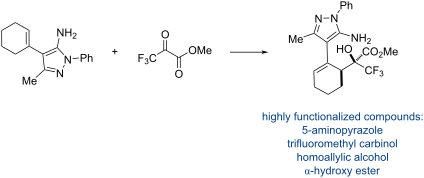
Figure 2: Nucleophilic sites of 5-aminopyrazoles and 4-alkenyl-5-aminopyrazoles. Stereoselective synthesis of...
Scheme 1: Synthesis of the starting materials 3.
Scheme 2: Scope of the reaction. Reaction conditions A: 3 (0.2 mmol) and 4 (0.6 mmol) in 2 mL of toluene at 7...
Scheme 3: Plausible mechanism and X-ray structure of compound 5aca.
Beilstein J. Org. Chem. 2025, 21, 483–489, doi:10.3762/bjoc.21.35
Graphical Abstract
Scheme 1: A) Chemical structures of hypermodified nucleobase queuine and nucleoside queuosine (Q) occurring a...
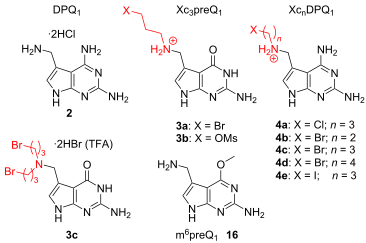
Scheme 2: Three-step syntheses of preQ1 (1) and DPQ1 (2). For the synthesis of m6preQ1 (16) see Supporting Information File 1.
Scheme 3: Syntheses of haloalkyl- and mesyloxyalkyl-modified preQ1 as and DPQ1 ligands.
Beilstein J. Org. Chem. 2025, 21, 421–443, doi:10.3762/bjoc.21.30
Graphical Abstract
Figure 1: Catalytic rate enhancements from a reduction in the Gibbs free energy transition barrier can be fra...
Figure 2: Typical catalysis modes using macrocycle cavities performing (non-specific) hydrophobic substrate b...
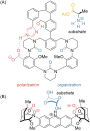
Figure 3: (A) Cram’s serine protease model system [87,88]. The macrocycle showed strong substrate binding (organizat...
Figure 4: (A) Self-assembling capsules can perform hydrophobic catalysis [116,117]. (B) Resorcin[4]arene building bloc...
Figure 5: (A) Metal-organic cages and key modes in catalysis. (B) Charged metals or ligands can result in +/−...
Figure 6: (A) Frameworks (MOFs, COFs) can be catalysts. (B) Example of a 2D-COF, assembled by dynamic covalen...
Figure 7: (A) Examples of dynamic covalent chemistry used to synthesize organic cages. (B) Organic cages are ...
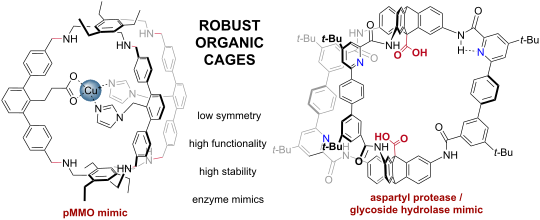
Figure 8: (A) Design and development of soluble, functionalized, robust organic cages. (B) Examples of modula...
Figure 9: (A) There are 13 metastable conformers (symmetry-corrected) for cage 1 due to permutations of amide...
Beilstein J. Org. Chem. 2025, 21, 200–216, doi:10.3762/bjoc.21.12
Graphical Abstract
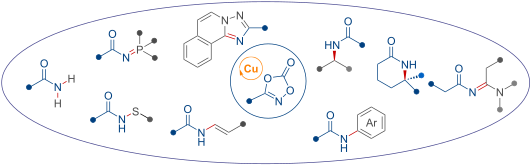
Scheme 1: Formation of isocyanates and amidated arenes from dioxazolones.
Scheme 2: Copper-catalyzed synthesis of δ-lactams via open-shell copper nitrenoid transfer. aCuBr (10 mol %) ...
Figure 1: Proposed reaction pathway for the copper-catalyzed synthesis of δ-lactams from dioxazolones.
Scheme 3: Copper(II)-catalyzed synthesis of 1,2,4-triazole derivatives.
Figure 2: Proposed reaction mechanism for the copper-catalyzed synthesis of 1,2,4-triazole analogues from dio...
Scheme 4: Copper(I)-catalyzed synthesis of N-acyl amidines from dioxazolones, acetylenes, and amines. aPerfor...
Figure 3: Proposed reaction mechanism for the copper(I)-catalyzed synthesis of N-acyl amidines.
Scheme 5: Preparation of N-arylamides from dioxazolones and boronic acids using a copper salt.
Figure 4: Proposed reaction pathway for the copper-mediated synthesis of N-arylamides from dioxazolones.
Scheme 6: Copper-catalyzed preparation of N-acyl iminophosphoranes from dioxazolones.
Figure 5: Proposed reaction pathway for the copper-catalyzed synthesis of N-acyl iminophosphoranes from dioxa...
Scheme 7: Copper-catalyzed synthesis of N-acyl sulfenamides. a1.0 equiv of 18 and 2.0 equiv of 19 were used. b...
Figure 6: Proposed reaction mechanism for the copper-catalyzed S-amidation of thiols.
Scheme 8: Copper-catalyzed asymmetric hydroamidation of vinylarenes. a4 mol % + 2 mol % catalyst was used. b4...
Figure 7: Proposed reaction mechanism for the copper-catalyzed hydroamidation of vinylarenes.
Scheme 9: Copper-catalyzed anti-Markovnikov hydroamidation of alkynes.
Figure 8: Proposed reaction mechanism for the copper-catalyzed amidation of alkynes.
Scheme 10: Copper-catalyzed preparation of primary amides through N–O bond reduction using reducing agent.
Figure 9: Proposed catalytic cycle for the copper-catalyzed reduction of dioxazolones.
Beilstein J. Org. Chem. 2025, 21, 155–178, doi:10.3762/bjoc.21.9
Graphical Abstract
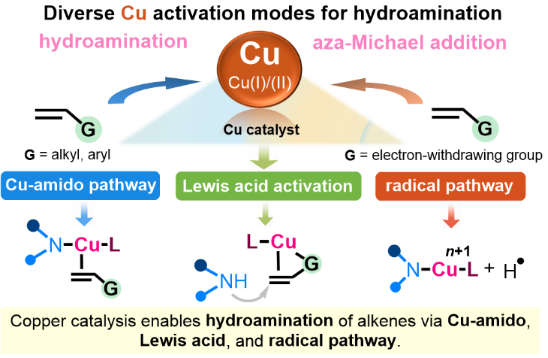
Figure 1: General mechanisms of traditional and radical-mediated cross-coupling reactions.
Figure 2: Types of electrocatalysis (using anodic oxidation).
Figure 3: Recent developments and features of electrochemical copper catalysis.
Figure 4: Scheme and proposed mechanism for Cu-catalyzed alkynylation and annulation of benzamide.
Figure 5: Scheme and proposed mechanism for Cu-catalyzed asymmetric C–H alkynylation.
Figure 6: Scheme for Cu/TEMPO-catalyzed C–H alkenylation of THIQs.
Figure 7: Scheme and proposed mechanism for Cu-catalyzed electrophotochemical enantioselective cyanation of b...
Figure 8: Scheme and proposed mechanism for Cu-catalyzed electrophotochemical asymmetric heteroarylcyanation ...
Figure 9: Scheme and proposed mechanism for Cu-catalyzed enantioselective regiodivergent cross-dehydrogenativ...
Figure 10: Scheme and proposed mechanism for Cu/Ni-catalyzed stereodivergent homocoupling of benzoxazolyl acet...
Figure 11: Scheme and proposed mechanism for Cu-catalyzed electrochemical amination.
Figure 12: Scheme and proposed mechanism for Cu-catalyzed electrochemical azidation of N-arylenamines and annu...
Figure 13: Scheme and proposed mechanism for Cu-catalyzed electrochemical halogenation.
Figure 14: Scheme and proposed mechanism for Cu-catalyzed asymmetric cyanophosphinoylation of vinylarenes.
Figure 15: Scheme and proposed mechanism for Cu/Co dual-catalyzed asymmetric hydrocyanation of alkenes.
Figure 16: Scheme and proposed mechanism for Cu-catalyzed electrochemical diazidation of olefins.
Figure 17: Scheme and proposed mechanism for Cu-catalyzed electrochemical azidocyanation of alkenes.
Figure 18: Scheme and proposed mechanism for Cu-catalyzed electrophotochemical asymmetric decarboxylative cyan...
Figure 19: Scheme and proposed mechanism for electrocatalytic Chan–Lam coupling.
Beilstein J. Org. Chem. 2024, 20, 3263–3273, doi:10.3762/bjoc.20.270
Graphical Abstract
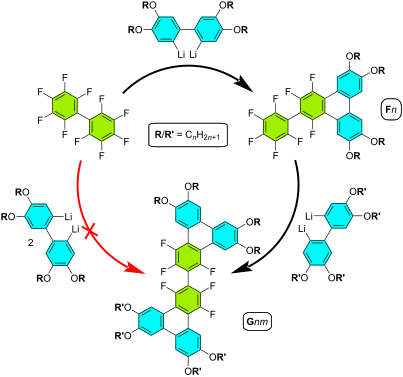
Figure 1: Fluorotriphenylene derivatives and their nonfluorinated homologs obtained by SNFAr from 2,2'-dilith...
Scheme 1: Synthesis, yields, and nomenclature of 1,2,4-trifluoro-6,7,10,11-tetraalkoxy-3-(perfluorophenyl)tri...
Figure 2: Single crystal structure of 1,2,4-trifluoro-3-(perfluorophenyl)triphenylene (F) viewed along the ma...
Figure 3: POM textures, observed between crossed polarizers of Janus and dimer, F6, F12, G66, and G48, respec...
Figure 4: Comparative bar graph summarizing the thermal behavior of Fn, BTP6, and PHn derivatives (2nd heatin...
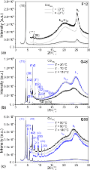
Figure 5: Representative S/WAXS patterns of Fn and Gnm compounds.
Figure 6: Absorption (a) and emission (b) spectra of F6 and G66, measured in different solvents at a concentr...
Figure 7: DFT calculated frontier molecular orbitals and optimized molecular structures for F1 and G11.
Beilstein J. Org. Chem. 2024, 20, 3221–3255, doi:10.3762/bjoc.20.268
Graphical Abstract
Figure 1: Reactivity of α,β-unsaturated imines and variety of structures.
Figure 2: The hetero-Diels–Alder and inverse electron demand hetero-Diels–Alder reactions.
Figure 3: Different strategies to promote the activation of dienes and dienophiles in IEDADA reactions.
Figure 4: Examples of non-covalent interactions in organocatalysis.
Scheme 1: Enantioselective bifunctional thiourea-catalyzed inverse electron demand Diels–Alder reaction of N-...
Scheme 2: Cinchona-derived thiourea-catalyzed stereoselective (3 + 2) reaction of α,β-unsaturated imines and ...
Scheme 3: Cinchona-derived thiourea-catalyzed stereoselective (3 + 2)/(4 + 2) cascade reaction of α,β-unsatur...
Scheme 4: Enantioselective bifunctional squaramide-catalyzed formal [4 + 2] cycloaddition of malononitrile wi...
Scheme 5: Bifunctional squaramide-catalyzed IEDADA reaction of saccharin-derived 1-azadienes and azlactones.
Scheme 6: Chiral guanidine-catalyzed enantioselective (4+1) cyclization of benzofuran-derived azadienes with ...
Scheme 7: Bifunctional squaramide-catalyzed [4 + 2] cyclization of benzofuran-derived azadienes and azlactone...
Scheme 8: Chiral bifunctional squaramide-catalyzed domino Mannich/formal [4 + 2] cyclization of 2-benzothiazo...
Scheme 9: Chiral bifunctional thiourea-catalyzed formal IEDADA reaction of β,γ-unsaturated ketones and benzof...
Scheme 10: Dihydroquinine-derived squaramide-catalyzed (3 + 2) cycloaddition reaction of isocyanoacetates and ...
Scheme 11: Enantioselective squaramide-catalyzed asymmetric IEDADA reaction of benzofuran-derived azadienes an...
Scheme 12: Scale up and derivatizations of benzofuran-fused 2-piperidinol derivatives.
Scheme 13: Dihydroquinine-derived squaramide-catalyzed Mannich-type reaction of isocyanoacetates with N-(2-ben...
Figure 5: Structure of a cinchona alkaloid and (DHQD)2PHAL.
Scheme 14: Enantioselective modified cinchona alkaloid-catalyzed [4 + 2] annulation of γ-butenolides and sacch...
Scheme 15: Chiral tertiary amine-catalyzed [2 + 4] annulation of cyclic 1-azadiene with γ-nitro ketones.
Scheme 16: Inverse electron demand aza-Diels–Alder reaction (IEDADA) of 1-azadienes with enecarbamates catalyz...
Scheme 17: Phosphoric acid-catalyzed enantioselective [4 + 2] cycloaddition of benzothiazolimines and enecarba...
Scheme 18: Phosphoric acid-catalyzed enantioselective inverse electron demand aza-Diels–Alder reaction of in s...
Scheme 19: Proposed reaction mechanism for the phosphoric acid-catalyzed enantioselective inverse electron dem...
Scheme 20: Enantioselective dearomatization of indoles by a (3 + 2) cyclization with azoalkenes catalyzed by a...
Scheme 21: Synthetic applicability of the pyrroloindoline derivatives.
Scheme 22: Chiral phosphoric acid-catalyzed (2 + 3) dearomative cycloaddition of 3-alkyl-2-vinylindoles with a...
Scheme 23: Chiral phosphoric acid-catalyzed asymmetric [4 + 2] cycloaddition of aurone-derived 1-azadienes and...
Scheme 24: Phosphoric acid-catalyzed enantioselective formal [4 + 2] cycloaddition of dienecarbamates and 2-be...
Scheme 25: Chiral phosphoric acid-catalyzed asymmetric inverse electron demand aza-Diels–Alder reaction of 1,3...
Scheme 26: Chiral phosphoric acid-catalyzed asymmetric Attanasi reaction between 1,3-dicarbonyl compounds and ...
Scheme 27: Synthetic applicability of the NPNOL derivatives.
Scheme 28: Chiral phosphoric acid-catalyzed asymmetric intermolecular formal (3 + 2) cycloaddition of azoalken...
Scheme 29: Enantioselective [4 + 2] cyclization of α,β-unsaturated imines and azlactones.
Scheme 30: Catalytic cycle for the chiral phosphoric acid-catalyzed enantioselective [4 + 2] cyclization of α,...
Beilstein J. Org. Chem. 2024, 20, 3069–3076, doi:10.3762/bjoc.20.255
Graphical Abstract
Scheme 1: Metallotropic rearrangement and regioselectivity issues.
Scheme 2: Asymmetric catalytic allenylation of aldehydes.
Scheme 3: Selective preparation of propargyltrichlorosilane.
Scheme 4: Evaluation of C2-symmetric catalysts with benzaldehyde (1a) as a model aldehyde. Reaction condition...
Scheme 5: Evaluation of the extent to which (S)-8 catalyzed the allenylation reaction. Reaction conditions: a...
Figure 1: A potential energy surface (PES) for the proposed mechanism for (a) isomerization of propargyltrich...
Beilstein J. Org. Chem. 2024, 20, 2946–2953, doi:10.3762/bjoc.20.247
Graphical Abstract
Scheme 1: Generation of gem-difluorovinyl and trifluorovinyl Michael acceptors and their use in the synthesis...
Scheme 2: Formation of α,β-difluorinated and α-fluorinated α,β-unsaturated amides.
Scheme 3: Formation of β-fluorinated and nonfluorinated α,β-unsaturated amides.
Scheme 4: Michael addition of 1a–d with tert-BuLi.
Scheme 5: Michael addition of 2a–d with tert-BuLi.
Scheme 6: Formation of N-methylation products.
Beilstein J. Org. Chem. 2024, 20, 2891–2920, doi:10.3762/bjoc.20.243
Graphical Abstract
Figure 1: Various structures of iodonium salts.
Scheme 1: Αrylation of α-fluoroacetoacetamides 5 to α-aryl-α-fluoroacetoacetamides 7 and α-fluoroacetamides 8...
Scheme 2: Proposed mechanism for the arylation of α-fluoroacetoacetamides 5 to α-aryl-α-fluoroacetoacetamides ...
Scheme 3: α-Arylation of α-nitro- and α-cyano derivatives of α-fluoroacetamides 9 employing unsymmetrical DAI...
Scheme 4: Synthesis of α,α-difluoroketones 13 by reacting α,α-difluoro-β-keto acid esters 11 with aryl(TMP)io...
Scheme 5: Coupling reaction of arynes generated by iodonium salts 6 and arynophiles 14 for the synthesis of t...
Scheme 6: Metal-free arylation of quinoxalines 17 and quinoxalinones 19 with DAISs 16.
Scheme 7: Transition-metal-free, C–C cross-coupling of 2-naphthols 21 to 1-arylnapthalen-2-ols 22 employing d...
Scheme 8: Arylation of vinyl pinacol boronates 23 to trans-arylvinylboronates 24 in presence of hypervalent i...
Scheme 9: Light-induced selective arylation at C2 of quinoline N-oxides 25 and pyridine N-oxides 28 in the pr...
Scheme 10: Plaussible mechanism for the light-induced selective arylation of N-heterobiaryls.
Scheme 11: Photoinduced arylation of heterocycles 31 with the help of diaryliodonium salts 16 activated throug...
Scheme 12: Arylation of MBH acetates 33 with DIPEA and DAIRs 16.
Scheme 13: Aryl sulfonylation of MBH acetates 33 with DABSO and diphenyliodonium triflates 16.
Scheme 14: Synthesis of oxindoles 37 from N-arylacrylamides 36 and diaryliodonium salts 26.
Scheme 15: Mechanically induced N-arylation of amines 38 using diaryliodonium salts 16.
Scheme 16: o-Fluorinated diaryliodonium salts 40-mediated diarylation of amines 38.
Scheme 17: Proposed mechanism for the diarylation of amines 38 using o-fluorinated diaryliodonium salts 40.
Scheme 18: Ring-opening difunctionalization of aliphatic cyclic amines 41.
Scheme 19: N-Arylation of amino acid esters 44 using hypervalent iodonium salts 45.
Scheme 20: Regioselective N-arylation of triazole derivatives 47 by hypervalent iodonium salts 48.
Scheme 21: Regioselective N-arylation of tetrazole derivatives 50 by hypervalent iodonium salt 51.
Scheme 22: Selective arylation at nitrogen and oxygen of pyridin-2-ones 53 by iodonium salts 16 depending on t...
Scheme 23: N-Arylation using oxygen-bridged acyclic diaryliodonium salt 56.
Scheme 24: The successive C(sp2)–C(sp2)/O–C(sp2) bond formation of naphthols 58.
Scheme 25: Synthesis of diarylethers 62 via in situ generation of hypervalent iodine salts.
Scheme 26: O-Arylated galactosides 64 by reacting protected galactosides 63 with hypervalent iodine salts 16 i...
Scheme 27: Esterification of naproxen methyl ester 65 via formation and reaction of naproxen-containing diaryl...
Scheme 28: Etherification and esterification products 72 through gemfibrozil methyl ester-derived diaryliodoni...
Scheme 29: Synthesis of iodine containing meta-substituted biaryl ethers 74 by reacting phenols 61 and cyclic ...
Scheme 30: Plausible mechanism for the synthesis of meta-functionalized biaryl ethers 74.
Scheme 31: Intramolecular aryl migration of trifluoromethane sulfonate-substituted diaryliodonium salts 75.
Scheme 32: Synthesis of diaryl ethers 80 via site-selective aryl migration.
Scheme 33: Synthesis of O-arylated N-alkoxybenzamides 83 using aryl(trimethoxyphenyl)iodonium salts 82.
Scheme 34: Synthesis of aryl sulfides 85 from thiols 84 using diaryliodonium salts 16 in basic conditions.
Scheme 35: Base-promoted synthesis of diarylsulfoxides 87 via arylation of general sulfinates 86.
Scheme 36: Plausible mechanism for the arylation of sulfinates 86 via sulfenates A to give diaryl sulfoxides 87...
Scheme 37: S-Arylation reactions of aryl or heterocyclic thiols 88.
Scheme 38: Site-selective S-arylation reactions of cysteine thiol groups in 91 and 94 in the presence of diary...
Scheme 39: The selective S-arylation of sulfenamides 97 using diphenyliodonium salts 98.
Scheme 40: Plausible mechanism for the synthesis of sulfilimines 99.
Scheme 41: Synthesis of S-arylxanthates 102 by reacting DAIS 101 with potassium alkyl xanthates 100.
Figure 2: Structured of the 8-membered and 4-membered heterotetramer I and II.
Scheme 42: S-Arylation by diaryliodonium cations 103 using KSCN (104) as a sulfur source.
Scheme 43: S-Arylation of phosphorothioate diesters 107 through the utilization of diaryliodonium salts 108.
Scheme 44: Transfer of the aryl group from the hypervalent iodonium salt 108 to phosphorothioate diester 107.
Scheme 45: Synthesis of diarylselenides 118 via diarylation of selenocyanate 115.
Scheme 46: Light-promoted arylation of tertiary phosphines 119 to quaternary phosphonium salts 121 using diary...
Scheme 47: Arylation of aminophosphorus substrate 122 to synthesize phosphine oxides 123 using aryl(mesityl)io...
Scheme 48: Reaction of diphenyliodonium triflate (16) with DMSO (124) via thia-Sommelet–Hauser rearrangement.
Scheme 49: Synthesis of biaryl compounds 132 by reacting diaryliodonium salts 131 with arylhydroxylamines 130 ...
Scheme 50: Synthesis of substituted indazoles 134 and 135 from N-hydroxyindazoles 133.
Beilstein J. Org. Chem. 2024, 20, 2722–2731, doi:10.3762/bjoc.20.230
Graphical Abstract
Figure 1: Selected natural products containing spiro-indolenines.
Scheme 1: Synthesis of spiro[indole-heterocycles].
Scheme 2: Synthetic strategy for the new synthesis of 2,3-diaminoindolenines [21] and spiro[indole-isoquinolines]....
Scheme 3: Scope of the synthesis of spiro[indole-THIQs]. aα-aminoamidine 2b has been isolated (54%) too; bα-a...
Scheme 4: Two-step synthesis using p-methylaniline.
Scheme 5: Investigation of the one-pot four-step synthetic protocol employing N-Ph-benzoxazepine 5.
Figure 2: Time profile of the reaction of N-Ph-THIQ, 3,5-dimethoxyaniline and t-BuNC conducted under optimize...
Scheme 6: Proposed mechanism.