


Search results
Search for "sulfoxide" in Full Text gives 236 result(s) in Beilstein Journal of Organic Chemistry. Showing first 200.
Unsymmetrical sulfoxides with sterically hindered catechol fragment: synthesis, structure, electrochemical properties, and antiradical activity
- Daria A. Burmistrova,
- Vasiliy A. Fokin,
- Oleg P. Demidov,
- Mikhail A. Kiskin,
- Maxim V. Arsenyev,
- Andrey I. Poddel’sky,
- Nadezhda T. Berberova and
- Ivan V. Smolyaninov
Beilstein J. Org. Chem. 2026, 22, 828–837, doi:10.3762/bjoc.22.65
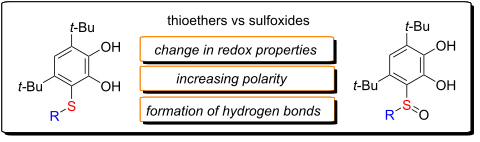
- 10.3762/bjoc.22.65 Abstract New unsymmetrical sulfoxides containing a redox-active sterically hindered catechol fragment and a nonpolar hydrocarbon substituent at the sulfoxide group were synthesized via the oxidation of the corresponding catechol thioethers with hydrogen peroxide. The yield of the
- -withdrawing nature of the S=O group. The second redox stage characterizes the transformation of the sulfoxide fragment and is observed in most cases at 1.82–1.91 V. The radical-scavenging activity and antioxidant properties of the unsymmetrical sulfoxides and their precursor thioethers were evaluated using
- on the sulfoxide group. Keywords: antioxidant activity; catechol thioethers; redox-transformations; sulfoxides; X-ray analysis; Introduction Polyphenolic compounds can participate in redox processes and undergo a wide range of chemical modifications. As a result, they possess diverse biological

Graphical Abstract

Scheme 1: Synthesis of catechol-contained thioethers 1–7 and sulfoxides 1a–7a.

Figure 1: Molecular structures of 1a (a), 4a (b), 5a (c), 6a (d), 7a (e) (solvent molecules and fragment diso...

Figure 2: CV curves of 1 and 1a at the potential ranges: from −0.5 to 1.75 V for 1 (curve 1); from −0.5 to 1....

Scheme 2: Proposed mechanism of electrochemical transformations of catechol sulfoxides (path a – for 1a, 3a, ...

Figure 3: CV curve of 5a at the potential range from −0.50 to 1.40 V (curve 1); from −0.50 to 1.70 V (curve 2...

Figure 4: CV curves of electrolysis products of 7a at the potential ranges from 0.5 to −0.4 V (CH3CN, GC elec...

Scheme 3: Proposed mechanism of the reduction of electrogenerated o-benzoquinone.
Computational prediction of C–H hydricities and their use in predicting the regioselectivity of electron-rich C–H functionalisation reactions
- Rasmus M. Borup,
- Nicolai Ree and
- Jan H. Jensen
Beilstein J. Org. Chem. 2026, 22, 603–610, doi:10.3762/bjoc.22.46
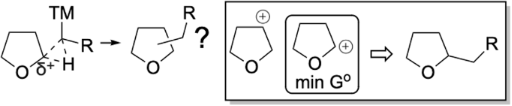
- electron-rich C–H functionalisation reactions. Methods Datasets To validate our QM workflow, we use a dataset of 35 experimental C–H hydricities in dimethyl sulfoxide (DMSO, 26 compounds) and acetonitrile (MeCN, 9 compounds) from Parker and co-workers [7]. As 35 C–H hydricities are insufficient to train an
- optimization in dimethyl sulfoxide (DMSO, ε = 47.2) using the GFN-FF-xTB [13] force field and the analytical linearised Poisson–Boltzmann (ALPB) [14] as the implicit solvation model. We then remove conformers with relative energies above 3 kcal/mol and select unique conformers by taking the centroids of a

Graphical Abstract

Figure 1: Different cleavage methods for C–H bonds. Heterolytic bond dissociation energy with proton dissocia...

Figure 2:
Correlating QM-computed ![[Graphic 6]](/bjoc/content/inline/1860-5397-22-46-i8.svg?max-width=637&scale=1.18182) values and experimental hydricities for 35 compounds [7]. r: Pearson correlat...
values and experimental hydricities for 35 compounds [7]. r: Pearson correlat...

Figure 3: Correlating ML-predicted BDE values using ALFABET and experimental hydricities for 35 compounds [7]. r...

Figure 4: ML-predicted hydricities vs QM-computed hydricities of the held-out test set (145 compounds; 671 hy...

Figure 5: Examples of functionalisation of electron-rich C–H bonds via innate insertion or H-abstraction take...
Regioselective approach to 5-arylsulfonylisoxazoles and their antimicrobial activity
- Artem S. Sazonov,
- Dmitry A. Vasilenko,
- Denis V. Porfiriev,
- Yuri K. Grishin,
- Rimma A. Gazzaeva,
- Alisa P. Chernyshova,
- Maxim A. Kryakvin,
- Anna A. Baranova,
- Vera A. Alferova and
- Elena B. Averina
Beilstein J. Org. Chem. 2026, 22, 592–602, doi:10.3762/bjoc.22.45
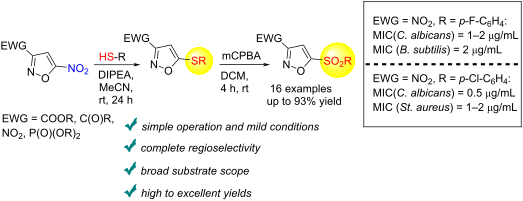
- using 1H NMR (Figure S1 in Supporting Information File 1). The results revealed that the oxidation of isoxazole 2a to sulfoxide 4a proceeds quickly, and complete conversion of isoxazole 2a is achieved within 5 min. In contrast, the subsequent reaction of 4a to 3a proceeds is much slower, and only after

Graphical Abstract

Figure 1: Examples of sulfonylisoxazoles with biological activities.

Scheme 1: Reactions for preparing 5-sulfonylisoxazoles.

Scheme 2: Scope of 5-nitroisoxazoles 1a–g in the reaction with thiophenols.

Scheme 3: Scope of 5-thioisoxazoles 2a-p in the reaction with mCPBA.

Scheme 4: Oxidation of 5-thioisoxazoles into 5-sulfinylisoxazoles.

Figure 2: The samples of isoxazole derivatives trigger SOS response in E. coli reporter strains. A) Agar plat...

Figure 3: Inhibition of Klenow fragment of E. coli DNA polymerase I. A) The principal scheme of the Klenow fr...

Figure 4: Inhibition of E. coli DNA gyrase and Topo IV cleavage activity. A) The principal scheme of E. coli ...

Figure 5: Inhibition of E. coli DNA Topo I cleavage activity. A) The principal scheme of E. coli DNA Topo I c...

Figure 6: Inhibition of E. coli DNA gyrase supercoiling activity. A) The principal scheme of E. coli DNA gyra...

Figure 7: Inhibition of E. coli DNA Topo IV decatenation activity. A) The principal scheme of of E. coli DNA ...
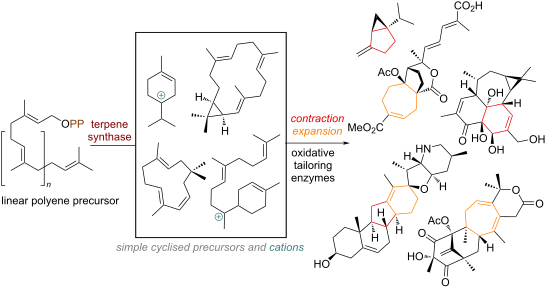
Ring contraction and ring expansion reactions in terpenoid biosynthesis and their application to total synthesis
- Nicolas Kratena,
- Nicolas Heinzig and
- Peter Gärtner
Beilstein J. Org. Chem. 2026, 22, 289–343, doi:10.3762/bjoc.22.21

Graphical Abstract

Scheme 1: Mechanistic overview of enzymes involved in ring-size-altering reactions: A: Difference in ionisati...

Scheme 2: A: Ring contraction through involvement of carbocationic intermediates in thujane monoterpene biosy...

Scheme 3: Examples of concerted ring expansions of carbocation intermediates in PxaTPS8-catalysed cyclisation...

Scheme 4: Sequential ring expansions during astellifadiene (17) synthesis reported by Abe and co-workers.

Scheme 5: Cyclobutane ring expansion and sequential ring contractions catalysed by the synthase AITS in the b...

Scheme 6: Ring expansion and transannular ring contraction of a cyclopentane to cyclobutane in the biosynthes...

Scheme 7: Computationally elucidated concerted cyclisations/alkyl/hydride shifts during the biosynthesis of t...

Scheme 8: Cyclisation events and 6→5-ring contraction during the construction of epi-isozizaene (26) catalyse...

Scheme 9: Transannular cyclisations and 4→5-membered ring expansion through dyotropic 1,2-rearrangement of al...

Scheme 10: Ring expansion in presilphiperfolan-8b-ol (31) biosynthesis and ring contraction of the presilphipe...

Scheme 11: Ring contraction via transannular cyclopropanation and opening of cyclopropane in the biosynthesis ...

Scheme 12: The crucial CYP450-catalysed oxidative rearrangement defining the skeleton in gibberellin biosynthe...

Scheme 13: CYP450-mediated oxidation of cyclopentane methylene expanding the 8-membered ring in the biosynthes...

Scheme 14: CYP450-mediated oxidation of an exocyclic methyl group to effect transannular cyclisation across th...

Scheme 15: Non-enzymatic transannular aldol reaction enables the formation of the 5/13/3-tricyclic ring system...

Scheme 16: A: Oxidative ring expansion of a cyclopentane by incorporation of a methyl group in the biosynthesi...

Scheme 17: Rearrangement and ring expansion in the construction of the complex bridged carbon framework of and...

Scheme 18: Ketoglutarate-mediated oxidations of preaustinoid A1 (53) en route to complex meroterpenoids, B-rin...

Scheme 19: Proposed putative biosynthetic formation of the tigliane skeleton from an E,E,Z-triene.

Scheme 20: Photocatalytic tandem ring expansion/contraction of santonin to give photosantonin products and gua...

Scheme 21: A: Proposed biosynthesis of stelleroid B (66) from stelleranoid I (65) by ketol rearrangement; B: o...

Scheme 22: Singular examples of A,B-ring contractions and expansions in the biosynthesis of sesquiterpenoids e...

Scheme 23: A: plausible proposed biosynthetic pathway for the tigliane/ingenane skeletal rearrangement and 1,2...

Scheme 24: A: Multiple ring-size alterations during xenovulene A (90) biosynthesis; B: Ring contraction and re...

Scheme 25: Proposed biosyntheses of the complex, polycyclic terpenoid illisimonin A (97) and the bridged antro...

Scheme 26: Proposed biogenetic origin for the meroterpenoid liphagal (104) via epoxide-mediated ring expansion....

Scheme 27: Proposed biogenetic origin for the ring-contracted members of the taiwaniaquinol family.
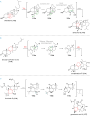
Scheme 28: A: Schenck ene/Hock/Aldol cascade effecting B-ring contraction in atheronal B (113); B: Selective C...
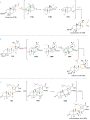
Scheme 29: A: D-ring expansion of buxenone (118) via cyclopropanation towards buxaustroine A (119); B: Propose...

Scheme 30: Biosynthetic origin of alstoscholarinoids A (124) and B (125) via cascade oxidative rearrangement c...

Scheme 31: Biogenetic origin of the hedgehog signalling inhibitor cyclopamine (129) by tandem ring contraction...

Scheme 32: Proposed biogenetic origin of the B-ring contracted spirocyclic triterpenoid spirochensilide A (131...

Scheme 33: A: Proposed B-ring contraction during the biosynthesis of holophyllane A (133); B: B-ring contracti...

Scheme 34: Radical and ionic/polar mechanisms for the C-ring-contracted triterpenoids phomopsterone B (139) an...

Scheme 35: A: Plausible mechanism for the formation of schiglautone A (144) from anwuweizic acid (145); B: Pro...

Scheme 36: Reported biosynthetic proposal for the formation of B-ring expanded triterpenoids rhodoterpenoids A...

Scheme 37: A: Final reaction step in the synthesis of euphorikanin A (154), benzilic acid-type ring contractio...

Scheme 38: Tricyclic ring expansion in the Gui synthesis of gibbosterol A (158) and sarocladione (160) via Ru-...

Scheme 39: A: A-ring expansion during the Gui synthesis of rubriflordilactone B (161); B: Mechanism for the bi...

Scheme 40: Photosantonin rearrangement effects A/B ring contraction/expansion in Li’s synthesis of the complex...

Scheme 41: Tandem A/B ring expansion/contraction of an ergosterol derivative via pinacol rearrangement in the ...

Scheme 42: Synthetic studies towards cyclocitrinol (179) by A) the semisynthetic approach by Gui et al. using ...

Scheme 43: A: Bioinspired synthesis of spirochensilide A (131) by the Heretsch group via selective 8,9-epoxida...
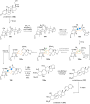
Scheme 44: Baran’s synthesis of cortistatin A (191), expanding the B-ring through a cyclopropane fragmentation....

Scheme 45: Ding’s total synthesis of retigeranic acid (198) showcasing sequential 6→5 ring contractions.

Scheme 46: A: Oxa-di-π-methane (ODPM) rearrangement of a bicyclic ketone en route to silphiperfolenone (203); ...

Scheme 47: Biomimetic synthesis of liphagal (104) from sclareolide (221) by George and co-workers.

Scheme 48: Wu’s bioinspired synthesis of cucurbalsaminones B (224) and C (225) by photocatalytic oxa-di-π-meth...

Scheme 49: Baran’s total synthesis of maoecrystal V (230) featuring a pinacol rearrangement for ring expansion...

Scheme 50: A: Ketol rearrangement leading to ring contraction in the total synthesis of preaustinoid B; B: Ben...

Scheme 51: A: Scheidt’s synthesis of isovelleral (251) by pinacol rearrangement triggered by Mitsunobu conditi...

Scheme 52: Biomimetic transformations of simplified test substrates related to Euphorbia diterpenoids.

Scheme 53: A: First generation synthesis of taiwaniaquinones by benzilic acid-type rearrangement of the B-ring...

Scheme 54: A: Norrish type 1 radical recombination leading to ring contraction en route to cuparenone (272): 1...

Scheme 55: Ring contraction of a bridged D-ring system in the total synthesis of andrastatin D (280), terrenoi...

Scheme 56: Biomimetic synthesis of hyperjapone A (284) and hyperjaponol C (285) by George et al.

Scheme 57: Heretsch’ synthesis of dankastarones A (288) and B (289), swinhoeisterol A (290), and periconiaston...

Scheme 58: A: Zhang’s ring contraction during the synthesis of stemar-13-ene (295) by pinacol rearrangement; B...

Scheme 59: Trauner’s biomimetic synthesis of preuisolactone A (307) featuring a ring contraction via benzilic ...

Scheme 60: Bioinspired approaches for ring contraction/expansion reactions in the synthesis of alstoscholarino...

Scheme 61: A: Sarpong and Li, Wang and co-workers’ ring expansion of cephanolide A (313) to reach harringtonol...
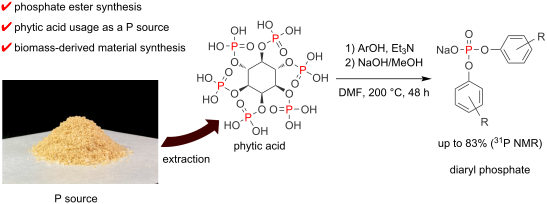
Synthesis of diaryl phosphates using phytic acid as a phosphorus source
- Kazuya Asao,
- Seika Matsumoto,
- Haruka Mori,
- Riku Yoshimura,
- Takeshi Sasaki,
- Naoya Hirata,
- Yasuyuki Hayakawa and
- Shin-ichi Kawaguchi
Beilstein J. Org. Chem. 2026, 22, 213–223, doi:10.3762/bjoc.22.15
- (SHIMADZU, Kyoto, Japan) and JMS GC-mate II (JEOL, Tokyo, Japan) instruments. The melting points were determined using a Q-200 differential scanning calorimeter (TA Instruments, New Castle, DE, USA). The NMR spectra were recorded in a deuterated solvent (D2O, methanol-d4 or dimethyl sulfoxide (DMSO)-d6

Graphical Abstract

Scheme 1: Structure of phytic acid.

Figure 1: Structures of representative phosphate esters.
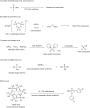
Figure 2: Synthetic methods for phosphorus compounds bypassing white phosphorus or phosphorus chloride.

Figure 3: Conditions for the syntheses of diaryl phosphates using phytic acid as a phosphorus source and scop...

Scheme 2: Phosphoric acid diesterification reaction conducted in a previous study.

Scheme 3: Scale-up reaction conducted for the time-course analysis of phosphate esterification. The reaction ...

Figure 4: Time-course analysis plots of the diphenylphosphate formation from phytic acid and 1a. The beginnin...

Figure 5: A possible reaction pathway for the formation of phosphate ester using phytic acid as the phosphoru...

Figure 6: 31P NMR spectrum of phytic acid extracted from rice bran.

Scheme 4: Esterification reaction conditions using the extracted phytic acid. The yield refers to the isolate...
A new synthesis of Tyrian purple (6,6’-dibromoindigo) and its corresponding sulfonate salts
- Holly Helmers,
- Mark Horton,
- Julie Concepcion,
- Jeffrey Bjorklund and
- Nicholas C. Boaz
Beilstein J. Org. Chem. 2026, 22, 167–174, doi:10.3762/bjoc.22.10
- Scheme 5A, dimethyl sulfoxide (DMSO) did not react with the benzyl bromide and instead only returned the starting material. The addition of 1.2 equivalents of silver nitrate promoted the substitution of the benzyl bromide with DMSO to yield an alkoxysulfonium ion 8 [22]. Following substitution, the

Graphical Abstract

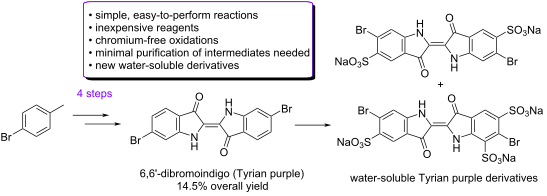
Scheme 1: A) Generalized synthetic scheme for several previous syntheses of 6,6’-dibromoindigo. B) The synthe...

Scheme 2: Synthetic scheme for the preparation of 6,6’-dibromoindigo from p-bromotoluene (5).

Scheme 3: Nitration of p-bromotoluene (5) yields a mixture of regioisomers 3 and 7.

Scheme 4: Benzylic bromination of 4-bromo-2-nitrotoluene (3).

Scheme 5: A) Treatment of 4-bromo-2-nitrobenzyl bromide (6) with DMSO did not yield the alkoxysulfonium ion i...

Scheme 6: Condensation of 4-bromo-2-nitrobenzaldehyde (4) to yield 6,6’-dibromoindigo (1).

Scheme 7: A) Disulfonation of 6,6’-dibromoindigo (1), to yield 6,6’-dibromo-5,5’-indigodisulfonic acid disodi...

Figure 1: A) UV–vis spectra of 6,6’-dibromo-5,5’,7-indigotrisulfonic acid trisodium salt (10) (10 μM) in aque...
Effect of a photoswitchable rotaxane on membrane permeabilization across lipid compositions
- Udyogi N. K. Conthagamage,
- Lilia Lopez,
- Zuliah A. Abdulsalam and
- Víctor García-López
Beilstein J. Org. Chem. 2025, 21, 2498–2512, doi:10.3762/bjoc.21.192
- egg yolk phosphatidylcholine (EYPC), Dipalmitoylphosphatidylcholine (DPPC), and cholesterol, all obtained from Avanti Lipids. All buffer solutions were prepared using Milli-Q Water from a Barnstead™ Water Purification System. Molecular biology grade dimethyl sulfoxide was used for stock solutions of

Graphical Abstract

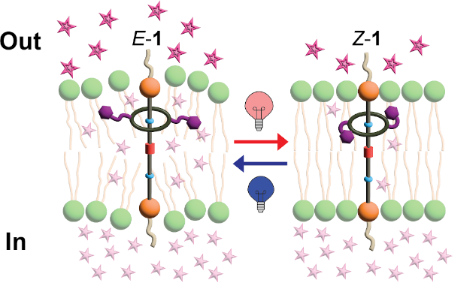
Figure 1: a) Structural components of the rotaxanes (PEG, polyethylene glycol chain; BAA (benzylalkylammonium...
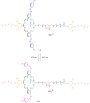
Figure 2: Photoisomerization of rotaxane 1.
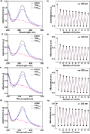
Figure 3: Reversible photoswitching of rotaxane 1 in LUVs with varying lipid compositions. Left column: UV–vi...

Figure 4: Summary of sulforhodamine B release from LUVs of varying lipid compositions. a) Dye release after 7...

Figure 5: Percentage of sulforhodamine B released from EYPC/Chol 8:2 LUVs upon five irradiation cycles after ...

Figure 6: Percentage of sulforhodamine B released from LUVs containing rotaxane 1 upon five alternating light...

Figure 7: Evaluation of effect of axle 3 upon light exposure. a) Percentage of sulforhodamine B released from...

Figure 8: a) Illustration of rotaxane 4 in its preferred orientation within a lipid bilayer; percentage of su...
The high potential of methyl laurate as a recyclable competitor to conventional toxic solvents in [3 + 2] cycloaddition reactions
- Ayhan Yıldırım and
- Mustafa Göker
Beilstein J. Org. Chem. 2025, 21, 2389–2415, doi:10.3762/bjoc.21.184
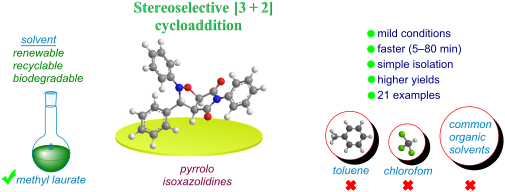
- were measured using Bruker ultrashield plus biospin 400 MHz NMR spectrometer and chloroform-d (CDCl3) or hexadeuterodimethyl sulfoxide (DMSO-d6) as a solvent. Chemical shifts (δ) are reported in ppm and J values in hertz. The elemental analyses were performed using a Leco CHNS-932 elemental analyzer

Graphical Abstract

Figure 1: Versatile compounds via cycloaddition reactions.
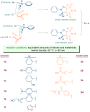
Scheme 1: Molecular structures of parent compounds 1a–f, 2a–d and cycloadducts 3a–u.

Figure 2: a) Radar view of the physical properties of methyl laurate. b) Oral toxicity values of methyl laura...

Figure 3: The oral toxicity values of all the solvents utilized in the present study obtained with ProTox 3.0....

Figure 4: Ecological, environmental risk assessments, pesticide similarity and biodegradability assessments o...

Figure 5: Ecological, environmental risk assessments, pesticide similarity and biodegradability assessments o...

Figure 6: Ecological, environmental risk assessments, pesticide similarity and biodegradability assessments o...

Figure 7: Various toxicity parameters of methyl laurate and a series of other solvents calculated by ADMETLab...

Figure 8: a) Visualization of the localization of conventional organic and bio-based solvents in the Hansen s...
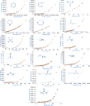
Figure 9: Vapour pressures of the solvents used (values retrieved from the Chemeo molecular database).

Scheme 2: Endo and exo stereoisomeric approaches of nitrone 1a and maleimide 2a in [3 + 2] cycloaddition reac...

Figure 10: Signals of protons used in the calculation of the diastereomeric ratios (cis/trans) of cycloadditio...

Figure 11: Results of studies on the recovery of solvents used in the reaction.

Figure 12: Simplified scheme describing the reaction monitoring and solvent recovery.
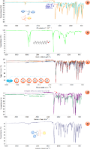
Figure 13: a) The superimposed spectra of C,N-diphenylnitrone and N-phenylmaleimide. b) The spectrum of methyl...
Insoluble methylene-bridged glycoluril dimers as sequestrants for dyes
- Suvenika Perera,
- Peter Y. Zavalij and
- Lyle Isaacs
Beilstein J. Org. Chem. 2025, 21, 2302–2314, doi:10.3762/bjoc.21.176
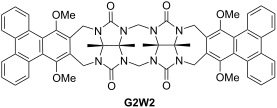
- locking or in deuterated dimethyl sulfoxide (DMSO-d6) or in deuterated chloroform (CDCl3). Melting points were measured on a Meltemp apparatus in open capillary tubes and are not corrected. IR spectra were recorded on a Thermo Nicolet NEXUS 670 FT/IR spectrometer by attenuated total reflectance (ATR) and

Graphical Abstract

Figure 1: Chemical structures of selected hosts used as the basis for sequestrants.

Scheme 1: a) Synthesis of triphenylene-derived aromatic walls W1 and W2, and b) structure of commercially ava...

Scheme 2: Synthesis of methylene-bridged glycoluril dimers G2W1–G2W4. Conditions: a) TFA: Ac2O, 95 °C, 3.5 h (...

Figure 2: Chemical structures of dyes used in this study.

Figure 3: 1H NMR spectra recorded (400 MHz, DMSO-d6, rt) for: a) G2W1, b) G2W2, c) G2W3, d) G2W4.

Figure 4: Plot of removal efficiency of dyes from water after incubating with equimolar amounts (7.2 μmol) of ...

Figure 5: Cross-eyed stereoview of: a) one molecule of G2W3 in the crystal, and b) the packing of G2W3 in the...

Figure 6: Cross-eyed stereoview of: a) a molecule of G2W1 in the crystal, b) the packing of G2W1 along the xz...
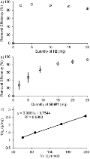
Figure 7: a) Plot of removal efficiency of methylene blue (240 μM, 1 mL) from water after incubating with dif...

Figure 8: Plot of the removal efficiency versus methylene blue concentration (70, 90, 120, 180, 240, 300, 100...
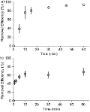
Figure 9: a) Plot of removal efficiency of methylene blue (240 μM, 1 mL) from water as a function of time aft...
Synthesis, biological and electrochemical evaluation of glycidyl esters of phosphorus acids as potential anticancer drugs
- Almaz A. Zagidullin,
- Emil R. Bulatov,
- Mikhail N. Khrizanforov,
- Damir R. Davletshin,
- Elvina M. Gilyazova,
- Ivan A. Strelkov and
- Vasily A. Miluykov
Beilstein J. Org. Chem. 2025, 21, 1909–1916, doi:10.3762/bjoc.21.148
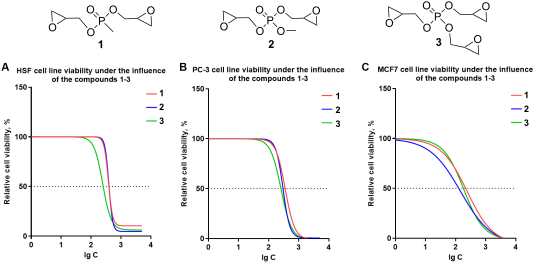
- a final concentration of 0.5 mg/mL. Plates were incubated for 3 hours at 37 °C in a CO2 incubator to allow for formazan crystal formation. Subsequently, 150 μL of dimethyl sulfoxide (DMSO) was added to each well to solubilize the formazan. Plates were shaken for 15 minutes, and absorbance was

Graphical Abstract

Figure 1: Structures of some pharmacological important phosphorus-containing molecules with oxirane or azirid...

Scheme 1: Synthesis of glycidyl esters of phosphorus acids 1–3.

Figure 2: Dose–response curves for the cytotoxic effects of glycidyl esters of phosphorus acids 1–3 on human ...

Figure 3: Linear sweep voltammograms of 1 × 10⁻⁴ М HSA (black) and HSA mixed with each of the three alkylatin...

Figure 4: Chemical structure of alkylating fragment of 1–3 and the associated chemical pathway of its covalen...
Azide–alkyne cycloaddition (click) reaction in biomass-derived solvent CyreneTM under one-pot conditions
- Zoltán Medgyesi and
- László T. Mika
Beilstein J. Org. Chem. 2025, 21, 1544–1551, doi:10.3762/bjoc.21.117
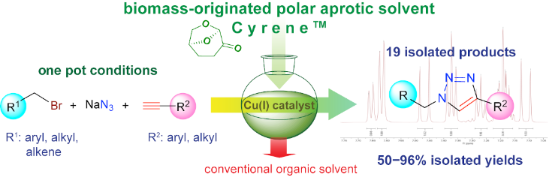
- used for click reactions such as chlorinated hydrocarbons [15][16], toluene [16], tetrahydrofuran (THF) [17][18], N,N-dimethylformamide (DMF) [19][20], N-methylpyrrolidone (NMP) [21], dimethyl sulfoxide (DMSO) [17][19][22], or acetonitrile [23] are classified into Class 1 and 2, of which applications
- phenylacetylene, 2.5 mL solvent, 0.01 mmol CuI, 0.1 mmol Et3N, T = 30 °C, t = 4 h. DCM: dichloromethane, DMF: N,N-dimethylformamide, NMP: N-methylpyrrolidone, DMSO: dimethyl sulfoxide, 2Me-THF: 2-methyltetrahydrofuran, Me-4MeOV: methyl 4-methoxyvalerate, Et-4EtOV: ethyl 4-ethoxyvalerate, MeLev: methyl levulinate

Graphical Abstract

Scheme 1: Synthesis of CyreneTM (dihydrolevoglucosenone) from cellulose-based feeds via levoglucosenone (LG).

Scheme 2: Copper-catalyzed azide–alkyne cycloaddition of benzyl azide (1a) and phenylacetylene (2a) in variou...

Figure 1: Comparison of various solvents used in the CuAAC reaction. Reaction conditions: 1.15 mmol benzyl az...

Figure 2: Effect of the Cu source used in the click reaction of benzyl azide (1a, 1.15 mmol) and phenylacetyl...

Figure 3: Copper-catalyzed azide–alkyne cycloaddition of benzyl azide (1a) and various acetylenes 2a–h in Cyr...

Figure 4: Consecutive synthesis of various N-substituted-4-phenyl-1H-1,2,3-triazoles in CyreneTM. Reaction co...

Figure 5: “One-pot” synthesis of various 1-allyl-4-substituted-1H-1,2,3-triazoles in CyreneTM. Reaction condi...

Figure 6: Solvent recovery for the CuAAC reaction of 1a and 2a. Reaction conditions: 12.5 mL CyreneTM, 1 mol ...
Recent advances in synthetic approaches for bioactive cinnamic acid derivatives
- Betty A. Kustiana,
- Galuh Widiyarti and
- Teni Ernawati
Beilstein J. Org. Chem. 2025, 21, 1031–1086, doi:10.3762/bjoc.21.85
- 350–352 in good yields via benzyne intermediate 353 followed by a [2 + 2] cycloaddition with the sulfoxide affording an o-quinone intermediate 354 (Scheme 78) [132]. Furthermore, dioxolane compounds have also been subjected to synthesize cinnamic acid derivatives through CO2 release. For example, Chen

Graphical Abstract

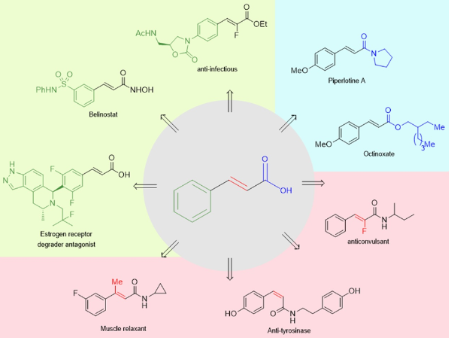
Figure 1: Biologically active cinnamic acid derivatives.

Scheme 1: General synthetic strategies for cinnamic acid derivatizations.

Scheme 2: Cinnamic acid coupling via isobutyl anhydride formation.
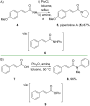
Scheme 3: Amidation reaction via O/N-pivaloyl activation.

Scheme 4: Cinnamic acid amidation using TCCA/PPh3 reagent.
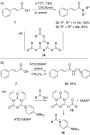
Scheme 5: Cinnamic acid amidation using triazine-based reagents.

Scheme 6: Cinnamic acid amidation using continuous flow mechanochemistry.

Scheme 7: Cinnamic acid amidation using COMU as coupling reagent.
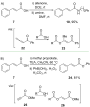
Scheme 8: Cinnamic acid amidation using allenone coupling reagent.

Scheme 9: Cinnamic acid amidation using 4-acetamidophenyl triflimide as reagent.

Scheme 10: Cinnamic acid amidation using methyltrimethoxysilane (MTM).

Scheme 11: Cinnamic acid amidation utilizing amine–borane reagent.

Scheme 12: Cinnamic acid amidation using TCCA/PPh3 reagent.

Scheme 13: Cinnamic acid amidation using PPh3/I2 reagent.

Scheme 14: Cinnamic acid amidation using PCl3 reagent.

Scheme 15: Cinnamic acid amidation utilizing pentafluoropyridine (PFP) as reagent.

Scheme 16: Cinnamic acid amidation using hypervalent iodine(III).

Scheme 17: Mechanochemical amidation using 1,1,2,2-tetrafluoroethyl-N,N-dimethylamine (TFEDMA) reagent.

Scheme 18: Methyl ester preparation using tris(2,4,6-trimethoxyphenyl)phosphine (TMPP).

Scheme 19: N-Trifluoromethyl amide preparation using isothiocyanate and AgF.

Scheme 20: POCl3-mediated amide coupling of carboxylic acid and DMF.

Scheme 21: O-Alkylation of cinnamic acid using alkylating agents.

Scheme 22: Glycoside preparation via Mitsunobu reaction.

Scheme 23: O/N-Acylation via rearrangement reactions.

Scheme 24: Amidation reactions using sulfur-based alkylating agents.

Scheme 25: Amidation reaction catalyzed by Pd0 via C–N cleavage.

Scheme 26: Amidation reaction catalyzed by CuCl/PPh3.

Scheme 27: Cu(II) triflate-catalyzed N-difluoroethylimide synthesis.

Scheme 28: Cu/Selectfluor-catalyzed transamidation reaction.

Scheme 29: CuO–CaCO3-catalyzed amidation reaction.

Scheme 30: Ni-catalyzed reductive amidation.

Scheme 31: Lewis acidic transition-metal-catalyzed O/N-acylations.

Scheme 32: Visible-light-promoted amidation of cinnamic acid.

Scheme 33: Sunlight/LED-promoted amidation of cinnamic acid.

Scheme 34: Organophotocatalyst-promoted N–O cleavage of Weinreb amides to synthesize primary amides.

Scheme 35: Cinnamamide synthesis through [Ir] photocatalyst-promoted C–N-bond cleavage of tertiary amines.

Scheme 36: Blue LED-promoted FeCl3-catalyzed reductive transamidation.

Scheme 37: FPyr/TCT-catalyzed amidation of cinnamic acid derivative 121.

Scheme 38: Cs2CO3/DMAP-mediated esterification.

Scheme 39: HBTM organocatalyzed atroposelective N-acylation.

Scheme 40: BH3-catalyzed N-acylation reactions.
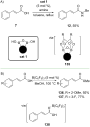
Scheme 41: Borane-catalyzed N-acylation reactions.

Scheme 42: Catalytic N-acylation reactions via H/F bonding activation.

Scheme 43: Brønsted base-catalyzed synthesis of cinnamic acid esters.

Scheme 44: DABCO/Fe3O4-catalyzed N-methyl amidation of cinnamic acid 122.

Scheme 45: Catalytic oxidation reactions of acylating agents.

Scheme 46: Preparation of cinnamamide-substituted benzocyclooctene using I(I)/I(III) catalysis.

Scheme 47: Pd-colloids-catalyzed oxidative esterification of cinnamyl alcohol.

Scheme 48: Graphene-supported Pd/Au alloy-catalyzed oxidative esterification via hemiacetal intermediate.

Scheme 49: Au-supported on A) carbon nanotubes (CNT) and B) on porous boron nitride (pBN) as catalyst for the ...

Scheme 50: Cr-based catalyzed oxidative esterification of cinnamyl alcohols with H2O2 as the oxidant.

Scheme 51: Co-based catalysts used for oxidative esterification of cinnamyl alcohol.

Scheme 52: Iron (A) and copper (B)-catalyzed oxidative esterification of cinnamaldehyde.

Scheme 53: NiHPMA-catalyzed oxidative esterification of cinnamaldehyde.

Scheme 54: Synthesis of cinammic acid esters through NHC-catalyzed oxidative esterification via intermolecular...
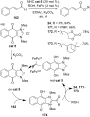
Scheme 55: Redox-active NHC-catalyzed esterification via intramolecular oxidation.

Scheme 56: Electrochemical conversion of cinnamaldehyde to methyl cinnamate.

Scheme 57: Bu4NI/TBHP-catalyzed synthesis of bisamides from cinnamalaldehyde N-tosylhydrazone.

Scheme 58: Zn/NC-950-catalyzed oxidative esterification of ketone 182.

Scheme 59: Ru-catalyzed oxidative carboxylation of terminal alkenes.

Scheme 60: Direct carboxylation of alkenes using CO2.

Scheme 61: Carboxylation of alkenylboronic acid/ester.

Scheme 62: Carboxylation of gem-difluoroalkenes with CO2.

Scheme 63: Photoredox-catalyzed carboxylation of difluoroalkenes.

Scheme 64: Ru-catalyzed carboxylation of alkenyl halide.
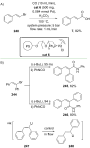
Scheme 65: Carboxylation of alkenyl halides under flow conditions.

Scheme 66: Cinnamic acid ester syntheses through carboxylation of alkenyl sulfides/sulfones.

Scheme 67: Cinnamic acid derivatives synthesis through a Ag-catalyzed decarboxylative cross-coupling proceedin...
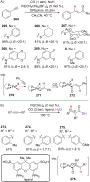
Scheme 68: Pd-catalyzed alkyne hydrocarbonylation.

Scheme 69: Fe-catalyzed alkyne hydrocarbonylation.

Scheme 70: Alkyne hydrocarboxylation using CO2.
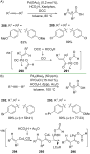
Scheme 71: Alkyne hydrocarboxylation using HCO2H as CO surrogate.

Scheme 72: Co/AlMe3-catalyzed alkyne hydrocarboxylation using DMF.

Scheme 73: Au-catalyzed oxidation of Au–allenylidenes.
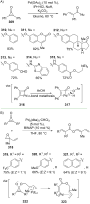
Scheme 74: Pd-catalyzed C–C-bond activation of cyclopropenones to synthesize unsaturated esters and amides.
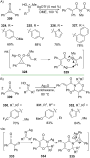
Scheme 75: Ag-catalyzed C–C-bond activation of diphenylcyclopropenone.

Scheme 76: Cu-catalyzed C–C bond activation of diphenylcyclopropenone.

Scheme 77: PPh3-catalyzed C–C-bond activation of diphenylcyclopropenone.

Scheme 78: Catalyst-free C–C-bond activation of diphenylcyclopropenone.

Scheme 79: Cu-catalyzed dioxolane cleavage.

Scheme 80: Multicomponent coupling reactions.

Scheme 81: Pd-catalyzed partial hydrogenation of electrophilic alkynes.

Scheme 82: Nickel and cobalt as earth-abundant transition metals used as catalysts for the partial hydrogenati...
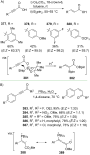
Scheme 83: Metal-free-catalyzed partial hydrogenation of conjugated alkynes.

Scheme 84: Horner–Wadsworth–Emmons reaction between triethyl 2-fluoro-2-phosphonoacetate and aldehydes with ei...

Scheme 85: Preparation of E/Z-cinnamates using thiouronium ylides.

Scheme 86: Transition-metal-catalyzed ylide reactions.

Scheme 87: Redox-driven ylide reactions.
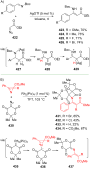
Scheme 88: Noble transition-metal-catalyzed olefination via carbenoid species.

Scheme 89: TrBF4-catalyzed olefination via carbene species.

Scheme 90: Grubbs catalyst (cat 7)/photocatalyst-mediated metathesis reactions.

Scheme 91: Elemental I2-catalyzed carbonyl-olefin metathesis.

Scheme 92: Cu-photocatalyzed E-to-Z isomerization of cinnamic acid derivatives.

Scheme 93: Ni-catalyzed E-to-Z isomerization.

Scheme 94: Dehydration of β-hydroxy esters via an E1cB mechanism to access (E)-cinnamic acid esters.

Scheme 95: Domino ring-opening reaction induced by a base.
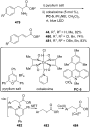
Scheme 96: Dehydroamination of α-aminoester derivatives.

Scheme 97: Accessing methyl cinnamate (44) via metal-free deamination or decarboxylation.

Scheme 98: The core–shell magnetic nanosupport-catalyzed condensation reaction.
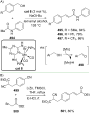
Scheme 99: Accessing cinnamic acid derivatives from acetic acid esters/amides through α-olefination.
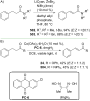
Scheme 100: Accessing cinnamic acid derivatives via acceptorless α,β-dehydrogenation.

Scheme 101: Cu-catalyzed formal [3 + 2] cycloaddition.

Scheme 102: Pd-catalyzed C–C bond formation via 1,4-Pd-shift.

Scheme 103: NHC-catalyzed Rauhut–Currier reactions.
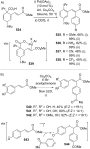
Scheme 104: Heck-type reaction for Cα arylation.

Scheme 105: Cu-catalyzed trifluoromethylation of cinnamamide.

Scheme 106: Ru-catalyzed alkenylation of arenes using directing groups.

Scheme 107: Earth-abundant transition-metal-catalyzed hydroarylation of α,β-alkynyl ester 374.

Scheme 108: Precious transition-metal-catalyzed β-arylation of cinnamic acid amide/ester.

Scheme 109: Pd-catalyzed β-amination of cinnamamide.

Scheme 110: S8-mediated β-amination of methyl cinnamate (44).

Scheme 111: Pd-catalyzed cross-coupling reaction of alkynyl esters with phenylsilanes.

Scheme 112: Pd-catalyzed β-cyanation of alkynyl amide/ester.

Scheme 113: Au-catalyzed β-amination of alkynyl ester 374.
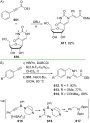
Scheme 114: Metal-free-catalyzed Cβ-functionalizations of alkynyl esters.

Scheme 115: Heck-type reactions.

Scheme 116: Mizoroki–Heck coupling reactions using unconventional functionalized arenes.
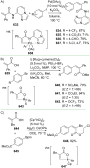
Scheme 117: Functional group-directed Mizoroki–Heck coupling reactions.
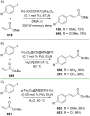
Scheme 118: Pd nanoparticles-catalyzed Mizoroki–Heck coupling reactions.

Scheme 119: Catellani-type reactions to access methyl cinnamate with multifunctionalized arene.
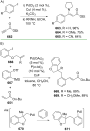
Scheme 120: Multicomponent coupling reactions.

Scheme 121: Single atom Pt-catalyzed Heck coupling reaction.

Scheme 122: Earth-abundant transition metal-catalyzed Heck coupling reactions.
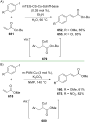
Scheme 123: Polymer-coated earth-abundant transition metals-catalyzed Heck coupling reactions.

Scheme 124: Earth-abundant transition-metal-based nanoparticles as catalysts for Heck coupling reactions.

Scheme 125: CN- and Si-based directing groups to access o-selective cinnamic acid derivatives.
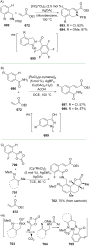
Scheme 126: Amide-based directing group to access o-selective cinnamic acid derivatives.

Scheme 127: Carbonyl-based directing group to access o-selective cinnamic acid derivatives.

Scheme 128: Stereoselective preparation of atropisomers via o-selective C(sp2)–H functionalization.

Scheme 129: meta-Selective C(sp2)–H functionalization using directing group-tethered arenes.

Scheme 130: para-Selective C(sp2)–H functionalization using directing group-tethered arenes.

Scheme 131: Non-directed C(sp2)–H functionalization via electrooxidative Fujiwara–Moritani reaction.
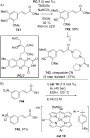
Scheme 132: Interconversion of functional groups attached to cinnamic acid.

Scheme 133: meta-Selective C(sp2)–H functionalization of cinnamate ester.

Scheme 134: C(sp2)–F arylation using Grignard reagents.

Scheme 135: Truce–Smiles rearrangement of N-aryl metacrylamides.

Scheme 136: Phosphine-catalyzed cyclization of γ-vinyl allenoate with enamino esters.
Recent advances in controllable/divergent synthesis
- Jilei Cao,
- Leiyang Bai and
- Xuefeng Jiang
Beilstein J. Org. Chem. 2025, 21, 890–914, doi:10.3762/bjoc.21.73

- generated the [1 + 1] macrocycle 39 as the sole product. In contrast, polar aprotic solvents such as dimethyl sulfoxide (DMSO), N,N-dimethylformamide (DMF), or acetonitrile (MeCN) favored precipitation of the [2 + 2] macrocycle 40. Notably, the macrocycle 40 underwent spontaneous structural reorganization

Graphical Abstract

Scheme 1: Ligand-controlled regiodivergent C1 insertion into arynes [19].

Scheme 2: Ligand effect in homogenous gold catalysis enabling regiodivergent π-bond-activated cyclization [20].

Scheme 3: Ligand-controlled palladium(II)-catalyzed regiodivergent carbonylation of alkynes [21].
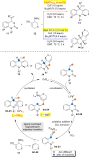
Scheme 4: Catalyst-controlled annulations of strained cyclic allenes with π-allyl palladium complexes and pro...

Scheme 5: Ring expansion of benzosilacyclobutenes with alkynes [23].

Scheme 6: Photoinduced regiodivergent and enantioselective cross-coupling [24].

Scheme 7: Catalyst-controlled regiodivergent and enantioselective formal hydroamination of N,N-disubstituted ...

Scheme 8: Catalyst-tuned regio- and enantioselective C(sp3)–C(sp3) coupling [31].

Scheme 9: Catalyst-controlled annulations of bicyclo[1.1.0]butanes with vinyl azides [32].

Scheme 10: Solvent-driven reversible macrocycle-to-macrocycle interconversion [39].

Scheme 11: Unexpected solvent-dependent reactivity of cyclic diazo imides and mechanism [40].

Scheme 12: Palladium-catalyzed annulation of prochiral N-arylphosphonamides with aromatic iodides [41].

Scheme 13: Time-dependent enantiodivergent synthesis [42].

Scheme 14: Time-controlled palladium-catalyzed divergent synthesis of silacycles via C–H activation [43].

Scheme 15: Proposed mechanism for the time-controlled palladium-catalyzed divergent synthesis of silacycles [43].

Scheme 16: Metal-free temperature-controlled regiodivergent borylative cyclizations of enynes [45].

Scheme 17: Nickel-catalyzed switchable site-selective alkene hydroalkylation by temperature regulation [46].

Scheme 18: Copper-catalyzed decarboxylative amination/hydroamination sequence [48].

Scheme 19: Proposed mechanism of copper-catalyzed decarboxylative amination/hydroamination sequence [48].

Scheme 20: Enantioselective chemodivergent three-component radical tandem reactions [49].

Scheme 21: Substrate-controlled synthesis of indoles and 3H-indoles [52].

Scheme 22: Controlled mono- and double methylene insertions into nitrogen–boron bonds [53].

Scheme 23: Copper-catalyzed substrate-controlled carbonylative synthesis of α-keto amides and amides [54].

Scheme 24: Divergent sulfur(VI) fluoride exchange linkage of sulfonimidoyl fluorides and alkynes [55].

Scheme 25: Modular and divergent syntheses of protoberberine and protonitidine alkaloids [56].
Synthesis of HBC fluorophores with an electrophilic handle for covalent attachment to Pepper RNA
- Raphael Bereiter and
- Ronald Micura
Beilstein J. Org. Chem. 2025, 21, 727–735, doi:10.3762/bjoc.21.56
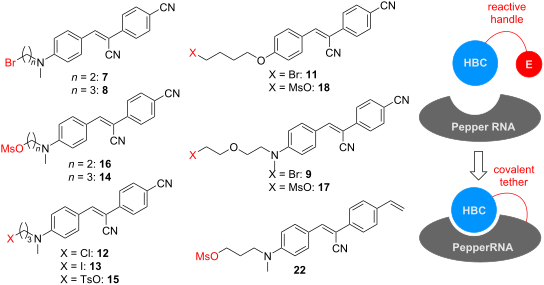
- Exactive Orbitrap. General procedure A. 4-Fluorobenzaldehyde, the corresponding N-methylated amino alcohol and potassium carbonate were suspended in dimethyl sulfoxide and stirred for 30 hours at 120 °C. The resulting suspension was poured on crushed ice and extracted four times with chloroform, dried over

Graphical Abstract
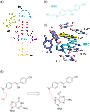
Figure 1: Structure-guided approach for engineering the (non-covalent) fluorescent light-up aptamer Pepper in...

Scheme 1: Chemical structures of the HBC dye family [7]. Variations to HBC530 highlighted in red color. All dyes...

Scheme 2: Synthesis of bromoalkyl HBC derivatives 7, 8, and 9.

Scheme 3: Synthesis of the HBC ether derivative 11.

Figure 2: Pepper aptamer reacts with different HBC derivatives. Chemical structures of the HBC derivatives us...

Scheme 4: Derivatization of the HBC fluorophore 5 to generate handles with distinct electrophilic groups.

Scheme 5: Synthesis of mesylated HBC fluorophores 16, 17, and 18.

Scheme 6: Synthesis of the bifunctional HBC fluorophore 22. For an application of 22 (pulldown of circular Pe...
Origami with small molecules: exploiting the C–F bond as a conformational tool
- Patrick Ryan,
- Ramsha Iftikhar and
- Luke Hunter
Beilstein J. Org. Chem. 2025, 21, 680–716, doi:10.3762/bjoc.21.54
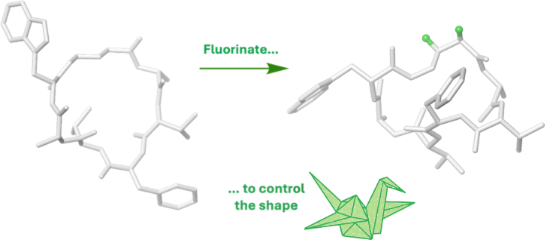

Graphical Abstract

Figure 1: Fundamental characteristics of the C–F bond.
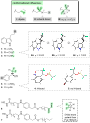
Figure 2: Incorporation of fluorine at the end of an alkyl chain.
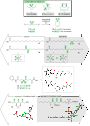
Figure 3: Incorporation of fluorine into the middle of a linear alkyl chain.
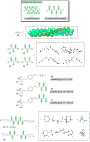
Figure 4: Incorporation of fluorine across much, or all, of a linear alkyl chain.
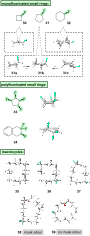
Figure 5: Incorporation of fluorine into cycloalkanes.

Figure 6: Conformational effects of introducing fluorine into an ether (geminal to oxygen).

Figure 7: Conformational effects of introducing fluorine into an ether (vicinal to oxygen).

Figure 8: Effects of introducing fluorine into alcohols (and their derivatives).
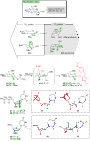
Figure 9: Controlling the ring pucker of sugars through fluorination.
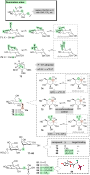
Figure 10: Controlling bond rotations outside the sugar ring through fluorination.
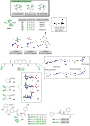
Figure 11: Effects of incorporating fluorine into amines.
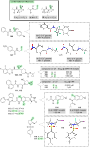
Figure 12: Effects of incorporating fluorine into amine derivatives, such as amides and sulfonamides.

Figure 13: Effects of incorporating fluorine into organocatalysts.

Figure 14: Effects of incorporating fluorine into carbonyl compounds, focusing on the “carbon side.”

Figure 15: Fluoroproline-containing peptides and proteins.
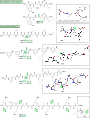
Figure 16: Further examples of fluorinated linear peptides (besides fluoroprolines). For clarity, sidechains a...

Figure 17: Fluorinated cyclic peptides.

Figure 18: Fluorine-derived conformational control in sulfur-containing compounds.
Formaldehyde surrogates in multicomponent reactions
- Cecilia I. Attorresi,
- Javier A. Ramírez and
- Bernhard Westermann
Beilstein J. Org. Chem. 2025, 21, 564–595, doi:10.3762/bjoc.21.45
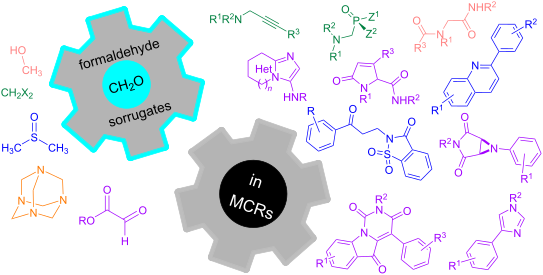
- devoted to dimethyl sulfoxide, dihalomethanes, hexamethylene tetramine, and glyoxylates as C1-building blocks, substituting formaldehyde. Review Methanol as a source of formaldehyde There are several reports on the use of alcohols under oxidative conditions as aldehyde surrogates in Ugi and Passerini
- , eventually, in other MCRs where formaldehyde acts as a C1 building block [16]. As can be seen in Scheme 3, under this strategy a wide variety of diamide compounds 1 could be afforded with very good yields applying MeOH as a formaldehyde source in a traditional Ugi reaction. Dimethyl sulfoxide (DMSO) as
- surrogate and source of formaldehyde Dimethyl sulfoxide is a well-known polar-aprotic solvent with high boiling point that is used in several organic synthetic reactions because of affordable cost and relatively low toxicity. There are numerous examples that show the use of DMSO as a C1 or C2 building block

Graphical Abstract

Scheme 1: Features of the ideal reaction (redrawn from P. A. Wender et al. [1]).

Scheme 2: Some of the most popular MCRs with formaldehyde as the carbonyl component.

Scheme 3: Ugi reaction under a catalyzed electro-oxidation process using TEMPO (2,2,6,6-tetramethyl-1-piperid...

Scheme 4: Examples of different products obtained by MCRs in which DMSO serves as -SCH3 source.

Scheme 5: Mechanism of the decomposition of DMSO under acidic or thermal conditions. a) In situ generation of...

Scheme 6: Povarov multicomponent reaction to quinolines.

Scheme 7: Example of the Povarov reaction with formaldehyde with a julolidine derivative as main product.

Scheme 8: Povarov multicomponent reaction to quinoline derivatives I and II using DMSO as formaldehyde surrog...

Scheme 9: Example of a Povarov three-component reaction with change of catalyst, yielding regioisomer III. In...

Scheme 10: The Povarov three-component reactions carried out under acidic catalysis to afford quinoline regios...

Scheme 11: Different MCR routes involving DMSO to synthesize complex heterocycles such as diarylpyridines and ...

Scheme 12: Pyrazole synthesis by a three-component reaction using DMSO as a source of a C-1 unit.

Scheme 13: Three-component reactions for the synthesis of aliphatic heterocycles 13 and 14 using DMSO as a for...

Scheme 14: Proposed mechanism for the 3CR between homoallylic amines, disulfides, and DMSO.

Scheme 15: Mannich-type reaction using DMSO as formaldehyde surrogate.

Scheme 16: Mechanism for the 3CR-Mannich-type reaction between aryl ketone 18, saccharine (19), and DMSO. The ...

Scheme 17: Mannich-type reaction using DMSO as formaldehyde surrogate and under oxidative activation.

Scheme 18: Three-component reaction between an indazole, a carboxylic acid, and DMSO.

Scheme 19: Amine–aldehyde–alkyne (AAA) coupling reaction and plausible mechanism.

Scheme 20: AHA coupling for the synthesis of propargylamines using dihalomethanes as C1 building blocks.

Scheme 21: AHA coupling using CH2Cl2 as both solvent and methylene source.

Scheme 22: Examples of propargylamines synthesized under catalytic AHA protocols.

Scheme 23: Proposed mechanism for the synthesis of propargylamines using dichloromethane as a C1 source.

Scheme 24: Mechanism proposed for the generation of the aminal intermediate E by Buckley et al. [68].

Scheme 25: Pudovic and Kabachnik–Fields reactions for the synthesis of α-aminophosphonates.

Scheme 26: a) Abramov side reaction that generates α-hydroxy phosphonate as a byproduct during the Kabachnik-F...

Scheme 27: Catalyst-free three component reaction to afford α-amino phosphorus product 35 using 1,1-dihaloalka...

Scheme 28: a) Proposed mechanism for the three-component reaction of dichloromethane, amine and phosphorus com...

Scheme 29: Ugi-ammonia strategy using HMTA as a formaldehyde surrogate.

Scheme 30: Glyoxylate and its derivatives as C1 building blocks.

Scheme 31: The Groebke–Blackburn–Bienaymé multicomponent reaction (GBB) and its mechanism.

Scheme 32: a) Byproducts in the GBB multicomponent reaction (GBB) when formaldehyde is used as the carbonyl co...

Scheme 33: Possible regioisomers in the GBB multicomponent reaction when formaldehyde is used as the carbonyl ...

Scheme 34: The multicomponent GBB reaction yields 2-unsubstituted 3-aminoimidazo heterocycles 42a using MP-gly...

Scheme 35: GBB multicomponent reaction to 2-unsubstituted 3-amino imidazo heterocycles 42a using glyoxylic aci...

Scheme 36: GBB reaction using glyoxylic acid immobilized on silica as formaldehyde surrogate.

Scheme 37: Bioactive products synthesized by the GBB reaction using glyoxylic acid.

Scheme 38: van Leusen three-component reaction to imidazoles.

Scheme 39: Side reaction during the synthesis of imidazoles with formaldehyde as the carbonyl compound.

Scheme 40: Optimization of the van Leusen three component reaction to 1,4-disubstituted imidazoles 43 using gl...

Scheme 41: Application of the Sisko strategy [96] for the synthesis of CB1 receptor antagonist compounds [97].

Scheme 42: Side reaction, when NH4OH is used as amine component.

Scheme 43: Ugi-type adducts with the ester moiety and the acidic CH to be used for post-cyclization sequences.

Scheme 44: Ugi/cycloisomerization process to pyrrolones 51, butenolides 52, and pyrroline 53.

Scheme 45: Radical cyclization reactions from Ugi adducts promoted by TEMPO.

Scheme 46: Hydrolysis and decarboxylation reactions to products with incorporation of a C1 unit of ethyl glyox...

Scheme 47: One-step synthetic route to pyrrolones 60 using phenylglyoxal.

Scheme 48: Ugi-pseudo-Knoevenagel-pseudo-Dieckmann cascade sequence for the synthesis of fused heterocycles.

Scheme 49: Ugi-pseudo-Knoevenagel reaction from ethyl glyoxylate.
Deep-blue emitting 9,10-bis(perfluorobenzyl)anthracene
- Long K. San,
- Sebastian Balser,
- Brian J. Reeves,
- Tyler T. Clikeman,
- Yu-Sheng Chen,
- Steven H. Strauss and
- Olga V. Boltalina
Beilstein J. Org. Chem. 2025, 21, 515–525, doi:10.3762/bjoc.21.39
- (trifluoromethyl)benzene (1,4-C6H4(CF3)2, Central Glass Co., 99%); dimethyl sulfoxide (DMSO, Fisher Scientific, ACS grade); anhydrous magnesium sulfate (MgSO4, Fisher Scientific); Cu powder (Strem Chemicals, 99%); dichloromethane (EMD Chemicals, ACS grade); acetone (technical grade); THF (Aldrich/Merck, ACS grade

Graphical Abstract

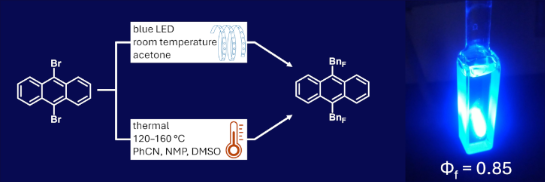
Scheme 1: List of reactions, experimental conditions and yields studied in this work.
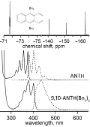
Figure 1: Top: 379 MHz 19F NMR spectrum of 9,10-ANTH(BnF)2 in CDCl3. Bottom: absorption (aerobic, solid line)...

Figure 2: Top: X-ray structure of 9,10-ANTH(BnF)2, thermal ellipsoids 50% probability. Bottom: a view down th...
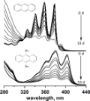
Figure 3: Absorption spectra of ANTH and 9,10-ANTH(BnF)2 in CH2Cl2 recorded over the period of 53 days in air...

Figure 4: Direct analysis in real time (DART) positive ion mass spectrum of the photoirradiated 9,10-ANTH(BnF)...

Figure 5: The % remaining of ANTH and 9,10-ANTH(BnF)2 dissolved in CDCl3 upon irradiation. Resonances δ = 7.4...
Synthesis, characterization, antimicrobial, cytotoxic and carbonic anhydrase inhibition activities of multifunctional pyrazolo-1,2-benzothiazine acetamides
- Ayesha Saeed,
- Shahana Ehsan,
- Muhammad Zia-ur-Rehman,
- Erin M. Marshall,
- Sandra Loesgen,
- Abdus Saleem,
- Simone Giovannuzzi and
- Claudiu T. Supuran
Beilstein J. Org. Chem. 2025, 21, 348–357, doi:10.3762/bjoc.21.25
- microbroth single-dose assays. Dimethyl sulfoxide was used at a final concentration of 0.1% as negative control. Microbroth dilution assays [52] for the most potent bioactive compounds 7b and 7h were performed using nine serial dilutions of the tested compounds with final concentrations of 256, 128, 64, 32

Graphical Abstract
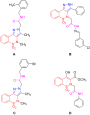
Figure 1: An overview of previously synthesized 1,2-benzothiazines [36-39].
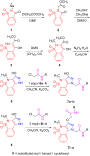
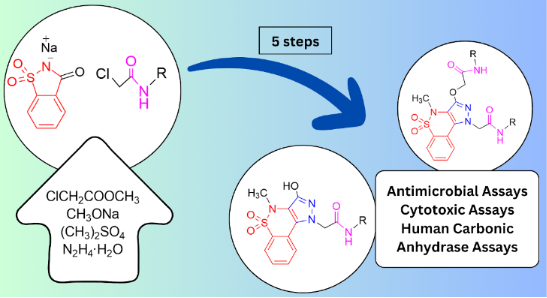
Scheme 1: General scheme for the synthesis of pyrazolo-1,2-benzothiazine-N-aryl/benzyl/cyclohexylacetamide.

Figure 2: An example of contrasting 1H NMR signals for monoalkylated (7a) and dialkylated (7l) derivatives, (...
Direct trifluoroethylation of carbonyl sulfoxonium ylides using hypervalent iodine compounds
- Radell Echemendía,
- Carlee A. Montgomery,
- Fabio Cuzzucoli,
- Antonio C. B. Burtoloso and
- Graham K. Murphy
Beilstein J. Org. Chem. 2024, 20, 3182–3190, doi:10.3762/bjoc.20.263
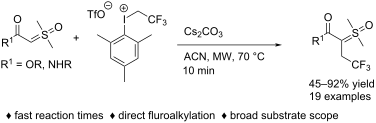
- those that lead to α-alkyl-substituted compounds, is still challenging [27]. For example, in the SN2 reaction of alkyl halides with sulfoxonium ylides, the initially formed α-alkyl-substituted ylide reacts further with the halide to expel the sulfoxide and ultimately generate an α-halogenated product

Graphical Abstract

Figure 1: Representative examples of fluorine containing, biologically active compounds.

Scheme 1: Strategies for the synthesis of α-alkyl sulfoxonium ylides.

Scheme 2: Exploring substrate scope in the direct α-fluoroalkylation of sulfoxonium ylides.

Scheme 3: Synthetic applications of fluoroalkylated sulfoxonium ylides.

Figure 2: Possible mechanisms for the reaction of 1a and 2a leading to 3a (via B), proceeding via either halo...

Figure 3: Electrostatic potential of 2a’ from 0.075 e to 0.21 e, showing two sigma holes of potentials 0.20 a...

Figure 4: The optimized reaction coordinate diagrams for the halogen bond-mediated mechanism (path 1, left) a...
Cyclodextrin-based rotaxanes for polymer materials: challenge on simultaneous realization of inexpensive production and defined structures
- Yosuke Akae
Beilstein J. Org. Chem. 2024, 20, 3026–3049, doi:10.3762/bjoc.20.252
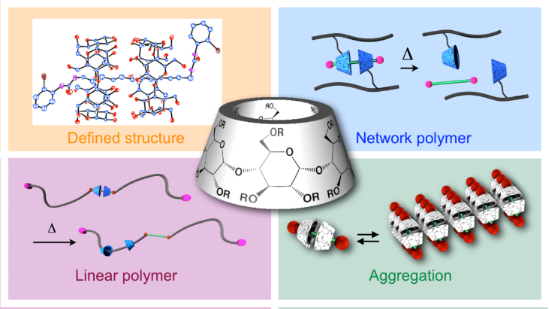
- sulfoxide (DMSO) must be available as CD forms the inclusion complex), (5) the yield of the end-capping reaction must be high, (6) the end-capping reagent and rotaxane must dissolve in the same solvent to facilitate a homogeneous reaction, and (7) the rotaxane must be isolable from the reaction mixture. The

Graphical Abstract

Figure 1: Overview of the CD-based rotaxane as a polymer material covered in this review.

Figure 2: CD structure.

Figure 3: Typical pathway for synthesizing CD-based rotaxanes.

Scheme 1: (A) Synthesis of α-CD-based [2]rotaxane via a metal–ligand complex. (B) Chemical structures of meth...

Scheme 2: Synthesis of α-CD-based polyrotaxane.

Scheme 3: Facile [3]rotaxane synthesis by the urea end-capping method.

Figure 4: (A) Single-crystal structure of α-CD-based [3]rotaxane 3 and PMα-CD-based [3]rotaxane 4. (B) Schema...
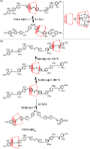
Figure 5: Structural control of CD-based [2]rotaxane via (A) light irradiation and (B) light irradiation and ...

Figure 6: Relationship among the plus–minus signs of ICD, the position of the guest molecule, and the axis of...

Figure 7: Structural control of CD-based rotaxane via (A) redox reaction and (B) in a solvent.
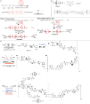
Scheme 4: (A) Synthesis of pseudopolyrotaxane bearing an ABA triblock copolymer as an axle. (B) Two synthetic...

Scheme 5: Slippage of size-complementary rotaxanes.

Figure 8: (A) Reversible formation of the CD-based [2]rotaxane. (B) Deslipping reaction of the CD-based size-...

Figure 9: (A) Chemical structures of [3]rotaxanes 2 and 3. (B) Schematic of the deslipping reaction of [3]rot...

Figure 10: (A) Modification of the axle ends of [3]rotaxane by (1) bromination and (2) the Suzuki coupling rea...

Figure 11: (A) ICD spectra of [3]rotaxanes bearing acylated (top) and conventional (bottom) CDs. (B) Schematic...

Figure 12: Synthesis of macromolecular[3]rotaxane via a size-complementary protocol.

Figure 13: Conjugated polymer insulated by (A) β-CD. (B) Triphenylamine-substituted β-CD.

Figure 14: Synthesis of the VSC and successive rotaxane-crosslinked polymer (RCP) preparation.

Figure 15: (A) Chemical structure of the [3]rotaxane crosslinker (RC). (B) Schematic of the synthesis and de-c...

Figure 16: (A) Random vinylation of the CD-based [3]rotaxane; (B) Schematic of the reaction between α-CD and m...

Figure 17: (A) Aggregation of CD-based [3]rotaxane. (B) Schematic of the plausible mechanism of the aggregatio...
Recent advances in transition-metal-free arylation reactions involving hypervalent iodine salts
- Ritu Mamgain,
- Kokila Sakthivel and
- Fateh V. Singh
Beilstein J. Org. Chem. 2024, 20, 2891–2920, doi:10.3762/bjoc.20.243


Graphical Abstract

Figure 1: Various structures of iodonium salts.

Scheme 1: Αrylation of α-fluoroacetoacetamides 5 to α-aryl-α-fluoroacetoacetamides 7 and α-fluoroacetamides 8...
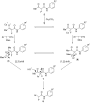
Scheme 2: Proposed mechanism for the arylation of α-fluoroacetoacetamides 5 to α-aryl-α-fluoroacetoacetamides ...

Scheme 3: α-Arylation of α-nitro- and α-cyano derivatives of α-fluoroacetamides 9 employing unsymmetrical DAI...

Scheme 4: Synthesis of α,α-difluoroketones 13 by reacting α,α-difluoro-β-keto acid esters 11 with aryl(TMP)io...

Scheme 5: Coupling reaction of arynes generated by iodonium salts 6 and arynophiles 14 for the synthesis of t...

Scheme 6: Metal-free arylation of quinoxalines 17 and quinoxalinones 19 with DAISs 16.

Scheme 7: Transition-metal-free, C–C cross-coupling of 2-naphthols 21 to 1-arylnapthalen-2-ols 22 employing d...

Scheme 8: Arylation of vinyl pinacol boronates 23 to trans-arylvinylboronates 24 in presence of hypervalent i...

Scheme 9: Light-induced selective arylation at C2 of quinoline N-oxides 25 and pyridine N-oxides 28 in the pr...

Scheme 10: Plaussible mechanism for the light-induced selective arylation of N-heterobiaryls.

Scheme 11: Photoinduced arylation of heterocycles 31 with the help of diaryliodonium salts 16 activated throug...

Scheme 12: Arylation of MBH acetates 33 with DIPEA and DAIRs 16.

Scheme 13: Aryl sulfonylation of MBH acetates 33 with DABSO and diphenyliodonium triflates 16.

Scheme 14: Synthesis of oxindoles 37 from N-arylacrylamides 36 and diaryliodonium salts 26.

Scheme 15: Mechanically induced N-arylation of amines 38 using diaryliodonium salts 16.

Scheme 16: o-Fluorinated diaryliodonium salts 40-mediated diarylation of amines 38.

Scheme 17: Proposed mechanism for the diarylation of amines 38 using o-fluorinated diaryliodonium salts 40.

Scheme 18: Ring-opening difunctionalization of aliphatic cyclic amines 41.

Scheme 19: N-Arylation of amino acid esters 44 using hypervalent iodonium salts 45.

Scheme 20: Regioselective N-arylation of triazole derivatives 47 by hypervalent iodonium salts 48.

Scheme 21: Regioselective N-arylation of tetrazole derivatives 50 by hypervalent iodonium salt 51.

Scheme 22: Selective arylation at nitrogen and oxygen of pyridin-2-ones 53 by iodonium salts 16 depending on t...

Scheme 23: N-Arylation using oxygen-bridged acyclic diaryliodonium salt 56.

Scheme 24: The successive C(sp2)–C(sp2)/O–C(sp2) bond formation of naphthols 58.

Scheme 25: Synthesis of diarylethers 62 via in situ generation of hypervalent iodine salts.

Scheme 26: O-Arylated galactosides 64 by reacting protected galactosides 63 with hypervalent iodine salts 16 i...

Scheme 27: Esterification of naproxen methyl ester 65 via formation and reaction of naproxen-containing diaryl...

Scheme 28: Etherification and esterification products 72 through gemfibrozil methyl ester-derived diaryliodoni...

Scheme 29: Synthesis of iodine containing meta-substituted biaryl ethers 74 by reacting phenols 61 and cyclic ...

Scheme 30: Plausible mechanism for the synthesis of meta-functionalized biaryl ethers 74.

Scheme 31: Intramolecular aryl migration of trifluoromethane sulfonate-substituted diaryliodonium salts 75.

Scheme 32: Synthesis of diaryl ethers 80 via site-selective aryl migration.

Scheme 33: Synthesis of O-arylated N-alkoxybenzamides 83 using aryl(trimethoxyphenyl)iodonium salts 82.

Scheme 34: Synthesis of aryl sulfides 85 from thiols 84 using diaryliodonium salts 16 in basic conditions.

Scheme 35: Base-promoted synthesis of diarylsulfoxides 87 via arylation of general sulfinates 86.

Scheme 36: Plausible mechanism for the arylation of sulfinates 86 via sulfenates A to give diaryl sulfoxides 87...

Scheme 37: S-Arylation reactions of aryl or heterocyclic thiols 88.

Scheme 38: Site-selective S-arylation reactions of cysteine thiol groups in 91 and 94 in the presence of diary...

Scheme 39: The selective S-arylation of sulfenamides 97 using diphenyliodonium salts 98.

Scheme 40: Plausible mechanism for the synthesis of sulfilimines 99.

Scheme 41: Synthesis of S-arylxanthates 102 by reacting DAIS 101 with potassium alkyl xanthates 100.

Figure 2: Structured of the 8-membered and 4-membered heterotetramer I and II.

Scheme 42: S-Arylation by diaryliodonium cations 103 using KSCN (104) as a sulfur source.

Scheme 43: S-Arylation of phosphorothioate diesters 107 through the utilization of diaryliodonium salts 108.

Scheme 44: Transfer of the aryl group from the hypervalent iodonium salt 108 to phosphorothioate diester 107.

Scheme 45: Synthesis of diarylselenides 118 via diarylation of selenocyanate 115.

Scheme 46: Light-promoted arylation of tertiary phosphines 119 to quaternary phosphonium salts 121 using diary...

Scheme 47: Arylation of aminophosphorus substrate 122 to synthesize phosphine oxides 123 using aryl(mesityl)io...

Scheme 48: Reaction of diphenyliodonium triflate (16) with DMSO (124) via thia-Sommelet–Hauser rearrangement.

Scheme 49: Synthesis of biaryl compounds 132 by reacting diaryliodonium salts 131 with arylhydroxylamines 130 ...

Scheme 50: Synthesis of substituted indazoles 134 and 135 from N-hydroxyindazoles 133.
Interaction of a pyrene derivative with cationic [60]fullerene in phospholipid membranes and its effects on photodynamic actions
- Hayato Takagi,
- Çetin Çelik,
- Ryosuke Fukuda,
- Qi Guo,
- Tomohiro Higashino,
- Hiroshi Imahori,
- Yoko Yamakoshi and
- Tatsuya Murakami
Beilstein J. Org. Chem. 2024, 20, 2732–2738, doi:10.3762/bjoc.20.231

- inability of O2•– detection is not known at present. Upon addition of dimethyl sulfoxide (DMSO) to this system, an adduct of DEPMPO and •CH3 (DEPMPO-CH3), which was presumably generated from the reaction of •OH and DMSO, was clearly observed, further confirming the generation of •OH (Figure 5b(iii)). At the
- by blue LED lamp. (iii) catC60 5 µM, NADH 8 mM, DETAPAC 1 mM, and DEPMPO 100 mM in a 4-to-1 (v/v) mixture of PBS(–) and dimethyl sulfoxide (DMSO) under irradiation for 30 min by blue LED lamp. (iv) catC60 5 µM, PyBA 67 µM, NADH 8 mM, DETAPAC 1 mM, and DEPMPO 100 mM in a 4-to-1 (v/v) mixture of PBS

Graphical Abstract

Figure 1: (a) Chemical structure and schematic illustration of the charge-separated state of a triad molecule...

Figure 2: Differential scanning calorimetry analysis for the phase transition of liposomes (1 mM phospholipid...

Figure 3: UV–vis absorption spectra of liposomes (1 mM phospholipid) with C60 (a) or a cationic derivative of...

Figure 4: Fluorescence spectra of 1-pyrenebutyric acid (PyBA) in cationic derivative of C60 (catC60)-loaded l...

Figure 5: Photoinduced generation of reactive oxygen species (ROS) by cationic derivative of C60 (catC60)-loa...
A review of recent advances in electrochemical and photoelectrochemical late-stage functionalization classified by anodic oxidation, cathodic reduction, and paired electrolysis
- Nian Li,
- Ruzal Sitdikov,
- Ajit Prabhakar Kale,
- Joost Steverlynck,
- Bo Li and
- Magnus Rueping
Beilstein J. Org. Chem. 2024, 20, 2500–2566, doi:10.3762/bjoc.20.214
- anode to form a sulfoxide. Subsequent hydrogen atom abstraction by a chlorine radical leads to the formation of an intermediate carbon radical, whose resonant intermediate reacts with another chlorine radical to produce the desired α-chlorosulfoxide product (Scheme 14). 1.1.2 Unsaturated bond

Graphical Abstract

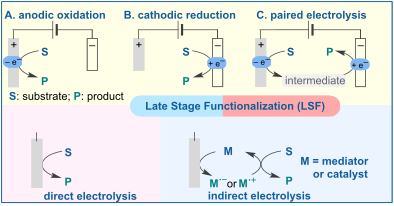
Figure 1: Classification of LSF reactions in this review.

Scheme 1: C(sp2)–H trifluoromethylation of heteroarenes.
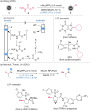
Scheme 2: C(sp2)–H and C(sp3)–H alkylation of complex molecules.

Scheme 3: Electrochemical oxidation-induced intermolecular aromatic C–H sulfonamidation.

Scheme 4: Bioconjugation of tyrosine with (a) phenothiazine and (b) urazole derivatives.

Scheme 5: Electrochemical iodoamination of indoles using unactivated amines.

Scheme 6: Allylic C(sp3)–H aminations with sulfonamides.

Scheme 7: Electrochemical benzylic oxidation of C–H bonds.
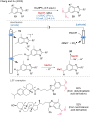
Scheme 8: Site-selective electrooxidation of methylarenes to aromatic acetals.

Scheme 9: Electrochemical activation of C–H by electron-deficient W2C nanocrystals.

Scheme 10: α-Acyloxy sulfide preparation via C–H/OH cross-dehydrogenative coupling.

Scheme 11: Aromatic C–H-bond thiolation.

Scheme 12: C(sp2)–H functionalization for the installation of sulfonamide groups.

Scheme 13: Preparation of (hetero)aryl chlorides and vinyl chloride with 1,2-dichloroethane. aCu(OAc)2 (0.05 e...

Scheme 14: Electrochemical dual-oxidation enables access to α-chlorosulfoxides.

Scheme 15: Regio- and chemoselective formyloxylation–bromination/chlorination/trifluoromethylation of alkenes.

Scheme 16: Aziridine formation by coupling amines and alkenes.

Scheme 17: Formation of iminosulfide ethers via difunctionalization of an isocyanide.

Scheme 18: Synthesis of 1,3-difunctionalized molecules via C–C-bond cleavage of arylcyclopropane.

Scheme 19: Electrooxidative amino- and oxyselenation of alkenes. VBImBr = 1-butyl-3-vinylimidazolium bromide.

Scheme 20: Electrooxidative dehydrogenative [4 + 2] annulation of indole derivatives.

Scheme 21: Electrochemical cyclization combined with alkoxylation of triticonazole.

Scheme 22: Electrochemically tuned oxidative [4 + 2] annulation of olefins with hydroxamic acids.

Scheme 23: Electrosynthesis of indole derivatives via cyclization of 2-ethynylanilines.

Scheme 24: Allylic C–H oxidation of mono-, di-, and sesquiterpenes.

Scheme 25: Oxidation of unactivated C–H bonds.

Scheme 26: Fluorination of C(sp3)–H bonds. rAP = rapid alternating polarity.

Scheme 27: C(sp3)–H α-cyanation of secondary piperidines.
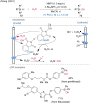
Scheme 28: Selective electrochemical hydrolysis of hydrosilanes to silanols.

Scheme 29: Organocatalytic electrochemical amination of benzylic C–H bonds.

Scheme 30: Iodide ion-initiated anodic oxidation reactions.

Scheme 31: Mn(III/IV) electro-catalyzed C(sp3)–H azidation.
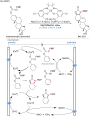
Scheme 32: Tailored cobalt–salen complexes enable electrocatalytic intramolecular allylic C–H functionalizatio...

Scheme 33: Cobalt–salen complexes-induced electrochemical (cyclo)additions.

Scheme 34: Electrochemical 1,2-diarylation of alkenes enabled by direct dual C–H functionalization of electron...

Scheme 35: Cobalt-electrocatalyzed atroposelective C–H annulation.

Scheme 36: Nickel-electrocatalyzed C(sp2)–H alkoxylation with secondary alcohols.

Scheme 37: Nickel-catalyzed electrochemical enantioselective amination.
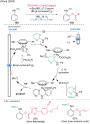
Scheme 38: Ruthenium-electrocatalyzed C(sp2)–H mono- and diacetoxylation.
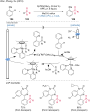
Scheme 39: Rhodium(III)-catalyzed aryl-C–H phosphorylation enabled by anodic oxidation-induced reductive elimi...

Scheme 40: Asymmetric Lewis-acid catalysis for the synthesis of non-racemic 1,4-dicarbonyl compounds.

Scheme 41: Electrochemical enantioselective C(sp3)–H alkenylation.

Scheme 42: Palladium-catalyzed electrochemical dehydrogenative cross-coupling.
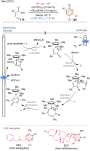
Scheme 43: Ir-electrocatalyzed vinylic C(sp2)–H activation for the annulation between acrylic acids and alkyne...

Scheme 44: Electrochemical gold-catalyzed C(sp3)–C(sp) coupling of alkynes and arylhydrazines.

Scheme 45: Photoelectrochemical alkylation of C–H heteroarenes using organotrifluoroborates.

Scheme 46: Mn-catalyzed photoelectro C(sp3)–H azidation.

Scheme 47: Photoelectrochemical undirected C–H trifluoromethylations of (Het)arenes.

Scheme 48: Photoelectrochemical dehydrogenative cross-coupling of heteroarenes with aliphatic C–H bonds.
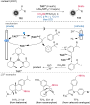
Scheme 49: C–H amination via photoelectrochemical Ritter-type reaction.

Scheme 50: Photoelectrochemical multiple oxygenation of C–H bonds.

Scheme 51: Accelerated C(sp3)–H heteroarylations by the f-EPC system.

Scheme 52: Photoelectrochemical cross-coupling of amines.

Scheme 53: Birch electroreduction of arenes. GSW = galvanized steel wire.

Scheme 54: Electroreductive deuterations.

Scheme 55: Chemoselective electrosynthesis using rapid alternating polarity.

Scheme 56: Electroreductive olefin–ketone coupling.

Scheme 57: Electroreductive approach to radical silylation.

Scheme 58: Electrochemical borylation of alkyl halides. CC = carbon close.

Scheme 59: Radical fluoroalkylation of alkenes.
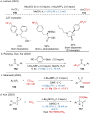
Scheme 60: Electrochemical defluorinative hydrogenation/carboxylation.

Scheme 61: Electrochemical decarboxylative olefination.

Scheme 62: Electrochemical decarboxylative Nozaki–Hiyama–Kishi coupling.
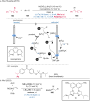
Scheme 63: Nickel-catalyzed electrochemical reductive relay cross-coupling.

Scheme 64: Electrochemical chemo- and regioselective difunctionalization of 1,3-enynes.

Scheme 65: Electrocatalytic doubly decarboxylative crosscoupling.

Scheme 66: Electrocatalytic decarboxylative crosscoupling with aryl halides.

Scheme 67: Nickel-catalyzed electrochemical reductive coupling of halides.

Scheme 68: Nickel-electrocatalyzed enantioselective carboxylation with CO2.

Scheme 69: Reductive electrophotocatalysis for borylation.
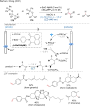
Scheme 70: Electromediated photoredox catalysis for selective C(sp3)–O cleavages of phosphinated alcohols to c...

Scheme 71: Stereoselective electro-2-deoxyglycosylation from glycals. MFE = methyl nonafluorobutyl ether.

Scheme 72: Electrochemical peptide modifications.

Scheme 73: Electrochemical α-deuteration of amides.

Scheme 74: Electrochemical synthesis of gem-diselenides.

Scheme 75: Site-selective electrochemical aromatic C–H amination.

Scheme 76: Electrochemical coupling of heteroarenes with heteroaryl phosphonium salts.
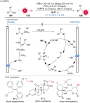
Scheme 77: Redox-neutral strategy for the dehydroxyarylation reaction.
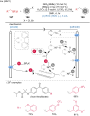
Scheme 78: Nickel-catalyzed electrochemical C(sp3)–C(sp2) cross-coupling of benzyl trifluoroborate and halides....
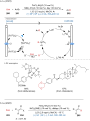
Scheme 79: Paired electrocatalysis for C(sp3)–C(sp2) coupling.

Scheme 80: Redox-neutral strategy for amination of aryl bromides.

Scheme 81: Redox-neutral cross-coupling of aryl halides with weak N-nucleophiles. aProtocol with (+) RVC | RVC...

Scheme 82: Nickel-catalyzed N-arylation of NH-sulfoximines with aryl halides.

Scheme 83: Esterification of carboxylic acids with aryl halides.

Scheme 84: Electrochemically promoted nickel-catalyzed carbon–sulfur-bond formation. GFE = graphite felt elect...

Scheme 85: Electrochemical deoxygenative thiolation by Ni-catalysis. GFE = graphite felt electrode; NFE = nick...
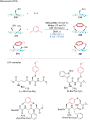
Scheme 86: Electrochemical coupling of peptides with aryl halides.

Scheme 87: Paired electrolysis for the phosphorylation of aryl halides. GFE = graphite felt electrode, FNE = f...

Scheme 88: Redox-neutral alkoxyhalogenation of alkenes.
HFIP as a versatile solvent in resorcin[n]arene synthesis
- Hormoz Khosravi,
- Valeria Stevens and
- Raúl Hernández Sánchez
Beilstein J. Org. Chem. 2024, 20, 2469–2475, doi:10.3762/bjoc.20.211
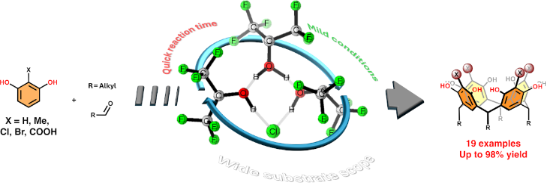
- , chlorinated species 1h and 1i, and carboxylic acid-containing 1s, developed high quality crystals from standing solutions in dimethyl sulfoxide for 1h and 1i, and methanol for 1s. Their molecular crystal structures were determined and are shown in Figure 1b displaying the classic cone conformation for both

Graphical Abstract

Scheme 1: Resorcin[n]arene synthesis.

Scheme 2: Scope of resorcin[n]arene synthesis using HFIP. aAll reactions were performed with resorcinol (1.0 ...

Figure 1: (a) Control experiment testing deiodination of 2-iodoresorcinol. (b) Molecular crystal structure of...
Improved deconvolution of natural products’ protein targets using diagnostic ions from chemical proteomics linkers
- Andreas Wiest and
- Pavel Kielkowski
Beilstein J. Org. Chem. 2024, 20, 2323–2341, doi:10.3762/bjoc.20.199
- -azido-1-propanamine to give the desired AzidoTMT linker. Furthermore, Makarov et al. developed a linker containing a sulfoxide (SOX) group, which is well-known for specific fragmentation releasing the reporter ion at m/z 179.0849 (Figure 7C) [81][86][87]. The preparation of the tag is based on a five

Graphical Abstract

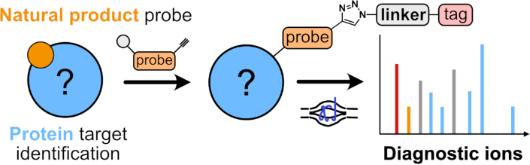
Figure 1: Overall chemical proteomics strategy to identify protein targets of natural products (NPs) and simi...

Figure 2: A) Design of mostly used photo-crosslinking groups. B) Mass spectrometry properties of proteins PTM...

Figure 3: Direct and indirect approach to identify protein targets and representative chemical proteomics wor...

Figure 4: Products of the CuAAC side reactions.

Figure 5: Search possibilities on peptide-level characterization. A) Comparison of DDA and DIA techniques. B)...

Figure 6: In-gel analysis using a tag with fluorophore (A) or via shift-assay (B).
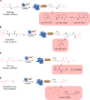
Figure 7: Reporter linkers. A) DMP-tag. B) AzidoTMT tag. C) SOX-tag. D) Imidazolium tag. *A star indicates th...
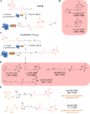
Figure 8: Biotin and desthiobition-based sample linkers and their associated diagnostic peaks. A) Structure o...

Figure 9: A) isoDTB linker and probe-specific diagnostic ions (B). *A star indicates the possible introductio...

Figure 10: TEV-cleavable linker structure with its characteristic diagnostic ions (A) and probe-specific diagn...

Figure 11: A) Structure of the full length DADPS linker and remaining part after cleavage. B) Diagnostic ions....

Figure 12: Diagnostic peaks included in the search identify higher numbers of modified PSMs and peptides using...

Figure 13: An alternative DADPS linker.

Figure 14: Chemical structure of the trifunctional trypsin cleavable AzKTB linker.



