


Search results
Search for "CM" in Full Text gives 1165 result(s) in Beilstein Journal of Organic Chemistry. Showing first 200.
Highly electrophilic, gem- and spiro-activated trichloromethylnitrocyclopropanes: synthesis and structure
Beilstein J. Org. Chem. 2026, 22, 123–130, doi:10.3762/bjoc.22.5
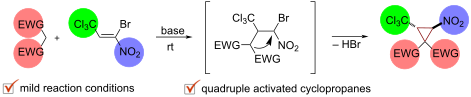
- independent molecules. Note that crystals 2, 3, 9a and 9b have a relatively high density (dcalc/g cm−3 1.739, 1.748, 1.595 and 1.567) for crystals that do not contain heavy atoms. In the absence of hydrogen bonds in the crystals of 2, 3, 9a and 9b, multiple specific interactions of the types such as lone
- (1H), 100.53 MHz (13C) in CDCl3 using residual signals of the nondeuterated solvent (δH 7.26, δC 77.16) as the references. The vibrational spectra were measured on a Shimadzu IR-Prestige-21 Fourier-transform IR spectrometer in KBr pellets over 400–4000 cm−1 range (resolution was 2 cm−1). Mass spectra


Synthesis and applications of alkenyl chlorides (vinyl chlorides): a review
Beilstein J. Org. Chem. 2026, 22, 1–63, doi:10.3762/bjoc.22.1
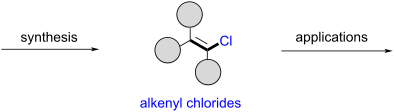
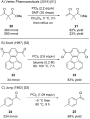
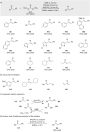
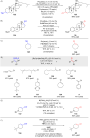
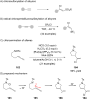
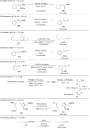
- chlorides (not shown) [185][186]. 1.8 Alkenyl chloride synthesis via olefin metathesis Johnson and co-workers investigated complex 287, which forms as a product of an initial metathesis cycle in the cross-metathesis (CM) with alkenyl chlorides (Scheme 55) [187][188]. The authors observed that complex 287

















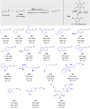
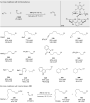
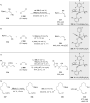


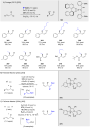


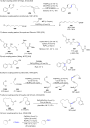


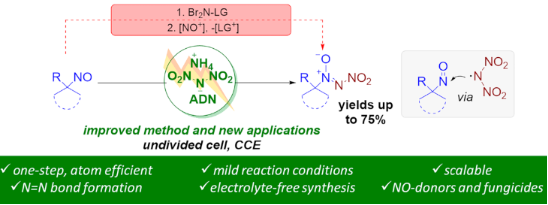
Sustainable electrochemical synthesis of aliphatic nitro-NNO-azoxy compounds employing ammonium dinitramide and their in vitro evaluation as potential nitric oxide donors and fungicides
Beilstein J. Org. Chem. 2025, 21, 2739–2754, doi:10.3762/bjoc.21.211
- delta (δ) units, parts per million (ppm) downfield from internal TMS (1H, 13C) or external CH3NO2 (14N negative values of δN correspond to upfield shifts). The IR spectra were recorded with a Bruker ALPHA-T spectrometer in the range of 400–4000 cm−1 (resolution 2 cm−1) as pellets with KBr or as a thin





Competitive cyclization of ethyl trifluoroacetoacetate and methyl ketones with 1,3-diamino-2-propanol into hydrogenated oxazolo- and pyrimido-condensed pyridones
Beilstein J. Org. Chem. 2025, 21, 2716–2729, doi:10.3762/bjoc.21.209
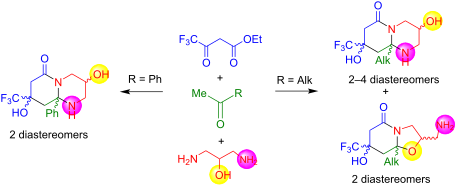
- frequencies of the carbonyl function (ν 1633–1593 cm−1) and N–H, O–H groups (ν 3435–3126 cm−1), which indicates their participation in the hydrogen bond formation [67]. On the other hand, the IR spectra of hexahydrooxazolo[3,2-a]pyridones 5a–c contain intense absorption bands of the C=O function at ν 1652
- –1628 cm−1 and NH2 groups at ν 3376–3272 cm−1. The structures of the obtained heterocycles 4 and 5 contain three stereocenters, so one could expect the formation of up to 8 stereoisomers in each case. Analysis of the 19F NMR spectra showed that from two to four diastereomers of


Tandem hydrothiocyanation/cyclization of CF3-iminopropargyl alcohols with NaSCN in the presence of AcOH
Beilstein J. Org. Chem. 2025, 21, 2694–2702, doi:10.3762/bjoc.21.207
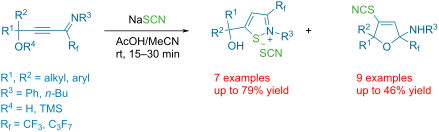
- . Results and Discussion We commenced our investigation using CF3-subsituted iminopropargyl alcohol 1a and NaSCN as model substrates. The completion of the reaction was monitored using IR spectroscopy to observe the disappearance of the band at 2219 cm−1 (–C≡C–). It was found that CF3-iminopropargyl alcohol



Synthesis of new tetra- and pentacyclic, methylenedioxy- and ethylenedioxy-substituted derivatives of the dibenzo[c,f][1,2]thiazepine ring system
Beilstein J. Org. Chem. 2025, 21, 2645–2656, doi:10.3762/bjoc.21.205
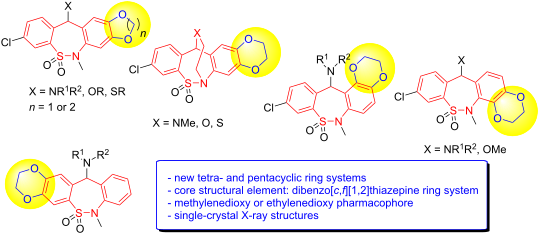
- (thickness of the stationary phase: 30 mm, eluent: DCM). After evaporation of the solvent, the residue was triturated with Et2O (50 mL) to give pure 7 (25.30 g, 84%) as colorless crystals. Mp 223‒225 °C (CH3CN/EtOH 1:1 (v/v)); IR (KBr): 1638, 1604, 1574, 1501, 1354, 1300, 1175, 1063, 854 cm−1; 1H NMR (600
- chromatography (short aluminum oxide column, eluent: heptane/DCM 1:1, DCM) and isomer 8 (0.62 g, 2%) was isolated as pale yellow crystals. Mp 254‒256 °C (CH3CN); IR (KBr): 1665, 1485, 1344, 1111, 1061, 859 cm−1; 1H NMR (500 MHz, CDCl3): 7.96 (d, 4J = 2.0 Hz, 1H), 7.94 (d, 3J = 8.6 Hz, 1H), 7.63 (dd, 4J = 2.1 Hz
- -like hard substance obtained was suspended in DIPE to afford 21a as colorless crystals. Mp 76‒78 °C; IR (KBr): 3314, 2939, 1728, 1510, 1328, 1064, 853, 599 cm−1; 1H NMR (600 MHz, CDCl3): 7.94 (d, 4J = 1.9 Hz, 1H), 7.43 (dd, 4J = 2.1 Hz, 3J = 8.4 Hz, 1H), 7.39 (d, 3J = 8.4 Hz, 1H), 6.92 (s, 1H), 6.83 (s


Thiazolidinones: novel insights from microwave synthesis, computational studies, and potentially bioactive hybrids
Beilstein J. Org. Chem. 2025, 21, 2618–2636, doi:10.3762/bjoc.21.203
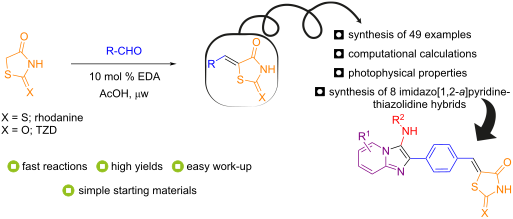
- through intramolecular hydrogen bonding. By comparing the data for λabs and λem, it is evident that the compounds exhibit significant Stokes shifts with values above 2,100 cm−1, reflecting their stability in the excited state [87][88][89]. The highest values of Stokes shifts were observed in polar protic






Silica gel with covalently attached bambusuril macrocycle for dicyanoaurate sorption from water
Beilstein J. Org. Chem. 2025, 21, 2604–2611, doi:10.3762/bjoc.21.201
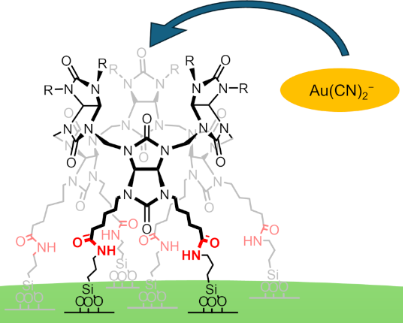
- characterized by FTIR spectroscopy (Supporting Information File 1, Figure S1). In comparison to crude silica gel, the diminished band corresponding to the –OH group (around 980 cm−1) and the appearance of new bands characteristic of amino groups (around 3000 cm−1) indicate the successful introduction of amino
- groups onto the silica gel surface, confirming the formation of a-SG. Upon modification of a-SG with BU1, additional bands characteristic of BU1 appeared. When comparing BU1 with the SG-NHCO-BU1 material, the C=O vibration band shifted from 1703 cm−1 to 1696 cm−1 indicating the formation of an amide bond
- . Additionally, a new absorption band at 1558 cm−1 was observed in the spectra of SG-NHCO-BU1 further confirming covalent attachment of BU1 through an amide bond. In the case of SG-BU1, a C=O vibrational band is observed at 1705 cm−1, which corresponds to the vibration of the C=O of BU1 carboxylic acid groups


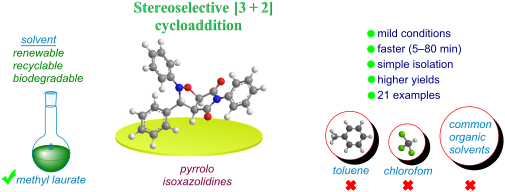
The high potential of methyl laurate as a recyclable competitor to conventional toxic solvents in [3 + 2] cycloaddition reactions
Beilstein J. Org. Chem. 2025, 21, 2389–2415, doi:10.3762/bjoc.21.184
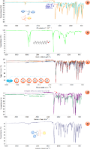
- mixture collected from the reaction medium after five minutes. Figure 13e presents the spectrum of the isolated product 3a. As demonstrated in Figure 13c and 13d, the signal attributed to the C=N stretching of starting nitrone 1a, observed at 1548 cm−1, disappears. This finding suggests that the nitrone






Insoluble methylene-bridged glycoluril dimers as sequestrants for dyes
Beilstein J. Org. Chem. 2025, 21, 2302–2314, doi:10.3762/bjoc.21.176
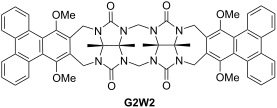
- are reported in cm−1. Mass spectrometry was performed using a JEOL AccuTOF electrospray instrument (ESI). The dye uptake was quantified by UV–vis spectroscopy (Cary 100 Bio UV–visible spectrophotometer) at 25 °C. Incubation of hosts with dyes was performed using an Eppendorf ThermoMixer™ C in 1.5 mL
- ), 4.22 (d, J = 15.8 Hz, 2H), 4.03 (s, 12H), 3.72 (s, 12H), 3.37 (s, 12H), 1.78 (s, 6H), 1.72 (s, 6H); 13C NMR (100 MHz, CDCl3) δ 154.2, 151.4, 148.9, 148.1, 128.5, 124.8, 123.9, 122.2, 108.8, 103.6, 77.4, 75.6, 61.2, 56.1, 55.9, 43.7, 36.1, 17.5, 17.4; IR (ATR, cm−1): 2935 (w), 2833 (w), 1714 (w), 1614



Thiadiazino-indole, thiadiazino-carbazole and benzothiadiazino-carbazole dioxides: synthesis, physicochemical and early ADME characterization of representatives of new tri-, tetra- and pentacyclic ring systems and their intermediates
Beilstein J. Org. Chem. 2025, 21, 2220–2233, doi:10.3762/bjoc.21.169
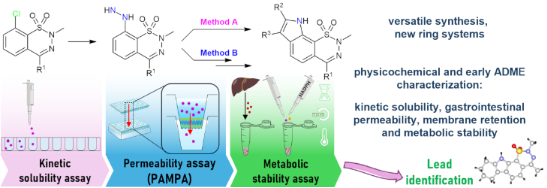
- permeability (Pe) results were considered good above 10 × 10−6 cm/s, moderate under 10 × 10−6 cm/s and low, when no substance was detected on the acceptor side. Compounds with low kinetic solubility were not measured in the permeability assay. As a result, four compounds presented good permeability: (E)-7a, (E
- on a Bruker ALPHA FT-IR spectrometer in KBr pellets, ν̃ was reported in cm−1. NMR spectra were recorded at 295 K on a Bruker Avance III HD 600 (600 and 150 MHz for 1H and 13C NMR spectra, respectively) spectrometer equipped with a Prodigy cryo-probe head. Full 1H and 13C assignments were achieved
- , 20.5; IR (KBr) ν̃: 3407, 3360, 1477, 1302, 1151, 1106 cm−1; HREIMS (m/z): [M•]+ calcd for C9H12N4O2S, 240.0675; found, 240.0677. 8-Hydrazino-2-methyl-4-phenyl-2H-1,2,3-benzothiadiazine 1,1-dioxide (5b). To a mixture of 4b (4.00 g, 13.0 mmol) and pyridine (36 mL), hydrazine monohydrate (6.30 mL, 6.50 g


A m-quaterphenyl probe for absolute configurational assignments of primary and secondary amines
Beilstein J. Org. Chem. 2025, 21, 2211–2219, doi:10.3762/bjoc.21.168
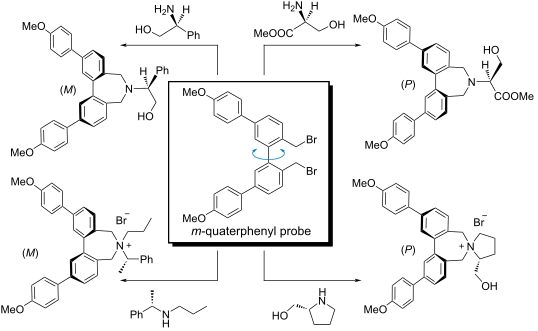
- polarized along the long axes of the methoxybiphenyl chromophores. The CD spectrum of (S)-2a shows Cotton effects arising from exciton-coupling between the two methoxybiphenyl chromophores; λext = 278 nm (Δε1 = −0.6 dm3 mol−1 cm−1) and λext = 258 nm (Δε2 = +1.7 dm3 mol−1 cm−1). The amplitude of exciton
- -coupled CD (ACD value) [7], defined as ACD = Δε1 (first Cotton effect) − Δε2 (second Cotton effect), is measured to be −2.3 dm3 mol−1 cm−1. The direction of the twist of the two chromophores in biaryl compounds can be determined by the sign of the Cotton effect of the exciton-coupled CD. Maison [44
- , 1038, 822 cm−1; FABMS (matrix DTT/TG = 1:1) m/z: 465 [M]+ (100%); Anal. calcd for C31H31NO3: C, 79.97; H, 6.71; N, 3.01; found: C, 79.73; H, 6.75; N, 2.98. Theoretical calculations To obtain the population between M and P conformers, preliminary conformational searches were run on the structures of (S


Enantioselective desymmetrization strategy of prochiral 1,3-diols in natural product synthesis
Beilstein J. Org. Chem. 2025, 21, 1932–1963, doi:10.3762/bjoc.21.151
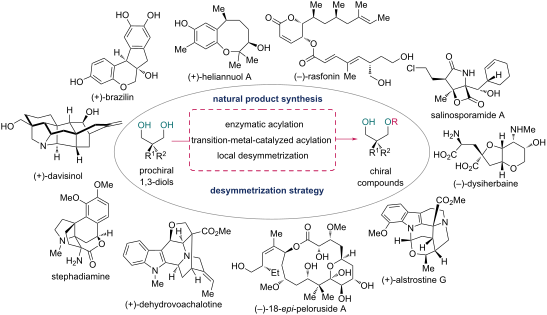
- intramolecular cyclization of 16 generated benzofuran 17 in 83% yield. After protecting the phenolic hydroxy group of 17, cross-metathesis (CM) with allylic alcohol 18 catalyzed by 13 furnished intermediate 19. Desilylation of 19 produced heliannuol G (20) and heliannuol H (21), with the structure of 21










Synthesis, biological and electrochemical evaluation of glycidyl esters of phosphorus acids as potential anticancer drugs
Beilstein J. Org. Chem. 2025, 21, 1909–1916, doi:10.3762/bjoc.21.148
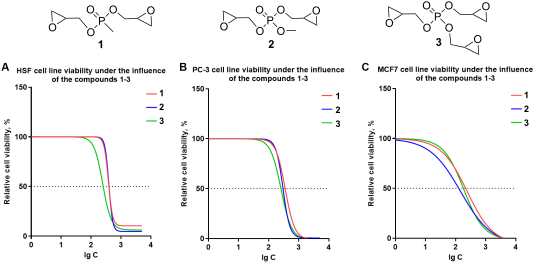
- –3.69 (m, 2H, OCH2), 4.07–4.09 (m, 2H, OCH2); 31P{1H} NMR (CDCl3, δ, ppm, J, Hz) 32.04 (s); IR (liquid, cm−1): 762 (m, oxirane), 858 (m,oxirane), 927 (m, oxirane), 1019 (m), 1139 (w), 1166 (w, P=O), 1240 (m, oxirane), 1316 (m, R-P(O)OR), 1349 (s, P=O), 1425 (w), 1455 (m), 1647 (m), 2932 (m), 3004 (m
- ), 3.75–3.84 (m, 2H, OCH2), 4.13–4.23 (m, 2H, OCH2); 31P{1H} NMR (CDCl3, δ, ppm, J, Hz) −0.1 (s); IR (liquid, cm−1): 598 (w), 763 (m, oxirane), 865 (m, oxirane), 921 (m, oxirane), 1021 (m, P(O)(OR)2), 1140 (w, P(O)(OR)2), 1168 (s, P(O)(OR)2), 1185 (w), 1261 (m), 1350 (m, P=O), 1430 (w), 1455 (m), 1644 (w
- -oxirane), 3.14–3.24 (m, 3H, CH-oxirane), 3.84–3.95 (m, 3H, OCH2), 4.22–4.36 (m, 3H, OCH2); 31P{1H} NMR (CDCl3, δ, ppm, J, Hz) −1.2 (s); IR (liquid, cm−1): 599 (w), 700 (w), 763 (m, oxirane), 797 (m, oxirane), 869 (m, oxirane), 918 (m, oxirane), 1024 (m), 1139 (w, P=O), 1166 (s, P=O), 1259 (m), 1349 (m, P


Preparation of spirocyclic oxindoles by cyclisation of an oxime to a nitrone and dipolar cycloaddition
Beilstein J. Org. Chem. 2025, 21, 1890–1896, doi:10.3762/bjoc.21.146
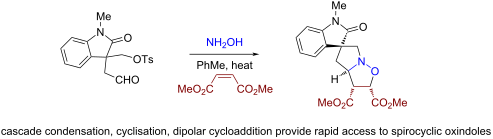
- EtOAc/petrol 1:4, to give the tosylate 3 (1.30 g, 79%) as an amorphous solid; Rf 0.57 (EtOAc/petrol 1:1); IR (film, cm−1) νmax: 2943, 1708, 1647, 1611, 1599, 1494, 1468, 1455, 1425, 1359, 1314, 1292, 1258, 1178, 1119, 1023, 976, 936, 885, 831, 816, 776, 752; 1H NMR (400 MHz, CDCl3) δ 7.66–7.59 (m, 2H
- aldehyde 4 (562 mg, 41%) as needles; mp 94–96 °C; Rf 0.35 (EtOAc/petrol 1:1); IR (film, cm−1) νmax: 2942, 1712, 1614, 1581, 1495, 1472, 1260, 1190, 1177, 1122, 1096, 1064, 1019, 815, 785, 755; 1H NMR (400 MHz, CDCl3) δ 9.44 (t, J = 1.0 Hz, 1H), 7.69–7.62 (m, 2H), 7.36–7.28 (m, 3H), 7.20 (dd, J = 7.5, 1.0
- (film, cm−1) νmax: 2941, 1784, 1694, 1612, 1495, 1471, 1434, 1377, 1352, 1281, 1247, 1181, 1138, 1092, 1072, 1041, 993, 932, 870; 1H NMR (400 MHz, CDCl3) δ 7.30 (td, J = 7.5, 1.0 Hz, 1H), 7.21 (br d, J = 7.5 Hz, 1H), 7.07 (td, J = 7.5, 1.0 Hz, 1H), 6.84 (br d, J = 7.5 Hz, 1H), 5.07 (d, J = 7.5 Hz, 1H


Synthesis of an aza[5]helicene-incorporated macrocyclic heteroarene via oxidation of an o-phenylene-pyrrole-thiophene icosamer
Beilstein J. Org. Chem. 2025, 21, 1561–1567, doi:10.3762/bjoc.21.119
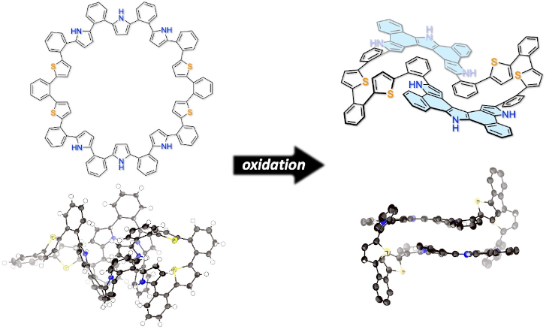
- at 399 nm (Figure 5b). A broad emission was observed at 528 nm, resulting in a relatively large Stokes shift of 6100 cm−1, which can be attributed to the structural relaxation in the excited state, as inferred by the observed broad 1H NMR spectrum at room temperature. Due to the thermal energy loss


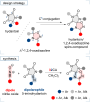
Facile synthesis of hydantoin/1,2,4-oxadiazoline spiro-compounds via 1,3-dipolar cycloaddition of nitrile oxides to 5-iminohydantoins
Beilstein J. Org. Chem. 2025, 21, 1552–1560, doi:10.3762/bjoc.21.118

- stirred. After that, the reaction mixture was left to stir in the ice bath for 24 hours, allowing it to slowly reach room temperature. Diffusion mixing technique: A small vial (15 mL volume, diameter 1.3 cm) equipped with a magnetic stirring bar was charged with a mixture of dipolarophile 2 (1 equiv
- , 0.150 mmol) and hydroxyimidoyl chloride 4 (1.1 equiv, 0.165 mol) in 4.5 mL of DCM and then placed in larger vial (50 mL volume, diameter 3.5 cm) containing TEA (35.85 mmol, 5 mL). The outer vial was tightly closed with a lid and the reaction mixture was stirred at room temperature for 24 h. In both



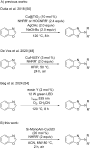
Microwave-enhanced additive-free C–H amination of benzoxazoles catalysed by supported copper
Beilstein J. Org. Chem. 2025, 21, 1462–1476, doi:10.3762/bjoc.21.108
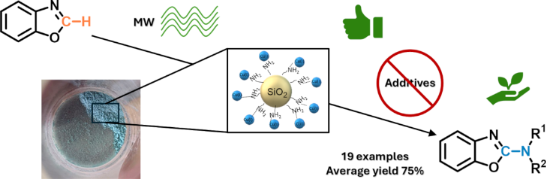
- δNH2, at around 3370, 3300 and 1596 cm−1, respectively) and by the νCH2 and δCH2 vibrations (curve a) [64][65]. The broad absorption in the high frequency region is characteristic of hydrogen bonding between Si–OH and NH2 groups in functionalised silica materials. After insertion of Cu(I), small
- informative in the low frequency range, where two new broad bands are observed at 1610 and 1515 cm−1, which are compatible with the presence of –NH3+ groups (antisymmetric and symmetric bending modes, respectively) [66][67]. The study also aimed to characterise the catalyst Si-MonoAm-Cu(I) after usage in
- optimised conditions (80 °C, MW, 2 h) with both techniques (curves c in Figure 5). The fingerprints of the aminopropyl groups are still observable in the FTIR spectrum, but new bands are formed at 1660 cm−1 and below 1500 cm−1, with a minor component around 1700 cm−1, which could be related to the



Advances in nitrogen-containing helicenes: synthesis, chiroptical properties, and optoelectronic applications
Beilstein J. Org. Chem. 2025, 21, 1422–1453, doi:10.3762/bjoc.21.106
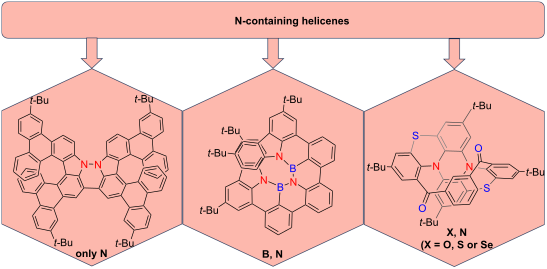
- FWHM of 22 nm. Notably, 2b and 2c demonstrate strong chiroptical activity with |gabs| values of 6.7 × 10⁻³ and 1.0 × 10⁻², |glum| of 2.4 × 10⁻³ and 7.0 × 10⁻³, and BCPL values of 9.1 and 95.2 M−1 cm−1, respectively. Shortly thereafter, Gong’s group further expanded the π-system by constructing a tris
- -hexabenzo[7]helicene 3 with a carbazole core, which emits at 595/628 nm (PLQY = 0.40), displays |gabs| = 2.98 × 10⁻³, and achieves a BCPL of 32.5 M−1 cm−1 [16]. In 2025, Babu’s group synthesized two regioisomeric π-extended azahelicenes, 4a and 4b, which differ in the position of attachment to the carbazole
- seconds. In contrast, 4b exhibits superior chiroptical properties, with |gabs| and |glum| values of 3.91 × 10⁻³ and 1.12 × 10⁻³, respectively, and an impressive BCPL of 45.77 M−1 cm−1 (Table 1). In 2021, several research groups reported structurally diverse heterohelicene systems exhibiting distinctive

Tautomerism and switching in 7-hydroxy-8-(azophenyl)quinoline and similar compounds
Beilstein J. Org. Chem. 2025, 21, 1404–1421, doi:10.3762/bjoc.21.105
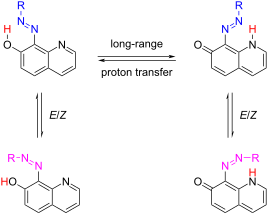
- 125 MHz for 13C NMR in CD2Cl2 and 600 MHz for 1H NMR and 151 MHz for 13C NMR in CDCl3 and CD3CN. ATR-FTIR spectra of the compounds were recorded on a Bruker Tensor 27 FTIR spectrophotometer in the range of 4400–600 cm−1 with a resolution of 2 cm−1 at room temperature. The external reflection diamond




Recent advances and future challenges in the bottom-up synthesis of azulene-embedded nanographenes
Beilstein J. Org. Chem. 2025, 21, 1272–1305, doi:10.3762/bjoc.21.99
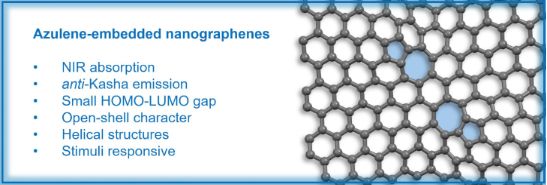
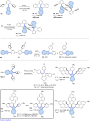
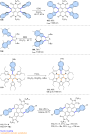
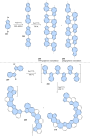
- 153. The nanoribbon is soluble in common organic solvents and exhibits conductivity values up to 1.5∙10−3 S∙cm−1 when doped by TFA in the thin film state. The serendipitous synthesis of azulene-embedded [5]helicenes was reported by Usui, Suemune, and co-workers [99]. The unexpected formation of an
- coefficients (ε) of compounds 172, 22, and 104 are relatively low (below 1000 M−1 cm−1), reflecting the partially forbidden nature of the S0→S1 transitions. Incorporating strongly electron-withdrawing




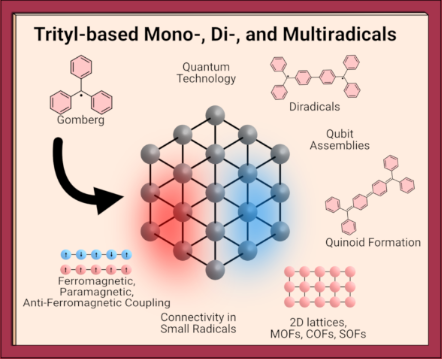
On the photoluminescence in triarylmethyl-centered mono-, di-, and multiradicals
Beilstein J. Org. Chem. 2025, 21, 964–998, doi:10.3762/bjoc.21.80
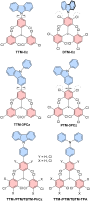
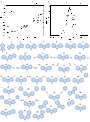
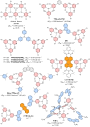
- Table 2). Analysis of the Huang-Rhys factors delivered that the meta-chlorinated phenyl units do indeed restrict the rotation of the donor. Moreover, the reduction of the LE character of the D1-excited state and a reduction of coupled vibrational modes in the regime from 1000–2000 cm−1 seem to decrease









Acyclic cucurbit[n]uril bearing alkyl sulfate ionic groups
Beilstein J. Org. Chem. 2025, 21, 717–726, doi:10.3762/bjoc.21.55
- and 150 or 100 MHz for 13C. Melting points were measured on a Meltemp apparatus in open capillary tubes and are uncorrected. IR spectra were measured on a Thermo Nicolet NEXUS 670 FT/IR spectrometer by attenuated total reflectance (ATR) and are reported in cm−1. Mass spectrometry was performed using a
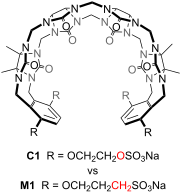
- high vacuum to yield C1 as a white solid (0.3444 g, 68% yield). Mp > 300 °C; IR (ATR, cm−1): 3456 (w), 1720 (m), 1472 (m), 1378 (w), 1226 (m), 1101 (s), 1023 (m), 972 (w), 790 (w); 1H NMR (400 MHz, D2O) 6.71 (s, 4H), 5.67 (d, J = 15.4 Hz, 2H), 5.57 (d, J = 15.8 Hz, 4H), 5.46 (d, J = 8.9 Hz, 2H), 5.42




Asymmetric synthesis of fluorinated derivatives of aromatic and γ-branched amino acids via a chiral Ni(II) complex
Beilstein J. Org. Chem. 2025, 21, 659–669, doi:10.3762/bjoc.21.52
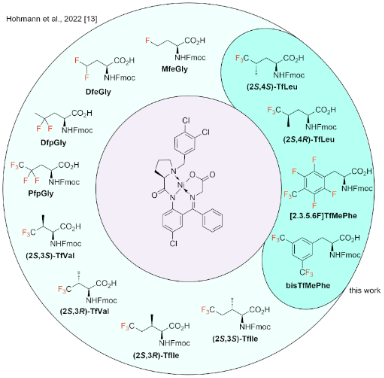
- (HREIMS) were measured on a MAT 711 (Varian MAT, Bremen, Germany). Electron energy for EI was set to 70 eV. Infrared spectra (IR) were measured on an ALPHA II (Bruker, Billerica, USA) spectrometer. Characteristic absorption bands are given in wave numbers (cm−1). Qualitative thin-layer chromatography (TLC
- , CDCl3) δ −56.23 (t, J = 20.7 Hz), −140.45 (dq, J = 28.6, 11.9, 11.1 Hz); ATR-FTIR (neat): 3587, 2975, 2868, 1634, 1500, 1333, 1249, 1137, 870, 820, 709 cm−1; HRMS (ESI-TOF) m/z: [M + Na]+ calcd for C35H23Cl3F7N3NiO3, 853.9916; found, 853.9958. Ni(II)-Schiff base complex of bisTfMePhe 7: Under inert
- , 121.5, 71.2, 70.9, 63.3, 58.6, 40.7, 30.8, 23.7; 19F NMR (565 MHz, CDCl3) δ −62.57 (s); ATR-FTIR (neat): 3062, 2982, 2868, 1638, 1463, 1278, 1133, 894, 820, 705 cm−1; HRMS (ESI-TOF) m/z: [M + Na]+ calcd for C36H26Cl3F6N3NiO3, 850.0167; found, 850.0181. Ni(II)-Schiff base complexes of (2S,4R)-TfLeu 11a


Formaldehyde surrogates in multicomponent reactions
Beilstein J. Org. Chem. 2025, 21, 564–595, doi:10.3762/bjoc.21.45
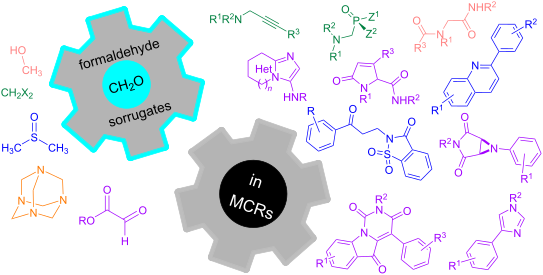
- for the formation of intermediates. Gao et al. studied the generation of metal acetylide A by IR spectroscopy [65]. When subsequent additions of 1 equiv FeCl3 were made in a solution of alkyne and TMG, the C–H stretch peak at 3277 cm−1 started to decrease as the temperature increased from 30 to 100 °C





