Search results
Search for "carboxylic acids" in Full Text gives 373 result(s) in Beilstein Journal of Organic Chemistry. Showing first 200.
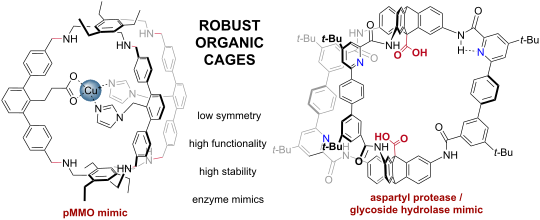
Beyond symmetric self-assembly and effective molarity: unlocking functional enzyme mimics with robust organic cages
Beilstein J. Org. Chem. 2025, 21, 421–443, doi:10.3762/bjoc.21.30
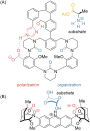
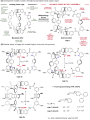
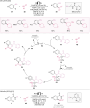
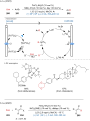
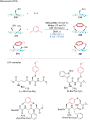
- are linear molecules able to direct functionality toward each other in a relatively rigid pincer orientation. One example featuring a pair of antipodal carboxylic acids demonstrated acetal hydrolysis catalysis (Figure 3B) [110]. However, as linear molecules, the clefts are difficult to develop past
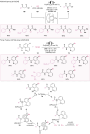
- more than 104 compared to the background rate (298 K, CDCl3) (Figure 9B) [41]. Here, the strongly preorganized pair of carboxylic acids split duties: one covalently activates an acyl group while the other provides bifunctional acid/base activation. Together, they bind the transition state
- triad (red) was hoped to activate the benzyl alcohol nucleophile, but it does not activate (polarize) the electrophile (substrate ester group). (B) One of Rebek’s “clefts” [108][109]. The rigidly organized carboxylic acids both bind the substrate and the transition state for hydrolysis of an acetal. (A




Dioxazolones as electrophilic amide sources in copper-catalyzed and -mediated transformations
Beilstein J. Org. Chem. 2025, 21, 200–216, doi:10.3762/bjoc.21.12
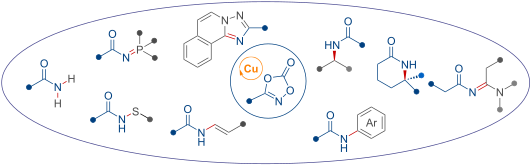
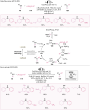
- condensation of carboxylic acids with anilines, often promoted by activating agents such as thionyl chloride or peptide coupling agents [86][87][88][89]. However, these protocols rely on environmentally harmful reagents and produce unwanted byproduct wastes. Recently, the research group of Son showcased a
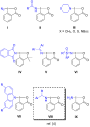
- approaches. Despite the synthetic strategies to generate the copper nitrenoid intermediates are gaining more attention [104][105], several limitations still remain. First, multiple steps are required to prepare dioxazolones, synthesized conventionally from carboxylic acids or acid chlorides over two steps


Recent advances in electrochemical copper catalysis for modern organic synthesis
Beilstein J. Org. Chem. 2025, 21, 155–178, doi:10.3762/bjoc.21.9

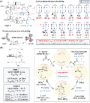
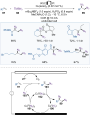
- desired annulation products. Moreover, the same products were generated using alkynyl carboxylic acids instead of terminal alkynes via decarboxylative C–H alkynylation and annulation. Cyclic voltammetry (CV) studies exhibited an oxidative current at 0.95 V vs SCE in the presence of the Cu(II) salt, base
- Cu(I)CN catalyst 108. The Cu(II)CN catalyst 109 is regenerated via anodic oxidation to complete its catalytic cycle. Decarboxylative functionalization Carboxylic acids are inexpensive, readily available, structurally diverse from both natural and synthetic sources, and easy to handle. Recently
- , various catalytic transformations of carboxylic acids have been developed, enabling chemists to access a variety of valuable products via diverse reaction pathways [73]. Particularly, decarboxylative cross-coupling of carboxylic acids using radical strategies has emerged as a robust method for the








Reactivity of hypervalent iodine(III) reagents bearing a benzylamine with sulfenate salts
Beilstein J. Org. Chem. 2024, 20, 3281–3289, doi:10.3762/bjoc.20.272
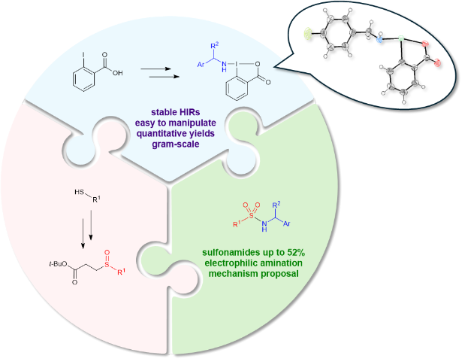
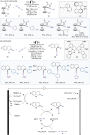
- , commonly referred to as sulfa drugs. These include top seller drugs, e.g., antimicrobials, anti-inflammatories, antihypertensives, and antitumor agents [24][25][26]. Particularly, the sulfonamide motif can act as a bioisostere of carboxylic acids, establishing a set of hydrogen bonds similar to those
- formed by carboxylic acids, enhancing its versatility and effectiveness in drug design [27]. Traditional sulfonamide preparation involves combining sulfonyl chlorides and amines [25][28][29]. Despite the efficiency of traditional methods, challenges still remain, e.g., use of harsh conditions, like



Intramolecular C–H arylation of pyridine derivatives with a palladium catalyst for the synthesis of multiply fused heteroaromatic compounds
Beilstein J. Org. Chem. 2024, 20, 3256–3262, doi:10.3762/bjoc.20.269
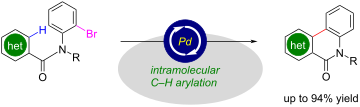
- reaction of the corresponding heteroaromatic carboxylic acids with thionyl chloride followed by treatment with N-octyl-2-bromoaniline [15]. The reactions proceeded smoothly affording products 1a–c in good yields as shown in Scheme 1. We then studied the reaction of quinoline amide 1a under several


Synthesis of 2H-azirine-2,2-dicarboxylic acids and their derivatives
Beilstein J. Org. Chem. 2024, 20, 3191–3197, doi:10.3762/bjoc.20.264
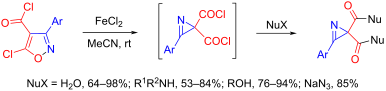
- -ylcarbonyl)-2H-azirines, 1-(2H-azirine-2-carbonyl)benzotriazoles, 2H-azirine-2-carbonyl azides, anhydrides, amides, esters, and thioesters of azirine carboxylic acids, as well as azirine carboxylic acids themselves, have been prepared over the last decade (see [2] and references therein). Azirine-2




Multicomponent reactions driving the discovery and optimization of agents targeting central nervous system pathologies
Beilstein J. Org. Chem. 2024, 20, 3151–3173, doi:10.3762/bjoc.20.261
- heterocyclic scaffold is subsequently formed [58]. In 2015, Xu et al. [59] reported the synthesis of 1,5-benzodiazepines using the UDC approach. The process begins with Ugi-4CRs, incorporating amines, glyoxaldehydes, 2-(N-Boc-amino)phenylisocyanide, and carboxylic acids. Following this, the Boc group is


Hypervalent iodine-mediated intramolecular alkene halocyclisation
Beilstein J. Org. Chem. 2024, 20, 3113–3133, doi:10.3762/bjoc.20.258
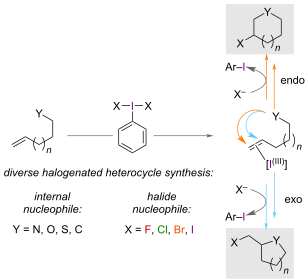
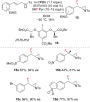
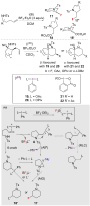
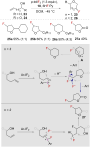
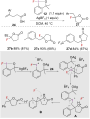
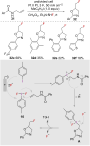
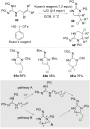
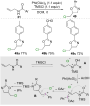
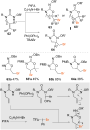
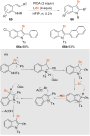
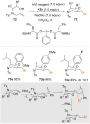
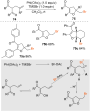
- nucleophiles In 2000, Hara and co-workers reported the fluorocyclisation of unsaturated alcohols and carboxylic acids promoted by HVI reagents (Scheme 11) [36]. Using 4-tolyl difluoroiodane 10 as the reaction promoter, and pyridine·6HF as a source of fluoride, a range of unsaturated alcohols 23 to fluorinated
- tetrahydrofurans 25 and tetrahydropyrans 26. Unsaturated carboxylic acids 24 was also cyclised to form 5-membered fluorinated lactones 27. The mechanisms proposed for the cyclisation of unsaturated alcohols and carboxylic acids both proceed first through the activation of the alkene by the iodane (Scheme 11). The
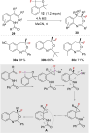
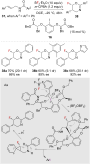
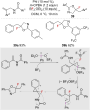
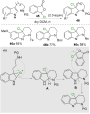
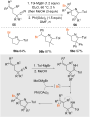
- intermediate A. The product is formed following a 6-endo cyclisation with nucleophilic attack from oxygen to provide the fluoro-benzoxazepines 30. In 2015, Stuart and co-workers reported an intramolecular fluorocyclisation of unsaturated carboxylic acids 24 (Scheme 14) [38]. Using 1-fluoro-3,3



















Advances in radical peroxidation with hydroperoxides
Beilstein J. Org. Chem. 2024, 20, 2959–3006, doi:10.3762/bjoc.20.249
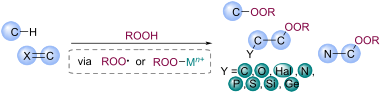
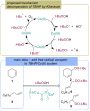
- in situ-generated Cu(I) complexes was developed (Scheme 23) [43]. 2-Phenylbutane (64) was converted into peroxide 65 in a 70% yield with 4% ee. A visible light-induced direct decarboxylative peroxidation of carboxylic acids 66 with the formation of peroxides 67 under metal-free conditions using Mes
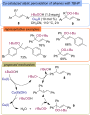
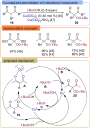
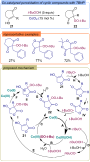
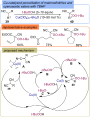
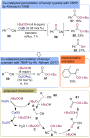
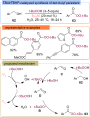
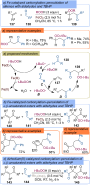
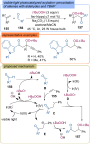
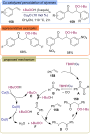
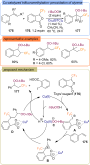
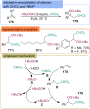
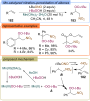
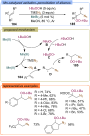
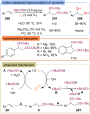
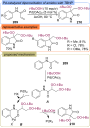
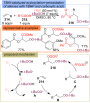
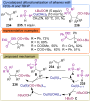
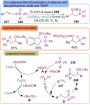
- be generated by nucleophilic attack of the tert-butylperoxy radical to the radical intermediate A or TBHP to the carbocation intermediate B. Using carboxylic acids 215 and TBHP, the synthesis of β-peroxy-α-acyloxy derivatives 216 was developed via the TBAI-promoted acyloxylation–peroxidation of































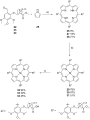
Synthesis of fluorinated acid-functionalized, electron-rich nickel porphyrins
Beilstein J. Org. Chem. 2024, 20, 2954–2958, doi:10.3762/bjoc.20.248
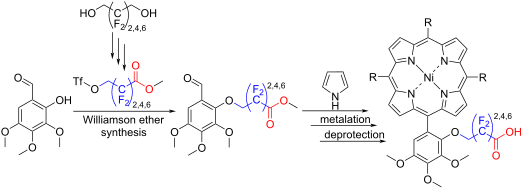
- . After metalation with Ni(acac)2 and hydrolysis electron-rich porphyrins were obtained, that are equipped with covalently attached long chain acid substituents. The target compounds have potential applications in catalysis, sensing, and materials science. The fluorinated aliphatic carboxylic acids (TfO
- ; perfluorinated aliphatic carboxylic acids; porphyrin synthesis; Introduction Metal porphyrins are prosthetic groups in a number of essential biomolecules, including hemoglobin, chlorophyll, and cytochromes, supporting processes such as oxygen transport, photosynthesis, and electron transfer [1][2][3][4][5
- carboxylic acids [10]. It was therefore obvious to use a perfluoroalkyl chain as a tether. However, a perfluoroalkyl chain as a substituent on the porphyrin has an electron-withdrawing effect and thus a negative influence on the oxidation potential. We have therefore inserted an O–CH2 group between the


5th International Symposium on Synthesis and Catalysis (ISySyCat2023)
Beilstein J. Org. Chem. 2024, 20, 2704–2707, doi:10.3762/bjoc.20.227
- a new family of isatin-based α-acetamide carboxamide oxindole hybrids using the versatile Ugi four-component reaction [18]. Sixteen hybrids were prepared by reacting 5-amino-1-benzyl-3,3-dimethoxyindolin-2-one, benzyl isocyanide, carboxylic acids, and aldehyde/ketone derivatives, catalyzed by ZnF2

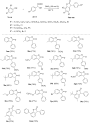
Transition-metal-free decarbonylation–oxidation of 3-arylbenzofuran-2(3H)-ones: access to 2-hydroxybenzophenones
Beilstein J. Org. Chem. 2024, 20, 2655–2667, doi:10.3762/bjoc.20.223
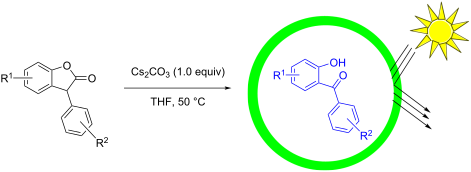
- versatile method using decarbonylation of benzofuranone followed by oxidation, that produces only CO2 as a non-toxic side product, is considered less hazardous. Although decarboxylation of aldehydes, carboxylic acids, and ketones are well known, albeit using metal catalysts, decarboxylation methods for




The scent gland composition of the Mangshan pit viper, Protobothrops mangshanensis
Beilstein J. Org. Chem. 2024, 20, 2644–2654, doi:10.3762/bjoc.20.222
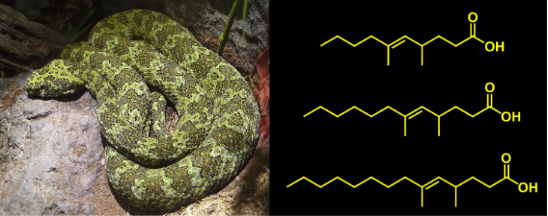
- species. These glands can contain various lipids and peptides, but very often also complex mixtures of carboxylic acids. We report here the occurrence of novel methyl-branched unsaturated acids found in the secretions of six captive individuals living in a zoo. The structures of these compounds, 4.6
- , proline-containing diketopiperazines were identified for the first time in snake scent glands, although an artificial formation from amino acids likely present in the secretion cannot be excluded. Keywords: carboxylic acids; identification; mass spectrometry; pheromones; snakes; Introduction Located in
- (see, e.g., [1][2]). Comparative analysis of SGS through GC–MS has revealed an assortment of lipids (reviewed in [2]), such as cholesterol [3][4][5][6][7][8], carboxylic acids [4][5][7][8][9][10][11][12], alcohols [8], 1-O-monoalkylglycerols [6][8], and others [13]. Nitrogen-containing compounds


A review of recent advances in electrochemical and photoelectrochemical late-stage functionalization classified by anodic oxidation, cathodic reduction, and paired electrolysis
Beilstein J. Org. Chem. 2024, 20, 2500–2566, doi:10.3762/bjoc.20.214
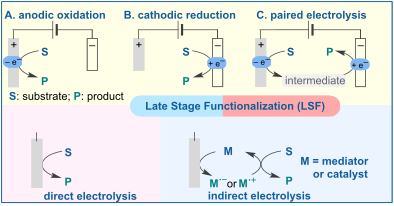
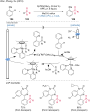
- celestolide showed high yields and good selectivity (Scheme 9). The Lei group also disclosed another C(sp3)–H functionalization involving C–O-bond formation [18]. The reported method allows the straightforward preparation of α-acyloxy sulfides from ubiquitous carboxylic acids and sulfides, providing an
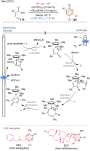
- product (Scheme 30a). In the same year, the Xia group reported an iodide ion and PPh3-induced electrochemical oxidative [3 + 2] cycloaddition of carboxylic acids and isocyanoacetates [41]. The successful LSF of drug molecules such as sulbactam acid and oxaprozin demonstrated the potential applicability of
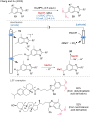
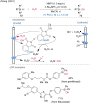
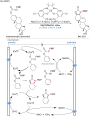
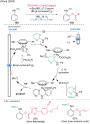
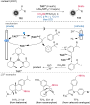
- bonded to the nitrogen atom of the aniline substrate. The methodology showcases a broad scope for carboxylic acids and demonstrates multiple examples of LSF of pharmaceuticals and natural products. The proposed mechanism begins with the formation of Ru(II) diacetate through ligand exchange between the


























Visible-light-mediated flow protocol for Achmatowicz rearrangement
Beilstein J. Org. Chem. 2024, 20, 2493–2499, doi:10.3762/bjoc.20.213
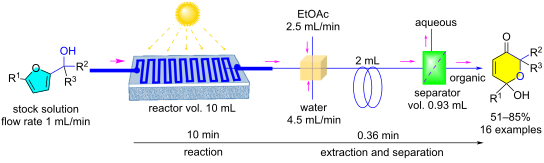
- ; photocatalyst; sunlight; Introduction The furan ring moiety is present in several natural products [1] and serves as a key precursor to 1,4-dicarbonyls [2], cyclopentanones [3], and carboxylic acids [4], in synthetic organic chemistry. Furfuryl alcohols, a family of 2-substituted furan molecules, are



HFIP as a versatile solvent in resorcin[n]arene synthesis
Beilstein J. Org. Chem. 2024, 20, 2469–2475, doi:10.3762/bjoc.20.211
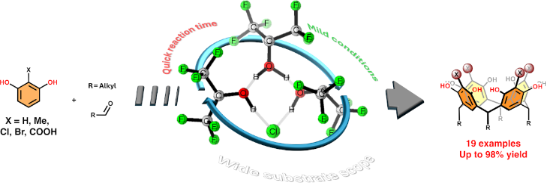
- manner, and from the few reports using 2-bromoresorcinol, it has been described to yield inseparable mixtures of oligomers [9][59]. Electron-withdrawing groups like carboxylic acids are another useful functional group instead of the halogen that provide a divergent route to other functional materials


Efficient one-step synthesis of diarylacetic acids by electrochemical direct carboxylation of diarylmethanol compounds in DMSO
Beilstein J. Org. Chem. 2024, 20, 2392–2400, doi:10.3762/bjoc.20.203
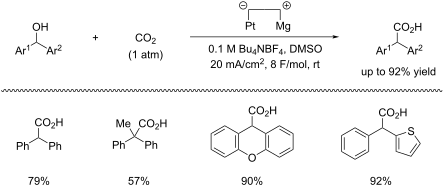
- showing that electrochemical carboxylation of benzyl alcohols in the presence of Bu4NBH4 in DMF using graphite electrodes gave the corresponding carboxylic acids only in poor yield [18]. We recently found that DMSO is a more suitable solvent for electrochemical carboxylation of benzyl alcohols. Even
- , took place preferentially over electroreductive C(sp3)–O bond cleavage of 1b. It should also be noted that no aromatic carboxylic acids were detected by 1H NMR analysis. In contrast, the electrochemical carboxylation of 1c, containing a fluorine atom, gave a mixture of fluorine-containing carboxylic


Deuterated reagents in multicomponent reactions to afford deuterium-labeled products
Beilstein J. Org. Chem. 2024, 20, 2270–2279, doi:10.3762/bjoc.20.195
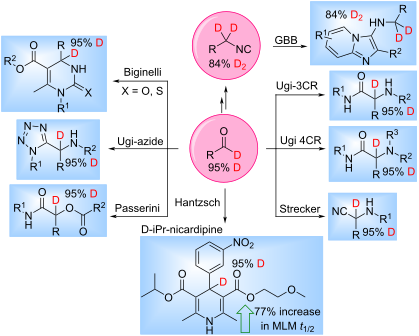
- (MCRs) are one-pot reactions that utilize three or more readily available starting materials [1][2][3][4]. Typically, MCRs use reactive functional groups such as ketones or aldehydes, carboxylic acids, amines, and isocyanides where these simple building blocks can be utilized to form large libraries of
- the Passerini reaction [40][41][42][43] discovered 60 years prior to the Ugi reaction. It uses the reactivity of isocyanides, aldehydes, and carboxylic acids to yield α-acyloxy amides (Scheme 6). Six deuterated analogs are reported in good yield with no observation of deuterium scrambling. For the


Multicomponent syntheses of pyrazoles via (3 + 2)-cyclocondensation and (3 + 2)-cycloaddition key steps
Beilstein J. Org. Chem. 2024, 20, 2024–2077, doi:10.3762/bjoc.20.178

- β-ketoesters to form enaminones 85. The consecutive three-component reaction culminates in cyclization with substituted hydrazines, leading to the regioselective formation of 5-fluoroalkylpyrazoles 83 (Scheme 30) [111]. Following subsequent saponification, pyrazole-4-carboxylic acids can be obtained




Access to 2-oxoazetidine-3-carboxylic acid derivatives via thermal microwave-assisted Wolff rearrangement of 3-diazotetramic acids in the presence of nucleophiles
Beilstein J. Org. Chem. 2024, 20, 1894–1899, doi:10.3762/bjoc.20.164

- (SLC6A19) [10]. Hence, developing new synthetic methods to create structurally diverse 2-oxoazetidine-3-carboxylic acid derivatives is a highly valuable endeavour that could have a positive impact on future drug discovery. Most synthetic approaches to amides and esters of 2-oxoazetidine-3-carboxylic acids
- of the synthesis would be of great demand. We proposed that, besides modifying the 2-oxoazetidine-3-carboxylic acids themselves, such an approach could involve diazotetramic acids, subjected to thermal Wolff rearrangement, with various nucleophiles. The application of the Wolff rearrangement in
- -diastereomeric β-lactam products. The use of variously substituted diazotetramic acids, including their spirocyclic derivatives, provides access to a new structural diversity of medically relevant β-lactam derivatives. The possibility of transforming the obtained benzyl esters into 2-oxoazetidine-3-carboxylic


Ugi bisamides based on pyrrolyl-β-chlorovinylaldehyde and their unusual transformations
Beilstein J. Org. Chem. 2024, 20, 1773–1784, doi:10.3762/bjoc.20.156
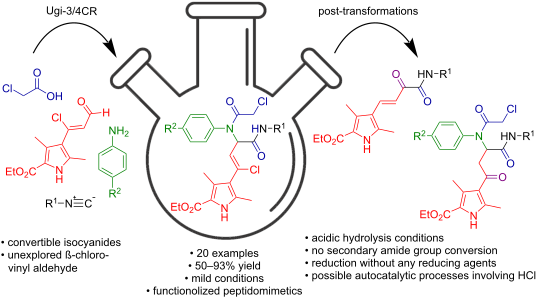
- prepared and characterized. Surprisingly, a well-documented approach to obtain peptide-containing carboxylic acids through acid hydrolysis of the convertible isocyanide moiety in the Ugi bisamides proceeded in an unexpected manner in our case, leading to the formation of derivatives of amides of
- -called convertible isocyanides [27][28][29][30][31][32][33][34][35][36] in Ugi-4CR makes it possible to obtain carboxylic acids or esters after hydrolysis of the secondary amide group in the Ugi products (Scheme 2) [27][28][29][31][32][34][35][36]. Ugi bisamides modified in this way may be subsequently
- attempt to apply a well-documented approach for the subsequent synthesis of peptide-containing carboxylic acids by acid hydrolysis of the convertible isocyanide moiety in the Ugi bisamides proceeded in an unexpected manner: their treatment with acids led to elimination of the 2-chloroacetamide moiety and




Synthesis and characterization of 1,2,3,4-naphthalene and anthracene diimides
Beilstein J. Org. Chem. 2024, 20, 1767–1772, doi:10.3762/bjoc.20.155
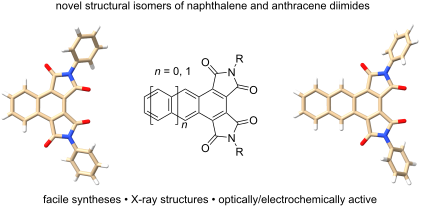
- sodium hydroxide, followed by acidification with HCl, yielded a mixture of carboxylic acids and anhydrides 5, as evidenced by 1H NMR spectroscopy (Figure S13 in Supporting Information File 1). Gratifyingly, purification of these mixtures was not necessary as they could be used directly for imidization


Harnessing unprotected deactivated amines and arylglyoxals in the Ugi reaction for the synthesis of fused complex nitrogen heterocycles
Beilstein J. Org. Chem. 2024, 20, 1758–1766, doi:10.3762/bjoc.20.154
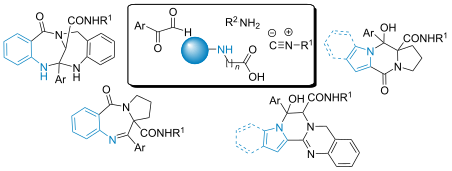
- hurdles. Here, we have demonstrated the possibility of using the combination of arylglyoxals and carboxylic acids tethered to nonprotected deactivated amines as a powerful strategy for the synthesis of complex fused heterocycles. The limited nucleophilic character of the amino group of the anthranilic
- further confirmed by single-crystal X-ray diffraction of compound 12c (Figure 3). Conclusion In this work, we have demonstrated the straightforward access to a variety of complex nitrogen heterocycles by using unprotected deactivated amines tethered to carboxylic acids combined with arylglyoxals in the
- synthesis of benzodiazepinones 6. Synthesis of bis-1,4-benzodiazepines 7. Synthesis of benzodiazepinone 5c and pyrrolobenzodiazepinone 8 from anthranilic acid and 3-bromopropanamine. Synthesis of pyrrolopiperazinones 9 from pyrrole and indole carboxylic acids. Synthesis of pyrrolopiperazinones 10 from N


Syntheses and medicinal chemistry of spiro heterocyclic steroids
Beilstein J. Org. Chem. 2024, 20, 1713–1745, doi:10.3762/bjoc.20.152
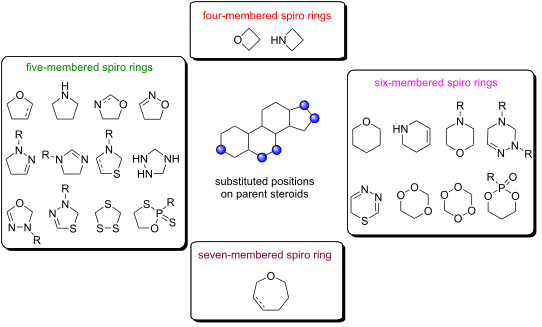
- of the primary alcohols under Jones oxidation conditions, led to the corresponding carboxylic acids. These carboxylic acids underwent intramolecular cyclization with the 17β-hydroxy group to provide the spirolactones 112 and 113. The ADT-lactone 113 was further methylated and oxidized to yield a
- gave a diastereomeric mixture. A final transformation into the corresponding carboxylic acids 171 and amides 172 was performed in short reaction times (Scheme 44). Steroidal tetraoxanes showed


Chemo-enzymatic total synthesis: current approaches toward the integration of chemical and enzymatic transformations
Beilstein J. Org. Chem. 2024, 20, 1693–1712, doi:10.3762/bjoc.20.151
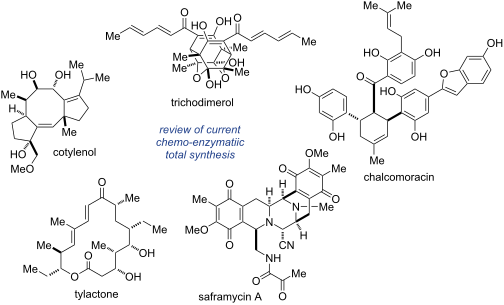
- carboxylic acids followed by intramolecular condensation. As a chemo-enzymatic complementary strategy, thioesterase (TE) domains of NRPS and PKS gene clusters have been utilized as enzymes for macrolactone formation to produce a wide range of natural/non-natural macrocyclic compounds [58][59][60][61][62][63