Search results
Search for "fatty acid" in Full Text gives 124 result(s) in Beilstein Journal of Organic Chemistry.
Targeting the Pseudomonas quinolone signal quorum sensing system for the discovery of novel anti-infective pathoblockers
Beilstein J. Org. Chem. 2018, 14, 2627–2645, doi:10.3762/bjoc.14.241
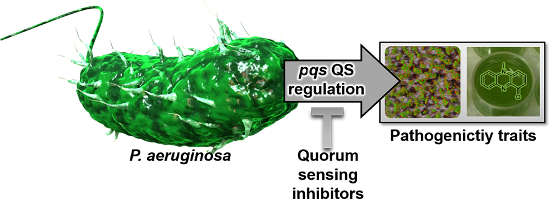
- -CoA) is then transferred to an active-site cysteine of the β-ketoacyl-ACP synthase III (FabH)-type enzyme PqsD [26][27]. Subsequently, another CoA-activated substrate comes into play. In analogy to fatty acid synthesis, malonyl-CoA is reacted with the enzyme-bound thioester to yield 2
- formed by action of the heterodimeric complex PqsBC. This time, CoA-activated octanoic acid is used to preload an active-site cysteine of PqsC with the fatty acid via a thioester linkage [30][31]. The previously produced 2-ABA is then consumed to from HHQ under decarboxylative condensation [30]. Finally


Comparative cell biological study of in vitro antitumor and antimetastatic activity on melanoma cells of GnRH-III-containing conjugates modified with short-chain fatty acids
Beilstein J. Org. Chem. 2018, 14, 2495–2509, doi:10.3762/bjoc.14.226
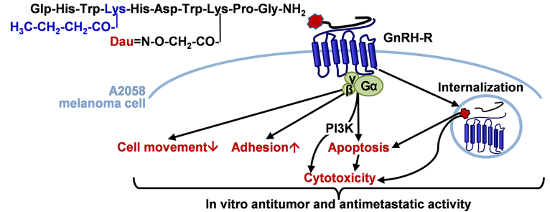
- most potent one in all different assays (enzymatic stability, cellular uptake, and in vitro antitumor activity) on HT-29 colon carcinoma cell lines [19]. The different hydrophobicity of conjugates having a short, fatty acid side chain (2–6 carbon atoms) could be excluded as an explanation for their
- , cellular uptake and weaker antitumor activity [17][19]. The increased cytostatic activity of Dau–GnRH-III conjugates acylated by a short-chain fatty acid as a “second drug” can be due to the known potential of short-chain fatty acids – especially butyric acid – to induce apoptosis in various tumor cell
- development. Conclusion In the present study, GnRH-III or its analog substituted with a short-chain fatty acid containing Lys in position 4 was applied as a targeting unit to deliver Dau to melanoma cells. By reading their complex cell physiological activities these conjugates, in which Dau was linked via an


Acyl-group specificity of AHL synthases involved in quorum-sensing in Roseobacter group bacteria
Beilstein J. Org. Chem. 2018, 14, 1309–1316, doi:10.3762/bjoc.14.112
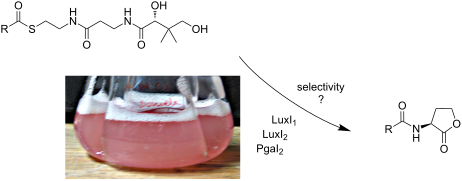
- Phaeobacter inhibens strains, revealing strain-specific mixtures. Although large differences were present between the species, the fatty acid profiles, the pool for the acyl precursors for AHL biosynthesis, were very similar. To test the acyl-chain selectivity, the three enzymes LuxI1 and LuxI2 from D. shibae
- ; fatty acid composition; N-acylhomoserine lactones; quorum sensing; Phaeobacter inhibens; Introduction The Roseobacter group, a subgroup of the Rhodobacteraceae family, constitutes an important class of Gram-negative marine bacteria, occurring in many different habitats [1][2], in fresh water as well as
- . gallaeciensis BS107 produced eight different AHLs [8]. The biosynthesis of AHLs is mediated by the enzyme LuxI or its homologs, and often accompanied by a regulator protein, LuxR [18][19]. An ACP-bound fatty acid acyl group 1 is transferred onto the amino group of S-adenosylmethionine (SAM, 2) that is followed


Volatiles from three genome sequenced fungi from the genus Aspergillus
Beilstein J. Org. Chem. 2018, 14, 900–910, doi:10.3762/bjoc.14.77
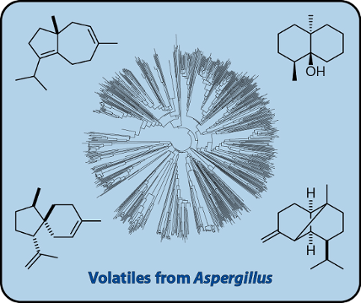
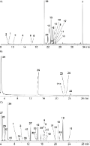
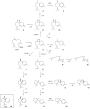
- encoded terpene synthases for each strain. Besides terpenes, a series of aromatic compounds and volatiles derived from fatty acid and branched amino acid metabolism were identified. Some of these compounds have not been described as fungal metabolites before. For the compound ethyl (E)-hept-4-enoate known
- unusual, because many ethyl esters and esters derived from carboxylic acids with an odd number of carbons were found. Since the carboxylic acid portion usually derives from fatty acid biosynthesis, a process in which the C2 starter acetyl-CoA is elongated with C2 units, esters from carboxylic acids with




Volatiles from the tropical ascomycete Daldinia clavata (Hypoxylaceae, Xylariales)
Beilstein J. Org. Chem. 2018, 14, 135–147, doi:10.3762/bjoc.14.9
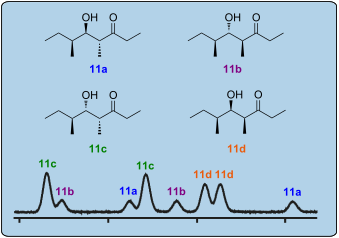
- different compound classes including fatty acid derivatives and polyketides, aromatic compounds, terpenes, sulfur and nitrogen compounds, and halogenated compounds is produced by ascomycete fungi [1]. Possibly the most widespread volatile secondary metabolite from fungi is (R)-oct-1-en-3-ol (1, Scheme 1), a


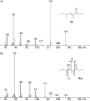


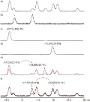


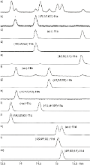

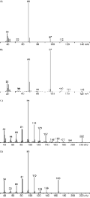

Aminosugar-based immunomodulator lipid A: synthetic approaches
Beilstein J. Org. Chem. 2018, 14, 25–53, doi:10.3762/bjoc.14.3
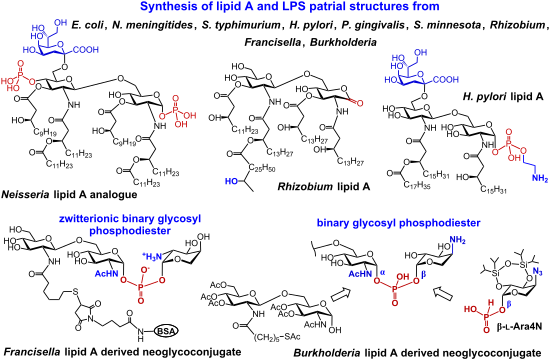
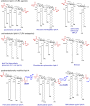
- the azido function with zinc in acetic acid followed by acylation of the liberated amino group with the long-chain acyloxyacyl fatty acid furnished fully acylated 16. In the next steps, the isopropylidene acetal and anomeric TDS ether were removed by treatment with aqueous TFA and the anomeric
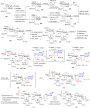
- in AcOH which reductively cleaved the N-Troc group (Scheme 3). After N-acylation by (R)-3 acyloxyacyl fatty acid and hydrolytic cleavage of 4’,6’-O-benzylidene acetal group with 90% aqueous TFA, the liberated 6’-hydroxy group was regioselectively protected as TBDMS ether to furnish 20. 1H-Tetrazole
- the corresponding fatty acid using 2-methyl-6-nitrobenzoic anhydride (MNBA) as activating reagent in the presence of the nucleophilic catalysts 4-(dimethylamino)pyridine N-oxide (DMAPO) [89]. Next, the 2-N-Alloc group was cleaved by treatment with Pd(PPh3)4 and dimethylaminotrimethylsilane (TMSDMA




The chemistry and biology of mycolactones
Beilstein J. Org. Chem. 2017, 13, 1596–1660, doi:10.3762/bjoc.13.159
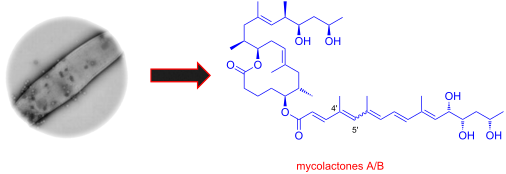
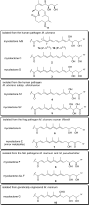
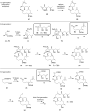
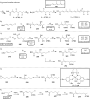
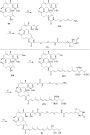
- of the mycolactone core Currently, all mycolactone partial and total syntheses share the (projected) final esterification of the C5-hydroxy group of the appropriately protected extended mycolactone core with the respective polyunsaturated fatty acid under Yamaguchi conditions (Figure 7). Two









Chemical systems, chemical contiguity and the emergence of life
Beilstein J. Org. Chem. 2017, 13, 1551–1563, doi:10.3762/bjoc.13.155
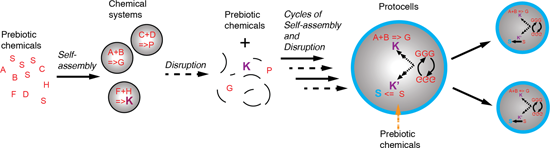
- chemicals with fatty acid vesicles demonstrates that chemical systems, even simple ones, could have spawned such a selection by conditioning the interactions between their molecular constituents. For instance, canonical nucleobases interact more extensively with the vesicles structures than some of their
- derivatives and even stabilize them [63]. The same observation was made for ribose over other sugars. Moreover, when the permeability of fatty acid vesicle bilayers towards sugars was examined, ribose was determined to have the highest diffusion rates among aldopentoses or hexoses [64], a fact that could also
- authors surmised that the product length (up 29 monomer units compared to 9 in aqueous set-ups) was possible due to solubilization of the products within the hydrophobic core of the vesicle bilayers. Recent investigations with potentially prebiotic fatty acid structures have confirmed these observations


A new member of the fusaricidin family – structure elucidation and synthesis of fusaricidin E
Beilstein J. Org. Chem. 2017, 13, 1430–1438, doi:10.3762/bjoc.13.140
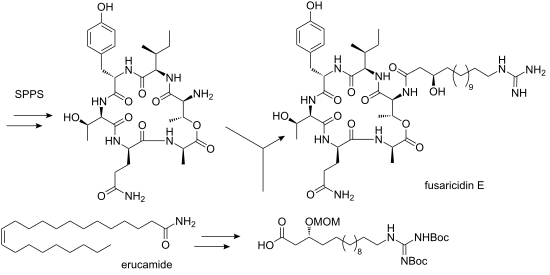
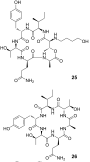
- most likely shows similarity to the fatty acid synthesis pathway [2]. All fusaricidins have three amino acids (L-Thr, D-allo-Thr, and D-Ala) in common and are mostly isolated in pairs which differ in a single amino acid (asparagine vs glutamine). There are several known members of the fusaricidin
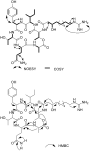
- bound to a guanidine β-hydroxy fatty acid as a key correlation was observed between the signal of its α-methine proton at δ 4.46 and the resonance of a carbonyl at δ 171.9. This carbonyl showed HMBC correlation with α-methylene protons at δ 2.35 and the β-methine proton at δ 3.77. Additionally



Framing major prebiotic transitions as stages of protocell development: three challenges for origins-of-life research
Beilstein J. Org. Chem. 2017, 13, 1388–1395, doi:10.3762/bjoc.13.135
- functional capacities (see [15] for a review). In particular, fatty acid vesicles have become the standard protocell model, not just because of their prebiotic plausibility [27][28], but also because of their remarkable stability as compartments [29][30]; their rapid self-assembly kinetics and amenability to
- process of protocell division, as well as developing mechanisms of heredity (i.e., control of trans-generational variation) [60][64]. A possible – though still tentative – narrative would proceed as follows: initially, (Figure 1a) fatty acid vesicles could self-maintain and grow through the acquisition of
- . Protocells as the main units of prebiotic evolution: three hypothetical stages of development toward LUCA, with the correlation between protocell organisation and evolutionary potential depicted at each stage. Adapted from [43]. (a) Self-assembled (poly-disperse and likely multilamellar) fatty acid vesicles

Biomimetic molecular design tools that learn, evolve, and adapt
Beilstein J. Org. Chem. 2017, 13, 1288–1302, doi:10.3762/bjoc.13.125
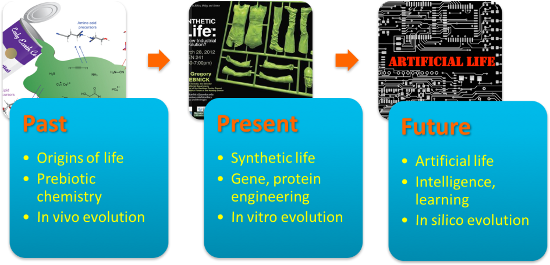
- the sterol and fatty acid biosynthetic pathways were activated in the MSCs, and subsequent experiments validated the model predictions of increased levels of proteins in these pathways and the formation of lipid rafts on the cell membranes. In silico sparse feature selection thus revealed a hitherto





Strategies in megasynthase engineering – fatty acid synthases (FAS) as model proteins
Beilstein J. Org. Chem. 2017, 13, 1204–1211, doi:10.3762/bjoc.13.119
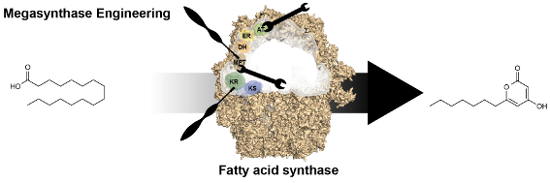
- engineering strategies in the light of the newly emerging structural information on megasynthases, and argue that fatty acid synthases (FAS) are and will be valuable objects for further developing this field. Keywords: fatty acid synthases; megasynthases; metabolic enzyme engineering; polyketide synthases
- a single module repeatedly condensing precursor units until the specific length/size is attained (iterative systems) [4]. In either case, the enzymatic functions of each module deterministically encode the chemical nature of the final product [5]. Fatty acid synthases (FAS) are a type of PKS
- recent years, a wealth of structural data on FAS multienzyme complexes (type I) has further deepened the insight into the principles of fatty acid (FA) synthesis [13][14][15][16][17][18][19]. Molecular mechanisms of FAS/PKS mode of action Compartmentalization Compartmentalization is a phenomenon seen


Lipids: fatty acids and derivatives, polyketides and isoprenoids
Beilstein J. Org. Chem. 2017, 13, 793–794, doi:10.3762/bjoc.13.78
- African reed frog that are likely amphibian signaling compounds [1]. Sensu lato, and this is the definition relevant to this Thematic Series: lipids include all kinds of apolar (or less polar) primary and secondary metabolites, including molecules that are formed via fatty acid biosynthesis, the
Polyketide stereocontrol: a study in chemical biology
Beilstein J. Org. Chem. 2017, 13, 348–371, doi:10.3762/bjoc.13.39
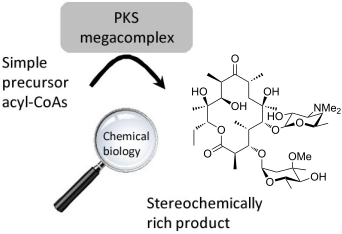
- synthases (PKSs), in a process resembling fatty acid biosynthesis by the mammalian fatty acid synthase (FAS) [8] from which the PKSs likely evolved [9]. In both cases, simple acyl-CoA building blocks are concatenated head-to-tail to construct linear chains. Several features distinguish these two pathways
- labeling at C-2, C-4, and C-10 of the macrolide ring. This result was consistent with incorporation of (2S)-methylmalonyl-CoA during the second, fifth, and sixth chain extension cycles, with inversion of configuration at the C-2 center as found for fatty acid biosynthesis (vide infra) [24]. However
- (2RS)-methylmalonyl-CoA in D2O. These labeling patterns are consistent with inversion of stereochemistry occurring in both modules 1 and 2 as in fatty acid biosynthesis without cleavage of the C-2–H bond (giving directly the D-configuration at C-2 observed in the final product), but show that an




Diels–Alder reactions of myrcene using intensified continuous-flow reactors
Beilstein J. Org. Chem. 2017, 13, 120–126, doi:10.3762/bjoc.13.15
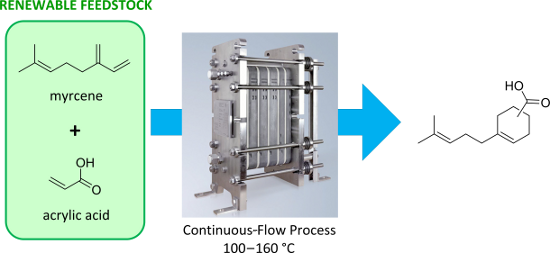
- ’ replacement of existing, fossil resources based synthesis routes with economic alternatives based on renewable sources. Besides chemical platforms based on sugar, lignin or fatty acid containing feedstocks, terpenes present another plant derived feedstock which is of great interest for a variety of industrial


Chemical probes for competitive profiling of the quorum sensing signal synthase PqsD of Pseudomonas aeruginosa
Beilstein J. Org. Chem. 2016, 12, 2784–2792, doi:10.3762/bjoc.12.277
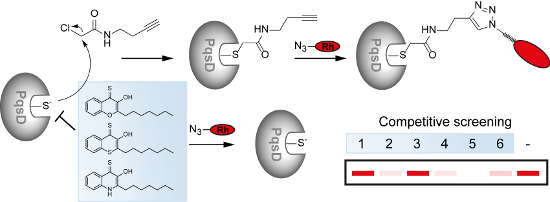
- ]. The biosynthesis of AQs has been matter of a long-standing debate that could only recently be resolved. Although HHQ could be produced in vitro by a PqsD catalyzed “head-to-head” decarboxylative Claisen condensation of activated anthranilic acid with β-keto fatty acid derivatives [10][11], isotope



Benzothiadiazole oligoene fatty acids: fluorescent dyes with large Stokes shifts
Beilstein J. Org. Chem. 2016, 12, 2739–2747, doi:10.3762/bjoc.12.270
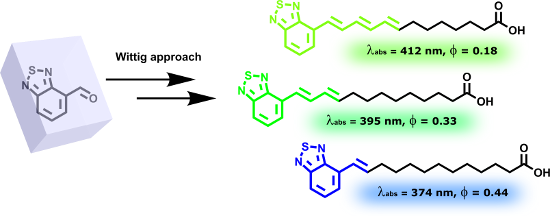
- isomerization are presented. The absorption properties are modulated by the number of conjugated C=C double bonds of the oligoene chain ranging from one to three. Large Stokes shifts of about 4900–5700 cm−1 and fluorescence quantum yields of up to 0.44 were observed. Keywords: fatty acid; fluorescence; lipid
- as the carbohydrate part of glycolipids [7][8]. A further alternative is to render the lipid and especially the fatty acid part fluorescently active by the introduction of fluorescent moieties (Figure 1). Prominent examples in this area are NBD- (nitrobenzoxadiazole) [9][10], BODIPY- (boron
- isomerization has to take place. To access the benzothiadiazole (BTD) fatty acid 3 with just one conjugated double bond we made use of the Wittig reaction starting with commercially available aldehyde 1. As expected, the (Z)-isomer was the major product; thus, we performed a subsequent cis–trans isomerization


Identification, synthesis and mass spectrometry of a macrolide from the African reed frog Hyperolius cinnamomeoventris
Beilstein J. Org. Chem. 2016, 12, 2731–2738, doi:10.3762/bjoc.12.269
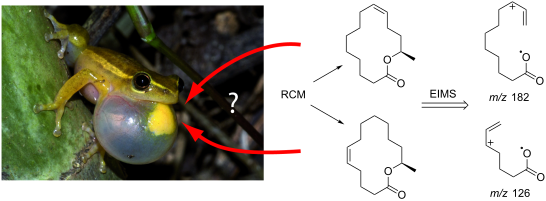
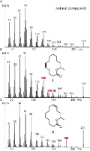
- acid precursor is often oxidized near the end of the chain to form a polar hydroxy acid. The following ring-closure reduces the hydrophilicity of the compound and increases its vapor pressure, making the resulting macrocycle well-suited to serve as a signal [1]. Fatty acid derived macrolactones were
- ; pheromones; Introduction The lactone motif is found in many compounds that are used in chemical communication. Among them, macrocyclic lactones are an important class because of their biosynthetic availability and their inherent compound properties. During the biosynthesis of macrocyclic lactones, a fatty



Interactions between cyclodextrins and cellular components: Towards greener medical applications?
Beilstein J. Org. Chem. 2016, 12, 2644–2662, doi:10.3762/bjoc.12.261
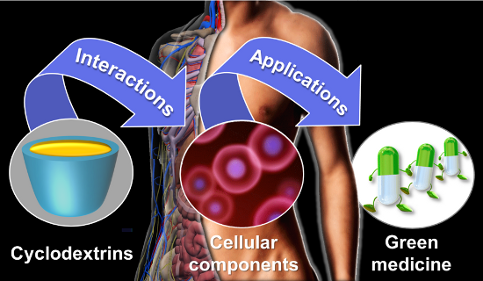
- length of the fatty acid chain of the phospholipid, the cavity size, and the nature of the substituents at the CD [66]. In the literature, the binding constant between cholesterol and β-CD was estimated around 1.7 × 10⁴ M−1 from a solubility method [67][68]. This value proves the good stability of the
- -CD can also be used to reduce LDL cholesterol and alters plasma fatty acid profile [134][135]. In 2016, a double blind, placebo-controlled clinical trial has been published on the effect of oral α-CD [136]. After 12 to 14 weeks, a daily 6 gram dose of α-CD allowed to reduce fasting plasma glucose


Evidence for an iterative module in chain elongation on the azalomycin polyketide synthase
Beilstein J. Org. Chem. 2016, 12, 2164–2172, doi:10.3762/bjoc.12.206
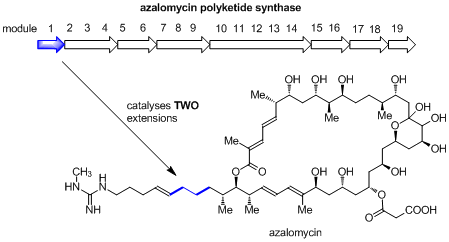
- a remarkable assembly-line paradigm, in which each cycle of polyketide chain extension is accomplished by a different set or module of vertebrate fatty acid synthase (FAS)-related enzyme domains [1][2][3][4]. The direct connection between the number and type of modules and the chemical structure of
- Stigmatella aurantiaca [20], further examples have been uncovered in the PKSs for aureothin [21][22], borrelidin [23][24], lankacidin [25][26], neoaureothin [27], etnangien [28], crocacin [29], ebelactone [30] and thiolactomycin [31][32]. Given the close mechanistic analogy between fatty acid synthases and an
- ) animal fatty acid synthases and that on bacterial modular polyketide synthases, and it also hints at what could be a major mechanism for the evolution of these processive systems. Nevertheless, the highly repetitive nature of the genes encoding modular PKS makes it easy to misassemble sequence data, and


Ionic liquids as transesterification catalysts: applications for the synthesis of linear and cyclic organic carbonates
Beilstein J. Org. Chem. 2016, 12, 1911–1924, doi:10.3762/bjoc.12.181
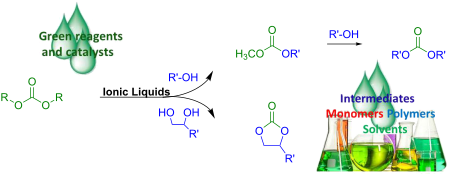
- such or as mixtures are widely used to convert natural triglycerides into FAMEs or FAEEs (fatty acid methyl or ethyl esters) with methanol or ethanol, respectively [10]. The most commonly used system is CaO, which is obtained by calcination of readily available and cheap resources including waste
- (Scheme 2) [15][16]. The reaction allows obtaining FAMEs and fatty acid glycerol carbonate monoesters (FAGCs), without the concurrent formation of glycerol, a frequently formed highly undesirable byproduct. Enzyme catalysts: A major driving force for the choice of enzymes is their high efficiency, which


Biosynthesis of oxygen and nitrogen-containing heterocycles in polyketides
Beilstein J. Org. Chem. 2016, 12, 1512–1550, doi:10.3762/bjoc.12.148
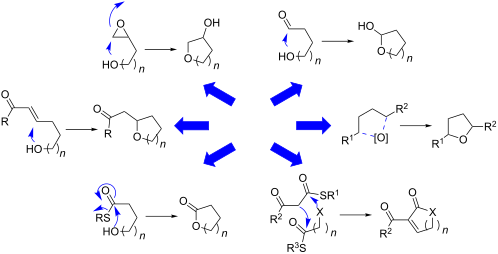
- gene cluster harbours genes that code for a β-hydroxymethylglutaryl-CoA synthase (HCS) cassette (mupG, mupH, mupJ, mupK and macpC) and an iteratively acting type I fatty acid synthase (FAS) (mmpB). During the biosynthesis of the pseudomonic acids, the initially formed PKS product 52 undergoes a complex
- multistep process (Scheme 9). After elongation by the iterative type I fatty acid synthase MmpB, redox transformations and a dehydration on the MacpE-bound substrate 58 finally lead to pseudomonic acid A (61) with a 3,4-dihydroxy-2,5-disubstituted pyran ring. The reason for the elaborate oxidation–reduction
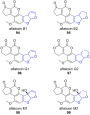
- synthase (NorS) (Scheme 16) [83][85]. NorS is a complex of a NR-PKS PksA and a pair of yeast-like fatty acid synthases HexA/HexB, which provide an unusual hexanoyl-CoA starter unit [86]. Norsolorinic acid (100) undergoes three oxidative rearrangements towards aflatoxin B1 (94): The first rearrangement sets




The EIMS fragmentation mechanisms of the sesquiterpenes corvol ethers A and B, epi-cubebol and isodauc-8-en-11-ol
Beilstein J. Org. Chem. 2016, 12, 1380–1394, doi:10.3762/bjoc.12.132
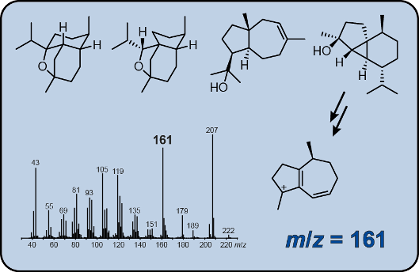
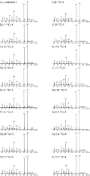
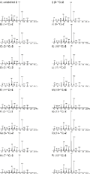
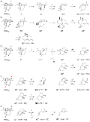
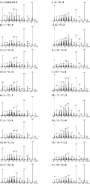
- , Ryhage and Stenhagen presented detailed studies on the EI mass spectra of deuterated and methyl-branched fatty acid methyl esters that revealed their fragmentation mechanisms [7][8]. Based on this work, we have recently identified various volatile fatty acid methyl esters (FAMEs) in headspace extracts of



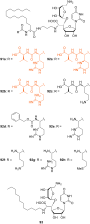
A cross-metathesis approach to novel pantothenamide derivatives
Beilstein J. Org. Chem. 2016, 12, 963–968, doi:10.3762/bjoc.12.95
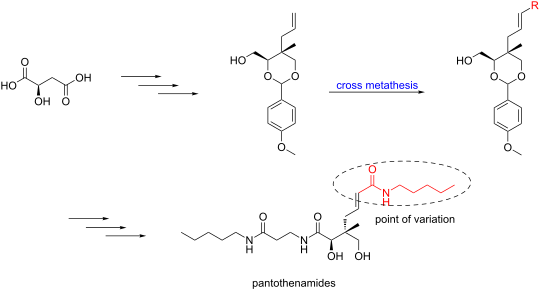
- pathways such as the acyl carrier protein activation required for fatty acid biosynthesis [13][14][15][16]. In S. aureus, however, recent studies suggest that the antimicrobial activity correlates better with an inhibition of PanK, the regulatory enzyme in CoA biosynthesis in several organisms [17


Muraymycin nucleoside-peptide antibiotics: uridine-derived natural products as lead structures for the development of novel antibacterial agents
Beilstein J. Org. Chem. 2016, 12, 769–795, doi:10.3762/bjoc.12.77
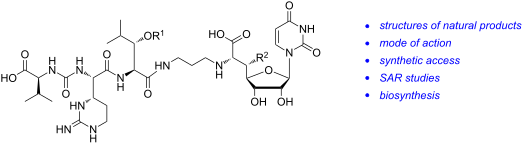
- ]. They contain a uridine moiety, two O-glycosidically linked sugars, the so-called tunicamine and a fatty acid moiety, which typically is terminally branched and unsaturated. Two closely related nucleoside antibiotics were isolated later on and named streptoviridins (isolated in 1975 from Streptomyces
- , which is also glycosylated in 5'-position with an aminoribose unit, and they contain a fatty acid moiety as well. Caprazamycins also display noteworthy antimicrobial activity against M. tuberculosis as well as most Gram-positive bacteria (Table 1) [46][48]. All aforementioned nucleoside antibiotics
- = 0.027 μg/mL), which represented activities comparable to those of liposidomycin C (0.05 μg/mL) and mureidomycin A (0.03 μg/mL). As a general trend, higher antimicrobial activities were found for acylated compounds, in particular with longer and functionalised fatty acid side chains. Lin et al. employed