Search results
Search for "concentration" in Full Text gives 1454 result(s) in Beilstein Journal of Organic Chemistry. Showing first 200.
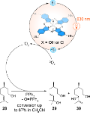
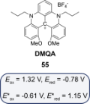
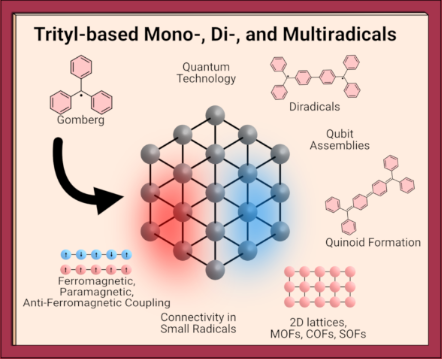
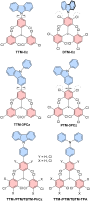
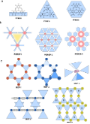
On the photoluminescence in triarylmethyl-centered mono-, di-, and multiradicals
Beilstein J. Org. Chem. 2025, 21, 964–998, doi:10.3762/bjoc.21.80









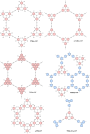
Recent advances in controllable/divergent synthesis
Beilstein J. Org. Chem. 2025, 21, 890–914, doi:10.3762/bjoc.21.73

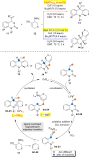
- , tetrabutylammonium iodide (TBAI), and water significantly accelerated aryne generation, thereby increasing its local concentration. This favored aryne coordination to the palladium center, followed by CO insertion and reductive elimination to furnish phenanthridinones. In contrast, when dppm was introduced




4-(1-Methylamino)ethylidene-1,5-disubstituted pyrrolidine-2,3-diones: synthesis, anti-inflammatory effect and in silico approaches
Beilstein J. Org. Chem. 2025, 21, 817–829, doi:10.3762/bjoc.21.65

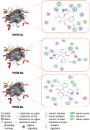
- drug dexamethasone (IC50 = 13.25 ± 1.39 µM). At a concentration of 100 µM, the NO inhibition of pyrrolidine-2,3-dione derivatives 5a, 5b, and 5e was 53.65%, 50.22%, and 63.65%, respectively, as compared to 85.04% of dexamethasone. It is clear that the presence of a nitro group or halogen atom on the
- benzene ring at the 5-position of pyrrolidine-2,3-dione core in compounds 5c and 5d could relate to the lower inhibitory activity of 23.76% and 38.41% at the concentration of 100 µM, respectively, as compared to 5a and 5b. However, the existence of a nitro group on the aromatic ring attached to the 1
- -position of that heterocyclic core in compound 5e resulted in a dramatic increase in the NO inhibitory capability. More importantly, all studied compounds 5a–e did not show cytotoxicity to macrophage cells; 90.35–95.74% cells survived at the concentration of 100 µM of 5a–e (Table S3 in Supporting


Recent advances in the electrochemical synthesis of organophosphorus compounds
Beilstein J. Org. Chem. 2025, 21, 770–797, doi:10.3762/bjoc.21.61
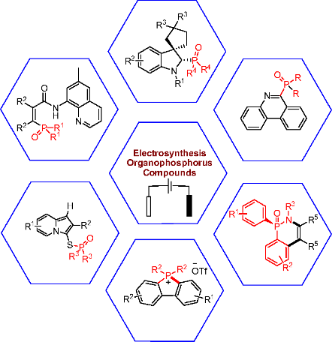
- concentration, with a decrease in efficiency observed at lower concentrations. The reaction proceeded well under nitrogen, indicating that the oxidation process is unrelated to the presence or absence of oxygen. The yields of some products are likely due to the strong electron-withdrawing effects of the


Orthogonal photoswitching of heterobivalent azobenzene glycoclusters: the effect of glycoligand orientation in bacterial adhesion
Beilstein J. Org. Chem. 2025, 21, 736–748, doi:10.3762/bjoc.21.57
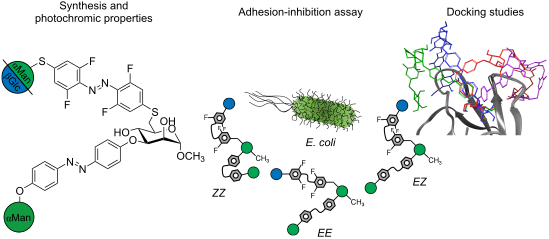
- . Supporting Information File 1, Figures S13–S16). DMSO is known for its bactericidal effect and still, the use of this organic solvent in bioassays is common [42]. In general, a DMSO concentration of less than 10% (v/v) is accepted as nontoxic [43]. In any case, the effect of DMSO in the assays was carefully


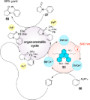
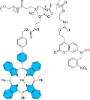
Synthesis of HBC fluorophores with an electrophilic handle for covalent attachment to Pepper RNA
Beilstein J. Org. Chem. 2025, 21, 727–735, doi:10.3762/bjoc.21.56
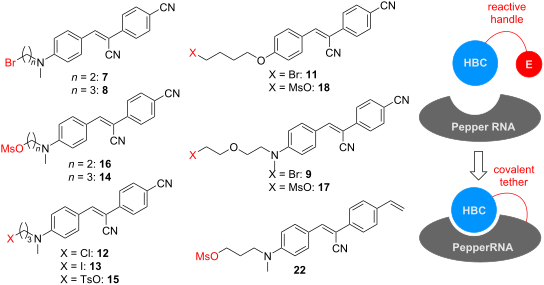
- concentrations of the reaction mixture were: 2.5 µM RNA, 50 µM ligand, 50 mM HEPES, 100 mM KCl and 2.0 mM MgCl2. After incubation (37 °C, 5 hours), the reaction was quenched by adding 40 µL of a Na2H2EDTA solution (200 mM) to reach a final concentration of 80 mM Na2H2EDTA in a volume of 100 µL. Each sample was



Acyclic cucurbit[n]uril bearing alkyl sulfate ionic groups
Beilstein J. Org. Chem. 2025, 21, 717–726, doi:10.3762/bjoc.21.55
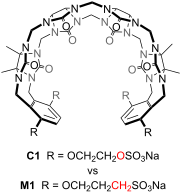
- temperature overnight. Afterwards, the mixture was centrifuged (4400 rpm, 10 min) to pellet excess insoluble C1. An aliquot of the supernatant and a solution of dimethyl malonic acid as a non-binding internal standard of known concentration were transferred to an NMR tube followed by collection of a 1H NMR
- monitored the chemical shift of Ha (Supporting Information File 1, Figure S14). Over this dilution range, the resonance for Ha remains a sharp singlet at 6.94 ppm. Accordingly, we conclude that C1 remains monomeric at the low concentration (100 μM) typically employed for isothermal titration calorimetry
- achieved by changing the concentration of host in the ITC cell [76][77][78]. Figure 7a presents the thermogram recorded when a solution of C1 (100 μM) in phosphate-buffered saline (PBS) in the ITC cell was titrated with a solution of CHDA (1 mM) from the ITC injection syringe. The DP versus time data in




Asymmetric synthesis of fluorinated derivatives of aromatic and γ-branched amino acids via a chiral Ni(II) complex
Beilstein J. Org. Chem. 2025, 21, 659–669, doi:10.3762/bjoc.21.52
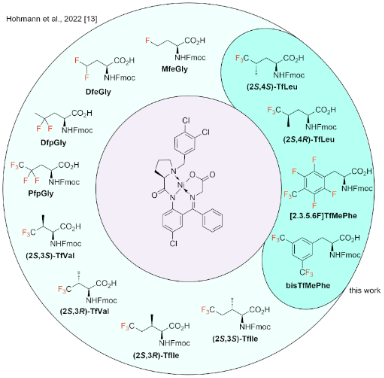
- fluorinated alkyl iodide precursor 10, the corresponding alkylation reaction with the Ni(II) complex 1 was conducted under previously optimized conditions for the synthesis of Fmoc-TfIle [13] in terms of base (NaH) and solvent (DMF) and thoroughly screened in terms of base equivalents, concentration and


Entry to 2-aminoprolines via electrochemical decarboxylative amidation of N‑acetylamino malonic acid monoesters
Beilstein J. Org. Chem. 2025, 21, 630–638, doi:10.3762/bjoc.21.50
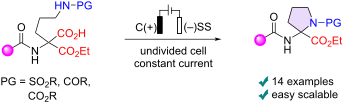
- observed (see Supporting Information File 1, page S3). Decrease in supporting electrolyte concentration led to a drop in yields (Table 1, entry 9 vs entry 8), whereas current density deviations from 12 mA/cm2 did not affect the outcome of 6a (see Supporting Information File 1, page S4). Interestingly
- (0.1 M, electrochemical grade) was employed as the supporting electrolyte in 5:1 MeCN/H2O solution. The electrolyte was purged with argon for at least 3 min prior to recording. Compounds 6a and 9a were analyzed at a concentration of 3 mM or 6 mM and at a scan rate of 100 mV s−1. The peak potential Ep
- mM concentration, respectively, in 5:1 MeCN/H2O (0.1 M Et4N–BF4). B) Anodic oxidation of pyrrolidine 6a. Plausible mechanism for formation of pyrrolidine 6a and hemiaminal 10a. Preparation of malonic acid monoester 9a. Electrolysis of acid 9d in deuterated solvents. Scope of the decarboxylative



Semisynthetic derivatives of massarilactone D with cytotoxic and nematicidal activities
Beilstein J. Org. Chem. 2025, 21, 607–615, doi:10.3762/bjoc.21.48
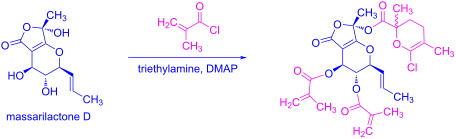
- added to 120 µL aliquots of a cell suspension (5 × 10⁴ cells/mL) in 96-well microplates. After 5 days incubation, an MTT assay was performed, and the absorbance measured at 590 nm using an ELISA plate reader (Victor). The concentration at which the growth of cells was inhibited to 50% of the control
- (100, 50, 25 and 12.5 μg/mL). Ivermectin was used as a positive control at the same concentration ranges as the tested compounds and MeOH was used as a negative control. Percentages of mortality were calculated, then the results were expressed as a LD90 and LD50. Preparation of massarilactone D


Asymmetric synthesis of β-amino cyanoesters with contiguous tetrasubstituted carbon centers by halogen-bonding catalysis with chiral halonium salt
Beilstein J. Org. Chem. 2025, 21, 547–555, doi:10.3762/bjoc.21.43
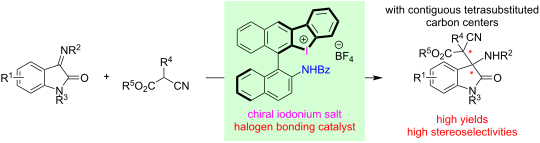
- chiral halonium salt. Next, the reaction temperature was optimized, and −40 °C was found to be optimal (Table 1, entries 7–9). Further optimization of the reaction conditions (amounts of potassium carbonate and pre-nucleophile, catalyst loading, and concentration) were conducted, and the reaction with


Binding of tryptophan and tryptophan-containing peptides in water by a glucose naphtho crown ether
Beilstein J. Org. Chem. 2025, 21, 541–546, doi:10.3762/bjoc.21.42
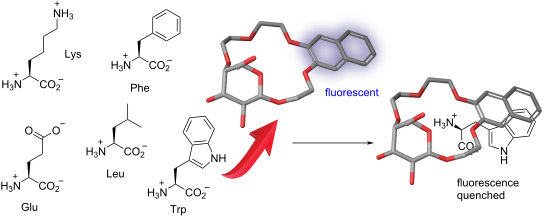
- – a chemoselective receptor for aromatic amino acid esters in water. Fluorescence emission spectra of receptor 1 (25 μM in H2O) upon addition of increasing amounts of tripeptide 2. The concentration of the guest corresponding to each curve is indicated on the right. The arrow marks the quenching of


Deep-blue emitting 9,10-bis(perfluorobenzyl)anthracene
Beilstein J. Org. Chem. 2025, 21, 515–525, doi:10.3762/bjoc.21.39
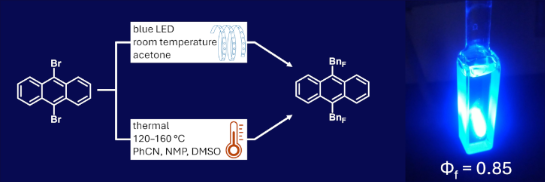
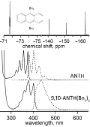
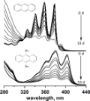
- photoproducts were insoluble resulting in decreased concentration of 9,10-ANTH(BnF)2 in the irradiated solution or new photoproducts had similar absorption features. To identify the photoproducts in the irradiated solutions of ANTH and 9,10-ANTH(BnF)2, complementary NMR analyses were carried out (Figures S6 and





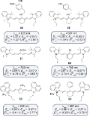
Unprecedented visible light-initiated topochemical [2 + 2] cycloaddition in a functionalized bimane dye
Beilstein J. Org. Chem. 2025, 21, 500–509, doi:10.3762/bjoc.21.37
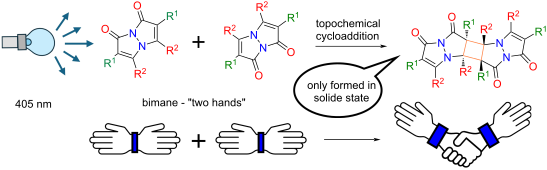
- fluorescence spectra are presented in Supporting Information File 1 (Figures S12–S14). For the fluorescence quantum yield measurements, solutions of each bimane were prepared, and the concentration was adjusted so that the absorbance at the right shoulder of the band at 360 nm falls within the range of 0.03
- using UV–vis spectroscopy, where the concentration was adjusted such that the absorbance is 2.164 at the λmax. The solution was added into a quartz fluorescence cuvette, and irradiated for 15 minutes at a time using the same 405 nm LEDs in a turntable chamber. Structures of a) the unfunctionalized


Synthesis of N-acetyl diazocine derivatives via cross-coupling reaction
Beilstein J. Org. Chem. 2025, 21, 490–499, doi:10.3762/bjoc.21.36
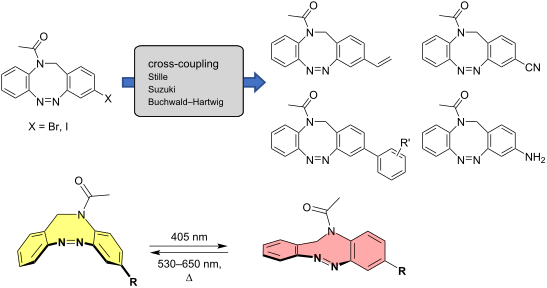
- neurotransmitters [10][11] or as switching units for potential dependent potassium channels [12]. Compared to the Z → E conversion rate of 92% (in n-hexane) of the parent diazocine the conversion in water/DMSO mixtures is decreasing with increasing water concentration (73% in water/DMSO 9:1) [8][9][10][11][12


Synthesis of electrophile-tethered preQ1 analogs for covalent attachment to preQ1 RNA
Beilstein J. Org. Chem. 2025, 21, 483–489, doi:10.3762/bjoc.21.35
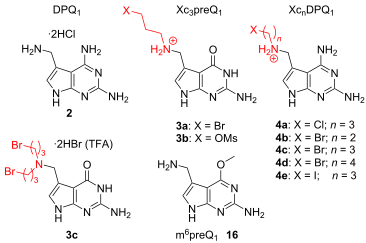
- . PreQ1 riboswitches sense the cellular concentration of preQ1 and regulate the expression of downstream located genes associated with the biosynthesis or transport of Q in a feedback-like manner. Binding of PreQ1 to the mRNA causes the riboswitch to commit an altered folding pathway, which affects the


Organocatalytic kinetic resolution of 1,5-dicarbonyl compounds through a retro-Michael reaction
Beilstein J. Org. Chem. 2025, 21, 473–482, doi:10.3762/bjoc.21.34
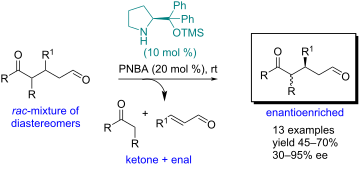
- the kinetic resolution at a concentration of approximately ten millimolar (mM) to prevent the Michael retro-Michael equilibrium from affecting the process. Keywords: 1,5-dicarbonyl; equilibrium; kinetic resolution; organocatalysis; retro-Michael; Introduction For many years, enantiomers have been
- promotes the Michael reaction, leading to the formation of the enantiomer (3R,4S) and consequently returning to the racemate. Then, we decided to investigate how concentration affects the rate and selectivity of the reaction at room temperature (Table 4). The retro-Michael reaction mainly occurs at a
- concentration of 0.17 M, producing a nearly racemic mixture of anti-1 (entries 1 and 2, Table 4). Lowering the concentration to 0.10 M slows the reaction and improves the enantiomeric ratio (entries 3 and 4, Table 4), but a nearly racemic mixture is obtained again with longer reaction times (entry 5, Table 4


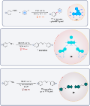
Photomechanochemistry: harnessing mechanical forces to enhance photochemical reactions
Beilstein J. Org. Chem. 2025, 21, 458–472, doi:10.3762/bjoc.21.33

- turn demands large volumes of solvents, negatively impacting the sustainability of light-mediated synthesis as it transitions from academic curiosity to industrial application. Moreover, since the solvent is the reaction component with the highest concentration, competitive side-reactions such as
- mechanochemistry holds potential for unique opportunities for substrate activation while adopting an environmentally benign emerging technology (Figure 2, top). For example, it is well known that molecules in the solid state (or in very high concentration) often exhibit photophysical behaviors distinct from those
- working at this interface have the potential to redefine the landscape of sustainable synthesis, with this Perspective serving as a snapshot of the current state-of-the-art. The Grotthuss–Draper, Einstein–Stark, and Beer–Lambert laws. T: transmittance; ε: molar attenuation coefficient; c: concentration; l




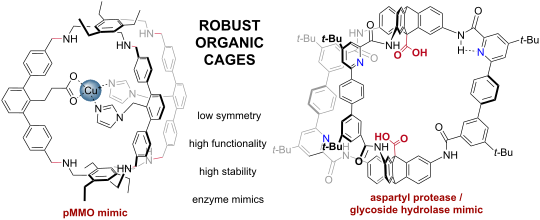
Beyond symmetric self-assembly and effective molarity: unlocking functional enzyme mimics with robust organic cages
Beilstein J. Org. Chem. 2025, 21, 421–443, doi:10.3762/bjoc.21.30
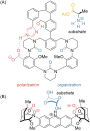
- water (Figure 2A) [71][72][73], or by binding a hydrophobic substrate and holding it close to a functional(ized) rim (e.g., as in cyclodextrins) that performs a reaction (Figure 2B) [74][75][76][77][78][79]. These effects are driven mostly by effective concentration/molarity (i.e., proximity of reacting
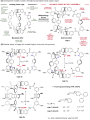
- concentration. As for the macrocycles discussed above, dual confinement/encapsulation [36] and the hydrophobic effect dominate the origin of catalytic rate enhancements [158][159]. To avoid product inhibition, model reactions that increase molecularity (A → B + C) or that generate weakly interacting or less




Identification and removal of a cryptic impurity in pomalidomide-PEG based PROTAC
Beilstein J. Org. Chem. 2025, 21, 407–411, doi:10.3762/bjoc.21.28
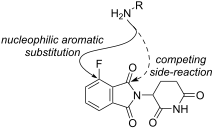
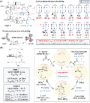
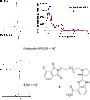
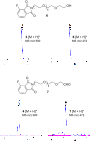
- reaction was concentration dependent, giving various amounts of 6 under otherwise the same reaction conditions. For example, at 10–30 mM wherein most of the pilot studies were conducted, the ratio of 3 and 6 could be as low as ≈1:50 by 1H NMR and ≈1:10 by MS analysis. Under these conditions, the formation




The effect of neighbouring group participation and possible long range remote group participation in O-glycosylation
Beilstein J. Org. Chem. 2025, 21, 369–406, doi:10.3762/bjoc.21.27
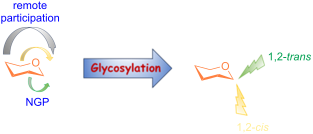
- idea of glycosylation mechanisms to enable the readers to have a background idea as a reference before going to describe the role of protecting groups. The mechanistic pathway of glycosylation strongly depends on many factors, especially, the concentration of the participating moieties, the reaction




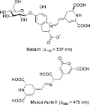
Synthesis, structure, ionochromic and cytotoxic properties of new 2-(indolin-2-yl)-1,3-tropolones
Beilstein J. Org. Chem. 2025, 21, 358–368, doi:10.3762/bjoc.21.26
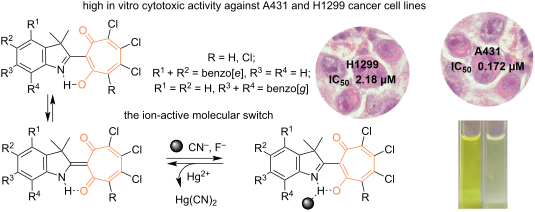
- possibility of carrying out subsequent stages of research and selecting promising compounds for the further development of anticancer drugs [30]. The study showed that the IC50 inhibitory concentration of 2-(1,1-dimethyl-1H-benzo[e]indolin-2-yl)-5,6,7-trichloro-1,3-tropolone (7a) against the A431 skin cancer




Synthesis, characterization, antimicrobial, cytotoxic and carbonic anhydrase inhibition activities of multifunctional pyrazolo-1,2-benzothiazine acetamides
Beilstein J. Org. Chem. 2025, 21, 348–357, doi:10.3762/bjoc.21.25
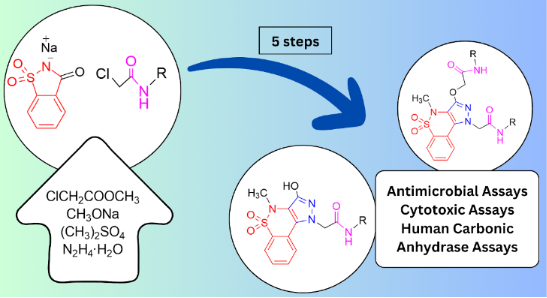
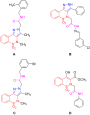
- inhibitory concentration, MIC90) values for compounds 7b and 7h against three different strains of Staphylococcus aureus: susceptible (ATCC 25923), methicillin-resistant (ATCC BAA-41), and multidrug-resistant (ATCC BAA-44). Table 2 shows the MIC90 values for the two halogenated compounds against different
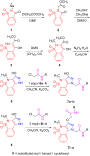
- acetonitrile was added dropwise. Then, the reaction mixture was continued to reflux for 24 h or until the termination of the reaction. Reaction progress was monitored after intervals using TLC. On completion, filtration of the reaction mixture was performed followed by concentration under vacuum. It was then
- concentration under vacuum. It was then diluted with cold water and acidified with 5% cold HCl. The solution was allowed to stand for 15 minutes to complete precipitation. Precipitates were collected via filtration and washed with excess distilled water. The dried product was then recrystallized from absolute


Antibiofilm and cytotoxic metabolites from the entomopathogenic fungus Samsoniella aurantia
Beilstein J. Org. Chem. 2025, 21, 327–339, doi:10.3762/bjoc.21.23
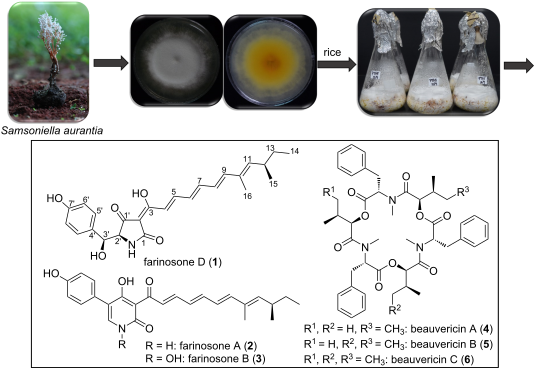
- screening assays were conducted to explore their antibiofilm properties. According to the crystal violet (CV) assay, both compounds exhibited significant activity in the S. aureus biofilm inhibition assay. Farinosone A (2) (Figure 5A) displayed activity at a concentration as low as 3.9 µg/mL, resulting in
- approximately 68% inhibition of biofilm formation. Similarly, farinosone D (1) demonstrated activity up to a concentration of 15.62 µg/mL, achieving a comparable inhibitory effect of approximately 74% at this dilution. In addition, only farinosone A (2) (Figure 5B) demonstrated moderate activity in the
- preformed biofilm assay, dispersing a 24 hour preformed biofilm up to a concentration of 15.62 µg/mL with an eradication capacity of 43%. To evaluate whether the remaining biofilm biomass in the wells was metabolically active or not, a cell viability (XTT) assay was conducted after 24 hour treatment of S


Red light excitation: illuminating photocatalysis in a new spectrum
Beilstein J. Org. Chem. 2025, 21, 296–326, doi:10.3762/bjoc.21.22

- deeper than blue light when comparing the two molar extinction coefficients of [Os(tpy)2]2+ at 450 and 740 nm for a same concentration according to the Beer–Lambert law, hence ensuring more uniform photon exposure and an improved reaction efficiency. This enhanced light penetration is reflected in the