


Search results
Search for "[3]rotaxane" in Full Text gives 14 result(s) in Beilstein Journal of Organic Chemistry.
Effect of a photoswitchable rotaxane on membrane permeabilization across lipid compositions
- Udyogi N. K. Conthagamage,
- Lilia Lopez,
- Zuliah A. Abdulsalam and
- Víctor García-López
Beilstein J. Org. Chem. 2025, 21, 2498–2512, doi:10.3762/bjoc.21.192
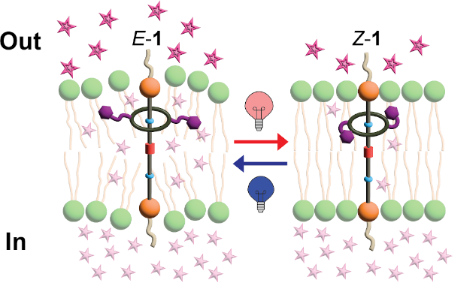
- , including rotaxane 1-E, rotaxane 1-Z, rotaxane 2, and axle 3. Rotaxane 2 and axle 3 were used as controls to understand the effect of subcomponents of rotaxane 1 on membrane permeabilization and dye release (Table 1, Figure 4a, and Supporting Information File 1, S2.2). In LUVs composed solely of EYPC, both

Graphical Abstract

Figure 1: a) Structural components of the rotaxanes (PEG, polyethylene glycol chain; BAA (benzylalkylammonium...
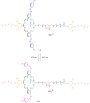
Figure 2: Photoisomerization of rotaxane 1.
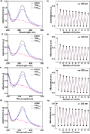
Figure 3: Reversible photoswitching of rotaxane 1 in LUVs with varying lipid compositions. Left column: UV–vi...

Figure 4: Summary of sulforhodamine B release from LUVs of varying lipid compositions. a) Dye release after 7...

Figure 5: Percentage of sulforhodamine B released from EYPC/Chol 8:2 LUVs upon five irradiation cycles after ...

Figure 6: Percentage of sulforhodamine B released from LUVs containing rotaxane 1 upon five alternating light...

Figure 7: Evaluation of effect of axle 3 upon light exposure. a) Percentage of sulforhodamine B released from...

Figure 8: a) Illustration of rotaxane 4 in its preferred orientation within a lipid bilayer; percentage of su...
Rotaxanes with integrated photoswitches: design principles, functional behavior, and emerging applications
- Jullyane Emi Matsushima,
- Khushbu,
- Zuliah Abdulsalam,
- Udyogi Navodya Kulathilaka Conthagamage and
- Víctor García-López
Beilstein J. Org. Chem. 2025, 21, 2345–2366, doi:10.3762/bjoc.21.179

- reported the first [3]rotaxane with three azobenzene units in the axle and two α-cyclodextrins as the macrocycle. The rotaxane was obtained as a single stereoisomer, where the two narrow rings of the cyclodextrin point to each other. Although no photoswitching studies were conducted, 1H NMR results showed
- . Although no shuttling or energy transfer process was observed, both rotaxanes presented good photoisomerization behavior. Remarkably, the use of cucurbit[6]uril macrocycles enhanced the photoisomerization. Later, Liu and co-workers designed a symmetric [3]rotaxane where the pH-responsive shuttling motion

Graphical Abstract

Figure 1: Schematic of common rotaxanes (left) and depiction of the macrocycle shuttling (right).

Figure 2: Structure of some common photoswitches integrated into rotaxanes.

Figure 3: Rotaxane with an acridane photoswitch on the axle modulates the translation of a CBQT4+ macrocycle ...

Figure 4: Hydrogel composed of [2]rotaxanes featuring a central azobenzene in the axle and a cyclodextrin mac...

Figure 5: Dendrimer composed of [2]rotaxane with an azobenzene photoswitch functioning as a macroscopic actua...

Figure 6: (a) Structure of the [2]rotaxane and (b) mechanism for K+ cations transport across lipid bilayers. Figure 6...

Figure 7: Dithienylethene-based [2]rotaxane used in writing patterning applications: (a) rotaxane with open d...

Figure 8: Dithienylethene-based [1]rotaxane shuttling motion triggered by pH changes (top). Dithienylethene p...

Figure 9: Depiction of a fumaramide-based [2]rotaxane photoswitching cycle and deposition on glass and mica s...

Figure 10: Hydrazone-based rotaxane controls helical pitch in a liquid crystal. Figure 10 was adapted from [73] (© 2024 S. ...

Figure 11: (a) Light- and pH-responsive Förster resonance energy transfer observed on a spiropyran-based [2]ro...

Figure 12: Photoresponsive bending of artificial muscle with [c2]daisy chain reported by Harada and collaborat...

Figure 13: Light-responsive shuttling motion of [2]rotaxane based on a stiff-stilbene photoswitch. Figure 13 was reprod...

Figure 14: Azobenzene-based rotaxane modulating lipid bilayers upon photoisomerization. Figure 14 was adapted from [23] (© ...

Figure 15: Depiction of fluorescence quenching processes upon external stimuli of a dithienylethene-based [2]r...

Figure 16: Diagrammatic illustration of rotaxane 1-H-SP depicting interconversions between the four isomeric s...

Figure 17: Representation of [2]rotaxane chloride binding modulated by photoisomerization of a stiff-stilbene. ...
Cyclodextrin-based rotaxanes for polymer materials: challenge on simultaneous realization of inexpensive production and defined structures
- Yosuke Akae
Beilstein J. Org. Chem. 2024, 20, 3026–3049, doi:10.3762/bjoc.20.252
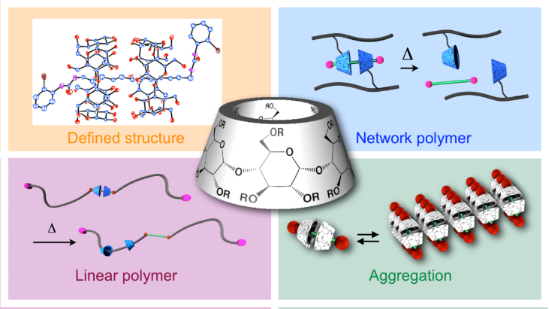
- end-capping reaction. As a pseudorotaxane structure could be decomposed during measurements (e.g., a solution-based NMR measurement), a more stable rotaxane structure is preferred for the analysis. Therefore, we developed a facile [3]rotaxane synthesis method based on a urea end-capping method to
- produce simple structured rotaxane species (Scheme 3) [46][47][48]. In this method, dodecanediamine and α-CD are mixed in water to form a pseudo[3]rotaxane (1), and the subsequent one-pot end-capping reaction driven by the amino group on the axle ends and substituted phenyl isocyanate produced [3]rotaxane
- other synthetic methods: (1) the reaction can proceed on a 100 g scale in a 1 L flask and a 500 mL solution of water, sufficiently indicating the possibility of large-scale material applications; (2) the product contains only head-to-head structured [3]rotaxane, as confirmed by the X-ray crystal

Graphical Abstract

Figure 1: Overview of the CD-based rotaxane as a polymer material covered in this review.

Figure 2: CD structure.

Figure 3: Typical pathway for synthesizing CD-based rotaxanes.

Scheme 1: (A) Synthesis of α-CD-based [2]rotaxane via a metal–ligand complex. (B) Chemical structures of meth...

Scheme 2: Synthesis of α-CD-based polyrotaxane.

Scheme 3: Facile [3]rotaxane synthesis by the urea end-capping method.

Figure 4: (A) Single-crystal structure of α-CD-based [3]rotaxane 3 and PMα-CD-based [3]rotaxane 4. (B) Schema...
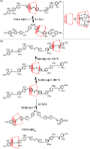
Figure 5: Structural control of CD-based [2]rotaxane via (A) light irradiation and (B) light irradiation and ...

Figure 6: Relationship among the plus–minus signs of ICD, the position of the guest molecule, and the axis of...

Figure 7: Structural control of CD-based rotaxane via (A) redox reaction and (B) in a solvent.
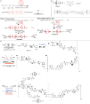
Scheme 4: (A) Synthesis of pseudopolyrotaxane bearing an ABA triblock copolymer as an axle. (B) Two synthetic...

Scheme 5: Slippage of size-complementary rotaxanes.

Figure 8: (A) Reversible formation of the CD-based [2]rotaxane. (B) Deslipping reaction of the CD-based size-...

Figure 9: (A) Chemical structures of [3]rotaxanes 2 and 3. (B) Schematic of the deslipping reaction of [3]rot...

Figure 10: (A) Modification of the axle ends of [3]rotaxane by (1) bromination and (2) the Suzuki coupling rea...

Figure 11: (A) ICD spectra of [3]rotaxanes bearing acylated (top) and conventional (bottom) CDs. (B) Schematic...

Figure 12: Synthesis of macromolecular[3]rotaxane via a size-complementary protocol.

Figure 13: Conjugated polymer insulated by (A) β-CD. (B) Triphenylamine-substituted β-CD.

Figure 14: Synthesis of the VSC and successive rotaxane-crosslinked polymer (RCP) preparation.

Figure 15: (A) Chemical structure of the [3]rotaxane crosslinker (RC). (B) Schematic of the synthesis and de-c...

Figure 16: (A) Random vinylation of the CD-based [3]rotaxane; (B) Schematic of the reaction between α-CD and m...

Figure 17: (A) Aggregation of CD-based [3]rotaxane. (B) Schematic of the plausible mechanism of the aggregatio...
BINOL as a chiral element in mechanically interlocked molecules
- Matthias Krajnc and
- Jochen Niemeyer
Beilstein J. Org. Chem. 2022, 18, 508–523, doi:10.3762/bjoc.18.53
- to slightly better stereodiscrimation of the guest molecules (see Figure 17). Subsequently, Beer and co-workers reported the first example of a chiral halogen-bonding [3]rotaxane for the recognition and sensing of dicarboxylate anions [64]. The [3]rotaxane (S)-68 was prepared in a two-fold clipping
- macrocycle (S)-61-Me22+. Only the first association constant (K11) is given. aIn acetone-d6/D2O 98:2. bIn acetone-d6/D2O 99:1. Synthesis of Beer´s [3]rotaxane (S)-68. Association constants of different anions (used as the Bu4N+-salts) to the [2]rotaxane (S)-68 and axle (S)-65. Only the first association

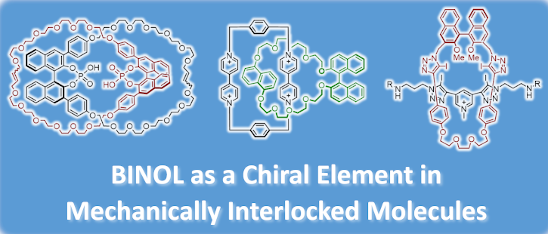
Graphical Abstract

Figure 1: Molecular structures of (R)-BINOL (left) and (S)-BINOL (right).

Figure 2: Synthesis of Sauvage´s [2]catenanes (S,S)-5 and (S,S)-6 containing two BINOL units by the passive m...

Figure 3: Synthesis of Saito´s [2]rotaxane (R)-10 from a BINOL-based macrocycle by the active metal template ...

Figure 4: Synthesis of Stoddart´s [2]rotaxane (rac)-14 by an ammonium crown ether template.
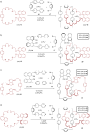
Figure 5: Synthesis of Stoddart´s BINOL-containing [2]catenanes 18/20/22/24 by π–π recognition.

Figure 6: Synthesis of Takata´s rotaxanes featuring chiral centers on the axle: a) rotaxane (R,R,R/S)-27 obta...

Figure 7: Takata´s chiral polyacetylenes 32/33 featuring BINOL-based [2]rotaxane side chains.

Figure 8: Synthesis of Takata´s chiral thiazolium [2]rotaxanes (R)-35a/b and (R)-38.

Figure 9: Results for the asymmetric benzoin condensation of benzaldehyde (39) with catalysts (R)-35a/b and (R...

Figure 10: Synthesis of Takata´s pyridine-based [2]rotaxane (R)-42.

Figure 11: The asymmetric desymmetrization reaction of meso-1,2-diols with rotaxane (R)-42.

Figure 12: Synthesis of Niemeyer´s axially chiral [2]catenane (S,S)-47.

Figure 13: Results for the enantioselective transfer hydrogenation of 2-phenylquinoline with catalysts (S,S)-47...

Figure 14: Synthesis of Niemeyer´s chiral [2]rotaxanes (S)-56/57.

Figure 15: Results for the enantioselective Michael addition with different rotaxane catalysts (S)-56a/56b/57a/...

Figure 16: Synthesis of Beer´s [2]rotaxanes 64a/b for anion recognition.

Figure 17: Association constants of different anions (used as the Bu4N+ salts) to the [2]rotaxanes (S)-64a/b a...

Figure 18: Synthesis of Beer´s [3]rotaxane (S)-68.

Figure 19: Association constants of different anions (used as the Bu4N+-salts) to the [2]rotaxane (S)-68 and a...
Multiple threading of a triple-calix[6]arene host
- Veronica Iuliano,
- Roberta Ciao,
- Emanuele Vignola,
- Carmen Talotta,
- Patrizia Iannece,
- Margherita De Rosa,
- Annunziata Soriente,
- Carmine Gaeta and
- Placido Neri
Beilstein J. Org. Chem. 2019, 15, 2092–2104, doi:10.3762/bjoc.15.207
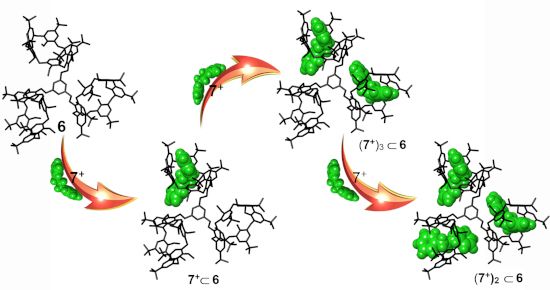
- dialkylammonium axles. The formation of pseudo[2]rotaxane, pseudo[3]rotaxane, and pseudo[4]rotaxane by threading one, two, and three, respectively, calix-wheels of 6 has been studied by 1D and 2D NMR, DOSY, and ESI-FT-ICR MS/MS experiments. The use of a directional alkylbenzylammonium axle led to the
- ]arene derivative 1 with bisammonium axles (e.g., 22+). In addition, we have also shown that the bis-calix[6]arene 1 was able to form pseudo[3]rotaxane architectures (e.g., 52+ in Figure 2) by double-threading with dialkylammonium axles [28]. With the aim to increase the complexity of our system we have
- at 5.13 ppm and 4.96 ppm, two new broad singlets in a 1:2 ratio emerged at 5.08 and 5.06 ppm attributable to the benzylic methylene groups of the central benzene core of 6 in the double-threaded (7+)26 pseudo[3]rotaxane (Scheme 2). These data suggested that in a 1:2 mixture of 6 and 7+·TFPB− in CDCl3

Graphical Abstract

Figure 1: Sketch of the currently known prototypical examples of handcuff-derived architectures.
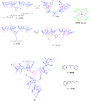
Figure 2: Chemical drawing of the known bis-calix[6]arene 1 and its handcuff pseudorotaxane architectures 32+...

Scheme 1: Synthesis of triple-calix[6]arene host 6.

Scheme 2:
Formation of the 7+![[Graphic 2]](/bjoc/content/inline/1860-5397-15-207-i6.svg?max-width=637&scale=1.18182) 6, (7+)26, (7+)36 pseudorotaxane architectures by multiple-threading of 6 with 7+...
6, (7+)26, (7+)36 pseudorotaxane architectures by multiple-threading of 6 with 7+...

Figure 3:
(Bottom) Portion of the ESI-FT-ICR mass spectrum of 7+6. (Top a–c) Significant portions of: (a) 1H ...
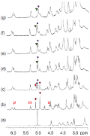
Figure 4: 1H NMR titration of 6 with 7+·TFPB– (CDCl3 , 298 K, 600 MHz). Significant portions of the 1H NMR sp...

Figure 5:
ESI-FT-ICR-MS and HR-ESI-FT-ICR-CID mass spectrum of (7+)26.

Figure 6:
Different views of the minimized structures of (7+)36 obtained by molecular mechanics calculations.

Scheme 3:
Formation of the 4+6, (4+)26, (4+)36 pseudorotaxane architectures by multiple-threading of 6 with 4+...

Figure 7: (a–d) 1H NMR titration of 6 with 4+·TFPB− (CDCl3, 298 K, 600 MHz). Significant portions of the 1H N...

Figure 8:
Different views of the minimized structures of (4+)36 obtained by molecular mechanics calculations.

Figure 9: (Top) Possible endo-benzyl and endo-alkyl stereoisomers obtainable by directional threading of cali...

Figure 10:
(Left) HR-ESI-FT-ICR mass spectrum of 8+6. (Right) HR-ESI-FT-ICR-CID mass spectrum of (8+)26.
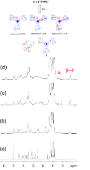
Figure 11: (a–d) 1H NMR titration of 6 with 8+·TFPB− (CDCl3 , 298 K, 600 MHz). Significant portions of the 1H ...
Synthesis of a [6]rotaxane with singly threaded γ-cyclodextrins as a single stereoisomer
- Jason Yin Hei Man and
- Ho Yu Au-Yeung
Beilstein J. Org. Chem. 2019, 15, 1829–1837, doi:10.3762/bjoc.15.177
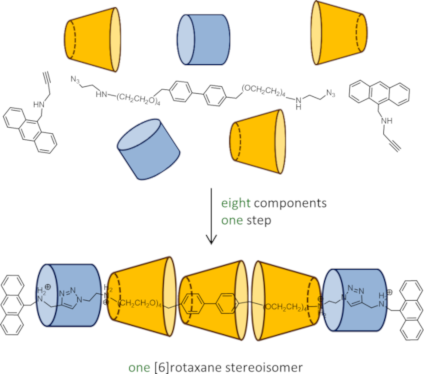
- [32][33][34][35][36]. By adopting a stepwise stoppering approach, Anderson and co-workers have synthesized a [3]rotaxane consisting of two different axles, derived from a stilbene and a cyanine, threaded through one γ-CD [33]. Inouye has also reported a [3]rotaxane with two pyrene-derived axles
- by LC–MS. Contrary to most reports on the inclusion of simple aromatic or poly(ethylene glycol) in γ-CD where a 2:1 binding stoichiometry was observed, LC–MS analysis of the reaction mixture containing a 2:1 molar ratio of 1/γ-CD stoppered by 2 showed only the [3]rotaxane 3R (93%, m/z = 798.0, 4

Graphical Abstract
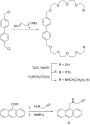
Scheme 1: Synthesis of the axle and stopper building blocks 1 and 2.

Scheme 2: Synthesis of [n]rotaxanes 3R to 6R. Note that the position and orientation of the γ-CD are arbitrar...
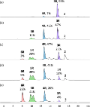
Figure 1: LC–MS analysis of the reaction mixture of the [n]rotaxane synthesis in the presence of (a) 0.5; (b)...

Figure 2: Partial 1H NMR spectra (500 MHz, D2O, 298 K) of (a) 6R; (b) 5R; and (c) 4R.

Figure 3: (a) All the possible sequences of a [6]rotaxane with two CB[6] and three γ-CD interlocked on an axl...
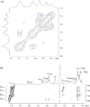
Figure 4: Partial (a) COSY spectrum (500 MHz, D2O, 298 K) and (b) NOESY (500 MHz, D2O, 298 K) of 4R showing t...

Figure 5: Possible structures of 5R assuming no fast shuttling of the γ-CD along the axle.
Tetrathiafulvalene – a redox-switchable building block to control motion in mechanically interlocked molecules
- Hendrik V. Schröder and
- Christoph A. Schalley
Beilstein J. Org. Chem. 2018, 14, 2163–2185, doi:10.3762/bjoc.14.190
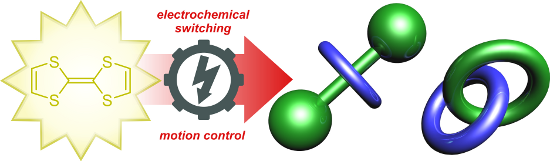
- written data could be read out even after waiting for 12 h. Besides data storage, a substantial challenge of AMMs is the transfer of molecular motion into a useful macroscopic output. An example of rotaxanes on a solid support which could achieve this is shown in Figure 19 [96]. The [3]rotaxane 21
- switching state of a system as a whole need to be considered for the design and operation of an AMM. In addition to the variety of TTF-based rotaxane shuttles, we recently reported a [3]rotaxane in which the pirouetting motion of wheels can be controlled by electrochemical switching [98]. Figure 21 shows
- the [3]rotaxane 23 which bears two cofacially oriented TTF crown ethers on a divalent ammonium axle. The distance between the wheels is convenient for TTF-dimer interactions. In the non-switched neutral state of both TTFs, the wheels adopt a syn co-conformation caused by weak non-covalent interactions

Graphical Abstract

Figure 1: The two one-electron oxidation reactions of tetrathiafulvalene (TTF, 1) and the corresponding prope...
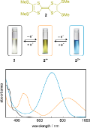
Figure 2: UV–vis spectra and photographs of TTF 2 in its three stable oxidation states (black line = 2, orang...

Figure 3: Structure and conformations of two TTF dimers in solution, the mixed-valence and the radical-cation...

Figure 4: (a) The isomerism problem of TTF. (b)–(d) Major synthetic breakthroughs for the construction of TTF...

Figure 5: (a) Host–guest equilibrium between π-electron-poor cyclophane 3 and different TTFs with their corre...

Figure 6: TTF complexes with different host molecules.
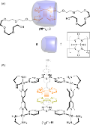
Figure 7: Stable TTF (a) radical-cation and (b) mixed-valence dimers in confined molecular spaces.

Figure 8: A “three-pole supramolecular switch”: Controlled by its oxidation state, TTF (1) jumps back and for...
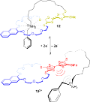
Figure 9: Redox-controlled closing and opening motion of the artificial molecular lasso 12.

Figure 10: Graphical illustration how a non-degenerate TTF-based shuttle works under electrochemical operation....

Figure 11: The first TTF-based rotaxane 13.

Figure 12: A redox-switchable bistable molecular shuttle 14.

Figure 13: The redox-switchable cyclodextrin-based rotaxane 15.

Figure 14: The redox-switchable non-ionic rotaxane 16 with a pyromellitic diimide macrocycle.

Figure 15: The redox-switchable TTF rotaxane 17 based on a crown/ammonium binding motif.

Figure 16: Structure and operation of the electro- and photochemically switchable rotaxane 18 which acts as po...

Figure 17: (a) The redox-switchable rotaxane 19 with a donor–acceptor pair which is stable in five different s...

Figure 18: Schematic representation of a molecular electronic memory based on a bistable TTF-based rotaxane. (...

Figure 19: Schematic representation of bending motion of a microcantilever beam with gold surface induced by o...
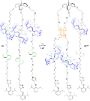
Figure 20: TTF-dimer interactions in a redox-switchable tripodal [4]rotaxane 22.

Figure 21: (a) A molecular friction clutch 23 which can be operated by electrochemical stimuli. (b) Schematic ...

Figure 22: Fusion between rotaxane and catenane: a [3]rotacatenane 24 which can stabilize TTF dimers.

Figure 23: The first TTF-based catenane 25.
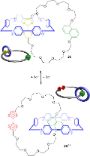
Figure 24: Electrochemically controlled circumrotation of the bistable catenane 26.

Figure 25: A tristable switch based on the redox-active [2]catenane 27 with three different stations.

Figure 26: Structure of catenane-functionalized MOF NU-1000 [108] with structural representation of subcomponents. ...

Figure 27: (a) [3]Catenanes 29 and 30 which can stabilize mixed-valence or radical-cation dimers of TTF. (b) S...
Calix[6]arene-based atropoisomeric pseudo[2]rotaxanes
- Carmine Gaeta,
- Carmen Talotta and
- Placido Neri
Beilstein J. Org. Chem. 2018, 14, 2112–2124, doi:10.3762/bjoc.14.186
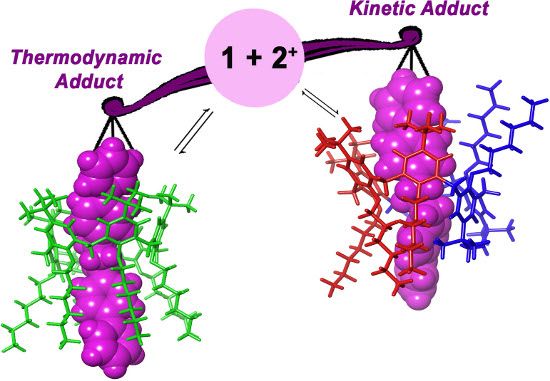
- -flat wheels, such as calixarenes or cyclodextrins, are threaded along an axle to give a pseudo[3]rotaxane architecture V–VII (Figure 2), where three sequential stereoisomers can arise. We showed that this stereoisomerism can be effectively controlled when two calix[6]arene wheels are threaded along a
- bis(benzylalkylammonium) axle [19], where the stereoselective formation of the pseudo[3]rotaxane with endo-alkyl orientation VIII was observed [19]. Calixarene macrocycles [22] have found numerous applications in several areas of supramolecular chemistry, such as (bio)molecular recognition [23] and

Graphical Abstract

Figure 1: Cartoon representation of the chiral rotaxane of the Goldup group [15,16] (I and I*) and of the chiral pse...

Figure 2: Cartoon representation of the rotaxane sequence isomers reported by Leigh [17] (III and IV) and of the ...

Figure 3: The possible 8 discrete conformations of a calix[6]arene macrocycle [26].

Figure 4: Diastereoisomeric pseudorotaxanes obtained by threading a directional calixarene wheel with directi...

Scheme 1: Synthesis of threads 2+ and 3+. Reagents and conditions: a) hexamethyldisilazane, LiClO4, 30 min, 6...

Figure 5:
Possible mechanism for the formation of the two atropoisomeric pseudo[2]rotaxanes 2+![[Graphic 2]](/bjoc/content/inline/1860-5397-14-186-i3.svg?max-width=637&scale=1.18182) 1cone and 2+11,...
1cone and 2+11,...

Figure 6: 1H NMR spectra (600 MHz, CDCl3, 298 K) of, from bottom to top: hexahexyloxycalix[6]arene 1; a 1:1 m...

Figure 7:
DFT-optimized structures of the: (left) 2+1cone and (right) 2+11,2,3-alt pseudorotaxane atropoisome...

Figure 8: The two pseudorotaxane atropoisomers obtained by threading hexahexyloxycalix[6]arene 1 with monosto...

Figure 9: The two pseudorotaxane atropoisomers obtained by threading penta-O-methyl-p-tert-butylcalix[5]arene ...

Figure 10: 1H NMR spectra (600 MHz, CDCl3, 298 K) of, from bottom to top: hexahexyloxycalix[6]arene 1; a 1:1 m...
Efficient catenane synthesis by cucurbit[6]uril-mediated azide–alkyne cycloaddition
- Antony Wing Hung Ng,
- Chi-Chung Yee,
- Kai Wang and
- Ho Yu Au-Yeung
Beilstein J. Org. Chem. 2018, 14, 1846–1853, doi:10.3762/bjoc.14.158
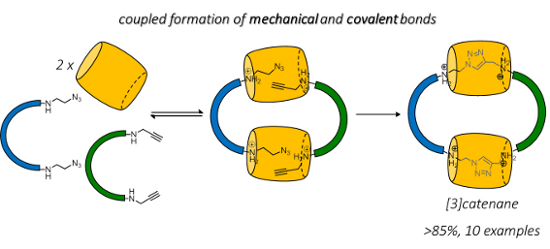
- decided to first assemble a pseudo[3]rotaxane CB[6] complex with either the azide or alkyne building block, before introducing the other building block to the reaction mixture. By heating a solution of DN-N3 in the presence of two equivalents of CB[6] in 0.2 M aq HCl for 2 hours, a clear solution was
- mixture contained the [3]catenane Cat-1 as the major product with >85% yield (Scheme 2). Using DN-CC to first form the pseudo[3]rotaxane CB[6] complex did not affect the efficiency of CBAAC and Cat-1 was obtained in a similar yield. These results show that the initial formation of the pseudorotaxane

Graphical Abstract
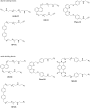
Scheme 1: Diazide and dialkyne building blocks used in this study.

Scheme 2: Synthesis of Cat-1 by CBAAC. aAssembly yield by HPLC; bisolated yield as PF6− salt.

Scheme 3: Synthesis of [3]catenanes by CBAAC. aAssembly yield by HPLC; bisolated yield by precipitation as PF6...

Figure 1: 1H NMR (500 MHz, D2O, 298 K) of Cat-2. The signal at ca. 8.3 ppm is the residual formate from prepa...

Figure 2: (a) ESIMS, (b) HRMS, and (c) MS2 spectrum (parent ion at m/z = 887.8) of Cat-2.

Scheme 4: Synthesis of the [4]catenane Cat-11. aAssembly yield by HPLC; bisolated yield by preparative HPLC.
Superstructures with cyclodextrins: Chemistry and applications IV
- Gerhard Wenz
Beilstein J. Org. Chem. 2017, 13, 2157–2159, doi:10.3762/bjoc.13.215
- insulin and lysozyme were also conjugated to the guest adamantane. The complexation of these conjugates by pegylated β-CD gives rise to superstructures which provide slow release and maintain full biological activity [21]. Significant progress was also achieved in the field of CD rotaxanes. A [3]-rotaxane
Creating molecular macrocycles for anion recognition
- Amar H. Flood
Beilstein J. Org. Chem. 2016, 12, 611–627, doi:10.3762/bjoc.12.60
- plot of anion affinities (40:60 methanol/dichloromethane). (a) Representation and (b) crystal structure of cyanostar-based [3]rotaxane. Crystal structures of cyanostar sandwich around (a) perchlorate and (b) diglyme (molecules shown with stick models and representative electron-density contours). Part

Graphical Abstract

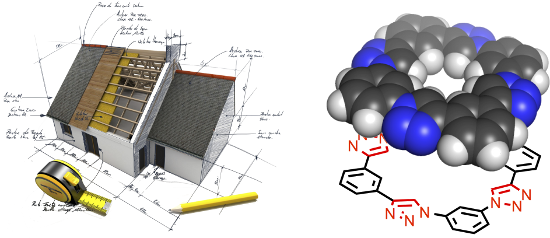
Figure 1: The design and building of a house is just as satisfying as that of a new molecule and often takes ...

Figure 2: Timeline of anion-binding macrocycles.

Figure 3: Click chemistry’s copper-catalyzed azide–alkyne cycloaddition (CuAAC) forms 1,2,3-triazoles that st...

Figure 4: These molecular compounds are the same and not the same.

Figure 5: (a, b, c) Sequence of chemical sketches leading to triazolophanes. (d) The precursor that led, by C...
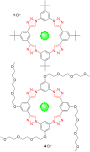
Figure 6: Variation in phenylene substituents weakens chloride affinity from 1 to 4.

Figure 7: (a) Pyridyl triazolophane and (b) its high-fidelity sandwich around iodide (crystal). Adapted with ...

Figure 8: Testing the (a) macrocyclic effect, and (b) effect of rigidity against (c) the parent triazolophane....

Figure 9: (a) Representations of the four equilibria that dominate in dichloromethane for which the (b) propy...

Figure 10: Representations of (a) aryl–triazole–ether macrocycle 12 and (b) the ion-pair crystal structure of ...

Figure 11: Chloride is used as a comparator for (a) cyanide and (b) biflouride. (c) Computer-aided receptor de...

Figure 12: (a) One-pot synthesis of cyanostars. (b) Volcano plot of anion affinities (40:60 methanol/dichlorom...

Figure 13: (a) Representation and (b) crystal structure of cyanostar-based [3]rotaxane.

Figure 14: Crystal structures of cyanostar sandwich around (a) perchlorate and (b) diglyme (molecules shown wi...

Figure 15: (a) Star-extended cyanostar and an (b) STM image cropped from a 2D lamellar lattice. Part (b) adapt...

Figure 16: (a) Synthesis and one-pot macrocyclization of the tricarb macrocycle. (b) Volcano plot of anion aff...

Figure 17: (a) Tricarb binds iodide. (b) Tricarb’s single-molecule STM image resembles a donut. (c) Honeycomb ...

Figure 18: Timeline of crescent-shaped anion receptors.

Figure 19: Timeline of anion-binding foldamers.

Figure 20: Family portrait of 3D-printed molecular receptors.
Synthesis of an organic-soluble π-conjugated [3]rotaxane via rotation of glucopyranose units in permethylated β-cyclodextrin
- Jun Terao,
- Yohei Konoshima,
- Akitoshi Matono,
- Hiroshi Masai,
- Tetsuaki Fujihara and
- Yasushi Tsuji
Beilstein J. Org. Chem. 2014, 10, 2800–2808, doi:10.3762/bjoc.10.297

- -phenylene) and oligothiophene with a pseudo-linked [3]rotaxane structure by full rotation of glucopyranose units via a flipping (tumbling) mechanism in the π-conjugated guest having two permethylated β-cyclodextrin units at both ends. We also succeeded in the synthesis of an organic-soluble fixed [3
- ]rotaxane by a cross-coupling or complexation reaction of thus formed pseudo linked [3]rotaxane. Oligo(para-phenylene), oligothiophene, and porphyrin derivatives were used as π-conjugated guests with stopper groups. Keywords: cross-coupling reaction; insulated π-conjugated molecule; oligothiophene
- ; permethylated cyclodextrin; [3]rotaxane; Introduction Insulated molecular wires (IMWs) [1][2], which feature π-conjugated polymer chains covered by protective sheaths, have attracted considerable attention as next-generation mono-molecular electronic devices because of their potential conductivity and

Graphical Abstract

Figure 1: Synthesis of [1]rotaxane by self-inclusion of a host–guest-linked molecule: a) short molecular leng...

Figure 2: Synthesis of an insulated molecule via flipping phenomenon.

Scheme 1: The synthetic route to the PMβ-CD based linked [3]rotaxane with a 5,15-di([1,1'-biphenyl]-4-yl)porp...

Figure 3: The aromatic region of the 1H NMR spectra of 5 at 25 °C: 1) CDCl3, 2) CD3OD, and 3) CD3OD:D2O 1:1.

Scheme 2: Selective synthesis of fixed [3]rotaxane by Suzuki cross-coupling reaction.

Scheme 3: The synthetic routes to precursor of PM β-CD based insulated oligothiophene.

Scheme 4: Synthesis of dibromohexa(para-phenylene) with two PMCDs 20.

Scheme 5: Synthesis of pseudo-linked [3]rotaxanes via double self-inclusion through flipping.

Figure 4: The aromatic region of the 1H NMR spectra of 5 at 25 °C: 1) CDCl3, 2) CD3OD, and CD3OD/D2O 1:1.

Figure 5: The aromatic region of the 1H NMR spectra of 20 at 25 °C: 1) CDCl3, 2) CD3OD, and CD3OD/D2O 1:1.

Scheme 6: Synthesis of fixed [3]rotaxane via complexation with rhodium porphyrin.
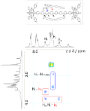
Figure 6: Partial ROESY NMR spectrum of 26 (400 MHz, CDCl3) showing the NOEs between aromatic protons of the ...
Substitution effect and effect of axle’s flexibility at (pseudo-)rotaxanes
- Friedrich Malberg,
- Jan Gerit Brandenburg,
- Werner Reckien,
- Oldamur Hollóczki,
- Stefan Grimme and
- Barbara Kirchner
Beilstein J. Org. Chem. 2014, 10, 1299–1307, doi:10.3762/bjoc.10.131
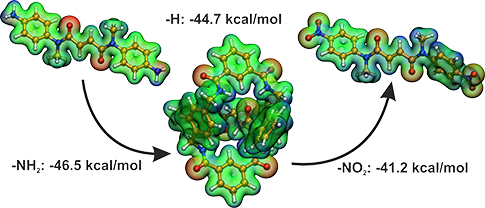
- low-barrier molecular rotary motors with rotaxane architecture [24]. The co-conformational selectivity of two dibenzo-24-crown-8 macrocycles to ammonia binding sites in a [3]rotaxane [25], and the hydrogen bonding strength in polymeric urethane rotaxanes in a mean-field model [26] were investigated by

Graphical Abstract

Figure 1: Chemical structure of the investigated systems. Left: Double bond within the axle; Right: Single bo...

Figure 2: Molecular geometry of one rotaxane optimized in periodic boundaries at the PBE-D3/1000 eV level. Hy...

Figure 3: Electrostatic potential for the complexes 2a@1 (top left), 2e@1 (middle left), 2h@1 (lower left) an...

Figure 4: Interaction energies plotted against the Hammett σ parameters. The values are given in Table 1. Black curv...
Molecular recognition of organic ammonium ions in solution using synthetic receptors
- Andreas Späth and
- Burkhard König
Beilstein J. Org. Chem. 2010, 6, No. 32, doi:10.3762/bjoc.6.32

Graphical Abstract

Figure 1: Biologically important amines and quaternary ammonium salts: histamine (1), dopamine (2) and acetyl...

Figure 2: Crown ether 18-crown-6.

Figure 3: Conformations of 18-crown-6 (4) in solvents of different polarity.

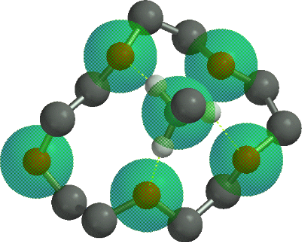
Figure 4: Binding topologies of the ammonium ion depending on the crown ring size.
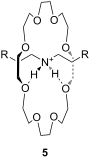
Figure 5: A “pseudorotaxane” structure consisting of 24-crown-8 and a secondary ammonium ion (5); R = Ph.

Figure 6: Typical examples of azacrown ethers, cryptands and related aza macrocycles.

Figure 7: Binding of ammonium to azacrown ethers and cryptands [111-113].

Figure 8: A 19-crown-6-ether with decalino blocking groups (11) and a thiazole-dibenzo-18-crown-6-ether (12).

Figure 9: 1,3-Bis(6-oxopyridazin-1-yl)propane derivatives 13 and 14 by Campayo et al.

Figure 10: Fluorescent azacrown-PET-sensors based on coumarin.

Figure 11: Two different pyridino-cryptands (17 and 18) compared to a pyridino-crown (19); chiral ammonium ion...

Figure 12: Pyridino-18-crown-6 ligand (21), a similar acridino-18-crown-6 ligand (22) and a structurally relat...

Figure 13: Ciral pyridine-azacrown ether receptors 24.

Figure 14: Chiral 15-crown-5 receptors 26 and an analogue 18-crown-6 ligand 27 derived from amino alcohols.

Figure 15: C2-symmetric chiral 18-crown-6 amino alcohol derivatives 28 and related macrocycles.

Figure 16: Macrocycles with diamide-diester groups (30).

Figure 17: C2-symmetric chiral aza-18-crown-6 ethers (31) with phenethylamine residues.

Figure 18: Chiral C-pivot p-methoxy-phenoxy-lariat ethers.

Figure 19: Chiral lariat crown ether 34.

Figure 20: Sucrose-based chiral crown ether receptors 36.
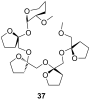
Figure 21: Permethylated fructooligosaccharide 37 showing induced-fit chiral recognition.

Figure 22: Biphenanthryl-18-crown-6 derivative 38.

Figure 23: Chiral lariat crown ethers derived from binol by Fuji et al.

Figure 24: Chiral phenolic crown ether 41 with “aryl chiral barriers” and guest amines.
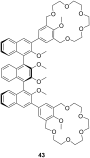
Figure 25: Chiral bis-crown receptor 43 with a meso-ternaphthalene backbone.

Figure 26: Chromogenic pH-dependent bis-crown chemosensor 44 for diamines.

Figure 27: Triamine guests for binding to receptor 44.

Figure 28: Chiral bis-crown phenolphthalein chemosensors 46.

Figure 29: Crown ether amino acid 47.

Figure 30: Luminescent receptor 48 for bis-alkylammonium guests.

Figure 31: Luminescent CEAA (49a), a bis-CEAA receptor for amino acids (49b) and the structure of lysine bindi...

Figure 32: Luminescent CEAA tripeptide for binding small peptides.

Figure 33: Bis crown ether 51a self assembles co-operatively with C60-ammonium ion 51b.

Figure 34: Triptycene-based macrotricyclic dibenzo-[24]-crown-8 ether host 52 and guests.

Figure 35: Copper imido diacetic acid azacrown receptor 53a and the suggested His-Lys binding motif; a copper ...

Figure 36: Urea (54) and thiourea (55) benzo crown receptor for transport and extraction of amino acids.

Figure 37: Crown pyryliums ion receptors 56 for amino acids.

Figure 38: Ditopic sulfonamide bridged crown ether receptor 57.

Figure 39: Luminescent peptide receptor 58.

Figure 40: Luminescent receptor 59 for the detection of D-glucosamine hydrochloride in water/ethanol and lumin...

Figure 41: Guanidinium azacrown receptor 61 for simple amino acids and ditopic receptor 62 with crown ether an...

Figure 42: Chiral bicyclic guanidinium azacrown receptor 63 and similar receptor 64 for the enantioselective t...

Figure 43: Receptors for zwitterionic species based on luminescent CEAAs.

Figure 44: 1,10-Azacrown ethers with sugar podand arms and the anticancer agent busulfan.

Figure 45: Benzo-18-crown-6 modified β-cyclodextrin 69 and β-cyclodextrin functionalized with diaza-18-crown-6...

Figure 46: Receptors for colorimetric detection of primary and secondary ammonium ions.

Figure 47: Porphyrine-crown-receptors 72.

Figure 48: Porphyrin-crown ether conjugate 73 and fullerene-ammonium ion guest 74.

Figure 49: Calix[4]arene (75a), homooxocalix[4]arene (75b) and resorcin[4]arene (75c) compared (R = H, alkyl c...

Figure 50: Calix[4]arene and ammonium ion guest (R = H, alkyl, OAcyl etc.), possible binding sites; A: co-ordi...

Figure 51: Typical guests for studies with calixarenes and related molecules.
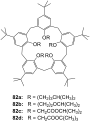
Figure 52: Lower rim modified p-tert-butylcalix[5]arenes 82.

Figure 53: The first example of a water soluble calixarene.

Figure 54: Sulfonated water soluble calix[n]arenes that bind ammonium ions.
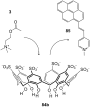
Figure 55: Displacement assay for acetylcholine (3) with a sulfonato-calix[6]arene (84b).

Figure 56: Amino acid inclusion in p-sulfonatocalix[4]arene (84a).

Figure 57: Calixarene receptor family 86 with upper and lower rim functionalization.

Figure 58: Calix[6]arenes 87 with one carboxylic acid functionality.
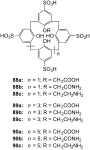
Figure 59: Sulfonated calix[n]arenes with mono-substitution at the lower rim systematically studied on their r...

Figure 60: Cyclotetrachromotropylene host (91) and its binding to lysine (81c).

Figure 61: Calixarenes 92 and 93 with phosphonic acids groups.

Figure 62: Calix[4]arene tetraphosphonic acid (94a) and a double bridged analogue (94b).

Figure 63: Calix[4]arene tetraphosphonic acid ester (92c) for surface recognition experiments.

Figure 64: Calixarene receptors 95 with α-aminophosphonate groups.

Figure 65: A bridged homocalix[3]arene 95 and a distally bridged homocalix[4]crown 96.

Figure 66: Homocalix[3]arene ammonium ion receptor 97a and the Reichardt’s dye (97b) for colorimetric assays.

Figure 67: Chromogenic diazo-bridged calix[4]arene 98.

Figure 68: Calixarene receptor 99 by Huang et al.

Figure 69: Calixarenes 100 reported by Parisi et al.

Figure 70: Guest molecules for inclusion in calixarenes 100: DAP × 2 HCl (101a), APA (101b) and Lys-OMe × 2 HC...

Figure 71: Different N-linked peptido-calixarenes open and with glycol chain bridges.

Figure 72: (S)-1,1′-Bi-2-naphthol calixarene derivative 104 published by Kubo et al.

Figure 73: A chiral ammonium-ion receptor 105 based on the calix[4]arene skeleton.

Figure 74: R-/S-phenylalaninol functionalized calix[6]arenes 106a and 106b.

Figure 75: Capped homocalix[3]arene ammonium ion receptor 107.

Figure 76: Two C3 symmetric capped calix[6]arenes 108 and 109.

Figure 77: Phosphorous-containing rigidified calix[6]arene 110.

Figure 78: Calix[6]azacryptand 111.

Figure 79: Further substituted calix[6]azacryptands 112.

Figure 80: Resorcin[4]arene (75c) and the cavitands (113).

Figure 81: Tetrasulfonatomethylcalix[4]resorcinarene (114).
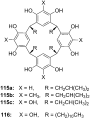
Figure 82: Resorcin[4]arenes (115a/b) and pyrogallo[4]arenes (115c, 116).
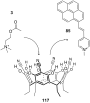
Figure 83: Displacement assay for acetylcholine (3) with tetracyanoresorcin[4]arene (117).

Figure 84: Tetramethoxy resorcinarene mono-crown-5 (118).

Figure 85: Components of a resorcinarene based displacement assay for ammonium ions.

Figure 86: Chiral basket resorcin[4]arenas 121.

Figure 87: Resorcinarenes with deeper cavitand structure (122).

Figure 88: Resorcinarene with partially open deeper cavitand structure (123).

Figure 89: Water-stabilized deep cavitands with partially structure (124, 125).
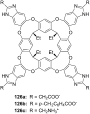
Figure 90: Charged cavitands 126 for tetralkylammonium ions.

Figure 91: Ditopic calix[4]arene receptor 127 capped with glycol chains.

Figure 92: A calix[5]arene dimer for diammonium salt recognition.

Figure 93: Calixarene parts 92c and 129 for the formation molecular capsules.
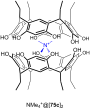
Figure 94: Encapsulation of a quaternary ammonium cation by two resorcin[4]arene molecules (NMe4+@[75c]2 × Cl−...

Figure 95: Encapsulation of a quaternary ammonium cation by six resorcin[4]arene molecules (NMe3D+@[130]6 × Cl−...

Figure 96: Structure and schematic of cucurbit[6]uril (CB[6], 131a).
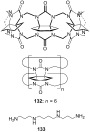
Figure 97: Cyclohexanocucurbit[6]uril (CB′[6], 132) and the guest molecule spermine (133).

Figure 98: α,α,δ,δ-Tetramethylcucurbit[6]uril (134).

Figure 99: Structure of the cucurbituril-phthalhydrazide analogue 135.

Figure 100: Organic cavities for the displacement assay for amine differentiation.

Figure 101: Displacement assay methodology for diammonium- and related guests involving cucurbiturils and some ...

Figure 102: Nor-seco-Cucurbituril (±)-bis-ns-CB[6] (140) and guest molecules.

Figure 103: The cucurbit[6]uril based complexes 141 for chiral discrimination.
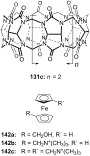
Figure 104: Cucurbit[7]uril (131c) and its ferrocene guests (142) opposed.

Figure 105: Cucurbit[7]uril (131c) guest inclusion and representative guests.

Figure 106: Cucurbit[7]uril (131c) binding to succinylcholine (145) and different bis-ammonium and bis-phosphon...

Figure 107: Paraquat-cucurbit[8]uril complex 149.
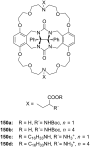
Figure 108: Gluconuril-based ammonium receptors 150.
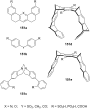
Figure 109: Examples of clefts (151a), tweezers (151b, 151c, 151d) and clips (151e).

Figure 110: Kemp’s triacid (152a), on example of Rebek’s receptors (152b) and guests.

Figure 111: Amino acid receptor (154) by Rebek et al.

Figure 112: Hexagonal lattice designed hosts by Bell et al.

Figure 113: Bell’s amidinium receptor (156) and the amidinium ion (157).
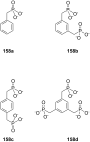
Figure 114: Aromatic phosphonic acids.

Figure 115: Xylene phosphonates 159 and 160a/b for recognition of amines and amino alcohols.
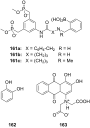
Figure 116: Bisphosphonate recognition motif 161 for a colorimetric assay with alizarin complexone (163) for ca...

Figure 117: Bisphosphonate/phosphate clip 164 and bisphosphonate cleft 165.

Figure 118: N-Methylpyrazine 166a, N-methylnicotinamide iodide (166b) and NAD+ (166c).

Figure 119: Bisphosphate cavitands.
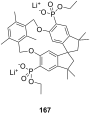
Figure 120: Bisphosphonate 167 of Schrader and Finocchiaro.
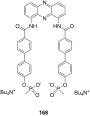
Figure 121: Tweezer 168 for noradrenaline (80b).

Figure 122: Different tripods and heparin (170).
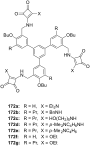
Figure 123: Squaramide based receptors 172.
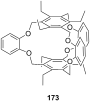
Figure 124: Cage like NH4+ receptor 173 of Kim et al.

Figure 125: Ammonium receptors 174 of Chin et al.

Figure 126: 2-Oxazolin-based ammonium receptors 175a–d and 176 by Ahn et al.

Figure 127: Racemic guest molecules 177.

Figure 128: Tripods based on a imidazole containing macrocycle (178) and the guest molecules employed in the st...

Figure 129: Ammonium ion receptor 180.

Figure 130: Tetraoxa[3.3.3.3]paracyclophanes 181 and a cyclophanic tetraester (182).

Figure 131: Peptidic bridged paraquat-cyclophane.
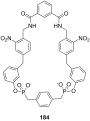
Figure 132: Shape-selective noradrenaline host.

Figure 133: Receptor 185 for binding of noradrenaline on surface layers from Schrader et al.

Figure 134: Tetraphosphonate receptor for binding of noradrenaline.

Figure 135: Tetraphosphonate 187 of Schrader and Finocchiaro.

Figure 136: Zinc-Porphyrin ammonium-ion receptors 188 and 189 of Mizutani et al.
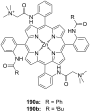
Figure 137: Zinc porphyrin receptor 190.

Figure 138: Zinc porphyrin receptors 191 capable of amino acid binding.

Figure 139: Zinc-porphyrins with amino acid side chains for stereoinduction.

Figure 140: Bis-zinc-bis-porphyrin based on Tröger’s base 193.

Figure 141: BINAP-zinc-prophyrin derivative 194 and it’s guests.

Figure 142: Bisaryl-linked-zinc-porphyrin receptors.
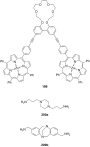
Figure 143: Bis-zinc-porphyrin 199 for diamine recognition and guests.

Figure 144: Bis-zinc-porphyrin crown ether 201.

Figure 145: Bis-zinc-porphyrin 202 for stereodiscrimination (L = large substituent; S = small substituent).

Figure 146: Bis-zinc-porphyrin[3]rotaxane and its copper complex and guests.

Figure 147: Dien-bipyridyl ligand 206 for co-ordination of two metal atoms.

Figure 148: The ligand and corresponding tetradentate co-complex 207 serving as enantioselective receptor for a...

Figure 149: Bis(oxazoline)–copper(II) complex 208 for the recognition of amino acids in aqueous solution.

Figure 150: Zinc-salen-complexes 209 for the recognition tertiary amines.

Figure 151: Bis(oxazoline)–copper(II) 211 for the recognition of amino acids in aqueous solution.

Figure 152: Zn(II)-complex of a C2 terpyridine crown ether.

Figure 153: Displacement assay and receptor for aspartate over glutamate.

Figure 154: Chiral complex 214 for a colorimetric displacement assay for amino acids.

Figure 155: Metal complex receptor 215 with tripeptide side arms.

Figure 156: A sandwich complex 216 and its displaceable dye 217.

Figure 157: Lanthanide complexes 218–220 for amino acid recognition.
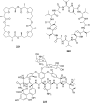
Figure 158: Nonactin (221), valinomycin (222) and vancomycin (223).

Figure 159: Monesin (224a) and a chiral analogue for enantiodiscrimination of ammonium guests (224b).

Figure 160: Chiral podands (226) compared to pentaglyme-dimethylether (225) and 18-crown-6 (4).

Figure 161: Lasalocid A (228).

Figure 162: Lasalocid derivatives (230) of Sessler et al.

Figure 163: The Coporphyrin I tetraanion (231).

Figure 164: Linear and cyclic peptides for ammonium ion recognition.

Figure 165: Cyclic and bicyclic depsipeptides for ammonium ion recognition.
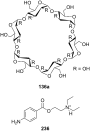
Figure 166: α-Cyclodextrin (136a) and novocaine (236).
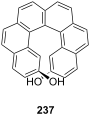
Figure 167: Helical diol receptor 237 by Reetz and Sostmann.

Figure 168: Ammonium binding spherand by Cram et al. (238a) and the cyclic[6]metaphenylacetylene 238b in compar...

Figure 169: Receptor for peptide backbone and ammonium binding (239).

Figure 170: Anion sensor principle with 3-hydroxy-2-naphthanilide of Jiang et al.

Figure 171: 7-bromo-3-hydroxy-N-(2-hydroxyphenyl)naphthalene 2-carboxamide (241) and its amine binding.

Figure 172: Naturally occurring catechins with affinity to quaternary ammonium ions.

Figure 173: Spiropyran (244) and merocyanine form (244a) of the amino acid receptors of Fuji et al.

Figure 174: Coumarin aldehyde (245) and its iminium species with amino acid bound (245a) by Glass et al.
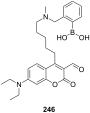
Figure 175: Coumarin aldehyde appended with boronic acid.

Figure 176: Quinolone aldehyde dimers by Glass et al.

Figure 177: Chromogenic ammonium ion receptors with trifluoroacetophenone recognition motifs.

Figure 178: Chromogenic ammonium ion receptor with trifluoroacetophenone recognition motif bound on different m...



