


Search results
Search for "hydricity" in Full Text gives 2 result(s) in Beilstein Journal of Organic Chemistry.
Computational prediction of C–H hydricities and their use in predicting the regioselectivity of electron-rich C–H functionalisation reactions
Beilstein J. Org. Chem. 2026, 22, 603–610, doi:10.3762/bjoc.22.46
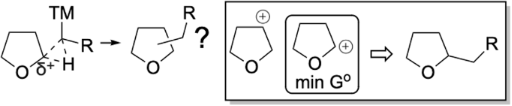
- –N, C–C, and C–X bond formations, carbene insertions, and oxidative transformations. Comparative analysis with ALFABET, a bond dissociation energy (BDE)-based ML model, reveals that hydricity predictions, when combined with steric accessibility, correctly identify the reactive site in eight out of
- ten representative reactions, surpassing BDEs in most cases. These findings highlight hydricity as a complementary and, in some cases, superior descriptor for guiding regioselectivity predictions in electron-rich C–H functionalisation. The model is made available at regioselect.org, together with a
- host of other reactivity predictors. Keywords: bond dissociation energy; hydricity; hydride affinity; hydride-transfer reactions; machine learning (ML); quantum chemistry (QM); Introduction Bond dissociation energies (BDEs) and pKa values for C–H bonds are often used to rationalise and predict the


![[Graphic 6]](/bjoc/content/inline/1860-5397-22-46-i8.svg?max-width=637&scale=1.18182)


DABCO-promoted photocatalytic C–H functionalization of aldehydes
Beilstein J. Org. Chem. 2021, 17, 2959–2967, doi:10.3762/bjoc.17.205
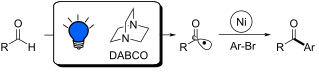
- compared to benzaldehyde (17, 55%). Higher amounts of aromatic aldehydes were required, probably due to the diminished hydricity of their C–H bond and side reactions under photochemical conditions (see Supporting Information File 1, Table S3 for details). Surprisingly, the very bulky trimethylacetaldehyde


Other Beilstein-Institut Open Science Activities



