


Search results
Search for "FTIR" in Full Text gives 342 result(s) in Beilstein Journal of Nanotechnology. Showing first 200.
Influence of an external electric field on the catalytic CO oxidation of nanoscaled CeO2 and its La3+ and Gd3+ congeners
Beilstein J. Nanotechnol. 2026, 17, 1028–1038, doi:10.3762/bjnano.17.70
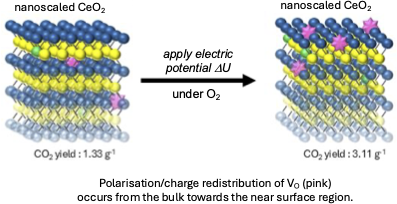
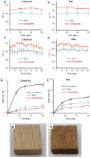
- these dopants behave differently when coupling with such low-power electrical fields. In situ FTIR studies were used to follow and monitor the influence of the electrical field by measuring the change in the final gas composition over the headspace of the sample, giving substantial information about the
- (0.9 cm window) using PEEK and two Viton® O-rings each, was placed inside a FTIR spectrometer (Thermo Fisher®-Nicolet iS5 with ID1 Transmission Accessory; Software Omnic 9.2.106). Each cap held 1.5 mm thick quartz lenses. The FTIR spectrometer was used to record the gas mixture spectra. A circulation
- pump (GK-M-12/02) and a pressure transducer (PAA33X-V-30 (0–30 bar), accuracy of 0.05% and resolution of 0.002%) were purchased from Gardner Denver Thomas GmbH, Germany and Omega Newport electronics GmbH, Germany, respectively. The FTIR spectra were recorded from 400 to 4000 cm−1, considering


Ultrasonic irradiation in the synthesis of nanohydroxyapatite: a chemically friendly technique for improving hemocompatibility and antibiofilm applications
Beilstein J. Nanotechnol. 2026, 17, 991–1015, doi:10.3762/bjnano.17.68
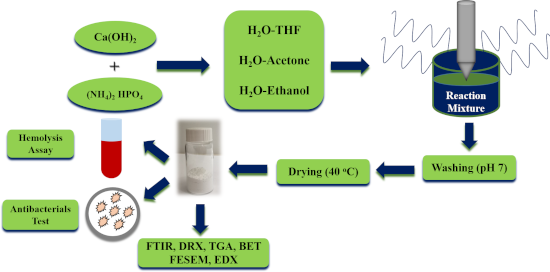
- medium. Water-based mixtures were used, that is, water/acetone (W/ACET), water/tetrahydrofuran (W/THF), and water/ethanol (W/ETOH). The resulting nHA was characterized structurally using FTIR, XRD, TGA, FESEM, and specific surface area determination. These analyses revealed the formation of carbonated
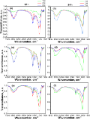
- engineering and bone devices. Results and Discussion Infrared study Figure 3 shows the FTIR spectra of hydroxyapatite prepared using mixtures of water/acetone (W/ACET), water/THF (W/THF), and water/ethanol (W/ETOH) with varying ultrasonic irradiation (UI) times between 15 and 60 min. The spectra in Figure 3A
- cm−1. Furthermore, no bands corresponding to organic solvent residues (such as ethanol, acetone, or THF) were detected, confirming the efficacy of the exhaustive washing process. However, it is important to note that while FTIR confirms the absence of major organic impurities, the inherent




Supramolecular one-dimensional conducting nanofibers from a C3-symmetric tetrathiafulvalene derivative
Beilstein J. Nanotechnol. 2026, 17, 872–881, doi:10.3762/bjnano.17.63
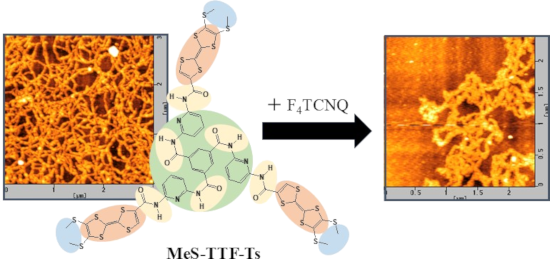
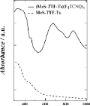
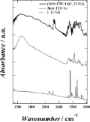
- resulting morphologies. Furthermore, MeS-TTF-Ts was combined with the strong electron acceptor F4TCNQ to form a charge-transfer complex, (MeS-TTF-Ts)(F4TCNQ)3, which yielded well-defined one-dimensional nanofibers. UV–vis and FTIR spectroscopic analyses confirmed substantial charge transfer from MeS-TTF-Ts
- = 13.6 Hz, 3H), 8.05 (d, J = 7.6 Hz, 3H), 7.93 (m, J = 15.6 Hz, 6H), 7.67 (m, J = 4.8 Hz, 3H), 2.45 (s, 18H); 13C NMR (100.6 MHz, DMSO-d6) δ 157.8, 150.2, 149.7, 149.4, 140.4, 134.6, 133.2, 131.7, 128.1, 126.1, 112.8, 106.0, 90.7, 79.2, 18.6; FTIR (ATR, νmax/cm−1): 2970, 2930, 2873, 1698, 1584, 1512
- , 1445, 1292, 1236, 773, 699. The FTIR spectrum of MeS-TTF-Ts is shown in Figure S1 in Supporting Information File 1. MS (APCI) m/z: [M + H]+ calcd for C51H39N9O6S18, 1449.80; found, 1449.8082; Anal. calcd for C51H39N9O6S18: C, 42.21; H, 2.71; N, 8.69; found: C, 42.12; H, 2.66; N, 8.63. Measurements AFM


Environmental applications of silver nanoparticles: state-of-the-art review and emerging trends
Beilstein J. Nanotechnol. 2026, 17, 697–736, doi:10.3762/bjnano.17.49
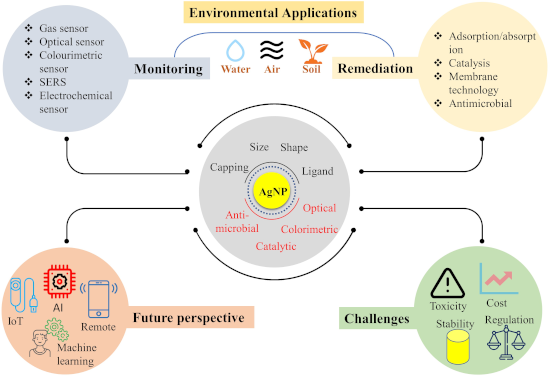
- °, respectively [54]. Using the Scherrer equation, these 2θ values yield the nanoparticle’s crystallite size [54]. Furthermore, Fourier-transform infrared (FTIR) spectroscopy provides evidence of successful surface capping or functionalization of the desired molecules on nanoparticles [49]. Surface-enhanced Raman


Upcycling agroindustrial waste into graphene oxide supports for gold nanoparticles: toward sustainable nanomaterials
Beilstein J. Nanotechnol. 2026, 17, 489–504, doi:10.3762/bjnano.17.32
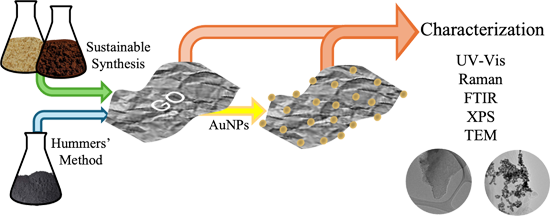
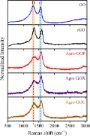
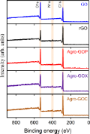
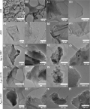
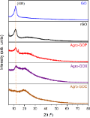
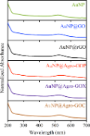
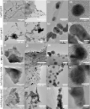
- UV–vis, ATR-FTIR, XPS, XRD, and Raman measurements, complemented by TGA and TEM to assess optical properties, surface chemistry, and structural and morphological features. Additionally, gold nanoparticles (AuNPs) were photochemically deposited onto Agro-GO to evaluate its potential for nanotechnology
- , with an acquisition time of 30 s and two accumulations, yielding a spectral resolution of 0.8 cm−1 per pixel. Attenuated total reflectance Fourier transform infrared (ATR-FTIR) spectroscopy was performed using a Nicolet Nexus 470 FTIR spectrometer (Nicolet, Madison, WI, USA). Spectra were collected at
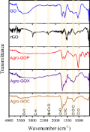
- functionalities are indeed incorporated into Agro-GO. The high-resolution O 1s spectra of the GO samples are shown in Figure S1 (Supporting Information File 1), and the relative contributions of the deconvoluted components are summarized in Table S1 (Supporting Information File 1). The ATR-FTIR spectra of GO, rGO



Eco-efficient materials for agricultural crops based on a mineral rich in MOR- and HEU-type zeolites
Beilstein J. Nanotechnol. 2026, 17, 381–395, doi:10.3762/bjnano.17.26
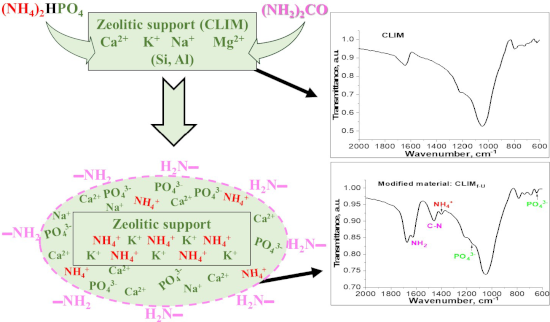
- tests. The complexity of the multiphase zeolitic support leads to changes in the position and intensity of FTIR bands compared to other similar materials developed using simpler zeolitic carriers dominated by HEU zeolite. The most intense NH4+ band was observed at 1402 cm−1, while for a HEU zeolite it
- possible to create products with target properties by optimizing modification processes. FTIR studies on NH4+ ions supported on various zeolites have shown changes in the intensity and position of ammonium bands. The literature [18][19] suggests that there are two frequency regions associated with the
- (Ni2+-CLI) treated with ammonium solutions showed FTIR bands at about 1400 and 1443 cm−1, respectively, associated with the N–H bond bending vibration attributed to the NH4+ ion. Yadav et al. [22] studied natural CLI from the Amazon (Dolphin brand, FM-906) using FTIR and reported a high-intensity band




Polycatecholamine nanocoatings on stainless steel: the effect on attachment of human fibroblasts and platelets
Beilstein J. Nanotechnol. 2026, 17, 365–380, doi:10.3762/bjnano.17.25
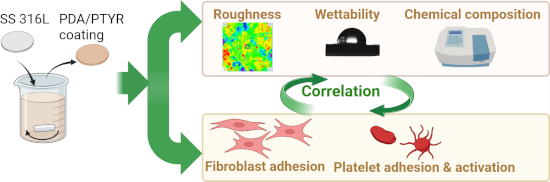
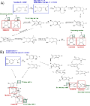
- further evaluate the chemical structure of the coatings, FTIR-ATR spectra were obtained and analyzed. Methodology and results are described in Supporting Information File 1. Coating cytotoxicity towards L929 cells The MTT assay was applied to evaluate the cytotoxicity of obtained coatings. MTT salt is




Structure-dependent thermochromism of PAZO thin films: theory and experiment
Beilstein J. Nanotechnol. 2026, 17, 186–199, doi:10.3762/bjnano.17.12
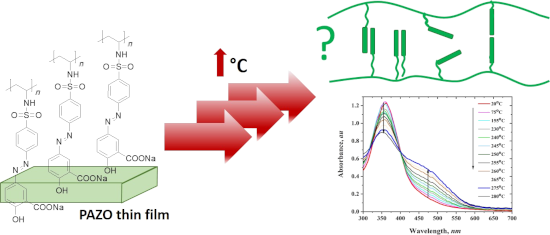
- after thermal treatment. S and P polarization spectra were also measured after the birefringence measurements. The ATR-IR (attenuated total reflectance IR) spectra were collected using a Thermo Nicolet iS50 FTIR spectrometer with a diamond crystal ATR accessory. The measurements were done at r.t. across


Development and in vitro evaluation of liposomes and immunoliposomes containing 5-fluorouracil and R-phycoerythrin as a potential phototheranostic system for colorectal cancer
Beilstein J. Nanotechnol. 2026, 17, 97–121, doi:10.3762/bjnano.17.7
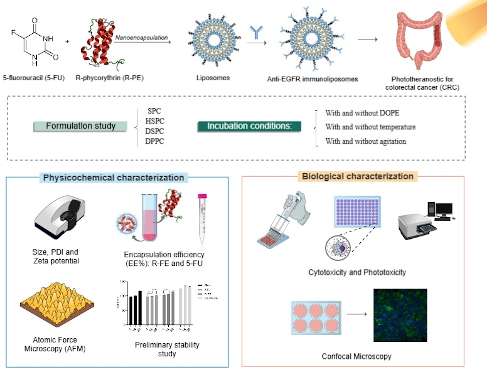
- lyophilized samples to Fourier-transform infrared (FTIR) spectroscopy in an FTIR spectrophotometer (IRTracer-100, Shimazdzu, Japan), with a horizontal attenuated total reflectance accessory. The scan was performed in the range of 500 to 4000 cm−1 [27]. 2.5 Stability study After physicochemical
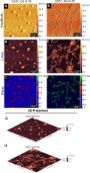
- protein corona formation under physiological conditions [63]. These findings highlight the importance of surface characterization by AFM in the development and optimization of nanoparticles. 3.4 Fourier-transform infrared spectroscopy assays The FTIR spectra obtained for the formulations showed the
- incorporation. Likewise, Udofot et al. (2015) [64] reported subtle FTIR spectral changes in pH-sensitive liposomes loaded with 5-FU, attributing these modifications to drug–lipid interactions that enhance the stability of the delivery system. Taken together, these results are consistent with previous literature



Functional surface engineering for cultural heritage protection: the role of superhydrophobic and superoleophobic coatings – a comprehensive review
Beilstein J. Nanotechnol. 2026, 17, 63–96, doi:10.3762/bjnano.17.6
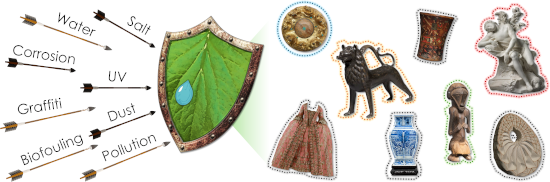
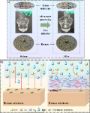
- characterization, particularly micro-FTIR coupled with principal component analysis (PCAn), confirmed the efficiency of the gel and spatially controlled cleaning action. The authors believed that this approach reduces the need for separate treatments and harsh chemicals traditionally used in metal conservation




Reduced graphene oxide paper electrode for lithium-ion cells – towards optimized thermal reduction
Beilstein J. Nanotechnol. 2026, 17, 24–37, doi:10.3762/bjnano.17.3
- a2, a3, and a4: Here, a1 parameter refers to peak position, a2 refers to peak width, a3 indicates the “sharpness” of the peak, and a4 determines the peak’s asymmetry (tail or front). The fitting procedure involved the use of the SciPy Python package [38]. FTIR To investigate the oxygen
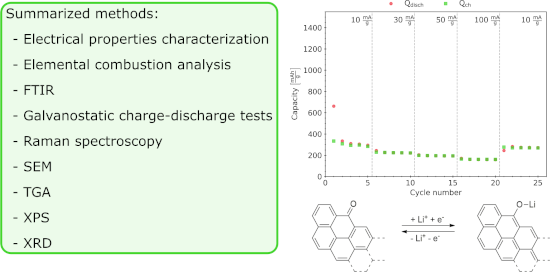
- functionalities within the rGO paper, Fourier-transform infrared (FTIR) spectroscopy was applied in attenuated total reflectance mode. The equipment involved a Perkin Elmer Frontier FTIR spectrometer. The spectra were obtained in the 520–4000 cm−1 wavenumber range with baseline calibration and normalized (0 to
- samples T600 and T800 changed the FTIR spectra significantly compared to sample T400. Samples T600 and T800 exhibited also weaker peak signal for 1187, 1570, and 1725 cm−1, possibly due to COOH functional group loss [27] and partial ketone removal. The broad band located at ≈1808 cm−1 remained. What is



Improving magnetic properties of Mn- and Zn-doped core–shell iron oxide nanoparticles by tuning their size
Beilstein J. Nanotechnol. 2025, 16, 2285–2295, doi:10.3762/bjnano.16.157

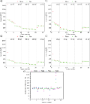
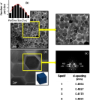
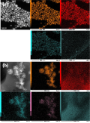
- while expecting good biocompatibility. The use of size-controlled synthesis enables the exploration of size-dependent magnetic properties, while the direct characterization of the core–shell structure using Fourier-transform infrared spectroscopy (FTIR) and high-resolution transmission electron
- plate at 50 °C for 2 h to remove all solvent traces. The chemical compositions of both core and core–shell NPs were investigated by Fourier-transform infrared spectroscopy (FTIR). Both spectra were recorded using a commercial Agilent FTIR 680 spectrometer in attenuated total reflection (ATR) mode. The
- shell formation has been reported in other studies on core–shell NPs, where the selective deposition of the shell material has been achieved through precise control of synthesis conditions [19]. FTIR analysis The FTIR analysis of Zn0.4Fe2.6O4@MnFe2O4 and Zn0.4Fe2.6O4 NPs provides valuable insights into



Ultrathin water layers on mannosylated gold nanoparticles
Beilstein J. Nanotechnol. 2025, 16, 2183–2198, doi:10.3762/bjnano.16.151
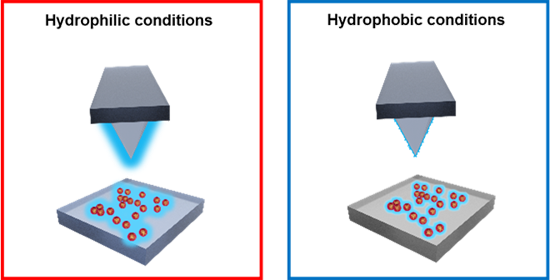
- inorganic surfaces, usually modified with organic layers, and probed by Fourier-transform infrared spectroscopy (FTIR), vibrational sum frequency generation (VSFG), and atomic force microscopy (AFM). For VSFG and AFM, we systematically varied the relative air humidity (RH). DLS and ZP yield particle size
- and stability in solution, in terms of hydrodynamic diameter and NP surface charge, respectively. Spectroscopy techniques were used to analyze the chemical composition of the organic ligands locally. We used FTIR for the molecular fingerprint infrared region to find the characteristic peaks of the
- indeed yields an independent estimate of the shell thickness. This analysis gives values consistent with the ~1.5 nm thickness extracted from single-particle measurements. Analysis of the chemical groups The nature of the coating layer of PEG AuNPs and dimanno-AuNPs was characterized by FTIR (only in dry



Microplastic pollution in Himalayan lakes: assessment, risks, and sustainable remediation strategies
Beilstein J. Nanotechnol. 2025, 16, 2144–2167, doi:10.3762/bjnano.16.148
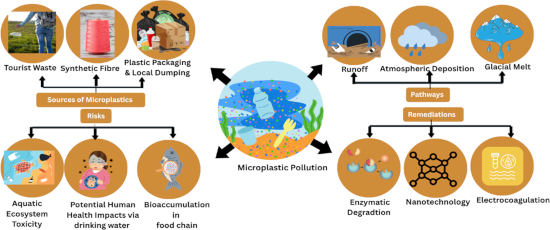
- understanding the full contamination profile in remote ecosystems [33]. An overview of MP sampling and analysis methods is given in Figure 3. 4.2 Analytical techniques for microplastic characterization 4.2.1 Spectroscopy. One of the key methods of analyzing MPs is spectroscopy. Fourier-transform infrared (FTIR
- ) spectroscopy is used regularly to identify the chemical structure of MPs [34]. One of the most important developments for nanoplastic detection in complex environmental matrices is micro-FTIR to analyze particles smaller than 10 µm [35]. Raman spectroscopy improves on FTIR by using higher resolution and the
- intervention and possibility of error [39]. Microscopy and spectroscopy tend to be combined to increase reliability. For instance, Raman or FTIR spectroscopy is applied to identify polymers following SEM to examine the shape of particles. This ensures both chemical and physical characteristics are captured [40


Rapid synthesis of highly monodisperse AgSbS2 nanocrystals: unveiling multifaceted activities in cancer therapy, antibacterial strategies, and antioxidant defense
Beilstein J. Nanotechnol. 2025, 16, 2105–2115, doi:10.3762/bjnano.16.145
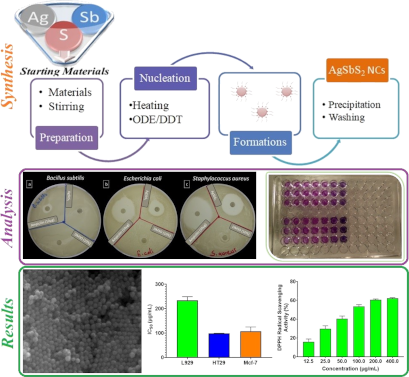
- separate interaction exists between 6 sulfur atoms and silver and antimony atoms. Also, the obtained diffraction peaks are neat and intense, indicating the absence of other secondary phase peaks, and proving the successful synthesis of the desired structure. FTIR analysis was carried out in the range of
- specificity. Integration with emerging nanomedicine approaches such as theranostics, controlled drug delivery, and precision oncology could further advance the translational potential of AgSbS2 NCs. Synthesis procedure (a), XRD pattern (b), crystal geometry (c), and FTIR spectrum (d) of the synthesized NCs


Stereodiscrimination of guests in chiral organosilica aerogels studied by ESR spectroscopy
Beilstein J. Nanotechnol. 2025, 16, 2034–2054, doi:10.3762/bjnano.16.140
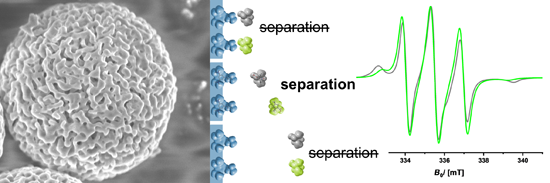
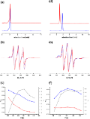
- m2·g−1. The meso-macroporous structure was also found by mercury intrusion porosimetry (Figure 2c). The FTIR spectrum is consistent with the proposed composition (Figure 2d). The vibrations at ν = 3000–3600 cm−1 are characteristic for NH and OH groups. At 2982 cm−1, one sees the CH groups. Amide




Beyond the shell: exploring polymer–lipid interfaces in core–shell nanofibers to carry hyaluronic acid and β-caryophyllene
Beilstein J. Nanotechnol. 2025, 16, 2015–2033, doi:10.3762/bjnano.16.139
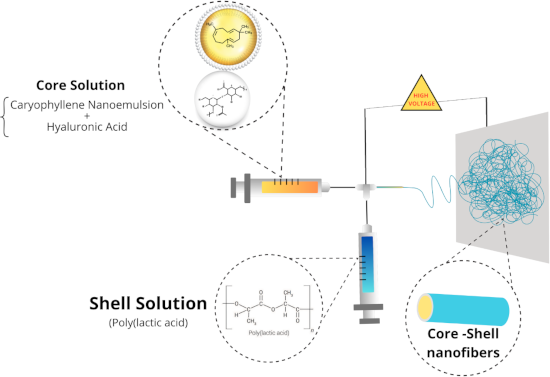
- -sectional imaging, and attenuated total reflectance with Fourier transform infrared (ATR-FTIR) spectroscopy provided compelling evidence for the successful formation of the intended core–shell structure. The resulting nanofibers exhibited surface hydrophobicity, suggesting potential for anti-adhesive
- to increased water ingress through the pores, facilitating access to the core [58]. This possibility is also described by Wang and Xu (2018), who successfully prepared tea polyphenol-loaded porous core–shell fibers by controlling coaxial electrospinning parameters [56]. ATR-FTIR spectroscopy has been
- widely used to evaluate the integrity of core–shell structures and confirm the presence of the core material within electrospun fibers. A well-formed core–shell structure is indicated by FTIR spectra showing the absence of characteristic core bands and the exclusive presence of shell bands [59][60][61




Self-assembly and adhesive properties of Pollicipes pollicipes barnacle cement protein cp19k: influence of pH and ionic strength
Beilstein J. Nanotechnol. 2025, 16, 1863–1872, doi:10.3762/bjnano.16.129
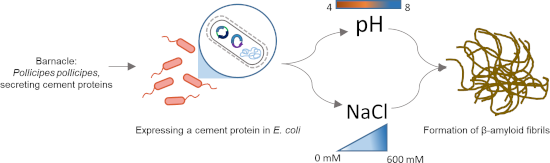
- concentration environment exhibited the highest fluorescence, though more detailed investigation using methods such as attenuated total reflectance-Fourier transform infrared (ATR-FTIR) spectroscopy or circular dichroism (CD) will be necessary to confirm an elevated β-sheet content in these fibrils. A similar


On the road to sustainability – application of metallic nanoparticles obtained by green synthesis in dentistry: a scoping review
Beilstein J. Nanotechnol. 2025, 16, 1851–1862, doi:10.3762/bjnano.16.128
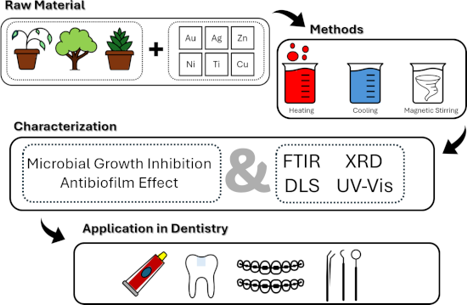
- investigation of antimicrobial activity against these microorganisms indicates the potential dental applications of green-synthesized metallic nanoparticles. To characterize the green-synthesized metallic nanoparticles, the selected studies used mainly Fourier-transform infrared spectroscopy (FTIR, 36.73%; n
- structural, optical, and chemical properties. FTIR enables the identification of functional groups involved in the reduction and stabilization of nanoparticles, typically derived from phytochemicals in plant extracts used as reducing agents [52][56]. UV–vis spectroscopy is widely employed to monitor
- potential cytotoxicity of these nanoparticles within the complex and dynamic oral environment [15][20]. A significant number of selected studies (n = 23; 24.1%) also failed to perform advanced physicochemical characterizations, such as FTIR, SEM, or XRD, which are essential for confirming nanoparticle


Electrical, photocatalytic, and sensory properties of graphene oxide and polyimide implanted with low- and medium-energy silver ions
Beilstein J. Nanotechnol. 2025, 16, 1794–1811, doi:10.3762/bjnano.16.123
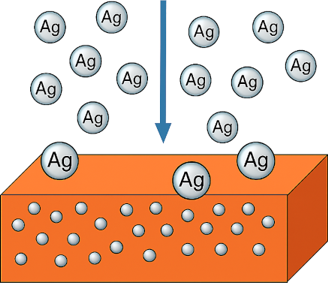
- interconnected carbon network. Such changes have significant implications for the material’s properties, particularly its electrical conductivity, as a denser carbon structure typically lowers resistivity and enhances conductive pathway. Structure analysis by Raman and FTIR spectroscopies Comprehensive
- analyzed by Fourier-transform infrared spectroscopy (FTIR) [30] (Figure 8). The FTIR spectra were normalized to the signal at 715 cm−1. The spectra consist of several regions of interest, namely, the 715 cm−1 wavenumber region corresponding to C=O bonding and the 1083 cm−1 peak attributed to C–O–C
- evaluated using CasaXPS software. The structural analysis of irradiated GO and PI was investigated through Raman and attenuated total reflectance Fourier-transform infrared (ATR-FTIR) spectroscopies. Raman spectroscopy was conducted using a Renishaw inVia Raman microscope (England) equipped with a Nd:YAG


Prospects of nanotechnology and natural products for cancer and immunotherapy
Beilstein J. Nanotechnol. 2025, 16, 1644–1667, doi:10.3762/bjnano.16.116
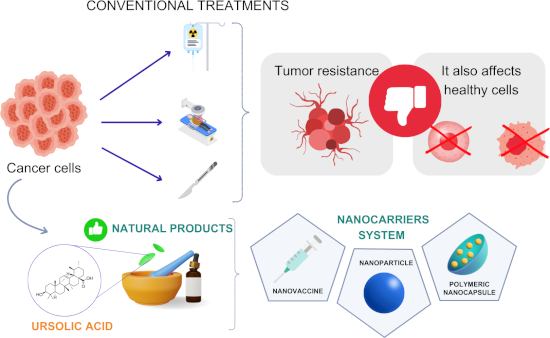
- spectroscopy, TEM, DLS, X-ray diffraction (XRD), and Fourier-transform infrared (FTIR) spectroscopy, revealing a polygonal or oval morphology. To evaluate the antitumor effects, cytotoxicity assays, cellular uptake assays, apoptosis detection, ROS production, qRT-PCR, and Western blotting for gene and protein


Dendrimer-modified carbon nanotubes for the removal and recovery of heavy metal ions from water
Beilstein J. Nanotechnol. 2025, 16, 1522–1532, doi:10.3762/bjnano.16.107

- spectroscopy was specifically used to confirm the Diels–Alder reaction on the surface of CNTs, and other characterization techniques (SEM, EDX, XRD, TGA, and FTIR) were applied to confirm the successive growth of the dendrimers. Highly dendrimerized CNTs were found to be more effective in removing heavy metal
- functionalization process did not alter the intrinsic structure of the materials as the peak profile of all the samples is similar to that of bare CNTs. Moreover, the absence of any extra peaks further confirms that the washing process has effectively removed the residual substrates and DES. FTIR spectroscopy has
- provided additional insights into the functionalization process (Figure 1c). The FTIR spectrum of CNTs-MA shows a peak around 1745 cm−1 corresponding to the C=O stretching of the carboxyl groups due to the introduction of MA, thus indicating successful covalent grafting onto the surface of CNTs. After


Cross-reactivities in conjugation reactions involving iron oxide nanoparticles
Beilstein J. Nanotechnol. 2025, 16, 1504–1521, doi:10.3762/bjnano.16.106
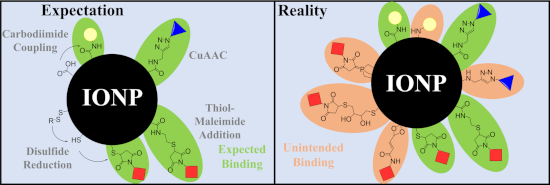
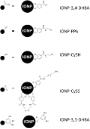
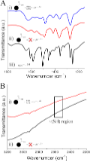
- not drawn to scale, and certain sections of ligand molecules may be omitted. Figure 2 provides a legend with the more detailed structural formulae of the IONP surfaces for each preparation. FTIR analysis of IONP-PPA shows a very weak bump in the spectrum at 2122 cm−1, which may be attributed to the
- amides [57]. While FTIR provides some evidence of PPA coupling to the IONP surface, it is not conclusive; thus, we turned to an indirect means of detection by utilizing the CuAAC coupling reaction to bind Cy5-azide dye to the alkyne groups on the IONP surface, if present. The dye can then be detected
- -3,4-DHBA through its amine group, leaving the alkyne solution-accessible. The FTIR spectrum of the EDC/NHS-free PPA control (Figure 3A.ii) does not show the presence of the 2120 cm−1 alkyne ν(C≡C) band, which may suggest a lower PPA loading than IONP-PPA. We also do not observe the 1635 cm−1 amide ν(C







Laser processing in liquids: insights into nanocolloid generation and thin film integration for energy, photonic, and sensing applications
Beilstein J. Nanotechnol. 2025, 16, 1428–1498, doi:10.3762/bjnano.16.104
- substrates using 750 rpm for 10 s. FTIR analysis revealed that the functional groups and atomic bonding were involved in physical, rather than chemical, interactions, as no new bonds were formed or broken [111]. These results support the notion that NPs can be combined with various materials, including






Synthesis and antibacterial properties of nanosilver-modified cellulose triacetate membranes for seawater desalination
Beilstein J. Nanotechnol. 2025, 16, 1380–1391, doi:10.3762/bjnano.16.100
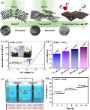
- and Discussion Structure of membrane material To verify the target structure of the synthesized material, Fourier-transform infrared spectroscopy (FTIR) and nuclear magnetic resonance spectroscopy (NMR) were conducted, with the spectra depicted in Figure 1 and Figure 2, respectively. The FTIR bands
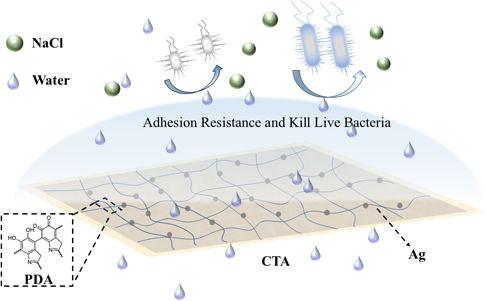
- absorption bands in the FTIR spectrum of PCTA and Ag@PCTA. This is because the functional groups in the PDA structure including –OH, –NH2, and C=O, which have band positions at 3200–3600 cm−1, 3300–3500 cm−1, and 1660–1700 cm−1, respectively, coincided with those of CTA. Moreover, the modifying agents (PDA
- and Ag) are present in extremely low quantities relative to the CTA matrix. (For specific details on the content of the modifying layers, please refer to Supporting Information File 1.) The sensitivity of FTIR spectroscopy depends on the concentration of the absorbed species and the path length of the





