Search results
Search for "Fourier transform" in Full Text gives 365 result(s) in Beilstein Journal of Nanotechnology. Showing first 200.
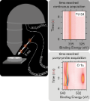
Vibration-induced dynamic structural superlubricity on MoS2/Au(111) under ultrahigh vacuum
Beilstein J. Nanotechnol. 2026, 17, 1039–1046, doi:10.3762/bjnano.17.71
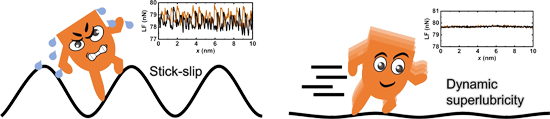
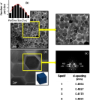
- Fourier transform analysis (see Section S4 and Figure S3 in Supporting Information File 1). The dependence of the mean friction on the actuation frequency was further quantified through a frequency sweep (Figure 4c). The calculated friction exhibits several distinct drops. The first drop corresponds to


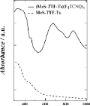
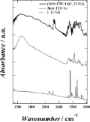
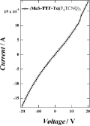
Supramolecular one-dimensional conducting nanofibers from a C3-symmetric tetrathiafulvalene derivative
Beilstein J. Nanotechnol. 2026, 17, 872–881, doi:10.3762/bjnano.17.63
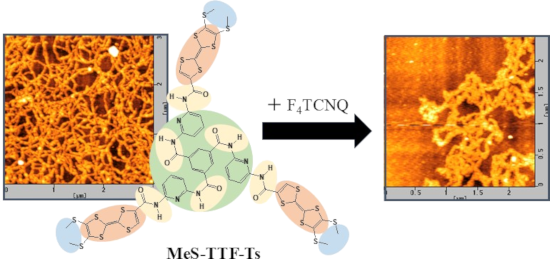
- recorded in the range of 300–1200 nm using a JASCO V-650 spectrophotometer. A mixed solvent of dimethyl sulfoxide (DMSO) and acetonitrile was used for the measurements. Fourier-transform infrared (FTIR) spectra were recorded using a JASCO FT/IR-4200 spectrometer. Spectra were obtained either by the ATR


Environmental applications of silver nanoparticles: state-of-the-art review and emerging trends
Beilstein J. Nanotechnol. 2026, 17, 697–736, doi:10.3762/bjnano.17.49
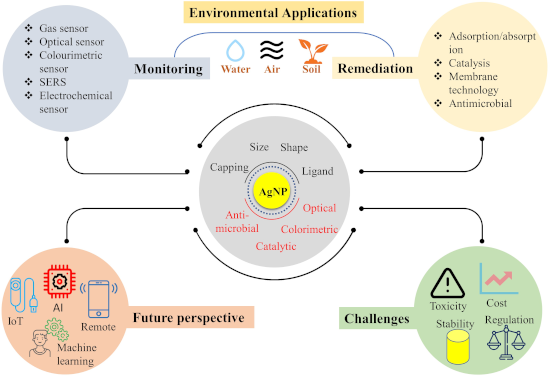
- °, respectively [54]. Using the Scherrer equation, these 2θ values yield the nanoparticle’s crystallite size [54]. Furthermore, Fourier-transform infrared (FTIR) spectroscopy provides evidence of successful surface capping or functionalization of the desired molecules on nanoparticles [49]. Surface-enhanced Raman


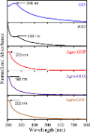
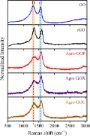
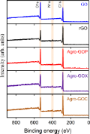
Upcycling agroindustrial waste into graphene oxide supports for gold nanoparticles: toward sustainable nanomaterials
Beilstein J. Nanotechnol. 2026, 17, 489–504, doi:10.3762/bjnano.17.32
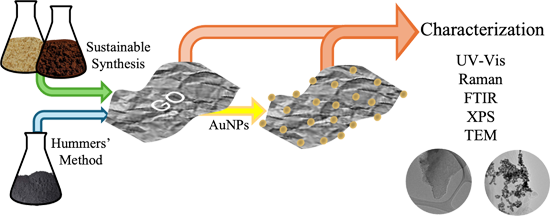
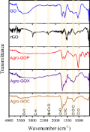
- , with an acquisition time of 30 s and two accumulations, yielding a spectral resolution of 0.8 cm−1 per pixel. Attenuated total reflectance Fourier transform infrared (ATR-FTIR) spectroscopy was performed using a Nicolet Nexus 470 FTIR spectrometer (Nicolet, Madison, WI, USA). Spectra were collected at



Defects and defect-mediated engineering of two-dimensional materials: challenges and open questions
Beilstein J. Nanotechnol. 2026, 17, 454–488, doi:10.3762/bjnano.17.31
- pattern of Gr with Ir(111) as shown in Figure 9a [157]. The fast Fourier transform of the topograph in Figure 9b confirms the visual impression from Figure 9a. It displays clear “diffraction” peaks at the locations corresponding to the moiré lattice. The formation of a partially ordered nanomesh with size





Eco-efficient materials for agricultural crops based on a mineral rich in MOR- and HEU-type zeolites
Beilstein J. Nanotechnol. 2026, 17, 381–395, doi:10.3762/bjnano.17.26
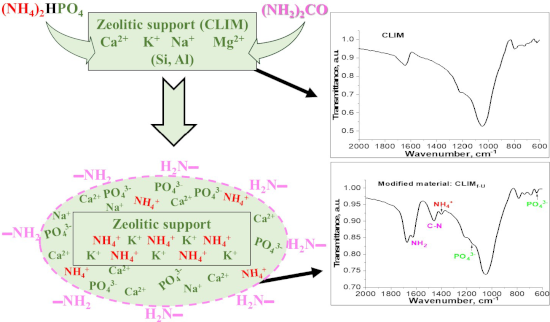
- urea arranged on the surface so that it covers the material and interacts with the zeolitic frameworks, was evidenced by Fourier-transform IR spectroscopy, adsorption measurements, scanning electron microscopy, scanning transmission electron microscopy, and other methods, as well as through culture
- ) and other elements (Si) important for agricultural crops. Particular attention was paid to the analysis of the interaction of nitrogen and phosphorus species on this complex multiphase zeolitic carrier, applying Fourier-transform infrared spectroscopy (FTIR), X-ray diffraction (XRD), scanning electron
- , the samples were examined by Fourier-transform infrared spectroscopy (FTIR), X-ray diffraction (XRD), scanning electron microscopy (SEM), scanning transmission electron microscopy (STEM), and adsorption measurements based on N2 adsorption isotherms. FTIR spectra were recorded on a Bruker Tensor 27 IR




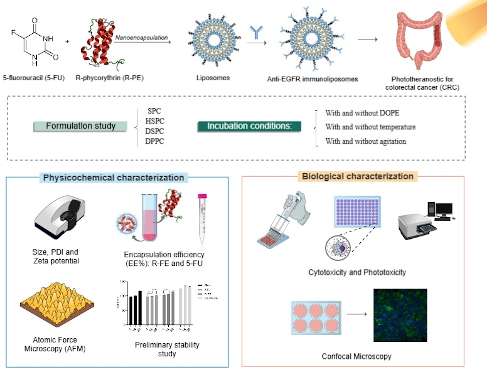
Development and in vitro evaluation of liposomes and immunoliposomes containing 5-fluorouracil and R-phycoerythrin as a potential phototheranostic system for colorectal cancer
Beilstein J. Nanotechnol. 2026, 17, 97–121, doi:10.3762/bjnano.17.7
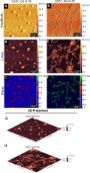
- from [e.g., n = 507] HSPC-50-R-PE control liposomes and [e.g., n = 788] HSPC-IM-R-PE immunoliposomes, which were obtained from six and eight independent AFM images, respectively. 2.4 Fourier transform infrared spectroscopy Drug–nanoparticle interactions were studied by subjecting the previously
- lyophilized samples to Fourier-transform infrared (FTIR) spectroscopy in an FTIR spectrophotometer (IRTracer-100, Shimazdzu, Japan), with a horizontal attenuated total reflectance accessory. The scan was performed in the range of 500 to 4000 cm−1 [27]. 2.5 Stability study After physicochemical
- protein corona formation under physiological conditions [63]. These findings highlight the importance of surface characterization by AFM in the development and optimization of nanoparticles. 3.4 Fourier-transform infrared spectroscopy assays The FTIR spectra obtained for the formulations showed the



Reduced graphene oxide paper electrode for lithium-ion cells – towards optimized thermal reduction
Beilstein J. Nanotechnol. 2026, 17, 24–37, doi:10.3762/bjnano.17.3
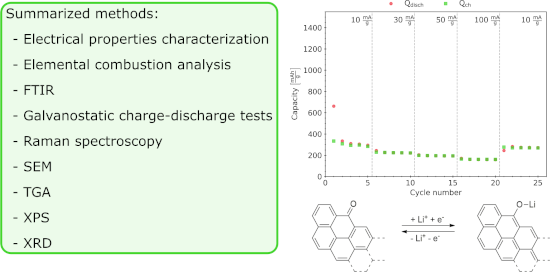
- electrode material in lithium-ion cells. Mildly reduced graphene oxide paper underwent further thermal reduction steps. The structural and chemical properties of the obtained materials were determined using Raman and Fourier-transform infrared spectroscopies and elemental combustion analysis. The morphology
- functionalities within the rGO paper, Fourier-transform infrared (FTIR) spectroscopy was applied in attenuated total reflectance mode. The equipment involved a Perkin Elmer Frontier FTIR spectrometer. The spectra were obtained in the 520–4000 cm−1 wavenumber range with baseline calibration and normalized (0 to



Improving magnetic properties of Mn- and Zn-doped core–shell iron oxide nanoparticles by tuning their size
Beilstein J. Nanotechnol. 2025, 16, 2285–2295, doi:10.3762/bjnano.16.157
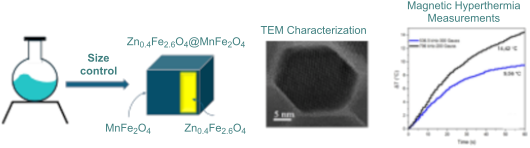
- least tenfold). The designed core NPs are composed of a Zn0.4Fe2.6O4 core and a MnFe2O4 shell. Their size and morphology were determined by transmission electron microscopy, Fourier-transform infrared spectroscopy was used to investigate their chemical composition. The iron oxide phase was confirmed by
- while expecting good biocompatibility. The use of size-controlled synthesis enables the exploration of size-dependent magnetic properties, while the direct characterization of the core–shell structure using Fourier-transform infrared spectroscopy (FTIR) and high-resolution transmission electron
- plate at 50 °C for 2 h to remove all solvent traces. The chemical compositions of both core and core–shell NPs were investigated by Fourier-transform infrared spectroscopy (FTIR). Both spectra were recorded using a commercial Agilent FTIR 680 spectrometer in attenuated total reflection (ATR) mode. The



Electromagnetic study of a split-ring resonator metamaterial with cold-electron bolometers
Beilstein J. Nanotechnol. 2025, 16, 2199–2206, doi:10.3762/bjnano.16.152
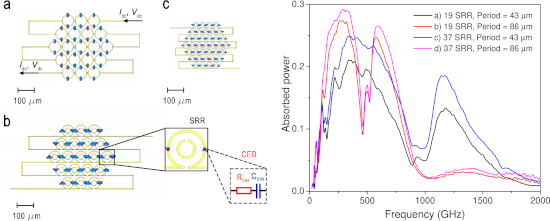
- ; metamaterial; split-ring resonator; Introduction Highly sensitive receivers with broadband antennas are of significant interest for advanced spectroscopic applications and various radioastronomy tasks [1][2][3][4][5]. In particular, broadband receiving systems are required for use with a Fourier-transform


Ultrathin water layers on mannosylated gold nanoparticles
Beilstein J. Nanotechnol. 2025, 16, 2183–2198, doi:10.3762/bjnano.16.151
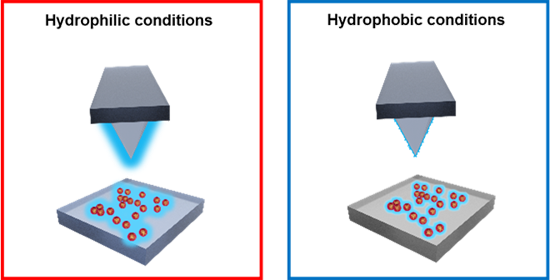
- inorganic surfaces, usually modified with organic layers, and probed by Fourier-transform infrared spectroscopy (FTIR), vibrational sum frequency generation (VSFG), and atomic force microscopy (AFM). For VSFG and AFM, we systematically varied the relative air humidity (RH). DLS and ZP yield particle size



Microplastic pollution in Himalayan lakes: assessment, risks, and sustainable remediation strategies
Beilstein J. Nanotechnol. 2025, 16, 2144–2167, doi:10.3762/bjnano.16.148
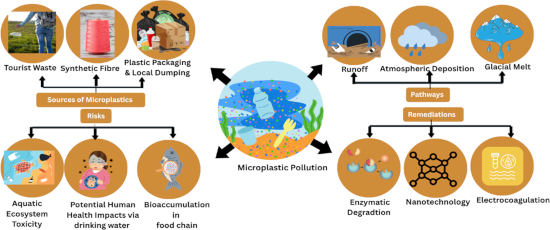
- understanding the full contamination profile in remote ecosystems [33]. An overview of MP sampling and analysis methods is given in Figure 3. 4.2 Analytical techniques for microplastic characterization 4.2.1 Spectroscopy. One of the key methods of analyzing MPs is spectroscopy. Fourier-transform infrared (FTIR


Beyond the shell: exploring polymer–lipid interfaces in core–shell nanofibers to carry hyaluronic acid and β-caryophyllene
Beilstein J. Nanotechnol. 2025, 16, 2015–2033, doi:10.3762/bjnano.16.139
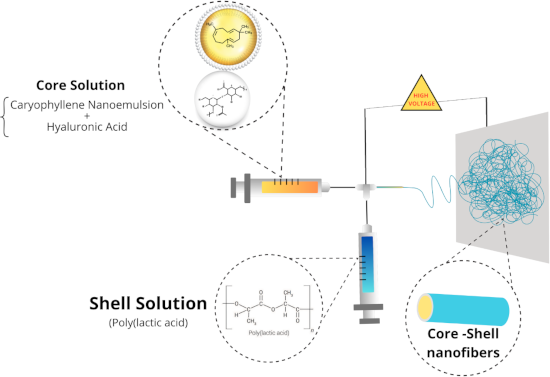
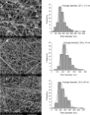
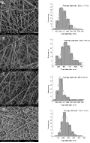
- -sectional imaging, and attenuated total reflectance with Fourier transform infrared (ATR-FTIR) spectroscopy provided compelling evidence for the successful formation of the intended core–shell structure. The resulting nanofibers exhibited surface hydrophobicity, suggesting potential for anti-adhesive
- following equation: where ΔHm0 is the melting enthalpy of fully crystalline PLA (93.1 J/g), and XPLA is the mass fraction of PLA in the fiber (Vidal et al., 2022) [68]. Fourier transform infrared spectroscopy FTIR analysis was conducted to examine the surface composition of the nanofibers and confirm core




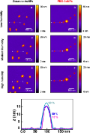
Mechanical property measurements enabled by short-term Fourier-transform of atomic force microscopy thermal deflection analysis
Beilstein J. Nanotechnol. 2025, 16, 1952–1962, doi:10.3762/bjnano.16.136
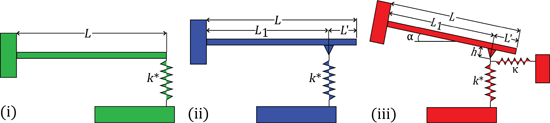
- high-sample rate data was performed. This data was windowed into segments of data having lengths of 2N in number of data points, with N ranging from 10 to 20. These windowed segments were convolved with the Hanning window to reduce spectral leakage. For each window, a Fourier transform was calculated
- calculated Fourier transform, was carefully chosen to ensure that β in Equation 2 was much larger than 1 [22]: Fitting of the first resonant peak of the cantilever in contact with the surface during the force-versus-distance measurement thus provides the evolution of the f1, Q1, and D1 values as functions of
- 2b shows the calculated Fourier transform/power spectrum of the cantilever displacement in the out-of-contact portion of Figure 2a, that is, the data acquired from approximately 0 to 2 s of the experiment. The power spectrum clearly shows the first four oscillation modes of the cantilever, with the




Low-temperature AFM with a microwave cavity optomechanical transducer
Beilstein J. Nanotechnol. 2025, 16, 1873–1882, doi:10.3762/bjnano.16.130
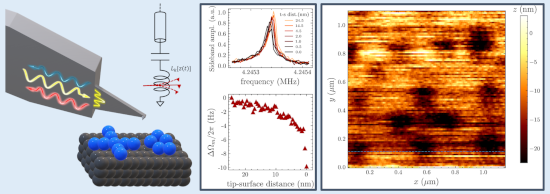
- inset of Figure 6a acquired using probe 3. Although the various structures can be identified, several scanning artifacts appear in the image. In this particular experiment the probe was especially sensitive to pulse-tube vibrations. Figure 6c shows the fast-Fourier transform (FFT) of the error signal
- Δf. (a) SEM image of the second test sample. The zoomed inset highlights the area imaged with FM-AFM in (b). (c) Fast-Fourier transform of the error signal for a single scan line. The x-axis of the plot is converted to frequency through the pixel acquisition rate Δf = 112 Hz. (d) Single scan line


Self-assembly and adhesive properties of Pollicipes pollicipes barnacle cement protein cp19k: influence of pH and ionic strength
Beilstein J. Nanotechnol. 2025, 16, 1863–1872, doi:10.3762/bjnano.16.129
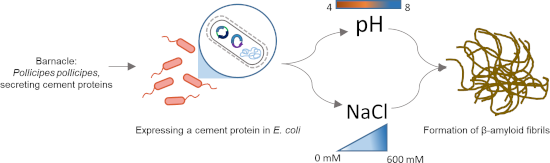
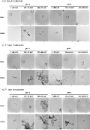
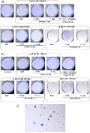
- concentration environment exhibited the highest fluorescence, though more detailed investigation using methods such as attenuated total reflectance-Fourier transform infrared (ATR-FTIR) spectroscopy or circular dichroism (CD) will be necessary to confirm an elevated β-sheet content in these fibrils. A similar


On the road to sustainability – application of metallic nanoparticles obtained by green synthesis in dentistry: a scoping review
Beilstein J. Nanotechnol. 2025, 16, 1851–1862, doi:10.3762/bjnano.16.128
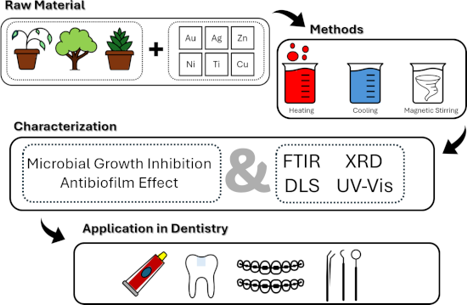
- investigation of antimicrobial activity against these microorganisms indicates the potential dental applications of green-synthesized metallic nanoparticles. To characterize the green-synthesized metallic nanoparticles, the selected studies used mainly Fourier-transform infrared spectroscopy (FTIR, 36.73%; n


Current status of using adsorbent nanomaterials for removing microplastics from water supply systems: a mini review
Beilstein J. Nanotechnol. 2025, 16, 1837–1850, doi:10.3762/bjnano.16.127
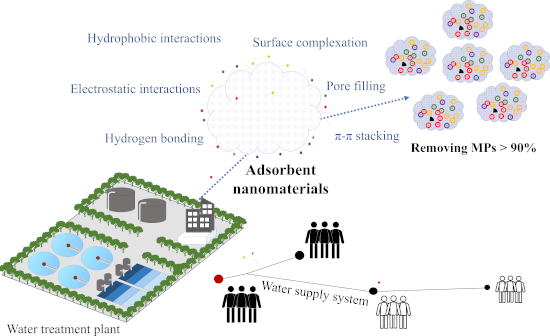
- . also confirmed that the reaction mechanisms of MPs and graphene oxide–chitosan sponges were electrostatic interactions, hydrogen bonding, and π–π interactions through Fourier-transform infrared spectroscopy and X-ray photoelectron spectroscopy measurements [69]. Integrating different types of


Electrical, photocatalytic, and sensory properties of graphene oxide and polyimide implanted with low- and medium-energy silver ions
Beilstein J. Nanotechnol. 2025, 16, 1794–1811, doi:10.3762/bjnano.16.123
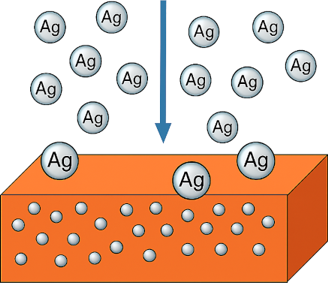
- of GO and PI. Elemental and structural changes induced by implantation were analyzed using Rutherford backscattering spectroscopy, elastic recoil detection analysis, Raman spectroscopy, Fourier-transform infrared spectroscopy, and X-ray photoelectron spectroscopy. Surface morphology was assessed via
- detection analysis (ERDA). The other analytical methods used were Raman spectroscopy, Fourier-transform infrared spectroscopy and X-ray photo-electron spectroscopy (XPS). The electrical properties were investigated by the two-point method. The photocatalytic properties were tested in a dark chamber by
- analyzed by Fourier-transform infrared spectroscopy (FTIR) [30] (Figure 8). The FTIR spectra were normalized to the signal at 715 cm−1. The spectra consist of several regions of interest, namely, the 715 cm−1 wavenumber region corresponding to C=O bonding and the 1083 cm−1 peak attributed to C–O–C


Ambient pressure XPS at MAX IV
Beilstein J. Nanotechnol. 2025, 16, 1677–1694, doi:10.3762/bjnano.16.118
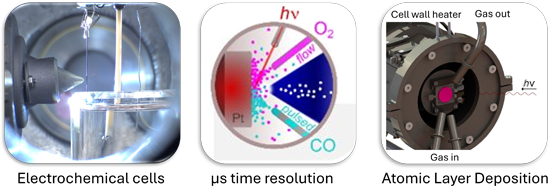
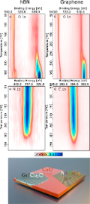
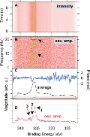
- elsewhere [42][43] revealed an oscillatory response as highlighted by the black arrows in (Figure 8B) at the driving frequency of the gas pulses and higher harmonics. If the magnitude and phase of the Fourier transform at the fundamental frequency (i.e., 10 Hz) are extracted and plotted (Figure 8C), a clear
- position. (B) Magnitude of the Fourier transform as a function of frequency and binding energy. (C) Oscillation amplitude and phase at the fundamental frequency (10 Hz), together with the time average of the spectra. (D) Magnified oscillation amplitude. Schematic layout showing the alignment between





Prospects of nanotechnology and natural products for cancer and immunotherapy
Beilstein J. Nanotechnol. 2025, 16, 1644–1667, doi:10.3762/bjnano.16.116
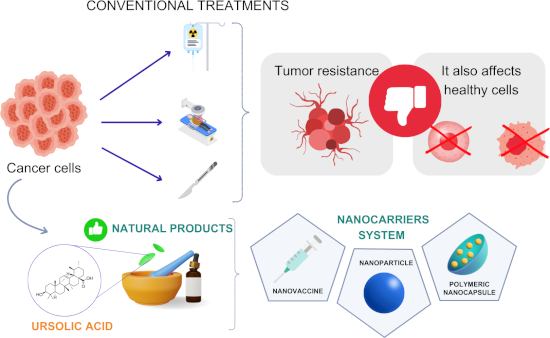
- spectroscopy, TEM, DLS, X-ray diffraction (XRD), and Fourier-transform infrared (FTIR) spectroscopy, revealing a polygonal or oval morphology. To evaluate the antitumor effects, cytotoxicity assays, cellular uptake assays, apoptosis detection, ROS production, qRT-PCR, and Western blotting for gene and protein


Synthesis and antibacterial properties of nanosilver-modified cellulose triacetate membranes for seawater desalination
Beilstein J. Nanotechnol. 2025, 16, 1380–1391, doi:10.3762/bjnano.16.100
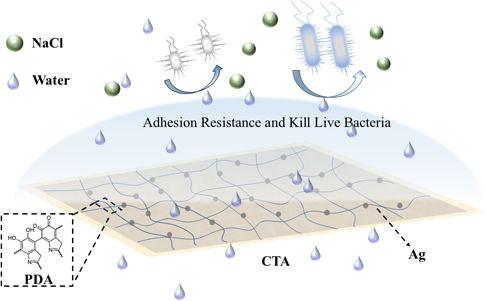
- and Discussion Structure of membrane material To verify the target structure of the synthesized material, Fourier-transform infrared spectroscopy (FTIR) and nuclear magnetic resonance spectroscopy (NMR) were conducted, with the spectra depicted in Figure 1 and Figure 2, respectively. The FTIR bands


Deep-learning recognition and tracking of individual nanotubes in low-contrast microscopy videos
Beilstein J. Nanotechnol. 2025, 16, 1316–1324, doi:10.3762/bjnano.16.96
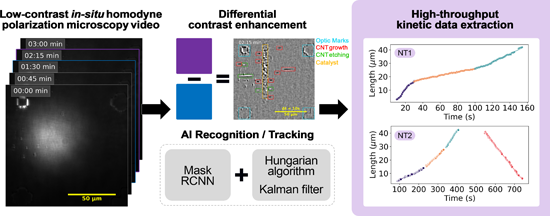
- localization precision of the optical setup is 0.33 µm. Frames were then aligned using a template matching algorithm from the OpenCV Python library. Shade correction was applied to compensate for uneven illumination caused by the optics. Residual noise was reduced using fast Fourier transform (FFT) band-pass


Functional bio-packaging enhanced with nanocellulose from rice straw and cinnamon essential oil Pickering emulsion for fruit preservation
Beilstein J. Nanotechnol. 2025, 16, 1234–1245, doi:10.3762/bjnano.16.91
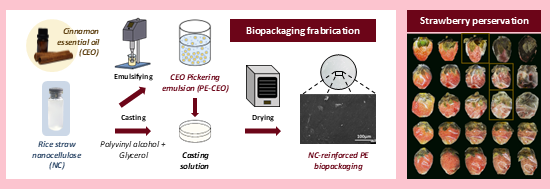
- cast onto a mold and dried at 70 °C for 12 h. All concentrations were based on the mass of PVA. Characterization Physicochemical properties Fourier transform infrared spectroscopy (FTIR) spectra were recorded in the range of 4000–500 cm−1 using a Bruker ALPHA II spectrometer (Germany) at a spectral



Chitosan nanocomposite containing rotenoids: an alternative bioinsecticidal approach for the management of Aedes aegypti
Beilstein J. Nanotechnol. 2025, 16, 1197–1208, doi:10.3762/bjnano.16.88
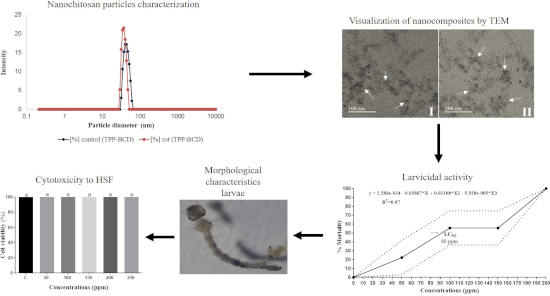
- between the rotenoids and the nanocomposite matrix was obtained through Fourier-transform infrared (FTIR) spectroscopy. Figure 3A shows the FTIR spectra of CS/TPP-β-CD, CS/TPP-β-CD loaded with rotenoids (CS/TPP-β-CD-rot), and pure rotenoids. All three spectra display a broad absorption band in the 3600
- ). The same equipment was used to determine the zeta potential (ζ, in mV) of the nanoparticles under the following conditions: 25 °C operating temperature, an applied voltage of 200 V, and a total of 1,000 processed runs. Fourier-transform infrared spectroscopy The chemical structure of empty