


Search results
Search for "PEGylation" in Full Text gives 35 result(s) in Beilstein Journal of Nanotechnology.
Influence of surface characteristics on the in vitro stability and cell uptake of nanoliposomes for brain delivery
Beilstein J. Nanotechnol. 2026, 17, 139–158, doi:10.3762/bjnano.17.9
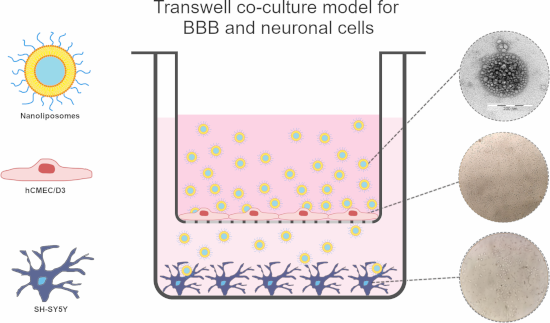
- ) after their incubation in cell culture medium with and without serum for a period of 1 and 4 h. It is well known that PEGylation plays a critical role in modulating the formation and composition of the protein corona on nanoparticles by introducing a steric barrier that reduces and selectively alters
- onto the surface, which probably act as a barrier and prevent the access of cholesterol to the cellular structures. It is also important to mention that PEGylation can prevent or reduce but does not totally exclude the protein binding to the NL surface. Additionally, excessive PEGylation may contribute




PEGylated lipids in lipid nanoparticle delivery dynamics and therapeutic innovation
Beilstein J. Nanotechnol. 2025, 16, 1914–1930, doi:10.3762/bjnano.16.133
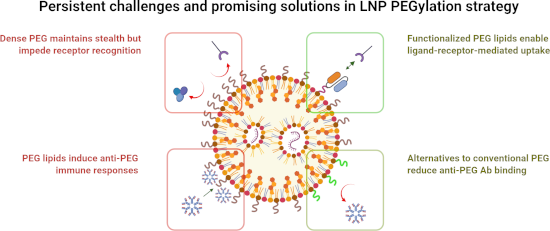
- address PEGylation associated immunogenicity. By conducting a critical analysis of the recent literature and identifying potent candidates for PEGylation strategies or PEG-free platforms, this review aims to provide insights and support the advancement of LNP mediated delivery. Keywords: functionalized
- ]. Because of these benefits, incorporating PEG lipids into LNP formulations has become a useful strategy for improving the colloidal stability of nanoparticles, facilitating their distribution throughout the body, and enhancing therapeutic effectiveness. However, this PEGylation strategy is not without
- challenges; for instance, it can lead to faster immune clearance upon repeated dosing [5]. These characteristics highlight the critical role of PEG lipids in achieving a balance between stability and functionality in LNP formulations [6]. To overcome persistent challenges and extend the utility of PEGylation


Exploring the potential of polymers: advancements in oral nanocarrier technology
Beilstein J. Nanotechnol. 2025, 16, 1751–1793, doi:10.3762/bjnano.16.122
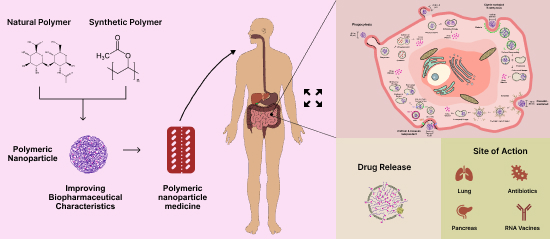
- , the addition of chelating agents, PEGylation, and lactose conjugation, which target specific functionalities to improve performance as a drug carrier [128][129][130]. Chitosan nanoparticles have been modified to overcome limitations associated with the delivery of hydrophobic and unstable drugs, such


Advances of aptamers in esophageal cancer diagnosis, treatment and drug delivery
Beilstein J. Nanotechnol. 2025, 16, 1734–1750, doi:10.3762/bjnano.16.121
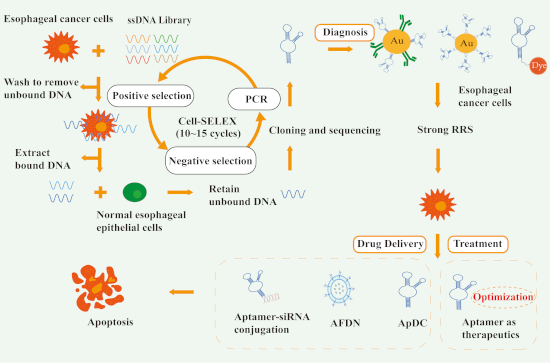
- tumor targeting; and (4) PEGylation of aptamers, where polyethylene glycol (PEG) is covalently linked to aptamers, typically via amino, thiol, or carboxyl groups introduced at the 5′ or 3′ end (Figure 5). This PEGylation increases the molecular weight of the drug complex, potentially exceeding the renal


Ferroptosis induction by engineered liposomes for enhanced tumor therapy
Beilstein J. Nanotechnol. 2025, 16, 1325–1349, doi:10.3762/bjnano.16.97
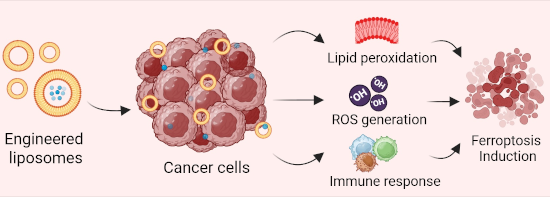
- polyethylene glycol (PEG). PEGylation can significantly improve liposome stability, prolong circulation time and reduce clearance through the reticuloendothelial system [118][127]. PEGylated liposomes, also known as stealth liposomes, have been shown to have a higher drug loading capacity and better
- designed to reduce systemic toxicity, some formulations, particularly cationic liposomes, can be cytotoxic to macrophages and disrupt immunomodulatory signaling. Liposomal immunogenicity depends on factors like surface charge, size, and PEGylation, with positively charged liposomes often triggering


Better together: biomimetic nanomedicines for high performance tumor therapy
Beilstein J. Nanotechnol. 2025, 16, 1246–1276, doi:10.3762/bjnano.16.92
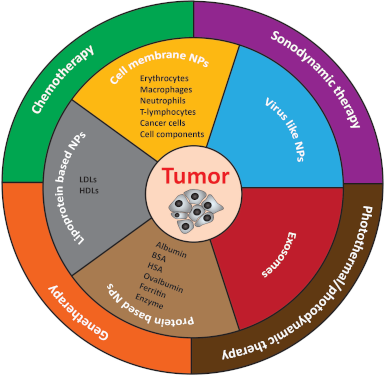
- ]. In that study, a PEGylated-lipid nanoparticle (PEG-liposome) with a mesoporous silica nanoparticle core (LM) was prepared, and then the nanosystem was coated with CCM (CCM@LM). The biomimetic nanomedicine showed high internalization in a way similar to an enveloped virus. The PEGylation of the inner






Synthetic-polymer-assisted antisense oligonucleotide delivery: targeted approaches for precision disease treatment
Beilstein J. Nanotechnol. 2025, 16, 435–463, doi:10.3762/bjnano.16.34

- controlled release through disulfide bond cleavage [139]. Following dendrimer PEGylation (PEG5000 modified with a synthetic luteinizing-hormone-releasing hormone (LHRH) analogue) provided greater particle stability and active targeting to specific cancer cells, which led to increased intratumoral
- further be reduced through PEGylation, which offers significant advantages by addressing common limitations of dendrimer-based systems such as drug leakage, immunogenicity, and poor ASO solubility [144]. Patil et al. demonstrated that PAMAM-b-PEG3000-b-PLL–siRNA triblock copolymers exhibited reduced


Radiosensitizing properties of dual-functionalized carbon nanostructures loaded with temozolomide
Beilstein J. Nanotechnol. 2025, 16, 229–251, doi:10.3762/bjnano.16.18
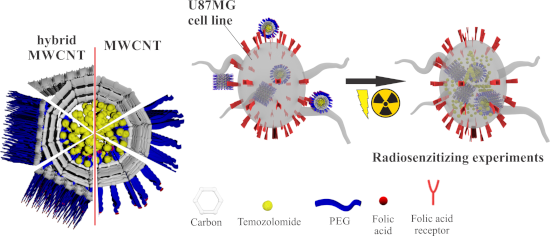
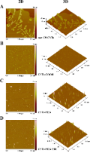
- 222 nm, respectively (Table 1). The most significant changes in the particle size was observed after covalent PEGylation (increase to 231 and 322 nm, respectively). The larger mean particle size observed for covalently modified CNs vs non-covalently modified ones supports the assumption of a higher
- graphene sheets, formed by interactions between the hydrophobic regions of graphene and the side walls of MWCNTs. Also, in the SEM and TEM images of TMZ-loaded non-modified CNs, entrapment of TMZ into the tubes and wrapping around the CNs was visible [43]. In the present study, the covalent PEGylation and
- of Wang et al. [25], formulations made of TMZ-loaded and FA-functionalized GO provided pH-dependent and controlled TMZ release, and the favorable release profile was further confirmed in vivo by successful inhibition of glioma growth. In our previous study [43], in which non-covalent PEGylation of




Nanocarriers and macrophage interaction: from a potential hurdle to an alternative therapeutic strategy
Beilstein J. Nanotechnol. 2025, 16, 97–118, doi:10.3762/bjnano.16.10
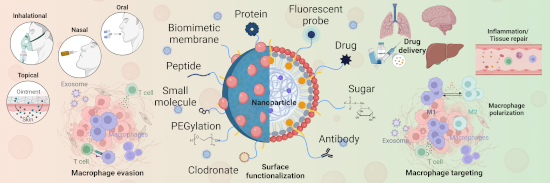
- surface with hydrophilic polymers such as PEG. PEGylation is widely used for its “stealth” effect, hindering protein adsorption on the hydrophobic polymer surface by steric repulsion [36]. However, the long-term use of PEGylated NCs for treating chronic diseases can lead to side effects, such as
- activation of the complement system, due to the accumulation of PEG in the body as a non-biodegradable polymer. Therefore, PEGylation must be carefully considered when designing NC-based therapies [49][50]. A strategy to avoid possible immunoreactions is to mask NPs by marking them as “self” and biomimetic


Polymer lipid hybrid nanoparticles for phytochemical delivery: challenges, progress, and future prospects
Beilstein J. Nanotechnol. 2024, 15, 1473–1497, doi:10.3762/bjnano.15.118
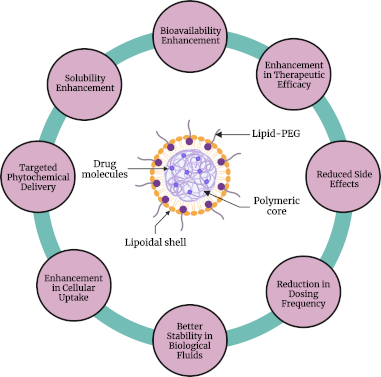
- PLHNPs. Another surface modification strategy involves the addition of stealth coatings, such as PEG, to the nanoparticle surface. A schematic representation for the development of PEGylated PLHNPs is depicted in Figure 4A. PEGylation involves attaching PEG chains to the surface of the nanoparticles
- . This modification provides several advantages. PEGylation increases the stability of the PLHNPs in biological fluids by preventing aggregation and reducing protein adsorption. It also extends the circulation time of nanoparticles in the bloodstream by reducing immune system recognition and clearance
- minimizes the interaction with blood components and immune cells. This reduces the risk of immune reactions and increases the half-life of the nanoparticles in the body. Additionally, PEGylation can improve the solubility of hydrophobic drugs, facilitating their delivery. The hybrid structure of these


Recent updates in applications of nanomedicine for the treatment of hepatic fibrosis
Beilstein J. Nanotechnol. 2024, 15, 1105–1116, doi:10.3762/bjnano.15.89
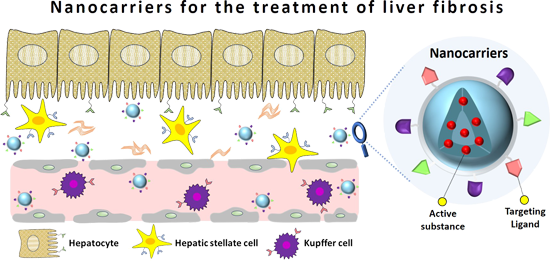
- decoration with polyethylene glycol (PEG) may minimalize the uptake of nanocarriers by Kupffer cells, and such PEGylated nanocarriers are likely taken up by hepatocytes [36][37][38][39]. Besides augmenting hydrophilicity through PEGylation, stealth properties could be endowed to the nanocarriers through a


Vinorelbine-loaded multifunctional magnetic nanoparticles as anticancer drug delivery systems: synthesis, characterization, and in vitro release study
Beilstein J. Nanotechnol. 2024, 15, 256–269, doi:10.3762/bjnano.15.24
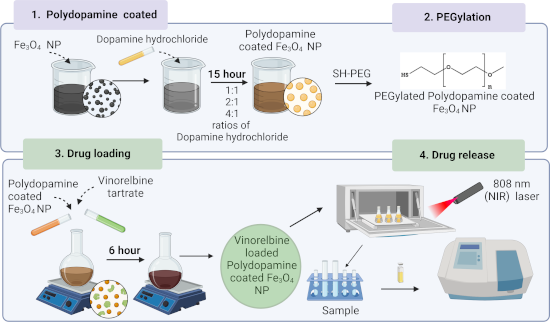
- laser-driven photothermal agent [25]. However, it is challenging to completely eradicate solid tumors using PTT alone because of light scattering and limited absorption in tumor tissues. For this purpose, various modifications have been employed for passive tumor targeting. PEGylation, which involves
- the use of poly(ethylene glycol) (PEG) polymer, is a widely used modification method to improve passive tumor targeting and retention [26][27][28]. In a study presented in the literature, PEGylation was used to impart passive tumor targeting properties to PDA nanoparticles. In in vivo experiments
- where the synthesized nanostructure was exposed to NIR light, SN38-loaded nanoparticles effectively suppressed tumor growth chemotherapeutically and photothermally [29]. This promising result highlights the potential of the PEGylation of PDA nanoparticles for advanced cancer treatment strategies


Nanotechnology – a robust tool for fighting the challenges of drug resistance in non-small cell lung cancer
Beilstein J. Nanotechnol. 2023, 14, 240–261, doi:10.3762/bjnano.14.23
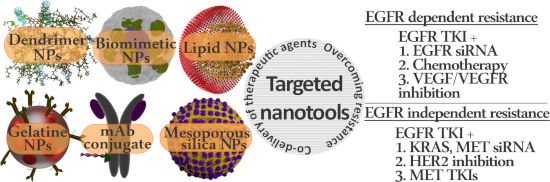
- lipid carriers based on ionizable lipids with pKa values between 6 and 7. OnpattroTM is the first RNAi therapy used for liver-based gene silencing approved by the FDA and EC and is a SNALP transfection system based on transient PEGylation. The lipid components of these benchmark LNPs for siRNA and mRNA
- targeting. Transient PEGylation facilitates not only the localization and interaction with the target cell but also improves ion pair formation between the ionizable lipid (which will become cationic at pH 4) and the anionic endogenous endosomal phospholipids. This will enable the fast release of the


The role of deep eutectic solvents and carrageenan in synthesizing biocompatible anisotropic metal nanoparticles
Beilstein J. Nanotechnol. 2021, 12, 924–938, doi:10.3762/bjnano.12.69
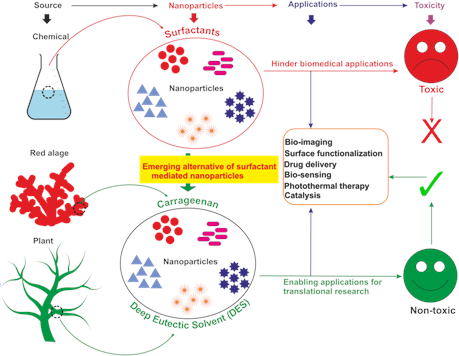
- et al. illustrated the successful reduction of cytotoxicity of gold nanorods using organothiol compounds, namely 11-mercaptoundecaonic acid (MUDA) and 3-animo-5-mercapto-1,2,4-triazole (AMTAZ) [61]. PEGylation of gold nanorods is considered as a safe coating for alleviating the toxicity of CTAB
- and phagocytosis and ultimately leads to prolonged blood circulation with enhanced retention and permeability of the nanorods. Apart from PEGylation, phosphatidylcholine has also been used as a coating agent for reducing the toxicity of CTAB-capped gold nanorods [64]. In vivo toxicity of anisotropic


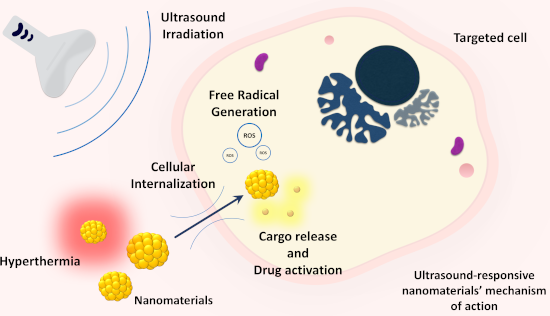
Comprehensive review on ultrasound-responsive theranostic nanomaterials: mechanisms, structures and medical applications
Beilstein J. Nanotechnol. 2021, 12, 808–862, doi:10.3762/bjnano.12.64


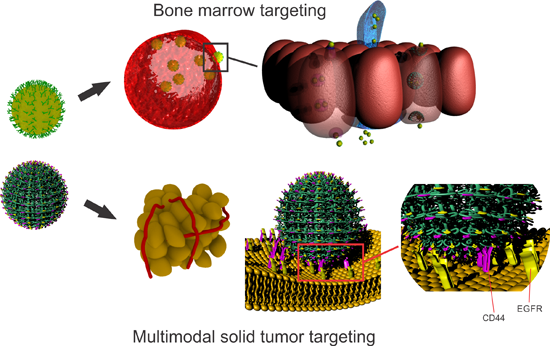
The impact of molecular tumor profiling on the design strategies for targeting myeloid leukemia and EGFR/CD44-positive solid tumors
Beilstein J. Nanotechnol. 2021, 12, 375–401, doi:10.3762/bjnano.12.31


Differences in surface chemistry of iron oxide nanoparticles result in different routes of internalization
Beilstein J. Nanotechnol. 2021, 12, 270–281, doi:10.3762/bjnano.12.22
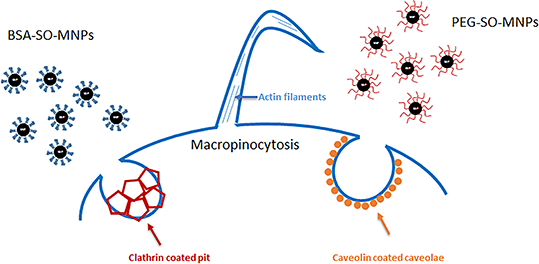
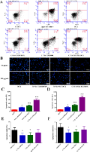
- three times that of BSA-SO-MNPs (281 nm vs 98 nm, respectively) due to absorption of serum proteins on the particle surface [40]. Although PEGylation decreases the protein absorption on the particle surface, it does not completely prevent it [41]. BSA is a component of serum proteins and commonly


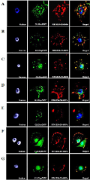

PEG/PEI-functionalized single-walled carbon nanotubes as delivery carriers for doxorubicin: synthesis, characterization, and in vitro evaluation
Beilstein J. Nanotechnol. 2020, 11, 1728–1741, doi:10.3762/bjnano.11.155
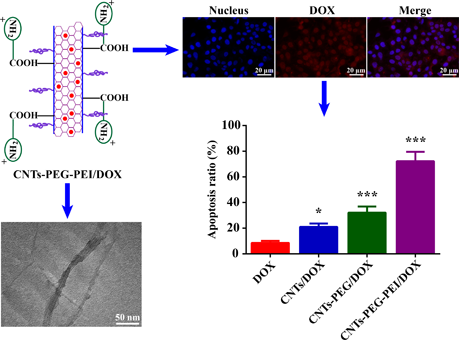
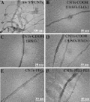
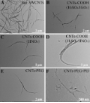
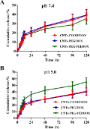
- 8B). This is attributed to the fact that PEGylation and amino functionalization could be significant in facilitating the dispersion of nanotubes and decreasing their aggregation, which protects the CNT carriers from interaction with plasma protein components. This enhanced stability will favor




Key for crossing the BBB with nanoparticles: the rational design
Beilstein J. Nanotechnol. 2020, 11, 866–883, doi:10.3762/bjnano.11.72
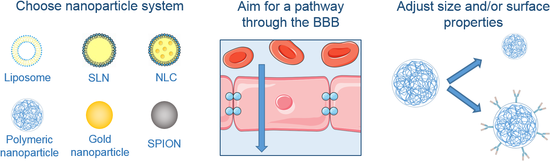
- to the disruption of the cell membranes [141][142][143]. Pegylation Pegylation of nanoparticles increases their circulation time by granting them “stealth” properties, thus increasing their residence time in brain microvessels and their brain delivery [144]. Pegylation alone does not allow


Brome mosaic virus-like particles as siRNA nanocarriers for biomedical purposes
Beilstein J. Nanotechnol. 2020, 11, 372–382, doi:10.3762/bjnano.11.28
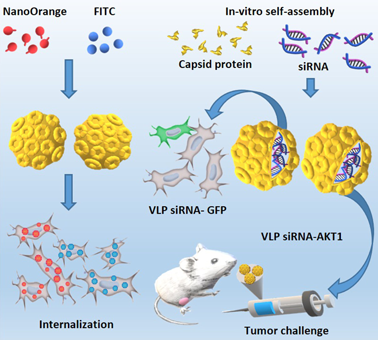
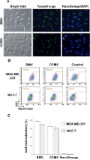
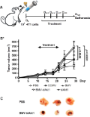
- protein immunogenicity [46]. Although the PEGylation of CCMV capsids (CCMV-PEG) greatly reduced the immunogenic response, BMV seems to be a better nanocarrier candidate due to its low immunological response. On the other hand, and despite of the immunogenicity of CCMV, which can limit its use for certain


Rational design of block copolymer self-assemblies in photodynamic therapy
Beilstein J. Nanotechnol. 2020, 11, 180–212, doi:10.3762/bjnano.11.15
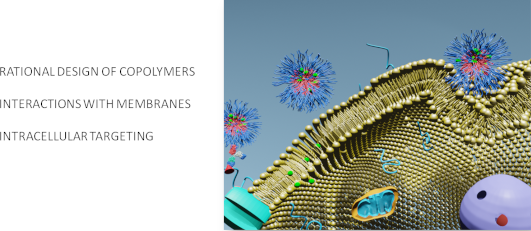
- reactive amine bonds. Not all of the lysine units should be modified to guarantee water solubility and enzymatic activation [83]. PEGylation could also improve solubility, but it was also proved to be detrimental regarding quenching [84]. More recently, polysaccharides based on chitosan or heparin have
- group was shown to be cleaved by azoreductase under hypoxic conditions [149], the observed stronger cellular penetration [75] was explained by a de-PEGylation of the vector upon contact with the hypoxic tissues. PS positioning Since PDT relies on the local production of ROS to kill the diseased cells






Mannosylated brush copolymers based on poly(ethylene glycol) and poly(ε-caprolactone) as multivalent lectin-binding nanomaterials
Beilstein J. Nanotechnol. 2019, 10, 2192–2206, doi:10.3762/bjnano.10.212
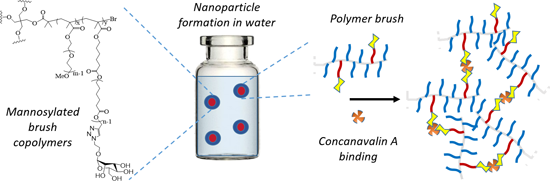
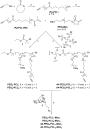
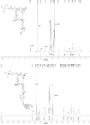
- polymer that does not promote immune responses. Pegylation reduces the nonspecific binding of nanoparticles to blood proteins and macrophages, making them non-immunogenic and non-antigenic [21]. PEG-PCL copolymers are amphihilic materials that can spontaneously assemble in aqueous media, forming colloidal



Enhanced inhibition of influenza virus infection by peptide–noble-metal nanoparticle conjugates
Beilstein J. Nanotechnol. 2019, 10, 1038–1047, doi:10.3762/bjnano.10.104
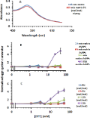
- sulfoxide (DMSO). Although a useful solvent, its use in therapies is problematic due to DMSO causing potential adverse reactions in some individuals such as a sensation of burning, vesiculation, dryness of skin and local allergic reactions [34][35][36]. PEGylation of peptides has been successfully used to




The systemic effect of PEG-nGO-induced oxidative stress in vivo in a rodent model
Beilstein J. Nanotechnol. 2019, 10, 901–911, doi:10.3762/bjnano.10.91
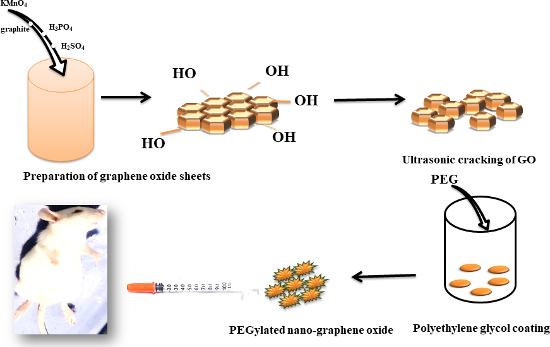
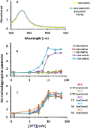
- polyethylene glycol (PEG). PEGylation of nGO was confirmed by Fourier-transform infrared spectroscopy (FTIR), UV spectroscopy and TEM. The average size distribution of nGO and PEG-nGO was determined by using dynamic light scattering (DLS). Subsequently, an in vivo study measuring a marker for oxidative stress
- increased OS even after 4 h. In conclusion increased OS induced by PEG-nGO could be detrimental to brain, heart and kidneys. Keywords: nano-graphene oxide; nanomedicine; oxidative stress; PEGylation; Introduction The recent progress in nanoscience and nanotechnology that has facilitated the synthesis of
- graphite powder, potassium permanganate, phosphoric acid (85%), sulfuric acid (98%), and hydrogen peroxide (30%). Polyethylene glycol (PEG) was used for PEGylation. Thiobarbituric acid (TBA, 0.6%), and trichloroacetic acid (TCA, 20%) were used to estimate the malondialdehyde (MDA) level, sodium phosphate


Fabrication of photothermally active poly(vinyl alcohol) films with gold nanostars for antibacterial applications
Beilstein J. Nanotechnol. 2018, 9, 2040–2048, doi:10.3762/bjnano.9.193
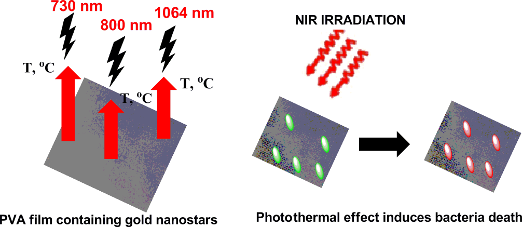
- surfactants, they were coated with either SH-PEG5000–OCH3 or SH-PEG5000–COOH before being incorporated in the PVA matrix, as PEGylation of gold nanostars leads to enhanced stability [9][10] and complete surfactant removal [6][8].The aqueous solutions of PEGylated GNSs were prepared with 0.6 mg/mL Au
- information about GNS synthesis and PEGylation, PVA film preparation and all measurements is provided in the Experimental section. Using the solvent casting method we obtained uniform films with a thickness of 90 ± 15 μm. The extinction spectra of PEGylated GNS solutions and the PVA-GNS film are shown in
- temperature.
PEGylation of gold nanostars
As described in [10], PEGylation of GNSs was carried out by simultaneously adding of 200 μL of a 10−3 M of aqueous solution of SH-PEG–OCH3 (
= 5000 g/mol) to 10 mL of a GNS solution prepared as described above. The obtained solution was allowed to equilibrate for





