Search results
Search for "Rh" in Full Text gives 140 result(s) in Beilstein Journal of Nanotechnology.
Oxidative atmosphere-driven formation of single-phase spinel CuRh2O4 nanofibers for alkaline water oxidation
Beilstein J. Nanotechnol. 2026, 17, 737–743, doi:10.3762/bjnano.17.50
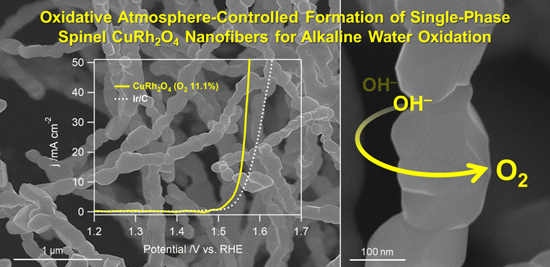
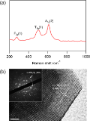
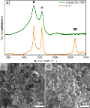
- (IMMS), Ewha Womans University, Seoul 03760, Republic of Korea 10.3762/bjnano.17.50 Abstract Cu–Rh bimetallic single-phase spinel oxide nanofibers were synthesized via electrospinning followed by post-annealing in precisely controlled oxidative environments. By systematically tuning the O2
- versatile strategy for performance optimization. Incorporation of 4d transition metals such as Rh into the spinel lattice provides an effective approach to further tailor catalytic properties. The presence of Rh3+ [4][5], with its more delocalized electronic structure compared to conventional 3d cations
- secondary phases (e.g., CuO or Cu2O) [11]. Thus, establishing an atmosphere-controlled synthesis route is critical for producing single-phase Cu-containing spinel oxides with reliable and optimized electrocatalytic properties. Herein, we demonstrate the synthesis of Cu–Rh bimetallic single-phase spinel




Recent progress in enhancing built-in electric fields of perovskite solar cells via junction engineering
Beilstein J. Nanotechnol. 2026, 17, 602–621, doi:10.3762/bjnano.17.42
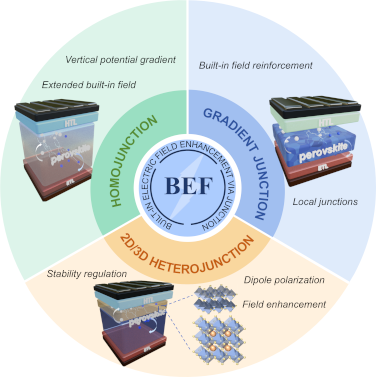
- . Additionally, it reduces trap-state capture, forming a dual-pathway mechanism that improves overall device performance. This results in better interfacial energy-level alignment and reduced interfacial recombination, increasing the PCE from 16.20% to 19.25%. Under aging conditions of 25 °C and 30% RH for 30
- 17.50% to 19.50%. The CMA post-treatment controlled the aging attenuation of carbon-based mesoporous devices at 8% after 150 days in air at 25 °C and 40% RH. Although the aforementioned strategies optimize energy-level modulation and carrier transport at different scales, they still impose stringent
- reduces well state capture through defect passivation, remaining at 93% at room temperature for 5000 h and 85% RH/85 °C. In junction engineering for high-performance PSCs, addressing both interfacial and bulk modulation during the design stage can establish a stronger internal driving field within the



Advancing nanolithography: a comprehensive review of materials for local anodic oxidation with AFM
Beilstein J. Nanotechnol. 2026, 17, 275–291, doi:10.3762/bjnano.17.19
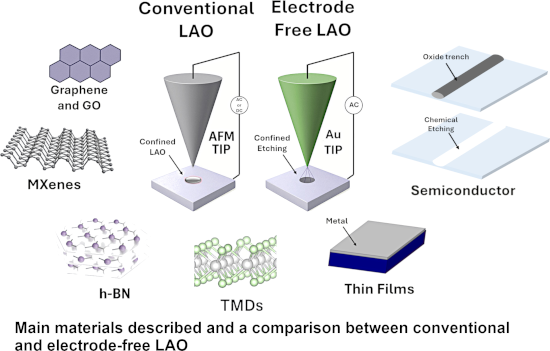
- advantages and limitations. 2.2 Factors influencing oxidation The effectiveness and precision of LAO depend strongly on ambient humidity, which governs formation and size of the water meniscus. Optimal relative humidity (RH) between 35% and 55% ensures reproducible oxidation, while higher humidity enlarges
- the meniscus and broadens oxide lines. Conversely, lower humidity reduces meniscus volume and enables narrower, better-defined features. Although RH of 35–55% is widely used for Si and other common substrates, the optimal range can shift depending on the substrate surface chemistry, hydrophilicity
- . The degree of oxidation increases with higher RH, which enhances the size and reactivity of the water meniscus. The structural and electronic behavior of graphene during LAO is influenced by its layer stacking. As pointed out by Liou and coworkers [20], the inherently 2D nature of these materials


Comparative study on 3D morphologies of delignified, single tracheids and fibers of five wood species
Beilstein J. Nanotechnol. 2026, 17, 239–250, doi:10.3762/bjnano.17.16
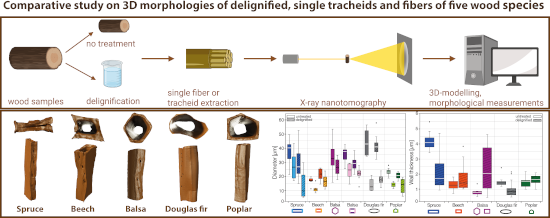
- mechanically separated from the delignified bulk samples without damaging them using fine tweezers and glued on top of conical sample holders using polyvinyl siloxane (President Light Body, Coltene, Altstätten, Switzerland). The dry fibers and tracheids were imaged (at 22.5 °C and 25% RH) using the X-ray


Quantitative estimation of nanoparticle/substrate adhesion by atomic force microscopy
Beilstein J. Nanotechnol. 2026, 17, 1–14, doi:10.3762/bjnano.17.1

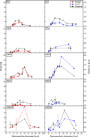
- humidity (RH) and a temperature of 25 °C, whereas the D-LFC method measurements were performed at 40% RH and a temperature of 18 °C. All measurements were taken with a scan angle of 90° with respect to the long axis of the cantilever, and the z-scale used in Gwyddion for data analysis was set to 14 nm



Ultrathin water layers on mannosylated gold nanoparticles
Beilstein J. Nanotechnol. 2025, 16, 2183–2198, doi:10.3762/bjnano.16.151
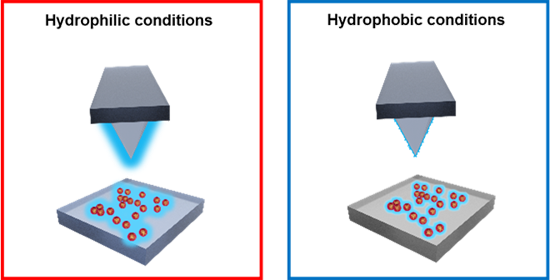
- inorganic surfaces, usually modified with organic layers, and probed by Fourier-transform infrared spectroscopy (FTIR), vibrational sum frequency generation (VSFG), and atomic force microscopy (AFM). For VSFG and AFM, we systematically varied the relative air humidity (RH). DLS and ZP yield particle size
- measurements [24]. They form stable and well-defined organic layers on oxides, for example, on oxidized silicon wafers or glass, where surface charge and hydrophilicity are controlled by selecting the appropriate end groups. We combined all the methods mentioned to carry out AFM at variable RH levels in our
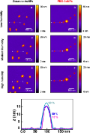
- dominant driver of particle motion, and strong particle–substrate interactions may lead to particle attachment before they are transported to the contact line, thereby preventing the formation of a “coffee ring” [34]. Detailed height measurements of adsorbed particles in water vapor AFM under variable RH



Electrical, photocatalytic, and sensory properties of graphene oxide and polyimide implanted with low- and medium-energy silver ions
Beilstein J. Nanotechnol. 2025, 16, 1794–1811, doi:10.3762/bjnano.16.123
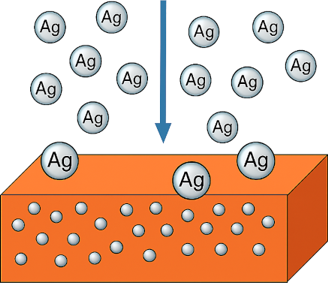
- (controlled in the range of 5–60% RH) was maintained by blending moist and dry air, monitored using a BME 280 pressure/humidity/temperature sensor. The electrical properties of the implanted and pristine samples were studied by the standard two-point method, where the sheet resistance was measured using a


Beyond the bilayer: multilayered hygroscopic actuation in pine cone scales
Beilstein J. Nanotechnol. 2025, 16, 1695–1710, doi:10.3762/bjnano.16.119
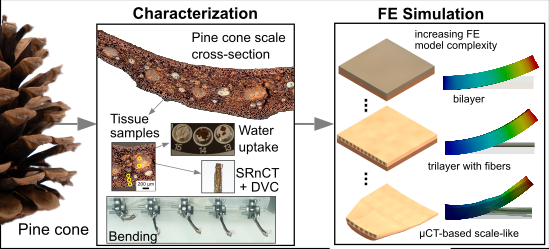
- , the brown tissue, and the sclerenchyma fibers of a Pinus wallichiana pine cone scale. However, as their water uptake measurements consisted of only one measurement per tissue, being limited to the range of 30–80% RH, and their equilibrium criterion being one hour of exposure instead of a mass change
- weighed every 20 min until all samples reached equilibrium. Equilibrium was defined as a change of mass of less than 0.01% over a period of 40 min. The 0% RH climate step was maintained for at least 96 h to ensure an equilibrium when measuring the dry mass of the samples. During the measurements, an error
- keV [32]. For the in situ nano-holotomography, a climate chamber [33] was used to image the specimen in a moist (90% RH) and a dry (<3% RH) state. A binning factor of two was applied to the images. The phase retrieval was performed using the Holowizard framework [34][35]. The sample volumes were


Ambient pressure XPS at MAX IV
Beilstein J. Nanotechnol. 2025, 16, 1677–1694, doi:10.3762/bjnano.16.118
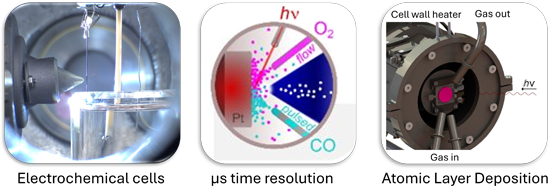
- precious metals such as Rh, Pd, and Pt [14][15]. Their atom-level dispersion maximizes surface exposure and minimizes metal consumption, which is critical for both economic and environmental sustainability. However, their inherently low site density and metastability under reaction conditions present





Insights into the electronic and atomic structures of cerium oxide-based ultrathin films and nanostructures using high-brilliance light sources
Beilstein J. Nanotechnol. 2025, 16, 860–871, doi:10.3762/bjnano.16.65

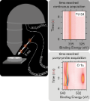
- of surface C or CO [38]. Resonant photoemission detected by a spectroscopic photoemission and low-energy electron microscope (SPLEEM) was also used to acquire local information on the oxidation degree of cerium in mixed zirconia–ceria nanostructures supported on a Rh(111) single crystal [39]. Figure
- in selected areas with sub-micrometer spatial resolution [55]. In addition, the morphology of zirconia–ceria mixed oxides supported on Rh(111) and the oxidation states of the two oxides, individually and in the mixed phase, were determined [39]. Studies at ambient pressure The identification of
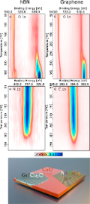
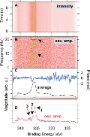
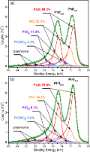
- extent of their spatial propagation, are extremely relevant questions in order to design materials with optimal efficiency. Valence band photoemission spectra of 1.3 MLE cerium oxide/Rh(111) as laid (a, b) and after annealing at 600 °C (c, d). Spectra (b) and (d) have been excited by a photon energy of


Aprepitant-loaded solid lipid nanoparticles: a novel approach to enhance oral bioavailability
Beilstein J. Nanotechnol. 2025, 16, 652–663, doi:10.3762/bjnano.16.50
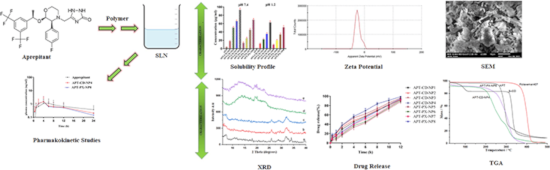
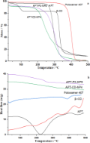
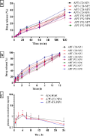
- . Stability studies For stability studies, the optimal sample APT-CD-NP4 was used. The samples were exposed to 40 °C/75% RH for 0, 1, 2, 3, and 6 months. Figure 7 shows the XRD patterns of the corresponding samples. Freshly prepared APT-CD-NP4 showed peaks at 2θ values of 6.95° (270), 7.4° (290), and 32.1
- APT would revert to the crystalline form from the SLN formulation. The optimal formulation APT-CD-NP4 (240 mg) was added to a glass vial and stored in a stability chamber (Hi-Tech, India) at 40 °C/75% RH for six months in total. PXRD studies were performed to analyze samples for any formulation change



Development of a mucoadhesive drug delivery system and its interaction with gastric cells
Beilstein J. Nanotechnol. 2025, 16, 371–384, doi:10.3762/bjnano.16.28

- isothiocyanate (FITC)-tagged alginate polymer was purchased and used (RuixiBiotech, China). Eudragit polymer was labeled with rhodamine B isothiocyanate (Rh-Eud polymer) as mentioned in Supporting Information File 1. The F-Alg nanoparticles were then coated with Rh-Eud polymer resulting in Rh-Eud-F-Alg NPs. To
- determine if the F-Alg nanoparticles were coated with Rh-Eud polymer, the fluorescence spectra of F-Alg NPs, Rh-Eud-F-Alg NPs, and Rh-Eud suspension, which did not contain F-Alg NPs, were obtained. The nanoparticles were excited at the excitation wavelength of F-Alg NPs (λex = 490 nm), and the emission
- spectra of the samples were scanned between 515 and 595 nm. F-Alg nanoparticles revealed maximum emission at 530 nm, while the Rh-Eud suspension without F-Alg NPs did not show emission. However, when Rh-Eud-F-Alg NPs were excited at 490 nm, peaks were observed at both 530 and 575 nm (Supporting


A review of metal-organic frameworks and polymers in mixed matrix membranes for CO2 capture
Beilstein J. Nanotechnol. 2025, 16, 155–186, doi:10.3762/bjnano.16.14
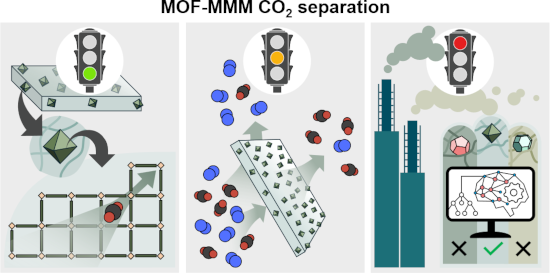
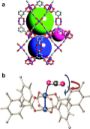
- humidity (RH), chemisorption of CO2 resulted in ammonium carbamate (RNHCOO−+H3NR) species formation, and the adsorption capacity remained at 1.2 mmol CO2·g−1 [53]. 3 Integration of MOFs in MMMs 3.1 General consideration for MMMs The concept of MMMs dates back to the 1860s [16][69] and the need to




Nanotechnological approaches for efficient N2B delivery: from small-molecule drugs to biopharmaceuticals
Beilstein J. Nanotechnol. 2024, 15, 1400–1414, doi:10.3762/bjnano.15.113

- al. reported the encapsulation of ropinirole hydrochloride (RH), an anti-Parkinson drug, into chitosan-coated PLGA NPs by the nanoprecipitation method to enhance drug delivery through the nasal mucosa. The researchers assessed the mucoadhesive properties by observing the ability of the NPs to adsorb
- mucin. While the presence of the mucin did not significantly alter the negative surface charge of the PLGA NPs, the more negative zeta potential values of the PLGA-chitosan NPs showed that there was an interaction with mucin. Following this, the RH-loaded NPs showed 3.22-fold enhanced drug permeation


Exploring surface charge dynamics: implications for AFM height measurements in 2D materials
Beilstein J. Nanotechnol. 2024, 15, 767–780, doi:10.3762/bjnano.15.64
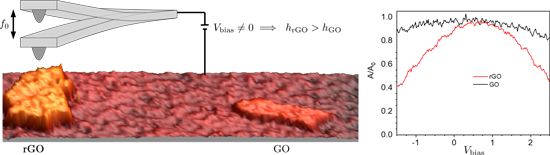
- waited for a minimum of 1 h until the humidity stabilized. The experiments were performed at room temperature and low relative humidity (RH < 10%) in a dry nitrogen atmosphere. Topography images were acquired in AM-AFM mode by using the oscillation amplitude as the topography feedback channel. To
- insulating substrates. In Figure 1, we present a stack of single-layer GO and rGO flakes co-deposited on SiO2, measured under N2 atmosphere (RH < 10%). Distinguishing between GO and rGO flakes based solely on the topography image proves to be challenging, as both materials exhibit similar heights. Therefore
- conducted at RH < 10% to minimize any potential influence of this effect, although no significant differences were observed compared to measurements at 45% RH. Additionally, KPFM operation does not seem to play a crucial role in this specific situation (see Supporting Information File 1, section SI.2


Potential of a deep eutectic solvent in silver nanoparticle fabrication for antibiotic residue detection
Beilstein J. Nanotechnol. 2024, 15, 426–434, doi:10.3762/bjnano.15.38
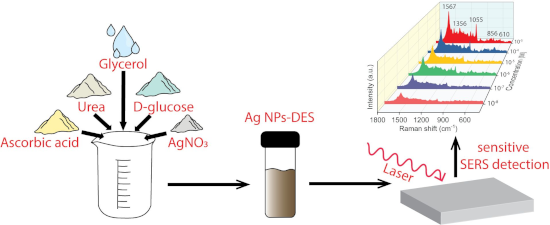
- the nanostructure and surface morphology of the nanoparticles, as well as the elemental distribution of silver on the substrate, a S4800 field-emission scanning electron microscope purchased from Hitachi, Japan, and an M4 TORNADOPlus Micro X-ray fluorescence spectrometer with a Rh tube at 30 W micro


Classification and application of metal-based nanoantioxidants in medicine and healthcare
Beilstein J. Nanotechnol. 2024, 15, 396–415, doi:10.3762/bjnano.15.36
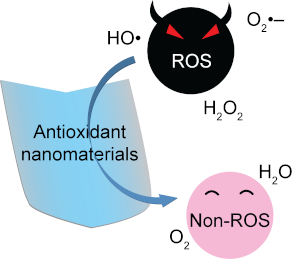
- capability to degrade reactive nitrogen species (RNS) are rare. In response, Miao et al. synthesized polyethylene glycol-coated ultrasmall rhodium nanodots (Rh-PEG NDs) for scavenging both ROS and RNS in order to decrease inflammation [106]. Rh-PEG NDs exhibited O2•–, HO•, NO•, ONOO–, and H2O2 scavenging


A wearable nanoscale heart sound sensor based on P(VDF-TrFE)/ZnO/GR and its application in cardiac disease detection
Beilstein J. Nanotechnol. 2023, 14, 819–833, doi:10.3762/bjnano.14.67
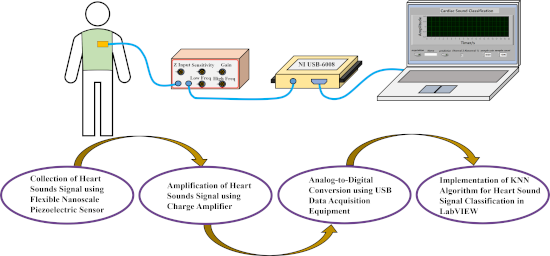
- electrospinning were controlled at 25 °C and 40% RH, respectively. Fabrication of wearable flexible nanoscale heart sound sensors Figure 2 illustrates the process of creating a wearable, flexible nanoscale heart sound sensor with a sandwich structure. First, a rectangular composite nanofilm measuring 4.5 cm in


Humidity-dependent electrical performance of CuO nanowire networks studied by electrochemical impedance spectroscopy
Beilstein J. Nanotechnol. 2023, 14, 683–691, doi:10.3762/bjnano.14.54
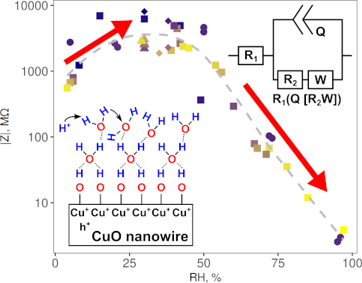
- , Riga, Latvia 10.3762/bjnano.14.54 Abstract Electrochemical impedance spectroscopy was applied for studying copper oxide (CuO) nanowire networks assembled between metallic microelectrodes by dielectrophoresis. The influence of relative humidity (RH) on electrical characteristics of the CuO nanowire
- -based system was assessed by measurements of the impedance Z. A slight increase of Z with increasing RH at low humidity was followed by a three orders of magnitude decrease of Z at RH above 50–60%. The two opposite trends observed across the range of the examined RH of 5–97% can be caused by water
- nanowires in combination with good electrical conductivity and thermoelectric power reaching 500 µV/K enables their application as p-type components for environmentally friendly thermoelectric devices [3][4]. Investigating the influence of relative humidity (RH) and understanding conductivity mechanisms in


A novel approach to pulsed laser deposition of platinum catalyst on carbon particles for use in polymer electrolyte membrane fuel cells
Beilstein J. Nanotechnol. 2023, 14, 190–204, doi:10.3762/bjnano.14.19
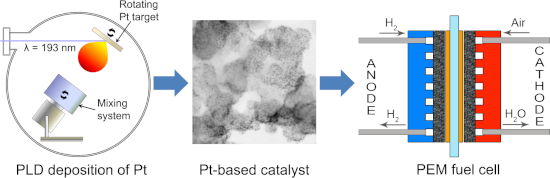
- , enough water to moisten the membrane. A self-propelling mechanism is created, but there are a low current, insufficient water in the diaphragm, a high internal diaphragm resistance, and a power drop. The attempt to support the cell by increasing the cathode hydration (to about 125% RH) did not improve



Liquid phase exfoliation of talc: effect of the medium on flake size and shape
Beilstein J. Nanotechnol. 2023, 14, 68–78, doi:10.3762/bjnano.14.8
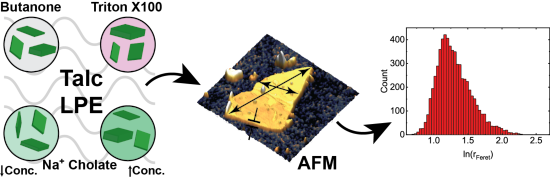
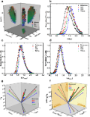
- the authors who also use some of the methodology proposed by Chacham and colleagues [28], using AFM data we calculate three dimensionless aspect ratios: Next, we plotted the probability distributions of the logarithm of these aspect ratios, ln(rh), ln(rFeret), and ln(rMinF). Figure 3b–d shows the
- these components (Figure 3f) [26]. The arrows in Figure 3f emphasize the meaning of the ratios. The rh/rFeret axis correlates with the voluminosity of a flake, that is, a greater the value indicates a more three-dimensional shape of the sample. A greater value of the rFeret/rMinF axis indicates a more
- ribbon-shaped flake, that is, a more one-dimensional shape. Finally, greater values of the rMinF/rh axis indicate a more plate-shaped flake, that is, a more two-dimensional shape. The four media investigated here clearly produce samples with different shape characteristics. SC6 flakes are the most two



Two-step single-reactor synthesis of oleic acid- or undecylenic acid-stabilized magnetic nanoparticles by thermal decomposition
Beilstein J. Nanotechnol. 2023, 14, 11–22, doi:10.3762/bjnano.14.2
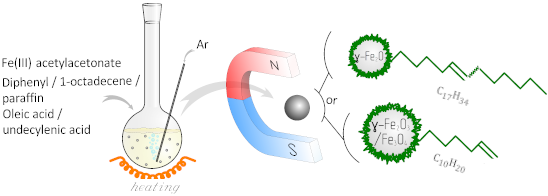
- investigated using a conventional transmission device with a Co source diffused into a Rh matrix. The hyperfine parameters were refined by using quadrupolar doublets and magnetic sextets with Lorentzian lines. The values of the isomer shift are quoted to that of α-Fe at room temperature (RT). Indeed, this
- technique is highly sensitive to the valence state of Fe species and thus enables the identification of magnetite and maghemite and the estimation of their respective proportions. Measurements were performed in a transmission geometry with a 925 MBq γ-source of 57Co/Rh mounted using a conventional constant


Studies of probe tip materials by atomic force microscopy: a review
Beilstein J. Nanotechnol. 2022, 13, 1256–1267, doi:10.3762/bjnano.13.104
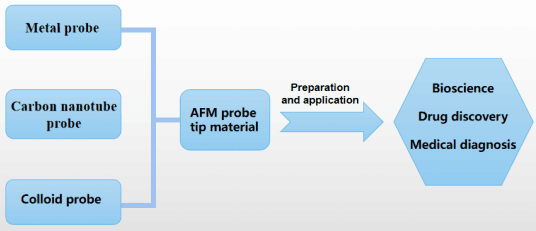
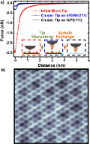
- ][24]. Jiménez-Sánchez et al. [25] studied the extraction of Ir clusters from graphene (by indentation) on the surface of Rh(111) to fabricate AFM sharp nano-tips, i.e., with weak van der Waals interactions. Experiments were performed under ultrahigh pressure and low temperature (5 K) conditions using
- bias-assisted electroreduced gold ions in mesoporous silica films on a conductive substrate. It works in the air with high relative humidity (RH) at room temperature and leads to the growth of fine wires attached to the tip with tens to hundreds of nanometers. Under room temperature conditions with
- high RH, the gold ions loaded in the specific substrate of the mesoporous silica layer are biased, and the gold ions therein migrate upward and accumulate at the tip site of the probe, forming gold nanowires. The length of the gold nanowires can be effectively tuned in the range of 10–100 nm with a
Application of nanoarchitectonics in moist-electric generation
Beilstein J. Nanotechnol. 2022, 13, 1185–1200, doi:10.3762/bjnano.13.99

- with permission from [81], Copyright 2020 American Chemical Society. This content is not subject to CC BY 4.0. (c) VOC variation upon exposure to air flow at different RH values, flow velocity: 15 cm·s−1. (d) VOC variation upon exposure to air flow with different velocities, RH: 99%. (e, f) Water
- . This content is not subject to CC BY 4.0. (a) RH at both sides of the membrane. H = 6 cm. (b) RH1 and RH2 as functions of H. ΔWC is the transmembrane water content difference. (c) VOC and Vid as functions of H. (d) Air flow (2.5 m·s−1)-enhanced power generation. (e) SEM image of the prepared ion


A chemiresistive sensor array based on polyaniline nanocomposites and machine learning classification
Beilstein J. Nanotechnol. 2022, 13, 411–423, doi:10.3762/bjnano.13.34
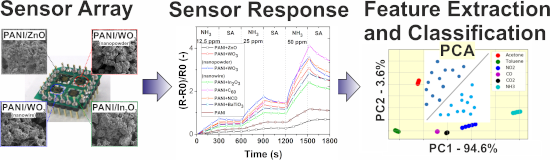
- multiplexor for switching four sensor elements, and a Labview-based data acquisition system. The sensing layers were tested towards carbon dioxide (250 ppm CO2), carbon monoxide (25 ppm), ammonia (25 ppm), nitrogen dioxide (25 ppm), acetone (6%), toluene (500 ppm) and humid air (RH) in synthetic air (SA) at
- arrays were exposed to various relative humidity levels ranging from 20% to 80% (Figure 10). The obtained results show a decreasing sensor response with increasing RH% value. This change in response toward relative humidity is due to the adsorption of water molecules and an increase of charge
- CO2, (e) 6000 ppm of acetone, and (f) 500 ppm of toluene at room temperature. The responses of sensing layers for different concentrations of NH3. Gas characterization of active layers to different concentrations of NH3 at 80 °C. The summary of the gas sensor responses for all active layers. RH