


Search results
Search for "aqueous solution" in Full Text gives 455 result(s) in Beilstein Journal of Nanotechnology. Showing first 200.
Ultrasonic irradiation in the synthesis of nanohydroxyapatite: a chemically friendly technique for improving hemocompatibility and antibiofilm applications
Beilstein J. Nanotechnol. 2026, 17, 991–1015, doi:10.3762/bjnano.17.68
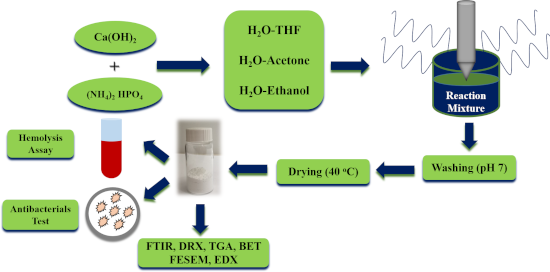
- the formation or dissolution of solids. For Ca(OH)2 in aqueous solution, this constant is 5.5 × 10⁻⁶ [63], which is significantly higher than the Ksp of CaCO3 (3.3 × 10⁻⁹) [63]. This marked difference explains why calcite forms preferentially at the expense of Ca(OH)2, as the latter is more soluble


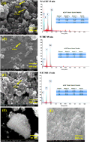


Supramolecular one-dimensional conducting nanofibers from a C3-symmetric tetrathiafulvalene derivative
Beilstein J. Nanotechnol. 2026, 17, 872–881, doi:10.3762/bjnano.17.63
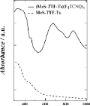
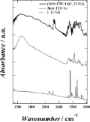
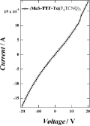
- , 1H), 3.85 (s, 3H), 2.43 (s, 6H); 13C NMR (100.6 MHz, CDCl3) δ 159.7, 132.0, 127.9, 127.1, 112.9, 109.4, 52.7, 19.2; MS (FAB) m/z: [M + H]+ calcd for C10H10O2S6, 353.90; found, 354. MeS-TTF-COOH (6) An aqueous solution of lithium hydroxide (82.0 mg, 1.95 mmol) was added to a solution of 5 (130.8 mg


Restorative potential of laser-synthesized silver nanoparticles with Salvia officinalis for periodontal disease treatment: an in vitro study
Beilstein J. Nanotechnol. 2026, 17, 781–795, doi:10.3762/bjnano.17.55
- ) in water in the concentration range of 5–500 μg·mL−1 was prepared. 5 μL of sample was injected and separation was performed on a Zorbax Eclipse XDB-C18 column (150 mm × 4.6 mm, 5 μm) at 35 °C. The components were eluted with a mobile phase based on a 0.1% aqueous solution of formic acid (A) and



Interface-engineered Caco-2 cell culture on a collagen-coated liquid–liquid interface in a microfluidic device
Beilstein J. Nanotechnol. 2026, 17, 760–768, doi:10.3762/bjnano.17.53
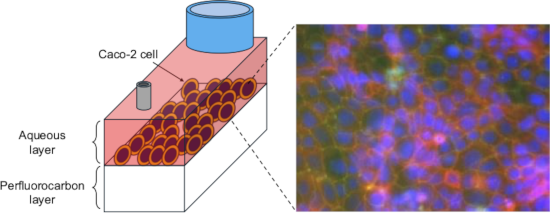
- microchannel with the perfluorocarbon liquid FC-43, followed by the introduction of an aqueous solution containing collagen (Figure 1B-ii). The effect of channel dimensions on the formation of the liquid–liquid interface was evaluated using the rectangular cuboid-shaped microfluidic device. First, channel
- on a liquid–liquid interface. The collagen-coated liquid–liquid interface was formed by sequentially perfusing collagen-containing aqueous solution into the microfluidic channel filled with perfluorocarbon FC-43. Caco-2 cells were successfully cultured on the interface by forming a monolayer, and


Two-step laser synthesis of Ag@TiO2 nanomaterials for the photocatalytic degradation of rhodamine B
Beilstein J. Nanotechnol. 2026, 17, 622–634, doi:10.3762/bjnano.17.43
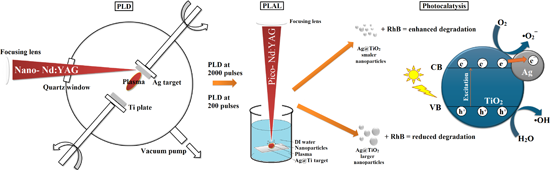
- irradiation time with the distinctive absorption peak of RhB at around 553 nm [29]. The photocatalytic capabilities of the synthesized materials were assessed by examining their capacity to degrade a 5 ppm aqueous solution of RhB, utilized as a model organic pollutant, for a time period of 300 min (Figure 8c


Synthesis of Cu–Mo/TiO2 and Co–Mo/TiO2 photocatalysts for the efficient degradation of organic pollutants in water
Beilstein J. Nanotechnol. 2026, 17, 559–570, doi:10.3762/bjnano.17.37
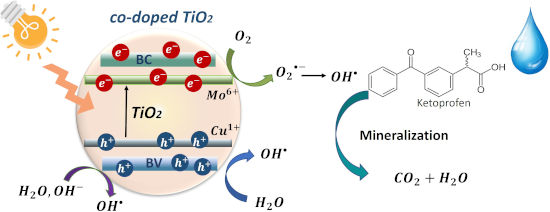
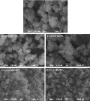
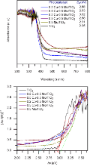
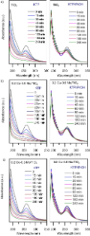
- cobalt, the point of zero charge decreased, resulting in values of 6.2 and 6.8 for the catalysts 0.5 Cu–0.5 Mo/TiO2 and 0.5 Co–0.5 Mo/TiO2, respectively. The PZC value can be used to determine the optimal pH value of the ketoprofen aqueous solution for the photocatalytic reaction experiments. Since the
- several aromatic organic compounds, such as phenol, acetaminophen, metoprolol, and diclofenac, using TiO2 Evonik P25 illuminated with UV light under a continuous flow of oxygen [41][44][45]. For each experiment, 200 mL of the ketoprofen aqueous solution was placed inside the Pyrex glass reactor and mixed
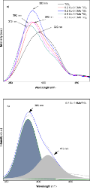
- +) and electrons (ecb−) on the photocatalyst surface. The photocatalytic activity of the prepared materials was determined by the degradation of the ketoprofen aqueous solution with an initial concentration of 10 ppm. Samples were taken at different reaction times and analyzed by UV–vis spectroscopy



Durable antimicrobial activity of fabrics functionalized with zeolite ion-exchanged nanomaterials against Staphylococcus aureus and Escherichia coli
Beilstein J. Nanotechnol. 2026, 17, 262–274, doi:10.3762/bjnano.17.18
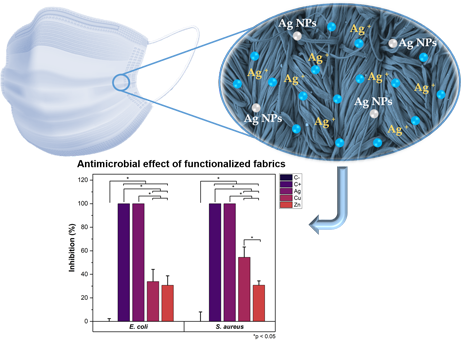
- immobilize the nanomaterials onto the fabrics. 100 mL of aqueous solution containing 0.5 g of M/CBV-600 (M = Ag, Cu, or Zn) suspension was prepared. Cut fabrics samples (5 cm2) were immersed once in the prepared solution for 15 min under constant stirring until full wetting. Then, each sample was compressed




Gold nanoparticle-decorated reduced graphene oxide as a highly effective catalyst for the selective α,β-dehydrogenation of N-alkyl-4-piperidones
Beilstein J. Nanotechnol. 2026, 17, 218–238, doi:10.3762/bjnano.17.15
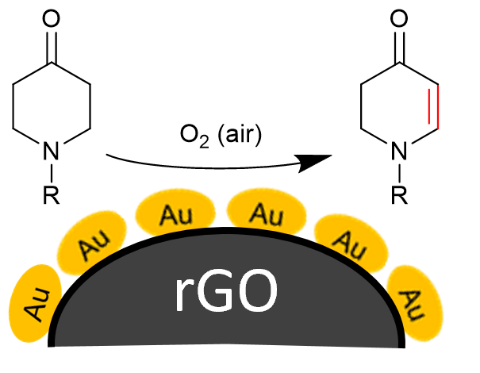
- of citrate-coated AuNPs on carbon The citrate-coated AuNPs (Au-Cit) were synthesized by the Turkevich method, one of the most widely used bottom-up techniques. In this process, the gold salt KAuCl4 is reduced by sodium citrate (NaCit) when the aqueous solution is heated to boiling. Upon adding sodium
- diffraction (PXRD) (see Supporting Information File 1). An ice-cold solution of sodium borohydride (NaBH4) was added dropwise to an aqueous solution containing KAuCl4 and the sodium salt of SiW9, resulting in the formation of an orange-brown dispersion (Figure 1b). UV–vis spectroscopy revealed the


Chiral plasmonic nanostructures fabricated with circularly polarized light
Beilstein J. Nanotechnol. 2025, 16, 2245–2264, doi:10.3762/bjnano.16.154
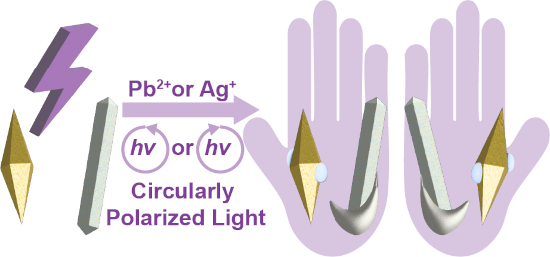
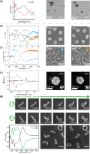
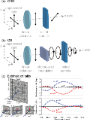
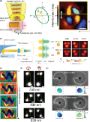
- handedness. The CD spectra in Figure 4a were obtained after 50 min of illuminating an aqueous solution of only HAuCl4 and citrate with 543 nm CPL [57]. The corresponding TEM images of the chiral AuNPs are shown in Figure 4a as the middle and right panels, described by the authors as “irregular and complex
- 4b,c show examples of chiral Ag nanostructures immobilized on a glass plate [58]. The authors fabricated these chiral nanostructures by shining CPL on glass plates immersed in an aqueous solution of silver nitrate and sodium citrate with Ag nanoplates as the precursor to obtain the arrays of chiral
- nanocubes exhibiting complex shapes in SEM images were synthesized using an aqueous solution of HAuCl4, methanol, and PVP with CPL [59]. The optical activity of the nanocubes was observed clearly in single-particle differential circular dichroism scattering spectra, as shown in Figure 4d. Optically chiral





Optical bio/chemical sensors for vitamin B12 analysis in food and pharmaceuticals: state of the art, challenges, and future outlooks
Beilstein J. Nanotechnol. 2025, 16, 2207–2244, doi:10.3762/bjnano.16.153


Ultrathin water layers on mannosylated gold nanoparticles
Beilstein J. Nanotechnol. 2025, 16, 2183–2198, doi:10.3762/bjnano.16.151
- of dimannoside and PEGylated ligands. The PEG AuNPs were functionalized only with the PEGylated component; they can be seen as a precursor, and we used them as negative controls. Particle size and shape Particle size and stability in an aqueous solution were characterized by DLS and ZP measurements



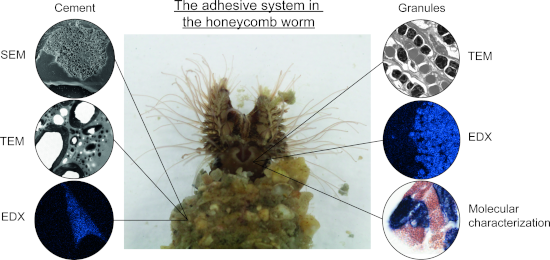
The cement of the tube-dwelling polychaete Sabellaria alveolata: a complex composite adhesive material
Beilstein J. Nanotechnol. 2025, 16, 1998–2014, doi:10.3762/bjnano.16.138
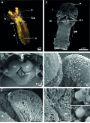
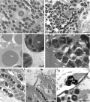
- samples were then dehydrated in a series of ethanol baths of increasing strength (25%, 50%, 70%, 90%, and 100%) and embedded in Spurr resin. Semi-thin sections of 1 µm thickness were cut using a Reichert Om U2 ultramicrotome. They were then stained with a 1:1 mixture of 1% aqueous solution of methylene
- blue in 1% sodium tetraborate and 1% aqueous solution of azur II. Ultrathin sections, 70 nm thick, were then obtained using a Leica Ultracut UCT ultramicrotome fitted with a diamond knife. These sections were contrasted with uranyl acetate and lead citrate and observed using a Zeiss LEO 906E



Laser ablation in liquids for shape-tailored synthesis of nanomaterials: status and challenges
Beilstein J. Nanotechnol. 2025, 16, 1963–1997, doi:10.3762/bjnano.16.137
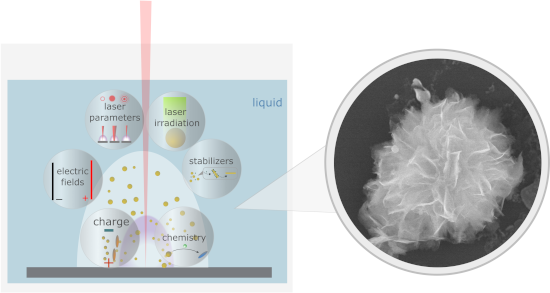
- nanosheets of elliptical shape as a result of fs laser ablation of a MoS2 target in FeCl3 solution. Despite the ablation in an aqueous solution, nanosheets preserved the MoS2 composition. Electron diffraction results reported in the cited work revealed the formation of an FeS2 phase, suggesting that Fe ions





Electrical, photocatalytic, and sensory properties of graphene oxide and polyimide implanted with low- and medium-energy silver ions
Beilstein J. Nanotechnol. 2025, 16, 1794–1811, doi:10.3762/bjnano.16.123
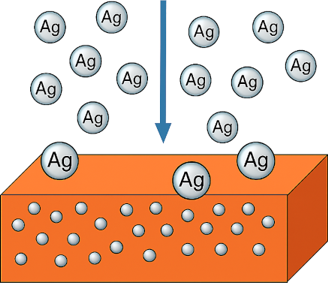
- degradation of the industrial dye rhodamine B in aqueous solution [33]. Results of photocatalytic testing of GO show different efficiencies depending on the energy and fluence of silver ions as you can see on the Figure 11. Unmodified GO exhibits a lower rate constant for the decomposition of rhodamine B than
- measurements. The acquired AFM data were processed using NanoScope Analysis software. The photocatalytic properties were evaluated by rhodamine B degradation under UV light within a dark chamber. In this setup, the prepared samples were submerged in a rhodamine B aqueous solution at a concentration of 5 mg·L−1


Venom-loaded cationic-functionalized poly(lactic acid) nanoparticles for serum production against Tityus serrulatus scorpion
Beilstein J. Nanotechnol. 2025, 16, 1633–1643, doi:10.3762/bjnano.16.115
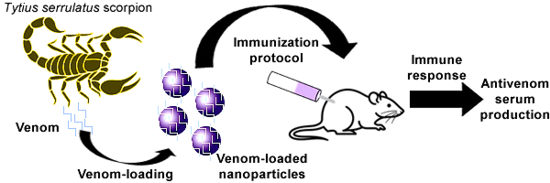
- cationic nanoparticles was tested at two different formulations containing 0.5% and 1.0% (w/w) of Tsv in the nanoparticle suspension. The venom aqueous solution was added to the colloidal dispersion containing the cationic-functionalized NPs at 22 °C, which remained under magnetic stirring at 360 rpm for 5


Synthesis and antibacterial properties of nanosilver-modified cellulose triacetate membranes for seawater desalination
Beilstein J. Nanotechnol. 2025, 16, 1380–1391, doi:10.3762/bjnano.16.100
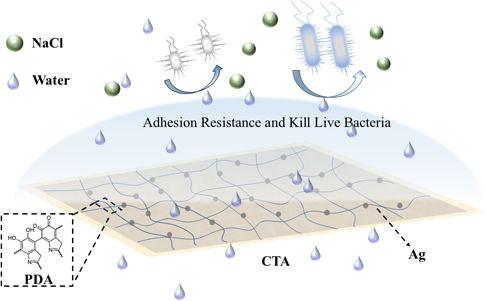
- desalination experiments. The feed comprising a 1.5 g·L−1 NaCl aqueous solution was set with a test pressure of 6 MPa and a temperature of 25 ± 0.5 °C. Prior to commencing the test, the membrane was compacted. During the experimentation, it was imperative to record both the volume of permeate and the


Hydrogels and nanogels: effectiveness in dermal applications
Beilstein J. Nanotechnol. 2025, 16, 1216–1233, doi:10.3762/bjnano.16.90
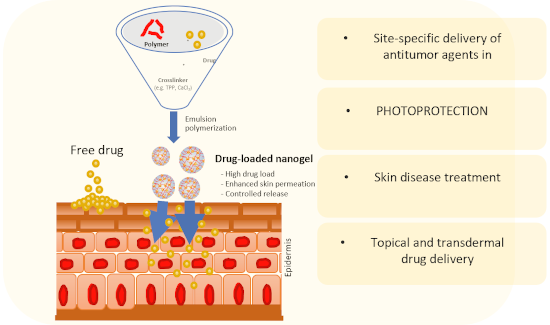
- physical properties [136]. They can be formed by preparing an aqueous solution of keratin at concentrations of 8 or 20%, for example [137]. With the "disulfide shuffling" method, phosphate-buffered saline (PBS) is used to dissolve 15% lyophilized keratin and 1.5% cysteine. This solution requires vigorous


Fabrication of metal complex phthalocyanine and porphyrin nanoparticle aqueous colloids by pulsed laser fragmentation in liquid and their potential application to a photosensitizer for photodynamic therapy
Beilstein J. Nanotechnol. 2025, 16, 1088–1096, doi:10.3762/bjnano.16.80
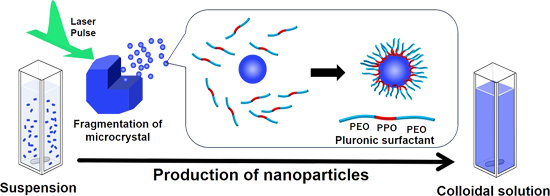
- = AlCl, Fe, Co, Zn) and Pt complex octaethylporphyrin (PtOEP) by nanosecond laser fragmentation of the corresponding microcrystalline powders in an aqueous solution of the amphiphilic polymer Pluronic® F-127. All nanoparticles dispersed stably in phosphate-buffered saline and cell culture media without
- in solution. Similar results were obtained for other MPcs and PtOEP prepared in 0.1 wt % F-127 aqueous solution (Figure S1, Supporting Information File 1). The absorption spectra of the nanoparticle colloids are shown in Figure 3, and some characteristics of the colloids are summarized in Table 1
- MPcs and PtOEP with high efficiency. The role of F-127 in the formation of small nanoparticles having high dispersion stability is schematically illustrated in Figure 6. The cellular phototoxicity of the AlClPc, ZnPc, and PtOEP nanoparticles prepared in 0.1 wt % F-127 aqueous solution was examined by


Single-layer graphene oxide film grown on α-Al2O3(0001) for use as an adsorbent
Beilstein J. Nanotechnol. 2025, 16, 1082–1087, doi:10.3762/bjnano.16.79
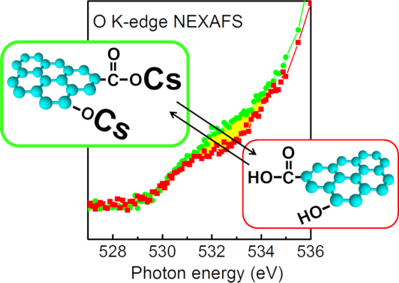
- groups. It is also estimated that the weight adsorption capacity of SLGO in the 1.0 mol/L-Cs aqueous solution is as much as approximately 70 wt %. It has been demonstrated that GO has great potential to be a promising adsorbent for Cs in aqueous solutions. Keywords: cesium adsorption; chemical vapor
- therefore be surmised that the ability of SLGO for the Cs adsorption is significantly decreased in strong acid aqueous solutions due to the suppression of hydrogen dissociation from oxygen functional groups in SLGO. It is claimed that the pH value of the aqueous solution should be maintained at neutrality
- groups. It was also indicated that SLGO shows the high Cs adsorption capacity of 650–850 mg·g−1 in the 1.0 mol/L-Cs aqueous solution. SLGO adsorbs Cs via hydrogen exchange, resulting in an accelerated adsorption rate and a higher weight adsorption capacity compared to existing adsorbents, including


A calix[4]arene-based supramolecular nanoassembly targeting cancer cells and triggering the release of nitric oxide with green light
Beilstein J. Nanotechnol. 2025, 16, 1003–1013, doi:10.3762/bjnano.16.75
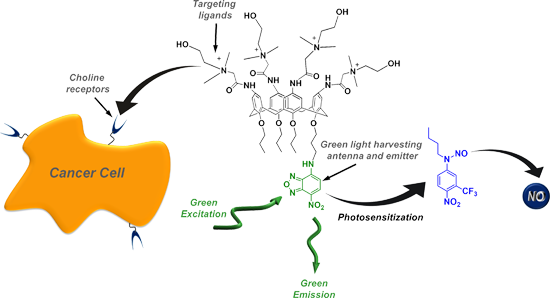
- , and the solvent was evaporated under reduced pressure at 35 °C. The resulting film was rehydrated with an aqueous solution of 1 (50 μM) by stirring overnight at room temperature. The final solution was left to equilibrate and filtered. Encapsulation efficiency (EE %) was calculated using the formula


Synthesis of biowaste-derived carbon-dot-mediated silver nanoparticles and the evaluation of electrochemical properties for supercapacitor electrodes
Beilstein J. Nanotechnol. 2025, 16, 933–943, doi:10.3762/bjnano.16.71
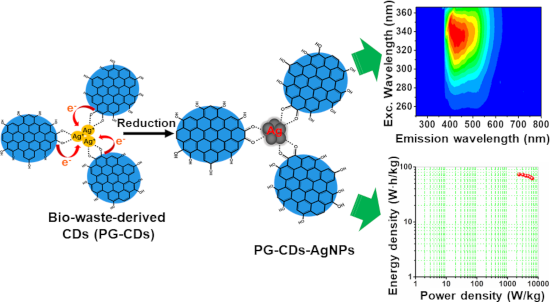
- was visualized in the UV–visible absorption spectrum of the PG-CDs, which is represented in Figure 1a. This peak might be accredited to the π–π* transition of conjugated (Csp²=Csp²) aromatic domain of the PG-CDs [24]. Under the ultraviolet illuminator (365 nm), the brownish/red aqueous solution of the


Synchrotron X-ray photoelectron spectroscopy study of sodium adsorption on vertically arranged MoS2 layers coated with pyrolytic carbon
Beilstein J. Nanotechnol. 2025, 16, 847–859, doi:10.3762/bjnano.16.64
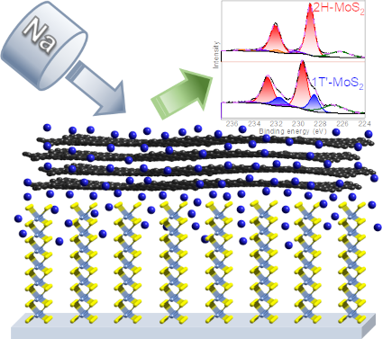
- an aqueous solution of iron chloride (30 wt %) for 2 h to dissolve the copper foil. The remaining free PyC film was washed twice in dilute HCl (10 wt %) and then in deionized water until neutral pH was reached. The floating PyC film was trapped either on bare or MoS2-covered SiO2/Si substrates and


Polyurethane/silk fibroin-based electrospun membranes for wound healing and skin substitute applications
Beilstein J. Nanotechnol. 2025, 16, 591–612, doi:10.3762/bjnano.16.46
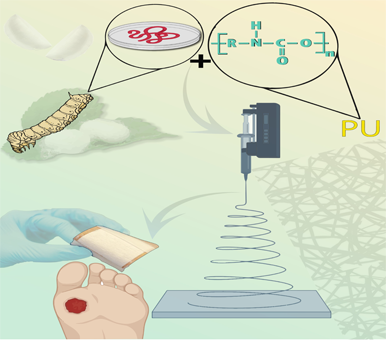
- urea, enzyme, and borax/HCl buffer treatments to effectively remove sericin. After removing the sticky protein, the fibroin fibers are dissolved in an aqueous solution, usually with lithium bromide and similar solvents. Once dissolved, the solution undergoes dialysis to remove any impurities. Finally



Functionalized gold nanoflowers on carbon screen-printed electrodes: an electrochemical platform for biosensing hemagglutinin protein of influenza A H1N1 virus
Beilstein J. Nanotechnol. 2025, 16, 540–550, doi:10.3762/bjnano.16.42
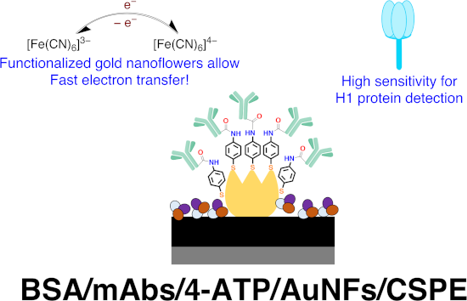
- in a 1.5 mL Eppendorf vial by adding 100 μL of 38 μg/mL mABs solution in PBS, 100 μL of 10 mM EDC aqueous solution, and 100 μL of 10 mM NHS aqueous solution. The pH of the mixture was 6.5 as determined by litmus paper. Then, 10 μL of the mixture was added on top of the 4-ATP/AuNFs/CSPE as working


Effect of additives on the synthesis efficiency of nanoparticles by laser-induced reduction
Beilstein J. Nanotechnol. 2025, 16, 464–472, doi:10.3762/bjnano.16.35
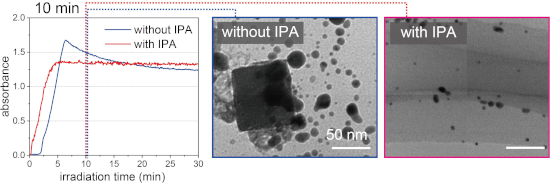
- solution and compared the results with the aim of improving the synthesis efficiency of nanoparticle by LRL. The UV–visible absorption spectrum of the aqueous solution of gold chloride was measured every 5 s during laser irradiation to evaluate the progress of the reaction. Figure 1 shows the results of
- 5.0 × 10⁻³ and 1.0 × 10⁻² mol/dm3 was too high to properly measure the absorption spectrum, all solutions were diluted with pure water to a concentration of 5.0 × 10⁻⁴ mol/dm3 before measurements. The absorption spectrum of the aqueous solution with a concentration of 5.0 × 10⁻³ mol/dm3 (10 times





