Search results
Search for "ascorbic acid" in Full Text gives 73 result(s) in Beilstein Journal of Nanotechnology.
Environmental applications of silver nanoparticles: state-of-the-art review and emerging trends
Beilstein J. Nanotechnol. 2026, 17, 697–736, doi:10.3762/bjnano.17.49
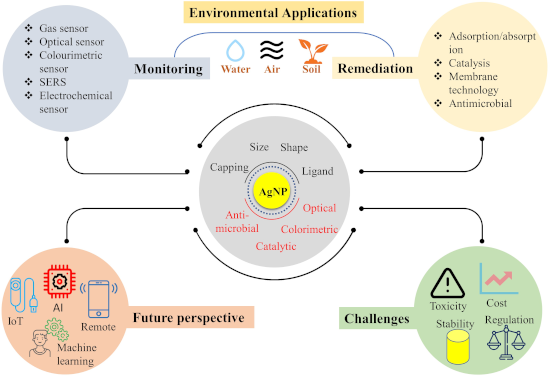
- simplicity, scalability, versatility, and ability to control size [36]. Chemical reduction methods are widely used to synthesise AgNPs, utilising reducing agents such as sodium borohydride, citrate, and ascorbic acid to reduce silver ions in solution, followed by the use of capping agents or stabilisers to


Electrochemical determination of ciprofloxacin using a MIL-101/reduced graphene oxide-modified electrode
Beilstein J. Nanotechnol. 2026, 17, 541–554, doi:10.3762/bjnano.17.35
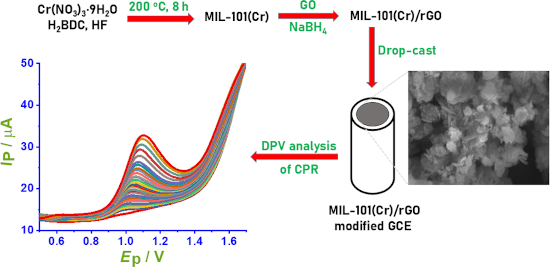
- inorganic ions and organic compounds, including CaCl2 (denoted as C1), NaCl (C2), K2SO4 (C3), Al(NO3)3 (C4), Mg3(C6H5O7)2 (C5), NH4Cl (C6), citric acid (C7), saccharine (C8), ᴅ-sorbitol (C9), ascorbic acid (C10), ᴅ-glucose (C11), and lactose (C12). An interfering species was considered to have a significant


Influence of surface characteristics on the in vitro stability and cell uptake of nanoliposomes for brain delivery
Beilstein J. Nanotechnol. 2026, 17, 139–158, doi:10.3762/bjnano.17.9
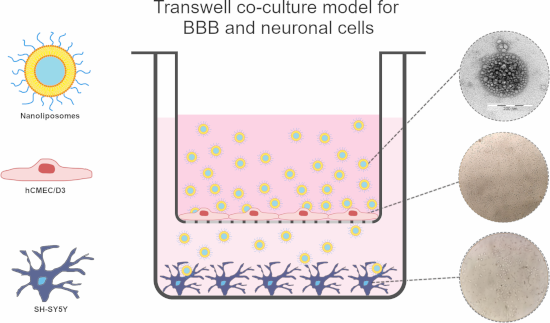
- ), supplemented with fetal bovine serum (FBS), chemically defined lipid concentrate, HEPES 1M, and penicillin−streptomycin (Life Technologies, California, USA), human basic fibroblast growth factor (bFGF), ascorbic acid, and hydrocortisone (Sigma-Aldrich, St. Louis, USA) and detached with trypsin-EDTA (GIBCO
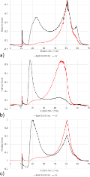


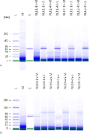
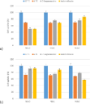


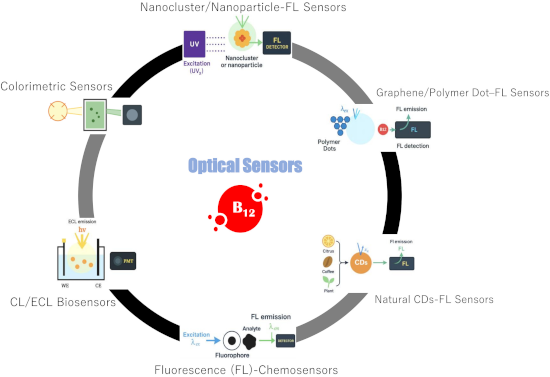
Optical bio/chemical sensors for vitamin B12 analysis in food and pharmaceuticals: state of the art, challenges, and future outlooks
Beilstein J. Nanotechnol. 2025, 16, 2207–2244, doi:10.3762/bjnano.16.153


Rapid synthesis of highly monodisperse AgSbS2 nanocrystals: unveiling multifaceted activities in cancer therapy, antibacterial strategies, and antioxidant defense
Beilstein J. Nanotechnol. 2025, 16, 2105–2115, doi:10.3762/bjnano.16.145
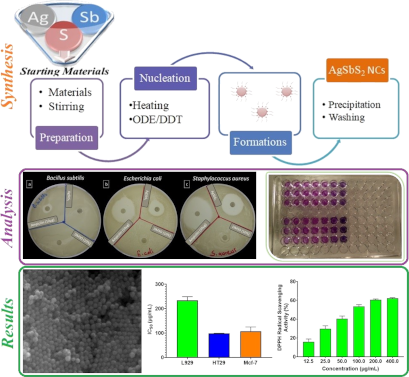
- ). DPPH and nanoparticle mixed solutions were used as sample, while only DPPH solution was used as negative control and ascorbic acid was used as a positive control. The samples were kept in the dark at room temperature for 30 min of incubation, and the change in color was monitored, using a microplate
- a 1:1:10 (v/v/v) ratio. Methanolic sample solutions (12.5–400 μg/mL) were combined with the reagent (2.3 mL) in a total reaction volume of 3.0 mL and incubated at 37 °C for 30 min in the dark. Absorbance was recorded at 593 nm, with ascorbic acid as the standard and acetate buffer as the blank
- . Antioxidant capacity was expressed as micrograms of ascorbic acid equivalents per milliliter. All measurements were carried out in triplicate. Statistical analysis All experiments were performed in triplicate, and data were reported as mean ± standard deviation. Statistical analyses were conducted using one


Multifunctional anionic nanoemulsion with linseed oil and lecithin: a preliminary approach for dry eye disease
Beilstein J. Nanotechnol. 2025, 16, 1711–1733, doi:10.3762/bjnano.16.120
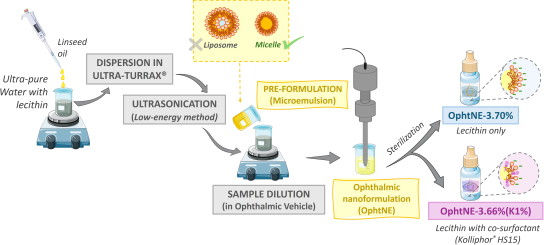
- ) were obtained from Neon LTDA (Brazil), Nuclear LTDA (Brazil), and AlphaQuimica LTDA (Brazil), respectively. Ascorbic acid (C6H8O6, product batch 032121-CF) was purchased from CMS Impex LTDA (Brazil). Thiazolyl blue tetrazolium bromide (MTT, code 976360) was purchased from Ludwig Biotec (Brazil). All
- from light. Absorbance was then measured at 518 nm using a Multiskan Go UV spectrophotometer (Thermo Fisher Scientific, FI). Ascorbic acid (3% w/v, prepared in the ophthalmic vehicle) was used as the positive control. The experiment was performed in quadruplicate, and antioxidant activity (DPPH radical



The role of biochar in combating microplastic pollution: a bibliometric analysis in environmental contexts
Beilstein J. Nanotechnol. 2025, 16, 1401–1416, doi:10.3762/bjnano.16.102
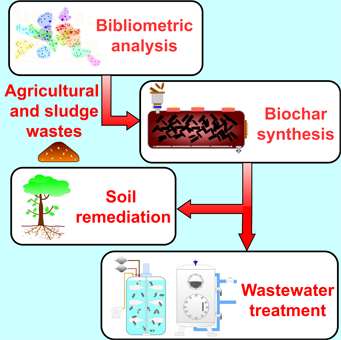
- efficiency of BC in MP removal. Specifically, MBC derived from sludge and red mud has demonstrated improved adsorption capacity for nanoplastics [43]. Furthermore, modifying feedstock with urea, ascorbic acid, and iron salts before pyrolysis enhances iron and nitrogen content, improving microbial community



Changes of structural, magnetic and spectroscopic properties of microencapsulated iron sucrose nanoparticles in saline
Beilstein J. Nanotechnol. 2025, 16, 762–784, doi:10.3762/bjnano.16.59
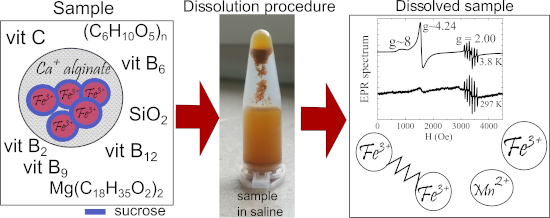
- °, 34.03°, 35.65°, and 37.63° (marked with asterisks in Figure 4). According to [27][28], they reflect ascorbic acid present in this sample. The lack of these peaks in the pattern of the FST sample is related to the solubility of ascorbic acid in saline. The diffraction peaks (dot marks) in Figure 4
- FST stands out with sharp and intense bands at 2919 and 2837 cm−1, primarily derived from methylene CH2 groups. In the latter region, bands associated with the vibrational modes of functional groups in the vitamin molecular backbone, potentially vitamin C (ascorbic acid) and/or vitamin B9 (folic acid
- ), exhibit slight variations depending on the system formulation. Thus, the FS0 and FST infrared spectra in the fingerprint region revealed ascorbic acid-related bands at approximately 1725/1734 and 1673/1683 cm−1 (FS0/FST) attributed to the C=O stretching and five-membered lactone ring modes, coupled with





Engineered PEG–PCL nanoparticles enable sensitive and selective detection of sodium dodecyl sulfate: a qualitative and quantitative analysis
Beilstein J. Nanotechnol. 2025, 16, 385–396, doi:10.3762/bjnano.16.29
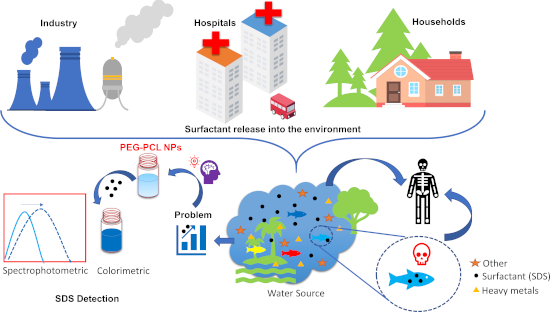
- (PEI) and ascorbic acid [27]. However, their approach is fluorescence-based, which makes it difficult to estimate at the target site and also requires a sophisticated instrument such as a spectrofluorometer. Consequently, developing a simple colorimetric detection method for SDS using polymer


Green synthesis of silver nanoparticles derived from algae and their larvicidal properties to control Aedes aegypti
Beilstein J. Nanotechnol. 2024, 15, 1566–1575, doi:10.3762/bjnano.15.123
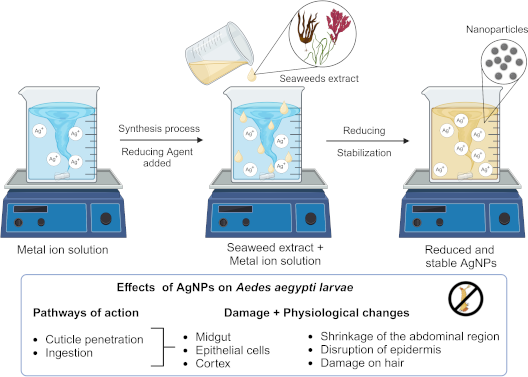
- as phenols, ascorbic acid, flavonoids, polyphenolics, alkaloids, and terpenes, which could act as reducing agents [21]. This review focuses on AgNPs produced in a green and sustainable way through the use of natural products as reducing agents, namely seaweed extracts. The activity of AgNPs upon A


Electrochemical nanostructured CuBTC/FeBTC MOF composite sensor for enrofloxacin detection
Beilstein J. Nanotechnol. 2024, 15, 1522–1535, doi:10.3762/bjnano.15.120
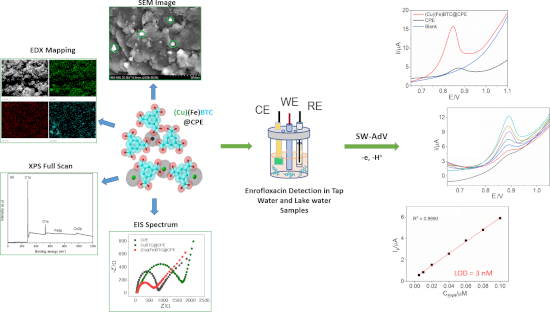
- %. Regarding the influence of organic substances, when their concentration was 10 times higher than that of ENR, the impact on the ENR signal was small for ascorbic acid (AA), erythromycin (ERY), chloramphenicol (CAP), paracetamol (PARA), and amoxicillin (AMX). In contrast, cephalosporin (CEF), oxalic acid

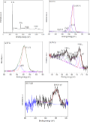

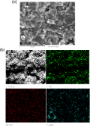


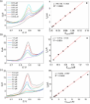

Nanoarchitectonics with cetrimonium bromide on metal nanoparticles for linker-free detection of toxic metal ions and catalytic degradation of 4-nitrophenol
Beilstein J. Nanotechnol. 2024, 15, 1312–1332, doi:10.3762/bjnano.15.106
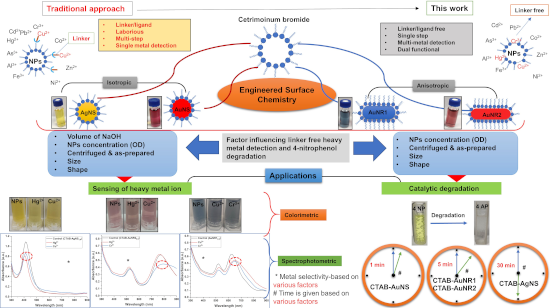
- nanoparticles could sense heavy metal ions and also helped in the rapid catalytic degradation of 4-nitrophenol. Materials and Methods Materials Cetrimonium bromide (CTAB) (Cat No. 52370), sodium borohydride (NaBH4) (Cat No. 480886), and ascorbic acid (AA) (Cat No. A7506) were purchased from Sigma-Aldrich
- ascorbic acid. A typical synthesis involved the synthesis of CTAB-capped Au seeds of less than 4 nm. Addition to the growth solution in step 2 resulted in the formation of gold nanorods. The seeds were prepared using 200 µL of HAuCl4·3H2O (25 mM) with 2 mL of 0.1 M CTAB at 80 °C, followed by 800 µL freshly


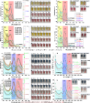


Gold nanomakura: nanoarchitectonics and their photothermal response in association with carrageenan hydrogels
Beilstein J. Nanotechnol. 2024, 15, 678–693, doi:10.3762/bjnano.15.56

- reaction was paramount. The AgNO3 to ascorbic acid ratio was kept uniform in respective growth solutions containing CTAB, MTAB, and DTAB of the same concentration to facilitate longitudinal growth of the nanostructures. The disappearance of the yellow colour into a transparent growth solution upon
- introducing ascorbic acid indicated partial reduction of Au3+ to Au+, since ascorbic acid is a weak reducing agent. The introduction of seeds rapidly changed the colourless solution into blue, indicating complete reduction of Au+ to Au0. This was due to diffusion of Au0 atoms toward the {111} facet of the
- nitrate (AgNO3, Merck), ʟ-(+)-ascorbic acid (Sigma-Aldrich), and sodium borohydride (NaBH4, Sigma-Aldrich). Prior to synthesis, all the glassware was cleaned with aqua regia and further rinsed with double-distilled (DD) water. Double-distilled water was used throughout the experiments. Methodology


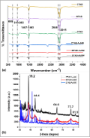


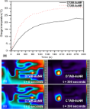


Potential of a deep eutectic solvent in silver nanoparticle fabrication for antibiotic residue detection
Beilstein J. Nanotechnol. 2024, 15, 426–434, doi:10.3762/bjnano.15.38
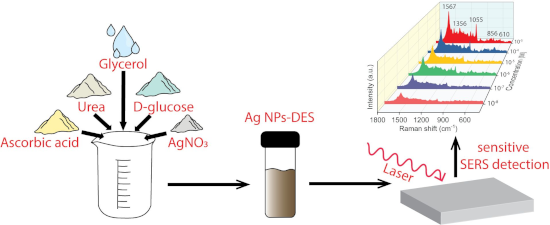
- regarding the detection of NFT and SDZ, we demonstrate application aspects of our product, showing the great potential of DESs in sensing and biomedical applications. Results and Discussion Formation of Ag NPs-DES We have developed new and simple strategy to fabricate Ag NPs-DES in which ascorbic acid was
- the most common [30]. In our procedure, AgNO3 was added right after ʟ-ascorbic acid was dissolved in the DES at room temperature. The color of the mixture gradually turned from yellow-orange to dark brown, indicating the crystallization of Ag NPs. The synthesized Ag NPs-DES exhibits rod-like shapes of
- DES in nanomaterials fabrication and a possible guidance for low-cost and effective SERS substrate construction in biosensors. Experimental Chemicals ʟ-Ascorbic acid (AA, C6H8O6, 99%), silver nitrate (AgNO3, 99%), (3-aminopropyl)triethoxysilane (APTES, 99%), NFT (C8H6N4O5, 98%), and SDZ (C10H10N4O2S


Classification and application of metal-based nanoantioxidants in medicine and healthcare
Beilstein J. Nanotechnol. 2024, 15, 396–415, doi:10.3762/bjnano.15.36
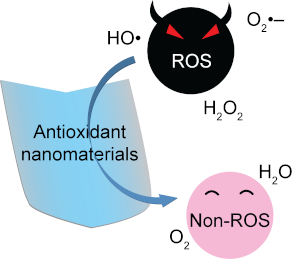
- completely stop the aging process [7][123]. In this context, antioxidant supplementation is regarded as an efficient strategy to defend humans against aging. Natural compounds from plant-derived extracts such as polyphenols, tocopherols, carotenoids, and ascorbic acid are the most important and common


Assessing phytotoxicity and tolerance levels of ZnO nanoparticles on Raphanus sativus: implications for widespread adoptions
Beilstein J. Nanotechnol. 2024, 15, 115–125, doi:10.3762/bjnano.15.11
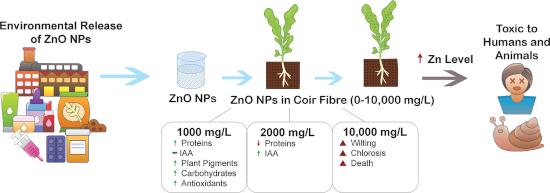
- content Leaf samples (300 mg of young leaves) were obtained, freeze-dried at −80 °C, and crushed using a chilled mortar and pestle. Then, they were mixed with 5 mL of 80% (v/v) methanol containing 100 mg/L of ascorbic acid as an antioxidant [58]. The mixture was stirred for 10 min and incubated for 48 h


New application of bimetallic Ag/Pt nanoplates in a colorimetric biosensor for specific detection of E. coli in water
Beilstein J. Nanotechnol. 2024, 15, 95–103, doi:10.3762/bjnano.15.9
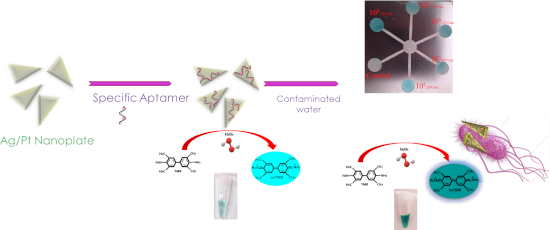
- colorimetric aptasensor for E. coli sensing. The substrate used to examine the peroxidase-like activity of the Ag/Pt NPLs was TMB since it may be oxidized by H2O2 to create a blue-colored product during the peroxidase-like catalysis. The Ag/Pt NPLs were synthesized by reducing Ag and Pt using ascorbic acid as
- -NPLs coupled with E. coli, and E. coli alone were measured (Figure 2c). The surface charges of all NPLs were negative due to dispersion agents such as sodium citrate and ascorbic acid, according to measurements of their zeta potentials. The NPLs had a negative charge of −4.4 mV before introducing the
- system offers a rapid, sensitive, and portable biosensor for preventing E. coli contamination and resolving public health concerns in the future. Experimental Materials Silver nitrate (AgNO3), potassium tetrachloroplatinate(II), ascorbic acid, TMB, H2O2 (for determining peroxidase-like activity), and


Carboxylic acids and light interact to affect nanoceria stability and dissolution in acidic aqueous environments
Beilstein J. Nanotechnol. 2023, 14, 762–780, doi:10.3762/bjnano.14.63
- , namely citric, malic, isocitric, glyceric, lactic, tartaric, α-hydroxybutyric, β-hydroxybutyric, succinic, pimelic, glutaric, tricarballylic, adipic, acetic, tartronic, and dihydroxymalonic acid. Controls, including ascorbic acid, ammonium nitrate, sodium nitrate, and water, were also tested. The goal
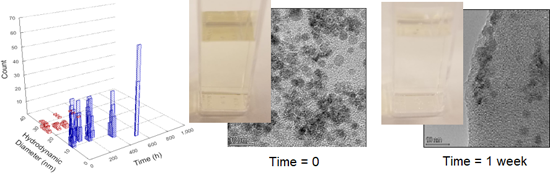
- , dihydroxymalonic, and ascorbic acid. Nanoceria particles immediately agglomerated when exposed to these acids, in both light and dark environments. This shows that these acids were unable to create a stable environment for the nanoceria particles. The color remained yellow throughout the experimental duration when
- exposed to tartronic and dihydroxymalonic acid. However, a color change from yellow to reddish-brown was observed for the nanoceria in contact with ascorbic acid, as previously observed [53]. Nanoceria agglomerates completely dissolved in ascorbic acid within 1000 h. Ascorbic acid dissolution-accompanied
Supramolecular assembly of pentamidine and polymeric cyclodextrin bimetallic core–shell nanoarchitectures
Beilstein J. Nanotechnol. 2022, 13, 1361–1369, doi:10.3762/bjnano.13.112
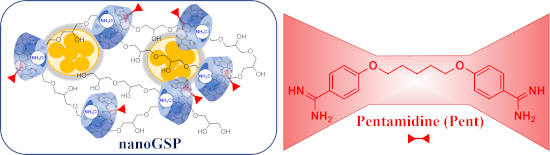
- of NPs and that this step is preparatory for the subsequent deposition of the silver shell. Conversely, in the case of monometallic Ag NPs, the reduction of silver ions (usually mediated by ascorbic acid) takes place at sites which are not involved in the nucleation/growing process leading to poorly
- ) were synthesized under mild conditions, according to our previously reported procedures [14], as follows: a) preparation of the gold inner core (nanoG) by direct reduction of HAuCl4 using PolyCD as both reducing and capping agent and b) deposition of an outer silver layer by ascorbic acid-mediated
- (AgNO3), ascorbic acid, and pentamidine isethionate were commercially available (Merck). All reagents used (Merck) were used without further purification. Characterization techniques UV–vis spectra were obtained on an Agilent model 8453 diode array spectrophotometer using 1 cm path length quartz cells


Studies of probe tip materials by atomic force microscopy: a review
Beilstein J. Nanotechnol. 2022, 13, 1256–1267, doi:10.3762/bjnano.13.104
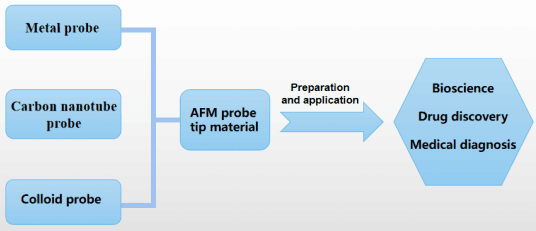
- + doping. The fluorescence was restored after further adding ascorbic acid (AA) based on a redox reaction. A rapid detection method for Fe3+ and AA was established and successfully used to detect Fe3+ and AA in human serum. The DMT-AuAgNCs were successfully prepared using 4,6-diaminopyrimidine-2-thiol (DMT
Design of surface nanostructures for chirality sensing based on quartz crystal microbalance
Beilstein J. Nanotechnol. 2022, 13, 1201–1219, doi:10.3762/bjnano.13.100
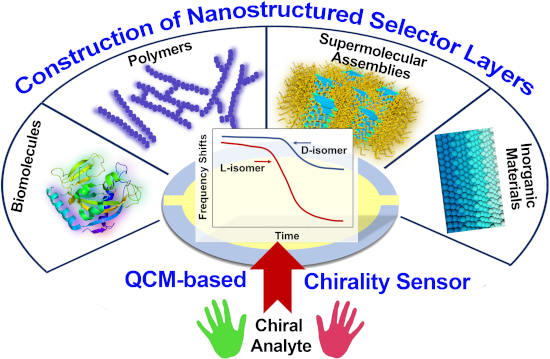
- bulk polymerization method to fabricate poly(methacrylic acid) (PMAA) MIP films on QCM electrodes for detecting ʟ-tryptophan. The sensor film was highly selective with a detection limit of 0.73 ng/mL and did not respond to the structural analogous of ᴅ-tryptophan and ascorbic acid. The selectivity
- placement of achiral subunits on the macrocycle [73][74][75]. Akpinar et al. reported a simple and quick chiral discrimination strategy for ascorbic acid (AA) enantiomers based on calixarenes films (Figure 6) [76]. A chiral calix[4]arene-bearing chiral phenyl glycinol moiety on the lower rim and a thiol


Recent advances in green carbon dots (2015–2022): synthesis, metal ion sensing, and biological applications
Beilstein J. Nanotechnol. 2022, 13, 1068–1107, doi:10.3762/bjnano.13.93
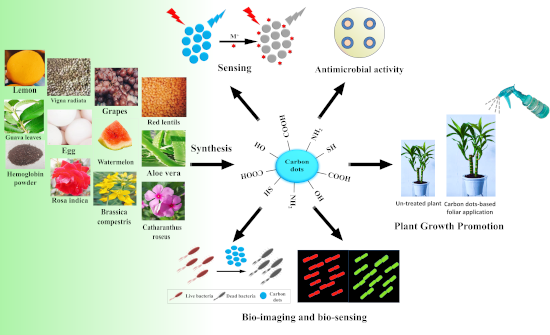
- for the synthesis of CDs via a hydrothermal method. The obtained CDs acted as fluorescence on-off-on sensors for the detection of Co2+ or Cr6+ ions and ascorbic acid, respectively [87]. Using a hydrothermal process, a new form of CD material was produced from common crop wastes, such as corn straw


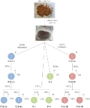


Stimuli-responsive polypeptide nanogels for trypsin inhibition
Beilstein J. Nanotechnol. 2022, 13, 538–548, doi:10.3762/bjnano.13.45
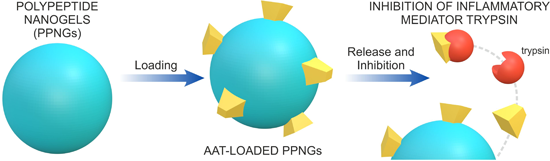
- IODO-BEADS (pre-washed with PBS buffer, pH 7.4). After the separation of the IODO-BEADS, a solution of ascorbic acid (10 µL, 25 mg/mL in PBS buffer, pH 7.4) was added to the 125I-radiolabeled BSA, or 125I-radiolabeled AAT, and incubated for 30 min. Finally, the 125I-radiolabeled BSA, or 125I


Ethosomal (−)-epigallocatechin-3-gallate as a novel approach to enhance antioxidant, anti-collagenase and anti-elastase effects
Beilstein J. Nanotechnol. 2022, 13, 491–502, doi:10.3762/bjnano.13.41
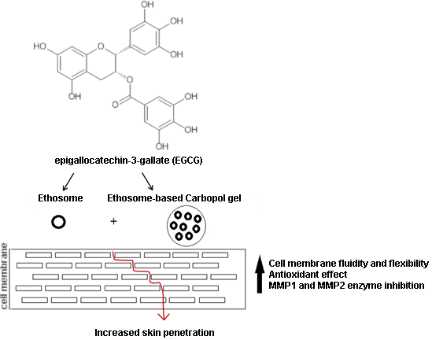
- previous study, the radical scavenging effect of 2,2-diphenyl-1-picrylhydrazyl (DPPH•) applied to ultra-deformable vesicular systems prepared with EGCG was determined. Ascorbic acid was used as the standard antioxidant compound and the antioxidant effect obtained by formulating EGCG showed better IC50



A non-enzymatic electrochemical hydrogen peroxide sensor based on copper oxide nanostructures
Beilstein J. Nanotechnol. 2022, 13, 424–436, doi:10.3762/bjnano.13.35
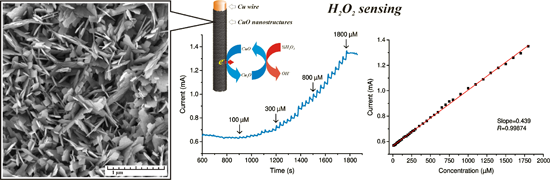
- interfering substances, that is, ascorbic acid, uric acid, dopamine, NaCl, glucose, and acetaminophen, do not affect the electrochemical response. The real milk sample test showed a high recovery rate (more than 95%). According to the obtained results, this sensor is suitable for practical use for the
- milk and mouthwash samples. Materials and Methods Materials Ammonium persulfate ((NH4)2S2O8, CAS number: 7727-54-0), sodium hydroxide (NaOH, CAS number: 1310-73-2), and hydrogen peroxide solution (H2O2, 30%, CAS number: 7722-84-1) were purchased from Merck. Ascorbic acid (C6H8O6, CAS number: 50-81-7
- NaOH was used. The experiment was started at 0 µM concentration of H2O2, then every 60 s either H2O2 or an interfering substance at a concentration of 100 µM was added to the solution, in the following order: H2O2, ascorbic acid, uric acid, dopamine, NaCl, glucose, and acetaminophen. Then, the whole