


Search results
Search for "biodegradable" in Full Text gives 112 result(s) in Beilstein Journal of Nanotechnology.
Decontamination from water pollutants and pathogens by electrospun nanofibers doped with heavy-atom-free borafluorene-BODIPY photosensitizers
Beilstein J. Nanotechnol. 2026, 17, 668–682, doi:10.3762/bjnano.17.46
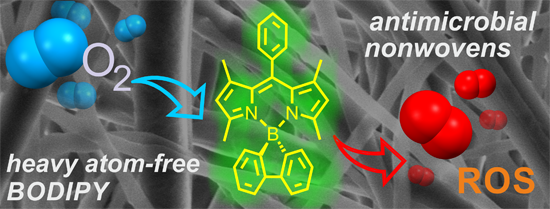
- successfully incorporated into electrospun polymeric nanofibers. Optimization of the material composition revealed that polycaprolactone (PCL), an FDA- and EMA-approved, biodegradable, easily accessible, and cost-efficient polymer, doped with BODIPY at a concentration of only 0.15 wt %, is an efficient
- singlet state rather than to undergo intersystem crossing to the triplet state. Based on the initial assessment, PCL was selected as the optimal matrix for subsequent studies. Beneficially, PCL is easily accessible, non-toxic, and biodegradable, approved by the Food and Drug Administration (FDA) and

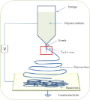
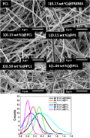


Cellulose as a photocatalyst support material: extraction, structural features, and environmental applications
Beilstein J. Nanotechnol. 2026, 17, 635–652, doi:10.3762/bjnano.17.44
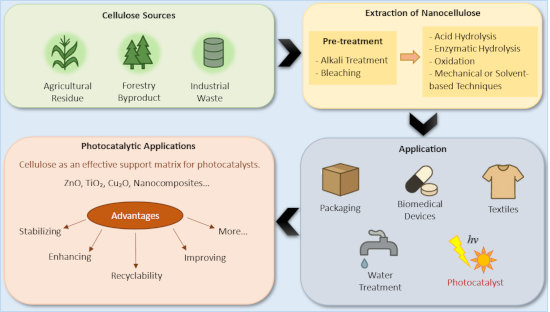
- polymers provide distinct advantages such as renewability, biodegradability, and biocompatibility, which make them particularly valuable for biomedical applications. Among polysaccharides, cellulose is the most abundant biodegradable polymer [1]. Many researchers have reported on the extraction of
- and disadvantages. Acid hydrolysis is a traditional approach that helps preserve cellulose’s crystalline structure; however, it relies on non-biodegradable chemicals and generates acidic wastewater, which raises environmental concerns and complicates wastewater management [8]. As a result, researchers
- broadening its application potential [22]. CNCs are increasingly gaining attention as reinforcing materials because they are green, biodegradable nanoparticles with great potential for developing sustainable polymer composites, and their production relies on abundant natural raw materials that are available


From shield to spear: Charge-reversible nanocarriers in overcoming cancer therapy barriers
Beilstein J. Nanotechnol. 2026, 17, 159–175, doi:10.3762/bjnano.17.10
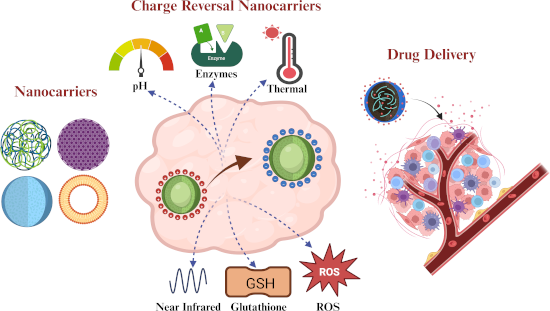
- in cancer therapy [76]. 3.2 Controlled drug release Biodegradable nanoparticles and micelles offer significant potential as nanosystems for delivering powerful anticancer drugs directly to target sites. Using specific polymers as nanocarriers allows for targeted drug delivery and controlled release
- transport of CRISPR components [92]. Ben-Akiva et al. engineered biodegradable, lipophilic polymer-based nanocarriers capable of systemically delivering mRNA along with TLR agonists to dendritic cells in the spleen, leading to strong activation of CD8+ T cells and effective tumour suppression in mouse


Functional surface engineering for cultural heritage protection: the role of superhydrophobic and superoleophobic coatings – a comprehensive review
Beilstein J. Nanotechnol. 2026, 17, 63–96, doi:10.3762/bjnano.17.6
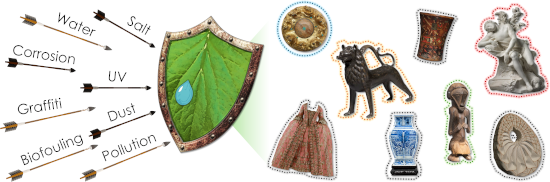
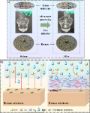
- organogel, composed of poly-3-hydroxybutyrate (PHB), ethyl lactate (EL), and deferoxamine B (DFO), for the simultaneous removal of iron corrosion and aged acrylic coatings from historical metal artefacts. This gel is made of bio-based, biodegradable, and low-toxicity materials, aligned with Green Chemistry
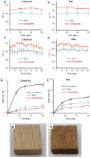
- highlight the potential of chitosan-MCC-OEO coatings as biodegradable alternatives for stone conservation with low risk regarding human safety. Moreover, a majority of the ICOM criteria is fulfilled. The chitosan-MCC-OEO formulation is optically transparent and non-intrusive, ensuring no significant
- immersion, showing low solubility, and conferring antimicrobial protection. Regarding safety, both chitosan and oregano essential oil are recognized as nontoxic to humans, biocompatible, and safe for handling. Finally, the criterion of sustainability was addressed, as the materials are biodegradable




Microplastic pollution in Himalayan lakes: assessment, risks, and sustainable remediation strategies
Beilstein J. Nanotechnol. 2025, 16, 2144–2167, doi:10.3762/bjnano.16.148
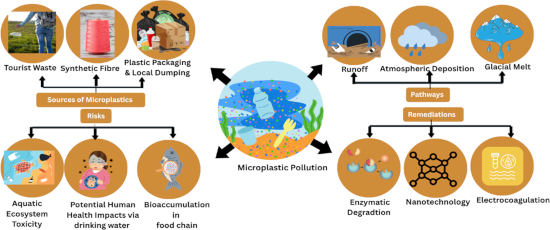
- synthetic polymers into smaller, biodegradable particles [72]. Ojha et al. found that adding nutritional supplements sped up biofilm production in lab trials, suggesting that this strategy might be useful in nutrient-deficient lakes in the Himalayas [47]. The synergistic effects of hybrid biofilms that
- protective covering made of extracellular polymeric substances (EPSs). These EPSs are made by the microbes themselves and stick to surfaces, such as MPs. The enzymes secreted by these microbial colonies have the ability to degrade synthetic polymers into smaller, biodegradable components. Tiwari et al. have
- -consumer plastic waste, as emphasized in the EU’s Circular Economy Action Plan [138]. Additionally, industries should be incentivized to develop biodegradable alternatives, such as bioplastics, to reduce dependency on conventional plastics [139]. Due to the transboundary character of MP pollution


Beyond the shell: exploring polymer–lipid interfaces in core–shell nanofibers to carry hyaluronic acid and β-caryophyllene
Beilstein J. Nanotechnol. 2025, 16, 2015–2033, doi:10.3762/bjnano.16.139
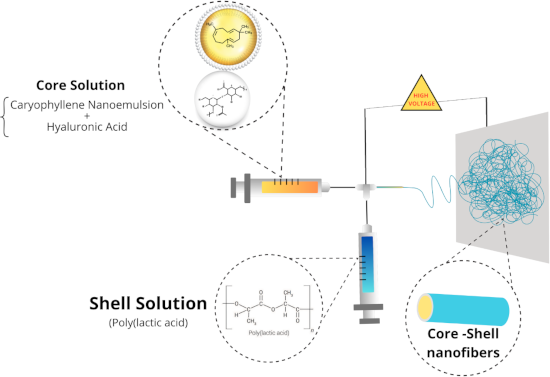
- interest in biopolymers such as PLA is, in part, driven by environmental concerns, climate change, and the depletion of fossil fuel resources, as PLA is derived from renewable sources and is both readily and completely biodegradable. Hyaluronic acid (HA) is an extensively used component in wound healing




Current status of using adsorbent nanomaterials for removing microplastics from water supply systems: a mini review
Beilstein J. Nanotechnol. 2025, 16, 1837–1850, doi:10.3762/bjnano.16.127
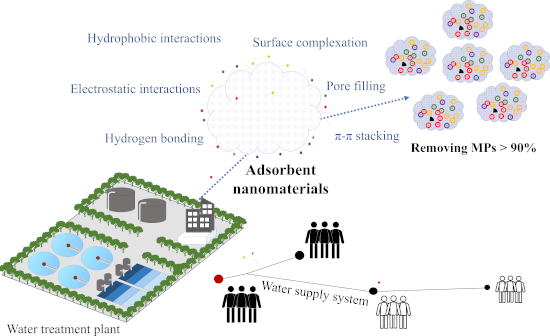
- ]. Additionally, although certain nanomaterials are designed to be biodegradable, their actual degradation strongly depends on environmental conditions. In cases of incomplete or slow biodegradation, these materials may persist and accumulate in the environment. Thus, the production and disposal of nanomaterials


Exploring the potential of polymers: advancements in oral nanocarrier technology
Beilstein J. Nanotechnol. 2025, 16, 1751–1793, doi:10.3762/bjnano.16.122
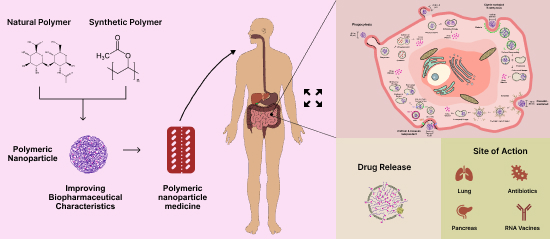
- frequently involve non-biodegradable monomers, generate non-biocompatible byproducts, and require extensive purification to eliminate potentially toxic residues, thereby complicating scalability and regulatory compliance. Moreover, the use of free radicals or ultraviolet light to initiate polymerization


Venom-loaded cationic-functionalized poly(lactic acid) nanoparticles for serum production against Tityus serrulatus scorpion
Beilstein J. Nanotechnol. 2025, 16, 1633–1643, doi:10.3762/bjnano.16.115
- barriers, their biocompatibility, and low toxicity [18]. Their manipulation at the nanoscale changes specific surface properties, possibly improving the ability to cross biological barriers targeting the affected tissues [18][19]. In this context, nanoparticle controlled release based on biodegradable
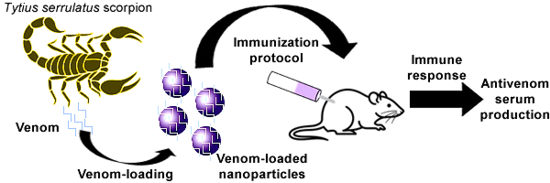
- nanoparticulate formulations based on biodegradable polymers such as PLA have been investigated [13][27][28][29][30][31][32]. A more detailed approach for use of a delivery system as a new nontoxic and non-inflammatory immunoadjuvant is of great importance to public health. The present study was designed with the
- aim to evaluate the effectiveness of biodegradable PLA polymeric nanoparticles functionalized with PEI as an adjuvant and potential candidate for vaccine delivery against T. serrulatus venom. Results Protein loading efficiency of the Tityus serrulatus scorpion venom The T. serrulatus venom protein


Nanotechnology-based approaches for the removal of microplastics from wastewater: a comprehensive review
Beilstein J. Nanotechnol. 2025, 16, 1607–1632, doi:10.3762/bjnano.16.114
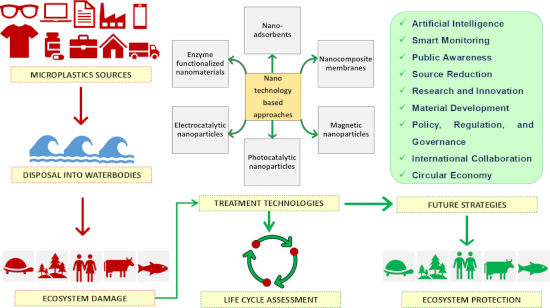
- hydrocarbons, heavy metals, and other toxic contaminants, increasing their potential risks to living ecosystems and organisms [9][10]. MPs have low density, variable sizes, high persistence, and non-biodegradable nature. These characteristics make their removal difficult, especially in aquatic environments [11
- system complexity. Preventive approaches, such as glutenin-genipin cross-linked coatings, effectively reduce plastic shedding under harsh conditions using biodegradable materials; however, they address only source control and lack proven scalability. Imine-functionalized mesoporous magnetic silica


Bioinspired polypropylene-based functionally graded materials and metamaterials modeling the mistletoe–host interface
Beilstein J. Nanotechnol. 2025, 16, 1592–1606, doi:10.3762/bjnano.16.113
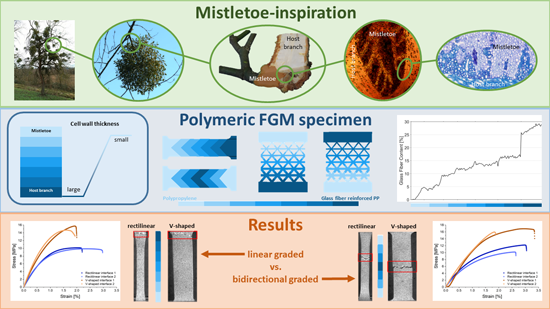
- extended by suitable combinations of materials with different mechanical properties but similar melting temperatures. In order to contribute to more sustainable material use, the transferability to bio-based or biodegradable material combinations (such as cellulose plastic) should be explored. The


Transient electronics for sustainability: Emerging technologies and future directions
Beilstein J. Nanotechnol. 2025, 16, 1545–1556, doi:10.3762/bjnano.16.109

- operational period, addressing growing concerns over sustainability and long-term biocompatibility. Built from biodegradable materials that undergo hydrolysis or enzymatic degradation, these systems are particularly well suited for temporary implantable applications, such as neural monitors, wireless
- lifetime control through strategies such as protective encapsulation. This Perspective outlines critical opportunities and technical directions to guide the development of next-generation transient electronic systems. Keywords: biodegradable/bioresorbable electronics; biodegradable materials
- discourse, it has long been recognized in several application domains. For instance, biodegradable polymer-based materials have been extensively explored as environmentally benign alternatives that do not leave persistent residues [4]. Similarly, in the realm of implantable medical devices, efforts have


Nanomaterials for biomedical applications
Beilstein J. Nanotechnol. 2025, 16, 1499–1503, doi:10.3762/bjnano.16.105
- [9]. Along with liposomes, polymeric nanoparticles have turned out to be an equally dynamic platform. Typically, these particles are composed of biodegradable materials, such as poly(lactic-co-glycolic acid) (PLGA) or chitosan. One of the main advantages of polymers is that they can be designed to
The role of biochar in combating microplastic pollution: a bibliometric analysis in environmental contexts
Beilstein J. Nanotechnol. 2025, 16, 1401–1416, doi:10.3762/bjnano.16.102
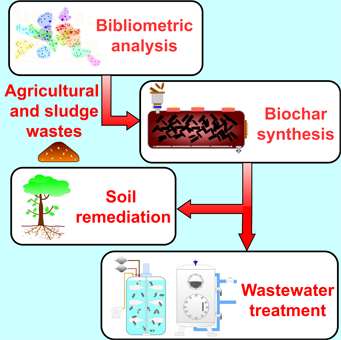
- examining the influence of MPs on soil organic matter and the role of biodegradable plastics, supported by biochar, in MP breakdown. Items such as “adsorption”, “plastic”, “water”, and “soil” (2021–2022) underscore the shift towards investigating MP adsorption in aquatic environments and its influence on
- ) MPs significantly reduce total exchangeable cations (Na+, K+, Mg2+, and Ca2+) by 4–6% [58]. Additionally, non-biodegradable MPs such as PE and PVC inhibit organic phosphate mineralization, alkaline phosphatase activity, and inorganic phosphate solubilization. By contrast, biodegradable MPs such as PLA



Functional bio-packaging enhanced with nanocellulose from rice straw and cinnamon essential oil Pickering emulsion for fruit preservation
Beilstein J. Nanotechnol. 2025, 16, 1234–1245, doi:10.3762/bjnano.16.91
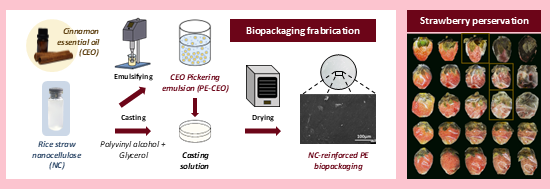
- City, Vietnam CIRTECH Institute, HUTECH University, Ho Chi Minh City, Vietnam 10.3762/bjnano.16.91 Abstract Biopackaging materials are gaining significant attention compared to traditional synthetic polymers thanks to their biodegradable and biocompatible nature to be used in food, pharmaceutical, and



Hydrogels and nanogels: effectiveness in dermal applications
Beilstein J. Nanotechnol. 2025, 16, 1216–1233, doi:10.3762/bjnano.16.90
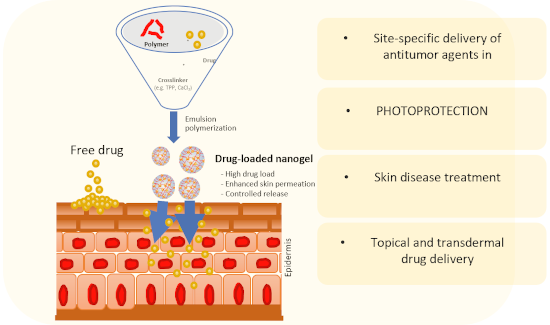
- as drug carriers to deliver hydrophobic [153] and hydrophilic [154] molecules as well as biomolecules, including proteins [155] and nucleic acids [156]. These nanocarriers can be obtained from biodegradable and biocompatible materials [157], showing singular properties, such as stimuli-responsiveness
- angiogenic factor associated with the tumor, called thymidine phosphorylase (dTfdPase), thus minimizing the exposure of healthy tissues to 5-FU [216]. Biodegradable polymers are widely used in nanotechnology to develop different systems due to their advantages, such as greater absorption [218][219] and high
- safety [209]. Nanogels loaded with 5-FU [196][209] and capecitabine [37], when topically applied, can be an interesting strategy to improve chemotherapeutic efficiency in the treatment of skin cancer [168]. Double-walled biodegradable nanogels composed of PLGA–chitosan coated with eucalyptus oil


Chitosan nanocomposite containing rotenoids: an alternative bioinsecticidal approach for the management of Aedes aegypti
Beilstein J. Nanotechnol. 2025, 16, 1197–1208, doi:10.3762/bjnano.16.88
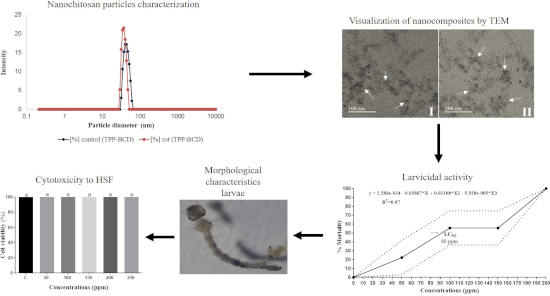
- nanoparticles exhibited no adverse effects on larval survival, which is attributed to the biocompatibility and nontoxic nature of chitosan, a biodegradable polysaccharide structurally related to the insect exoskeleton and widely recognized for its environmental safety. Additionally, neither rotenoids nor the CS
- impacts associated with traditional synthetic insecticides [9][10]. Chitosan nanoparticles, derived from a biodegradable and nontoxic polysaccharide, have proven effective in reducing post-harvest deterioration of fruits and vegetables, in addition to exhibiting well-documented antimicrobial properties



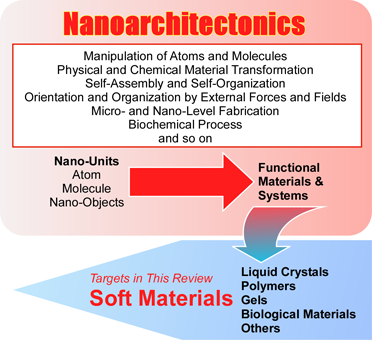
Soft materials nanoarchitectonics: liquid crystals, polymers, gels, biomaterials, and others
Beilstein J. Nanotechnol. 2025, 16, 1025–1067, doi:10.3762/bjnano.16.77






Multifunctional properties of bio-poly(butylene succinate) reinforced with multiwalled carbon nanotubes
Beilstein J. Nanotechnol. 2025, 16, 1014–1024, doi:10.3762/bjnano.16.76
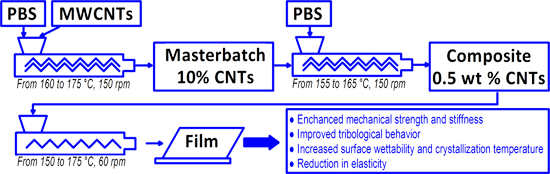
- enhancing the properties of biodegradable polymers. This study investigated the effect of a 0.5 wt % addition of multiwalled carbon nanotubes (MWCNTs) on the properties of bio-poly(butylene succinate) (BioPBS) using a masterbatch-based melt compounding method. The incorporation of MWCNTs enhanced the
- ); structure; tribological properties; Introduction In recent years, biodegradable polymers have gained significant attention as environmentally friendly alternatives to traditional plastics. One particularly promising material is poly(butylene succinate), which exhibits a desirable combination of mechanical



Synthesis of a multicomponent cellulose-based adsorbent for tetracycline removal from aquaculture water
Beilstein J. Nanotechnol. 2025, 16, 728–739, doi:10.3762/bjnano.16.56
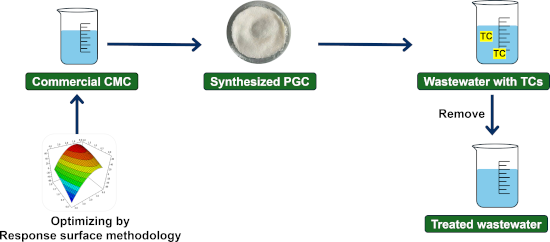
- characteristics and morphology of the synthesized adsorbent. Additionally, the study examines the adsorption mechanism of TC on the material’s surface and evaluates the effects of pH value, adsorbent dosage, and matrix composition. As a biodegradable and easily recoverable material derived from natural cellulose


Polyurethane/silk fibroin-based electrospun membranes for wound healing and skin substitute applications
Beilstein J. Nanotechnol. 2025, 16, 591–612, doi:10.3762/bjnano.16.46
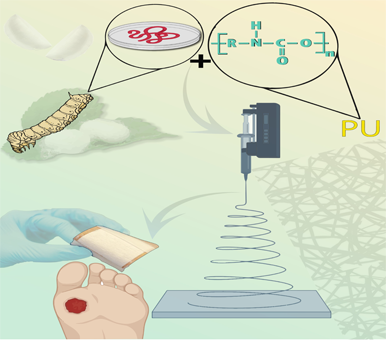
- ability of SF films to enhance light trapping in photoelectronic devices. Furthermore, combining SF films with biodegradable solar cells has the potential to power next-generation biomedical equipment, providing long-term energy solutions for diagnostic and therapeutic applications [93]. Silk fibroin
- [139]. Biodegradable polyurethanes The ease of manufacturing of PU and its tunable elastic, mechanical, and biodegradable properties make it an ideal material for wound healing, tissue engineering, and drug delivery applications [140]. Medical implants such as vascular grafts and cardiac pacemakers can
- biodegradable [124]. Degradation is limited in crystalline regions, while amorphous regions get degraded easily within PU. The molecular structure and composition of the polymer, its molecular weight, crystallinity, and the presence of cross-links and additives are a few elements that impact polymer degradation



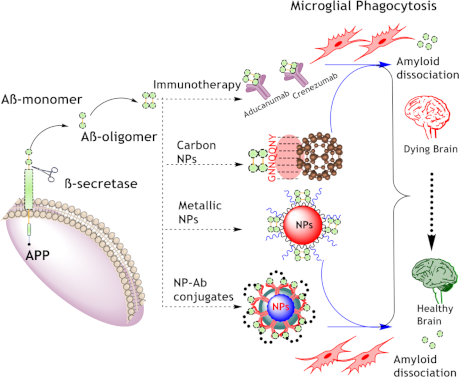
Nanomaterials in targeting amyloid-β oligomers: current advances and future directions for Alzheimer's disease diagnosis and therapy
Beilstein J. Nanotechnol. 2025, 16, 561–580, doi:10.3762/bjnano.16.44


Synthetic-polymer-assisted antisense oligonucleotide delivery: targeted approaches for precision disease treatment
Beilstein J. Nanotechnol. 2025, 16, 435–463, doi:10.3762/bjnano.16.34

- complexed PLR (Mw = 15–70 kDa) with hyaluronic acid (HA) to form biodegradable nanoparticles capable of delivering siRNA to cells overexpressing the HA receptor CD44. The study demonstrated that these HA–PLR complexes, in particular the formulation HP101, were able to form stable complexes with siRNA and
- inhibited tumour growth, outperforming both naked siRNA and PLR–siRNA complexes. In 2012, Cheng and Saltzman coated biodegradable polymer nanoparticles with nona-arginine (ARG), an oligomeric form of poly(ʟ-arginine), to enhance the cellular uptake and delivery efficiency of PMOs [97]. The study
- following studies, Zhao et al. developed a novel siRNA delivery system using PLR as a condensing block in the formation of cationic micellar nanoparticles [98]. In this report, biodegradable amphiphilic triblock copolymers composed of monomethoxy poly(ethylene glycol) (mPEG), poly(ᴅ,ʟ-lactide) (PLA), and


Engineered PEG–PCL nanoparticles enable sensitive and selective detection of sodium dodecyl sulfate: a qualitative and quantitative analysis
Beilstein J. Nanotechnol. 2025, 16, 385–396, doi:10.3762/bjnano.16.29
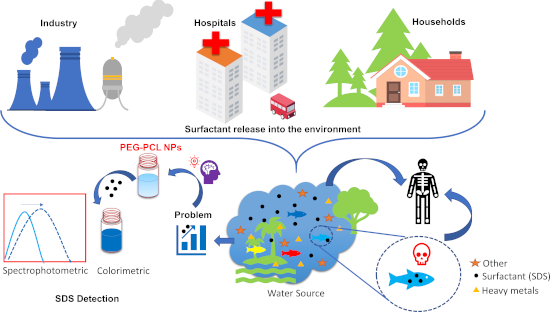
- and PCL to produce amphiphilic nanoparticles which possess both hydrophilic and hydrophobic segments. PEG, known for its water solubility and biocompatibility, provides the hydrophilic component, while PCL, a biodegradable polyester, contributes with hydrophobicity, enabling the formation of


Enhancing mechanical properties of chitosan/PVA electrospun nanofibers: a comprehensive review
Beilstein J. Nanotechnol. 2025, 16, 286–307, doi:10.3762/bjnano.16.22

- conductivity. Finally, environmental parameters include relative humidity and temperature [15]. Chitosan, a widely utilized material in electrospun nanofiber membranes, is derived from the crystalline microfibrils of crustaceans, including crabs and prawns. It is biodegradable and exhibits a high capacity for
- overcome these limitations, without losing the advantages of PVA such as biodegradability, is to blend PVA with stiff and water-insoluble biodegradable polymers such as chitosan [68]. Fabrication techniques Nanofibers can be fabricated using different methods such as direct drawing, template synthesis





