


Search results
Search for "biological properties" in Full Text gives 56 result(s) in Beilstein Journal of Nanotechnology.
Restorative potential of laser-synthesized silver nanoparticles with Salvia officinalis for periodontal disease treatment: an in vitro study
Beilstein J. Nanotechnol. 2026, 17, 781–795, doi:10.3762/bjnano.17.55
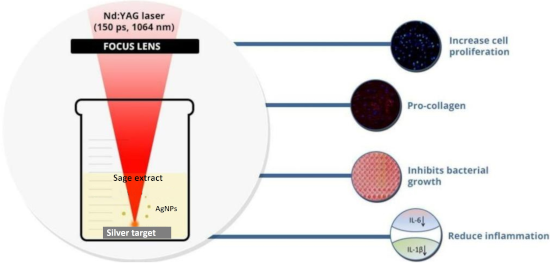
- elimination of pathogenic microbes and reduction of inflammation and gingival atrophy, but also toward collagen production. This study aimed to evaluate the biological properties of AgNPs synthesized by PLAL, where the varying parameters were different laser pulse energies (2 and 6 mJ) and distinct synthesis



Advances in nanotechnology applied to natural products
Beilstein J. Nanotechnol. 2026, 17, 555–558, doi:10.3762/bjnano.17.36

- classes and plant-derived secondary metabolites. These include flavonoids, terpenoids, alkaloids, polyphenols, coumarins, lignans, carotenoids, natural peptides, and fixed and essential oils [2]. These molecules exhibit a wide variety of biological properties, thoroughly described in the literature
Nanoinformatics: spanning scales, systems and solutions
Beilstein J. Nanotechnol. 2026, 17, 423–427, doi:10.3762/bjnano.17.28
- toxicity of GO was observed, and attributed to the surface interactions between TA and GO as well as to the inherent biological properties of TA in C. elegans. The findings provide insights that can be utilised for the design of safer nanomaterials, as part of the Safe and Sustainable by Design (SSbD

Rapid synthesis of highly monodisperse AgSbS2 nanocrystals: unveiling multifaceted activities in cancer therapy, antibacterial strategies, and antioxidant defense
Beilstein J. Nanotechnol. 2025, 16, 2105–2115, doi:10.3762/bjnano.16.145
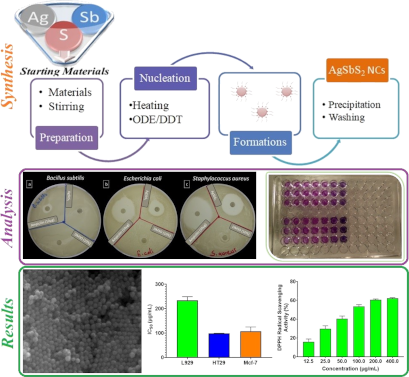
- biological properties. As a result of the performed characterizations, it was revealed that monodisperse AgSbS2 NCs were obtained in high purity and crystallinity. A remarkable antibacterial activity of the synthesized AgSbS2 NCs was identified by exhibiting an ability to suppress microbial growth against


Beyond the shell: exploring polymer–lipid interfaces in core–shell nanofibers to carry hyaluronic acid and β-caryophyllene
Beilstein J. Nanotechnol. 2025, 16, 2015–2033, doi:10.3762/bjnano.16.139
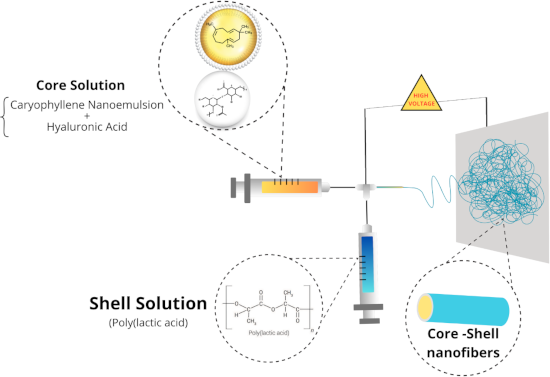
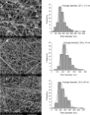
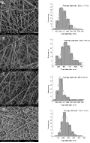
- thermoplastic known for its biodegradability, biocompatibility, and bioabsorbability [20][21]. Highly attractive due to its versatile physical, chemical, and biological properties, PLA is a suitable option for manufacturing tissue engineering scaffolds, implantable devices, and drug delivery systems, holding




Targeting the vector of arboviruses Aedes aegypti with nanoemulsions based on essential oils: a review with focus on larvicidal and repellent properties
Beilstein J. Nanotechnol. 2025, 16, 1894–1913, doi:10.3762/bjnano.16.132
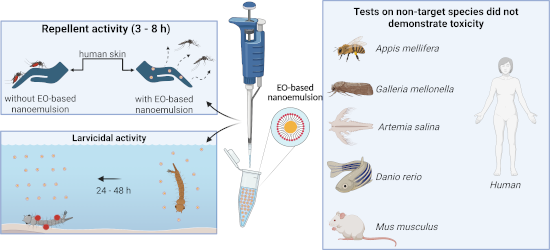
- performance and significantly improve the physical, chemical, and biological properties of essential oils, phytocompounds, and other insecticidal materials [102]. Wei et al. (2023) demonstrated the larvicidal potential of fenpropathrin NEs against Helicoverpa armigera larvae at the L3 stage, reporting


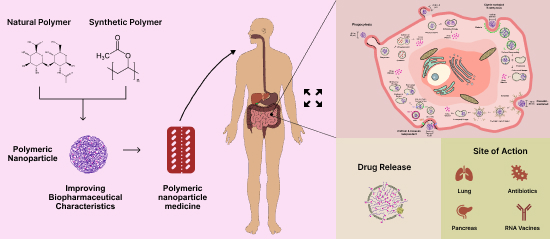
Exploring the potential of polymers: advancements in oral nanocarrier technology
Beilstein J. Nanotechnol. 2025, 16, 1751–1793, doi:10.3762/bjnano.16.122


Multifunctional anionic nanoemulsion with linseed oil and lecithin: a preliminary approach for dry eye disease
Beilstein J. Nanotechnol. 2025, 16, 1711–1733, doi:10.3762/bjnano.16.120
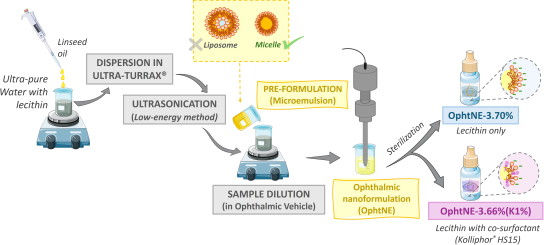
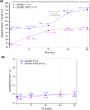
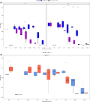
- biological properties (in vitro) of ophthalmic nanoformulations The pre-formulation emulsion (O/W systems with 1–5% lecithin) appeared homogeneous and milky white, typical of stable oil-in-water systems with fine droplets (Figure S2 in Supporting Information File 1). In contrast, the sterile ophthalmic



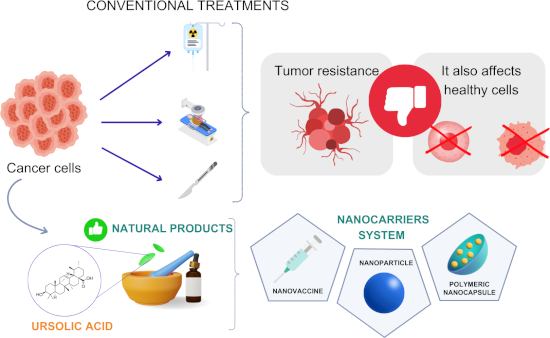
Prospects of nanotechnology and natural products for cancer and immunotherapy
Beilstein J. Nanotechnol. 2025, 16, 1644–1667, doi:10.3762/bjnano.16.116


Better together: biomimetic nanomedicines for high performance tumor therapy
Beilstein J. Nanotechnol. 2025, 16, 1246–1276, doi:10.3762/bjnano.16.92
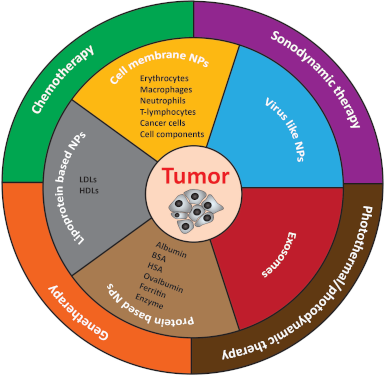
- physicochemical and biological properties, and incredible potential of being therapeutic agent carriers for biomedical applications [10][11]. They are capable to deliver a range of therapeutics including genes, vaccines, biological macromolecules, hydrophobic/hydrophilic drugs, and proteins to certain organs such






Colloidal few layered graphene–tannic acid preserves the biocompatibility of periodontal ligament cells
Beilstein J. Nanotechnol. 2025, 16, 664–677, doi:10.3762/bjnano.16.51
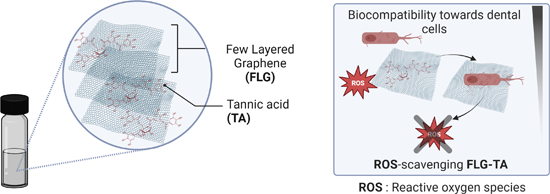
- satisfactory biocompatibility, FLG–TA potentially offers new insights as a novel biomaterial for dental applications. The addition of TA to the FLG surface enhances both physicochemical and biological properties. This advantageous combination expands the potential uses of the biocomposite across biomedical




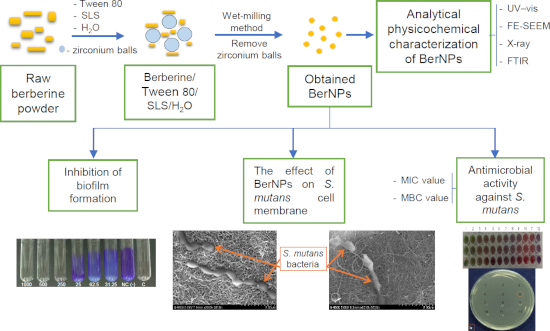
Fabrication and evaluation of BerNPs regarding the growth and development of Streptococcus mutans
Beilstein J. Nanotechnol. 2025, 16, 308–315, doi:10.3762/bjnano.16.23
- %) [11]. Therefore, nanotechnology has been applied to solve this problem. The physical, chemical, and biological properties of nanoscale materials are significantly different from those of their larger counterparts. As a result, numerous studies have been conducted to apply nanotechnology to obtain




Enhancing mechanical properties of chitosan/PVA electrospun nanofibers: a comprehensive review
Beilstein J. Nanotechnol. 2025, 16, 286–307, doi:10.3762/bjnano.16.22

- layers. Rafieian et al. [109] incorporated PVA nanofibers onto chitosan/aloe vera films to improve the mechanical, physical, and biological properties of the films for wound dressing applications. Kim et al. [159] compared the mechanical properties of pure PVA, blended chitosan/PVA, and PVA core–chitosan


Instance maps as an organising concept for complex experimental workflows as demonstrated for (nano)material safety research
Beilstein J. Nanotechnol. 2025, 16, 57–77, doi:10.3762/bjnano.16.7

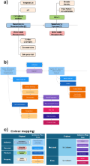
- . The material and medium categories are used to describe the instance. A physical or chemical change to the nanomaterial that (potentially) alters the physicochemical or biological properties of the material results in a new instance. An instance map then represents a flow chart of the nanomaterial


A nanocarrier containing carboxylic and histamine groups with dual action: acetylcholine hydrolysis and antidote atropine delivery
Beilstein J. Nanotechnol. 2025, 16, 11–24, doi:10.3762/bjnano.16.2

- breaks down acetylcholine into choline and acetic acid. The latter acts on the boronate bonds, dissociating them. This leads to the destruction of the nanocarrier and the release of the antidote. The paper covers the creation of the nanocarrier, its physicochemical and biological properties
- disintegrates the nanocarrier, leading to the release of Atr (Scheme 1). This paper discusses the synthesis of the Atr nanocarrier, its physicochemical and biological properties, the encapsulation of Atr into the nanocarrier cavity, ACh hydrolysis, nanocarrier degradation, and Atr release under the ACh action


Biomimetic nanocarriers: integrating natural functions for advanced therapeutic applications
Beilstein J. Nanotechnol. 2024, 15, 1619–1626, doi:10.3762/bjnano.15.127

- manipulation of matter on a nanoscale, typically ranging from 1 to 100 nm [2]. At this scale, nanoparticles can effectively interact with DNA and protein molecules [3][4]. Matter can exhibit distinct physical, chemical, and biological properties at the nanoscale compared to the macroscale, with significant
- -based nanocarriers is understanding the fundamental building blocks, size, shape, and biological properties to mimic real cells and enable their internalization [31][32]. One efficient strategy for producing biomimetic nanocarriers involves camouflage with biological membranes. The phospholipids


Liver-targeting iron oxide nanoparticles and their complexes with plant extracts for biocompatibility
Beilstein J. Nanotechnol. 2024, 15, 1593–1602, doi:10.3762/bjnano.15.125
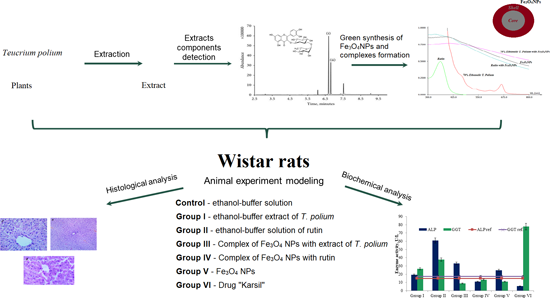
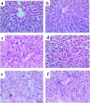
- , nanoparticles themselves contribute to the overall observed effect because of their specific spectrum of biological activities. Therefore, the development of such complexes and the identification of their spectrum of biological properties are relevant issues in biomedicine with great potential for practical


Interaction of graphene oxide with tannic acid: computational modeling and toxicity mitigation in C. elegans
Beilstein J. Nanotechnol. 2024, 15, 1297–1311, doi:10.3762/bjnano.15.105
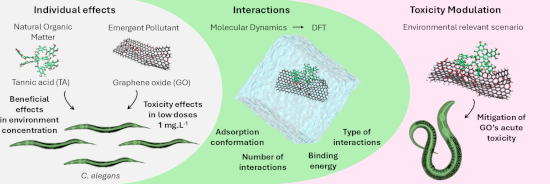
- -dependent mitigating effect on the toxicity of GO, which can be attributed not only to the surface interactions between the molecule and the material but also to the inherent biological properties of TA in C. elegans. Our findings contribute to a deeper understanding of GO’s environmental behavior and


Realizing active targeting in cancer nanomedicine with ultrasmall nanoparticles
Beilstein J. Nanotechnol. 2024, 15, 1208–1226, doi:10.3762/bjnano.15.98
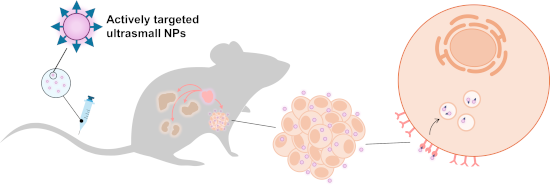
- actively targeted usNPs, revealing increased tumor accumulation and retention compared to non-targeted counterparts. In this review, we explore actively targeted inorganic usNPs, highlighting their biological properties and behavior, along with applications in both preclinical and clinical settings
- , usNPs are therefore more biocompatible than larger NPs. However, it is important to emphasize that the physicochemical and biological properties of usNPs are highly sensitive to NP size and surface chemistry [64][67][68], and usNPs can still impact protein activity, biochemical pathways, and cellular


Electrospun nanofibers: building blocks for the repair of bone tissue
Beilstein J. Nanotechnol. 2024, 15, 941–953, doi:10.3762/bjnano.15.77
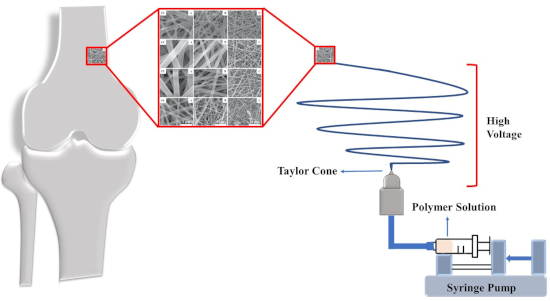
- hard bone-like tissues. Calcified bone tissue shows different mechanical properties depending on the collagen sequence in the natural structure. The polymers used in the development of polymeric nanofibers should have mechanical and biological properties suitable for calcified hard tissue structures


Electrospun polysuccinimide scaffolds containing different salts as potential wound dressing material
Beilstein J. Nanotechnol. 2024, 15, 781–796, doi:10.3762/bjnano.15.65
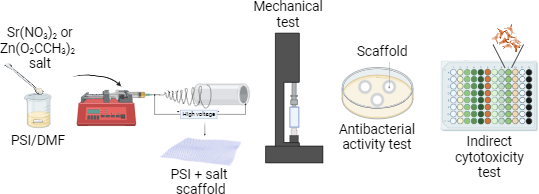
- biological properties of the scaffolds developed for application as wound dressings. The scaffold systems obtained by PSI synthesis, salt addition, and fiber formation were first investigated by scanning electron microscopy. In almost all cases, different salts caused a decrease in the fiber diameter of PSI



Fabrication of nanocrystal forms of ᴅ-cycloserine and their application for transdermal and enteric drug delivery systems
Beilstein J. Nanotechnol. 2024, 15, 465–474, doi:10.3762/bjnano.15.42
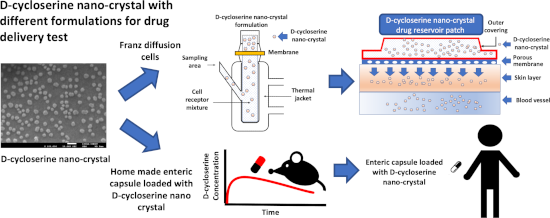
- polymers can provide gastric protection against gastric-irritating compounds and/or stomach acidity, leading to improved drug release performance. We aimed to fabricate DCS nanocrystals and study their physicochemical and biological properties. The DCS already has great water solubility (Log P = −1.72), so


Curcumin-loaded nanostructured systems for treatment of leishmaniasis: a review
Beilstein J. Nanotechnol. 2024, 15, 37–50, doi:10.3762/bjnano.15.4
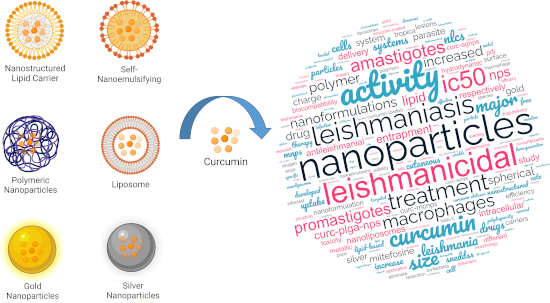
- summarized in Table 1, which also describes their physicochemical characteristics and performance in vitro and in vivo. General discussion and final considerations This study discussed that curcumin is a polyphenol with diverse biological properties, including a potent leishmanicidal activity. Despite the


Curcumin-loaded albumin submicron particles with potential as a cancer therapy: an in vitro study
Beilstein J. Nanotechnol. 2023, 14, 1127–1140, doi:10.3762/bjnano.14.93
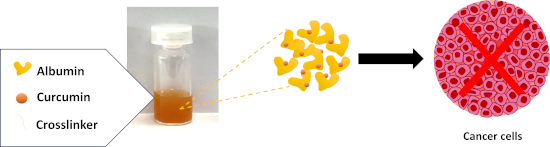
- promising biological properties, particularly antioxidant activity. However, its medical applications are limited due to its low water solubility, bioavailability, and pH-instability. CUR-loaded albumin microparticles (CUR-HSA-MPs) of submicron size in the range of 800 to 900 nm and a zeta potential of −15
- to enhance the biological properties and improve cellular uptake of the MPs. The cellular uptake was also measured by fluorescence microscopy as shown in Supporting Information File 1, Figure S1. Conclusion Biodegradable albumin submicron particles were successfully loaded with CUR into protein




Quercetin- and caffeic acid-functionalized chitosan-capped colloidal silver nanoparticles: one-pot synthesis, characterization, and anticancer and antibacterial activities
Beilstein J. Nanotechnol. 2023, 14, 362–376, doi:10.3762/bjnano.14.31
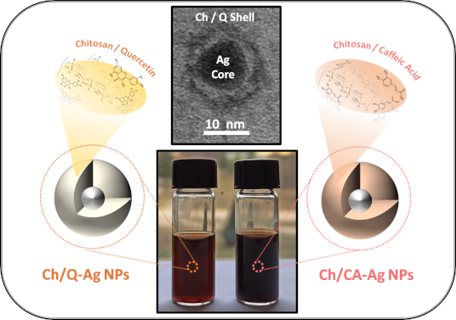
- , anti-inflammatory, antidiabetic, antitumor, antioxidant, lipid-lowering, and wound healing properties [19][20][21][22][23]. Although many studies have been conducted in recent years regarding the synthesis of new structures with quercetin and their biological properties [24][25][26][27][28], there is
- first time the one-pot synthesis of Ch/Q- and Ch/CA-Ag NPs and their biological properties (anticancer and antibacterial). Ag NPs have been prepared and characterized by UV–vis, FTIR, and TEM measurements. In another study of ours, Lomustine, a common drug against glioblastoma cancer, was applied at a





