


Search results
Search for "cancer cells" in Full Text gives 166 result(s) in Beilstein Journal of Nanotechnology.
Nanocarrier strategies to overcome P-glycoprotein-mediated drug resistance in cancer therapy
Beilstein J. Nanotechnol. 2026, 17, 882–921, doi:10.3762/bjnano.17.64
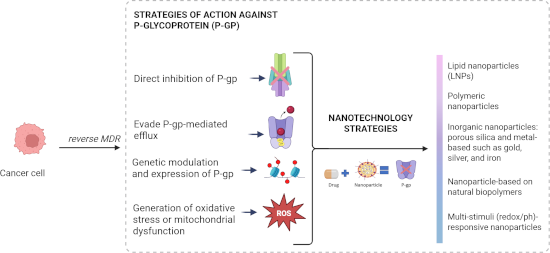
- compromised by multidrug resistance (MDR), a phenomenon in which cancer cells evade the cytotoxic effects of drugs through various mechanisms. Overexpression of efflux transporters, particularly P-glycoprotein (P-gp), is a well-documented contributor to this phenotype, although it is not the sole mechanism
- by uncontrolled proliferation of breast tissue cells and marked clinical heterogeneity. Among the resistance mechanisms documented in breast cancer, overexpression of P-gp has been studied extensively as a factor that actively exports chemotherapeutic agents from cancer cells, reducing intracellular
- from cancer cells, resulting in diminished intracellular drug concentrations and impaired treatment effectiveness [26]. Nanotechnology-based drug delivery systems have emerged as a promising strategy to overcome this barrier. These nanosystems can encapsulate anticancer agents, protect them from


Nanoinformatics: spanning scales, systems and solutions
Beilstein J. Nanotechnol. 2026, 17, 423–427, doi:10.3762/bjnano.17.28

- classification, random forest, support vector classifier, and linear discriminant analysis) applied to multiple cell types (pancreatic cancer cells (PaCa2), human endothelial cells (HUVEC) and human macrophage cells (U937)). The best model for each cell type was identified, and the structural fingerprints

Biomimetic nanoparticles in cancer photodynamic therapy: a review of targeted delivery systems and therapeutic outcomes
Beilstein J. Nanotechnol. 2026, 17, 396–422, doi:10.3762/bjnano.17.27
- rupture [53]. Lysis buffer selection (containing membrane disruptors and protease inhibitors) depends on cell type and target protein localization. For example, cancer cells and macrophages respond better to hypotonic protocols [57], and harsh homogenization suits cytomembrane protein extraction (above 30
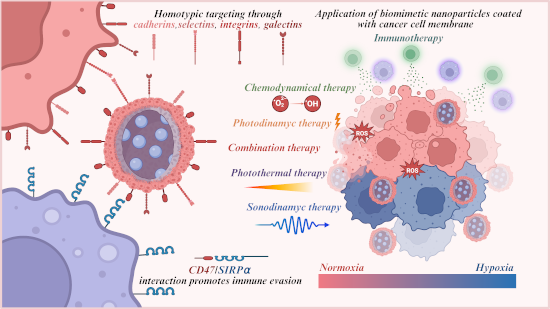
- prolonged circulation and increased tumor targeting in systems coated with erythrocyte or stem cell membranes [66]. Such coatings can also facilitate homotypic targeting, where nanoparticles preferentially bind to and are internalized by cancer cells of the same origin, further improving specificity and
- . These properties are particularly valuable for treating inflammatory diseases and targeting tumors. Crossing the blood–brain barrier (BBB) remains a significant challenge for nanomedicine. BNPs coated with membranes from cells capable of BBB penetration, such as neutrophils or cancer cells, show


From shield to spear: Charge-reversible nanocarriers in overcoming cancer therapy barriers
Beilstein J. Nanotechnol. 2026, 17, 159–175, doi:10.3762/bjnano.17.10
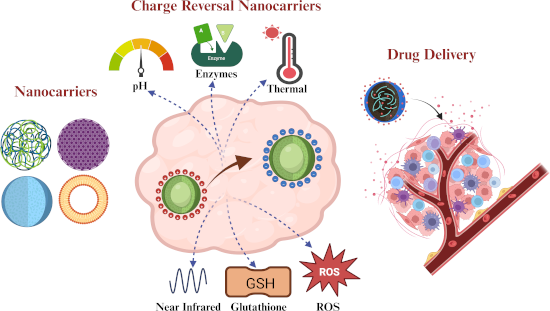
- Cancer remains a foremost global health challenge, characterized by uncontrolled cellular proliferation and the ability to invade and metastasize to distant sites. Unlike normal cells, cancer cells bypass regulatory mechanisms to form tumours and spread via lymphatic or circulatory systems, such as
- , primarily aim to eliminate rapidly dividing cancer cells. However, these conventional approaches often face limitations in specificity and long-term efficacy [4][5][6]. In recent years, significant advancements have transformed the therapeutic landscape with the introduction of gene therapy, stem cell
- function and various bodily processes. Certain enzymes, such as matrix metalloproteinases (MMPs), hyaluronidases (HAases), γ-glutamyltransferases (GGTs), aminopeptidases (APNs), esterases, and others, are found more regularly in cancer cells [32][47][48][49]. By encapsulating specific enzyme substrates in


Development and in vitro evaluation of liposomes and immunoliposomes containing 5-fluorouracil and R-phycoerythrin as a potential phototheranostic system for colorectal cancer
Beilstein J. Nanotechnol. 2026, 17, 97–121, doi:10.3762/bjnano.17.7
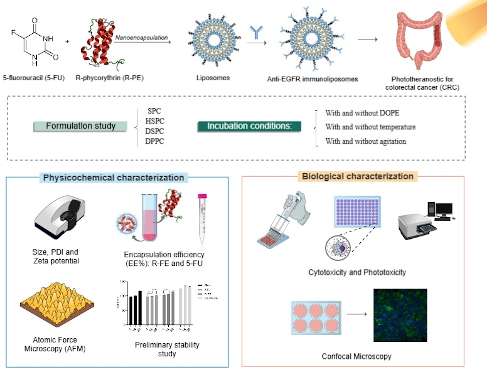
- potential application in cancer treatment, ranging from in vitro cell programmed death induction in the liver, lung, and gastric cancer cells [12] to in vivo reduction in nodule number and liver weight in rats [13]. In addition, R-PE also has a photosensitizing role that can be explored in photodynamic
- cancer) cells [15]. Furthermore, as previously mentioned, 5-FU is a drug used to treat colorectal cancer, an analogue of the uracil nucleotide, capable of inhibiting the synthesis of DNA and RNA, in addition to inhibiting thymidylate synthase. This drug is the first line of the treatment of colorectal
- cetuximab and obtained 14.06% conjugation efficiency with a high percentage of cellular internalization in prostate cancer cells overexpressing EGFR. Souza et al. (2024) [52] also conjugated cetuximab to liposomes based on SPC, cholesterol, and DSPE–PEG–PEG with 40.9% conjugation efficiency. Regarding



Improving magnetic properties of Mn- and Zn-doped core–shell iron oxide nanoparticles by tuning their size
Beilstein J. Nanotechnol. 2025, 16, 2285–2295, doi:10.3762/bjnano.16.157
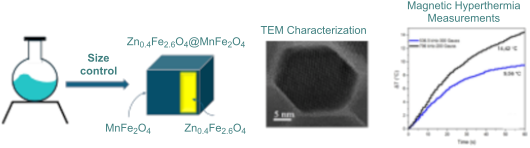
- heating capability, a critical requirement for hyperthermia applications. The temperature increases of 6.5 and 9.6 °C under 536 and 796 kHz, respectively, surpass the thermal threshold required to induce apoptosis in cancer cells (42–46 °C). The fast heating kinetics observed here are comparable to those
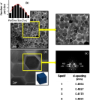

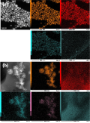


Rapid synthesis of highly monodisperse AgSbS2 nanocrystals: unveiling multifaceted activities in cancer therapy, antibacterial strategies, and antioxidant defense
Beilstein J. Nanotechnol. 2025, 16, 2105–2115, doi:10.3762/bjnano.16.145
- Humicola sp. in biomedical applications were investigated. Cancer experiments were carried out using breast cancer and Burkitt’s lymphoma cancer cells, while the biocompatibility tests of α-AgS nanoparticles were also conducted using human peripheral blood mononuclear cells (PBMCs) [18]. Additionally
- , these materials have also been used in various imaging applications for the detection of cancer cells. Ag2Te and Ag2S nanocrystals (NCs) were used in cancer imaging studies by Nieves and colleagues. In this study, computed tomography contrasts changes of NCs injected into mice were examined at 2 and 24
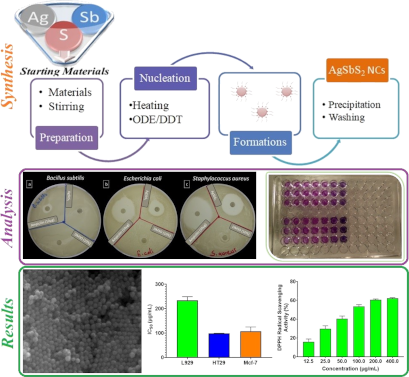
- ). In addition, AgSbS2 NCs showed a significant cytotoxicity against MCF-7 breast cancer cells, exhibiting a significant inhibitory effect with 87% cell inhibition (IC50 = 107.41 ± 17.53 μg/mL) at the highest concentration tested (Figure 4). The synthesized NCs caused lower cell inhibition on healthy


Toward clinical translation of carbon nanomaterials in anticancer drug delivery: the need for standardisation
Beilstein J. Nanotechnol. 2025, 16, 2092–2104, doi:10.3762/bjnano.16.144
- global community can work towards reducing the overall burden of cancer. In 2000, Douglas Hanahan and Robert Weinberg introduced the hallmarks of cancer [22], a comprehensive set of capabilities and characteristics that define the cellular and molecular traits of cancer cells. These hallmarks have been
- , nontraditional approach in cancer treatment and an active research area. In this approach, engineered NMs, acting as nanocarriers, selectively and specifically target cancer cells to deliver drug payloads. The NMs can distinguish between cancer cells and healthy cells; thereby minimising adverse effects
- adverse side effects, while also losing efficacy as cancer cells develop resistance. Within chemotherapy, various drug delivery methods exist, each with its advantages and limitations (refer to Supporting Information File 1, Table S1). The choice depends on the patients’ needs and the type of cancer



PEGylated lipids in lipid nanoparticle delivery dynamics and therapeutic innovation
Beilstein J. Nanotechnol. 2025, 16, 1914–1930, doi:10.3762/bjnano.16.133
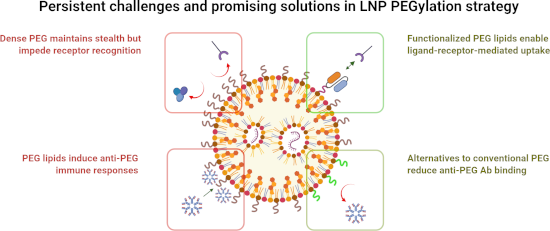
- maleimide groups are effective for ligand attachment to LNP surface and targeted delivery [40][41]. A dual-targeted LNP system composed of two functionalized PEG lipids was created for ligand-mediated targeting of DNA-loaded LNPs to breast cancer cells [42]. DSPE-PEG-folate was directly incorporated into
- the LNP formulation as a targeting ligand for folate receptor-positive breast cancer cells [43]. The other ligand, anti-HER2 monoclonal antibody Herceptin, was first thiolated using N-succinimidyl S-acetylthioacetate and then conjugated to DSPE-PEG-maleimide at a 1:4 molar ratio, with unreacted
- outperformed single-ligand LNPs with folate or Herceptin only [42]. In vivo validation was performed using a zebrafish larvae xenograft model, in which MCF7 breast cancer cells were implanted into the larvae at 48 h post-fertilization. The LNPs were labeled for tracking and then administered via intravenous


Exploring the potential of polymers: advancements in oral nanocarrier technology
Beilstein J. Nanotechnol. 2025, 16, 1751–1793, doi:10.3762/bjnano.16.122


Advances of aptamers in esophageal cancer diagnosis, treatment and drug delivery
Beilstein J. Nanotechnol. 2025, 16, 1734–1750, doi:10.3762/bjnano.16.121
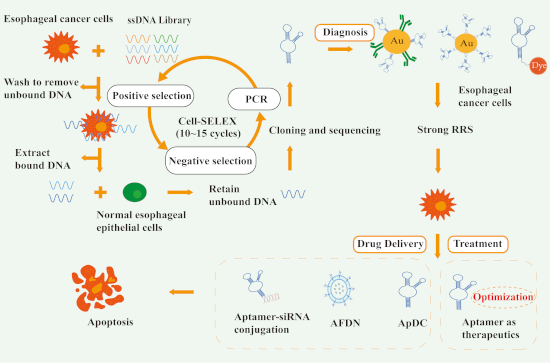
- /mTOR/S6 pathway [5], and SOX2/miR-30e/USP4/SMAD4/CK2 pathway [6] are important mechanisms promoting the malignant phenotype of cancer cells. Some of the pathogenesis and risk factors of ESCC and EAC are shown in Figure 1. The initial clinical manifestations of both conditions are often nonspecific and
- cancer cells, thereby significantly enhancing tumor-specific drug accumulation. Concurrently, siRNA-mediated silencing of MDR1 effectively suppresses P-gp-mediated drug efflux, overcoming multidrug resistance (MDR) in tumor cells. By integrating active targeting, gene silencing, and chemosensitization
- single-stranded DNA aptamer Te4, which specifically binds to TE-1 cells, through Cell-SELEX and further formed aptamer–DOX complexes to deliver DOX directly to cancer cells. In vivo imaging showed that the fluorescence signal of the complex weakened after 150 min, and the circulation time was short


Prospects of nanotechnology and natural products for cancer and immunotherapy
Beilstein J. Nanotechnol. 2025, 16, 1644–1667, doi:10.3762/bjnano.16.116
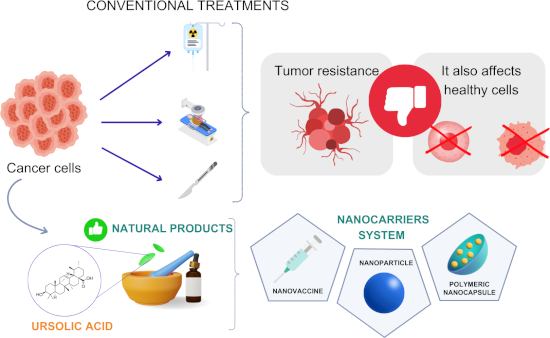
- T-lymphocyte associated protein 4), which inhibit T-cell activation, allowing cancer cells to escape immune-mediated destruction [8]. Immunotherapy shows promise as a cancer treatment approach, encompassing strategies such as monoclonal antibodies, immune checkpoint inhibitors, antitumor vaccines
- Figure 5, it is possible to identify their relationships with cancer control and immunotherapy. For instance, terpenoids such as ursolic acid, oleanollonidamine, exhibit variations in selectivity and potency against cancer cells, depending on the presence of methoxylations at positions 3 and 20 [80][81
- activate the immune system [86][87][88]. Finally, alkaloids and their derivatives, such as lonidamine, exhibit variations in selectivity and potency against cancer cells, depending on the presence and position of hydroxy, methoxy, or alkyl groups, as well as modifications to the nitrogen atom [89][90][91


Nanomaterials for biomedical applications
Beilstein J. Nanotechnol. 2025, 16, 1499–1503, doi:10.3762/bjnano.16.105
- promote the healing of damaged tissues or organs [5]. Photothermal treatments are also possible with nanomaterials, as specially prepared particles can heat up and destroy cancer cells when exposed to light [6]. Moreover, nanomaterials can be incorporated into implants and prosthetics for enhanced
- effectively treat brain cancer cells. These nanocarriers helped drugs stay longer in the body, get to the brain tumor by crossing protective barriers, and directly target cancer cells [13]. However, carbon nanotubes require further investigation before being implanted into the human body due to their toxicity
- nanoparticles are most often used in photothermal therapy. These nanomaterials can capture specific wavelengths of light from the near-infrared spectrum and then use that energy to generate heat. This heat from the laser points causes cancer cells to be damaged or destroyed, while reducing the damage to nearby
Ferroptosis induction by engineered liposomes for enhanced tumor therapy
Beilstein J. Nanotechnol. 2025, 16, 1325–1349, doi:10.3762/bjnano.16.97
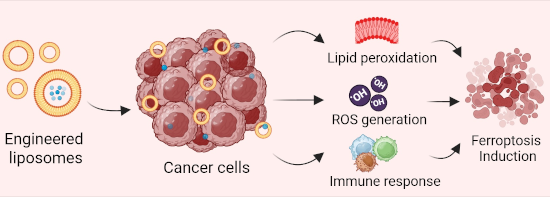
- therapy and is closely linked to alterations in cancer metabolism [2][3][4]. Changed metabolic pathways allow cancer cells to grow faster than usual, adapt to restricted nutrient conditions, and develop drug resistance [3]. There is still a gap in the efficacy of various cancer therapies despite numerous
- accumulation of lipid ROS. Ferroptosis clearly differs from necrosis, apoptosis, and autophagy in terms of cellular morphology and function [7]. Recently, studies have indicated that ferroptosis can be utilized for cancer therapy since it effectively eliminates cancer cells and reverses drug resistance [8][9
- diseases such as non-alcoholic fatty liver disease, cardiovascular diseases like atherosclerosis, neurological disorders, and chronic wound healing [11][12][13]. Ferroptosis is a unique approach for the simultaneous treatment of cancer cells with chemotherapy, radiotherapy, and immunotherapy to increase


Better together: biomimetic nanomedicines for high performance tumor therapy
Beilstein J. Nanotechnol. 2025, 16, 1246–1276, doi:10.3762/bjnano.16.92
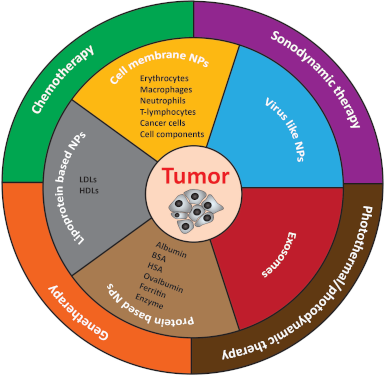
- 3D) [30]. 1.1.2 Macrophages. Macrophages are a critical part of the TME. They are specific type of immune cells that can recognize healthy somatic cells as “own” cells and exogenous particles, cancer cells, and pathogens as “foreign” and phagocytose them [31]. Therefore, macrophage membranes could be
- used to escape the reticuloendothelial system (RES), target cancer cells and pathogens, and enhance tumor accumulation. Recently, Huang et al. reported macrophage membrane-coated targeted NPs for tumor inhibition and macrophage polarization. They incorporated methyltransferase like 14 (METTL14) and
- successfully employed to cross biological barriers to target cancer cells. The neutrophil membranes enhanced circulation life, efficiently targeted tumors, and inhibited growth by photodynamic therapy. Neutrophil membrane-coated celastrol-loaded PEG-PLGA nanoparticles were prepared to treat pancreatic cancer






Hydrogels and nanogels: effectiveness in dermal applications
Beilstein J. Nanotechnol. 2025, 16, 1216–1233, doi:10.3762/bjnano.16.90
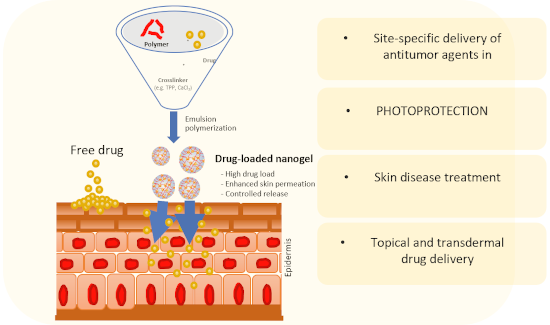
- skin penetration enhancer. The cationic charge of the particles, combined with drug release in a slightly acidic environment, promoted an increase in drug permeation (ex vivo), as well as an augment in capecitabine toxicity against cancer cells in a HaCaT cell line MTT assay. This pH-sensitive behavior


Fabrication of metal complex phthalocyanine and porphyrin nanoparticle aqueous colloids by pulsed laser fragmentation in liquid and their potential application to a photosensitizer for photodynamic therapy
Beilstein J. Nanotechnol. 2025, 16, 1088–1096, doi:10.3762/bjnano.16.80
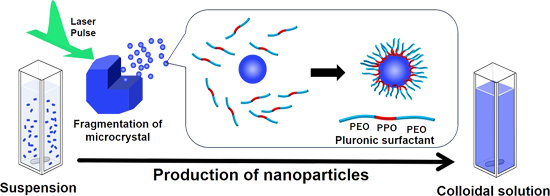
- against cancer cells was reported. However, conventional methods of producing nanoparticle colloids require organic solvents and excessive amounts of organic adjuvants, which may have other implications for research in pharmacological, photochemical, and medical applications, and also may interfere with


A calix[4]arene-based supramolecular nanoassembly targeting cancer cells and triggering the release of nitric oxide with green light
Beilstein J. Nanotechnol. 2025, 16, 1003–1013, doi:10.3762/bjnano.16.75
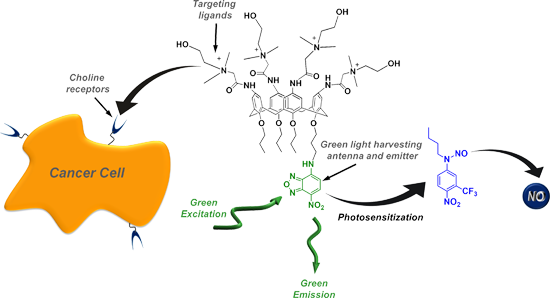
- cancer cells that overexpress the choline transporters, and it can be visualized thanks to the fluorescent tag. The fluorogenic unit also acts as a green light harvesting center, making the nanoassembly a photo-nanoreactor able to encapsulate a hydrophobic nitric oxide (NO) photodonor, otherwise
- purpose, we report the design and synthesis of the cationic calix[4]arene 1 and its supramolecular nanoassembly with the blue-light-activatable nitroso-derivative NOPD 2 (Scheme 1). We show that (i) 1 self-assembles in water medium into nanoaggregates able to internalize into cancer cells selectively and
- specifically target cancer cells overexpressing choline transporters and, after encapsulation of the NOPD 2, stimulate NO release through a green-light-triggered photosensitization process. Results and Discussion Design and synthesis Calix[4]arene 1 integrates four choline moieties at the upper rim of the


Efficiency of single-pulse laser fragmentation of organic nutraceutical dispersions in a circular jet flow-through reactor
Beilstein J. Nanotechnol. 2025, 16, 711–727, doi:10.3762/bjnano.16.55
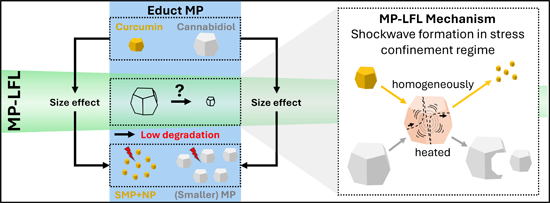
- particle surface and quantified regarding feedstock mass concentration and nutraceutical type. Cytotoxicity in HepG2 cancer cells was significantly reduced in cells treated with laser-processed curcumin in comparison to unirradiated curcumin controls, and antioxidant effects were proven, ensuring high
- molecules [75][76]. The effect of curcumin on cancer cells has been frequently examined, and two potentially contradictory effects are frequently discussed. On the one hand, curcumin nanoparticles are said to be more cytotoxic to cancer cells like HepG2 than the corresponding microparticle formulations [77


Colloidal few layered graphene–tannic acid preserves the biocompatibility of periodontal ligament cells
Beilstein J. Nanotechnol. 2025, 16, 664–677, doi:10.3762/bjnano.16.51
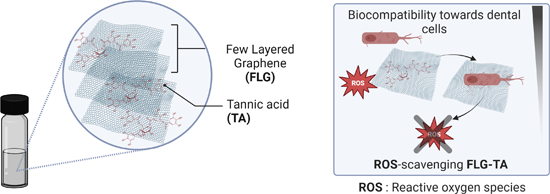
- metal ion chelation. Chromatin contains copper ions, which readily participate in redox reactions and bind strongly to DNA. These ions can form complexes with TA. Within cancer cells, for instance, this interaction can trigger ROS production and DNA damage [17]. However, when TA is complexed with
- research indicating that TA coatings markedly enhanced the adhesion and proliferation of human liver cancer cells, specifically HepG2, on the PDMS substrate when compared to pristine PDMS [37]. TA may possibly play a role in cellular adhesion mechanisms, potentially through surface protein interactions




Polyurethane/silk fibroin-based electrospun membranes for wound healing and skin substitute applications
Beilstein J. Nanotechnol. 2025, 16, 591–612, doi:10.3762/bjnano.16.46
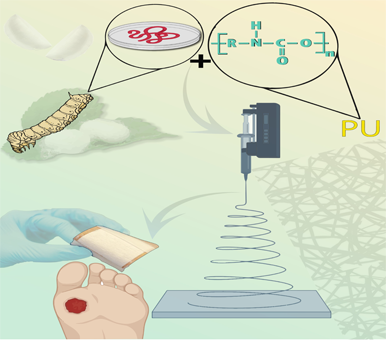
- and differentiation to repair damaged neural tissue [171]. They are also widely used for cancer treatments such as photothermal and photodynamic therapy, where light activation creates heat or reactive oxygen species to severely damage and kill cancer cells while reducing the harm done to healthy
- power. These membranes were shown to ablate HepG2 cancer cells in vitro, revealing the prospect for localized cancer treatment [176]. Lv et al. created a new light-sensitive shape memory polyurethane (SMPU) by using micro/nanofibers of polydopamine (PDA)-coated poly(ε-caprolactone). The aim of this



Synthetic-polymer-assisted antisense oligonucleotide delivery: targeted approaches for precision disease treatment
Beilstein J. Nanotechnol. 2025, 16, 435–463, doi:10.3762/bjnano.16.34

- significantly improved gene silencing efficiency in prostate cancer cells, compared to a control diblock copolymer micelle. While cellular internalisation of ASO complexes can take place through several pathways, it has been previously reported that non-specific adsorptive endocytosis is the predominant
- cytotoxicity, requiring careful optimisation for therapeutic applications. In their pursuit of more effective gene delivery systems, Kim et al. explored the potential of poly(ʟ-arginine) as a vital component in targeting CD44-positive cancer cells through a novel siRNA delivery platform [94]. The researchers
- demonstrated that ARG-coated poly(lactide-co-glycolide) (PLGA) nanoparticles significantly improved the internalisation of ASOs into cancer cells, leading to effective inhibition of miR-155, a known oncogene, and alteration of the splicing pattern of the Mcl-1 gene, promoting the pro-apoptotic isoform. In


Graphene oxide–chloroquine conjugate induces DNA damage in A549 lung cancer cells through autophagy modulation
Beilstein J. Nanotechnol. 2025, 16, 316–332, doi:10.3762/bjnano.16.24
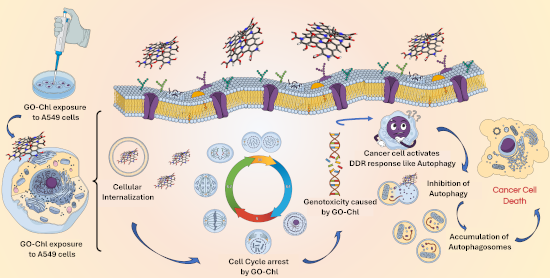
- .16.24 Abstract Autophagy is a highly regulated catabolic process by which unnecessary, dysfunctional, or damaged proteins and other cellular components are degraded and recycled to promote cellular differentiation, survival, and development. In response to endogenous or exogenous stresses, cancer cells
- use autophagy pathways for survival through activation of complex DNA damage repair (DDR) mechanisms. In the present study, we demonstrated the genotoxicity induced in A549 lung cancer cells by exposure to the GO–Chl nanoconjugate and elucidated the role of autophagy modulation in harnessing the DNA
- capabilities of cancer cells. The results indicate that the interplay between DDR and autophagy pathways may open new paradigms for developing effective combinatorial nanoscale drug systems against multidrug-resistance cancers. Keywords: A549 cells; autophagy; chloroquine; DNA damage; graphene oxide



Radiosensitizing properties of dual-functionalized carbon nanostructures loaded with temozolomide
Beilstein J. Nanotechnol. 2025, 16, 229–251, doi:10.3762/bjnano.16.18
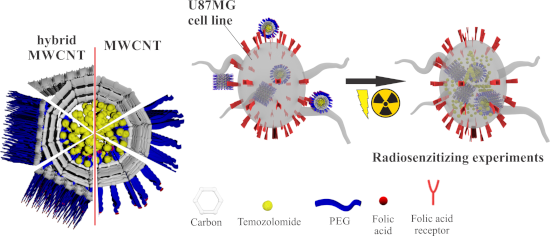
- suitable for crossing the BBTB and targeting brain cancer cells. A biphasic drug release profile was observed for all functionalized TMZ-loaded formulations in simulated in vivo conditions, with a sustained release pointing to the potential for controlled release of TMZ in brain tumor cells. The
- lung cancer cells (A549), whereby larger particles showed higher cell affinity. In another study, MWCNTs smaller than 8 nm were more toxic in 3T3 fibroblasts and bronchial epithelial cells compared with larger MWCNTs (20–30 nm and >50 nm, with the same length 0.5–2 µm); however, MWCNTs larger than 50
- effects on the proliferation of cancer cells by blocking the cell cycle in the G0/G1 phase and increasing the osmotic pressure [91][92]. In addition, in a paper of Xu et al. [93], dynamic biological interactions between PEG and cells on the molecular level were clarified, explaining both the inhibitory




Recent advances in photothermal nanomaterials for ophthalmic applications
Beilstein J. Nanotechnol. 2025, 16, 195–215, doi:10.3762/bjnano.16.16
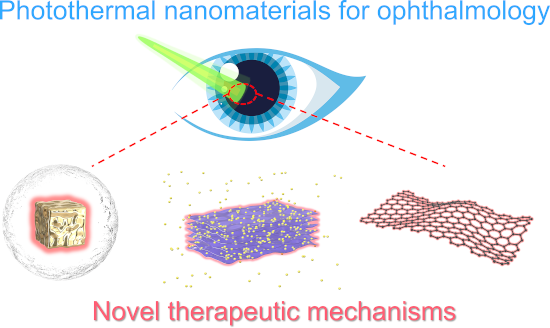
- , aiding in the precise identification of treated areas. Au nanorods, when combined with anti-epithelial cell adhesion molecule (EpCAM), accurately target EpCAM+Y79 retinoblastoma cancer cells [108]. The targeted cells are deemed to be destroyed by VNBs induced by optimally parameterized femtosecond
- circularly polarized laser pulses, drastically reducing cell viability to about 10%. This targeted approach ensures that the laser energy remains below the threshold that could damage healthy cells, and the thermal field is efficiently confined to a 10 nm range around the cancer cells, thereby sparing





