Search results
Search for "carbon nanotubes" in Full Text gives 368 result(s) in Beilstein Journal of Nanotechnology. Showing first 200.
Materials challenges in solid-state sensors for continuous monitoring of ions in water
Beilstein J. Nanotechnol. 2026, 17, 935–973, doi:10.3762/bjnano.17.66
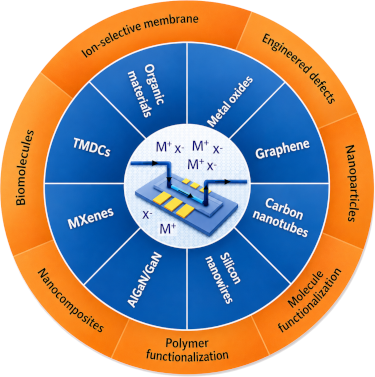
- of active materials have been investigated, including metal oxides, graphene, carbon nanotubes, silicon nanowires, AlGaN/GaN, MXenes, transition metal dichalcogenides, and organic polymers all of which can be tailored for sensor development. Sensor selectivity and functionality can be enhanced
- -ISEs convert the ionic potential formed at the membrane–sample interface into an electronic signal through one of three principal mechanisms: (1) Capacitive (electrostatic) transduction relies on high double-layer or pseudocapacitive charge storage at the solid contact; carbon nanotubes (CNTs) are a
- limitations, studies found how graphene’s high mobility, chemical functionalizability and compatibility with extended-gate layouts help overcome screening and drift in complex electrolytes and make it suitable for electrical and electrochemical sensing [117][120][121]. Carbon nanotubes. Carbon nanotubes (CNTs


Environmental applications of silver nanoparticles: state-of-the-art review and emerging trends
Beilstein J. Nanotechnol. 2026, 17, 697–736, doi:10.3762/bjnano.17.49


Cellulose as a photocatalyst support material: extraction, structural features, and environmental applications
Beilstein J. Nanotechnol. 2026, 17, 635–652, doi:10.3762/bjnano.17.44
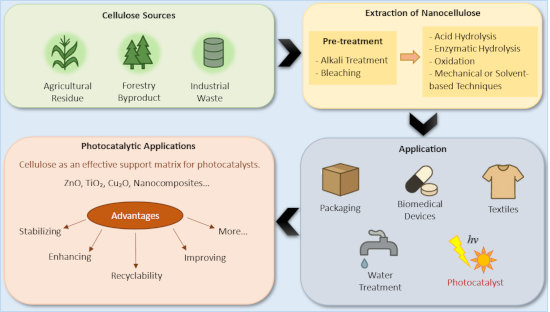
- with conductive polymers, depositing metallic layers on them, converting them through carbonization, and integrating them with carbon nanotubes (CNTs), each approach offering unique pathways to tailor the performance of CNCs-based conductive nanomaterials [87]. Cellulose-based nanostructured


Impacts of annealing on structural and photophysical properties of zinc phthalocyanine adsorbed on graphene
Beilstein J. Nanotechnol. 2026, 17, 576–585, doi:10.3762/bjnano.17.39
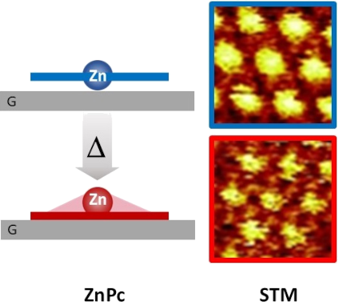
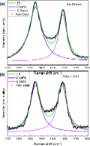
- characteristic of a ZnPc response [43]. However, the highest energy peak is strongly shifted from its value of 1506 cm−1 in the bulk to 1543 cm−1 in this assembly. The same shift has been reported for the ZnPc embedded inside carbon nanotubes or adsorbed on their surface [44]. This is considered as a signature


Fractional shot noise of an SU(N) Kondo system
Beilstein J. Nanotechnol. 2026, 17, 515–540, doi:10.3762/bjnano.17.34
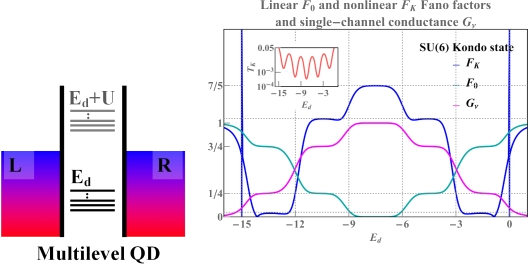
- the tunability of QDs by external fields, voltages, and strains, strong correlations can be tested also in regimes not accessible in solid-state physics. The paramagnetic SU(2) Kondo effect has been observed in semiconductor-based QDs [5][6], in carbon nanotubes (CNTs) [7][8][9][10][11], and in
- ] and for cold atoms in [40]. There are also reports on Kondo effects for N > 6, for example, the SU(12) Kondo effect in carbon nanotubes has been analyzed in [41]. In the SU(N) case, the system has N flavors instead of spin-up and spin-down, and the three Pauli matrices are generalized to (N2 − 1
- U can be inferred from the size of Coulomb diamonds. For semiconducting carbon nanotubes, the charging energy is of the order of tens of millielectronvolts [7][29] and, for QDs in a 2DEG, U = 1–4 meV [6][100][101]. Γ gives us a quality of contacts and is of the order of millielectronvolts or even


![[Graphic 127]](/bjnano/content/inline/2190-4286-17-34-i187.svg?max-width=637&scale=1.18182)

Defects and defect-mediated engineering of two-dimensional materials: challenges and open questions
Beilstein J. Nanotechnol. 2026, 17, 454–488, doi:10.3762/bjnano.17.31
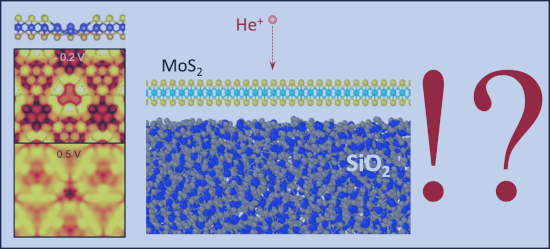
- measured at the atomic scale and correlated with the local atomic and electronic structure? The ability to measure the optical spectra of individual defects at the atomic scale and to correlate them directly with their local atomic and electronic structure, as performed for 1D carbon nanotubes [111], would



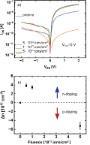


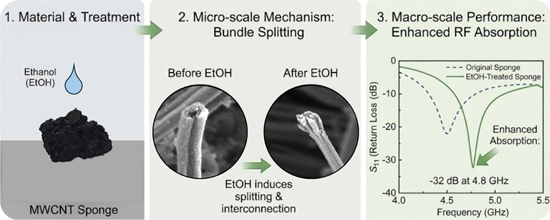
Interconnection morphology effects on the radio frequency response of carbon nanotube sponges
Beilstein J. Nanotechnol. 2026, 17, 343–351, doi:10.3762/bjnano.17.23
- conditions [1][2]. Novel alternative materials including conducting polymers [3], nanocarbon-based materials like carbon fibres [4], carbon nanotubes (CNTs), their composites [5][6][7], and more recently graphene [8][9] have been the focus of extensive research. Above materials fulfil the requirements of




From shield to spear: Charge-reversible nanocarriers in overcoming cancer therapy barriers
Beilstein J. Nanotechnol. 2026, 17, 159–175, doi:10.3762/bjnano.17.10
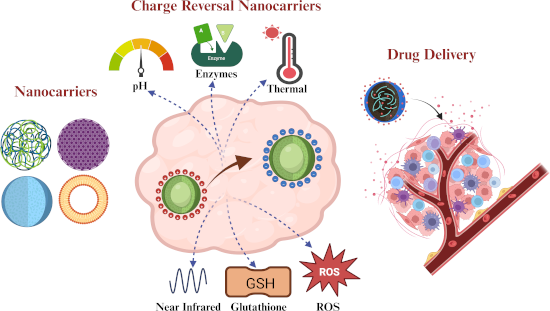
- platforms by emphasizing biodegradability, biocompatibility, and high positive surface potentials to optimize cellular uptake and endosomal escape. Addressing safety and regulatory challenges, especially for inorganic materials such as carbon nanotubes and mesoporous silica nanoparticles and optimizing


Missing links in nanomaterials research impacting productivity and perceptions
Beilstein J. Nanotechnol. 2025, 16, 2168–2176, doi:10.3762/bjnano.16.149
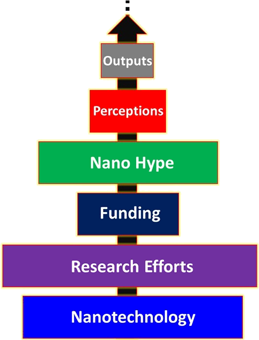
- , though nanomaterials research has made impressive scientific advances, its translation into mass-market products remains partial. Therefore, it raises a vital and valid question: Why are heavily researched nanomaterials such as carbon nanotubes, graphene, metal oxides, quantum dots, and MXenes still so
- broader nanotechnology over this period have ranged from half a trillion to nearly one trillion US dollars, roughly $400 billion from government sources and a comparable amount from industry [13][14][15]. Moreover, on the basis of data indexed in Web of Science and Scopus, it is evident that carbon
- nanotubes, graphene, metal oxides, quantum dots, and MXenes are among the most extensively studied and explored nanomaterials. These materials have been researched in nearly every discipline, leading to the establishment of numerous startups and companies focused on their production, processing, and
Toward clinical translation of carbon nanomaterials in anticancer drug delivery: the need for standardisation
Beilstein J. Nanotechnol. 2025, 16, 2092–2104, doi:10.3762/bjnano.16.144

- standardisation, and interdisciplinary collaboration. An overview of key production challenges is provided in Table 1. The lack of standardised methods for the synthesis and characterisation of CNMs is a major challenge in the field of nanotechnology. CNMs, such as carbon nanotubes and graphene, have unique
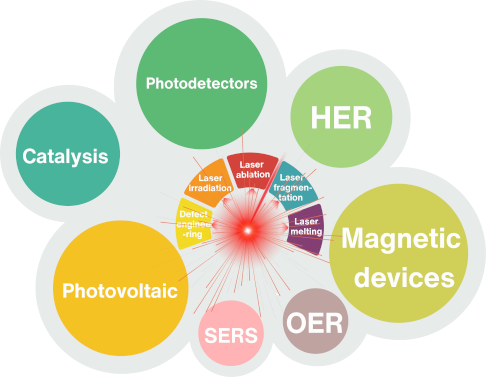
- main issues is the wide variety of methods that can be used to synthesise CNMs, which can lead to variations in their properties and performance. For example, carbon nanotubes can be synthesised using arc discharge, laser ablation, and chemical vapour deposition, among others [30]. Each method can
- result in carbon nanotubes with different structures, sizes, and surface chemistries, which can affect their biological activity, toxicity, and efficacy as drug delivery vehicles. Similarly, the characterisation of CNMs can be challenging due to their small size and complex structures. However, there is




Current status of using adsorbent nanomaterials for removing microplastics from water supply systems: a mini review
Beilstein J. Nanotechnol. 2025, 16, 1837–1850, doi:10.3762/bjnano.16.127
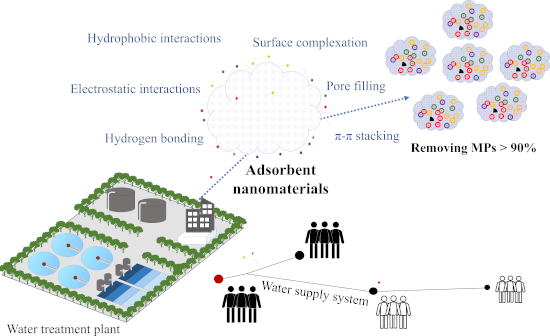
- reaction pathways of these materials. Classification and potential of adsorbent nanomaterials Carbon-based adsorbents. Carbon-based adsorbents, such as graphene oxide (GO), activated carbon, biochar, and carbon nanotubes (CNTs), have been extensively investigated regarding the treatment of pollutants in


Further insights into the thermodynamics of linear carbon chains for temperatures ranging from 13 to 300 K
Beilstein J. Nanotechnol. 2025, 16, 1818–1825, doi:10.3762/bjnano.16.125
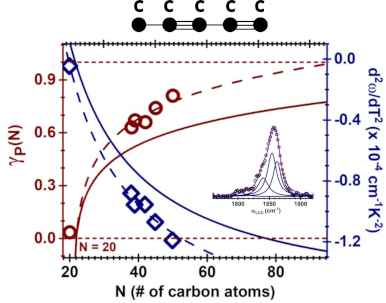
- unchanged. Our measurements were performed in both isolated and small bundles of LCC@MWCNT, which allowed us to demonstrate that small bundles or isolated environments do not seem to influence the vibrational and thermodynamic properties measured. Keywords: carbon nanotubes; Debye model; Grüneisen
- the stability of host-free LCC, and they are readily circumvented when the LCC are hosted by carbon nanotubes (CNT), when they are decorated with terminal groups such as the tris(3,5-di-t-butylphenyl)methyl, or when they are in colloidal environments [32][34][36][37][38][43][45][49][50][51][52][53][54
- that the hosting CNT primarily serve as a stabilizing environment rather than one that alters the properties of the materials. In this context, Costa and collaborators [30], demonstrated that LCC encapsulated by both multi-wall (LCC@MWCNT) and double-wall (LCC@DWCNT) carbon nanotubes are materials


![[Graphic 23]](/bjnano/content/inline/2190-4286-16-125-i25.svg?max-width=637&scale=1.18182)
Advances of aptamers in esophageal cancer diagnosis, treatment and drug delivery
Beilstein J. Nanotechnol. 2025, 16, 1734–1750, doi:10.3762/bjnano.16.121
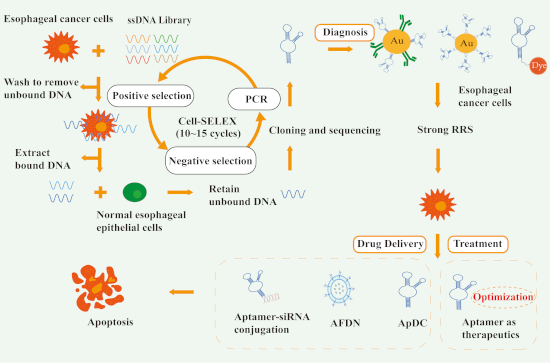
- structural modification. [26]. Aptamer-based biosensors [27] fully utilize these characteristics by combining various signal amplification techniques and nanomaterials (such as metal nanoparticles, quantum dots, silica nanoparticles, and carbon nanotubes), enabling highly sensitive detection of biomarkers


Nanotechnology-based approaches for the removal of microplastics from wastewater: a comprehensive review
Beilstein J. Nanotechnol. 2025, 16, 1607–1632, doi:10.3762/bjnano.16.114
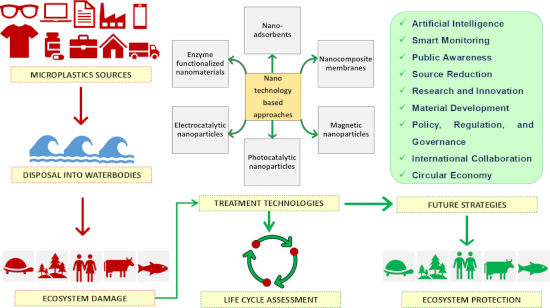
- contaminated with MPs. Meanwhile, a higher cost of these adsorbents limit their use for the removal of MPs [82]. Research is actively exploring alternative adsorbents, with a particular focus on nanomaterial-based options. Among these, carbon nanotubes (CNTs), nanoscale metals, nanocomposites, and metal oxides


Transient electronics for sustainability: Emerging technologies and future directions
Beilstein J. Nanotechnol. 2025, 16, 1545–1556, doi:10.3762/bjnano.16.109
- bioresorbable materials, advanced materials such as carbon nanotubes (CNTs) [95] and two-dimensional transition metal dichalcogenides (e.g., MoS2) [96] are being re-examined from a new perspective, with growing interest in their potential biodegradability. The rediscovery and reassessment of such established


Dendrimer-modified carbon nanotubes for the removal and recovery of heavy metal ions from water
Beilstein J. Nanotechnol. 2025, 16, 1522–1532, doi:10.3762/bjnano.16.107

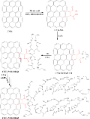
- Abstract Effective removal of trace heavy metal ions from aqueous bodies is a pressing problem and requires significant improvement in the area of absorbent material in terms of removal efficiency and sustainability. We propose an efficient strategy to enhance the adsorption efficiency of carbon nanotubes
- involvement of harmful chemicals to pre-functionalize the CNTs with high loading but also provided an effective way to enhance the adsorption of heavy metal ions. Keywords: carbon nanotubes; deep eutectic solvent; dendrimers; Diels–Alder reaction; heavy metal ion adsorption; Introduction The contamination
- dendrimers on a solid support can also improve the dispersibility, accessibility of binding sites, chemical recyclability, and mechanical stability [16][17]. In fact, dendrimers have been supported by various nanomaterials such as silica, graphene oxide, and carbon nanotubes (CNTs), broadening their


Nanomaterials for biomedical applications
Beilstein J. Nanotechnol. 2025, 16, 1499–1503, doi:10.3762/bjnano.16.105
- ]. Polymeric nanoparticles, dendrimers, and carbon-based structures such as carbon nanotubes are very promising when it comes to delivering drugs and genes to certain parts of the body [3]. Conversely, metallic nanoparticles such as gold and iron oxide, and fluorescent quantum dots have applications in
- their controlled release. They are also being investigated as gene delivery agents since they can transport DNA or RNA, making them a potential candidate for therapies such as gene therapy and RNA-based vaccines [11]. Furthermore, carbon nanotubes have revealed promising results in targeted delivery
- . Drugs or genetic material can be carried by these cylindrical nanoparticles and directed towards specific cells through external stimuli such as a magnetic field or light [12]. A new nanoscale drug delivery system has been developed by using carbon nanotubes and a carbon nanotube–graphene hybrid to more
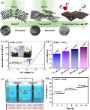
Laser processing in liquids: insights into nanocolloid generation and thin film integration for energy, photonic, and sensing applications
Beilstein J. Nanotechnol. 2025, 16, 1428–1498, doi:10.3762/bjnano.16.104






Parylene-coated platinum nanowire electrodes for biomolecular sensing applications
Beilstein J. Nanotechnol. 2025, 16, 1392–1400, doi:10.3762/bjnano.16.101
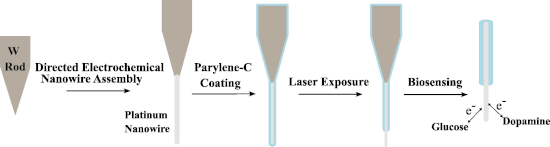
- portable and reliable devices [6]. Contemporary nanoscale biosensors are engineered for diverse applications, employing a variety of materials and design architectures to optimize performance and functionality. For example, carbon nanotubes (CNTs) are categorized as either single-walled or multiwalled


Synthesis and antibacterial properties of nanosilver-modified cellulose triacetate membranes for seawater desalination
Beilstein J. Nanotechnol. 2025, 16, 1380–1391, doi:10.3762/bjnano.16.100
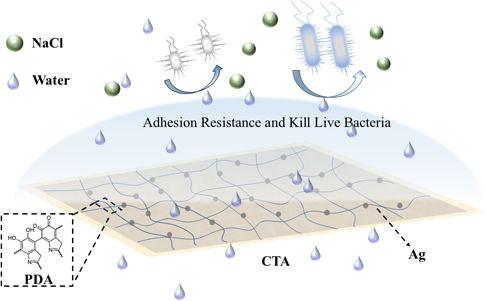
- photocatalytic properties of TiO2, which generate ROS that degrade bacterial membranes [23]. Yang and Wang’s group introduced carbon nanotubes (CNTs) into a mixed cellulose esters (MCE) membrane to create a robust porous bi-layered photothermal membrane (CNT@PEI/MCE) for efficient solar-driven interfacial water


Deep-learning recognition and tracking of individual nanotubes in low-contrast microscopy videos
Beilstein J. Nanotechnol. 2025, 16, 1316–1324, doi:10.3762/bjnano.16.96
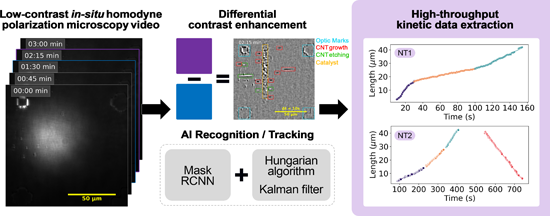
- Vladimir Pimonov Said Tahir Vincent Jourdain Laboratoire Charles Coulomb, Univ Montpellier, CNRS, Montpellier, France 10.3762/bjnano.16.96 Abstract This study addresses the challenge of analyzing the growth kinetics of carbon nanotubes using in situ homodyne polarization microscopy (HPM) by
- can be adapted for other types of in situ microscopy studies, emphasizing the importance of automation in high-throughput data acquisition for research on individual nano-objects. Keywords: carbon nanotubes growth kinetics; deep learning; in situ microscopy; object recognition and tracking
- ; polarization microscopy; Introduction Carbon nanotubes (CNTs), discovered over three decades ago, continue to present unresolved questions and challenges. Their exceptional properties, both theoretically [1][2] and experimentally demonstrated [3], make them desirable for electronic and optical devices


Hydrogels and nanogels: effectiveness in dermal applications
Beilstein J. Nanotechnol. 2025, 16, 1216–1233, doi:10.3762/bjnano.16.90
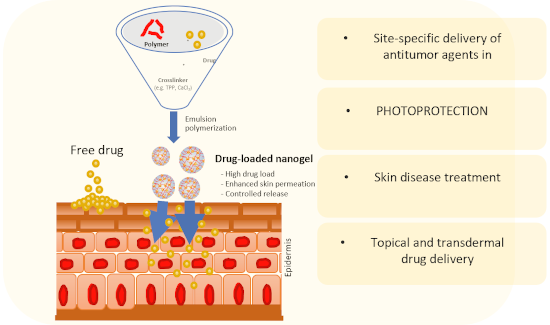
- phenytoin showed drug release improvement, skin adherence, and increased content of both collagen fibers and fibroblasts in the wound tissue during the healing process in rats [40]. Liang et al., (2019) developed hydrogels composed of gelatin-grafted dopamine/chitosan/polydopamine-coated carbon nanotubes


Electronic and optical properties of chloropicrin adsorbed ZnS nanotubes: first principle analysis
Beilstein J. Nanotechnol. 2025, 16, 1184–1196, doi:10.3762/bjnano.16.87
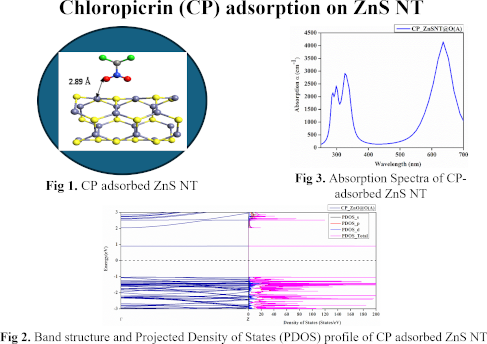
- . Semiconductor nanomaterials such as graphene, B12N12, fullerene C60, carbon nanotubes, WO₃, ZnO, ZnS, ZnSe, ZnTe, SnO₂, TiO₂, MoS₂, and NiO have been widely employed in gas sensor applications due to their superior selectivity, sensitivity, and response characteristics [20][21][22][23][24][25][26][27][28][29
- composites with other materials, such as carbon nanotubes, to optimize performance [26]. Furthermore, the flexible synthesis of ZnS NTs with controlled morphology and size allows for tailoring their sensing capabilities. External stimuli combined with machine learning can further enhance their sensitivity


Crystalline and amorphous structure selectivity of ignoble high-entropy alloy nanoparticles during laser ablation in organic liquids is set by pulse duration
Beilstein J. Nanotechnol. 2025, 16, 1141–1159, doi:10.3762/bjnano.16.84
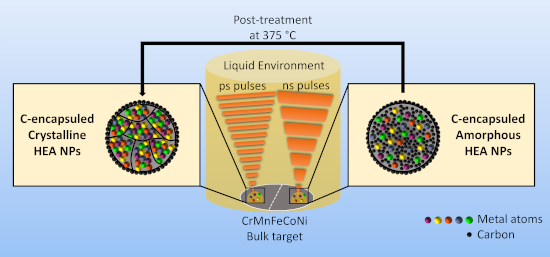
- detected after synthesis in ethanol [77]. Recently, Su et al. showed amorphization of wet-chemically synthesized crystalline FeNi NPs encapsulated in N-doped carbon nanotubes by re-irradiating the samples with a pulsed laser beam [78]. In brief, amorphous alloy NPs by laser-based synthesis techniques are




Multifunctional properties of bio-poly(butylene succinate) reinforced with multiwalled carbon nanotubes
Beilstein J. Nanotechnol. 2025, 16, 1014–1024, doi:10.3762/bjnano.16.76
- , Masiarska 74 St., 04001 Košice, Slovakia Department of Mechanical Engineering, University of West Attica, 250 Thivon & P. Ralli, Egaleo 12241, Athens, Greece 10.3762/bjnano.16.76 Abstract Recent advances in nanocomposite technology, particularly the incorporation of carbon nanotubes, have shown promise in
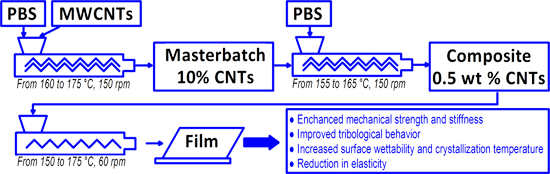
- enhancing the properties of biodegradable polymers. This study investigated the effect of a 0.5 wt % addition of multiwalled carbon nanotubes (MWCNTs) on the properties of bio-poly(butylene succinate) (BioPBS) using a masterbatch-based melt compounding method. The incorporation of MWCNTs enhanced the
- of MWCNTs to tailor the properties of BioPBS for specific applications, such as in the packaging, automotive, and biomedical industries, where both biodegradability and enhanced material performance are desirable. Keywords: melt compounding; multiwalled carbon nanotubes; poly(butylene succinate