Search results
Search for "complexation" in Full Text gives 78 result(s) in Beilstein Journal of Nanotechnology.
Materials challenges in solid-state sensors for continuous monitoring of ions in water
Beilstein J. Nanotechnol. 2026, 17, 935–973, doi:10.3762/bjnano.17.66
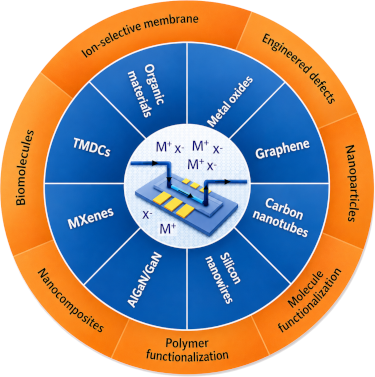
- film composed of materials such as graphene, reduced graphene oxide, CNTs or conducting polymers (Figure 1j) [11][98][99][100][101][102]. Adsorption or complexation of ions alters the film’s resistance, producing a measurable signal. Selectivity arises from the chemical modification of the sensing
- , ultratrace nitrate detection was proposed with an interdigital graphene-FET integrated with a nitrate-sensitive membrane (Figure 3). The sensing mechanism relies on selective complexation of nitrate ions with ionophores within the ISM, which generates a membrane potential proportional to the nitrate


Environmental applications of silver nanoparticles: state-of-the-art review and emerging trends
Beilstein J. Nanotechnol. 2026, 17, 697–736, doi:10.3762/bjnano.17.49
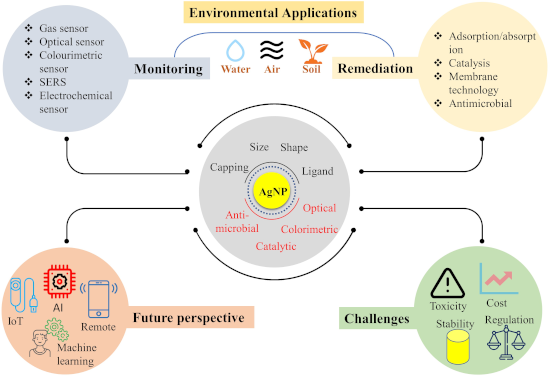
- mechanism underlying removal was surface complexation via electrostatic interactions in both dyes, with hydrogen bonding occurring only in CR [98]. MB removal was achieved using AgNPs mediated by Salvinia molesta. The maximum adsorption of 121.04 mg/g was obtained at pH 4 and 35 °C. Additionally, the


The cement of the tube-dwelling polychaete Sabellaria alveolata: a complex composite adhesive material
Beilstein J. Nanotechnol. 2025, 16, 1998–2014, doi:10.3762/bjnano.16.138
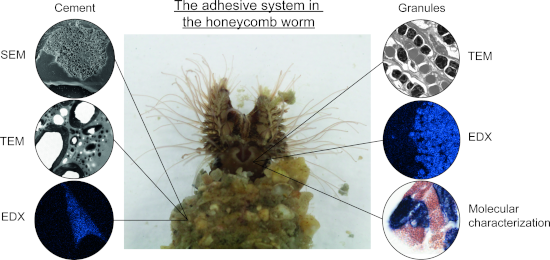
- solution enriched in sodium and chloride ions. All this suggests that, upon secretion, Mg2+ and Na+ might be replaced by Ca2+ for complexation with the negatively charged phosphoserine residues of the adhesive proteins (Figure 7). The Na+ ions might be released in the center of the growing spheroids. Our
- . Schematic model of honeycomb worm cement formation. Granules from both types of cement cells are secreted simultaneously through individual pores, and their contents coalesce to form the matrix of the cement spot. Upon secretion, some elements might be replaced by others to facilitate complexation with the



PEGylated lipids in lipid nanoparticle delivery dynamics and therapeutic innovation
Beilstein J. Nanotechnol. 2025, 16, 1914–1930, doi:10.3762/bjnano.16.133


Current status of using adsorbent nanomaterials for removing microplastics from water supply systems: a mini review
Beilstein J. Nanotechnol. 2025, 16, 1837–1850, doi:10.3762/bjnano.16.127
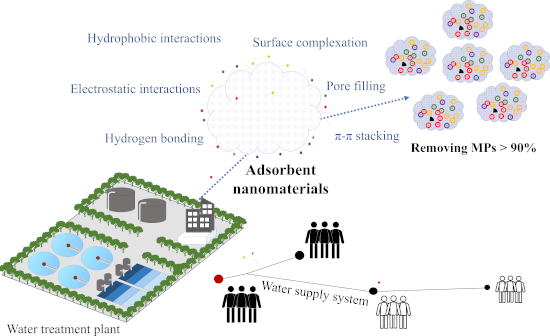
- conventional treatments removing only 40–70%, especially struggling with smaller particles. Based mainly on mechanisms like electrostatic interactions, hydrophobic interactions, pore filling, hydrogen bonding, π–π stacking, and surface complexation, adsorbent nanomaterials achieve over 90% removal of MPs and


Venom-loaded cationic-functionalized poly(lactic acid) nanoparticles for serum production against Tityus serrulatus scorpion
Beilstein J. Nanotechnol. 2025, 16, 1633–1643, doi:10.3762/bjnano.16.115
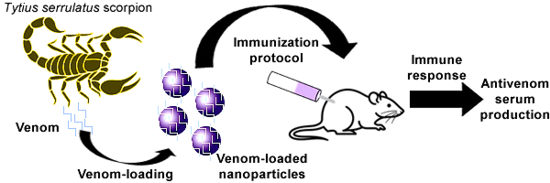
- cationic nanoparticles prepared by ionic gelation with 100% encapsulation efficiency [1][2]. Additionally, PEI with high branching density has been shown to enhance complexation and transfection efficiency [23]. The morphology obtained by AFM and FEGSEM showed particles with a smooth surface, spherical


Cross-reactivities in conjugation reactions involving iron oxide nanoparticles
Beilstein J. Nanotechnol. 2025, 16, 1504–1521, doi:10.3762/bjnano.16.106
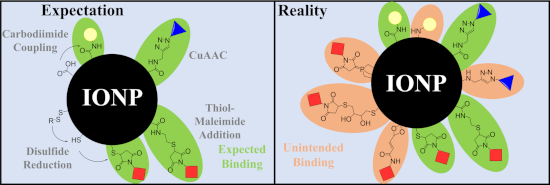
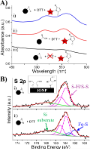
- the majority of the CySH is bound either to 3,4-DHBA quinones through its thiol, which is much more reactive towards quinones than the amine [58], complexation with surface Fe through its amine, or in this case, the intended EDC/NHS coupling to 3,4-DHBA. Unfortunately, resolving these contributions in
- provide evidence for the binding of CySH to both IONP-CySH and the EDC-free control and suggest a minor amount of Fe–S binding in both cases. The binding of the remaining CySH, however, cannot be conclusively assigned, and may result from complexation of the amines with surface Fe, binding of thiols to
- -quinones are highly unfavorable, it is likely that the binding of PPA to IONP-3,5-DHBA occurs not through the 3,5-DHBA ligand, but rather, through complexation with surface Fe. We further observe no difference in the broadening of the UV–vis spectra to indicate a difference in packing density of Cy5







The role of biochar in combating microplastic pollution: a bibliometric analysis in environmental contexts
Beilstein J. Nanotechnol. 2025, 16, 1401–1416, doi:10.3762/bjnano.16.102
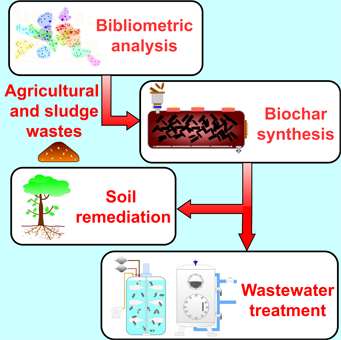
- , surface adsorption, hydrogen bonding, and surface complexation [67]. These findings highlight the potential of diverse biochar configurations for efficient MP removal under various conditions. Recent studies on biochar derived from coffee waste modified with amino-functionalized zeolite/phosphoric acid



Synthesis of a multicomponent cellulose-based adsorbent for tetracycline removal from aquaculture water
Beilstein J. Nanotechnol. 2025, 16, 728–739, doi:10.3762/bjnano.16.56
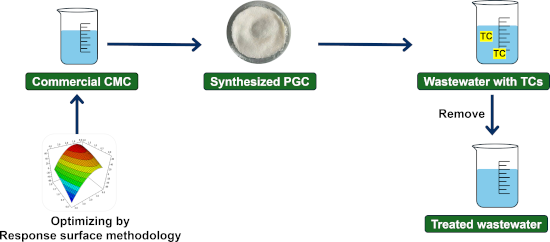
- were characterized, and the TC adsorption efficiency of PGC was assessed using high-performance liquid chromatography–mass spectroscopy (HPLC-MS). Elemental analysis of PGC identified four key mechanisms governing its endothermic TC adsorption mechanism: surface complexation, electrostatic interactions
- , hydrogen bonding, and CH–π interactions, with surface complexation between Ca2+ and TCs being dominant. Batch adsorption experiments conducted to examine the factors influencing adsorption capacity revealed that PGC achieved up to 70% TC removal efficiency at an adsorbent dosage of 40 mg and an initial TC


Aprepitant-loaded solid lipid nanoparticles: a novel approach to enhance oral bioavailability
Beilstein J. Nanotechnol. 2025, 16, 652–663, doi:10.3762/bjnano.16.50
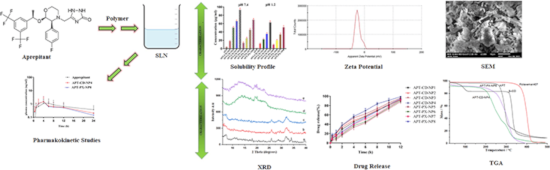
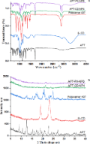
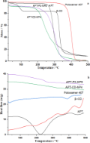
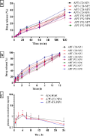
- , or applying cyclodextrin complexation or salt formation. However, these techniques depend on the physicochemical features of the drug in each case. SLNs are the easiest and most suitable scalable of the above approaches for developing stable commercially viable dosage forms [11]. Various methods such



Synthetic-polymer-assisted antisense oligonucleotide delivery: targeted approaches for precision disease treatment
Beilstein J. Nanotechnol. 2025, 16, 435–463, doi:10.3762/bjnano.16.34

- effective complexation with ASOs and enhanced cellular uptake. Additionally, while these high-generation DPLs exhibited moderate cytotoxicity, complexation with ASOs was shown to reduce toxicity, making them a promising vehicle for gene therapy applications. Confocal microscopy further confirmed the ability
- significantly reduced following their complexation with ASOs. Enhanced delivery efficiency was further confirmed using a splicing correction assay, where the optimal dose of the DPL–ASO complex resulted in substantial luciferase activity, indicating successful nuclear delivery of the ASOs. Even though
- property allows PLG to be used primarily as a stabilising carrier or a controlled-release matrix for drug and ASO delivery [99]. Even though its negative charge often limits direct complexation with negatively charged ASOs, it can be used in conjugation strategies or in combination with other cationic


Facile synthesis of size-tunable L-carnosine-capped silver nanoparticles and their role in metal ion sensing and catalytic degradation of p-nitrophenol
Beilstein J. Nanotechnol. 2024, 15, 1576–1592, doi:10.3762/bjnano.15.124
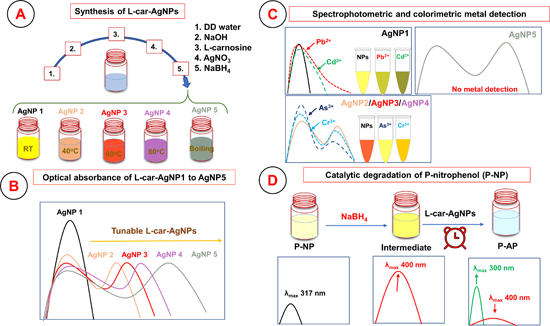
- exposed groups. We hypothesize that the complexation between ʟ-car-AgNP1 and Cd2+/Pb2+ decreases the distance between the nanoparticles. This results in a redshift and the emergence of shoulder peaks in the absorption spectra, followed by a decrease in absorption intensity compared to the control. Abate




Realizing active targeting in cancer nanomedicine with ultrasmall nanoparticles
Beilstein J. Nanotechnol. 2024, 15, 1208–1226, doi:10.3762/bjnano.15.98
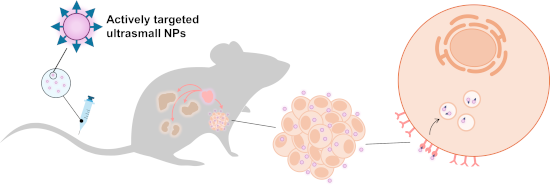
- experiences reduced interference from autofluorescence and photon scattering in tissues. The authors further conjugated the AuNCs with an antibody against the epithelial cell adhesion molecule (CD326), a well-known marker for various human carcinomas. Conjugation was achieved through host–guest complexation


Recent updates in applications of nanomedicine for the treatment of hepatic fibrosis
Beilstein J. Nanotechnol. 2024, 15, 1105–1116, doi:10.3762/bjnano.15.89
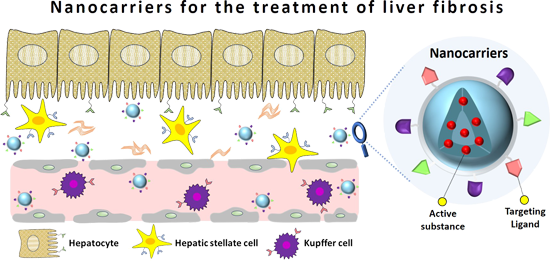
- complexation and cholesterol–polyethylene glycol–vitamin A as a helper lipoid. In the in vitro evaluation, the nanocarrier showed enhanced cellular uptake in HSCs-T6 cells, nine times higher than that in macrophages, displaying specific targeting to HSCs that could avoid phagocytosis by macrophages. These


Simultaneous electrochemical determination of uric acid and hypoxanthine at a TiO2/graphene quantum dot-modified electrode
Beilstein J. Nanotechnol. 2024, 15, 719–732, doi:10.3762/bjnano.15.60
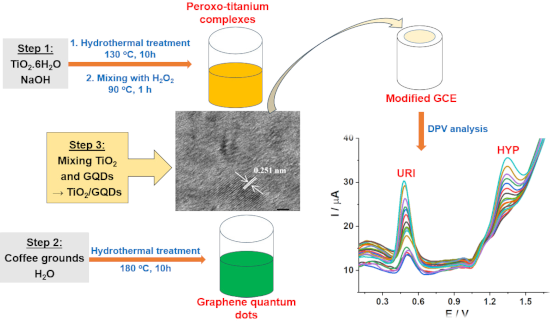
- with pKa = 8.7 [31]. The improved reversibility and sensitivity of the modified electrode may be due to the electrostatic interaction between positively charged URI and HYP and negatively charged GQD at remaining COO− groups, the complexation of titanium to nitrogen or oxygen, or π–π interactions


Curcumin-loaded albumin submicron particles with potential as a cancer therapy: an in vitro study
Beilstein J. Nanotechnol. 2023, 14, 1127–1140, doi:10.3762/bjnano.14.93
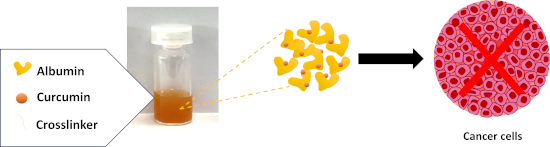
- stability and solubility [9]. The complexation occurs mainly through hydrophobic interactions in protein cavities [10][11]. In a recent study, zein nanoparticles loaded with CUR have been studied for their potential in treating brain tumors, and the results have demonstrated a reduction in the proliferation




Carboxylic acids and light interact to affect nanoceria stability and dissolution in acidic aqueous environments
Beilstein J. Nanotechnol. 2023, 14, 762–780, doi:10.3762/bjnano.14.63
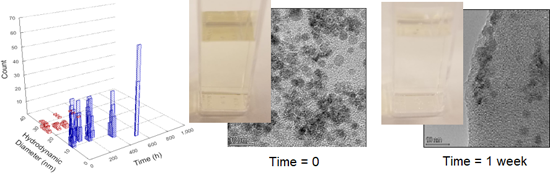
- . Functional group analysis As mentioned earlier, the carboxylic acid group geminal to a hydroxy group may be essential for nanoceria–ligand complexation. Nine of the tested carboxylic acids contain this structure. Three of them (citric, malic, and isocitric acid) completely dissolved nanoceria when exposed to
- molecular configurations required for nanoceria complexation. The remaining three acids (glyceric, lactic, and α-hydroxybutyric acid) do not contain a second carboxylic acid group. Furthermore, citric, malic, and isocitric acid molecules all have higher ratios of carboxylic acid and hydroxy groups to
- aliphatic carbon atoms (Table S2, Supporting Information File 1). Overall, the results suggest that a long carbon chain backbone containing a carboxylic acid geminal to a hydroxy group in addition to a second carboxylic acid group may be necessary for nanoceria complexation. Conclusion Citric acid-coated
Metal-organic framework-based nanomaterials as opto-electrochemical sensors for the detection of antibiotics and hormones: A review
Beilstein J. Nanotechnol. 2023, 14, 631–673, doi:10.3762/bjnano.14.52
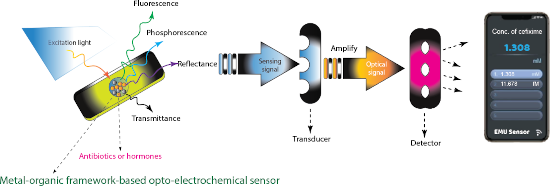
- redox reaction during the electron deactivation process. For effective quenching, a complex driven by either hydrophobic, van der Waals, or π–π-stacking interactions is generated between the electron donor and the electron acceptor with a separation on a sub-nanometre length scale. The complexation of
- fluorescence signals. A partial charge transfer of a fully conjugated system occurs in optical PCT sensors. This mechanism involves the complexation of donor and acceptor, which changes the electron energy levels and the fluorescence signals. While PET sensors have the electron donor moiety separated from the


Polymer nanoparticles from low-energy nanoemulsions for biomedical applications
Beilstein J. Nanotechnol. 2023, 14, 339–350, doi:10.3762/bjnano.14.29
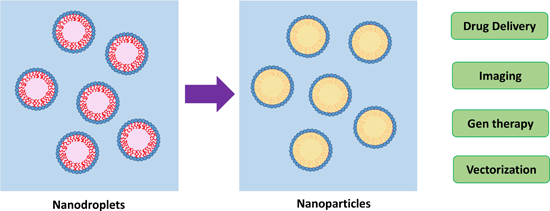
- surface becomes positive at a given cationic surfactant concentration and, therefore, the nanoparticles can be complexed with DNA plasmids. This complexation leads to an increase in the hydrodynamic diameter. This increase is larger for plasmids with higher molecular weight. The obtained complexes (Figure




Facile preparation of Au- and BODIPY-grafted lipid nanoparticles for synergized photothermal therapy
Beilstein J. Nanotechnol. 2022, 13, 1432–1444, doi:10.3762/bjnano.13.118
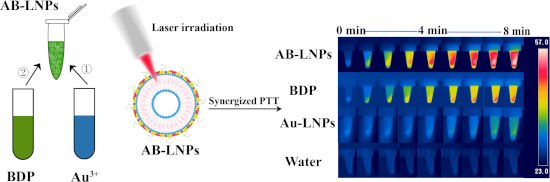
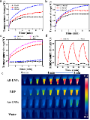
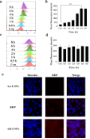
- . BDP was first dissolved in DMSO in a centrifuge tube to a concentration of 3.38 mM. The liquor was diluted 20 times with water and then sonicated for 10 min. The AB-LNPs was prepared by simply physical complexation. The diluted BDP aqueous suspension was then added drop by drop into the Au-LNPs




Design of surface nanostructures for chirality sensing based on quartz crystal microbalance
Beilstein J. Nanotechnol. 2022, 13, 1201–1219, doi:10.3762/bjnano.13.100
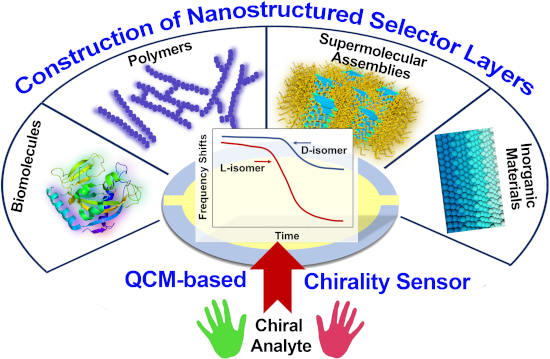
- rims. The key to the chiral recognition by CDs is the formation of diastereomeric host–guest complexes based on different interaction affinities. The complexation may occur via inclusion of the guest chiral molecule into the cavity of CDs by π–π interactions, dipole–dipole, ion-pairing, hydrogen
- the complexation process of various chiral calix[4]arenes derivatives with gas-phase R/S-1-phenethylamine [78]. They proved that due to the acid–base interaction, only derivatives with acid could bind well with chiral amines. The other derivatives with esters, amides, and alcohols showed low


Recent advances in green carbon dots (2015–2022): synthesis, metal ion sensing, and biological applications
Beilstein J. Nanotechnol. 2022, 13, 1068–1107, doi:10.3762/bjnano.13.93




Micro- and nanotechnology in biomedical engineering for cartilage tissue regeneration in osteoarthritis
Beilstein J. Nanotechnol. 2022, 13, 363–389, doi:10.3762/bjnano.13.31
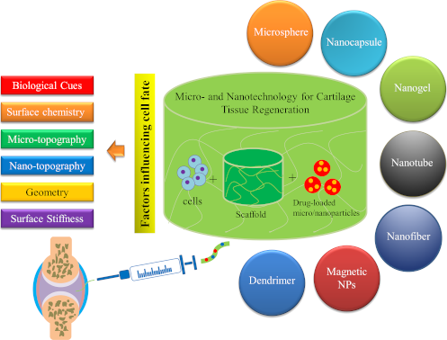
- for growth factor delivery systems. In this regard, the complexation of cationic polymers such as Pluronic F68 [56], polyethyleneimine (PEI) [57], and poly-ʟ-lysine [58] with anionic heparin has been widely used to promote ionic interactions for the preparation of growth factor-loaded NPs. Heparin


Impact of device design on the electronic and optoelectronic properties of integrated Ru-terpyridine complexes
Beilstein J. Nanotechnol. 2022, 13, 219–229, doi:10.3762/bjnano.13.16
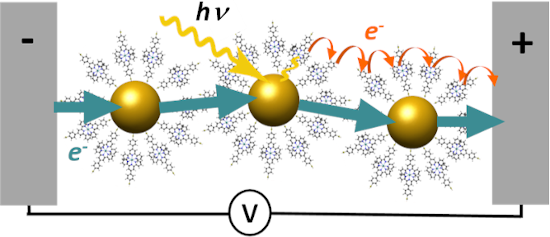
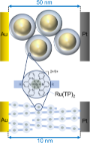
- given in Supporting Information File 1, Figure S1. Ru complex-functionalized AuNPs were synthesized by ligand complexation of MPTP–AuNPs with RuCl2(DMSO)MPTP-SAc in acetic acid solution using the protocol given recently [15]. The thorough characterization revealed spherical nanoparticles, Ru(MPTP)(MPTP


Electrical, electrochemical and structural studies of a chlorine-derived ionic liquid-based polymer gel electrolyte
Beilstein J. Nanotechnol. 2021, 12, 1252–1261, doi:10.3762/bjnano.12.92
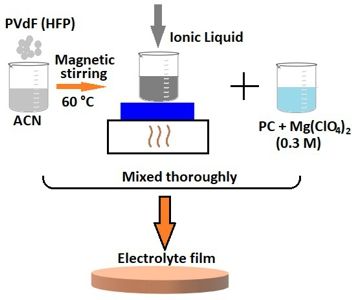
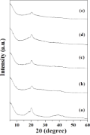
- in it, some peaks of PVdF-HFP at 2θ = 38° disappear [10]. This indicates that the ionic liquid as well as the liquid electrolyte solution form a complete complexation with the polymer PVdF-HFP at a molecular level in polymer gel electrolytes. Additionally, the broadening of the XRD peak at 2θ = 20.4