


Search results
Search for "cytotoxicity" in Full Text gives 227 result(s) in Beilstein Journal of Nanotechnology. Showing first 200.
Ultrasonic irradiation in the synthesis of nanohydroxyapatite: a chemically friendly technique for improving hemocompatibility and antibiofilm applications
Beilstein J. Nanotechnol. 2026, 17, 991–1015, doi:10.3762/bjnano.17.68
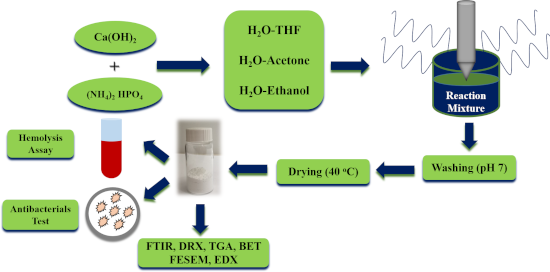
- position these nanosystems as ideal candidates for tissue regeneration applications and site-specific delivery systems. Despite these promising results, the need for exhaustive biological validation through in vitro cytotoxicity assays with osteoblastic cell lines is recognized as a limitation of this work




Development of Protium heptaphyllum essential oil-loaded nanocapsules: experimental design and biological activity
Beilstein J. Nanotechnol. 2026, 17, 974–990, doi:10.3762/bjnano.17.67
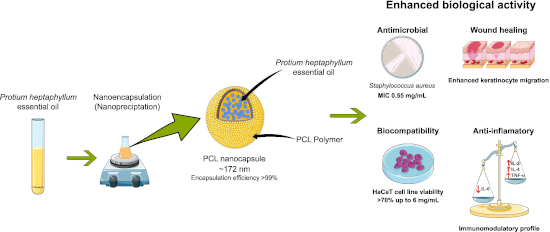
- cytotoxicity. In HaCaT keratinocytes, P. heptaphyllum essential oil-loaded nanocapsules maintained viability above 70% at all tested concentrations up to 6 mg/mL, supporting their biocompatibility within this range. Antimicrobial activity Antimicrobial activity was evaluated exclusively against S. aureus, a
- proliferation and extracellular matrix remodeling, whereas excessive or sustained production leads to chronic inflammation, cytotoxicity, and impaired wound healing [53][54]. The observed TNF-α increase may indicate either early reparative activation or dose-dependent cellular stress from increased bioactive




Nanocarrier strategies to overcome P-glycoprotein-mediated drug resistance in cancer therapy
Beilstein J. Nanotechnol. 2026, 17, 882–921, doi:10.3762/bjnano.17.64
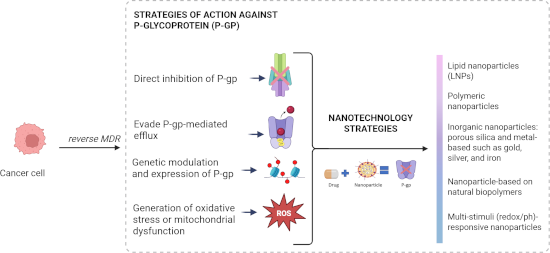
- preventing ATP hydrolysis and drug efflux. This results in higher intracellular drug accumulation and enhanced cytotoxicity. (ii) The co-administration of standard antineoplastic drugs with nanoparticle-encapsulated P-gp inhibitors, a combined use of drugs and MDR inhibitors, has demonstrated synergistic
- (an oncogene) (MSNs-anti-miR-155@PDA-Apt). They observed that it blocked miR-155 expression, increased 5-FU cytotoxicity, and down-regulated P-gp [35]. Although siRNA- and miRNA-based strategies offer remarkable potential for reversing multidrug resistance, their therapeutic specificity requires
- . Acting as both a substrate and ATP inhibitor, TPGS immobilizes P-gp and triples docetaxel uptake in resistant cells, thereby increasing cytotoxicity [49][50][51]. Collectively, these findings suggest that the liposomal surface can be engineered as a “multitool” to combat MDR, that is, targeting via ApoA1


Nanoparticle delivery systems for HIV pre-exposure prophylaxis (PrEP): advances and challenges
Beilstein J. Nanotechnol. 2026, 17, 839–853, doi:10.3762/bjnano.17.60
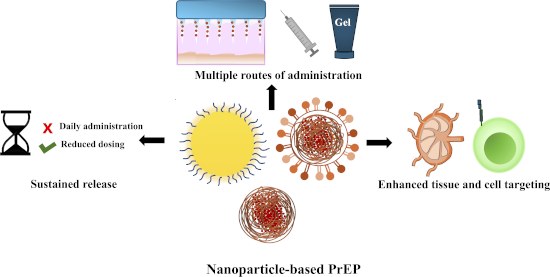
- challenges associated with traditional depot formulations, such as lack of control of dosing after injection, side-effects, and overall invasiveness. Mandal et al. demonstrated that the encapsulation of BIC+TAF in PLGA nanoparticles prolongs drug retention and decreases cytotoxicity of free TAF and BIC [43
- strategy for less frequent dosing without increasing cytotoxicity. Despite the outlined advantages, polymeric systems also face some challenges and limitations. For one, nanoparticles can aggregate, and this negatively affects delivery applications. Furthermore, the use of organic solvents during their
- the non-biodegradable nature, especially if administered systemically. Moreover, it is necessary to carefully optimize the formulation parameters due to potential cytotoxicity concerns, especially at higher doses. While mesoporous silicon- and silica-based particles offer improved biocompatibility and


Restorative potential of laser-synthesized silver nanoparticles with Salvia officinalis for periodontal disease treatment: an in vitro study
Beilstein J. Nanotechnol. 2026, 17, 781–795, doi:10.3762/bjnano.17.55
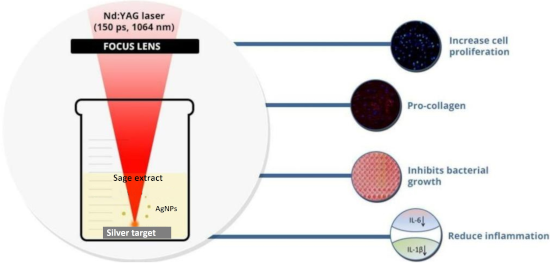
- Antimicrobial testing was performed to determine the minimal inhibitory concentrations (MICs) of all obtained AgNPs. Upon antimicrobial assessment, cytotoxicity evaluation was done to investigate the range of non-cytotoxic AgNP concentrations by testing concentrations of 0.5 × MIC, 1 × MIC, and 2 × MIC. The
- determined by plating from the wells with no noticeable growth onto Brucella blood agar. Cytotoxicity testing (XTT assay) The cytotoxic effect of AgNPs was determined on human primary GFCs provided by courtesy of the School of Dental Medicine, Department of Biology and Human Genetics, University of Belgrade
- . All volunteers read and signed the informed consent, and the study was conducted in agreement with the Declaration of Helsinki and approved by the Ethics Committee of the Vinča Institute of Nuclear Sciences, Serbia (approval no. 116-17-2/2020-000). The cytotoxicity assessment was performed by applying



Environmental applications of silver nanoparticles: state-of-the-art review and emerging trends
Beilstein J. Nanotechnol. 2026, 17, 697–736, doi:10.3762/bjnano.17.49
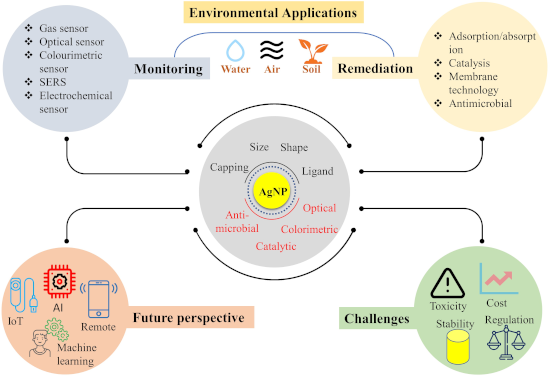
- safety and the risks associated with environmental applications, in particular regarding the cytotoxicity of Ag+ ions [31]. The mechanisms underlying the toxicity of AgNPs towards various organisms, including humans, must be elucidated to inform risk assessment and mitigation strategies [32]. The AgNPs


Nanoinformatics: spanning scales, systems and solutions
Beilstein J. Nanotechnol. 2026, 17, 423–427, doi:10.3762/bjnano.17.28

- major topic in the field is to identify the drivers of nanomaterials toxicity, through understanding which physicochemical properties or atomistic properties are most strongly correlated with – and thus predictive of – toxicity, often measured in vitro as cytotoxicity. To address this question, Roy and
- Boost) and used to establish statistically significant relationships between the structural properties of the TiO2 nanomaterials and the cause of cytotoxicity. The experiment-independent periodic table descriptors utilised here were found to produce better predictions than quantum chemical descriptors
- delivery assays from ChEMBL and 260 nanoparticle cytotoxicity assays from journal articles on which linear discriminant analysis and artificial neural network algorithms were applied. The resulting models were effective as an initial rapid pre-screening of putative nanoparticle-based drug delivery systems

Biomimetic nanoparticles in cancer photodynamic therapy: a review of targeted delivery systems and therapeutic outcomes
Beilstein J. Nanotechnol. 2026, 17, 396–422, doi:10.3762/bjnano.17.27
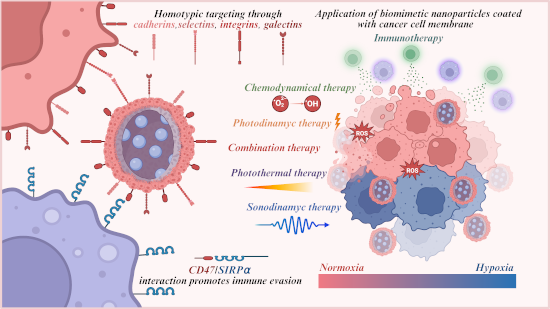
- -cell membranes (including CAR-T) enable specific antigen recognition via TCR or CAR [150][151][152]. (v) NK cell membranes inherit natural cytotoxicity receptors (e.g., NKG2D and NKp30) for innate tumor recognition and killing activation [153]. (vi) Platelet-derived membranes exhibit natural adhesion
- ) demonstrated that membrane-coated nanoparticles effectively evade phagocytosis. In three-dimensional MCF-7 cell spheroids, oxygen-saturated nanoparticles increased system cytotoxicity fourfold. In animal models (Balb/c-nu mice bearing MCF-7 tumors), combination treatment resulted in a significant reduction of


Polycatecholamine nanocoatings on stainless steel: the effect on attachment of human fibroblasts and platelets
Beilstein J. Nanotechnol. 2026, 17, 365–380, doi:10.3762/bjnano.17.25
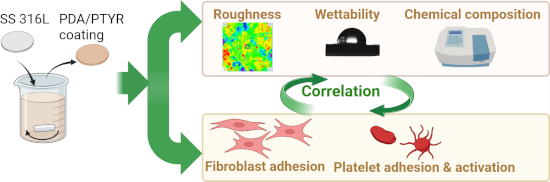
- biggest –NH2 amount. It must be noted that the coating thickness does not determine the –NH2 content available for reaction with methyl orange since the reaction happens on the material surface. Cytotoxicity towards L929 cells According to ISO 10993-5, materials are non-cytotoxic if their cytotoxicity
- further evaluate the chemical structure of the coatings, FTIR-ATR spectra were obtained and analyzed. Methodology and results are described in Supporting Information File 1. Coating cytotoxicity towards L929 cells The MTT assay was applied to evaluate the cytotoxicity of obtained coatings. MTT salt is
- groups in the tested coatings. The mean OD values taken from each repetition of the analysis are presented as open round symbols on a scatter plot. Thin grey lines represent the median OD values observed for each material variant. Cytotoxicity of the coatings evaluated with MTT test on materials extracts




From shield to spear: Charge-reversible nanocarriers in overcoming cancer therapy barriers
Beilstein J. Nanotechnol. 2026, 17, 159–175, doi:10.3762/bjnano.17.10
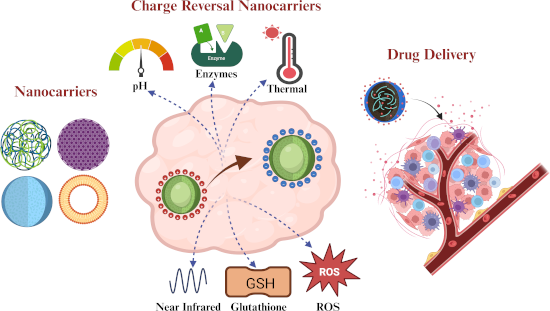
- also induce cytotoxicity and rapid clearance by the mononuclear phagocyte system [18]. Moreover, surface charge influences aggregation behaviour, colloidal stability, and protein corona formation, directly impacting the therapeutic efficacy of nanocarriers. Optimising surface charge is essential for
- groups for protonation-driven charge inversion, ensuring precise intracellular payload unloading [22]. Furthermore, the neutral charge state during systemic circulation helps to reduce cytotoxicity by minimising nonspecific protein adsorption and immune system activation. A study by Yuan et al. showed
- [23]. Neutral PEG or hydroxyl-modified nanoparticles demonstrated significantly lower protein binding, opsonization, and phagocytic uptake compared to their charged counterparts, thereby reducing immune clearance and cytotoxicity [24]. Overall, these findings demonstrate that surface charge modulation


Influence of surface characteristics on the in vitro stability and cell uptake of nanoliposomes for brain delivery
Beilstein J. Nanotechnol. 2026, 17, 139–158, doi:10.3762/bjnano.17.9




Development and in vitro evaluation of liposomes and immunoliposomes containing 5-fluorouracil and R-phycoerythrin as a potential phototheranostic system for colorectal cancer
Beilstein J. Nanotechnol. 2026, 17, 97–121, doi:10.3762/bjnano.17.7
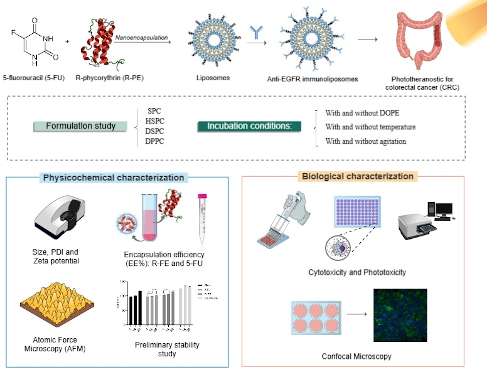
- tumor cells, enhancing the internalization of the system and promoting greater cytotoxic activity compared to conventional therapies [10]. By combining selective cytotoxicity with the potential to label cancer tissue using an imaging probe, EGFR-targeted immunoliposomes represent an integrated approach
- evaluated, and the systems were thoroughly characterized. Finally, in vitro experiments in a CRC cell line were conducted for the evaluation of cytotoxicity, photo toxicity, and uptake. Some studies have sought to demonstrate that dual-drug nanosystems can result in synergistic antitumor effects or reduce
- equipment (Malvern Instruments, UK) at the corresponding incubation times [28]. 2.6 Phototoxicity and cytotoxicity The HCT-116 cell line was cultivated in RPMI 1640M medium, supplemented with 10% Fetal Bovine Serum (FBS), and 1% antibiotic/antimycotic solution at 37 °C with 5% CO2, in accordance with ATCC



Internal 3D temperature mapping in biological systems using ratiometric light-sheet imaging and lipid-coated upconversion nanothermometers
Beilstein J. Nanotechnol. 2025, 16, 2306–2316, doi:10.3762/bjnano.16.159
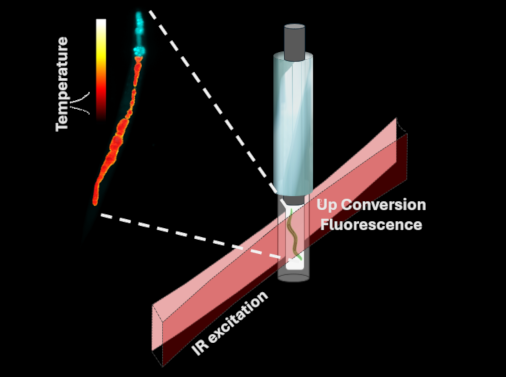
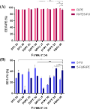
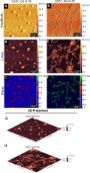
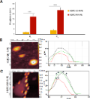
- biocompatibility, low cytotoxicity, and stable optical and chemical properties. Additionally, given the conditions commonly presented in biological samples, these materials should also remain unaffected by changes in pH, concentration, ionic strength, and viscosity [1]. Traditional thermometers are macroscopic


Improving magnetic properties of Mn- and Zn-doped core–shell iron oxide nanoparticles by tuning their size
Beilstein J. Nanotechnol. 2025, 16, 2285–2295, doi:10.3762/bjnano.16.157
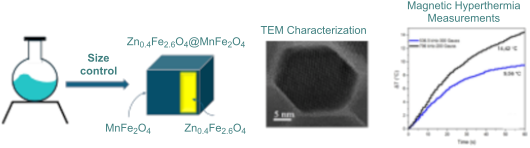
- the magnetic saturation and improve hyperthermia performance. However, the cytotoxicity of Co-based nanoparticles poses a significant challenge for biomedical applications. Studies have demonstrated that Co2+ ions released from these particles can enter the bloodstream and accumulate in organs, where
- and shell materials. While CoFe2O4 shells are known to increase magnetic anisotropy, their cytotoxicity limits their use. In contrast, MnFe2O4 shells provide a non-toxic alternative that enhances the overall magnetic performance while maintaining biocompatibility. The orginality of this study lies in
- material to eliminate the cytotoxicity concerns associated with cobalt. Furthermore, we demonstrate size control through synthesis by varying the concentration of oleic acid, a surfactant that influences particle size and morphology. This approach enables the synthesis of NPs with sizes ranging from 5 to



Optical bio/chemical sensors for vitamin B12 analysis in food and pharmaceuticals: state of the art, challenges, and future outlooks
Beilstein J. Nanotechnol. 2025, 16, 2207–2244, doi:10.3762/bjnano.16.153


Quality by design optimization of microemulsions for topical delivery of Passiflora setacea seed oil
Beilstein J. Nanotechnol. 2025, 16, 2116–2131, doi:10.3762/bjnano.16.146
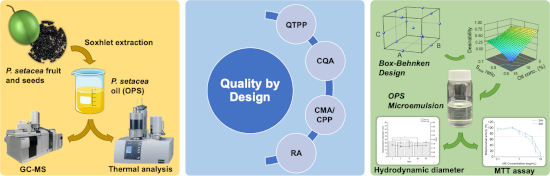
- cytotoxicity and skin irritation [8]. Furthermore, the optimization of microemulsion formulations may be time-consuming and costly, and their stability is often sensitive to environmental factors (e.g., pH, salinity, and temperature). These challenges highlight the importance of a comprehensive understanding
- . The observed cytotoxicity at higher concentrations is likely due to the increase proportion of surfactants in the formulation. Additionally, under certain experimental conditions, fatty acids may induce lipid peroxidation and trigger pro-inflammatory responses in endothelial cells such as HUVECs
- assessments to include additional cell types, particularly keratinocytes and dermal fibroblasts, which are key players in skin regeneration and re-epithelialization [17]. Although the MTT assay is a widely accepted and convenient method for preliminary cytotoxicity screening, it offers limited insight into


Rapid synthesis of highly monodisperse AgSbS2 nanocrystals: unveiling multifaceted activities in cancer therapy, antibacterial strategies, and antioxidant defense
Beilstein J. Nanotechnol. 2025, 16, 2105–2115, doi:10.3762/bjnano.16.145
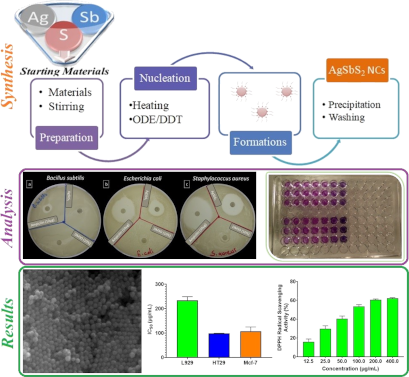
- ) planes of the AgSbS2 phase. TEM and SEM techniques were used to comprehensively characterize the NCs. The results showed that spherical NCs were predominantly formed, with an average diameter of approximately 32 ± 10 nm. Cytotoxicity studies demonstrated a significant inhibitory effect of the NCs
- retaining a blue color, while the MBC was determined by subculturing non-turbid wells onto MHA plates and identifying the lowest concentration that yielded no visible bacteria colonies after 24 h. Cytotoxicity assays Cell culture and Alamar Blue assay HT-29 colon cancer, MCF-7 breast cancer, and L929
- infections dominated by this pathogen. However, their relatively weaker activity against E. coli and B. subtilis suggests that optimization may be necessary to broaden their spectrum through surface modification, particle size reduction, or combination with other antibacterial agents. Cytotoxicity of AgSbS2


Toward clinical translation of carbon nanomaterials in anticancer drug delivery: the need for standardisation
Beilstein J. Nanotechnol. 2025, 16, 2092–2104, doi:10.3762/bjnano.16.144
- atomic force microscopy. Surface charge plays a significant role in determining how CNMs interact with biological membranes and intracellular environments. It influences processes such as cellular uptake, cytotoxicity, and inflammatory signalling. For example, BSA-derived negatively charged CDs exhibited
- . Depending on the intended route of delivery and application, this may involve cytotoxicity assays to assess effects on cell viability and metabolism, and hemocompatibility assays to evaluate interactions with blood components such as red blood cells, clotting factors, and platelets. In vitro release studies



Targeting the vector of arboviruses Aedes aegypti with nanoemulsions based on essential oils: a review with focus on larvicidal and repellent properties
Beilstein J. Nanotechnol. 2025, 16, 1894–1913, doi:10.3762/bjnano.16.132
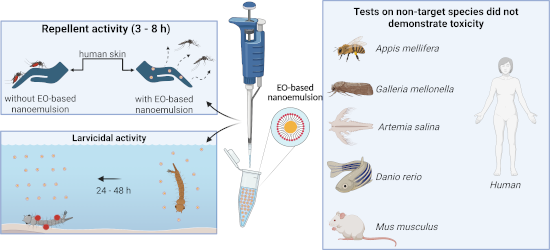
- %). The study also demonstrated controlled release of the active ingredient, with 53.3% released in 8 hours (33.31 mg/mL) and 71.5% after 24 hours. Finally, cytotoxicity tests were conducted, wherein the nanoemulsion maintained high cellular compatibility, with viability greater than 97% in murine


On the road to sustainability – application of metallic nanoparticles obtained by green synthesis in dentistry: a scoping review
Beilstein J. Nanotechnol. 2025, 16, 1851–1862, doi:10.3762/bjnano.16.128
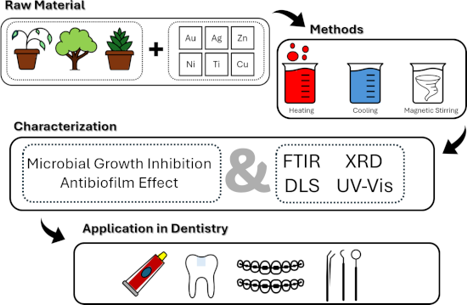
- content. Despite promising results, gaps remain, such as the predominance of in vitro studies (68.7%) and insufficient cytotoxicity assessments (47.8%), underscoring the need for translational research. This review highlights the transformative potential of green-synthesized nanoparticles in dentistry
- significantly reduces the generation of toxic waste, occupational risks, and environmental impacts [13][14][15]. Furthermore, green-synthesized nanoparticles demonstrate enhanced biocompatibility, improved bioavailability, and reduced cytotoxicity, which broadens their applicability in fields such as dental
- , including cements, sealants, and mouthwashes [8][45]. CuNPs and nickel oxide nanoparticles, though less frequent, are also gaining attention for their antimicrobial activity, despite some concerns regarding cytotoxicity [46][47]. The presence AuNPs and titanium dioxide nanoparticles highlights an interest


Phytol-loaded soybean oil nanoemulsion as a promising alternative against Leishmania amazonensis
Beilstein J. Nanotechnol. 2025, 16, 1826–1836, doi:10.3762/bjnano.16.126

- presented in Table 1. 3T3 fibroblast-like cell viability Cell viability in mammalian cells was assessed using 3T3 fibroblast-like cells at 24 and 48 hours (Figure 3). Our results showed that none of the treatments induced significant cytotoxicity in this cell type at 24 hours. However, at 48 hours
- , cytotoxicity was observed in cells treated with free PHYT and blank-NE at a concentration of 200 µg/mL, resulting in 67% and 71% cell viability, respectively. Interestingly, PHYT-NE remained safe at all tested concentrations and time points, with cell viability above 80% even at the highest concentration. In
- on cytotoxicity in cutaneous leishmaniasis highlight the immunological interactions involving multiple cell types beyond macrophages, as well as the role of cytotoxic cells in disease progression and tissue damage, supporting the relevance of studying different cellular models, including fibroblasts


Exploring the potential of polymers: advancements in oral nanocarrier technology
Beilstein J. Nanotechnol. 2025, 16, 1751–1793, doi:10.3762/bjnano.16.122


Advances of aptamers in esophageal cancer diagnosis, treatment and drug delivery
Beilstein J. Nanotechnol. 2025, 16, 1734–1750, doi:10.3762/bjnano.16.121
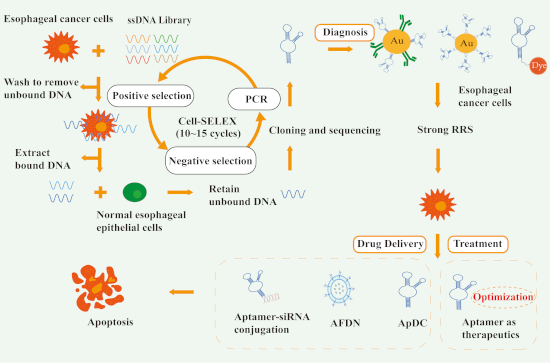
- , which may be due to the fact that the aptamer was not modified and was easily degraded by nucleases. The cytotoxicity of Te4 to TE-1 and HEEC cells showed no potential as a therapeutic agent for EC alone. In addition, Te4 target has been identified as a membrane protein only by flow cytometry, and the
- experiments showed that about 50% of EPI was released after 25 h. Cytotoxicity studies were carried out in KYSE-70 and EC109 cell lines. PEI–aptamer–EPI had significantly higher tumoricidal effects compared with EPI and Aptamer-EPI groups. Unfortunately, this study was only in vitro; biocompatibility, in vivo


Multifunctional anionic nanoemulsion with linseed oil and lecithin: a preliminary approach for dry eye disease
Beilstein J. Nanotechnol. 2025, 16, 1711–1733, doi:10.3762/bjnano.16.120
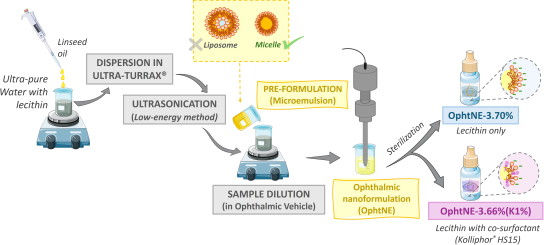
- absorbance of the nanoformulation, and Absblank represents the absorbance of the sample without DPPH (sample + ethanol). Cytotoxicity assay L929 fibroblast cells were cultured in RPMI 1640 medium supplemented with 10% (v/v) fetal bovine serum (FBS), 1% (v/v) penicillin–streptomycin, and 1% (v/v) GlutaMAX
- , maintained under standard conditions (5% CO2 at 37 °C). Cell viability was determined using the trypan blue exclusion method. The in vitro cytotoxicity of the sterile nanoformulations was evaluated according to the guidelines of the International Organization for Standardization (ISO 10993-5:2009) [59
- the cytotoxicity data analysis, technical replicates were collapsed using the median. Outliers were identified and excluded based on the interquartile range (IQR) method: values above Q3 + 1.5 × IQR or below Q1 − 1.5 × IQR were removed for each experimental group. Normality and homoscedasticity were



Prospects of nanotechnology and natural products for cancer and immunotherapy
Beilstein J. Nanotechnol. 2025, 16, 1644–1667, doi:10.3762/bjnano.16.116
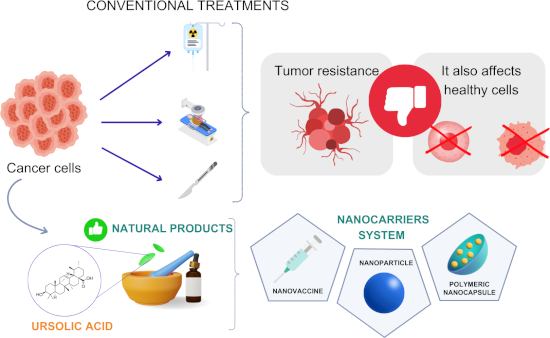
- cytotoxicity. The nanoparticles showed inhibition of the proliferation of breast cancer cells, with lower cytotoxicity to normal liver cells compared to standard drug and free drug. This is due to the nanoparticles’ enhanced permeability and retention, which improves tumor-specific targeting. Mitochondrial
- and drug carriers, and methanol, ethanol, and acetone as solvents. Both nanoparticle systems exhibited high biocompatibility and low cytotoxicity to normal cells. Additionally, the results demonstrated the technology had a tumor inhibition greater than 70% in mice with a synergistic antitumor effect
- properties [142][143]. The tests showed that the nanoparticles containing MTX and DOX were around 400 times more effective and yielded higher cytotoxicity in CT26, MDA-MB-231, and NAR cancer cells, compared to the free drugs [60]. CN117534780 (2024) uses chitosan–glucan nanopolysaccharide complexes (CGCs





