


Search results
Search for "dye" in Full Text gives 347 result(s) in Beilstein Journal of Nanotechnology. Showing first 200.
Biosynthesis, characterization, and biofunctional assessment of niobium oxide nanostructures obtained using lactic acid bacteria-derived supernatants
Beilstein J. Nanotechnol. 2026, 17, 1128–1141, doi:10.3762/bjnano.17.77
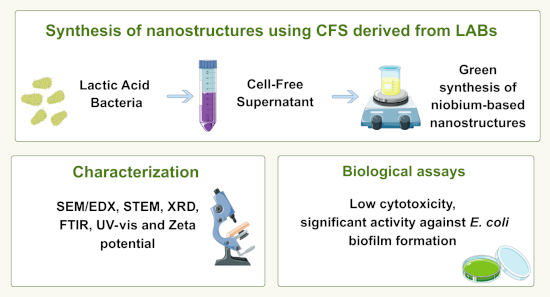
- on the incorporation of the vital dye into lysosomes of viable cells through hydrophobic and electrostatic interactions. Structural damage to the plasma membrane proportionally reduces dye uptake, enabling differentiation between viable, damaged, and dead cells [59]. After exposure, the dye retained
- distilled water (three times) and stained with crystal violet solution (2%; 150 μL) for 15 min at room temperature. Excess stain was removed, and the bound dye was solubilized with ethanol (95%; 150 μL). The absorbance was measured at 540 nm using a microplate reader to quantify biofilm biomass [62


Facile synthesis of platinated DNA nanoparticles with radiosensitizing potential
Beilstein J. Nanotechnol. 2026, 17, 1117–1127, doi:10.3762/bjnano.17.76
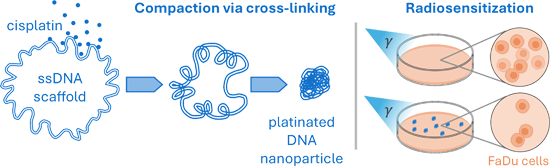
- nanoparticle samples were diluted to 6 nM in a 10 μL solution. Two microliters of 6× DNA gel loading dye (Thermo Scientific) was then added to the solution and mixed properly before loading into the gel wells. The gel was then run at 100 V for 35 min at room temperature under 0.5× TAE buffer. Stability


Development of Protium heptaphyllum essential oil-loaded nanocapsules: experimental design and biological activity
Beilstein J. Nanotechnol. 2026, 17, 974–990, doi:10.3762/bjnano.17.67
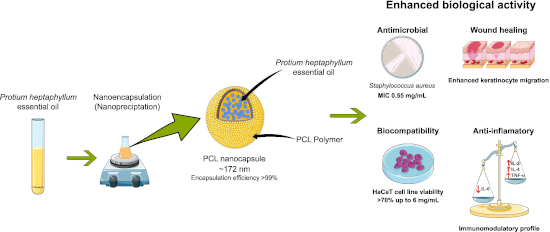
- were stained with the fluorescent dye PKH26 (16 μM) and incubated for 45 min. Excess dye was removed by washing with PBS, and adherent cells were retained for analysis. Cell migration was assessed by fluorescent imaging at 0 h and 12 h using an EVOS FL Auto Imaging System (Thermo Fisher Scientific




Cross-scale design of chemosensor arrays: from molecular self-assembly in water to paper-based devices for metal ion detection
Beilstein J. Nanotechnol. 2026, 17, 828–838, doi:10.3762/bjnano.17.59
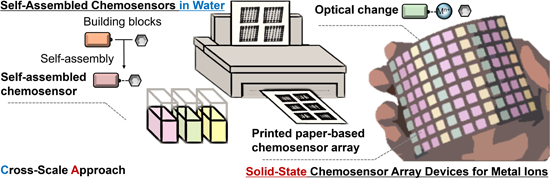
- , chemosensors provide multivalent interactions toward analytes, which allow the simultaneous detection of metal ions based on pattern recognition [12][13][14][15][16]. Chemosensor design relies on molecular-recognition chemistry, dye chemistry, and photochemistry [3]. Conventional chemosensors based on covalent
- , the catechol dye 1 showed blueshifts in the UV–vis absorption spectra with an increase in concentration of 5, which supported the spontaneous formation of a boronate ester (Figure 4A). The nitrophenyl moiety acting as an electron-withdrawing group of 5 increases the Lewis acidity of boronic acid and
- in response to the metal ions was significant in the presence of 5, unlike without the color manipulator (i.e., stand-alone dye array). Indeed, the qualitative detection with 100% correct classification was achieved for eleven types of metal ions, even with excess amounts of sodium chloride (NaCl


Interface-engineered Caco-2 cell culture on a collagen-coated liquid–liquid interface in a microfluidic device
Beilstein J. Nanotechnol. 2026, 17, 760–768, doi:10.3762/bjnano.17.53
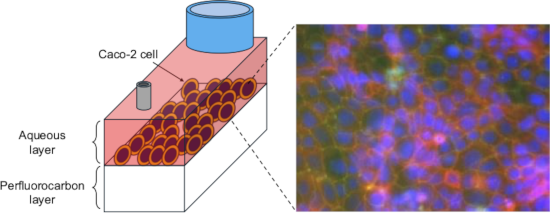
- Scientific Inc., Waltham, MA, USA), phalloidin (Phalloidin, Red Fluorescent Dye Conjugate, Acti-stain 555, Cytoskeleton, Inc., CO, USA), Hoechst33342 (Hoecst 33342 solution, Dojindo Laboratories, Kumamoto, Japan), PBS (D-PBS(−) (10×), Nacalai Tesque, Inc., Kyoto, Japan), DMEM (DMEM(1×)+GlutaMAXTM-I, Gibco


Environmental applications of silver nanoparticles: state-of-the-art review and emerging trends
Beilstein J. Nanotechnol. 2026, 17, 697–736, doi:10.3762/bjnano.17.49
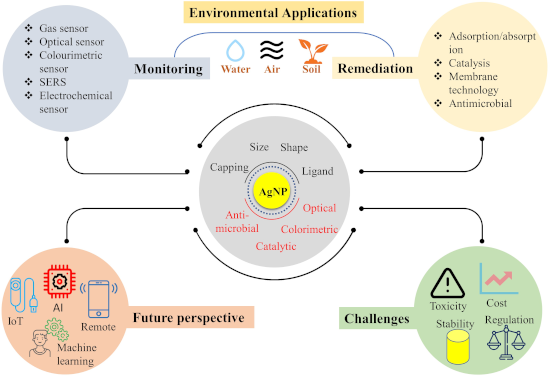
- used as an adsorbent material for removing Nile blue dye, with 94% of the dye being removed within 60 min [27]. Caravaca et al. used magnetic nanoparticles coated with AgNPs for amoxicillin removal from water, where 100% removal was achieved at different nanocomposite concentrations [28]. The removal
- contact [96]. Another study used Murcott mandarin-stabilised AgNPs to remove Pb2+ ions, achieving an adsorption of 42.7 mg/g in 60 min at pH 5.5 [97]. Similar to metal ions, dye removal was achieved using Shorea robusta leaf biochar-stabilised AgNPs, yielding more than 90% removal of RhB and CR [98]. The
- , and pharmaceuticals. Studies have highlighted the role of AgNPs as nanocatalysts in the degradation of toxic dyes, which contribute to persistent water pollution [25]. The nanocatalytic activity of AgNPs stabilised with groundnut oil cake was assessed using orange II dye, achieving 99.3% dye


Molecular engineering of individual dye-based nanoparticle photostability for ultrabright two-photon fluorescence
Beilstein J. Nanotechnol. 2026, 17, 688–696, doi:10.3762/bjnano.17.48
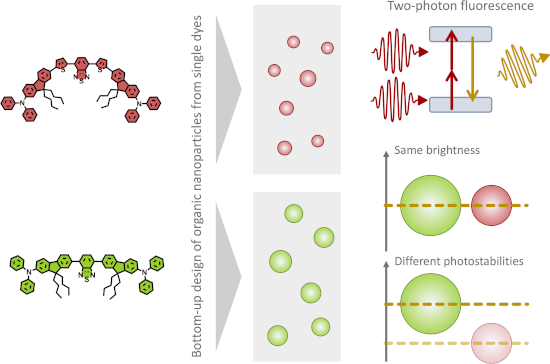
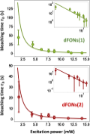
- , CentraleSupélec, LuMIn, 91190 Gif-sur-Yvette, France 10.3762/bjnano.17.48 Abstract Dye-based fluorescent organic nanoparticles (dFONs) represent a promising class of bioimaging probes combining high brightness with molecular tunability. While their fluorescence performance is well established for one-photon
- nonlinear fluorescence microscopy and bioimaging applications. Keywords: bottom-up design; organic nanoparticles; two-photon fluorescence; two-photon microscopy; Introduction Dye-based fluorescent organic nanoparticles (dFONs) are a class of self-stabilized bioimaging probes composed solely of aggregated
- hydrophobic dye molecules. Their most notable asset is their exceptional brightness, which is the product of their one- or two-photon absorption cross sections, their fluorescence quantum yield, and the number of dye molecules per nanoparticle [1]. Thanks to the ultimate confinement of a large number of dye


Decontamination from water pollutants and pathogens by electrospun nanofibers doped with heavy-atom-free borafluorene-BODIPY photosensitizers
Beilstein J. Nanotechnol. 2026, 17, 668–682, doi:10.3762/bjnano.17.46
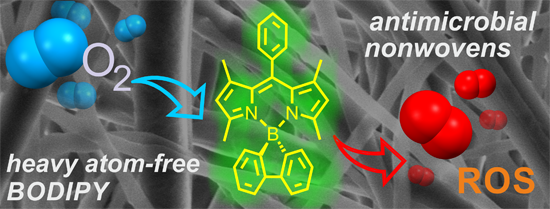
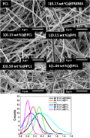
- images showed that the increase in dye content led to a gradual decrease in the average PCL fiber diameter, from 600 ± 70 nm for 1(0.15 wt %)@PCL to 210 ± 44 nm for 1(1.00 wt %)@PCL (Figure 3). This effect may be due to changes in solution properties, such as a possible decrease in viscosity due to
- interactions between BODIPY molecules and PCL chains. Increasing the dye content promotes stronger jet stretching in the electric field during electrospinning, leading to the formation of thinner fibers. Porosity and average pore size analysis confirmed the effect of BODIPY addition, leading to increased



Cellulose as a photocatalyst support material: extraction, structural features, and environmental applications
Beilstein J. Nanotechnol. 2026, 17, 635–652, doi:10.3762/bjnano.17.44


Two-step laser synthesis of Ag@TiO2 nanomaterials for the photocatalytic degradation of rhodamine B
Beilstein J. Nanotechnol. 2026, 17, 622–634, doi:10.3762/bjnano.17.43
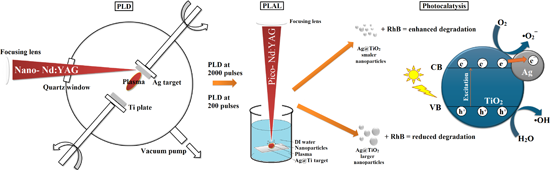
- [10][11][12][13][14][15][16][17]. Rhodamine B (RhB, Figure 1) is a synthetic fluorescent dye from the xanthene family, widely utilized across multiple industrial sectors such as textile manufacturing, papermaking, plastic processing, cosmetics, and biomedical applications, due to its vivid color
- removal of RhB dye from aqueous solutions using the Ag@TiO2 200p and Ag@TiO2 2000p samples, pseudo-first order and pseudo-second order kinetic models were utilized (Equation 4 and Equation 5, respectively). where k1 is the first order rate constant, k2 is the second order rate constant and c0 and c are


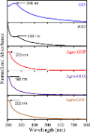
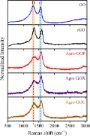
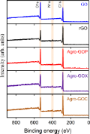
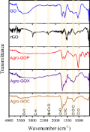
Upcycling agroindustrial waste into graphene oxide supports for gold nanoparticles: toward sustainable nanomaterials
Beilstein J. Nanotechnol. 2026, 17, 489–504, doi:10.3762/bjnano.17.32
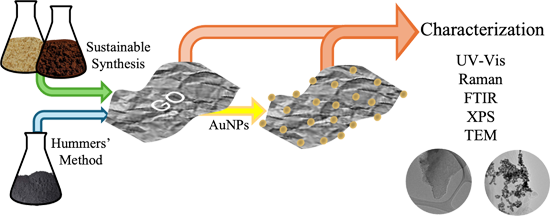
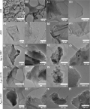
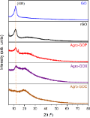
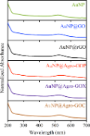
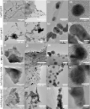
- organic pollutants, including nitroaromatic compounds and dye molecules, under mild reaction conditions [57][58][59]. The synergistic interaction between AuNPs and GO enhances electron transfer, enabling lower noble-metal loading while maintaining high catalytic performance. Furthermore, AuNPs@GO



Influence of surface characteristics on the in vitro stability and cell uptake of nanoliposomes for brain delivery
Beilstein J. Nanotechnol. 2026, 17, 139–158, doi:10.3762/bjnano.17.9
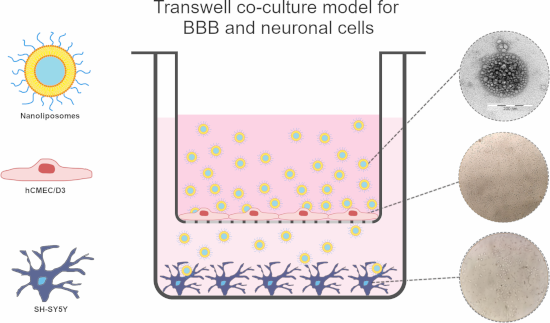
- from rat tail, fluorescein isothiocyanate isomer I (FITC), and Nile red dye were obtained from Sigma-Aldrich (St. Louis, USA). Immortalized human cerebral microvascular endothelial (hCMEC/D3) cell line (CELLutions, Biosistems/Cedarlane®, Canada) were maintained in Endothelial Basal Medium-2 (EBM-2
- fluorophore dye, NL dispersions were centrifuged (Rotofix 32 - Hettich Zentrifugen, Germany) at 4,500 rpm, 25 °C, 15 min, four cycles in Vivaspin 20 ultrafiltration cuvettes, 100,000 MWCO units (Sartorius, Germany) with subsequent supernatant removal. Furthermore, the removal of unencapsulated dye was
- qualitatively confirmed by spectrophotometry (e.g., by the absence of fluorescence in the supernatant obtained in the last washing cycle), ensuring that the fluorescence signal in subsequent experiments originates exclusively from liposome-associated dye. Particle size, particle size distribution and z




Functional surface engineering for cultural heritage protection: the role of superhydrophobic and superoleophobic coatings – a comprehensive review
Beilstein J. Nanotechnol. 2026, 17, 63–96, doi:10.3762/bjnano.17.6
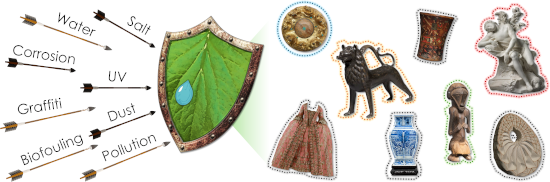
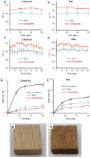
- degradation of MO dye under simulated solar and natural sunlight, while higher C-dot loadings (TC62.5 and TC75) reduced performance, likely due to surface-masking effects. To fully exploit the photocatalytic activity of the TiO2/C-dot composites on cementitious substrates, they were embedded in a silica-based




Visualizing nanostructures in supramolecular hydrogels: a correlative study using confocal and cryogenic scanning electron microscopy
Beilstein J. Nanotechnol. 2025, 16, 2274–2284, doi:10.3762/bjnano.16.156
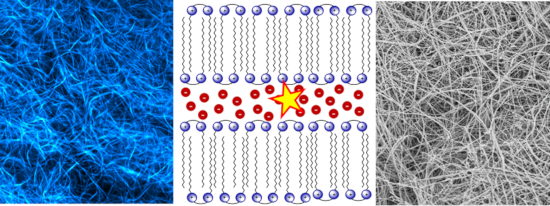
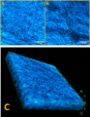
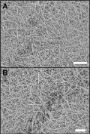
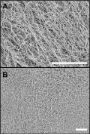
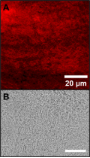
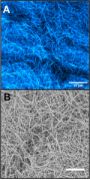
- highly fluorescent and photo-stable molecules [28][29] that have been explored as potential bio-imaging fluorescent probes [30][31]. Incorporation of the DPP-BC dye into the hydrogel system resulted in a marked improvement in CLSM imaging quality (Figure 3) compared with the phthalocyanine derivative
- higher fluorescence quantum yield of DPP dyes (coupled with their larger extinction coefficient) compared with the phthalocyanine. DPP dyes generally have larger extinction coefficients than zinc phthalocyanines [32][33]. These properties allowed for imaging at lower dye concentrations, minimizing
- relatively low absorbance and fluorescence quantum yield of the phthalocyanine dye, necessitating high fluorophore concentrations and mechanical compression for imaging. These constraints led to artefacts and obscured the true morphology of the gel. However, cryo-SEM imaging of ZnPc@Gel revealed well-formed



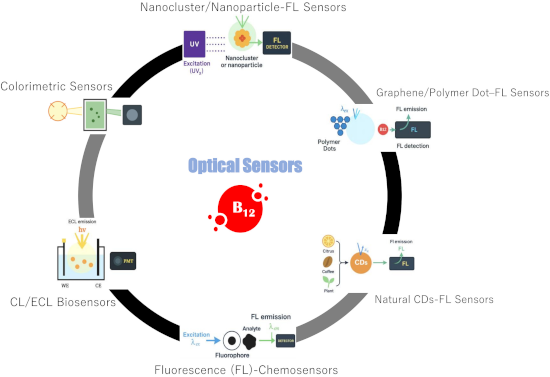
Optical bio/chemical sensors for vitamin B12 analysis in food and pharmaceuticals: state of the art, challenges, and future outlooks
Beilstein J. Nanotechnol. 2025, 16, 2207–2244, doi:10.3762/bjnano.16.153


Microplastic pollution in Himalayan lakes: assessment, risks, and sustainable remediation strategies
Beilstein J. Nanotechnol. 2025, 16, 2144–2167, doi:10.3762/bjnano.16.148
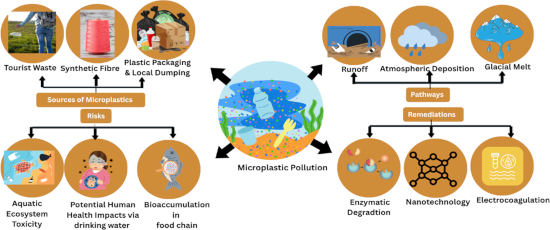
- ability to examine colored or pigmented polymers without dye interference. The geographical distributions of MPs in samples are increasingly being mapped using Raman mapping techniques, which provide valuable information for ecological impact studies [36]. Such techniques are able to distinguish between


Beyond the shell: exploring polymer–lipid interfaces in core–shell nanofibers to carry hyaluronic acid and β-caryophyllene
Beilstein J. Nanotechnol. 2025, 16, 2015–2033, doi:10.3762/bjnano.16.139
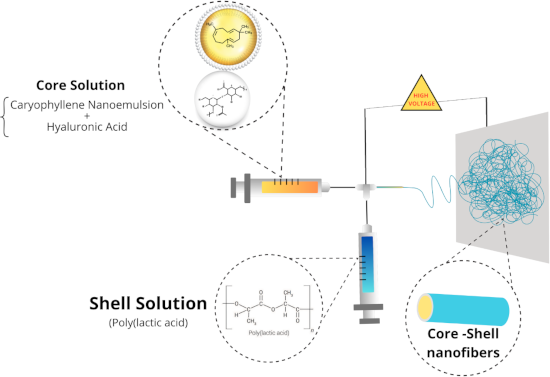
- of scaffold types throughout their thickness and assess the core structure of HA+NE2/PLA nanofibers. Fluorescein, a fluorescent dye, was added to the HA+NE mixture to facilitate its encapsulation within the core during the electrospinning process. As shown in Figure 5, the presence of fluorescein was




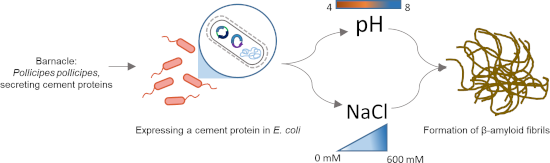
Self-assembly and adhesive properties of Pollicipes pollicipes barnacle cement protein cp19k: influence of pH and ionic strength
Beilstein J. Nanotechnol. 2025, 16, 1863–1872, doi:10.3762/bjnano.16.129
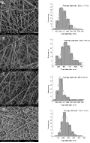
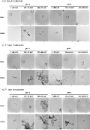
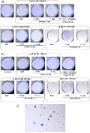
- present, were selected. Analysis of pH 8.0, 600 mM NaCl 21 day, pH 8.0, 0 mM NaCl 21 day, pH 8.0, 0 mM NaCl 11 day, and pH 4.0, 150 mM NaCl 11 day samples was repeated to confirm initial observations. ThT ThT, a dye that selectively binds to β-sheet-rich regions in amyloid fibrils and exhibits enhanced


Electrical, photocatalytic, and sensory properties of graphene oxide and polyimide implanted with low- and medium-energy silver ions
Beilstein J. Nanotechnol. 2025, 16, 1794–1811, doi:10.3762/bjnano.16.123
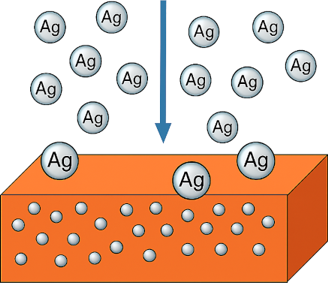
- degradation of the industrial dye rhodamine B in aqueous solution [33]. Results of photocatalytic testing of GO show different efficiencies depending on the energy and fluence of silver ions as you can see on the Figure 11. Unmodified GO exhibits a lower rate constant for the decomposition of rhodamine B than


Advances of aptamers in esophageal cancer diagnosis, treatment and drug delivery
Beilstein J. Nanotechnol. 2025, 16, 1734–1750, doi:10.3762/bjnano.16.121
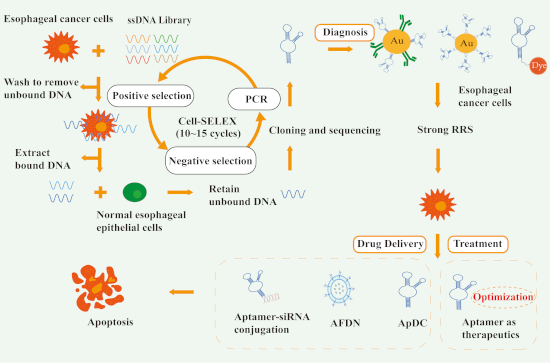
- obtain nucleic acid aptamer S3-2-3 with binding specificity to ESCC cells. After labeled with Cy5 dye, it can yield highly specific fluorescence imaging for ESCC tissues, providing accurate display tools for clinical diagnosis. The remarkably short 18-nucleotide length of aptamer S3-2-3 enables its


Nanotechnology-based approaches for the removal of microplastics from wastewater: a comprehensive review
Beilstein J. Nanotechnol. 2025, 16, 1607–1632, doi:10.3762/bjnano.16.114
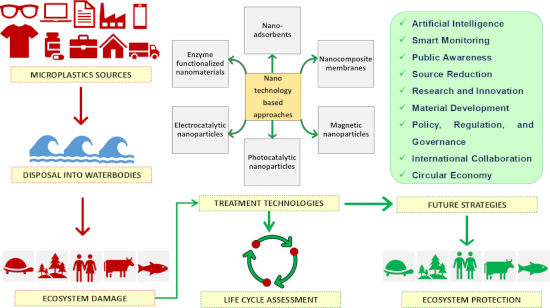
- over 99% removal efficiency for methylene blue (MB). Additionally, M0.5 demonstrated excellent resistance to fouling when filtering MB dye and microplastic mixtures. The membrane maintained its high performance across different MB concentrations, MPs levels, and transmembrane pressures. The study


Cross-reactivities in conjugation reactions involving iron oxide nanoparticles
Beilstein J. Nanotechnol. 2025, 16, 1504–1521, doi:10.3762/bjnano.16.106
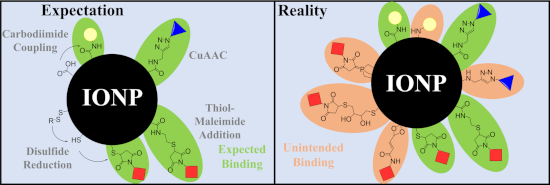
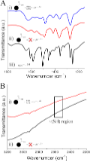
- amides [57]. While FTIR provides some evidence of PPA coupling to the IONP surface, it is not conclusive; thus, we turned to an indirect means of detection by utilizing the CuAAC coupling reaction to bind Cy5-azide dye to the alkyne groups on the IONP surface, if present. The dye can then be detected
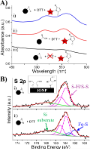
- bond formation with EDC activation, while no amides were detected in the EDC-free control, as expected. Our UV–vis results suggest a denser dye loading on IONP-PPA than the EDC-free control, which suggests more available binding sites (alkynes) on IONP-PPA. The C 1s XPS spectra also suggest the
- , also did not result in any detectable dye loading on the IONPs. We also tried using Remazol Brilliant Blue R (Figure 6d), a commercially available primary amine-containing dye with sulfonate groups, which impart excellent aqueous solubility, and once again, detected no dye on the IONPs. We thus







Laser processing in liquids: insights into nanocolloid generation and thin film integration for energy, photonic, and sensing applications
Beilstein J. Nanotechnol. 2025, 16, 1428–1498, doi:10.3762/bjnano.16.104
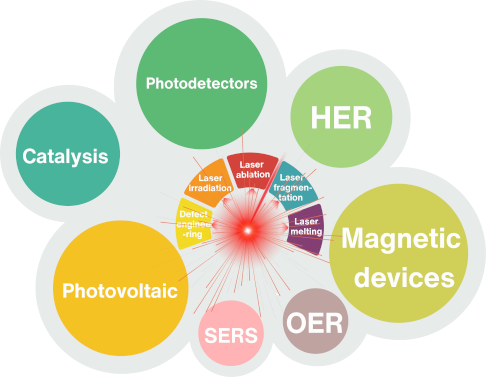
- comparison of ZnO photoelectrodes obtained by laser ablation and doctor blade for dye-sensitized solar cell application was made. Regarding the crystalline structure, a noticeable difference between the films is the broadening of the diffraction peaks. Specifically, the films deposited using the doctor blade
- deposited by doctor blade exhibit higher porosity and distinct clustering compared to those made by laser ablation. This increased porosity in the doctor blade films is likely responsible for the better dye absorption observed. However, a disadvantage of the doctor blade method is the poor adhesion of the






Better together: biomimetic nanomedicines for high performance tumor therapy
Beilstein J. Nanotechnol. 2025, 16, 1246–1276, doi:10.3762/bjnano.16.92
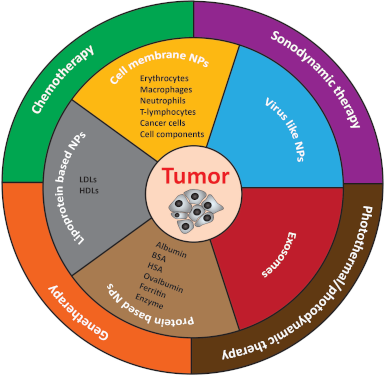
- membrane, the IR780 (NIR) fluorescence dye was loaded as a photosensitizer for PTT to generate biomimetic “IR780-rRBC” NPs. The antitumor effect of IR780-rRBC was also evaluated. After laser treatment, the tumor temperatures in mice treated with IR780-rRBC and IR780-rRBC NPs increased up to 60 and 70 °C







Hydrogels and nanogels: effectiveness in dermal applications
Beilstein J. Nanotechnol. 2025, 16, 1216–1233, doi:10.3762/bjnano.16.90
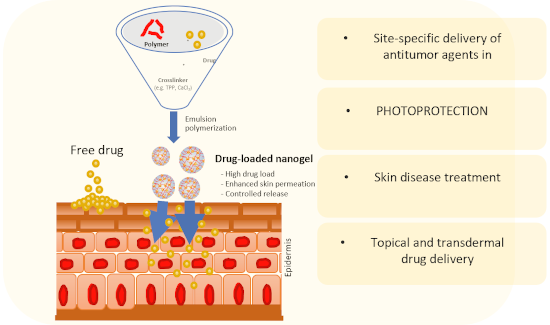
- [20][21], drug monitoring in biological fluids [22], CO2 absorption from the atmosphere [23], dye removal from industrial effluents [24], cavity-prevention in oral products [25], insect repellent coating for textiles [26], lead detection in water reservoirs [27], production of vaccines [28], and





