Search results
Search for "dyes" in Full Text gives 211 result(s) in Beilstein Journal of Nanotechnology. Showing first 200.
Cross-scale design of chemosensor arrays: from molecular self-assembly in water to paper-based devices for metal ion detection
Beilstein J. Nanotechnol. 2026, 17, 828–838, doi:10.3762/bjnano.17.59
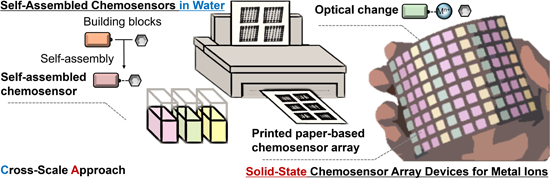
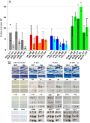
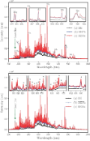
- arrays for qualitative detection of eleven metal ions To explore the potential of colorimetric self-assembled chemosensors, the three catechol dyes 1–3 and the color manipulator 5 were selected as components of an array for the simultaneous discrimination of eleven types of metal ions (i.e., Pb2+, Cu2
- +, Zn2+, Ni2+, Cd2+, Co2+, Fe2+, Hg2+, Al3+, Ga3+, and Ca2+) [13]. As described in Figure 6A, the various colorimetric patterns were obtained on an array, according to the combination of the colorimetric ensembles and target metal ions. Importantly, the magnitude of the color changes of the catechol dyes


Environmental applications of silver nanoparticles: state-of-the-art review and emerging trends
Beilstein J. Nanotechnol. 2026, 17, 697–736, doi:10.3762/bjnano.17.49
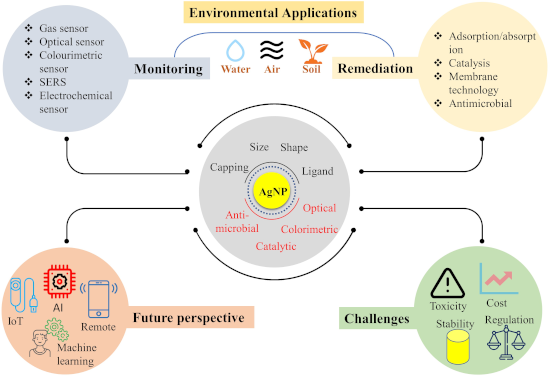
- , copper), particulate matter (PM2.5 and PM10), pesticides (organochlorines and phosphates), micro- and nanoplastics, antibiotics, gases, organic compounds (e.g., dyes or nitrophenols), and microorganisms [2][3][4][5]. The concentration of these pollutants in the environment is proportional to the world
- bacteria, as well as multidrug-resistant strains [23]. Furthermore, the catalytic activity of AgNPs was utilised to remove synthetic dyes, nitrophenol, and other organic pollutants. Methylene blue (MB), Congo red (CR), 4-nitrophenol, and 4-nitroaniline were degraded into harmless products using AgNPs
- antimicrobial action of AgNPs has been explored for water treatment and purification. Despite this, several pollutants, including metal ions, pesticides, and dyes, are present in water and significantly contribute to water pollution. To obtain purified water, these pollutants must be removed from water sources


Molecular engineering of individual dye-based nanoparticle photostability for ultrabright two-photon fluorescence
Beilstein J. Nanotechnol. 2026, 17, 688–696, doi:10.3762/bjnano.17.48
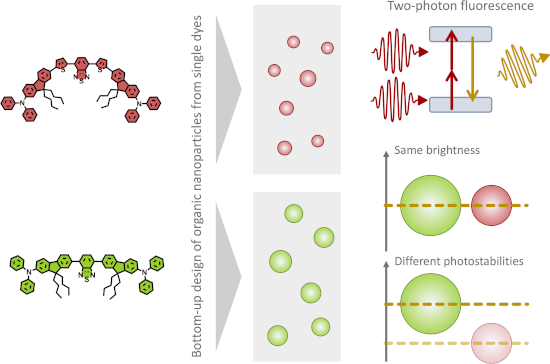
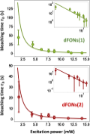
- localization precision of around 3 nm. In this article, we will show in particular that the dFONs brightness is larger than the sum of the brightnesses of the individual dyes. We experimentally demonstrate that 2P absorption from an individual dye is much more efficient in the nanoparticle than in solution
- excitation rate. While several studies have investigated the 2P-excited photobleaching of organic dyes, to the best of our knowledge, no statistical analysis has addressed the possibility to engineer the photobleaching of individual dFONs under 2P excitation. In this paper, we selected two families of dFONs
- , previously reported in the literature [11][20]. They display the same 2P brightness, but differ notably in the fluorescence quantum yields and 2P absorption cross sections of their constituting dyes. By comparing the two systems, we experimentally reveal how these two parameters influence 2P-excited


Decontamination from water pollutants and pathogens by electrospun nanofibers doped with heavy-atom-free borafluorene-BODIPY photosensitizers
Beilstein J. Nanotechnol. 2026, 17, 668–682, doi:10.3762/bjnano.17.46
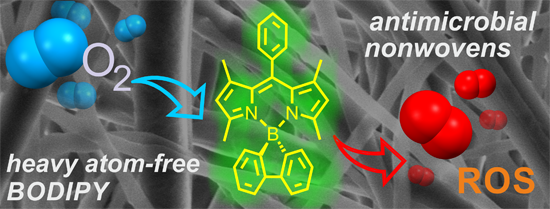
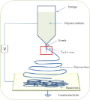
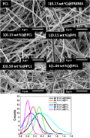
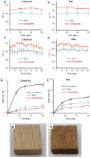
- . Furthermore, the polar components increased with the addition of dyes, which was most effective in the case of 1(1.00 wt %)@PCL. The addition of BODIPY increased the surface polarity of the samples due to the low polar component of approximately 3.9–6.7 mN·m−1 and the associated low WCA [57]. The enhancement



Cellulose as a photocatalyst support material: extraction, structural features, and environmental applications
Beilstein J. Nanotechnol. 2026, 17, 635–652, doi:10.3762/bjnano.17.44
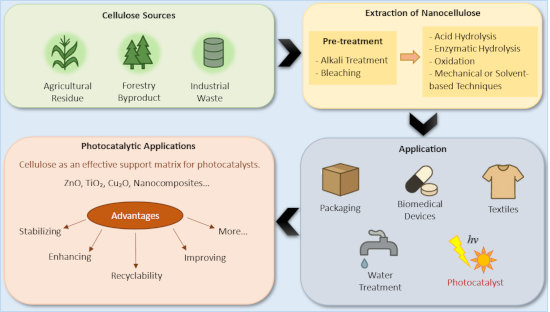
- breaking down organic dyes in wastewater, producing hydrogen, and supporting antibacterial treatments. Its success largely depends on the properties of the semiconductor photocatalyst. An ideal photocatalyst should remain stable against photocorrosion, operate efficiently under a broad range of light


Two-step laser synthesis of Ag@TiO2 nanomaterials for the photocatalytic degradation of rhodamine B
Beilstein J. Nanotechnol. 2026, 17, 622–634, doi:10.3762/bjnano.17.43
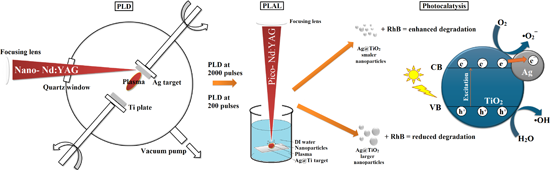
- photodegradation. In practice, TiO2 is widely used in photocatalytic systems for pollutant degradation (e.g., dyes, pharmaceuticals, including drugs, supplements and cosmetics, phenols, and poly(alkyl)acrylates), water purification, CO2 reduction, and hydrogen production [2][3][4][5][6][7][8]. However, pristine


Biomimetic nanoparticles in cancer photodynamic therapy: a review of targeted delivery systems and therapeutic outcomes
Beilstein J. Nanotechnol. 2026, 17, 396–422, doi:10.3762/bjnano.17.27
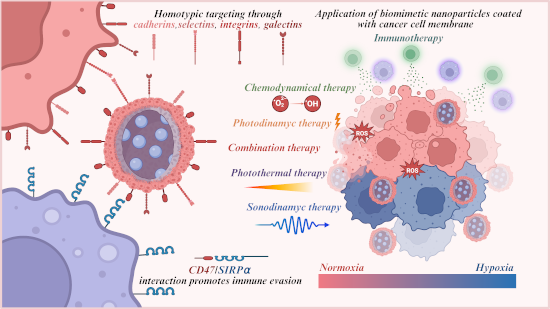
- ], mTHPC [26], bacteriochlorins [27], and phthalocyanines [28]), as well as non-porphyrinic structures like BODIPY dyes modified for enhanced ROS generation [29] and natural compounds such as hypericin and curcumin, primarily used in antimicrobial PDT [30]. Third-generation PSs focus on targeted delivery
- surface, enhancing their ability to recognize and bind to specific cell markers [77]. Incorporating imaging dyes or contrast agents into the BNP membrane also enables real-time tracking and monitoring of drug delivery in vivo. The main stages of biomimetic nanoparticle fabrication and subsequent surface


Influence of surface characteristics on the in vitro stability and cell uptake of nanoliposomes for brain delivery
Beilstein J. Nanotechnol. 2026, 17, 139–158, doi:10.3762/bjnano.17.9
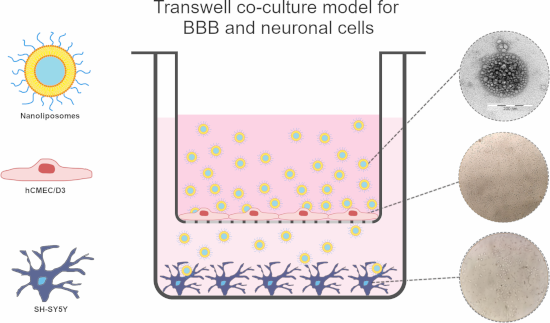
- homogenized again at 6,000 rpm for 3 min and stored at 4–8 °C. All fluorescent dyes, Nile red (1.6%, w/w) and Dil stain (2.5%, w/w), used in cell culture experiments were added in the organic phase during the preparation process, according to Mihailova et al. [17]. In order to remove the unincorporated
- , as well as the nature of the cell culture medium and its components such as serum as well as growth factors, dyes, and antibiotics [40][41][42]. Apart from the already reported greatest stability in cell culture medium over time (by AF4 analysis), the highest cell uptake NLb1 can be also attributed




Functional surface engineering for cultural heritage protection: the role of superhydrophobic and superoleophobic coatings – a comprehensive review
Beilstein J. Nanotechnol. 2026, 17, 63–96, doi:10.3762/bjnano.17.6

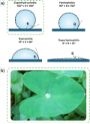
- Chinese silk fabric recognized as national intangible cultural heritage and distinguished by its exclusive use of pure plant and mineral dyes. The coating of this fabric is formed through a complex, manual dyeing and finishing process involving Dioscorea cirrhosa Lour extract (a plant source of tannins





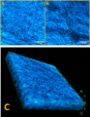
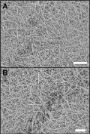
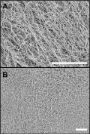
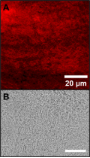
Visualizing nanostructures in supramolecular hydrogels: a correlative study using confocal and cryogenic scanning electron microscopy
Beilstein J. Nanotechnol. 2025, 16, 2274–2284, doi:10.3762/bjnano.16.156
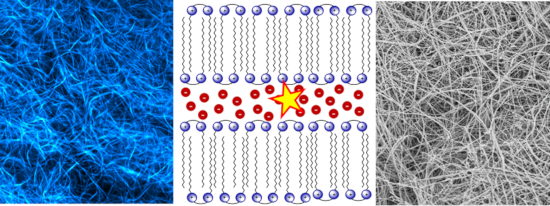
- insights into gel behaviour under mechanical stress, did not reliably capture the morphology of the hydrated gel in its native state. These results show the limitations of using low quantum yield fluorophores like ZnPc for CLSM analysis of supramolecular hydrogels. DPP-BC@Gel In general, DPP dyes are
- higher fluorescence quantum yield of DPP dyes (coupled with their larger extinction coefficient) compared with the phthalocyanine. DPP dyes generally have larger extinction coefficients than zinc phthalocyanines [32][33]. These properties allowed for imaging at lower dye concentrations, minimizing



Optical bio/chemical sensors for vitamin B12 analysis in food and pharmaceuticals: state of the art, challenges, and future outlooks
Beilstein J. Nanotechnol. 2025, 16, 2207–2244, doi:10.3762/bjnano.16.153


Nanotechnology-based approaches for the removal of microplastics from wastewater: a comprehensive review
Beilstein J. Nanotechnol. 2025, 16, 1607–1632, doi:10.3762/bjnano.16.114
- efficiency along with favourable thermodynamic properties. Although extensive studies have been conducted regarding MOF-modified membranes for the removal of salts and organic dyes, their application in microplastic removal remains largely unexplored. Because of their excellent compatibility, highly porous


Cross-reactivities in conjugation reactions involving iron oxide nanoparticles
Beilstein J. Nanotechnol. 2025, 16, 1504–1521, doi:10.3762/bjnano.16.106
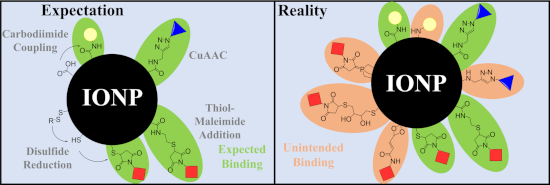
- [51][52]. In the context of magnetic resonance imaging, small molecule ligands also offer advantages over thicker, polymeric coatings as superior contrast agents [53][54][55]. To investigate amine cross-reactivities, we use propargylamine (PPA, Figure 1c) and a series of primary amine-containing dyes
- )phosphine (THPP, Figure 1h). We probe cross-reactivities in the CuAAC and thiol–maleimide Michael addition reactions using two dyes, Cy5-azide (Figure 1i) and Cy3-maleimide (Figure 1j), respectively. Oxidation of 3,4-DHBA forms an o-quinone (Figure 1a), which has a greatly diminished affinity for the IONP
- candidate for this binding mode is, thus, coordination of the amine with surface Fe. EDC coupling attempts with primary amine dyes The necessity to perform indirect methods of determining the binding of PPA makes interpretation of the EDC/NHS coupling results complicated. In an attempt to observe direct







Nanomaterials for biomedical applications
Beilstein J. Nanotechnol. 2025, 16, 1499–1503, doi:10.3762/bjnano.16.105

- conditions such as cancer, neurological disorders, and infections. Quantum dots are a widely studied type of nanomaterial used in biomedical diagnostics. When these semiconductor particles are exposed to light, they strongly and stably emit fluorescence. Unlike regular dyes, quantum dots do not quickly fade
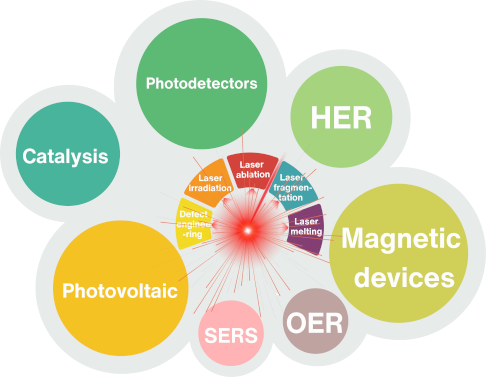
Laser processing in liquids: insights into nanocolloid generation and thin film integration for energy, photonic, and sensing applications
Beilstein J. Nanotechnol. 2025, 16, 1428–1498, doi:10.3762/bjnano.16.104






The role of biochar in combating microplastic pollution: a bibliometric analysis in environmental contexts
Beilstein J. Nanotechnol. 2025, 16, 1401–1416, doi:10.3762/bjnano.16.102
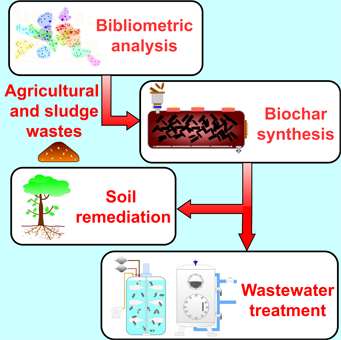
- , soil improvement and climate mitigation. Life cycle assessments indicate that BC application can result in climate benefits ranging from −1.4 to −0.11 tonnes CO2-eq per tonne of biochar [17]. Its versatility extends to removing pollutants, enhancing plant growth, and decolorizing organic dyes in


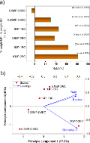

Investigation of the solubility of protoporphyrin IX in aqueous and hydroalcoholic solvent systems
Beilstein J. Nanotechnol. 2025, 16, 1209–1215, doi:10.3762/bjnano.16.89
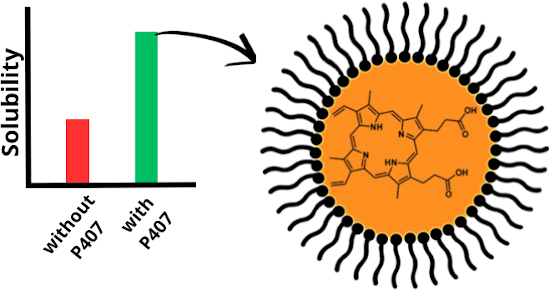
- its bioavailability and light absorption capacity will be increased [5]. To overcome this problem, the development of drug delivery systems, such as poloxamer-based ones, has played an important role on the delivery of dyes for PDT [8][9][10]. Poloxamers are triblock copolymers with thermosensitive


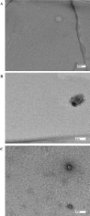
Fabrication of metal complex phthalocyanine and porphyrin nanoparticle aqueous colloids by pulsed laser fragmentation in liquid and their potential application to a photosensitizer for photodynamic therapy
Beilstein J. Nanotechnol. 2025, 16, 1088–1096, doi:10.3762/bjnano.16.80
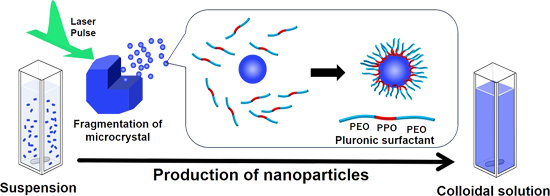
- suspended in a poor solvent is fragmented into nanoparticles by intense pulsed laser irradiation, and the sample suspension is directly converted in to a colloidal dispersion without any chemical additives in one step. It has been demonstrated that several hydrophobic dyes such as metal complex Pcs (MPcs
- photolysis of DPBF. For this analysis, a mixture (1 mL) of the MPc or PtOEP nanoparticles (dyes concentration ca. 30 μM) and DPBF (30 μM) was irradiated with the same light source (500–800 nm) as in the phototoxicity experiment at 40 mW·cm−2; the results obtained for PtOEP are shown in Figure 8a as an


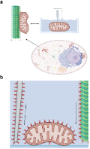
Shape, membrane morphology, and morphodynamic response of metabolically active human mitochondria revealed by scanning ion conductance microscopy
Beilstein J. Nanotechnol. 2025, 16, 951–967, doi:10.3762/bjnano.16.73
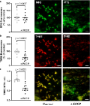
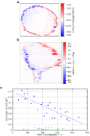
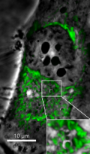
- (a) and TMRE (b) and investigated for 30 min with and without treatment with 5 μM FCCP. The fluorescence intensity of both dyes was quantified in ten representative individual mitochondria. Both, TMRE fluorescence and the TMRE/MTG ratio (c) significantly decreased after FCCP treatment compared to the



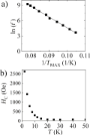
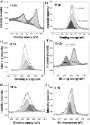
Changes of structural, magnetic and spectroscopic properties of microencapsulated iron sucrose nanoparticles in saline
Beilstein J. Nanotechnol. 2025, 16, 762–784, doi:10.3762/bjnano.16.59





Efficiency of single-pulse laser fragmentation of organic nutraceutical dispersions in a circular jet flow-through reactor
Beilstein J. Nanotechnol. 2025, 16, 711–727, doi:10.3762/bjnano.16.55
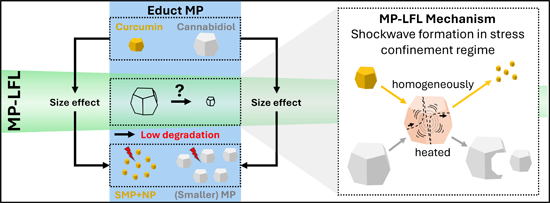
- understood. In the last two decades, the transfer of these laser-based processes to organic substances has been reported with a particular focus on particle size reduction by LFL [10][16][17]. One motivation behind the size reduction of organic particles like drugs or near-infrared absorbing dyes, which
- iron phthalocyanines (FePc), but also some purely organic dyes such as naphthalocyanides [25], perylenes [26], perylene diimides [27][28], fullerenes [29][30], and quinacridones [2][31] have been successfully downsized to the nanoscale using nanosecond- and femtosecond-LFL with wavelengths in the UV
- , green, and IR ranges. Metal complex dyes are characterized by high thermal and UV stability and were therefore preferred for initial LFL studies [32]. Asahi et al. and Tamaki et al. repeatedly showed that using a UV nanosecond laser with a repetition rate of several hertz not only produces NPs of


Recent advances in photothermal nanomaterials for ophthalmic applications
Beilstein J. Nanotechnol. 2025, 16, 195–215, doi:10.3762/bjnano.16.16
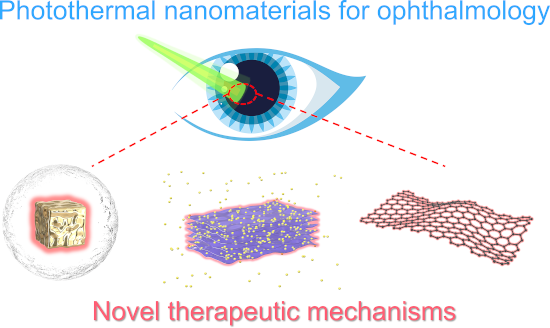
- , and polypyrrole) with a broad light absorption spectrum and efficient photothermal conversion capabilities (see below in Figure 2e) [58][59][60]. In addition to polymer-based photothermal nanomaterials, organic small molecule dyes that are often used for tissue staining can also be used as
- photothermal agents [61]. Organic small molecule dyes are easy to remove from the eye, however, they suffer from low photothermal conversion efficiency, easy photobleaching, low water solubility, and low stability [39]. Common organic small molecule dyes include cyanine dyes (e.g., indocyanine green (ICG
- )), porphyrin dyes, rhodamine dyes, and squaraine dyes [62]. By modifying, adding, or removing functional groups in the molecule, the light absorption spectrum of organic small molecule dyes can be effectively adjusted, and targeting can be achieved. The photothermal conversion efficiency of organic small


Clays enhanced with niobium: potential in wastewater treatment and reuse as pigment with antibacterial activity
Beilstein J. Nanotechnol. 2025, 16, 141–154, doi:10.3762/bjnano.16.13
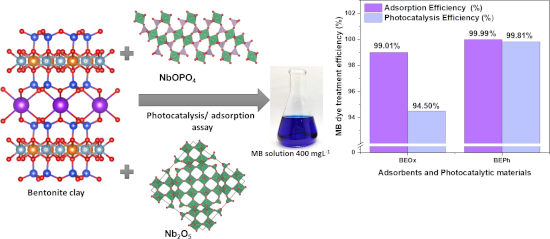
- ; Introduction The most found dye pollutants in wastewater on a global scale originate from textile, plastic, paper, food, cosmetics, mineral, and pharmaceutical industries, among others, resulting in significant environmental impacts [1]. Dyes, as chemical compounds that impart color to different materials
- , play a crucial role in industries requiring coloring, such as textile, food, cosmetics, rubber, printing, paper, and plastic. Globally, an estimated 7 × 10⁵ tons of dyes are produced, with 10–15% typically disposed of as wastewater pollutants [2]. Among the most used dyes, methylene blue (MB) is an
- oxidation, extraction, and biodegradation [4]. Unfortunately, these methods exhibit inefficiencies due to the generation of secondary pollution and high operational costs. Biological and anaerobic degradation of dyes may yield carcinogenic by-products [4][5], highlighting the significant challenge in



Theoretical study of the electronic and optical properties of a composite formed by the zeolite NaA and a magnetite cluster
Beilstein J. Nanotechnol. 2025, 16, 44–53, doi:10.3762/bjnano.16.5
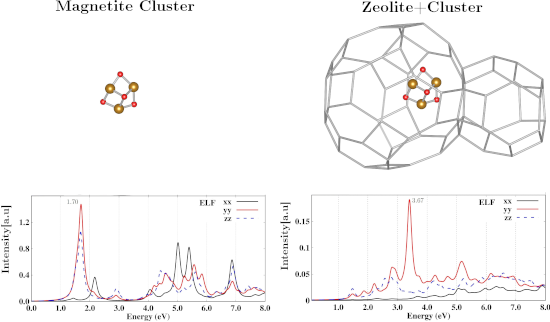
- introduction of magnetic nanoparticles into zeolite crystals so that the resulting composite can respond to an external magnetic field [33]. By imparting magnetic properties to such composites, they can be efficiently recovered after capturing contaminants such as heavy metals [34][35][36][37] and dyes [38][39




Mechanistic insights into endosomal escape by sodium oleate-modified liposomes
Beilstein J. Nanotechnol. 2024, 15, 1667–1685, doi:10.3762/bjnano.15.131
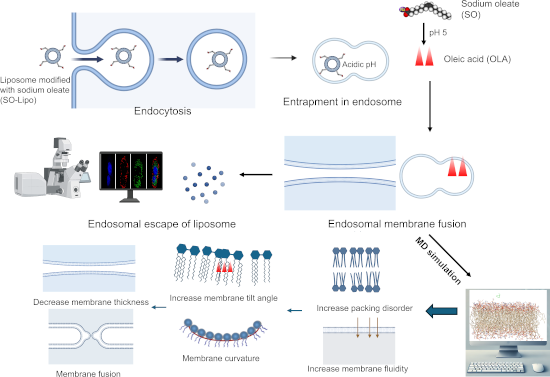
- No. 15250061), and trypsin-EDTA solution (Catalog No. 25200056) were supplied by Gibco, Thermo Fisher Scientific (Waltham, MA, USA). Fluorescent dyes LysoSensor Green DND-189 (Catalog No. L7535) and Hoechst 33342 (Catalog No. H3570) were also procured from Thermo Fisher Scientific. The stearylated