


Search results
Search for "electrophoresis" in Full Text gives 76 result(s) in Beilstein Journal of Nanotechnology.
Influence of surface characteristics on the in vitro stability and cell uptake of nanoliposomes for brain delivery
Beilstein J. Nanotechnol. 2026, 17, 139–158, doi:10.3762/bjnano.17.9
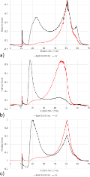
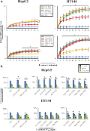
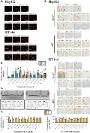
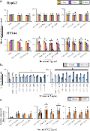
- set to 1.38 and 0.010, respectively. Water was set as the dispersant, the temperature was set to 25 °C, while the attenuation was set to 11. The 'general purpose (normal distribution)' was chosen as the analysis model. High-resolution automated electrophoresis of the adsorbed proteins onto
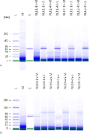
- nanoliposomal surface Protein electrophoresis was performed by a 2100 Bioanalyzer using High Sensitivity Protein 250 kit assays in reducing condition according to the instruction from the manufacturer. Briefly, samples were prepared as for the AF4 analysis. At the end of the incubation time, samples were
- diluted 200-fold in milli-Q water and denatured at 95 °C for 5 min in reducing condition by adding 3.5 µL of 1 M dithiothreitol (DTT) buffer solution to 100 µL of each sample buffer. After cooling, samples were loaded on the microfluidic chip for electrophoresis, in accordance with the instructions from




Optical bio/chemical sensors for vitamin B12 analysis in food and pharmaceuticals: state of the art, challenges, and future outlooks
Beilstein J. Nanotechnol. 2025, 16, 2207–2244, doi:10.3762/bjnano.16.153
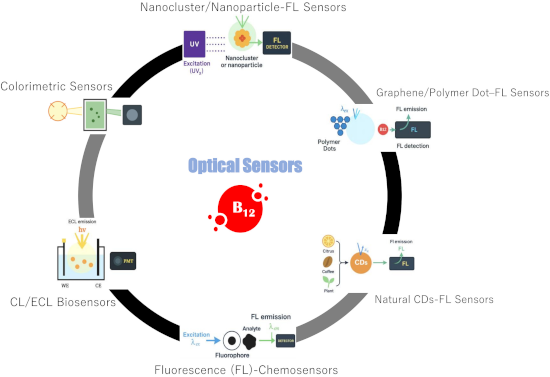
- electrophoresis [20], chemiluminescence [21][22][23][24], enzyme-linked immunosorbent assay (ELISA) [25][26], and electrochemical assays [2][27]. However, these methods involve complex procedures with long preparation times, poor selectivity, expensive equipment, and relatively costly or environmentally harmful


The cement of the tube-dwelling polychaete Sabellaria alveolata: a complex composite adhesive material
Beilstein J. Nanotechnol. 2025, 16, 1998–2014, doi:10.3762/bjnano.16.138
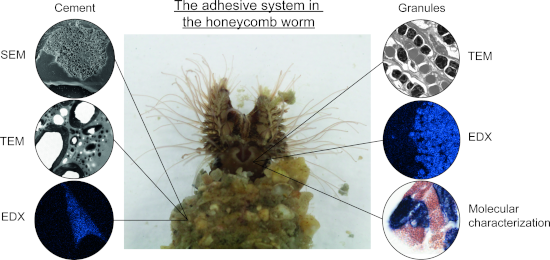
- hybridization probe synthesis, a second PCR was done with a T7 promoter binding site (5′-GGATCCTAATACGACTCACTATAGG-3′) added to reverse strand PCR primers. After quality and size check by gel electrophoresis, PCR products were purified using the Wizard SV Gel and PCR clean-up system kit (Promega). The purified



Venom-loaded cationic-functionalized poly(lactic acid) nanoparticles for serum production against Tityus serrulatus scorpion
Beilstein J. Nanotechnol. 2025, 16, 1633–1643, doi:10.3762/bjnano.16.115
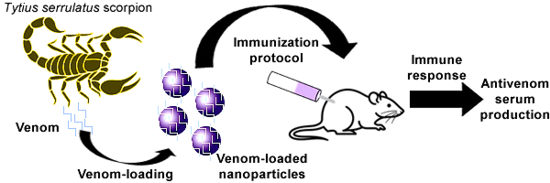
- polyethylenimine for loading peptides and proteins of T. serrulatus venom, and their use as a potential immunoadjuvant was evaluated. The protein loading efficiency of about 100% and the polyacrylamide gel electrophoresis assay confirmed the success of venom loading. Dynamic light scattering and zeta potential
- ” is the total protein amount added and “free proteins” is the non-entrapped protein in the supernatant after centrifugation. Sodium dodecyl sulfate in polyacrylamide gel electrophoresis The electrophoretic profile of T. serrulatus venom, free-protein nanoparticles, and different concentrations of
- protein-loaded nanoparticles were recorded by SDS-PAGE electrophoresis using a minigel system (Mini-Protean® II, BIO-RAD, Hercules, California, United States of America). The molecular weight markers were commercially obtained (Gibco-BRL Life Technologies, Gaithersburg, Maryland, United States of America


Ferroptosis induction by engineered liposomes for enhanced tumor therapy
Beilstein J. Nanotechnol. 2025, 16, 1325–1349, doi:10.3762/bjnano.16.97
- . Other characterization techniques include nuclear magnetic resonance (NMR) spectroscopy to study membrane fluidity and phase transitions, fluorescence spectroscopy for investigating drug–liposome interactions, and capillary electrophoresis to analyze liposome–drug interactions and drug release [110][121
- systems. The EE of liposomes, which determines the amount of drug loaded into the vesicles, can be evaluated by various analytical methods. High-performance liquid chromatography (HPLC) and capillary electrophoresis (CE) are widely used methods to quantify the encapsulated drug [110][125]. HPLC separates


Synthetic-polymer-assisted antisense oligonucleotide delivery: targeted approaches for precision disease treatment
Beilstein J. Nanotechnol. 2025, 16, 435–463, doi:10.3762/bjnano.16.34

- G3139 to acute myeloid leukemic cells [113]. Agarose gel electrophoresis retardation essays revealed that both PEI and transferrin were critical to achieve nanocomplexes with long-term stability and optimal cargo protection under physiological conditions. Moreover, LPNs exhibited enhanced cellular


Engineered PEG–PCL nanoparticles enable sensitive and selective detection of sodium dodecyl sulfate: a qualitative and quantitative analysis
Beilstein J. Nanotechnol. 2025, 16, 385–396, doi:10.3762/bjnano.16.29
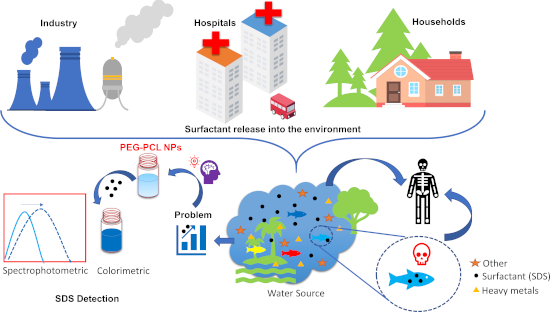
- ]. Apart from that, quantitative and qualitative measurements of SDS in terms of laboratory use are necessary. The SDS is widely used in protein estimation via polyacrylamide gel electrophoresis (PAGE) [10]. Several research groups widely explore nanoparticle synthesis using SDS as a capping agent for
- applications within permissible limits. To assess the safe dose of SDS in other products, various high throughput tools are available, including spectrophotometrics, potentiometrics, high-performance liquid chromatography (HPLC), capillary electrophoresis, and fluorescence-based methods [15][16][17][18][19


Graphene oxide–chloroquine conjugate induces DNA damage in A549 lung cancer cells through autophagy modulation
Beilstein J. Nanotechnol. 2025, 16, 316–332, doi:10.3762/bjnano.16.24
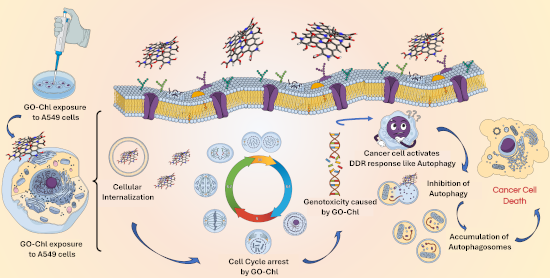
- electrophoresis for DNA damage analysis upon exposure of A549 cells to GO–Chl nanoconjugates Single-cell gel electrophoresis was used to investigate DNA denaturation and single-strand DNA breaks upon exposure of A549 lung cancer cells to GO–Chl nanoconjugates. For quantitative estimation of DNA damage, we
- electrophoresis tank containing freshly prepared chilled electrophoresis solution (1 mM of EDTA, 300 mM of NaOH, pH > 13) for 20 min for DNA unwinding and subsequently subjected to electrophoresis with a 300 mA current, 0.7 V/cm at 4 °C under dimmed light for 30 min. After electrophoresis, the slides were treated
- sulfate polyacrylamide gel electrophoresis (SDS-PAGE) [36], transferred to a polyvinylidene difluoride (PVDF) membrane by electroblotting, blocked with casein-blocking buffer (Sigma-Aldrich) for 1 h at room temperature, and incubated with primary antibodies in 1× TBST overnight at 4 °C. On the next day



Fabrication and evaluation of BerNPs regarding the growth and development of Streptococcus mutans
Beilstein J. Nanotechnol. 2025, 16, 308–315, doi:10.3762/bjnano.16.23
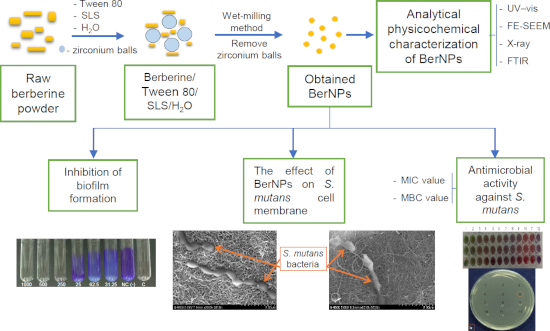
- , ultimately triggering cell death [32]. The findings of Peng et al. on Streptococcus agalactiae indicated that berberine significantly disrupted the cell membrane structure. SDS-PAGE electrophoresis results showed that some protein bands were blurred or absent, suggesting that berberine led to complete or




Synthesis and the impact of hydroxyapatite nanoparticles on the viability and activity of rhizobacteria
Beilstein J. Nanotechnol. 2025, 16, 216–228, doi:10.3762/bjnano.16.17
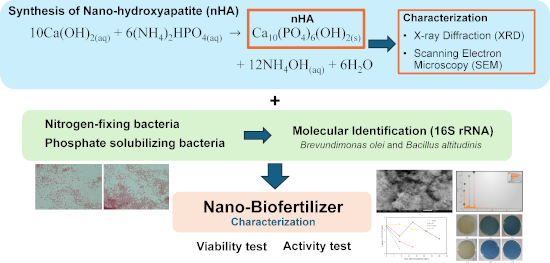
- cycles consisting of denaturation at 94 °C for 45 s, annealing at 52 °C for 1 min, and elongation at 72 °C for 1 min. After the final cycle, polymerization continued at 72 °C for 5 min. The PCR products were then analyzed by electrophoresis on a 1% agarose gel. Visualization was performed under UV light


Instance maps as an organising concept for complex experimental workflows as demonstrated for (nano)material safety research
Beilstein J. Nanotechnol. 2025, 16, 57–77, doi:10.3762/bjnano.16.7

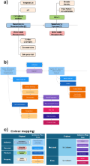
- ’ nanotopography was realised through pore formation during synthesis using cetyltrimethylammonium bromide. The non-covalent conjugations between nanomaterials and proteins were quantitatively characterised, directly by gel electrophoresis and indirectly by quantifying the amount of unbound protein in the


Dual-functionalized architecture enables stable and tumor cell-specific SiO2NPs in complex biological fluids
Beilstein J. Nanotechnol. 2024, 15, 1238–1252, doi:10.3762/bjnano.15.100
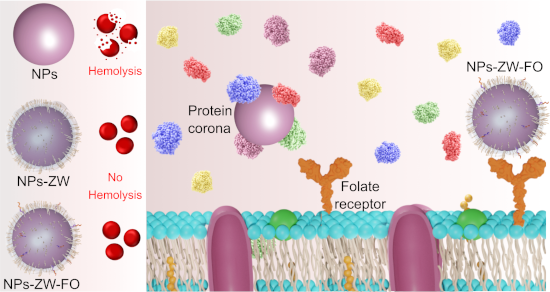
- corona formation in cell culture medium and human plasma To verify the adsorption of proteins on the functionalized SiO2NPs, sodium dodecyl sulfate polyacrylamide gel electrophoresis (SDS-PAGE) experiment was performed. For this, the nanomaterials (in concentrations of 2 to 5 mg·mL–1) were incubated in


Beyond biomimicry – next generation applications of bioinspired adhesives from microfluidics to composites
Beilstein J. Nanotechnol. 2024, 15, 965–976, doi:10.3762/bjnano.15.79
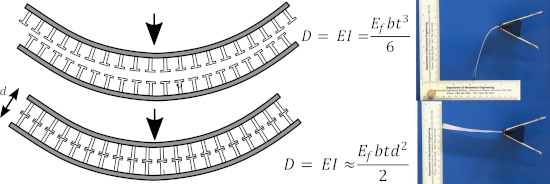
- within channels is distributed between more fibers surrounding the channels. Panel (b) shows a scanning electron microscopy image of a 5 × 7 mm gecko gasket design for electrophoresis. Panel (c) is a compilation image of multiple applications for the gecko gaskets, including microfluidics integrated on


Recognition mechanisms of hemoglobin particles by monocytes – CD163 may just be one
Beilstein J. Nanotechnol. 2023, 14, 1028–1040, doi:10.3762/bjnano.14.85
- Zhang describes [47]. Lück et al. showed by two-dimensional electrophoresis that upon serum incubation, protein accumulation occurred on latex particles with an average size of 660 nm leading to complement activation [48]. At this time, it is unclear whether this mechanism could also play a role in HbMP




Metal-organic framework-based nanomaterials as opto-electrochemical sensors for the detection of antibiotics and hormones: A review
Beilstein J. Nanotechnol. 2023, 14, 631–673, doi:10.3762/bjnano.14.52
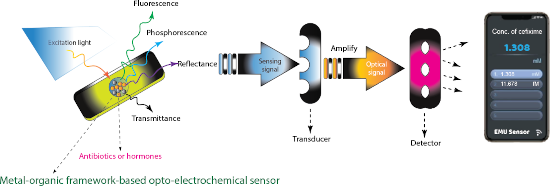
- (ELISA), radioimmunoassay (RIA), surface-enhanced Raman spectroscopy (SERS), and capillary electrophoresis are common analytical techniques used to qualitatively or quantitatively determine pharmaceuticals in various matrices because they are sensitive (Figure 2), have a significant tolerable limit of


Recent progress in cancer cell membrane-based nanoparticles for biomedical applications
Beilstein J. Nanotechnol. 2023, 14, 262–279, doi:10.3762/bjnano.14.24
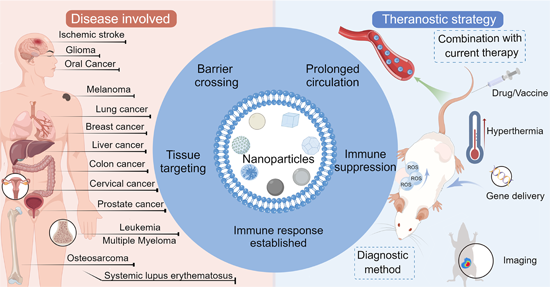
- adapted with permission from [14]. Copyright 2016, American Chemical Society. This content is not subject to CC BY 4.0. Characterization of membrane-encapsulated NPs. (A) Gel electrophoresis analysis showed that liver cancer biomimetic nanoparticles (a) basically retained and transferred the extracted


Studies of probe tip materials by atomic force microscopy: a review
Beilstein J. Nanotechnol. 2022, 13, 1256–1267, doi:10.3762/bjnano.13.104
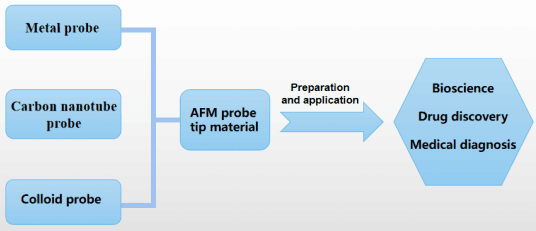
- et al. [39] proposed a multistep assembly method to fabricate carbon nanotube tips by developing a well-controlled procedure to fabricate scanning probe carbon nanotube tip microscopes. The process consists of three steps: purification and alignment of nanotubes using electrophoresis; transfer of
Design of surface nanostructures for chirality sensing based on quartz crystal microbalance
Beilstein J. Nanotechnol. 2022, 13, 1201–1219, doi:10.3762/bjnano.13.100
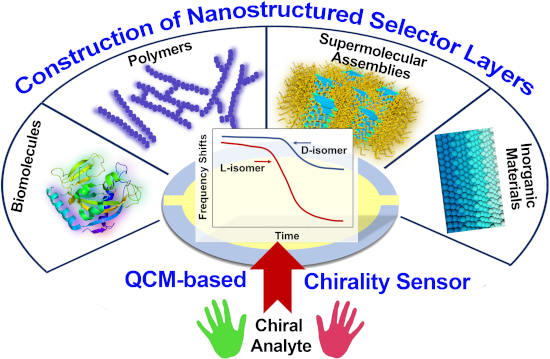
- resonance [10], Fourier transform infrared spectrometry (FTIR) [11], UV–vis absorption spectrometry [12], mass spectrometry (MS) [13], titration microcalorimetry [14], high-performance liquid chromatography (HPLC) [15], gas chromatography (GC), capillary electrophoresis (CE) [16], and electrochemical chiral


Recent advances in green carbon dots (2015–2022): synthesis, metal ion sensing, and biological applications
Beilstein J. Nanotechnol. 2022, 13, 1068–1107, doi:10.3762/bjnano.13.93
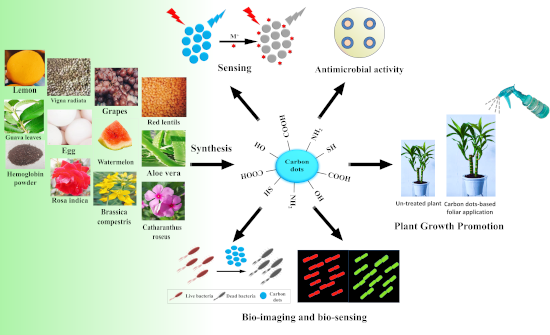
- ]. Godavarthi et al. used seaweed (Sargassum fluitans) to synthesize N-CDs. 1H NMR and 13C NMR were used to analyze Sargassum fluitans and showed that amino acids acted as a nitrogen source, for the preparation of N-CDs. The reported N-CDs were used as a fluorescence probe to detect DNA, and gel electrophoresis




DNA aptamer selection and construction of an aptasensor based on graphene FETs for Zika virus NS1 protein detection
Beilstein J. Nanotechnol. 2022, 13, 873–881, doi:10.3762/bjnano.13.78
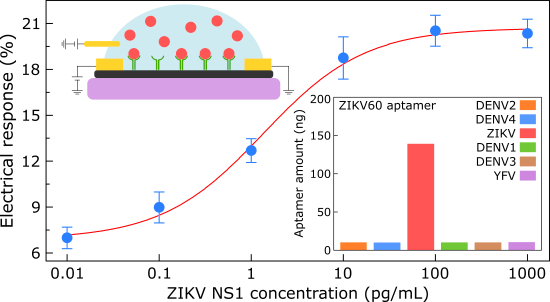
- ligands by exponential enrichment” (SELEX). In this study, we select an aptamer (termed ZIKV60) by capillary electrophoresis SELEX (CE-SELEX) to the Zika virus non-structural protein 1 (NS1) and counterselection against the NS1 proteins of DENV (serotypes 1, 2, 3, and 4) and YFV. The ZIKV60 dissociation
- reported in an attempt to reduce processing time, generate aptamers with novel designs and functions, or increase the process throughput [14][15][16]. In particular, the CE-SELEX technique is a SELEX variation in which capillary electrophoresis (CE) is used to separate oligonucleotides that have bound to
- incubated with 80 pmol of the ZIKV NS1 protein in borate buffer (60 mM) for 30 min, 200 rpm, at 37 °C. An incubation solution sample was submitted to separation by CE using a neutral capillary on a P/ACE MDQ capillary electrophoresis system (Beckman Coulter Inc., Fullerton, CA). The capillary was first



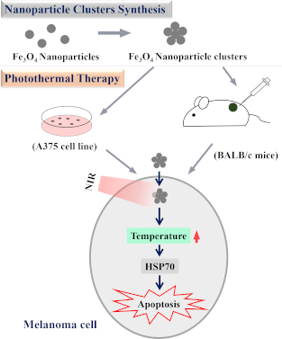
Photothermal ablation of murine melanomas by Fe3O4 nanoparticle clusters
Beilstein J. Nanotechnol. 2022, 13, 255–264, doi:10.3762/bjnano.13.20
- (Invitrogen). The cycling parameters used were as follows: initial 94 °C for 5 min, followed by 30 cycles of 94 °C for 30 s, 55 °C for 30 s and 72 °C for 60 s, an additional extension at 72 °C for 7 min, and finally hold at 4 °C. The PCR products were resolved by electrophoresis using agarose gels


Theranostic potential of self-luminescent branched polyethyleneimine-coated superparamagnetic iron oxide nanoparticles
Beilstein J. Nanotechnol. 2022, 13, 82–95, doi:10.3762/bjnano.13.6
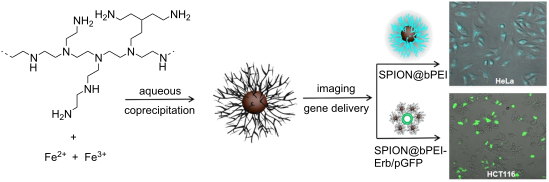
- volume of all samples was completed to 250 µL with HBG. In the N/P calculation, 3 nmol of P per µg of dRNA or dDNA and 10 nmol of N per 0.9 µg of bPEI (25 kDa) were assumed [49]. The loading efficiency was checked by gel electrophoresis. Typically, 1.2 g of agarose was dissolved in 100 mL of tris-borate
- -EDTA (TBE) (Alfa Aesar, USA) buffer and boiled at 100 °C. After cooled down to 70 °C, 4 µL of ethidium bromide (10 mg/mL) was added and the gel was poured into a gel electrophoresis unit. A volume of 50 µL of the solutions containing 4 µg of PIC were mixed with 5 µL of a 6× DNA gel-loading buffer
- polypeptic nanoparticles (10–100 nm), which are capable of being absorbed by endocytosis [50][51]. The gel retardation of poly I:C (dsRNA analogue) happens after interacting with positively charged nanoparticles. According to our gel electrophoresis results and comparing between free poly I:C (well 8), at an




Biocompatibility and cytotoxicity in vitro of surface-functionalized drug-loaded spinel ferrite nanoparticles
Beilstein J. Nanotechnol. 2021, 12, 1339–1364, doi:10.3762/bjnano.12.99
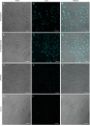
- electrophoresis. All samples moved towards the positive potential due to the negatively charged PMA coating (Figure 2d). The colloidal stability (i.e., hydrodynamic size, surface charge, and polydispersity index, PDI) of NPs was assessed using dynamic light scattering (DLS). All NPs (PMA-coated, and drug-attached
- ZS (Malvern Instruments, 69 UK) and the uniform size distribution by gel electrophoresis (GE BIORAD). Drug attachment and drug release analyses were performed by using UV–vis spectroscopy (Thermo Scientific Evo 220). Phase transfer, polymer coating, and purification of MFe2O4 (M = Fe, Co, Ni, Zn) NPs
- by gel electrophoresis The synthesis and polymer coating of NPs were carried out as previously described [22][30]. The nanoparticles (1 mL) were mixed with 350 µL of PMA (0.8 M) and stirred at 60 °C for 1 h. The samples were slowly dried under vacuum and finally redispersed in SBB pH 9. PMA-coated





A review on slip boundary conditions at the nanoscale: recent development and applications
Beilstein J. Nanotechnol. 2021, 12, 1237–1251, doi:10.3762/bjnano.12.91
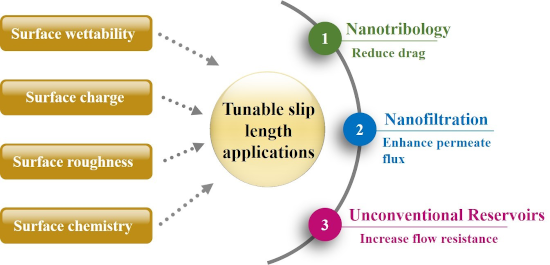
- , electrophoresis, streaming current or potential, and sedimentation potential have played crucial roles in the development of microfluidics and nanofluidics [73][74][75]. Among them, the electro-osmotic flow refers to the motion of an electrolyte solution relative to the stationary charged surface due to an


Recent progress in actuation technologies of micro/nanorobots
Beilstein J. Nanotechnol. 2021, 12, 756–765, doi:10.3762/bjnano.12.59
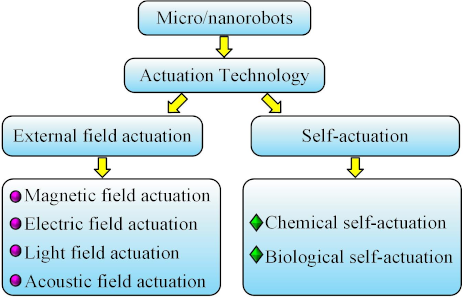
- applied, the four single-stranded DNAs of the robot can be captured one by one by the nanopores. Studies have shown that electroosmosis and electrophoresis are the main methods to actuate robot movement. By changing the charge on the nanopores, the strength and direction of electroosmosis can be well
- fields, which can accurately control the transport of cargo. The DC electric field changes the transmission speed through electrophoresis and electroosmosis effects, and the AC electric field independently and accurately guides the nanomotor through electric torque on the dipole. The effective





