


Search results
Search for "eye" in Full Text gives 188 result(s) in Beilstein Journal of Nanotechnology.
Ultrasonic irradiation in the synthesis of nanohydroxyapatite: a chemically friendly technique for improving hemocompatibility and antibiofilm applications
Beilstein J. Nanotechnol. 2026, 17, 991–1015, doi:10.3762/bjnano.17.68
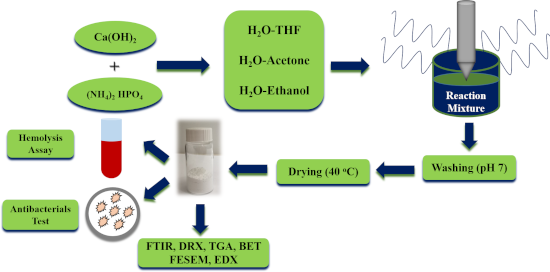
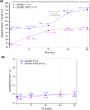
- ultrasonic synthesis of hydroxyapatite Figure 6 shows the experimental yields obtained from the nHA synthesis using different solvent mixtures and ultrasonic irradiation times (15, 30, 45, and 60 min). The connecting lines for each of the curves serve as a guide for the eye and do not represent a specific


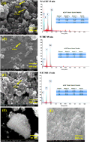


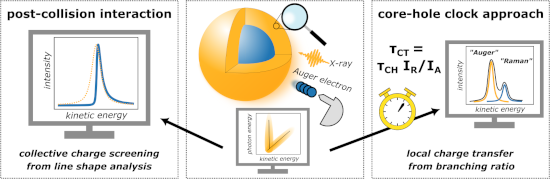
Probing internal continua and atomic ultrafast charge transfer within size-controlled nanoparticles by post-collision interaction in core-hole clock spectroscopy
Beilstein J. Nanotechnol. 2026, 17, 505–514, doi:10.3762/bjnano.17.33
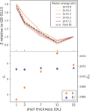
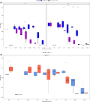
- spectra here are shifted to the same peak maximum positions to facilitate the comparison by eye. Size-dependence of the PCI asymmetry parameter. Top panel: Asymmetry parameter ξ for nanoparticles with different shell thicknesses, each normalized to the asymmetry parameter of the biggest nanoparticle (15



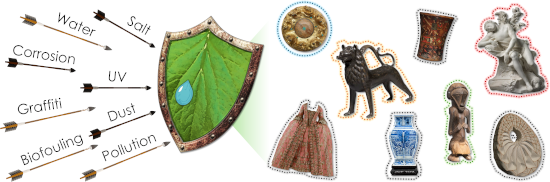
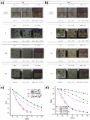
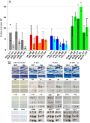
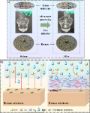
Functional surface engineering for cultural heritage protection: the role of superhydrophobic and superoleophobic coatings – a comprehensive review
Beilstein J. Nanotechnol. 2026, 17, 63–96, doi:10.3762/bjnano.17.6




Optical bio/chemical sensors for vitamin B12 analysis in food and pharmaceuticals: state of the art, challenges, and future outlooks
Beilstein J. Nanotechnol. 2025, 16, 2207–2244, doi:10.3762/bjnano.16.153
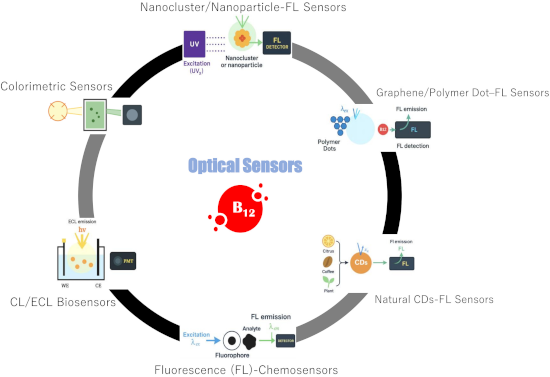
- easily seen with the naked eye. Using both standard and ratiometric absorption spectrometry techniques, the linear range of detecting Co2+ was found to be 0–10 μM with an LOD of less than 0.31 μM [83]. An innovative biosensing platform (i.e., a thiosemicarbazide-based Schiff-base chemosensor containing a


Multifunctional anionic nanoemulsion with linseed oil and lecithin: a preliminary approach for dry eye disease
Beilstein J. Nanotechnol. 2025, 16, 1711–1733, doi:10.3762/bjnano.16.120
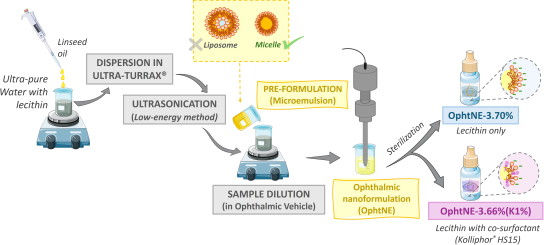
- Freire 01, Cidade Universitária, 50740-540, Recife, Pernambuco, Brazil 10.3762/bjnano.16.120 Abstract The treatment of dry eye disease (DED) often requires frequent use of artificial tear products. Because of their low permeability and limited ocular bioavailability, repeated applications are required
- efficacy and safety for ocular administration. Keywords: eye drops; micelles; low-energy method; ophthalmic vehicle; sample dilution; stability; Introduction Dry eye disease (DED) is a multifactorial condition affecting the ocular surface, characterized by changes in tear fluid composition and/or
- nanoformulations of eye drops for treating DED [12][20][21][24][25][26][27]. These include mineral oil (found in Systane® Complete eye drops) [28], castor oil, phospholipids (phosphatidylcholine and/or hydrogenated phospholipids), polyunsaturated fatty acids (PFAs), and medium-chain triglycerides. Among these



Nanomaterials for biomedical applications
Beilstein J. Nanotechnol. 2025, 16, 1499–1503, doi:10.3762/bjnano.16.105

- nanomaterials are emerging as revolutionary tools in ophthalmology, offering targeted and minimally invasive therapies for conditions such as glaucoma, ocular tumors, and lens opacities. In addition to improving drug delivery and imaging in the eye, these materials have the potential to outperform existing
Better together: biomimetic nanomedicines for high performance tumor therapy
Beilstein J. Nanotechnol. 2025, 16, 1246–1276, doi:10.3762/bjnano.16.92
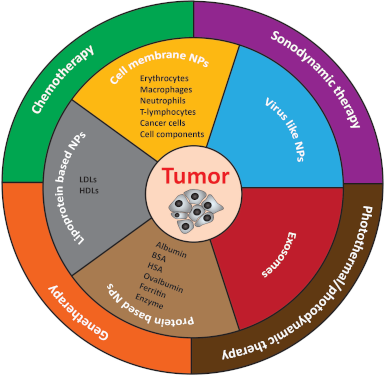
- applications. This discussion delves into the challenges and opportunities presented by biomimetic nanoparticles and offers a comprehensive exploration of their fundamentals and recent breakthroughs, with an eye towards clinical translation. By bridging the gap between scientific innovation and clinical






Hydrogels and nanogels: effectiveness in dermal applications
Beilstein J. Nanotechnol. 2025, 16, 1216–1233, doi:10.3762/bjnano.16.90
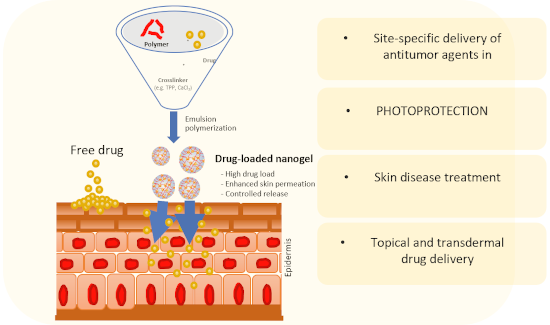
- have emerged as promising alternatives for various medical purposes, including skin [7], nasal [4], and eye [8] applications. The evolution of ocular contact lenses, for example, has benefited from the development of hydrogels [9][10]. Hydrogels can be described as cross-linked polymeric networks


Electronic and optical properties of chloropicrin adsorbed ZnS nanotubes: first principle analysis
Beilstein J. Nanotechnol. 2025, 16, 1184–1196, doi:10.3762/bjnano.16.87
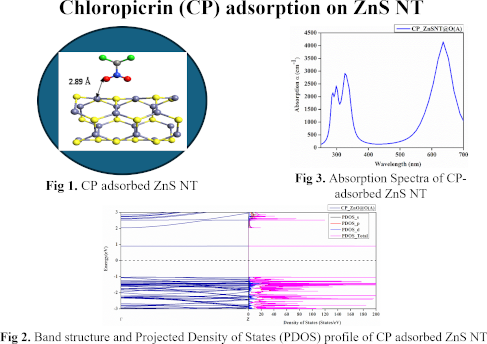
- result in respiratory injuries such as dyspnea, upper respiratory tract damage, and chest pain, even at low concentrations. Severe eye irritation is common, with the corneal epithelium being particularly vulnerable as tear fluid accumulates CP, exacerbating damage. Ocular symptoms can appear within 24


Transfer function of an asymmetric superconducting Gauss neuron
Beilstein J. Nanotechnol. 2025, 16, 1160–1170, doi:10.3762/bjnano.16.85
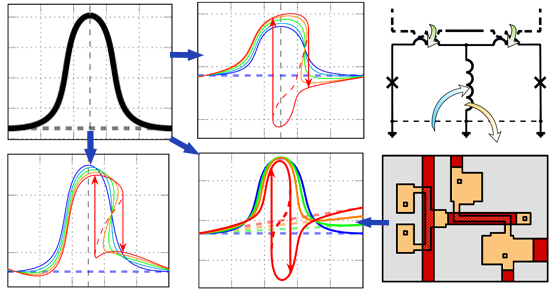
- function is observed when the critical currents diverge by a factor of 1.3 or more, while an asymmetry of the order of 1.05 is unlikely to be noticeable to the naked eye. The difference between Figure 3a and Figure 3b is due to the different meaning of zero and infinite tanα limits: the first one



Tendency in tip polarity changes in non-contact atomic force microscopy imaging on a fluorite surface
Beilstein J. Nanotechnol. 2025, 16, 944–950, doi:10.3762/bjnano.16.72
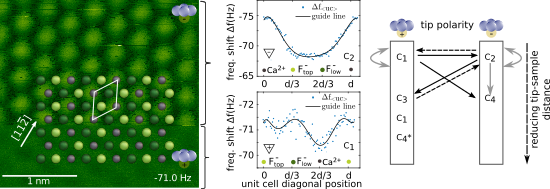
- ⟨11−2⟩ directions, where a0 is the bulk lattice constant of CaF2. Atomic assignment follows the model introduced in [10], with the solid line in panels (b, c, e, f) representing a polynomial fit of degree seven as a guide to the eye. Examples of polarity-changing tip changes on CaF2(111). (a) Δf data
- . represents the distance between equivalent atoms along ⟨11−2⟩ directions, where a0 is the bulk lattice constant of CaF2. Atomic assignment follows the model introduced in [10], with the solid line in panels (b, c, e, f) representing a polynomial fit of degree seven as a guide to the eye. Tip changes leading
- equivalent atoms along ⟨11−2⟩ directions, where a0 is the bulk lattice constant of CaF2. Atomic assignment follows the model introduced in [10], with the solid line in panels (d–f) and (j–l) representing a polynomial fit of degree seven as a guide to the eye. Acknowledgements P. R. gratefully acknowledges


Focused ion beam-induced platinum deposition with a low-temperature cesium ion source
Beilstein J. Nanotechnol. 2025, 16, 910–920, doi:10.3762/bjnano.16.69
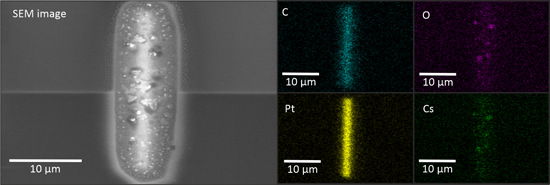
- of 2 and 5 kV remain much closer to the surface and can react more with the Pt precursor elements on the surface. Pt growth rate vs ion current density for different acceleration voltages of Cs+ and Ga+ ions. As a guide to the eye, a line for the average growth rate is shown. With increasing current


Nanomaterials in targeting amyloid-β oligomers: current advances and future directions for Alzheimer's disease diagnosis and therapy
Beilstein J. Nanotechnol. 2025, 16, 561–580, doi:10.3762/bjnano.16.44
- smartphone camera, and up to 320 pg/mL with the naked eye [76]. Zhao and collaborators utilized AuNPs embedded in various matrices to construct three-dimensional layers for detecting AβOs. Among their innovations, PrPC/AuNPs embedded in a Ppy-3-COOH matrix (AuNPs-E-Ppy-3-COOH) exhibited superior sensitivity


Engineered PEG–PCL nanoparticles enable sensitive and selective detection of sodium dodecyl sulfate: a qualitative and quantitative analysis
Beilstein J. Nanotechnol. 2025, 16, 385–396, doi:10.3762/bjnano.16.29
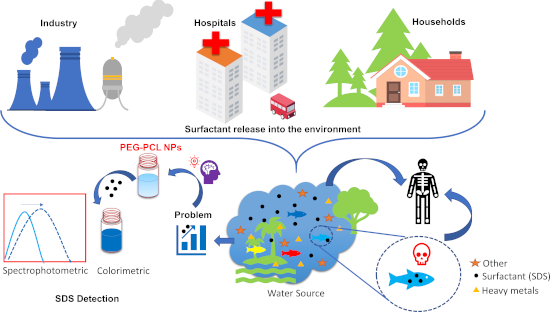
- colorimetric observation through the naked eye, as shown in Figure 4b. However, the Bradford reagent inherently produces a brown color, which is changed to a blue color upon adding different volumes of PEG–PCL NPs. The PEG–PCL nanoparticles are colorless and attain color only after adding the Bradford reagent
- change from deep blue to lighter blue, which could be easily discerned by the naked eye (Figure 5b). The ability to detect this color change within a short time frame, within five minutes of initiating the reaction, demonstrates the rapid response of the system, making it highly suitable for quick onsite


Recent advances in photothermal nanomaterials for ophthalmic applications
Beilstein J. Nanotechnol. 2025, 16, 195–215, doi:10.3762/bjnano.16.16
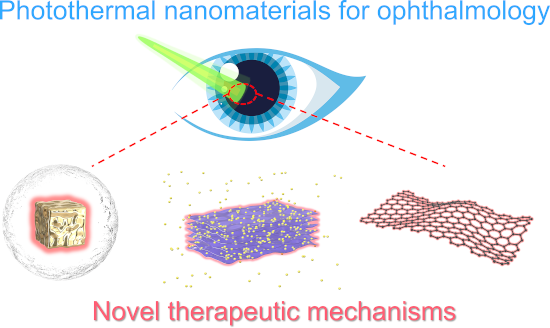
- Abstract The human eye, with its remarkable resolution of up to 576 million pixels, grants us the ability to perceive the world with astonishing accuracy. Despite this, over 2 billion people globally suffer from visual impairments or blindness, primarily because of the limitations of current ophthalmic
- treatment technologies. This underscores an urgent need for more advanced therapeutic approaches to effectively halt or even reverse the progression of eye diseases. The rapid advancement of nanotechnology offers promising pathways for the development of novel ophthalmic therapies. Notably, photothermal
- nanomaterials, particularly well-suited for the transparent tissues of the eye, have emerged as a potential game changer. These materials enable precise and controllable photothermal therapy by effectively manipulating the distribution of the thermal field. Moreover, they extend beyond the conventional


Bioinspired nanofilament coatings for scale reduction on steel
Beilstein J. Nanotechnol. 2025, 16, 25–34, doi:10.3762/bjnano.16.3

- sample shows significant scaling, small amounts of deposits are visible by the naked eye on the SNF-coated sample. This is also visible in the SEM images shown in Figure 6B. An EDX analysis of the scale clearly shows that the grown deposits mainly consist of calcium carbonate (Figure 6C). For a


A nanocarrier containing carboxylic and histamine groups with dual action: acetylcholine hydrolysis and antidote atropine delivery
Beilstein J. Nanotechnol. 2025, 16, 11–24, doi:10.3762/bjnano.16.2

- alkaloid used to regulate heart rate and treat eye ailments [9][10], is one such antidote. Despite its advantages, Atr has limitations in the treatment of OP poisoning. First, it can be harmful in high doses, and timely administration is vital to prevent permanent damage. Additionally, Atr itself can
- dilution was tested in two parallel wells. The samples were then incubated for 1 h at 37 °C, followed by hemagglutination observation with the naked eye (Figure 3) [39]. Images of the samples were captured using a Nikon Eclipse Ci-S microscope (Nikon, Japan) (Figure 4). Data for p(Hist-CA): (a, b) TEM


Natural nanofibers embedded in the seed mucilage envelope: composite hydrogels with specific adhesive and frictional properties
Beilstein J. Nanotechnol. 2024, 15, 1603–1618, doi:10.3762/bjnano.15.126
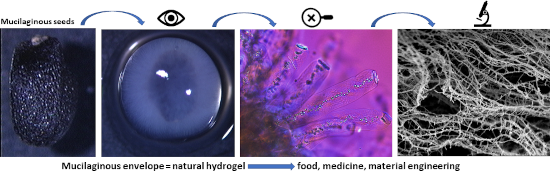
- observation of the mucilage envelope is easily possible at the macroscale with the naked eye. The hydration of the seed causes the formation of a transparent gel-like envelope surrounding the diaspore [7][73][74] (Figure 1), which is easily observable. Air-drying of hydrated mucilage causes water evaporation


Hymenoptera and biomimetic surfaces: insights and innovations
Beilstein J. Nanotechnol. 2024, 15, 1333–1352, doi:10.3762/bjnano.15.107
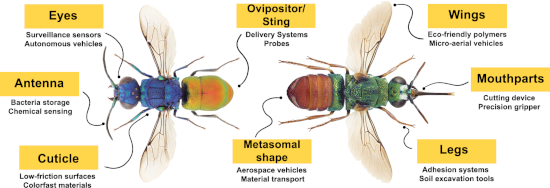
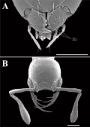
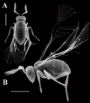
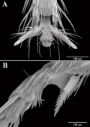
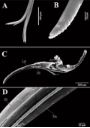
- the honeybee, a special microscale hairy compliant texture on abdominal surfaces reduces friction, which is relevant considering that the abdominal sections, by undergoing many reciprocating motions, are at risk of wear or abrasion [50]. Ocular hairs in honeybees reduce airflow at the eye surface by
- multiple objects simultaneously [85][86]. They also hold potential for endoscopic examination [87] and robot navigation [88]. Recently, an innovative microfluidic-assisted 3D printing technique has facilitated the creation of a compound eye inspired by eyes of worker bees [89]. This innovative perspective




Nanoarchitectonics with cetrimonium bromide on metal nanoparticles for linker-free detection of toxic metal ions and catalytic degradation of 4-nitrophenol
Beilstein J. Nanotechnol. 2024, 15, 1312–1332, doi:10.3762/bjnano.15.106
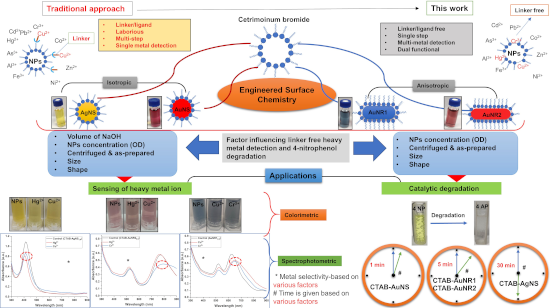
- , centrifuged AuNR11.0 detected only copper (Cu2+) upon adding NaOH (30–50 µL) to the nanoparticles of 1 OD (Figure 6d–f). The colorimetric changes could be observed by the naked eye (Figure 6d–f). There were no visual differences in the centrifuged AuNR11.0 plasmonic absorbance in the absence and presence of




Functional morphology of cleaning devices in the damselfly Ischnura elegans (Odonata, Coenagrionidae)
Beilstein J. Nanotechnol. 2024, 15, 1260–1272, doi:10.3762/bjnano.15.102

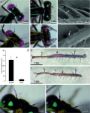
- , situated on the foreleg tibiae, were observed using scanning electron microscopy, and the presence and distribution of resilin, an elastomeric protein that enhances cuticle flexibility, were analyzed using confocal laser scanning microscopy. Eye and antennal grooming behavior were analyzed to evaluate the
- confocal laser scanning microscopy (CLSM). The eye and antennal grooming behavior of the damselfly Ischnura elegans (Vander Linden, 1820) adults (Odonata, Coenagrionidae) was observed and analyzed to evaluate the particle removal efficiency in intact and ablated insects. Material and Methods Insects
- , Italy) containing irregularly shaped particles (34.5 ± 3.5 µm), previously used in experiments on other insects for the same purpose [28]. In detail, in each experiment, insect antennae or eyes were covered with the powder by gently inserting each antenna or each eye of the live insect into a pipette


Local work function on graphene nanoribbons
Beilstein J. Nanotechnol. 2024, 15, 1125–1131, doi:10.3762/bjnano.15.91
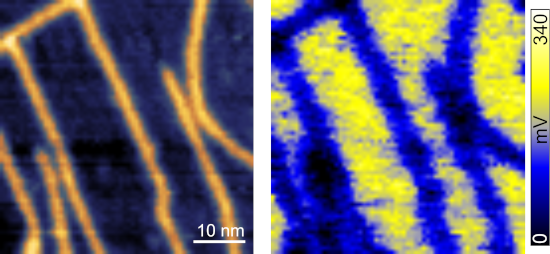
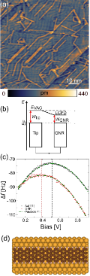
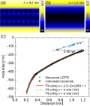
- line profile taken across a ribbon (black). (a,b) Calculated LCPD maps at distances of s = 0.2 and 1.0 nm from the GNR plane. (c) values on GNR/Au (blue squares) versus distance in comparison with calculated local potential values (black squares). The dashed black line serves as a guide to the eye

![[Graphic 1]](/bjnano/content/inline/2190-4286-15-91-i4.svg?max-width=637&scale=1.18182)
Unveiling the potential of alginate-based nanomaterials in sensing technology and smart delivery applications
Beilstein J. Nanotechnol. 2024, 15, 1077–1104, doi:10.3762/bjnano.15.88
- controlled amygdalin release, with an increased cytotoxic effect on cancerous cells while sparing normal cells and tissues. Alginate nanoparticles can be applied to ocular DDSs [91]. Kianersi and coworkers investigated alginate-based nanoparticles for betamethasone sodium phosphate delivery in the human eye
- [80]. According to the literature, less than 5% of the conventional medication reaches the targeted eye tissue. This emphasizes the need to invent a DDS that stays on the surface of the eye and ensures continuous drug release, increasing the bioavailability of the medication and reducing the need for


Electrospun polysuccinimide scaffolds containing different salts as potential wound dressing material
Beilstein J. Nanotechnol. 2024, 15, 781–796, doi:10.3762/bjnano.15.65
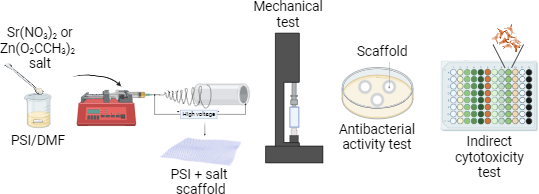
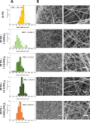
- Gaussian lines on the histograms are guides to the eye. The specific maximum load capacity confidence interval of PSI and PSI + salt scaffolds. The elongation at breakpoint values of PSI and PSI + salt scaffolds. * indicates the significant difference between the two groups (Welch’s correction, *p < 0.05



Functional fibrillar interfaces: Biological hair as inspiration across scales
Beilstein J. Nanotechnol. 2024, 15, 664–677, doi:10.3762/bjnano.15.55
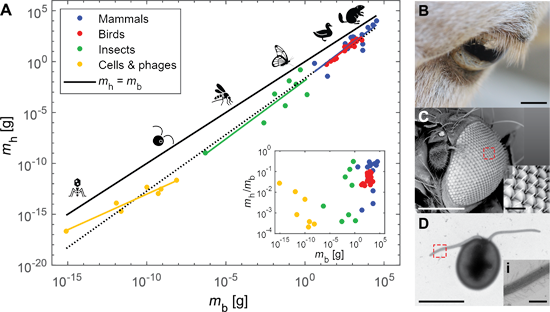
- mammalian whiskers [79]. These bristles are hypothesized to act as tactile sensors and may aid in prey handling, collision avoidance, foraging, or navigation, as well as provide eye protection [80][81]. Bats are the only mammals capable of powered flight. Their wing membrane is covered with short hairs
- Loc (beaver). (B) The eye of a sheep. Scale bar represents 10 mm. (C) The eye of a fruit fly and (i) close-up of its ommatidia. Scale bars represent 200 µm and (i) 20 µm, respectively. (D) Green microalgae and (i) close-up of its flagellum with mastigonemes. Scale bars represent 10 µm and (i) 1 µm





