


Search results
Search for "fluorescence" in Full Text gives 466 result(s) in Beilstein Journal of Nanotechnology. Showing first 200.
Cross-scale design of chemosensor arrays: from molecular self-assembly in water to paper-based devices for metal ion detection
Beilstein J. Nanotechnol. 2026, 17, 828–838, doi:10.3762/bjnano.17.59
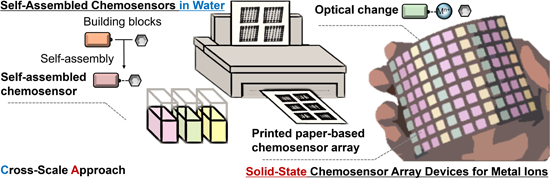
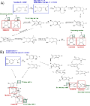
- the immune system through the intake of contaminated food [1][2]. Globally, the monitoring of metal ion levels in water environments is significant. Chemosensors are analytical tools at the molecular level that exhibit optical responses through colorimetric and fluorescence signals [3][4][5]; they
- based on pattern recognition. In pattern recognition-driven chemical sensors, various response patterns including absorbance, fluorescence intensities, and wavelength changes are used as input data for pattern recognition [36]. To perform accurate analysis, appropriate designs of chemosensors are


Interface-engineered Caco-2 cell culture on a collagen-coated liquid–liquid interface in a microfluidic device
Beilstein J. Nanotechnol. 2026, 17, 760–768, doi:10.3762/bjnano.17.53
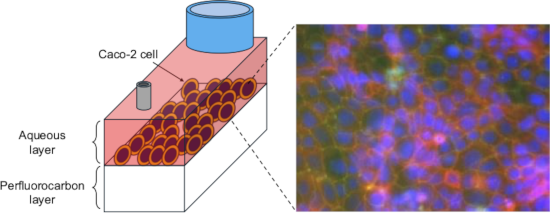
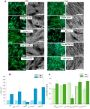
- and was stably maintained throughout the cell culture period (data is not shown). To observe whether collagen was coated on the liquid–liquid interface, immunostaining for collagen was performed (Supporting Information File 1, Figure S5). Compared to the device without collagen coating, fluorescence
- . Fluorescence images were acquired using an all-in-one fluorescence microscope (BZ-X700, Keyence Corporation, Osaka, Japan). The fluorescence images were saved in 14-bit TiFF format, and the images were processed using the ImageJ software (NIH). Illustration of the liquid–liquid interface formation. (A) Concept


Environmental applications of silver nanoparticles: state-of-the-art review and emerging trends
Beilstein J. Nanotechnol. 2026, 17, 697–736, doi:10.3762/bjnano.17.49
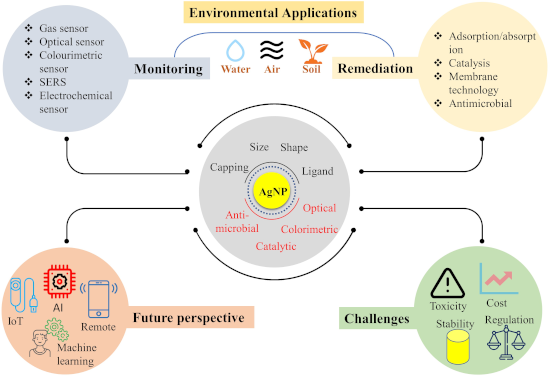
- , including voltammetry, potentiometry, and amperometry, were used to monitor metal ions, pharmaceuticals, endocrine disruptors, ammonia, and phenolic compounds using AgNPs [18]. Fluorescence spectroscopy provides information on fluorescence-based detection of environmental pollutants via fluorescence


Molecular engineering of individual dye-based nanoparticle photostability for ultrabright two-photon fluorescence
Beilstein J. Nanotechnol. 2026, 17, 688–696, doi:10.3762/bjnano.17.48
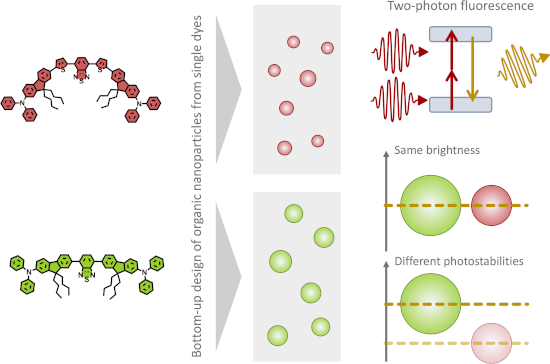
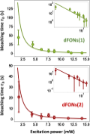
- , CentraleSupélec, LuMIn, 91190 Gif-sur-Yvette, France 10.3762/bjnano.17.48 Abstract Dye-based fluorescent organic nanoparticles (dFONs) represent a promising class of bioimaging probes combining high brightness with molecular tunability. While their fluorescence performance is well established for one-photon
- nonlinear fluorescence microscopy and bioimaging applications. Keywords: bottom-up design; organic nanoparticles; two-photon fluorescence; two-photon microscopy; Introduction Dye-based fluorescent organic nanoparticles (dFONs) are a class of self-stabilized bioimaging probes composed solely of aggregated
- hydrophobic dye molecules. Their most notable asset is their exceptional brightness, which is the product of their one- or two-photon absorption cross sections, their fluorescence quantum yield, and the number of dye molecules per nanoparticle [1]. Thanks to the ultimate confinement of a large number of dye


Decontamination from water pollutants and pathogens by electrospun nanofibers doped with heavy-atom-free borafluorene-BODIPY photosensitizers
Beilstein J. Nanotechnol. 2026, 17, 668–682, doi:10.3762/bjnano.17.46
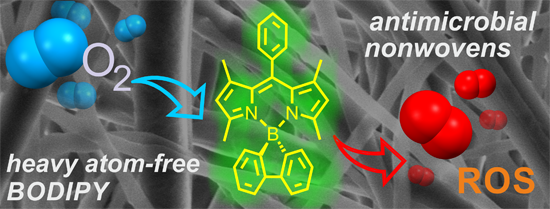
- ISA-220 Integrating Sphere (reflectance measurements). Emission and fluorescence quantum yields of BODIPY fibers were determined using an Edinburgh Instruments FS5 spectrofluorometer. The measurements were performed at room temperature using solid-state Suprasil quartz cuvettes with front-face
- collection mode. The fluorescence quantum yield was measured with the integrating sphere according to the known procedures [54]. Fluorescence lifetime measurements were carried out using a time-correlated single-photon counting system equipped with a picosecond pulsed 340 nm EPLED source. The singlet oxygen
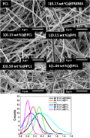
- contact. Interestingly, the fluorescence quantum yields of the PMMA- and PS-based materials reach 43% and 35%, respectively, substantially higher than that of 1(0.15 wt %)@PCL (8%) (Table 2). This indicates that BODIPY 1 in the former matrices is more prone to deexcitation via prompt emission from the



Impacts of annealing on structural and photophysical properties of zinc phthalocyanine adsorbed on graphene
Beilstein J. Nanotechnol. 2026, 17, 576–585, doi:10.3762/bjnano.17.39
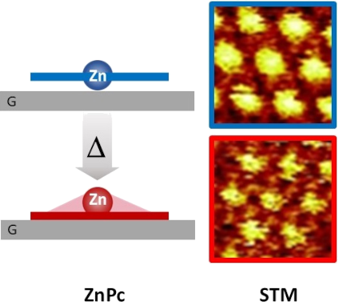
- resolution (≈1 µm) both Q-band absorption peaks are uniformly distributed all along the considered area of the sample. This holds also for the intermediate situation, showing that the spectral effect of annealing does not involve a 2D phase transformation with domains larger than the micrometer. Fluorescence
- and Raman micro-spectroscopy The strong excited-state quenching exerted by the graphene layer on adsorbed ZnPc molecules permits to strongly reduce the fluorescence quantum yield of the latter and thus permits the measurements of its Raman scattering spectrum. The corresponding spectra excited at 633
- ) and it does nor emit any detectable Raman signal. Moreover, Raman signal of adsorbed phthalocyanines benefits from large GERS [42]. The signal amplitude corresponds to the sum of fluorescence and Raman scattering, the dominant inelastic scattering sources. A residual fluorescence is still observed as


Synthesis of Cu–Mo/TiO2 and Co–Mo/TiO2 photocatalysts for the efficient degradation of organic pollutants in water
Beilstein J. Nanotechnol. 2026, 17, 559–570, doi:10.3762/bjnano.17.37
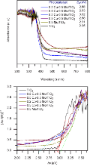
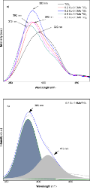
- in the range of 200–800 nm. The photoluminescence analysis was performed at room temperature with a fluorescence spectrophotometer Agilent Cary Eclipse, using an excitation wavelength of 320 nm. Peak deconvolution in the PL spectrum was done using the software XPSPEAK41 for deconvolution and



Electrochemical determination of ciprofloxacin using a MIL-101/reduced graphene oxide-modified electrode
Beilstein J. Nanotechnol. 2026, 17, 541–554, doi:10.3762/bjnano.17.35
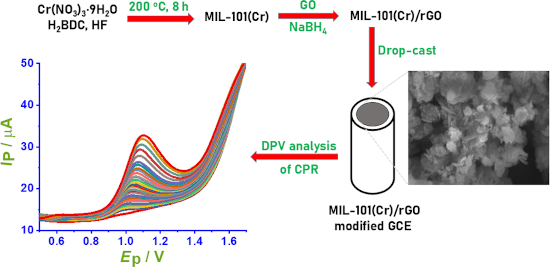
- affordable analytical methods for detecting ciprofloxacin is very important. Conventional analytical techniques for CPR determination, including a fluorescence sensor based on CsPbBr3 quantum dots embedded in a molecularly imprinted polymer [5], and ultrasound-assisted magnetic dispersive micro-solid phase


Probing internal continua and atomic ultrafast charge transfer within size-controlled nanoparticles by post-collision interaction in core-hole clock spectroscopy
Beilstein J. Nanotechnol. 2026, 17, 505–514, doi:10.3762/bjnano.17.33
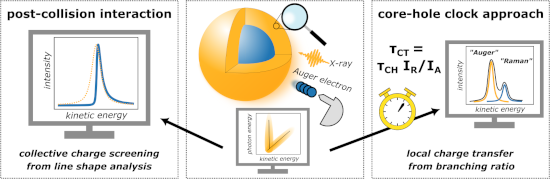
- double layers ZnS): (a) Left: X-ray absorption spectrum in partial fluorescence yield (PFY, S Kα, blue solid line) and constant final-state partial electron yield (CFS-PEY, black markers). Right: Resonant Auger map containing the relevant S KL2,3L2,3 Auger multiplet. (b) Auger resonant Raman spectra at



Biomimetic nanoparticles in cancer photodynamic therapy: a review of targeted delivery systems and therapeutic outcomes
Beilstein J. Nanotechnol. 2026, 17, 396–422, doi:10.3762/bjnano.17.27
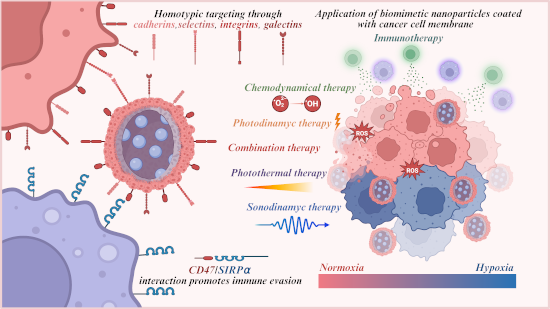
- theranostic applications [39] by facilitating tumor visualization through various imaging techniques [40], including fluorescence imaging [41], computed tomography [42], and magnetic resonance imaging (MRI) [43]. The development of nanobiotechnology in PDT opens new horizons for creating more effective and


Eco-efficient materials for agricultural crops based on a mineral rich in MOR- and HEU-type zeolites
Beilstein J. Nanotechnol. 2026, 17, 381–395, doi:10.3762/bjnano.17.26
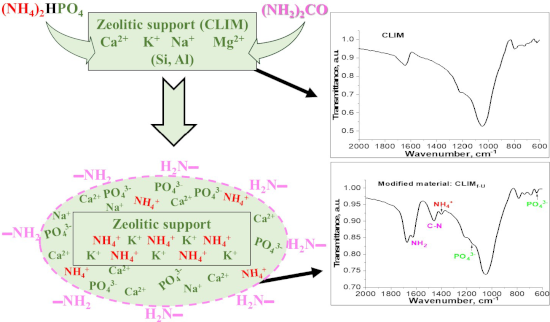
- movement. The treatments were applied following a procedure similar to that described in [13][14]. Characterization The elemental composition of CLIM and modified materials resulting from the applied treatments was determined by X-ray fluorescence analysis (XRF), with the exception of nitrogen, which was




Polycatecholamine nanocoatings on stainless steel: the effect on attachment of human fibroblasts and platelets
Beilstein J. Nanotechnol. 2026, 17, 365–380, doi:10.3762/bjnano.17.25
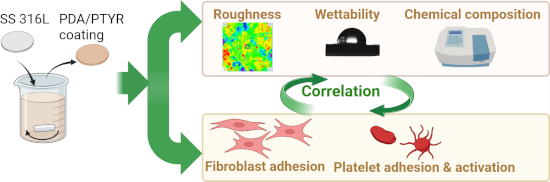
- 0.2% Triton X-100 (Sigma-Aldrich, Germany) for 5 min. Nuclei were stained using Hoechst 33342 at 5 μg/mL final concentration, and F-actin filaments were stained with Alexa 488-phalloidin (Invitrogen, Thermo Fisher, USA). Samples were visualized using a fluorescence microscope Zeiss Axio Observer Z1
- was applied overnight. Following the washing process, Alexa Fluor 647-conjugated goat anti-rabbit secondary antibody (dilution 1:250, Invitrogen, ThermoFisher, USA) was applied for 1 h. Nuclei and F-actin staining were performed as described above. Samples were visualized using a fluorescence




Beam shaping techniques for pulsed laser ablation in liquids: Unlocking tunable control of nanoparticle synthesis in liquids
Beilstein J. Nanotechnol. 2026, 17, 309–342, doi:10.3762/bjnano.17.22
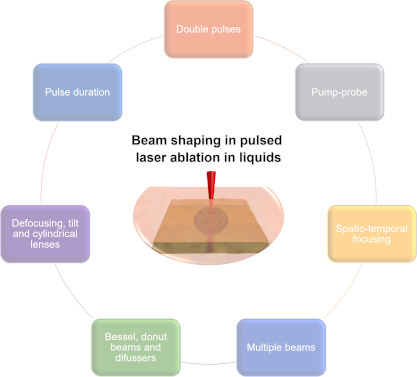
- neutron capture therapy [62][63], viral [64][65] and microbial growth inhibition [42][66], antibacterial agents [67][68], anticancer treatments [67][69], magnetic resonance imaging contrast agent [70], photothermal therapy [71][72], cell imaging [73], proton therapy enhancement [74][75], fluorescence [76







Structure-dependent thermochromism of PAZO thin films: theory and experiment
Beilstein J. Nanotechnol. 2026, 17, 186–199, doi:10.3762/bjnano.17.12
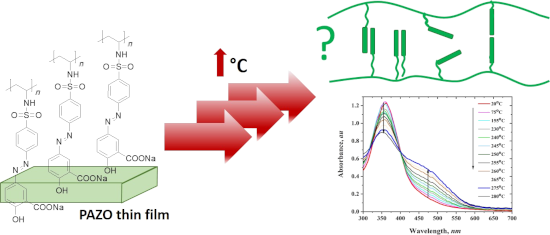
- other was thermally treated in an oven to reach 200 °C (blue curves in Figure 3A). Spectrofluorimetry is a sensitive analytical technique that leverages fluorescence, where molecules absorb light and re-emit it at a longer wavelength. The process involves exciting a sample with a specific wavelength and
- measuring the intensity of the emitted fluorescence light at another wavelength. Treating PAZO at 230 °C induced an increase in fluorescence intensity (≈400%) and a redshift (20 nm). Red shift can be induced by various factors, such as changes in the polymer structure, aggregation, or interactions with
- fluorescence. Moreover, the reorientation of the aggregates themselves appears to demand an even greater energy threshold. The enhancement of absorption around 444 nm is of limited practical utility, as the absorption becomes excessively strong, restricting effective energy delivery to the surface layers of


Influence of surface characteristics on the in vitro stability and cell uptake of nanoliposomes for brain delivery
Beilstein J. Nanotechnol. 2026, 17, 139–158, doi:10.3762/bjnano.17.9
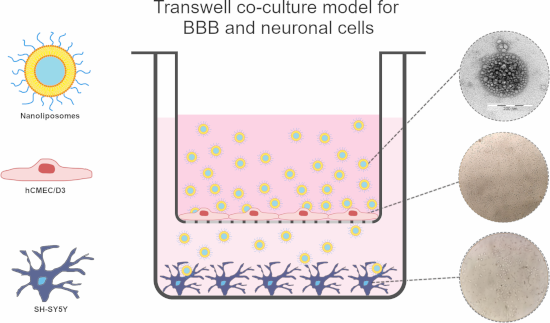
- neurons (ranging from 25.17% to 27.54%). Fluorescence and confocal microscopy micrographs revealed that, once internalized, NLs were concentrated in the perinuclear cell regions. Keywords: blood–brain barrier; cell co-culture; cell uptake; internalization; nanoliposomes; stability; surface
- qualitatively confirmed by spectrophotometry (e.g., by the absence of fluorescence in the supernatant obtained in the last washing cycle), ensuring that the fluorescence signal in subsequent experiments originates exclusively from liposome-associated dye. Particle size, particle size distribution and z
- concentrations of 5, 10 or 100 μg/mL). Incubation was performed for 1, 2, and 4 h (37 °C, 5% CO2), followed by a washing step with PBS and lysis with 2% Triton X-100 (2 h, 37 °C, 5% CO2). The resulting fluorescence was measured on a plate reader at an excitation wavelength of 535 nm and an emission wavelength of




Development and in vitro evaluation of liposomes and immunoliposomes containing 5-fluorouracil and R-phycoerythrin as a potential phototheranostic system for colorectal cancer
Beilstein J. Nanotechnol. 2026, 17, 97–121, doi:10.3762/bjnano.17.7
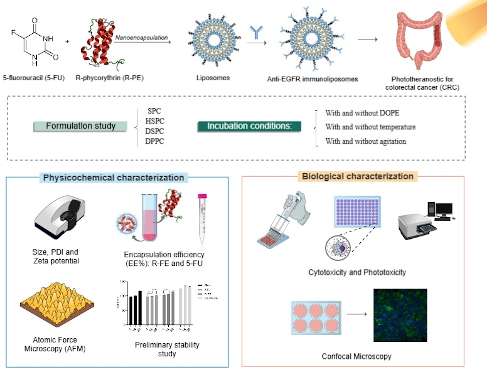
- therapy. Another characteristic of this molecule is its fluorescence activity, which is important for use as a diagnosis tool [14]. Recently, our research group has demonstrated the potential of using the fluorescent properties of R-PE in 4T1 (triple-negative breast murine cancer) and PC3 (human prostate
- gel column. As the sample was eluting, a 1 mL aliquot was collected, and 1 mL of PBS pH 7.4 buffer eluent was added. Finally, a total of twenty fractions were obtained. With the free/purified fraction (eluted fractions), quantification was done by fluorescence (excitation at 495 nm, emission range
- μM) for viable cell selection. Flow cytometry analyses were conducted on a CytoFLEX (Beckman Coulter) using 405 nm and 488 nm lasers to detect DAPI and Alexa Fluor™ 488 signals, respectively. Competitive binding to EGFR was quantified by measuring the cellular fluorescence intensity of Alexa Fluor



Internal 3D temperature mapping in biological systems using ratiometric light-sheet imaging and lipid-coated upconversion nanothermometers
Beilstein J. Nanotechnol. 2025, 16, 2306–2316, doi:10.3762/bjnano.16.159
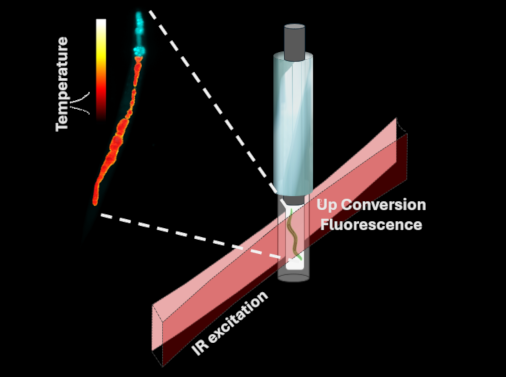
- estimate temperature through ratiometric imaging of two thermally coupled fluorescence bands. This work demonstrates the feasibility of volumetric temperature mapping in internal biological systems using light-sheet fluorescence microscopy and lipid-coated UCNPs as nanothermometry markers. This approach
- (UC) fluorescence, enabling the conversion of low-energy excitation (longer wavelengths) into high-energy emission (shorter wavelengths). This is particularly advantageous for biomedical applications, as it eliminates the need for ultraviolet or visible excitation, which can cause photobleaching and
- , as depicted in Figure 1. When UCNPs of this composite are irradiated with 980 nm NIR light, they emit two thermally coupled green fluorescence bands at 525 and 550 nm. These bands arise from the 2H11/2→4I15/2 (blue) and 4S3/2→4I15/2 (purple) transitions of Er3+ ions, respectively [39][40][41


Visualizing nanostructures in supramolecular hydrogels: a correlative study using confocal and cryogenic scanning electron microscopy
Beilstein J. Nanotechnol. 2025, 16, 2274–2284, doi:10.3762/bjnano.16.156
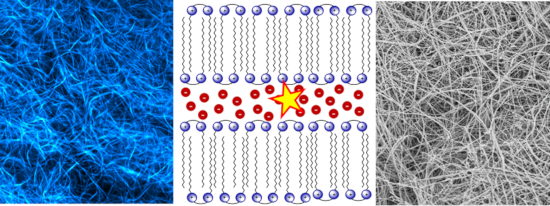
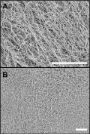
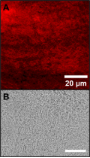
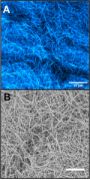
- ) fluorophores were imaged using confocal laser scanning microscopy (CLSM) of fully solvated gels and cryogenic scanning electron microscopy (cryo-SEM) was used to observe the corresponding xerogels. The DPP@Gel systems exhibit strong fluorescence and are effectively imaged using CLSM, with fibre morphologies
- visualization of the native fibrous network. These results demonstrate the complementary nature of CLSM and cryo-SEM and highlight the value of cryo-SEM as a very useful tool for imaging soft nanomaterials with low fluorescence or limited optical contrast. Keywords: anion binding; colloid; fluorophore
- -limited, preventing direct visualization of nanoscale features [6][8]. Confocal fluorescence microscopy addresses some of these limitations by allowing hydrogels to be imaged in situ, fully hydrated, and often in real time when a fluorophore is incorporated into the colloidal network [2][9]. Through



Optical bio/chemical sensors for vitamin B12 analysis in food and pharmaceuticals: state of the art, challenges, and future outlooks
Beilstein J. Nanotechnol. 2025, 16, 2207–2244, doi:10.3762/bjnano.16.153
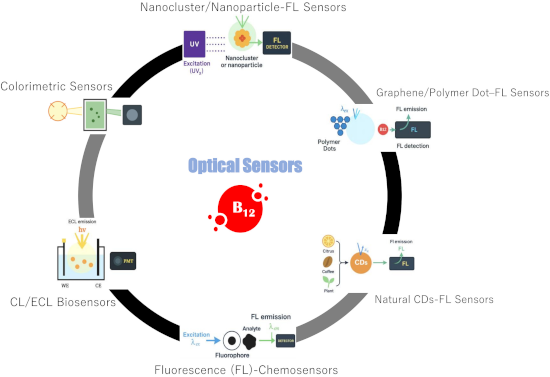
- biosensing platforms in detecting Co2+ ions and VB12 using RNA aptamer–gold nanoparticles colorimetric sensors, surface plasmon resonance sensors, chemiluminescence and electrochemiluminescence biosensors, and fluorescence biosensors (i.e., chemosensors, nanoclusters/nanoparticles-based sensors, and carbon
- biosensors into cellular bioimaging and the potential for non-invasive in vitro and in vivo analysis demonstrate their versatility and applicability across a broad spectrum of biomedical research, diagnostics, and nutrient analysis. Keywords: carbon dots; cobalamin; energy transfer; fluorescence sensor
- output, utilizing the optical properties of the signal such as fluorescence, absorbance, refractive index, and Raman scattering for quantification and evaluation. The most prevalent types of optical sensing include colorimetric, plasmonic, fluorescence, and spectrophotometric methods due to their ease of


Beyond the shell: exploring polymer–lipid interfaces in core–shell nanofibers to carry hyaluronic acid and β-caryophyllene
Beilstein J. Nanotechnol. 2025, 16, 2015–2033, doi:10.3762/bjnano.16.139
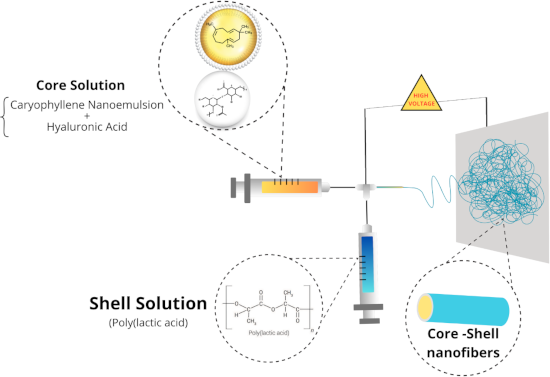
- confirmed by its fluorescence emission under incident light, indicating that the electrospun fibers predominantly displayed continuous cores. This suggests that the established coaxial electrospinning parameters successfully supported the formation of nanofibers with HA+NE cores. The limited discontinuities
- distribution of the core within nanofibers produced via coaxial electrospinning. A disk scanning unit confocal microscope (Olympus, Japan) was utilized for this analysis. Fluorescein was added to the core solution (1% HA + 2% NE) to enable fluorescence imaging during microscopic observation. Thermogravimetric




PEGylated lipids in lipid nanoparticle delivery dynamics and therapeutic innovation
Beilstein J. Nanotechnol. 2025, 16, 1914–1930, doi:10.3762/bjnano.16.133
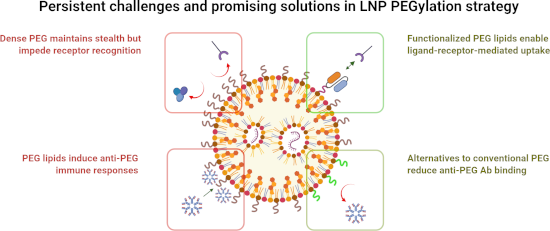
- characterization and biological performance of LNPs were evaluated. These LNPs were able to maintain comparable sizes in the range of 46 to 58 nm. To further assess the impact of increased PEG density on protein adsorption, ApoE association to LNPs was quantified in vitro using fluorescence-labeled ApoE and size
- , respectively, 18.9-fold and 17.3-fold higher luciferase expression compared to 5 mol % PEG LNPs. Fundus imaging and immunohistochemistry confirmed robust tdTomato fluorescence in the retinal pigment epithelium (RPE), with a twofold to 3.4-fold increase in signal, showing the 0.5% PEG LNPs consistently
- observed in negative control versus mApoE pLNPs, with a nearly 160-fold increased spleen-to-liver signal [40]. Fluorescence microscopy further demonstrated that RVG29 pLNPs exhibited enhanced cellular uptake and efficient endosomal escape. These findings support that functionalized PEG lipids containing


Self-assembly and adhesive properties of Pollicipes pollicipes barnacle cement protein cp19k: influence of pH and ionic strength
Beilstein J. Nanotechnol. 2025, 16, 1863–1872, doi:10.3762/bjnano.16.129
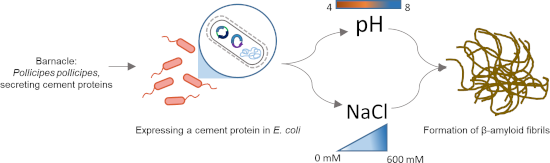
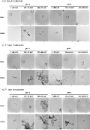
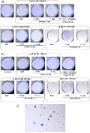
- (Figure 1c), apparent morphological differences were evident between fibrils formed at pH 4.0 (needle-like and extended) and those formed at pH 8.0 (more coiled and entangled) (Figure 2). Thioflavin (ThT) binding assay The ThT assay showed the greatest increase in fluorescence intensity over 21 days in
- concentration environment exhibited the highest fluorescence, though more detailed investigation using methods such as attenuated total reflectance-Fourier transform infrared (ATR-FTIR) spectroscopy or circular dichroism (CD) will be necessary to confirm an elevated β-sheet content in these fibrils. A similar
- curled-fibril morphology has been reported for cp19k homologues from other barnacle species, but at the low pH/low salt concentration conditions noted above, and these fibrils did not exhibit fluorescence in ThT assays and were instead proposed to be largely non-amyloid and α-helical in content [29


Electrical, photocatalytic, and sensory properties of graphene oxide and polyimide implanted with low- and medium-energy silver ions
Beilstein J. Nanotechnol. 2025, 16, 1794–1811, doi:10.3762/bjnano.16.123
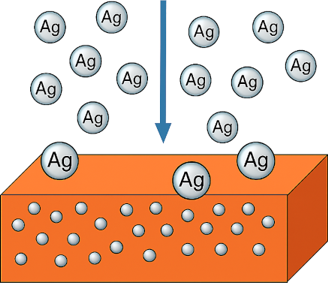
- that the implantation causes a rearrangement of the carbon atoms into a structure with lower defect density. Since the Raman spectra of PI polymers exhibit a high fluorescence background due to strong optical absorption and excitation of π-electrons in phenyl rings, the structural changes in PI were


Advances of aptamers in esophageal cancer diagnosis, treatment and drug delivery
Beilstein J. Nanotechnol. 2025, 16, 1734–1750, doi:10.3762/bjnano.16.121
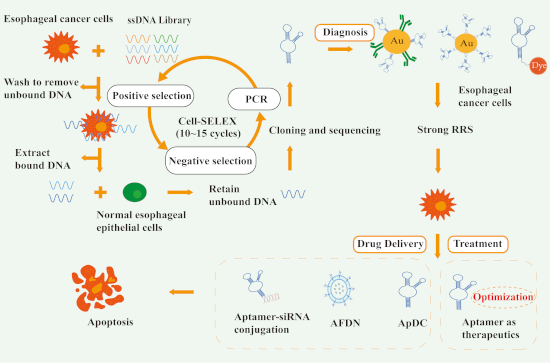
- obtain nucleic acid aptamer S3-2-3 with binding specificity to ESCC cells. After labeled with Cy5 dye, it can yield highly specific fluorescence imaging for ESCC tissues, providing accurate display tools for clinical diagnosis. The remarkably short 18-nucleotide length of aptamer S3-2-3 enables its
- single-stranded DNA aptamer Te4, which specifically binds to TE-1 cells, through Cell-SELEX and further formed aptamer–DOX complexes to deliver DOX directly to cancer cells. In vivo imaging showed that the fluorescence signal of the complex weakened after 150 min, and the circulation time was short
- the same antitumor activity as free Dox in vivo. In order to further enhance the antitumor effect, the use of nanotechnology to improve the stability of SYL-6 is key. It is worth noting that the SYL-6 aptamer also yields strong fluorescence signals on colon cancer and other tissues, indicating that


Prospects of nanotechnology and natural products for cancer and immunotherapy
Beilstein J. Nanotechnol. 2025, 16, 1644–1667, doi:10.3762/bjnano.16.116
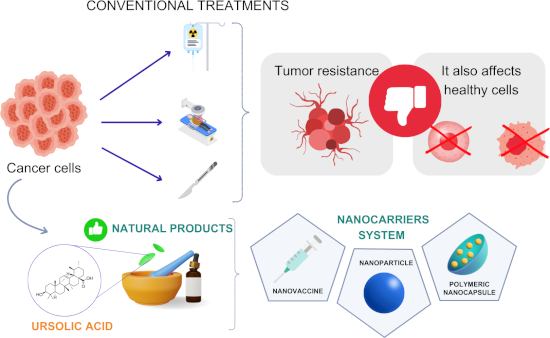
- evaluate the nanoparticles’ antitumor activity included fluorescence intensity and combination index to determine drug synergy. The results indicate the nanoparticles exhibit a synergistic effect, effectively target HepG2 cells as observed by fluorescence, and show a higher inhibition of cell proliferation





