


Search results
Search for "fruits" in Full Text gives 27 result(s) in Beilstein Journal of Nanotechnology.
Targeting the vector of arboviruses Aedes aegypti with nanoemulsions based on essential oils: a review with focus on larvicidal and repellent properties
Beilstein J. Nanotechnol. 2025, 16, 1894–1913, doi:10.3762/bjnano.16.132
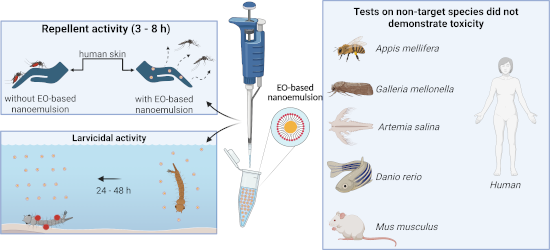
- trichomes, which are the secretory tissues present in different vegetative parts of plants, such as leaves, flowers, roots, fruits, or stems [67]. These can be obtained by distillation with water or steam, microwave or ultrasound assisted extraction, or from the epicarp of fruits by a mechanical process, or


Beyond the bilayer: multilayered hygroscopic actuation in pine cone scales
Beilstein J. Nanotechnol. 2025, 16, 1695–1710, doi:10.3762/bjnano.16.119
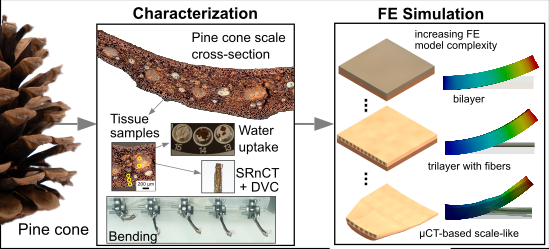
- technical applications [1][2][3][4]. Of particular interest are, for example, Banksia seed pods [5][6], Hakea fruits [7][8], and scales of pine cones [9][10][11][12], which passively respond to changes in ambient relative humidity by shape morphing to facilitate seed dispersal. In the case of pine cones


Prospects of nanotechnology and natural products for cancer and immunotherapy
Beilstein J. Nanotechnol. 2025, 16, 1644–1667, doi:10.3762/bjnano.16.116
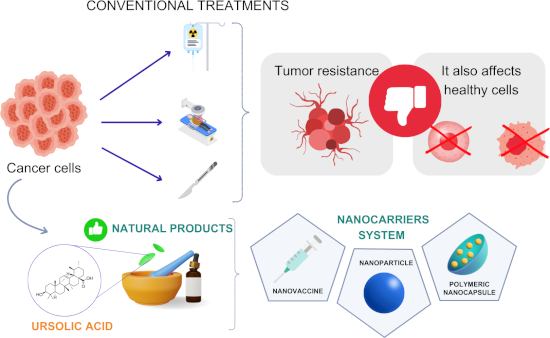
- and potential health benefits, and it can be found in herbs, fruits, and traditional Chinese medicinal plants [109]. The compound can be extracted through various methods, such as maceration, heat reflux, and Soxhlet and ultrasonic extraction, with dichloromethane considered the most efficient and
- of the main metabolites of indole-3-carbinol, found in cruciferous vegetables like broccoli, cauliflower, and cabbage; it exhibits antineoplastic properties such as suppression of cell proliferation, migration, and growth [187][188]. Additionally, EA is a phenolic bioactive compound found in fruits


Acrocomia aculeata oil-loaded nanoemulsion: development, anti-inflammatory properties, and cytotoxicity evaluation
Beilstein J. Nanotechnol. 2025, 16, 1277–1288, doi:10.3762/bjnano.16.93
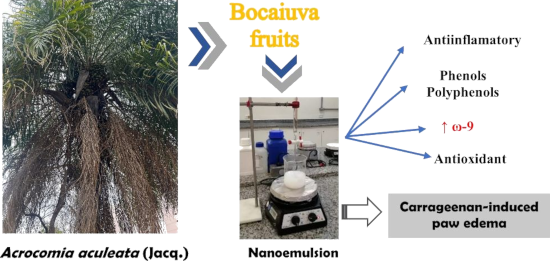
- Brazil. A. aculeata stands out for its wide geographic distribution, being native to tropical forests [1][2]. Its rounded fruits present sensory attractions, such as color, distinctive and intense flavor, and aroma. They are traditionally consumed by the native population, occupying an important place in
- )-3,4-dihydroxyoxyoxolan-2-yl]-2-hydroxyethyl (9Z)-octadec-9-enoate; C24H44O6 HLB 4.3). Deionized water was used in the preparation of all experiments throughout the study. Plant material The fruits of Acrocomia aculeata were collected in Campo Grande, Mato Grosso do Sul, Brazil (20°50'00.1" S 54
- °36'45.7" W) after the natural fall of the first ripe fruits. The fruit pulp was manually separated from the seeds and preserved until oil extraction. Bocaiúva oil extraction One kilogram of fresh fruit pulp was placed in an Erlenmeyer flask and extracted with n-hexane (1000 mL) by mechanical agitation for


Functional bio-packaging enhanced with nanocellulose from rice straw and cinnamon essential oil Pickering emulsion for fruit preservation
Beilstein J. Nanotechnol. 2025, 16, 1234–1245, doi:10.3762/bjnano.16.91
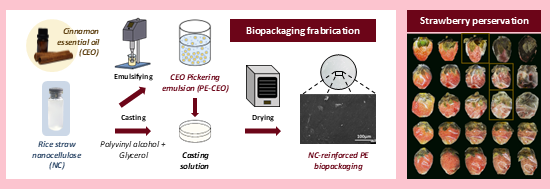
- combination of biopackaging with a naturally derived functional additive is proven to be effective in preserving fruits, especially easily spoiled ones like strawberries. Keywords: cinnamon essential oil; fruit preservation; Pickering emulsion; polyvinyl alcohol; Introduction Biopackaging materials are
- ]. Similarly, the water vapor permeability has also been reported to change. It generally decreases with the incorporation of nanocellulose [24], thereby preventing the drying out of the fruits to be preserved, which can greatly reduce their quality [25]. One factor to be considered with this reduced
- permeability is that the trapped moisture with the inherent highly nutritious components of the fruits can also inversely introduce the growth of microbials, thereby facilitating the spoiling process [26]. This pushes recent research to focus on the incorporation of bioactive ingredients to introduce



Chitosan nanocomposite containing rotenoids: an alternative bioinsecticidal approach for the management of Aedes aegypti
Beilstein J. Nanotechnol. 2025, 16, 1197–1208, doi:10.3762/bjnano.16.88
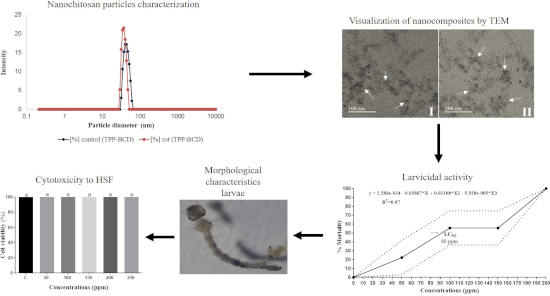
- impacts associated with traditional synthetic insecticides [9][10]. Chitosan nanoparticles, derived from a biodegradable and nontoxic polysaccharide, have proven effective in reducing post-harvest deterioration of fruits and vegetables, in addition to exhibiting well-documented antimicrobial properties

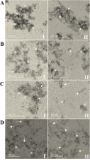


Natural nanofibers embedded in the seed mucilage envelope: composite hydrogels with specific adhesive and frictional properties
Beilstein J. Nanotechnol. 2024, 15, 1603–1618, doi:10.3762/bjnano.15.126
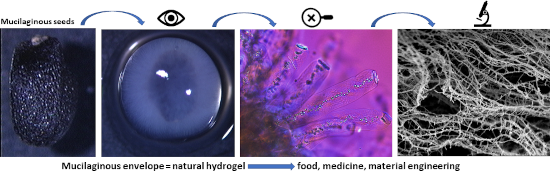
- . Natural hydrogels share some features with synthetic hydrogels, but are more easy to obtain and recycle. One of the main sources of such hydrogels are mucilaginous seeds and fruits, which produce after hydration a gel-like, transparent capsule, the so-called mucilage envelope. Mucilage serves several
- hydrophilic, three-dimensional (3D), polymeric networks able to absorb huge amounts of water [1][2][3]. This term refers perfectly to the mucilage envelope produced by many fruits and seeds (diaspores) of diverse plant taxa [4][5][6][7][8][9]. Mucilage is considered as a natural hydrogel and shares specific
- widespread feature in diverse plant groups (mosses, ferns, gymnosperms, and dicotyledons) as well as plant organs (roots, leaves, flowers, seeds, and fruits) [4][5][6]. Among the various substances produced by diaspores, mucilage at the macroscale can be very easy to perceive without any special equipment


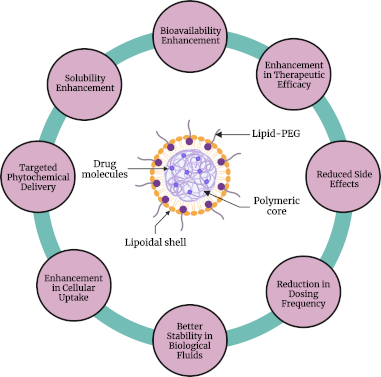
Polymer lipid hybrid nanoparticles for phytochemical delivery: challenges, progress, and future prospects
Beilstein J. Nanotechnol. 2024, 15, 1473–1497, doi:10.3762/bjnano.15.118
- 21 days than free CUR. Quercetin Quercetin (QCT) is a flavonoid found in many fruits, vegetables, leaves, seeds, and grains. It is particularly abundant in onions, apples, berries, tea, and red wine [84]. This natural polyphenolic compound has gained attention for its diverse therapeutic effects. QCT
- ) is a natural flavonoid commonly found in a variety of fruits, vegetables, and herbs. Notable sources include parsley, celery, chamomile, and oranges [110]. This compound is recognized for its wide range of therapeutic effects. APN exhibits significant anti-inflammatory, antioxidant, anticancer
- found in citrus fruits such as oranges, lemons, limes, and grapefruits, particularly in the peel and membranous parts of the fruits. Hesperidin exhibits significant anti-inflammatory, antioxidant, anticancer, antihypertensive, and lipid level-lowering properties [161][162]. However, its application is


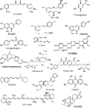
Green synthesis of carbon dot structures from Rheum Ribes and Schottky diode fabrication
Beilstein J. Nanotechnol. 2024, 15, 1369–1375, doi:10.3762/bjnano.15.110
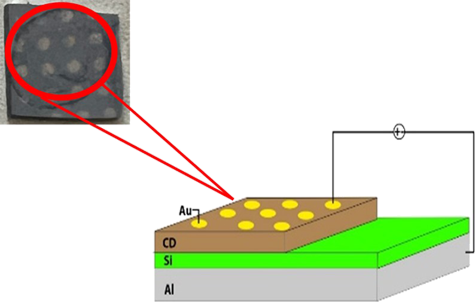
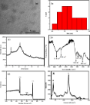
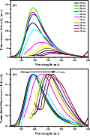
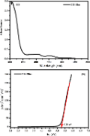
- synthesized using many different materials. Natural materials have been used widely in recent studies [6][7]. The use of many plants, fruits, and different organic materials as natural carbon sources, abundant in nature, in the synthesis of CDs both reduces cost and prevents environmental pollution. These




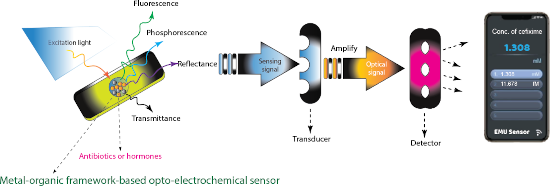
Metal-organic framework-based nanomaterials as opto-electrochemical sensors for the detection of antibiotics and hormones: A review
Beilstein J. Nanotechnol. 2023, 14, 631–673, doi:10.3762/bjnano.14.52


Quercetin- and caffeic acid-functionalized chitosan-capped colloidal silver nanoparticles: one-pot synthesis, characterization, and anticancer and antibacterial activities
Beilstein J. Nanotechnol. 2023, 14, 362–376, doi:10.3762/bjnano.14.31
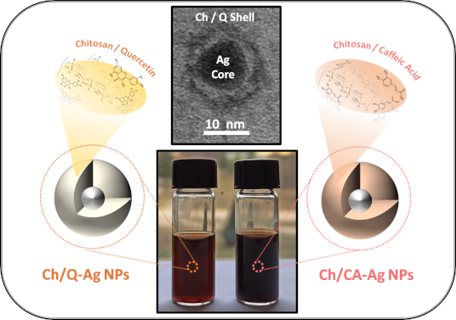
- continued attention due to the unique properties of quercetin. Caffeic acid (3,4-dihydroxycinnamic acid) is a natural phenolic acid with high antioxidant capacity due to the catechol group. It is present in, for example, fruits, olive oil, green tea, coffee, vegetables, and white wine [29][30]. In addition


Green synthesis of zinc oxide nanoparticles toward highly efficient photocatalysis and antibacterial application
Beilstein J. Nanotechnol. 2022, 13, 1108–1119, doi:10.3762/bjnano.13.94
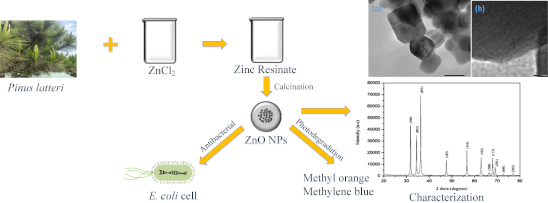
- alternative route is a promising method for synthesizing nanomaterials due to its rapid, low-cost protocol, and safety to the environment [18]. Numerous studies applied green methods for the synthesis of ZnO nanoparticles from plants, fruits, plant extracts, and seaweeds [19][20][21][22]. Rafaie et al. [23




Recent advances in green carbon dots (2015–2022): synthesis, metal ion sensing, and biological applications
Beilstein J. Nanotechnol. 2022, 13, 1068–1107, doi:10.3762/bjnano.13.93
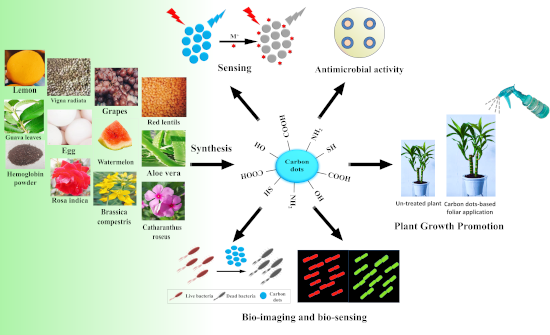
- , a variety of green carbon precursors have been utilized for generating CDs, including fruits, their juices and peels [15][16][17], animal and animal-derived materials, such as milk and hair [18][19][20], and vegetables [21], flowers [22], and leaves [23]. The use of green, sustainable or waste
- availability. It is thus environmentally friendly and advantageous [51][52]. Plant parts such as roots, stem, leaves, fruits, flowers, and seeds have been used for the production of CDs. Several low-value plant materials can also be converted into functional materials with excellent biocompatibility by
- applications of nematodes. Bi et al. described the synthesis of green fluorescent N-CDs from Lonicera maackii fruits using a one-step hydrothermal technique. The CDs could not only detect Fe3+ but also overcome the limitations of short-wavelength fluorescence CDs from natural materials, providing a basis for




A nonenzymatic reduced graphene oxide-based nanosensor for parathion
Beilstein J. Nanotechnol. 2022, 13, 730–744, doi:10.3762/bjnano.13.65
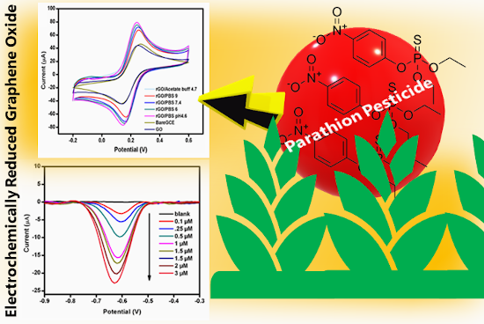
- after pesticide use. Due to its high nondegradability, pesticides can stay more often on the surface of fruits and vegetables; sometimes, it can also penetrate into the peel of vegetables and fruits [1]. Organophosphorus insecticides react with biomolecules either via deoxyribonucleic acid (DNA
- , inhalation, or dermal penetration [3][4]. Due to its extreme toxicity, it is necessary that easy-to-use, cost-effective diagnostic kits for routine screening of pesticides in fruits and vegetables are developed. The high-throughput analytical methods such as chromatographic (gas, liquid) and spectroscopic


A review on the green and sustainable synthesis of silver nanoparticles and one-dimensional silver nanostructures
Beilstein J. Nanotechnol. 2021, 12, 102–136, doi:10.3762/bjnano.12.9
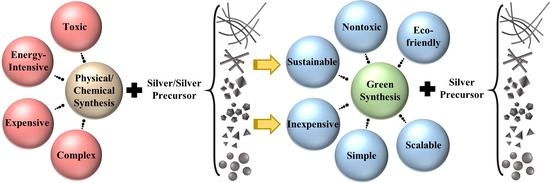
- the phytochemical compounds simplifies the process. Various parts of plants such as roots, fruits, seeds, needles, and aerial parts may be used for extraction of phytochemicals [321]. These extracts contain a substantial amount of polyphenols which are strong antioxidants [140][186] with significant


Antimicrobial metal-based nanoparticles: a review on their synthesis, types and antimicrobial action
Beilstein J. Nanotechnol. 2020, 11, 1450–1469, doi:10.3762/bjnano.11.129
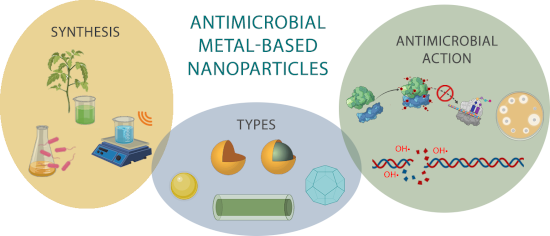
- friendly biosynthetic nanoparticles as antimicrobial agents. Several ecological routes have been investigated, focusing on the search for natural resources. Methods based on the biological synthesis of nanoparticles through the usage of plant extracts [76][77], raw materials from fruits and vegetables [78


Biomimetic synthesis of Ag-coated glasswing butterfly arrays as ultra-sensitive SERS substrates for efficient trace detection of pesticides
Beilstein J. Nanotechnol. 2019, 10, 578–588, doi:10.3762/bjnano.10.59
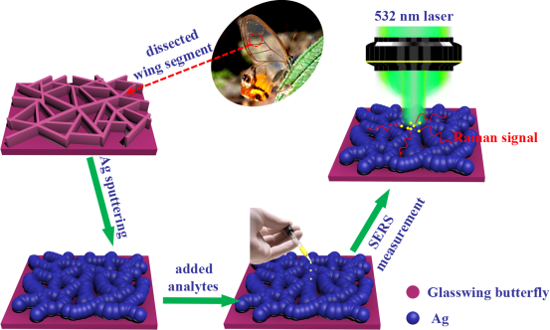
- [29][30]. Application of the Ag-G.b.-20 SERS substrates for acephate detection The residues of organophosphorus pesticides pose a serious threat to public health and food safety. Hence, the sensitive detection of organophosphorus pesticides in vegetables and fruits has attracted wide attention. Among


New micro/mesoporous nanocomposite material from low-cost sources for the efficient removal of aromatic and pathogenic pollutants from water
Beilstein J. Nanotechnol. 2019, 10, 119–131, doi:10.3762/bjnano.10.11
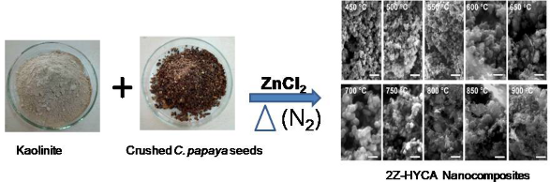
- Benin City, Nigeria and sun-dried until all fleshy parts of the fruits were dried off the seeds. The dry seeds were collected into an airtight container. Kaolinite clay was collected from Redeemer's University, Redemption City, Nigeria, and purified according to the method described by Adebowale et al




Surfactant-induced enhancement of droplet adhesion in superhydrophobic soybean (Glycine max L.) leaves
Beilstein J. Nanotechnol. 2017, 8, 2345–2356, doi:10.3762/bjnano.8.234
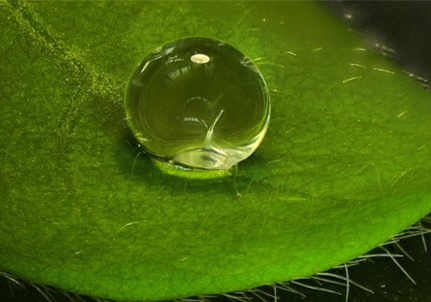
- tissues (shoots, leaves, fruits) of higher plants [10][11]. It is built up by a network of the cross-linked ester-like biopolymer, cutin, with integrated (intracuticular) and superimposed (epicuticular) waxes [12][13]. A large diversity of epicuticular wax chemistry and morphology has been described [14


Synthesis of graphene–transition metal oxide hybrid nanoparticles and their application in various fields
Beilstein J. Nanotechnol. 2017, 8, 688–714, doi:10.3762/bjnano.8.74
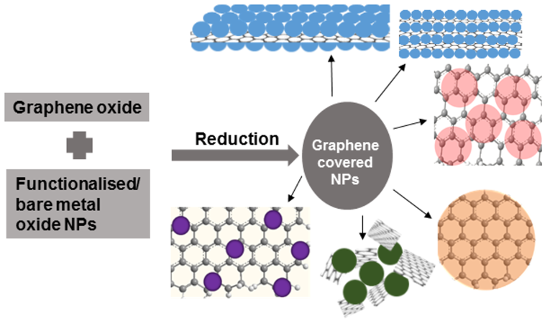
- used for enzymeless glucose detection [191] and determination of carbofuran and carbaryl in fruits and vegetables [192]. Instead of using cobalt oxide–graphene hybrids, Yao et al. have synthesised a cobalt hydroxide nanoflake–rGO hybrid by a one-pot hydrothermal method using glucose as a reducing agent






Innovations from the “ivory tower”: Wilhelm Barthlott and the paradigm shift in surface science
Beilstein J. Nanotechnol. 2017, 8, 394–402, doi:10.3762/bjnano.8.41

- , the unique natural history of isolated rocky outcrops called inselbergs, or the global distribution of biodiversity), plant surfaces and especially the tremendous diversity of minute structures on leaves, fruits, seeds and other parts of plants represent a common thread through 40 years of scientific


“Sticky invasion” – the physical properties of Plantago lanceolata L. seed mucilage
Beilstein J. Nanotechnol. 2016, 7, 1918–1927, doi:10.3762/bjnano.7.183
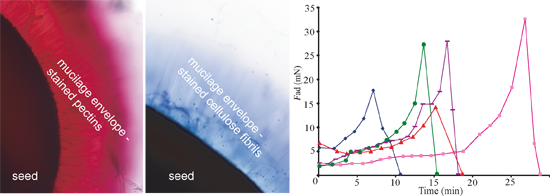
- mucilage against loss from the seed surface. Keywords: adhesion; cellulose mucilage; desiccation; friction; Plantago lanceolata; Introduction The ability of seeds and fruits (diaspores) to form mucilage after hydration is known as myxospermy [1][2]. The mucilaginous diaspores are particularly


Voltammetric determination of polyphenolic content in pomegranate juice using a poly(gallic acid)/multiwalled carbon nanotube modified electrode
Beilstein J. Nanotechnol. 2016, 7, 1104–1112, doi:10.3762/bjnano.7.103
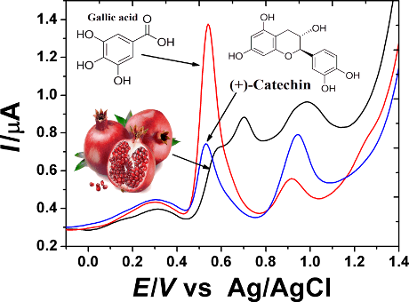
- phenolic content; Introduction Gallic acid (GA) is a natural polyphenolic compound found in fruits, vegetables and several other plants [1]. The study of the role of GA in providing better therapeutic outcomes against arsenic-induced toxicity showed that GA is effective against arsenic-induced oxidative
- /s. Preparation of pomegranate juice sample and determination of total phenolic content The pomegranate juice was obtained by peeling the fruits by hand and the seeds were liquefied using a hand press. The obtained juice was filtered off through a Whatman filter paper (No. 1). An aliquot of 10.0 mL
- Science and Technology Development Fund (STDF), Egypt, Grant No. (5361). Also, Ali M. Ali and Ahmed El-Kady are thanked for their help in providing the pomegranate fruits.


Templated green synthesis of plasmonic silver nanoparticles in onion epidermal cells suitable for surface-enhanced Raman and hyper-Raman scattering
Beilstein J. Nanotechnol. 2016, 7, 834–840, doi:10.3762/bjnano.7.75
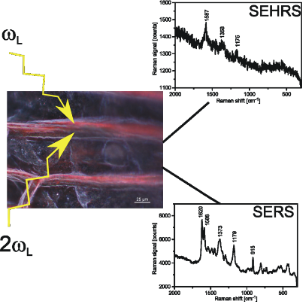
- nanoparticles using many very different pre-treated plant materials, such as extracts collected from leafs or vegetables and fruits has been demonstrated in numerous publications [15][16][17][18][19]. The diversity of bioorganic molecules available in plants provides many combinations of reducing and


Green preparation and spectroscopic characterization of plasmonic silver nanoparticles using fruits as reducing agents
Beilstein J. Nanotechnol. 2015, 6, 293–299, doi:10.3762/bjnano.6.27
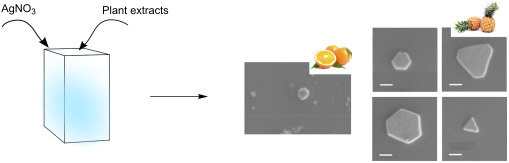
- excitation. Keywords: fruits; green synthesis; luminescence; plants; plasmonics; SERS; silver cluster; silver nanoparticles; Introduction Metal nanoparticles in various size ranges play an increasingly important role in many different fields of science, technology and medicine ranging from applications as
- enhanced Raman scattering (SERS). Extracts from these two fruits have been used for preparing silver and gold nanoparticles [12][15][16][17][18][19]. Here we explore the formation of nanoparticles by varying conditions in the preparation process such as ratios of the mixtures of silver nitrate and fruit
- molecules might prevent that analyte molecules find optimum enhancing places in small distances to the surface of the plasmonic particles. In general, the main differences in the outcome of the green preparation process are related to the different fruits as it is shown in Figure 1b,d. While orange extract





