


Search results
Search for "glucose" in Full Text gives 177 result(s) in Beilstein Journal of Nanotechnology.
Environmental applications of silver nanoparticles: state-of-the-art review and emerging trends
Beilstein J. Nanotechnol. 2026, 17, 697–736, doi:10.3762/bjnano.17.49


Cellulose as a photocatalyst support material: extraction, structural features, and environmental applications
Beilstein J. Nanotechnol. 2026, 17, 635–652, doi:10.3762/bjnano.17.44
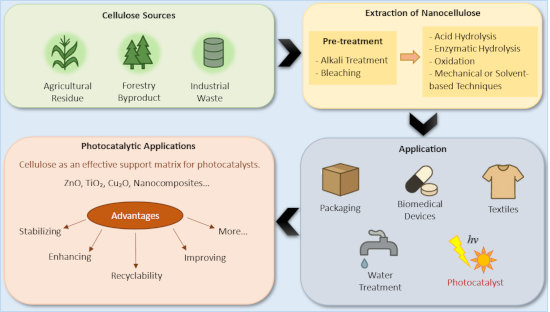
- natural biopolymer composed of glucose units arranged as a water-insoluble polysaccharide with a high molecular weight, and it typically makes up 40–60% of plant cell walls. The remaining components of the cell wall include hemicellulose (15–30%) and lignin (2–35%), which form a cross-linked matrix around
- the cellulose fibers and bind covalently to the crystalline cellulose structure [20]. Its polymerization degree ranges from 10,000 to 20,000 units, depending on the source material. Every glucose monomer in cellulose contains three hydroxy groups that determine its crystalline structure and physical
- characteristics as these groups form hydrogen bonds with neighboring oxygen atoms to stabilize the glucose connections and create straight cellulose chains. In addition to shaping the structural arrangement, the hydroxy groups also control cellulose’s chemical behavior since their reactive sites allow for


Laser–material interactions in liquids for the synthesis of nanomaterials: current status and perspectives
Beilstein J. Nanotechnol. 2026, 17, 571–575, doi:10.3762/bjnano.17.38

- processing parameters has enabled a wide range of applications [53]. These include catalysis [54] (e.g., for oxygen [55] and hydrogen evolution reactions [56] in hydrogen production), sensing (e.g., surface-enhanced Raman spectroscopy [51] for detection of pollutants and optical sensing of glucose [57
Electrochemical determination of ciprofloxacin using a MIL-101/reduced graphene oxide-modified electrode
Beilstein J. Nanotechnol. 2026, 17, 541–554, doi:10.3762/bjnano.17.35
- inorganic ions and organic compounds, including CaCl2 (denoted as C1), NaCl (C2), K2SO4 (C3), Al(NO3)3 (C4), Mg3(C6H5O7)2 (C5), NH4Cl (C6), citric acid (C7), saccharine (C8), ᴅ-sorbitol (C9), ascorbic acid (C10), ᴅ-glucose (C11), and lactose (C12). An interfering species was considered to have a significant


Gold nanoparticle-decorated reduced graphene oxide as a highly effective catalyst for the selective α,β-dehydrogenation of N-alkyl-4-piperidones
Beilstein J. Nanotechnol. 2026, 17, 218–238, doi:10.3762/bjnano.17.15
- -supported gold nanoparticles (Au/C) have been extensively studied for their remarkable selective catalytic performance in low-temperature oxidation reactions, including CO oxidation, alcohol oxidation, hydrocarbon oxidation, amino and thiol oxidation, and glucose oxidation [20]. However, despite their


Development and in vitro evaluation of liposomes and immunoliposomes containing 5-fluorouracil and R-phycoerythrin as a potential phototheranostic system for colorectal cancer
Beilstein J. Nanotechnol. 2026, 17, 97–121, doi:10.3762/bjnano.17.7
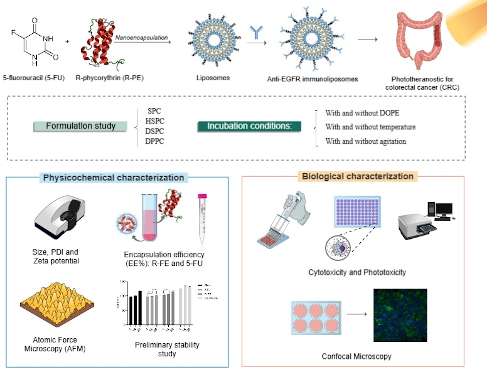
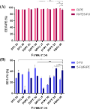
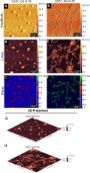
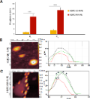
- chilled on ice for 10 min and washed with live cell buffer (phosphate-buffered saline supplemented with 20 mM glucose and 1% bovine serum albumin). Cells were then treated with Alexa Fluor™ 488-labeled EGF (Thermo Fisher Scientific, E13345, 2 μg/mL) alone or following a sequential pre-incubation with



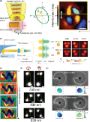
Chiral plasmonic nanostructures fabricated with circularly polarized light
Beilstein J. Nanotechnol. 2025, 16, 2245–2264, doi:10.3762/bjnano.16.154
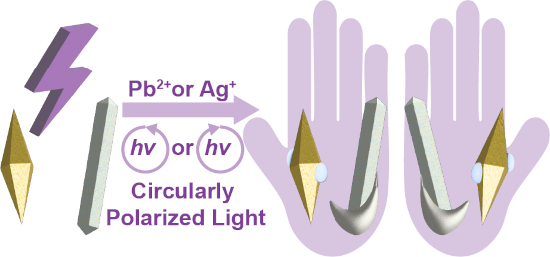
- negative surface electrostatic potential in the vicinity of kink atoms on the surface of Au helicoids led to higher catalytic activity for the oxidation of glucose [22]. Moreover, Au helicoids synthesized with ʟ-glutathione exhibited higher catalytic activity for ʟ-glucose than for ᴅ-glucose. Huang et al





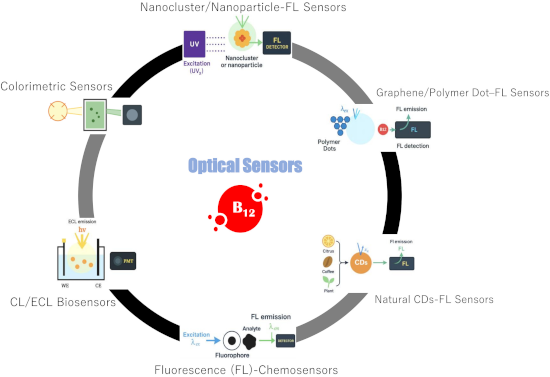
Optical bio/chemical sensors for vitamin B12 analysis in food and pharmaceuticals: state of the art, challenges, and future outlooks
Beilstein J. Nanotechnol. 2025, 16, 2207–2244, doi:10.3762/bjnano.16.153


Phytol-loaded soybean oil nanoemulsion as a promising alternative against Leishmania amazonensis
Beilstein J. Nanotechnol. 2025, 16, 1826–1836, doi:10.3762/bjnano.16.126

- , Brazil); soybean oil (Sigma-Aldrich, Brazil); Tween® 80 (Sigma-Aldrich, Brazil); purified water (obtained from a reverse osmosis purification equipment, model OS50 LX, Gehaka, Brazil) were used for nanoemulsion preparation. Mammalian cells were cultured in DMEM, High Glucose (Life Technologies, Cat


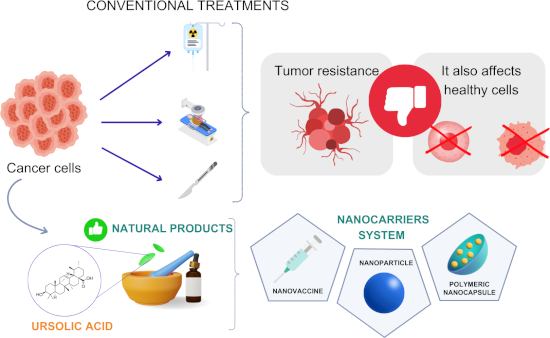
Prospects of nanotechnology and natural products for cancer and immunotherapy
Beilstein J. Nanotechnol. 2025, 16, 1644–1667, doi:10.3762/bjnano.16.116


Parylene-coated platinum nanowire electrodes for biomolecular sensing applications
Beilstein J. Nanotechnol. 2025, 16, 1392–1400, doi:10.3762/bjnano.16.101
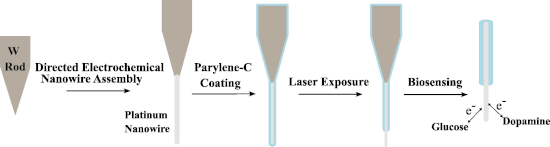
- testing with glucose and dopamine demonstrate limits of detection of 30 nM and 0.01 mM, respectively. The R-squared values for peak current versus concentration are 0.985 and 0.994, indicating strong linear correlations. These nanoscale electrodes hold great promise for single-cell biosensing applications
- due to their compact size, biocompatibility, and rapid fabrication. Keywords: biosensor; directed electrochemical nanowire assembly (DENA); dopamine; glucose; nanoelectrode; platinum; Introduction Electrodes, a tool used in all walks of life today, were first demonstrated by Max Cremer in 1906 [1
- . developed a glucose sensor using copper nanowires and CNTs, achieving a limit of detection as low as 0.3 nM, highlighting the remarkable sensitivity of CNT-based electrodes [9]. Nevertheless, several studies reported the toxicity of CNTs for tissues and cells including loss of cellular integrity, DNA damage


Synthesis and antibacterial properties of nanosilver-modified cellulose triacetate membranes for seawater desalination
Beilstein J. Nanotechnol. 2025, 16, 1380–1391, doi:10.3762/bjnano.16.100
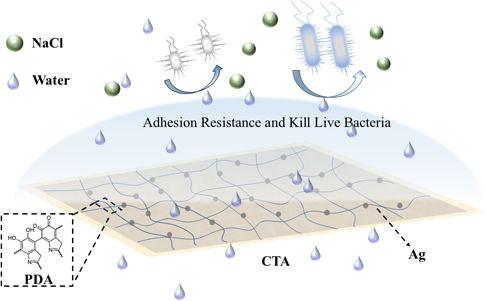
- waterborne microorganisms because six-membered cyclic ethers in its molecular structure have β-A chains of dehydrated glucose units linked by C–O–C bonds [28]. Therefore, enhancing the antibacterial properties of CTAs is crucial from both academic and practical perspectives. In this study, we employed the


Ferroptosis induction by engineered liposomes for enhanced tumor therapy
Beilstein J. Nanotechnol. 2025, 16, 1325–1349, doi:10.3762/bjnano.16.97
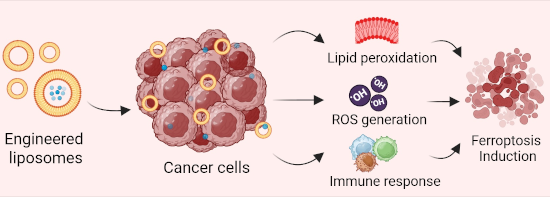
- stress by further reducing GSH levels. These results indicate a synergistic effect of ferroptosis and apoptosis [149]. In a study, glucose oxidase (GOx) was attached to a manganese sulfide (MnS) shell and encapsulated with a liposome. The hydrodynamic size of the liposomes was about 150 nm. The EE of MnS
- -GOx nanoparticles in liposomes was 63%. GOx was able to convert glucose into gluconic acid. Gluconic acid induced the degradation of MnS and then enhanced the release of H2S and Mn2+. In addition, H2O2 can enhance the Fenton-like reaction triggered by Mn2+. The results suggest that the combination of


Better together: biomimetic nanomedicines for high performance tumor therapy
Beilstein J. Nanotechnol. 2025, 16, 1246–1276, doi:10.3762/bjnano.16.92
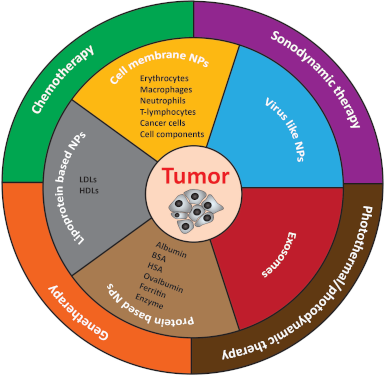
- CXR4 antagonist to block the CXCR4/CXCL12-mediated homing of leukemia cells to the bone marrow and infiltration into other organs like the liver and spleen [136] (Figure 9). Ke et al. altered the tumor glucose supply and metabolic pathways by designing RGD-modified, RBC membrane-coated glucose oxidase
- (Gox) and DOX metal organic framework bioreactors (RGD-mGZD). The RGD-mGZD NPs preferentially targeted the tumor site consuming the intratumoral oxygen and glucose to starve the tumor cells. At the same time DOX was released by the decomposition of the metal organic framework in acidic TME to induce






Hydrogels and nanogels: effectiveness in dermal applications
Beilstein J. Nanotechnol. 2025, 16, 1216–1233, doi:10.3762/bjnano.16.90
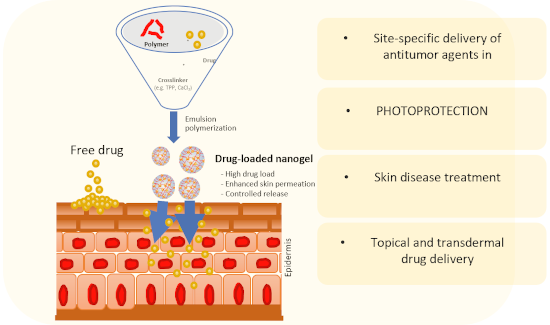
- ][200], radiation [201], reduction potential [202], or concentration of specific compounds, including glucose [203] and reactive oxygen species [204], may result in the modification of particle conformation, leading to the release of the transported drug. Some nanogels can simultaneously respond to two


Piezoelectricity of hexagonal boron nitrides improves bone tissue generation as tested on osteoblasts
Beilstein J. Nanotechnol. 2025, 16, 1068–1081, doi:10.3762/bjnano.16.78
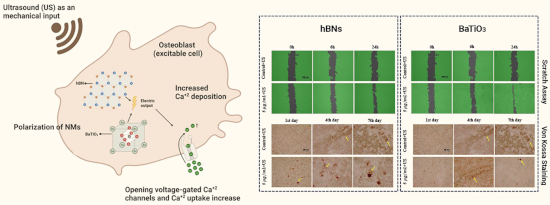
- performed to investigate the main interactions between HOb cells and NMs with US stimulation. HOb cells were cultured in a High-Glucose Dulbecco’s Modified Eagle Medium/Nutrient Mixture F-12 (DMEM/F-12) (Pan Biotech) medium containing 10% fetal bovine serum (FBS) (Pan Biotech), 1% penicillin streptomycin


Soft materials nanoarchitectonics: liquid crystals, polymers, gels, biomaterials, and others
Beilstein J. Nanotechnol. 2025, 16, 1025–1067, doi:10.3762/bjnano.16.77
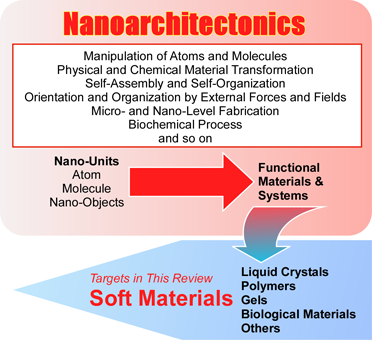
- formation of more ordered, hydrophobic coatings, while the incorporated polymers retain their electroactive properties. Ion transport through the film is still possible. Nanoarchitectonics polymer composite films can incorporate bioelectroactive proteins such as glucose oxidase. The high hydrophobicity
- employed as hosts to create electrochemically active films that display spatially addressed redox units. Furthermore, redox-labelled polyallylamine and glucose oxidase were integrated into the layered hydrophilic domains, thus forming the layered multilayer films. The multilayer films were fabricated by
- alternately depositing redox-active osmium complex-labelled polyallylamine hydrochloride, sodium dodecyl phosphate, and glucose oxidase in a sequential manner. The cooperation of bioelectrocatalysis in the presence of glucose and redox wiring within the layered multilayer films was demonstrated. The




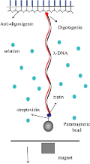


Shape, membrane morphology, and morphodynamic response of metabolically active human mitochondria revealed by scanning ion conductance microscopy
Beilstein J. Nanotechnol. 2025, 16, 951–967, doi:10.3762/bjnano.16.73
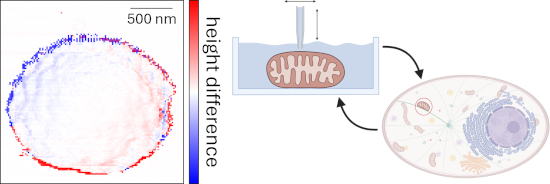
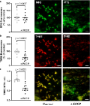
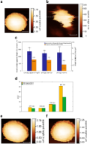
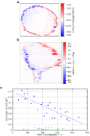
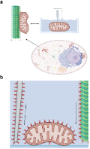
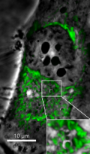
- . Therefore, the TMRE/MTG ratio decreases significantly after FCCP treatment (Figure 1c). In addition, oxygen consumption was measured. An oxygen consumption rate of 211.0 ± 10.16 μmol·L−1 was recorded within 10 min in Krebs–Ringer medium with CaCl2, 5.5 mmol·L−1 glucose and 0.1% BSA (mass fraction



Changes of structural, magnetic and spectroscopic properties of microencapsulated iron sucrose nanoparticles in saline
Beilstein J. Nanotechnol. 2025, 16, 762–784, doi:10.3762/bjnano.16.59
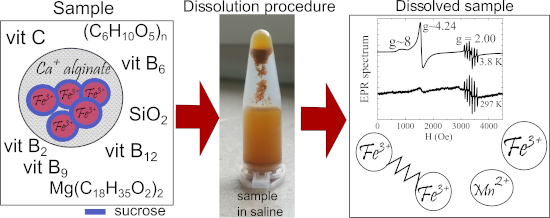
- –C and C–O modes within the β-D-glucose ring, within the range of 1200–1000 cm−1 [56]. The infrared spectra of FS0 and FST also reveal calcium alginate-related bands attributed to deformational modes of carboxylate COO− ions, resulting in asymmetric and symmetric stretching C=O vibrations at 1620 and





Colloidal few layered graphene–tannic acid preserves the biocompatibility of periodontal ligament cells
Beilstein J. Nanotechnol. 2025, 16, 664–677, doi:10.3762/bjnano.16.51
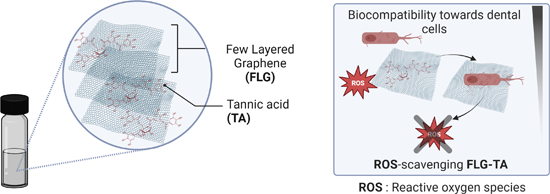
- demonstrated that cell adhesion may influence metabolic programming through regulation of adhesion molecules and glucose transport pathways [26][27]. Additionally, the molecular structure of tannic acid allows for potential enzymatic conversion into glucose derivatives via cellular metabolic pathways [28][29
- ]. A previous study demonstrated that TA treatment enhanced glucose transport in 3T3-L1 cells through activation of insulin receptor phosphorylation and GLUT4 translocation [30]. These factors may have contributed to the observed enhancement in cellular metabolic activity at 24 h. The decrease in cell


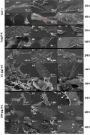


A formulation containing Cymbopogon flexuosus essential oil: improvement of biochemical parameters and oxidative stress in diabetic rats
Beilstein J. Nanotechnol. 2025, 16, 617–636, doi:10.3762/bjnano.16.48
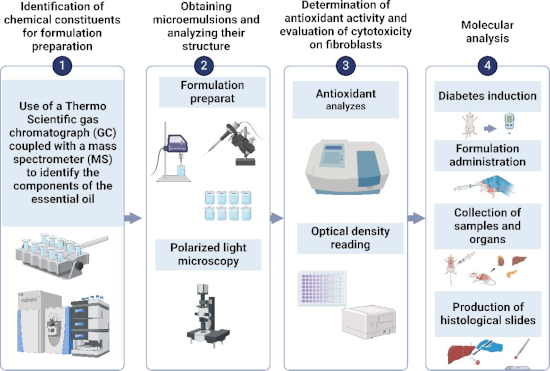
- isolated EOCF. Finally, male Wistar rats (3 months old, 200–250 g) with streptozotocin-induced type-1 DM were supplemented with EOCF and ME (32 mg/kg) for 21 days. Both EOCF and ME supplementation resulted in reduced blood glucose levels and improved lipid profiles when compared to the control group
- . The use of STZ in animals causes conditions similar to that of some humans with type-1 diabetes without glycemic control. STZ has been shown to significantly increase blood glucose levels in Wistar rats. STZ’s mechanism of action alters the DNA base sequences of pancreatic islet β-cells and stimulates
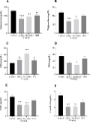
- polynuclear (ADP-ribose) synthetase, thus decreasing intracellular NAD and NADP levels. The depletion of NAD by STZ inhibits the synthesis of proinsulin, thus inducing experimental diabetes [40][41]. A significant increase in blood glucose levels was observed in diabetic rats in the control group (CONTROL




Synthetic-polymer-assisted antisense oligonucleotide delivery: targeted approaches for precision disease treatment
Beilstein J. Nanotechnol. 2025, 16, 435–463, doi:10.3762/bjnano.16.34

- study, Min et al. investigated the use of PLL to develop glucose-coated polymeric nanocarriers for the systemic delivery of ASOs across the blood–brain barrier (BBB) [71]. The authors utilised a polyion complex micelle (PIC/M) platform based on poly(ethylene glycol)-b-poly(ʟ-lysine) (PEG–PLL, DPPLL = 42


Development of a mucoadhesive drug delivery system and its interaction with gastric cells
Beilstein J. Nanotechnol. 2025, 16, 371–384, doi:10.3762/bjnano.16.28

- , A2033), poloxamer 407 (16758), calcium chloride, and mucin from porcine stomach (M1778) were purchased from Sigma-Aldrich, USA. Sunflower oil and sorbitan monooleate (Span 80) were from TCI Chemicals, USA. For in vitro studies, high-glucose DMEM and Pen-Step solution were purchased from Sartorius


Fabrication and evaluation of BerNPs regarding the growth and development of Streptococcus mutans
Beilstein J. Nanotechnol. 2025, 16, 308–315, doi:10.3762/bjnano.16.23
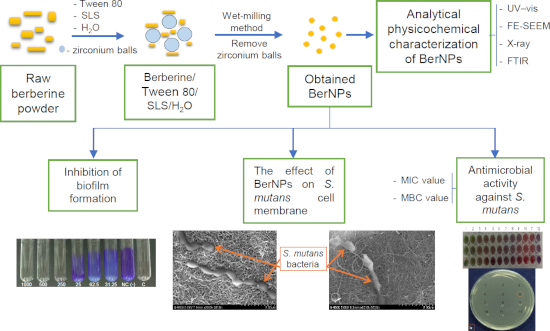
- . mutans can ferment carbohydrates, primarily sucrose and glucose or by-products in saliva, to produce weak organic acids. These acids lead to tooth surface demineralization and the subsequent enamel loss, resulting in tooth decay [6][7]. Furthermore, the biofilm formation by S. mutans contributes to


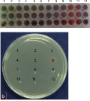


A nanocarrier containing carboxylic and histamine groups with dual action: acetylcholine hydrolysis and antidote atropine delivery
Beilstein J. Nanotechnol. 2025, 16, 11–24, doi:10.3762/bjnano.16.2

- . Fl is also more likely to be found inside p(Hist-CA) than on the surface. The addition of glucose (5 mM) also shows no significant changes, indicating the stability of Fl@p(Hist-CA) under typical glucose and pH conditions. The addition of ACh to Fl@p(Hist-CA) significantly increases Fl emission
- antidote delivery. Under healthy conditions, with a neutral pH and normal glucose concentrations, the nanocarrier is found to be stable. The employed resorcinarenes and the nanocarrier exhibit good hemocompatibility and low cytotoxicity with respect to human embryonic lung cells (WI38) and a healthy liver





