


Search results
Search for "healthcare" in Full Text gives 69 result(s) in Beilstein Journal of Nanotechnology.
Nanoparticle delivery systems for HIV pre-exposure prophylaxis (PrEP): advances and challenges
Beilstein J. Nanotechnol. 2026, 17, 839–853, doi:10.3762/bjnano.17.60
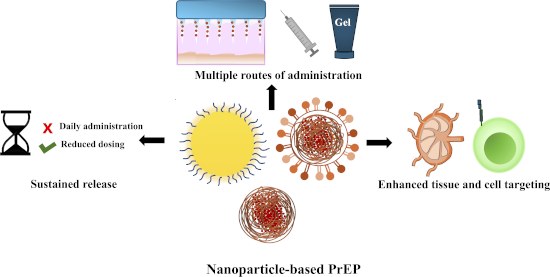
- excellent safety profiles but require daily adherence to oral medication, which can be compromised by factors such as pill burden, fatigue, stigma surrounding daily medication use, and limited access to healthcare [7]. Long-term adherence, in particular, is a challenge [7][8][9]. In a randomized controlled
- that then achieve a continuous release of free drug over an extended period of time. LA cabotegravir (CAB) developed as an intramuscular (IM) nanosuspension by ViiV Healthcare is an example, and it was the first FDA-approved injectable PrEP product (Apretude) for use in adults and adolescents who weigh


Environmental applications of silver nanoparticles: state-of-the-art review and emerging trends
Beilstein J. Nanotechnol. 2026, 17, 697–736, doi:10.3762/bjnano.17.49
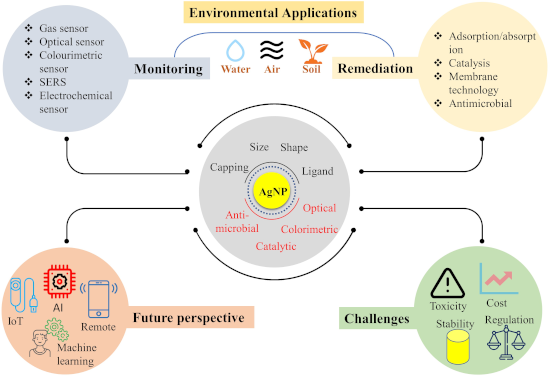
- population and their demand for advanced technology, healthcare, and household products. Therefore, monitoring and remediation of these contaminants from the environment is the need of the hour, with cost-effective, sensitive, and selective strategies or systems foremost. Indeed, various high-throughput


Cellulose as a photocatalyst support material: extraction, structural features, and environmental applications
Beilstein J. Nanotechnol. 2026, 17, 635–652, doi:10.3762/bjnano.17.44
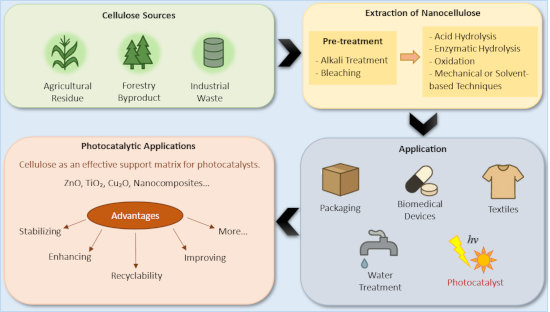
- sustainable choice for next-generation healthcare solutions. In recent years, cellulose-based fibers, films, and aerogels have found widespread application in drug delivery, where cellulose typically serves as the foundational material that can be further modified to enhance its performance. These


Nanocarrier-integrated multilayer films produced by 3D printing for improved skin adhesion and curcumin photostability
Beilstein J. Nanotechnol. 2026, 17, 440–453, doi:10.3762/bjnano.17.30
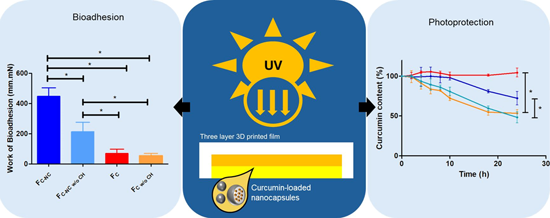
- ; nanocarriers; photostability; Introduction 3D printing is an innovative technology that is poised to transform personalised medicine and healthcare manufacturing. For the healthcare industry, the use of 3D printing provides several key advantages, including the ability to adapt dosages according to a


Durable antimicrobial activity of fabrics functionalized with zeolite ion-exchanged nanomaterials against Staphylococcus aureus and Escherichia coli
Beilstein J. Nanotechnol. 2026, 17, 262–274, doi:10.3762/bjnano.17.18
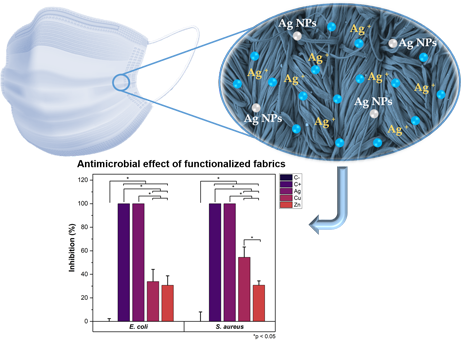
- inactivate a wide range of microorganisms. Today, both silver and copper are widely used in various medical and healthcare applications due to their effective antimicrobial activity. For example, copper was found to be 99.9% efficient in inactivating microorganisms within the first two hours of contact [13
- as a scalable and effective approach for developing antimicrobial textiles with long-lasting performance. Such materials are promising candidates for use in healthcare, protective clothing, hygiene products, and other applications where microbial contamination poses a risk. Experimental Materials




Safe and sustainable by design with ML/AI: A transformative approach to advancing nanotechnology
Beilstein J. Nanotechnol. 2026, 17, 176–185, doi:10.3762/bjnano.17.11
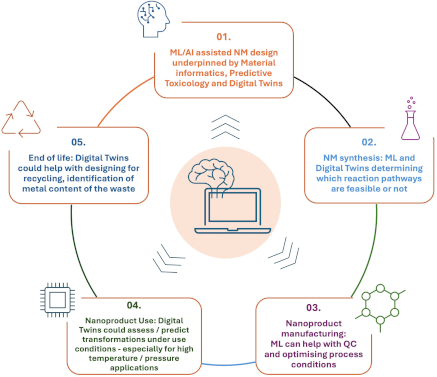
- , offering unprecedented opportunities to design and develop nanomaterials with unique, tailored properties. These advances have significantly impacted diverse industrial sectors, including healthcare, energy, environmental remediation, and defence. For instance, nanoparticle-based drug delivery systems have


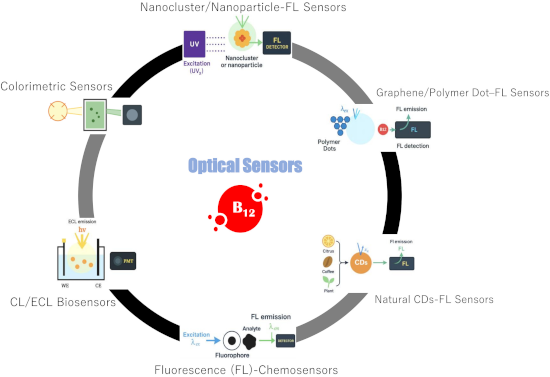
Optical bio/chemical sensors for vitamin B12 analysis in food and pharmaceuticals: state of the art, challenges, and future outlooks
Beilstein J. Nanotechnol. 2025, 16, 2207–2244, doi:10.3762/bjnano.16.153


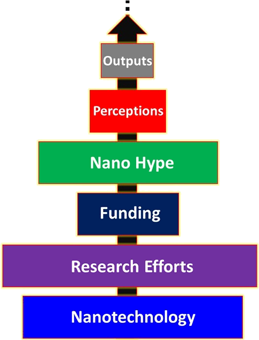
Missing links in nanomaterials research impacting productivity and perceptions
Beilstein J. Nanotechnol. 2025, 16, 2168–2176, doi:10.3762/bjnano.16.149
- nanomaterials remain either minimal or entirely absent. This regulatory fragmentation is a global issue that badly hinders the worldwide utilization of nanotechnology. The situation is further exacerbated by the rapid pace of nanotechnology advancement, mostly in critical sectors such as healthcare, energy
- technological platforms in energy, healthcare, computing, and advanced manufacturing. List of well-known global companies and startups driving nanomaterials, nanotechnology products, and devices. Though not exclusively focused on nanotechnology, these organizations remain key players transitioning from
Rapid synthesis of highly monodisperse AgSbS2 nanocrystals: unveiling multifaceted activities in cancer therapy, antibacterial strategies, and antioxidant defense
Beilstein J. Nanotechnol. 2025, 16, 2105–2115, doi:10.3762/bjnano.16.145
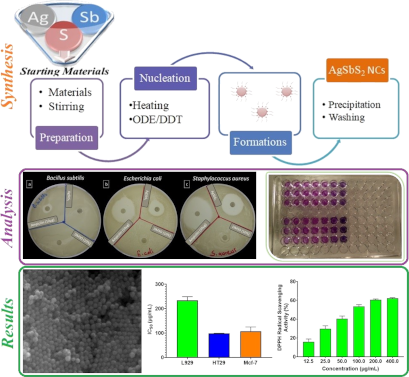
- years, the integration of science and technology has been well orchestrated to address challenges in medicine and health sciences and to evaluate therapeutic aspects [1]. This integration has contributed to the development of a more efficient healthcare system, innovative nanomedical tools and advanced


On the road to sustainability – application of metallic nanoparticles obtained by green synthesis in dentistry: a scoping review
Beilstein J. Nanotechnol. 2025, 16, 1851–1862, doi:10.3762/bjnano.16.128
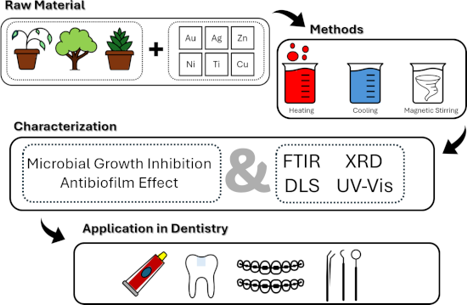
- -friendly innovation, particularly in healthcare [30][31]. The economic feasibility and simplicity of green synthesis methods also align well with the resource-limited infrastructure often encountered in academic laboratories across developing nations. India’s high burden of oral and systemic infectious


Nanomaterials for biomedical applications
Beilstein J. Nanotechnol. 2025, 16, 1499–1503, doi:10.3762/bjnano.16.105

- of their production, these materials have to be stable and safe in the body, and they must comply with regulatory requirements before healthcare sectors can rely on them. So far, the achievements in nanotechnology for diagnostics seem positive, and we can expect this area to keep improving as
- usage in everyday healthcare is becoming more evident. Liposomes and polymeric nanoparticles are already being used in certain cancer and vaccine treatments [41]. Detection of diseases at an early stage is becoming more possible with gold nanoparticles or quantum dots. Scaffolds made from nanofibers and
- medicine. They not only enhance what we already have, but also help to develop new types of treatments and diagnostics with more effectiveness. Ongoing research, responsive development, and collaboration might enable nanotechnology to transform modern healthcare on an unprecedented scale [42]. Iqra Zainab
Acrocomia aculeata oil-loaded nanoemulsion: development, anti-inflammatory properties, and cytotoxicity evaluation
Beilstein J. Nanotechnol. 2025, 16, 1277–1288, doi:10.3762/bjnano.16.93
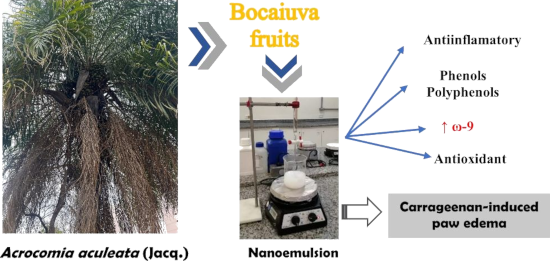
- ]. There are several reports about the severe adverse reactions in patients taking these drugs [14][15]. In addition, the economic impact of these degenerative and inflammatory diseases, such as rheumatoid arthritis, is significant, as demonstrated by heightened healthcare resource utilization and


Synthesis and magnetic transitions of rare-earth-free Fe–Mn–Ni–Si-based compositionally complex alloys at bulk and nanoscale
Beilstein J. Nanotechnol. 2025, 16, 823–836, doi:10.3762/bjnano.16.62
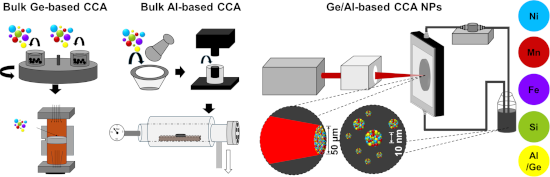
- fluctuations or trigger mechanical responses, making them essential in automation, industrial processes, and healthcare monitoring technologies. Considerable research has been dedicated to tailoring the Curie temperature and associated magnetic properties through material design. Advances in composition


Polyurethane/silk fibroin-based electrospun membranes for wound healing and skin substitute applications
Beilstein J. Nanotechnol. 2025, 16, 591–612, doi:10.3762/bjnano.16.46
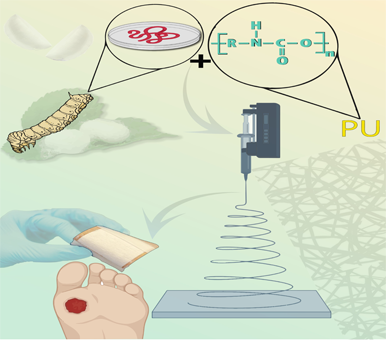
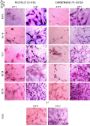
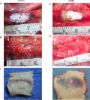
- by combining the unique properties of silk and PU, opening up the possibilities for innovative treatments. Keywords: electrospinning; nanofibers; polyurethane; silk fibroin; skin regeneration; wound healing; Introduction The biomedical field is a revolutionary sector in healthcare and research



Emerging strategies in the sustainable removal of antibiotics using semiconductor-based photocatalysts
Beilstein J. Nanotechnol. 2025, 16, 264–285, doi:10.3762/bjnano.16.21
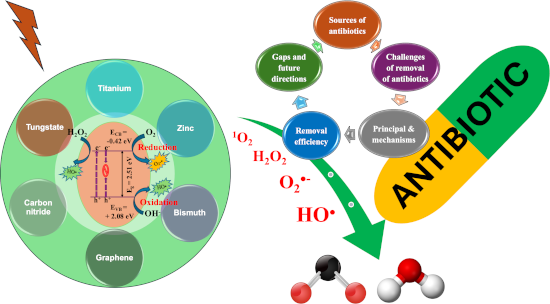
- aquaculture, domestic sewage discharges, pharmaceutical manufacturing, and healthcare facilities [38]. Antibiotics are commonly administered to animals through feed or water, primarily for growth promotion in large-scale animal farming operations and to prevent and treat infectious diseases [39]. Consequently
- , and dispose of significant quantities of antibiotics during production. A study found that downstream water sources from pharmaceutical production plants had significantly higher antibiotic concentrations than upstream sources [44]. Hospitals and healthcare facilities also significantly contribute
- antibiotics. Multiple sources Antibiotics can enter the environment through various pathways, including wastewater discharges from healthcare facilities, pharmaceutical industry effluents, agricultural runoff, and human and animal waste [48]. However, effectively locating and regulating each source poses a



Recent advances in photothermal nanomaterials for ophthalmic applications
Beilstein J. Nanotechnol. 2025, 16, 195–215, doi:10.3762/bjnano.16.16
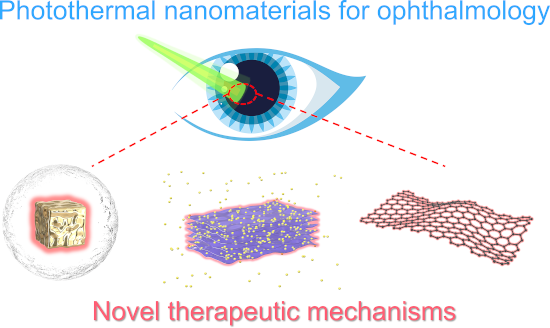
- , patient-centered research regarding various ophthalmic conditions is crucial to ensure the widespread future use of photothermal nanomaterials. Economic, social, and cultural initiatives to enhance awareness about photothermal nanomaterials and their impact on healthcare policy, especially for


Nanocarriers and macrophage interaction: from a potential hurdle to an alternative therapeutic strategy
Beilstein J. Nanotechnol. 2025, 16, 97–118, doi:10.3762/bjnano.16.10
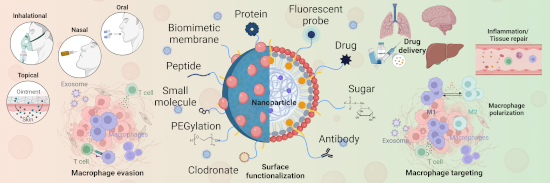
- hepatocellular carcinoma (HCC), are major global health concerns, affecting millions worldwide and placing a significant burden on healthcare systems. Viral hepatitis, for example, affects over 300 million people globally and remains a leading cause of liver-related morbidity and mortality [82]. Cirrhosis, a


A nanocarrier containing carboxylic and histamine groups with dual action: acetylcholine hydrolysis and antidote atropine delivery
Beilstein J. Nanotechnol. 2025, 16, 11–24, doi:10.3762/bjnano.16.2

- Cytell Cell Imaging multifunctional system (GE Healthcare Life Science, Sweden) [38]. The experiments utilized a Chang liver cell line (human liver cells) from the N.F. Gamaleya National Research Center for Epidemiology and Microbiology and a cell culture of WI-38 VA 13 subline 2RA (human embryo lung


Nanotechnological approaches for efficient N2B delivery: from small-molecule drugs to biopharmaceuticals
Beilstein J. Nanotechnol. 2024, 15, 1400–1414, doi:10.3762/bjnano.15.113
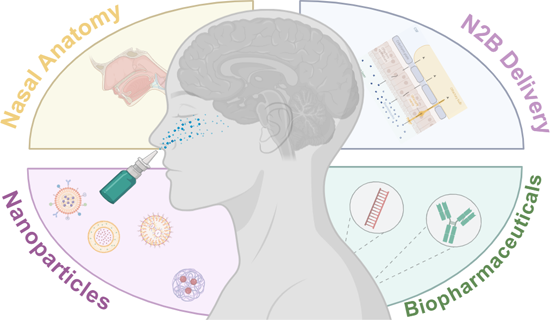
- estimated due to neurological diseases [5]. The estimated cost of these diseases to the European healthcare budget is around 800 billion Euros per year [6]. From a pharmaceutical point of view, although there is an immense network of cerebral vascularization, providing therapeutics for CNS diseases is


Unveiling the potential of alginate-based nanomaterials in sensing technology and smart delivery applications
Beilstein J. Nanotechnol. 2024, 15, 1077–1104, doi:10.3762/bjnano.15.88
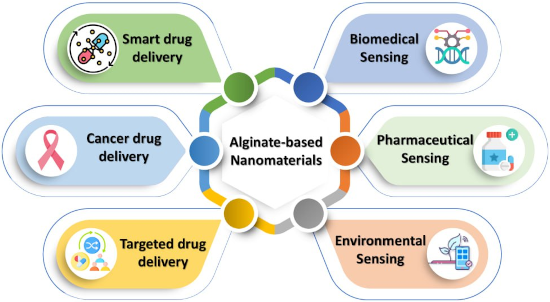
- discuss the current challenges in the drug delivery field and sensing techniques and the significant role of alginate-based nanoparticles in overcoming these problems. Background Drug delivery and sensing in healthcare: significance and impact Drug delivery refers to the process of administering
- body, increasing the delivery efficiency of drugs [41]. In addition to drug delivery, sensing technologies are also of great importance in healthcare. Sensing technologies enable healthcare professionals to monitor patients’ health conditions, track the effectiveness of treatments, and detect any


Atomistic insights into the morphological dynamics of gold and platinum nanoparticles: MD simulations in vacuum and aqueous media
Beilstein J. Nanotechnol. 2024, 15, 995–1009, doi:10.3762/bjnano.15.81
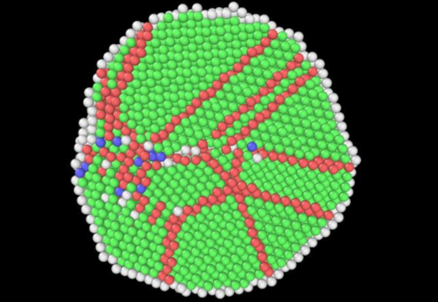
- , anthropogenic, and geological processes [3]. Only a few decades ago, NPs attracted attention because of their size-dependent chemical and physical properties [4]; nowadays, they are commercially available and exploited in several sectors such as optics, automotive, electronics, and healthcare [5][6]. A notable


Radiofrequency enhances drug release from responsive nanoflowers for hepatocellular carcinoma therapy
Beilstein J. Nanotechnol. 2024, 15, 569–579, doi:10.3762/bjnano.15.49
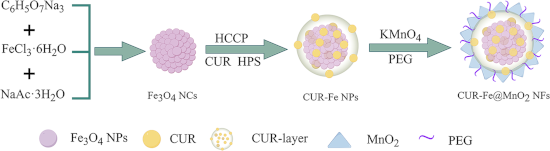
- , Siemens Healthcare, Erlangen, Germany). Drug release The release of CUR and Mn2+ from the CUR-Fe@MnO2 NFs was explored via dialysis. In brief, CUR-Fe@MnO2 NFs were released in PBS containing 0.7% (w/w) Tween 80 at different pH values (7.4 or 5.0) with or without GSH (20 μM/10 mM) and with or without H2O2


Classification and application of metal-based nanoantioxidants in medicine and healthcare
Beilstein J. Nanotechnol. 2024, 15, 396–415, doi:10.3762/bjnano.15.36
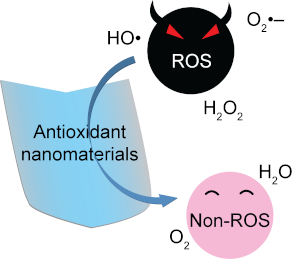
- Antioxidants play an important role in the prevention of oxidative stress and have been widely used in medicine and healthcare. However, natural antioxidants have several limitations such as low stability, difficult long-term storage, and high cost of large-scale production. Along with significant advances in
- nanomaterials in medicine and healthcare are also discussed. This review provides a deeper understanding of the mechanisms of metal-based nanoantioxidants and a guideline for using these nanomaterials in medicine and healthcare. Keywords: antioxidant nanomaterial; healthcare; medicine; nanotechnology
- action, and expand their applications, especially in medicine and healthcare. For example, the question of why nanoparticles with a majority of Ce3+ on the surface have stronger antioxidant activity than those with Ce4+ has recently been answered by Dutta and co-workers [11]. Ce3+ nanoparticles have a


Nanomedicines against Chagas disease: a critical review
Beilstein J. Nanotechnol. 2024, 15, 333–349, doi:10.3762/bjnano.15.30
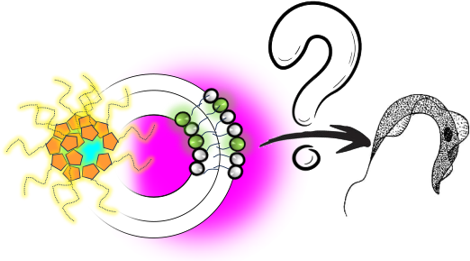
- [5]. Globally, CD creates an annual burden exceeding 800,000 disability-adjusted life years and $600,000,000 in healthcare costs [6]. Classically, the infectious cycle in the human host begins as an acute phase, asymptomatic except in children, where trypomastigotes circulate in the blood and

Industrial perspectives for personalized microneedles
Beilstein J. Nanotechnol. 2023, 14, 857–864, doi:10.3762/bjnano.14.70
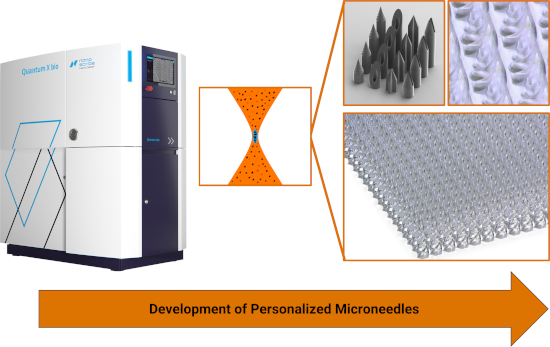
- drawback to TDD needles is trypanophobia, a fear of needles. Roughly 3.5–20.0% of the general population suffers from trypanophobia to various degrees [5][6]. Additionally, healthcare workers are continuously at risk for sharps-related injuries, and hollow-bore needles account for 56% of all sharps
- injuries [7]. An estimated two million hospital-based workers suffer from work-related needle injuries, adding burdensome financial cost and infection risks to healthcare systems [8][9]. With the advent of advanced additive manufacturing techniques, we can miniaturize needles (microneedles) to overcome
- medical device for administering drugs and collecting biological fluids, all while reducing sharps-related risks to healthcare professionals. To date, microneedle patches are relatively simple with a one-size-fits-all approach, regardless of patient demographic and injection site. 3D microfabrication





