Search results
Search for "inflammation" in Full Text gives 96 result(s) in Beilstein Journal of Nanotechnology.
Development of Protium heptaphyllum essential oil-loaded nanocapsules: experimental design and biological activity
Beilstein J. Nanotechnol. 2026, 17, 974–990, doi:10.3762/bjnano.17.67
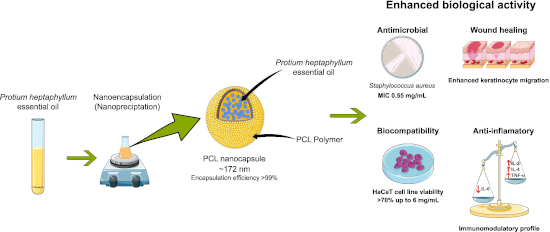
- proliferation and extracellular matrix remodeling, whereas excessive or sustained production leads to chronic inflammation, cytotoxicity, and impaired wound healing [53][54]. The observed TNF-α increase may indicate either early reparative activation or dose-dependent cellular stress from increased bioactive
- ) in nanocapsule-treated fibroblasts, suggesting an anti-inflammatory profile that supports tissue regeneration while minimizing nonspecific inflammation. Together, these findings establish nanoprecipitation as an effective and scalable strategy to engineer polymeric nanosystems that stabilize




Restorative potential of laser-synthesized silver nanoparticles with Salvia officinalis for periodontal disease treatment: an in vitro study
Beilstein J. Nanotechnol. 2026, 17, 781–795, doi:10.3762/bjnano.17.55
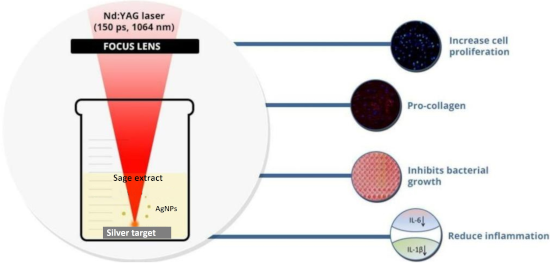
- inflammation. This dual antibacterial and regenerative action demonstrates the high potential of sage-assisted PLAL-synthesized AgNPs as a safe, sustainable strategy for periodontal disease treatment. Keywords: cell proliferation; periodontal disease; pulsed laser ablation in liquid (PLAL); Salvia officinalis
- data [15][16]. Its origin stands on microbial dysbiosis induced by the maturation of dental plaque, which, in susceptible hosts, leads to polymorphonuclear and mononuclear cell infiltration, initiating gingival inflammation followed by excessive production of pro-inflammatory cytokines. Progressively
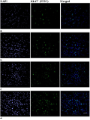
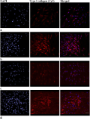
- elimination of pathogenic microbes and reduction of inflammation and gingival atrophy, but also toward collagen production. This study aimed to evaluate the biological properties of AgNPs synthesized by PLAL, where the varying parameters were different laser pulse energies (2 and 6 mJ) and distinct synthesis



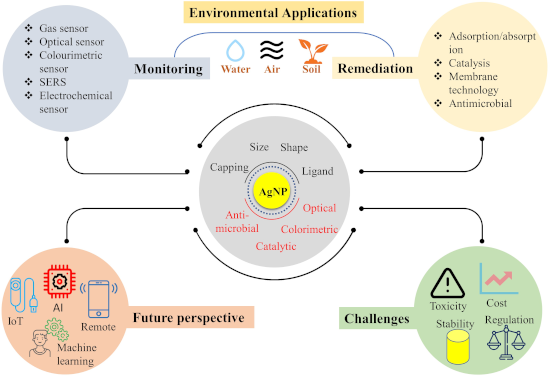
Environmental applications of silver nanoparticles: state-of-the-art review and emerging trends
Beilstein J. Nanotechnol. 2026, 17, 697–736, doi:10.3762/bjnano.17.49


Advances in nanotechnology applied to natural products
Beilstein J. Nanotechnol. 2026, 17, 555–558, doi:10.3762/bjnano.17.36

- mediators with nanoemulsified oils than with the corresponding unprocessed ones (in natura) [7][8]. In this collection, contributions explore the applications of these formulations in the context of local edema and ocular inflammation. Beyond anti-inflammatory applications, nanoemulsions containing natural
Biomimetic nanoparticles in cancer photodynamic therapy: a review of targeted delivery systems and therapeutic outcomes
Beilstein J. Nanotechnol. 2026, 17, 396–422, doi:10.3762/bjnano.17.27
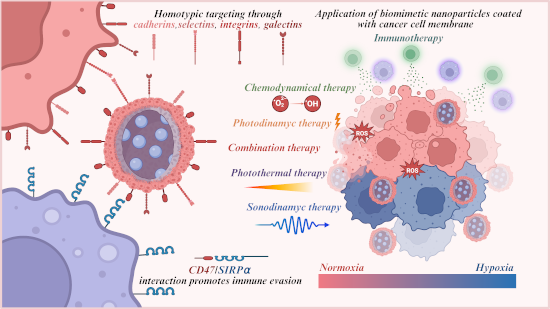
- to damaged vasculature (common in tumors) and circulating tumor cells (CTCs); they also express CD47 for extended circulation and modulate immune cell interactions and inflammation [154]. These properties allow for deep tumor penetration and direct interaction with immune components within the TME


Polycatecholamine nanocoatings on stainless steel: the effect on attachment of human fibroblasts and platelets
Beilstein J. Nanotechnol. 2026, 17, 365–380, doi:10.3762/bjnano.17.25
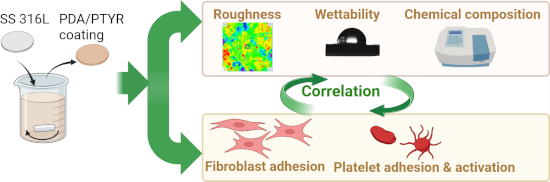
- homeostasis and suppress thrombogenic and proliferative responses [6]. Under long-term hemodynamic loading, stainless steel implants may also suffer from localized corrosion and metal-ion release, leading to chronic inflammation at the tissue–implant interface [8]. While rapid colonization of implant surfaces




From shield to spear: Charge-reversible nanocarriers in overcoming cancer therapy barriers
Beilstein J. Nanotechnol. 2026, 17, 159–175, doi:10.3762/bjnano.17.10
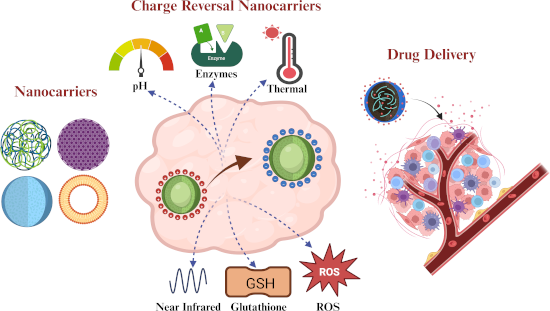
- that zwitterionic and neutral nanoparticles possess highly hydrated, charge-balanced surfaces that minimize serum protein adsorption, complement activation, and cytokine release (IL-6, TNF-α). In murine models, these particles exhibited reduced systemic inflammation and enhanced circulation stability


Improving magnetic properties of Mn- and Zn-doped core–shell iron oxide nanoparticles by tuning their size
Beilstein J. Nanotechnol. 2025, 16, 2285–2295, doi:10.3762/bjnano.16.157
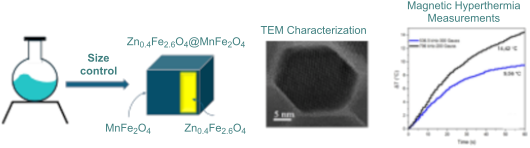
- they induce oxidative stress, genotoxic effects, and inflammation [8][9]. This has raised concerns regarding their use in clinical applications, leading researchers to develop alternative, non-toxic substitutes for Co-based nanoparticles. In this context, manganese ferrite (MnFe2O4) has been identified
- high SAR values, cobalt-containing nanoparticles are not suitable for biomedical applications due to the well-known cytotoxicity of cobalt ions. Studies have shown that cobalt ions released from nanoparticles can induce oxidative stress, inflammation, and cellular damage, which limits their use in



Microplastic pollution in Himalayan lakes: assessment, risks, and sustainable remediation strategies
Beilstein J. Nanotechnol. 2025, 16, 2144–2167, doi:10.3762/bjnano.16.148
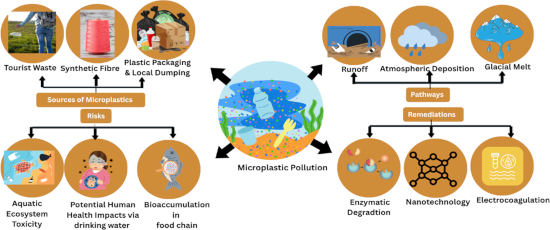
- -altitude lakes, where particles accumulate in the gut and gill tissues and interfere with normal physiological functions [113]. The low molecular weight of MPs, and particularly nanoparticles (NPs), allows them to easily translocate into organs and tissues resulting in inflammation, oxidative stress, and


Toward clinical translation of carbon nanomaterials in anticancer drug delivery: the need for standardisation
Beilstein J. Nanotechnol. 2025, 16, 2092–2104, doi:10.3762/bjnano.16.144
- risk; cardiotoxicity, which may result in heart failure or complications, especially with higher cumulative doses or existing heart conditions; severe nausea and vomiting if not managed with antiemetics; hair loss, which can be temporary or permanent; mucositis, involving inflammation of the mouth
- , aspect ratio, surface area, and surface chemistry result in unique biodistribution patterns, metabolic fates, and pharmacokinetic profiles. For instance, the high aspect ratio of carbon nanotubes (CNTs) contributes to their prolonged pulmonary retention, often linked to chronic inflammation and fibrotic
- the purity of the NMs and remove any impurities before their use, such as CCFs [43]. Studies have shown that CCFs can induce oxidative stress and inflammation in cells, potentially leading to cellular damage and toxicity [44]. The potential toxicity of CCFs is a concern in the field of CNM research



On the road to sustainability – application of metallic nanoparticles obtained by green synthesis in dentistry: a scoping review
Beilstein J. Nanotechnol. 2025, 16, 1851–1862, doi:10.3762/bjnano.16.128
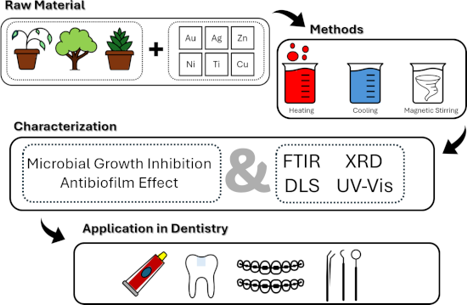
- periodontopathogens such as Porphyromonas gingivalis and Aggregatibacter actinomycetemcomitans, reducing inflammation and supporting adjunctive treatment to scaling and root planing. Regenerative strategies are also being developed, in which nanoparticle-functionalized membranes have shown potential to modulate host


Current status of using adsorbent nanomaterials for removing microplastics from water supply systems: a mini review
Beilstein J. Nanotechnol. 2025, 16, 1837–1850, doi:10.3762/bjnano.16.127
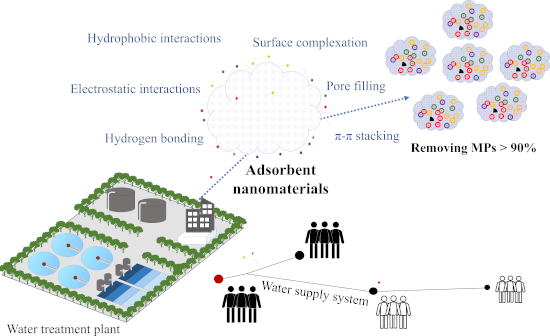
- nanomaterials. Numerous adverse health effects, such as inflammation, gastrointestinal disorders, cellular toxicity, and genetic damage, are linked to nanomaterial accumulation, as shown in many studies [115]. Furthermore, the application of biosolids containing nanomaterials to agricultural soils can lead to


Exploring the potential of polymers: advancements in oral nanocarrier technology
Beilstein J. Nanotechnol. 2025, 16, 1751–1793, doi:10.3762/bjnano.16.122
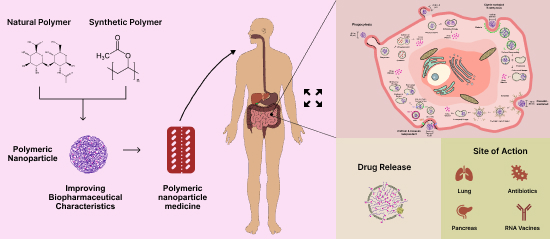
- , demonstrating nontoxicity and a reduction in joint inflammation, which were attributed to the physicochemical stability of the NPs in the gastrointestinal tract. Continuing their research on lactoferrin, Mahidhara et al. [112] developed chitosan-coated nanocapsules wrapped in alginate that achieved a 4.8-fold


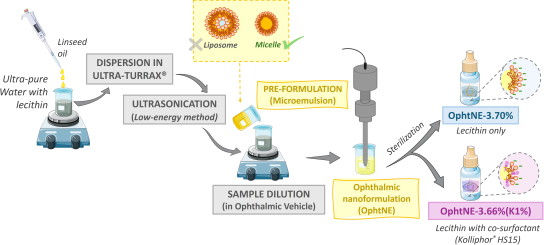
Multifunctional anionic nanoemulsion with linseed oil and lecithin: a preliminary approach for dry eye disease
Beilstein J. Nanotechnol. 2025, 16, 1711–1733, doi:10.3762/bjnano.16.120



Prospects of nanotechnology and natural products for cancer and immunotherapy
Beilstein J. Nanotechnol. 2025, 16, 1644–1667, doi:10.3762/bjnano.16.116
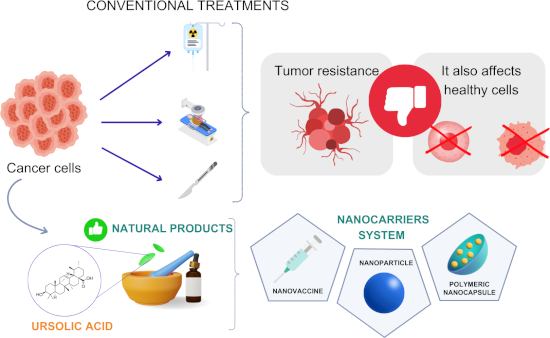
- cell cycle arrest, regulate oxidative stress, enhance metabolic reprogramming, inhibit invasion and metastasis, and modulate immunity and inflammation [129]. The developed nanoparticles underwent physicochemical characterization by SEM, UV–vis spectroscopy, and encapsulation testing, in which the


Enhancing the therapeutical potential of metalloantibiotics using nano-based delivery systems
Beilstein J. Nanotechnol. 2025, 16, 1350–1366, doi:10.3762/bjnano.16.98
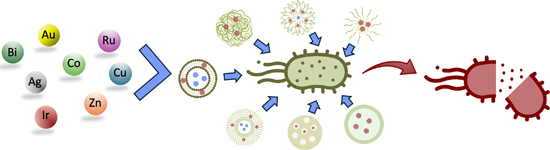
- interact with upregulated mannose receptors on macrophage surfaces during inflammation. Mannosylated polymeric ligands have been developed for targeted delivery of antibacterial drugs to macrophages, leveraging the high-affinity interaction with mannose receptors on these immune cells [52]. Additionally


Acrocomia aculeata oil-loaded nanoemulsion: development, anti-inflammatory properties, and cytotoxicity evaluation
Beilstein J. Nanotechnol. 2025, 16, 1277–1288, doi:10.3762/bjnano.16.93
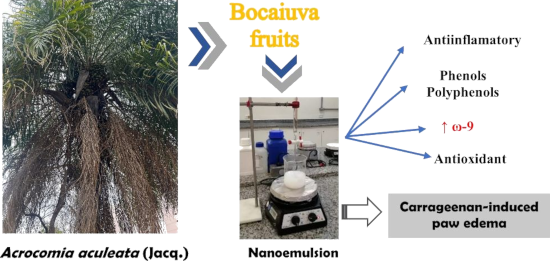
- , Federal University of Mato Grosso do Sul, Av. Costa e Silva s/n, 79070-900, Campo Grande-MS, Brazil Laboratory of Pharmaceutical Technology, Federal University of Mato Grosso do Sul, Av. Costa e Silva, s/n, 79070-900, Campo Grande-MS, Brazil Laboratory of Pharmacology and Inflammation, Federal University
- : Acrocomia aculeata; cytotoxicity; hemolysis; inflammation; nanoemulsion; Introduction Acrocomia aculeata Jacq is a palm of the Arecaceae family, commonly known as bocaiúva or macaúba. It is widespread in South America and is particularly abundant in Mato Grosso do Sul, located in the Center-West region of
- traditional populations for managing joint inflammation and some infections [51]. Nevertheless, further comprehensive studies are necessary to confirm the long-term safety and therapeutic viability of the bocaiúva oil loaded nanoemulsions. Anti-inflammatory activity of Acrocomia aculeata oil-based


Better together: biomimetic nanomedicines for high performance tumor therapy
Beilstein J. Nanotechnol. 2025, 16, 1246–1276, doi:10.3762/bjnano.16.92
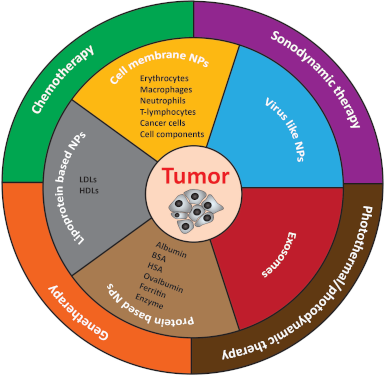
- among the white blood cells [35]. Neutrophils are the first to appear at the site of inflammation and easily cross different biological barriers such as blood–tissue barrier, blood–brain barrier (BBB) or blood–tumor barrier (BTB). Therefore, neutrophil membrane-coated nanoparticles have been






Electronic and optical properties of chloropicrin adsorbed ZnS nanotubes: first principle analysis
Beilstein J. Nanotechnol. 2025, 16, 1184–1196, doi:10.3762/bjnano.16.87
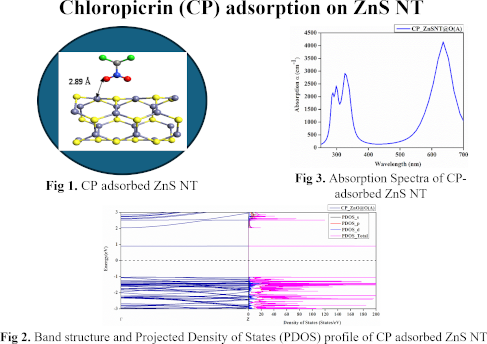
- hours of exposure, with studies reporting that 99% of individuals exposed to CP experience ocular symptoms, including inflammation, corneal edema, tissue damage, and potential visual impairment [6][7][8]. Developing portable, sensitive, rapid-response, and reliable sensors for detecting chemical warfare


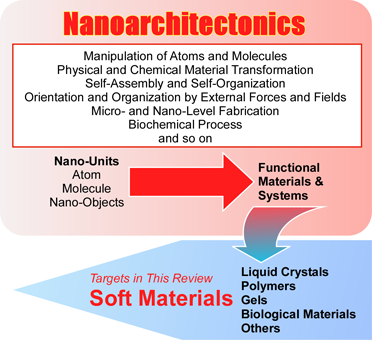
Soft materials nanoarchitectonics: liquid crystals, polymers, gels, biomaterials, and others
Beilstein J. Nanotechnol. 2025, 16, 1025–1067, doi:10.3762/bjnano.16.77






A formulation containing Cymbopogon flexuosus essential oil: improvement of biochemical parameters and oxidative stress in diabetic rats
Beilstein J. Nanotechnol. 2025, 16, 617–636, doi:10.3762/bjnano.16.48
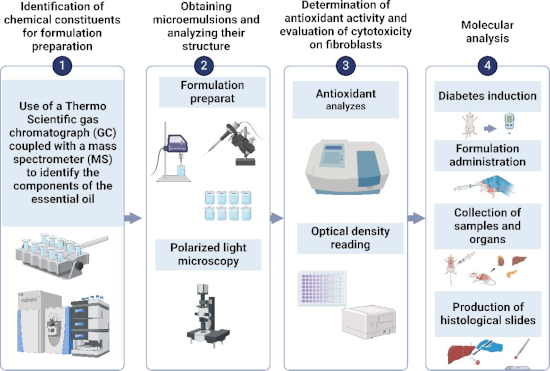
- . Additionally, the ME was able to provide additional benefits, such as reduced liver damage, improved renal function, reduced systemic inflammation, and increased high-density lipoprotein levels. Overall, the results show that EOCF was efficiently incorporated into the microemulsion, improving its antioxidant
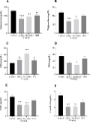
- reduce ALT and AST liver dysfunction and showed no significant difference when compared to the negative control. Considering the ALT/AST ratio in all groups, the values remained below 1.5 at the end of treatment, with no significant differences (Figure 6C). Considering the inflammation marker C-reactive
- suggest attenuation of hepatic injury and systemic inflammation, which are commonly exacerbated in diabetic states. These effects may be attributed to the modulation of oxidative stress pathways, particularly through the scavenging of free radicals and the upregulation of endogenous antioxidant enzymes




Polyurethane/silk fibroin-based electrospun membranes for wound healing and skin substitute applications
Beilstein J. Nanotechnol. 2025, 16, 591–612, doi:10.3762/bjnano.16.46
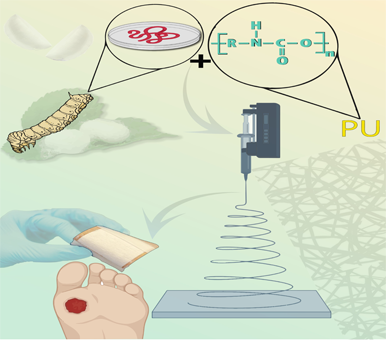
- skin tissue [31]. After skin injury, a series of processes known as the “wound healing process” occurs to regain the skin’s structural and functional properties. As shown in Figure 1, the wound healing process consists of four stages, namely, hemostasis, inflammation, new tissue generation, and
- resident skin cells [36]. Inflammation At this stage of wound healing, skin regeneration begins and continues till the end. Skin regeneration is essential for maintaining homeostasis, avoiding infection, and repairing the skin’s barrier function [37]. The inflammation process kills pathogens, prevents the
- , and cytokines regulate the leucocytes at the injury site. Neutrophils (leucocytes) remove pathogens and necrotic tissues by phagocytosis, antimicrobial peptides, and the release of active oxygen species, proteolytic enzymes, as well as eicosanoids [39]. Excessive and uncontrolled inflammation causes



Nanomaterials in targeting amyloid-β oligomers: current advances and future directions for Alzheimer's disease diagnosis and therapy
Beilstein J. Nanotechnol. 2025, 16, 561–580, doi:10.3762/bjnano.16.44
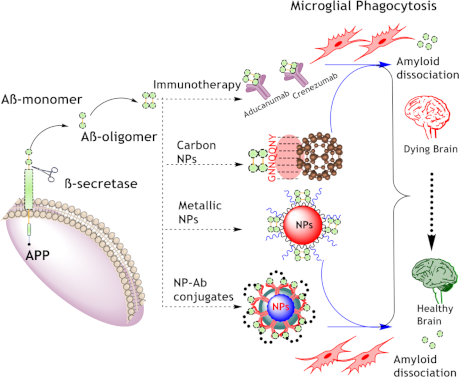
- local inflammation, and impair autophagy processes, which collectively contribute to neuronal loss. As such, targeting AβOs specifically, rather than solely focusing on amyloid-β fibrils (AβFs), may offer a more effective therapeutic approach for AD. Recent advances in detection and diagnosis have
- amyloid oligomers have led to side effects such as hydrocephalus, inflammation, and amyloid-related imaging abnormalities [90]. These side effects can be attributed to the activation of the complement system by the interaction of amyloid oligomers and antibodies, leading to the release of proinflammatory
- result in extended exposure, leading to their accumulation in various tissues and organs, such as liver, kidneys, brain, and lungs. This accumulation can cause both local and systemic toxicity. Additionally, NPs have the potential to trigger immune responses, including inflammation and allergic reactions


Synthetic-polymer-assisted antisense oligonucleotide delivery: targeted approaches for precision disease treatment
Beilstein J. Nanotechnol. 2025, 16, 435–463, doi:10.3762/bjnano.16.34


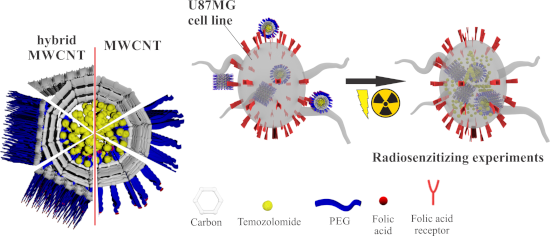
Radiosensitizing properties of dual-functionalized carbon nanostructures loaded with temozolomide
Beilstein J. Nanotechnol. 2025, 16, 229–251, doi:10.3762/bjnano.16.18
- nm were more toxic than smaller ones for RAW264.7 macrophage cells [83]. It was also shown that long MWCNTs (20 µm) were cytotoxic to macrophages unlike short ones (0.6 µm) [84], that longer ones (825 nm) induced more intensive inflammation than shorter ones (220 nm) [85], and that longer CNTs had