Search results
Search for "iron oxide nanoparticles" in Full Text gives 100 result(s) in Beilstein Journal of Nanotechnology.
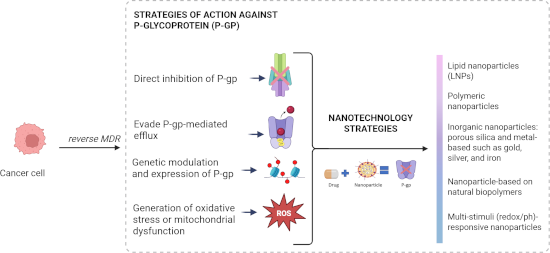
Nanocarrier strategies to overcome P-glycoprotein-mediated drug resistance in cancer therapy
Beilstein J. Nanotechnol. 2026, 17, 882–921, doi:10.3762/bjnano.17.64


Environmental applications of silver nanoparticles: state-of-the-art review and emerging trends
Beilstein J. Nanotechnol. 2026, 17, 697–736, doi:10.3762/bjnano.17.49
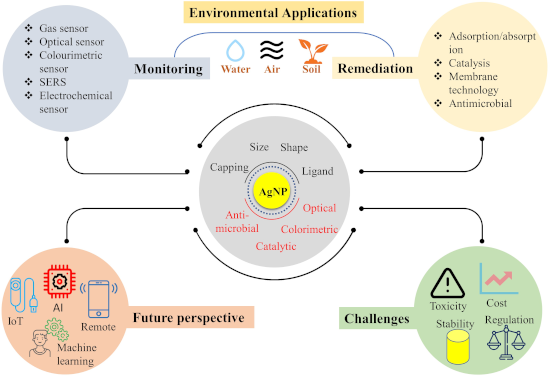
- , respectively [114]. The dye-degradation mechanisms are primarily governed by the generation of ROS, which further degrade dyes, with the synergistic effect of both AgNPs and iron oxide nanoparticles [114]. AgNPs stabilized with Terminalia arjuna showed degradation of dyes as well as nitrophenols. High


From shield to spear: Charge-reversible nanocarriers in overcoming cancer therapy barriers
Beilstein J. Nanotechnol. 2026, 17, 159–175, doi:10.3762/bjnano.17.10
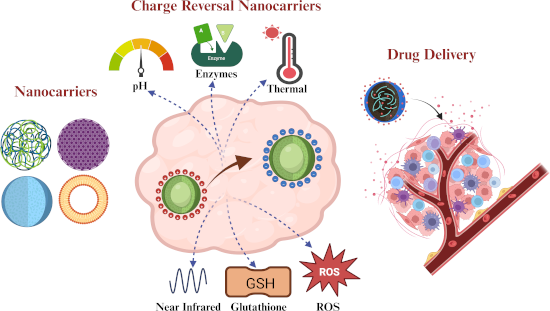
- efficiency [63]. Superparamagnetic iron-oxide nanoparticles (SPIONs), which react to external magnetic fields and enable selective accumulation in tumour areas, are commonly used to create these nanocarriers [64]. These systems follow thermo-sensitive binding strategies that permit targeted drug release (e.g


Improving magnetic properties of Mn- and Zn-doped core–shell iron oxide nanoparticles by tuning their size
Beilstein J. Nanotechnol. 2025, 16, 2285–2295, doi:10.3762/bjnano.16.157
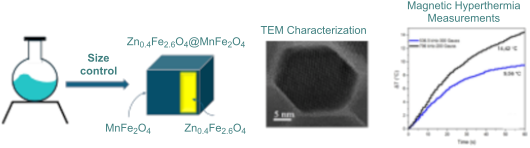
- /bjnano.16.157 Abstract Superparamagnetic iron oxide nanoparticles (SPIONs) offer promising applications in nanomedicine due to their appealing properties. Their magnetic and magnetic hyperthermia properties are considered as relevant tools for low invasive cancer therapeutic applications. In this work
- development of magnetic nanoparticles with enhanced SAR and improved biocompatibility has been a major objective in the field of nanomedicine. Among the various materials used for magnetic hyperthermia, superparamagnetic iron oxide nanoparticles (SPIONs), such as magnetite (Fe3−δO4) and maghemite (γ-Fe2O3



Microplastic pollution in Himalayan lakes: assessment, risks, and sustainable remediation strategies
Beilstein J. Nanotechnol. 2025, 16, 2144–2167, doi:10.3762/bjnano.16.148
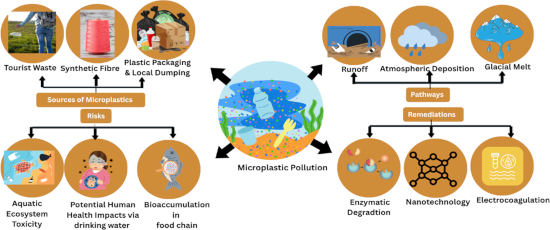
- systems that combine nanotechnology with biological components (e.g., enzymes), are emerging as environmentally benign solutions in addition to independent nanoparticles. Enzyme–nanoparticle conjugates can target certain plastic polymers, enabling more rapid and targeted breakdown. Iron oxide
- nanoparticles have been shown to break down PS in both UV and natural light, which suggests they could be used in a range of environmental conditions [44]. Another prospective application is the integration of nanomaterials into filtration membranes, which results in the development of hybrid systems that are


On the road to sustainability – application of metallic nanoparticles obtained by green synthesis in dentistry: a scoping review
Beilstein J. Nanotechnol. 2025, 16, 1851–1862, doi:10.3762/bjnano.16.128
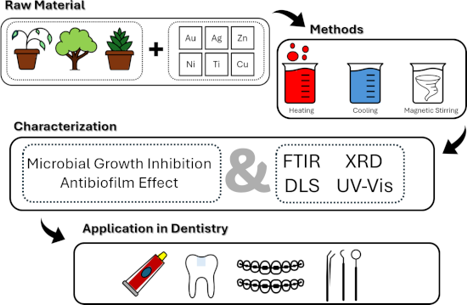
- iron oxide nanoparticles doped with silver (Ag-Fe2O3) exhibited dual properties, that is, antimicrobial protection and stimulation of osteoblastic activity. In prosthodontics, biogenic nanoparticles have been incorporated into denture base resins and soft liners, demonstrating significant antifungal


Cross-reactivities in conjugation reactions involving iron oxide nanoparticles
Beilstein J. Nanotechnol. 2025, 16, 1504–1521, doi:10.3762/bjnano.16.106
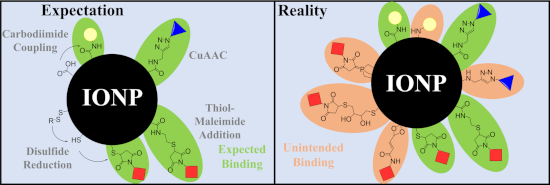
- Shoronia N. Cross Katalin V. Korpany Hanine Zakaria Amy Szuchmacher Blum Department of Chemistry, McGill University, 801 Sherbrooke Street West, Montreal, QC H3A 0B8, Canada 10.3762/bjnano.16.106 Abstract The preparation of multimodal nanoparticles by capping magnetic iron oxide nanoparticles
- erroneous conclusions about the efficacy of conjugation reactions, which can have detrimental impacts on the functionality and safety of IONPs in biomedical applications. Keywords: click chemistry; copper-catalyzed azide–alkyne cycloaddition; disulfide reduction; iron oxide nanoparticles; thiol–maleimide
- Michael addition; Introduction Iron oxide nanoparticles (IONPs) have been the subject of an immense body of research in the field of biomedicine, where their magnetic properties are appealing for such applications as MRI contrast agents [1], tumor hyperthermia [2], and magnetic drug delivery [3





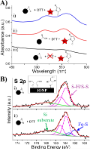


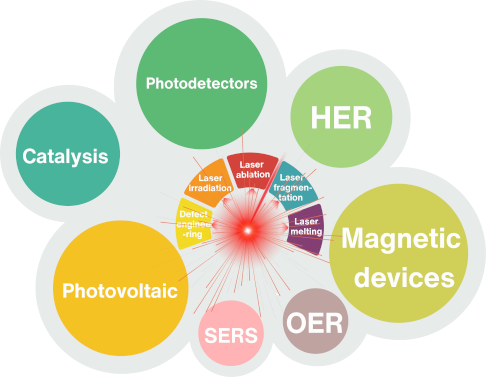
Laser processing in liquids: insights into nanocolloid generation and thin film integration for energy, photonic, and sensing applications
Beilstein J. Nanotechnol. 2025, 16, 1428–1498, doi:10.3762/bjnano.16.104






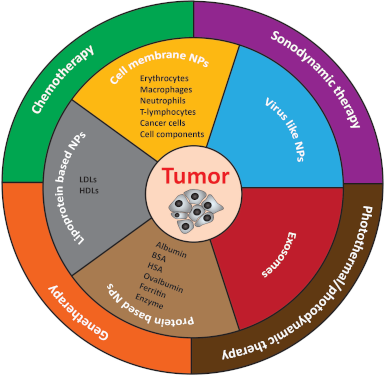
Better together: biomimetic nanomedicines for high performance tumor therapy
Beilstein J. Nanotechnol. 2025, 16, 1246–1276, doi:10.3762/bjnano.16.92
- phage for targeted drug delivery. In a recent study, the DNA of the M13 phage was modified to encode for SPARC binding peptide and cathepsin B cleavage peptide. Then, superparamagnetic iron oxide nanoparticles were covalently bonded to cathepsin B expressed on M13 phages to track their intracellular







Structural and magnetic properties of microwave-synthesized reduced graphene oxide/VO2/Fe2O3 nanocomposite
Beilstein J. Nanotechnol. 2025, 16, 921–932, doi:10.3762/bjnano.16.70
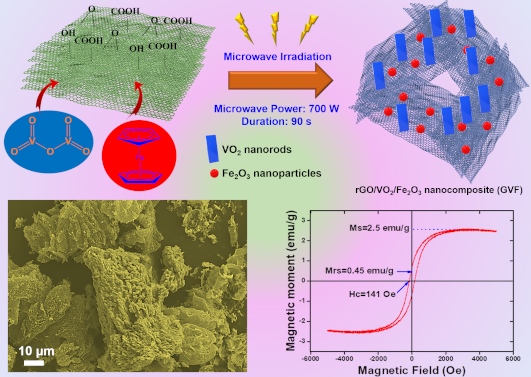
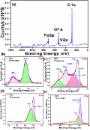
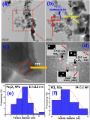
- ]. The presence of magnetic behavior in GVF further promotes the occurrence of iron oxide nanoparticles. Moreover, the low magnetic moment of GVF compared to that of native α-Fe2O3 nanoparticles (mostly synthesized through the Fe-based aqueous salt) could account for the low levels of α-Fe2O3 formed



Nanomaterials in targeting amyloid-β oligomers: current advances and future directions for Alzheimer's disease diagnosis and therapy
Beilstein J. Nanotechnol. 2025, 16, 561–580, doi:10.3762/bjnano.16.44
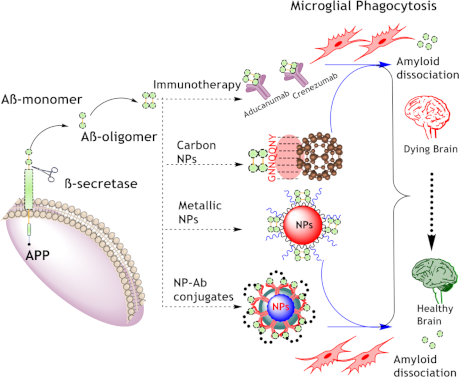
- , these technologies also pave the way for developing therapeutic strategies aimed at inhibiting the formation of toxic AβOs. Liu et al. synthesized multifunctional superparamagnetic iron oxide nanoparticles (SPIONs) conjugated with a specific scFv antibody (W20) targeting AβOs and a class-A scavenger


Nanocarriers and macrophage interaction: from a potential hurdle to an alternative therapeutic strategy
Beilstein J. Nanotechnol. 2025, 16, 97–118, doi:10.3762/bjnano.16.10
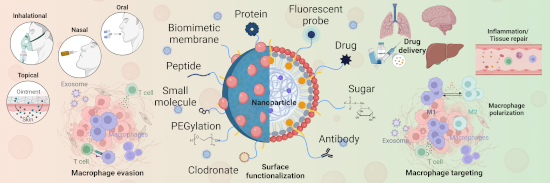
- production, effectively reducing collagen type I deposition and mitigating fibrosis. Additional nanomaterials such as superparamagnetic iron oxide nanoparticles (SPIONs) and chitosan-based NPs are engineered with liver-cell-specific ligands like lactose or galactose, enhancing their specificity for treating


Liver-targeting iron oxide nanoparticles and their complexes with plant extracts for biocompatibility
Beilstein J. Nanotechnol. 2024, 15, 1593–1602, doi:10.3762/bjnano.15.125
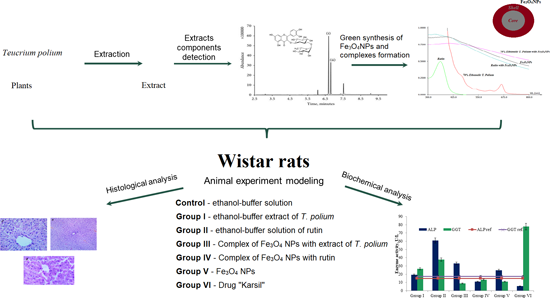
- Biochemistry, Koryun St 2, Yerevan, Armenia Ghitu Institute of Electronic Engineering and Nanotechnologies of Technical University of Moldova, Chisinau, Moldova 10.3762/bjnano.15.125 Abstract Thanks to their simple synthesis, controlled physical properties, and minimal toxicity, iron oxide nanoparticles
- . Experimental Synthesis and characterization of iron oxide nanoparticles The synthesis of iron oxide (Fe3O4) nanoparticles was carried out using a modified coprecipitation method with oleic acid as a stabilizer. 10 mL of 1 M FeSO4·7H2O and 10 mL of 2 M FeCl3·6H2O were added to 10 mL 4 M NaOH and 1 mL oleic acid


A review on the structural characterization of nanomaterials for nano-QSAR models
Beilstein J. Nanotechnol. 2024, 15, 854–866, doi:10.3762/bjnano.15.71
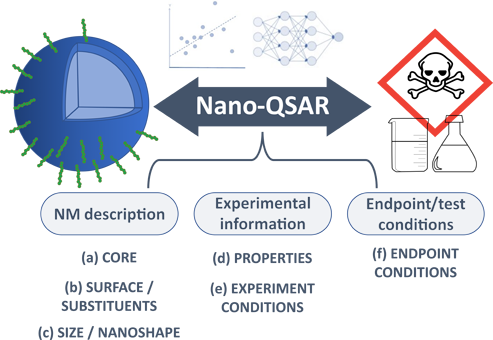
- coordination numbers [24]. Alternatively, Kotzabasaki et al. also codified the composition of iron oxide nanoparticles with a single categorical descriptor that encodes the crystal structure of the main component (in this case as maghemite or magnetite) [25]. Alternatively, some descriptors are focused on the


When nanomedicines meet tropical diseases
Beilstein J. Nanotechnol. 2024, 15, 830–832, doi:10.3762/bjnano.15.69

- oxide nanoparticles (SPIONs) for treating cutaneous lesions caused by Leishmania amazonensis. The selectivity index for intracellular amastigotes was more than 240 times higher compared to that of current prescribed drugs to treat the disease, making SPIONs strong candidates for a new therapeutic
- , Morilla and collaborators presented a critical review on nanomedicines and Chagas disease, highlighting the potential of oral nanocrystals and parenteral nano-immunostimulants to treat this NTD [3]. Moving to leishmaniases, Verçoza et al. evaluated the therapeutic potential of green superparamagnetic iron
Nanomedicines against Chagas disease: a critical review
Beilstein J. Nanotechnol. 2024, 15, 333–349, doi:10.3762/bjnano.15.30
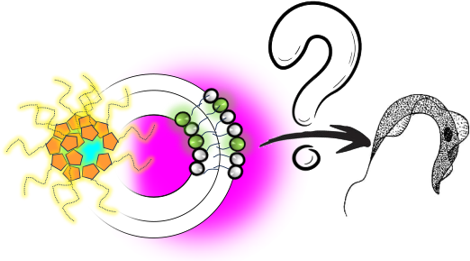
- also includes cancer imaging and diagnosis such as the MRI imaging agent Resovist, carboxydextran-coated superparamagnetic iron oxide nanoparticles approved for liver contrast-enhanced MRI102 [87]. Another 10% are nanocrystals, such as Tricor (approved in 2004) or Triglide (approved in 2005), used to

Vinorelbine-loaded multifunctional magnetic nanoparticles as anticancer drug delivery systems: synthesis, characterization, and in vitro release study
Beilstein J. Nanotechnol. 2024, 15, 256–269, doi:10.3762/bjnano.15.24
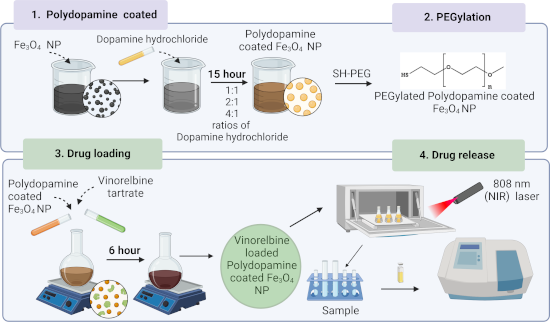
- photothermal therapy on a single platform has been developed in the form of vinorelbine-loaded polydopamine-coated iron oxide nanoparticles. Vinorelbine (VNB) is loaded on the surface of iron oxide nanoparticles produced by a solvothermal technique after coating with polydopamine (PDA) with varying weight
- , magnetic response, and controlled drug release with photothermal effect brings a different perspective to advanced cancer treatment research. Keywords: drug efficacy; iron oxide nanoparticles; photothermal; solvothermal method; Introduction Cancer is a widespread condition characterized by the
- ’ magnetization cycle, as Bloch and Neel theorized [11][13]. Superparamagnetic iron oxide nanoparticles for drug delivery, diagnosis, and cancer therapy have gained wider acceptance in biomedical applications [14]. They have received notable attention in clinical applications such as early disease diagnosis (e.g


Nanocarrier systems loaded with IR780, iron oxide nanoparticles and chlorambucil for cancer theragnostics
Beilstein J. Nanotechnol. 2024, 15, 180–189, doi:10.3762/bjnano.15.17
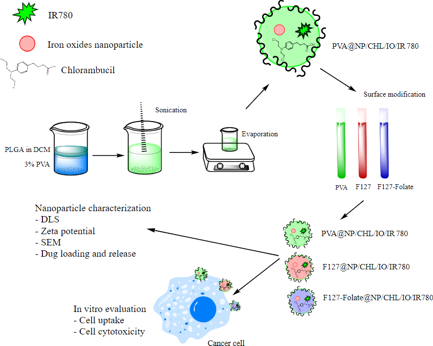
- nanocarrier that can be loaded with the chemotherapeutic medication chlorambucil and magnetic resonance imaging agents (e.g., iron oxide nanoparticles and near-infrared fluorophore IR780) for theragnostics. Poly(lactic-co-glycolic acid) was combined with the aforementioned ingredients to generate poly(vinyl
- of these systems to serve as medication and imaging agent carriers for cancer treatment and diagnostics, respectively. Keywords: cancer; chlorambucil; F127-folate; IR780; iron oxide nanoparticles; PLGA; theragnostics; Introduction Theragnostic nanoparticles (NPs) are a diagnostic and therapeutic
- Sigma-Aldrich. Dulbecco's Modified Eagle Medium (DMEM) (11965092), fetal bovine serum (FBS) (MT35010CV), antibiotic (15-240-062), and trypsin (25-200-056) were purchased from Gibco, Fisher Scientific. All other solvents and reagents were of chemical grade. Synthesis of iron oxide nanoparticles Iron


Nanoarchitectonics of photothermal materials to enhance the sensitivity of lateral flow assays
Beilstein J. Nanotechnol. 2023, 14, 988–1003, doi:10.3762/bjnano.14.82
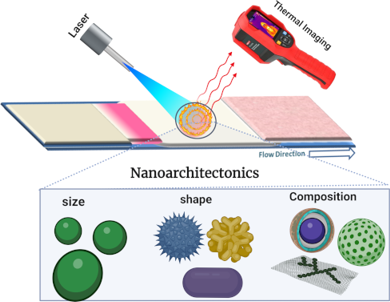
- , iron oxide nanoparticles are the most prominent ones because of their biocompatibility, low toxicity, ease of synthesis, and high photothermal conversion efficiency. The influence of a magnetic field can also increase temperature generation by such nanoparticles, which is called magnetic hyperthermia
- . Since iron oxide nanoparticles absorb in the NIR region, irradiating them with a proper source will produce heat, which makes them suitable for theranostic purposes [32][42][43]. Carbon nanomaterials: Carbon-based materials have been identified as promising candidates for photothermal applications
- photothermal properties are superparamagnetic iron oxide nanoparticles (SPIONs), which are commonly used as a magnetic hyperthermia agent. Because of the excellent absorption in the NIR region, they have been investigated also as photothermal agents [68]. Iron oxide nanoparticles have better stability and


Green SPIONs as a novel highly selective treatment for leishmaniasis: an in vitro study against Leishmania amazonensis intracellular amastigotes
Beilstein J. Nanotechnol. 2023, 14, 893–903, doi:10.3762/bjnano.14.73
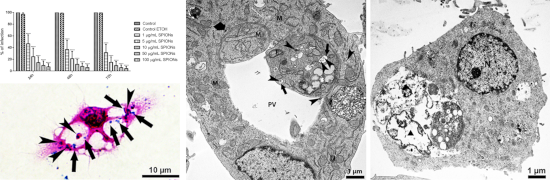
- The main goal of this work was to evaluate the therapeutic potential of green superparamagnetic iron oxide nanoparticles (SPIONs) produced with coconut water for treating cutaneous leishmaniasis caused by Leishmania amazonensis. Optical and electron microscopy techniques were used to evaluate the
- effort on the search for new treatments for different diseases. Its main objective is to develop therapies with higher specificity, effectiveness, and safety, as well as less toxicity [6]. One interesting class of nanomaterials in medicine are superparamagnetic iron oxide nanoparticles (SPIONs). SPIONs
- . It is the first time that superparamagnetic iron oxide nanoparticles SPIONs are observed inside the Leishmania spp and the parasitophorous vacuole. Chemical element mapping analysis by scanning electron microscopy confirmed the ferrous nature of the nanoparticle aggregates. These results prove the


Specific absorption rate of randomly oriented magnetic nanoparticles in a static magnetic field
Beilstein J. Nanotechnol. 2023, 14, 485–493, doi:10.3762/bjnano.14.39
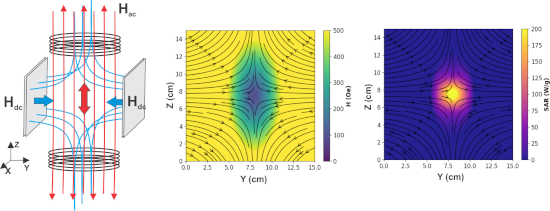
- simulations using the stochastic Landau–Lifshitz equation are performed to study magnetization dynamics of dilute assemblies of iron oxide nanoparticles exposed to an alternating (ac) magnetic field with an amplitude Hac = 200 Oe and a frequency f = 300 kHz and a static (dc) magnetic field in the range Hdc
- paper, numerical simulations of the stochastic Landau–Lifshitz equation are used to study the dynamics of magnetization in dilute, randomly oriented assemblies of iron oxide nanoparticles under the combined action of ac and dc magnetic fields. It is shown that for nanoparticles with a diameter D < 25 nm
- , the SAR of the assembly monotonically decreases with increasing Hdc, regardless of the angle between the ac and dc fields. Complete suppression of the SAR in this case occurs at Hdc ≥ Hac. Therefore, iron oxide nanoparticles with diameters D = 20–25 nm seem preferable for use in combined MPI-MH


Recent progress in cancer cell membrane-based nanoparticles for biomedical applications
Beilstein J. Nanotechnol. 2023, 14, 262–279, doi:10.3762/bjnano.14.24
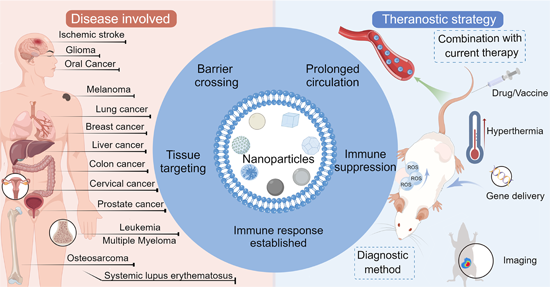
- oxidation, improve biocompatibility, enhance colloidal stability, and enhance targeting), enabling the ablation of tumor tissues by thermal energy [79]. MDA-MB-231 cell membrane-coated NPs loaded with superparamagnetic iron oxide nanoparticles (SPIONs) and PTX were designed for the combination treatment of


Two-step single-reactor synthesis of oleic acid- or undecylenic acid-stabilized magnetic nanoparticles by thermal decomposition
Beilstein J. Nanotechnol. 2023, 14, 11–22, doi:10.3762/bjnano.14.2
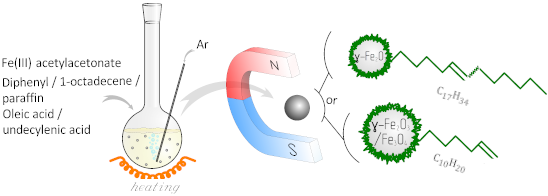
- . Keywords: Fe(III) acetylacetonate; iron oxide nanoparticles; maghemite; magnetic nanoparticles; magnetite; thermal decomposition synthesis; Introduction Magnetic nanoparticles are increasingly being used in various fields thanks to the recent progress in their controlled synthesis and knowledge of their
- particles from oxidation. Moreover, the magnetic properties of magnetic nanoparticles (NPM) significantly depend on their size [8]. Iron oxide nanoparticles (>100 nm in size) are typically multidomain and ferromagnetic, whereas nanoparticles (<100 nm in size) are usually single domain [9]. The further
- mono- and dioxide, hydrogen, higher ketones, and hydrocarbons, as well as partial reduction of Fe(III) to Fe(II), results in the formation of magnetic iron oxide nanoparticles [35]. Excess of higher carboxylic acid that has not been bound to the iron salt, did not undergo thermolysis, and is likely to


A new method for obtaining the magnetic shape anisotropy directly from electron tomography images
Beilstein J. Nanotechnol. 2022, 13, 590–598, doi:10.3762/bjnano.13.51
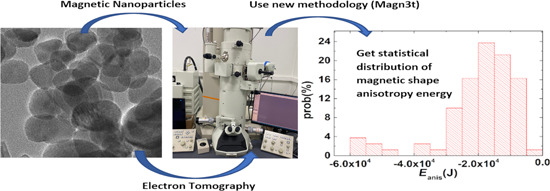
- software. Regarding this, a test data volume filled with ellipsoids has been generated (Figure 3). Again, size, shape, position, and orientation of the ellipsoids have a Gaussian distribution in space, this time without the constraint of no overlap. Experimentally obtained system A system of iron oxide
- nanoparticles has been used for further tests. A −67 to +67 tomographic tilt series has been obtained with 1° steps. The series has been aligned using Tomviz [31] and ImageJ [32] software. The aligned series has been reconstructed using Genfire. The Rietveld refinement of the XRD spectra (Figure 4a) revealed


Photothermal ablation of murine melanomas by Fe3O4 nanoparticle clusters
Beilstein J. Nanotechnol. 2022, 13, 255–264, doi:10.3762/bjnano.13.20
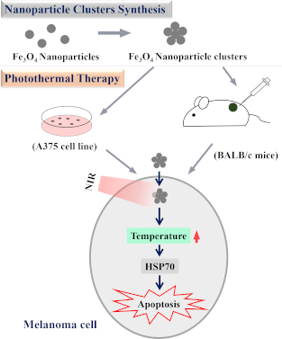
- , whereas exposure to and subsequent absorption of NIR light by iron oxide nanoparticles promotes NIR-induced hyperthermia [10]. Although magnetic hyperthermia has been widely used in biomedical research, it is subject to several limitations such as the need for sophisticated equipment, cellular confinement