


Search results
Search for "irradiation" in Full Text gives 590 result(s) in Beilstein Journal of Nanotechnology. Showing first 200.
Nanoglasses: a trail towards uncharted regions of vitreous materials and their properties?
Beilstein J. Nanotechnol. 2026, 17, 1047–1062, doi:10.3762/bjnano.17.72

- by altering the specific volume and/or the local atomic structure via various processes, including deformation, irradiation, or heat treatment. The magnitude of the changes that can be permanently induced in glasses far exceeds the corresponding modifications achievable in crystalline material of
- structural heterogeneities in metallic glasses that have been processed by plastic (shear) deformation or, alternatively, that have been irradiated by ions with a high kinetic energy. Plastic shear deformation leads to extended plate-like shear bands [57], and ion irradiation causes rod-like ion tracks [33


Ultrasonic irradiation in the synthesis of nanohydroxyapatite: a chemically friendly technique for improving hemocompatibility and antibiofilm applications
Beilstein J. Nanotechnol. 2026, 17, 991–1015, doi:10.3762/bjnano.17.68
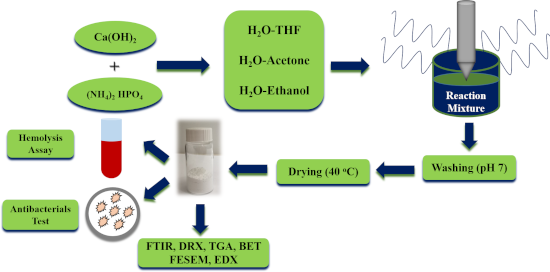
- 10.3762/bjnano.17.68 Abstract This study explores the synthesis of nanohydroxyapatite (nHA) using high-frequency ultrasonic irradiation (UI), a chemically friendly technique aligned with green chemistry principles. Synthesis was achieved by varying the UI time (15, 30, 45, and 60 min) and the reaction
- engineering. Keywords: antibiofilm properties; hemocompatibility; nanohydroxyapatite; ultrasonic irradiation; Introduction Nowadays, there is a high demand for the development of bone substitutes that are biocompatible, bioactive, mechanically strong, and well tolerated by the immune system [1], which
- chemical species are easily generated without the need for reaction initiators. For this reason, ultrasonic irradiation is widely used in the formation, grinding, dispersion, and activation of many inorganic compounds at the micro- and the nanoscale [17][18]. Previous research has reported the production




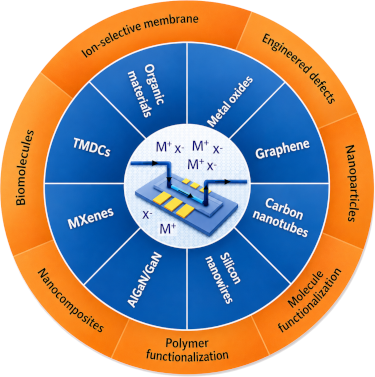
Materials challenges in solid-state sensors for continuous monitoring of ions in water
Beilstein J. Nanotechnol. 2026, 17, 935–973, doi:10.3762/bjnano.17.66



Enhanced erosion resistance and radiation stability of WC–WO3 nanocomposite films under 100 keV Kr+ ion irradiation
Beilstein J. Nanotechnol. 2026, 17, 922–934, doi:10.3762/bjnano.17.65
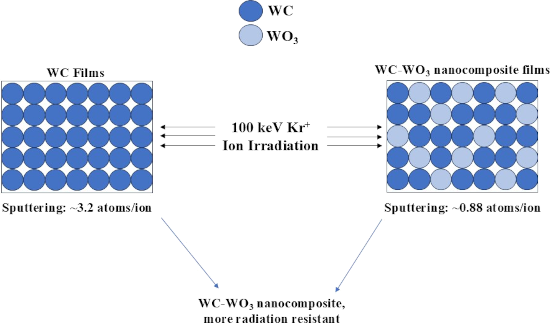
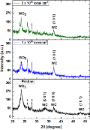
- potential ceramic-based PFC materials, specifically tungsten carbide (WC) thin films and their nanocomposite counterpart, WC–WO3, under 100 keV Kr+ ion irradiation. The films were irradiated at fluences of 1 × 10¹⁶, 3 × 10¹⁶, and 1 × 10¹⁷ ions/cm2. Rutherford backscattering spectrometry was employed to
- experimental sputtering trends. Furthermore, preferential sputtering of lower-Z elements (C and O) was observed in both material systems. Glancing incidence X-ray diffraction analysis revealed post-irradiation grain growth in WC–WO3 films, while scanning electron microscopy results show morphological changes
- , indicating dynamic microstructural evolution rather than amorphization under irradiation. These results highlight the potential of WC–WO3 nanocomposites as erosion-resistant and structurally resilient candidates for future plasma-facing applications in fusion reactors. Keywords: low energy ions; plasma



Nanocarrier strategies to overcome P-glycoprotein-mediated drug resistance in cancer therapy
Beilstein J. Nanotechnol. 2026, 17, 882–921, doi:10.3762/bjnano.17.64


He+ FIBID-fabricated 3D AFM tip architectures: an exploratory study of hollow pillars, helices, and spirals
Beilstein J. Nanotechnol. 2026, 17, 863–871, doi:10.3762/bjnano.17.62
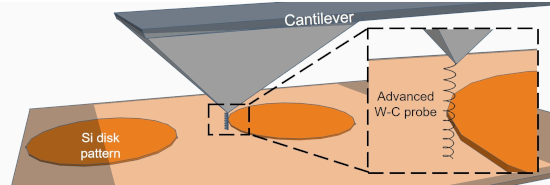
- ) nanoarchitectures with high spatial control. In these approaches, precursor molecules are adsorbed to the substrate surface, where local beam irradiation induces their dissociation. The nonvolatile products remain at the irradiated region and accumulate to form the deposit, while volatile fragments are removed by


Light-driven ammonia electrooxidation via carbon nitride–ruthenium molecular interfaces
Beilstein J. Nanotechnol. 2026, 17, 854–862, doi:10.3762/bjnano.17.61
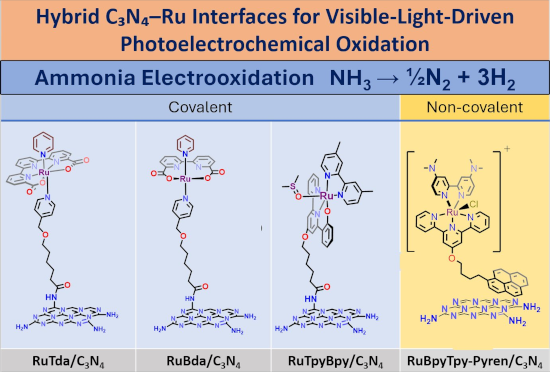
- electronic coupling between antenna and catalytic centre while eliminating the need for a discrete linker or pyrene-functionalized ligand. Open challenges include metal atom migration and agglomeration under prolonged irradiation, and the difficulty of distinguishing genuine single-atom activity from sub
- not expected to degrade under visible-light irradiation [15][16][33] The more likely degradation pathways are oxidative cleavage of the amide linker in covalently anchored systems, or displacement of the pyrene anchor by photogenerated reactive oxygen species in non-covalently adsorbed ones, both of


Restorative potential of laser-synthesized silver nanoparticles with Salvia officinalis for periodontal disease treatment: an in vitro study
Beilstein J. Nanotechnol. 2026, 17, 781–795, doi:10.3762/bjnano.17.55
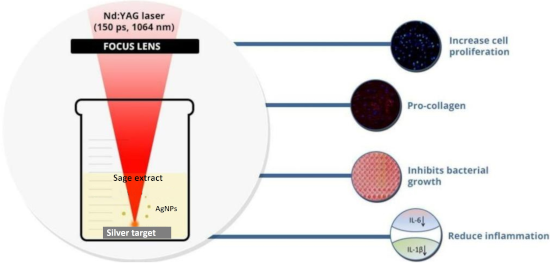
- fresh surface irradiation could be achieved. Four AgNPs samples were obtained, namely, SageAgNPs2mJ and SageAgNPs6mJ, which were synthesized in the presence of sage extract (100 µL), as well as dwAgNPs2mJ and dwAgNPs6mJ, which were prepared in 8 mL of deionized water (18 MΩ·cm) under the same laser



Substrate-dependent pore formation in molybdenum disulfide monolayers under ion irradiation
Beilstein J. Nanotechnol. 2026, 17, 769–780, doi:10.3762/bjnano.17.54
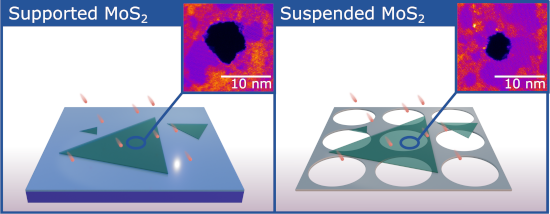
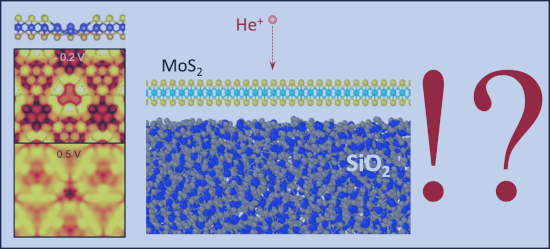
- Abstract Ion irradiation is a versatile tool for nanostructuring surfaces, yet the roles of energy deposition and dissipation at the surface and in ultrathin materials remain poorly understood. In this study, we investigate nanopore formation in monolayer MoS2 on different substrates under irradiation of
- under both HCI and SHI irradiation conclusively demonstrate the central role of substrate and interface-dependent electronic dissipation pathways regarding damage under these types of ion irradiation. Keywords: defects; MoS2; nanopores; SiO2; scanning transmission electron microscopy (STEM
- ); Introduction Ion beams provide a controllable route to engineer defects in two-dimensional (2D) materials, enabling property tuning from doping to nanopore formation [1][2][3][4]. Because kinetic energy, charge state, and mass can be varied over wide ranges, ion irradiation offers a large parameter space for


Environmental applications of silver nanoparticles: state-of-the-art review and emerging trends
Beilstein J. Nanotechnol. 2026, 17, 697–736, doi:10.3762/bjnano.17.49
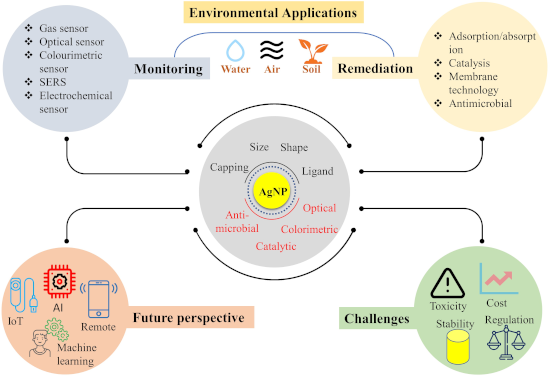
- recombination, enhancing photocatalytic efficiency. AgNPs-modified photocatalysts can effectively degrade various air pollutants under UV or visible light irradiation, including VOCs, nitrogen oxides, and PM [164]. AgNPs can be combined with semiconductor photocatalysts, such as titanium dioxide, caesium oxide


Decontamination from water pollutants and pathogens by electrospun nanofibers doped with heavy-atom-free borafluorene-BODIPY photosensitizers
Beilstein J. Nanotechnol. 2026, 17, 668–682, doi:10.3762/bjnano.17.46
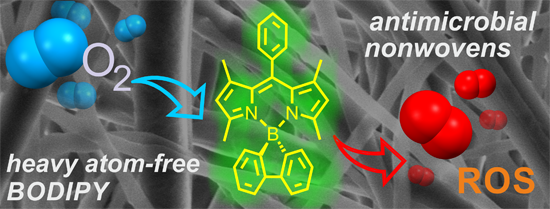
- . EDX, ToF-SIMS and XPS analyses confirmed the homogenous distribution of BODIPY within the polymeric matrix. Furthermore, the materials showed significant photoinactivation of Staphylococcus aureus under white light irradiation compared to the control experiment performed without irradiation. These
- each material were cut to fit the bottom of the well (ca. 1 cm). 200 μL aliquots of bacteria cell cultures in diluted saline solution (10000×) were transferred to the wells and incubated at 37 °C upon white light irradiation for 1 h. An analogous plate was placed for 1 h at 37 °C in an incubator
- shielded from light. Irradiation was performed with 26 W white-light LEDs glued to an aluminium plate (20 × 23 cm) mounted on threaded legs (Figure S6, Supporting Information File 1). In all experiments, the distance between the light source and the plate was fixed at 10 cm, ensuring homogeneous light

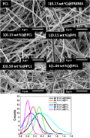


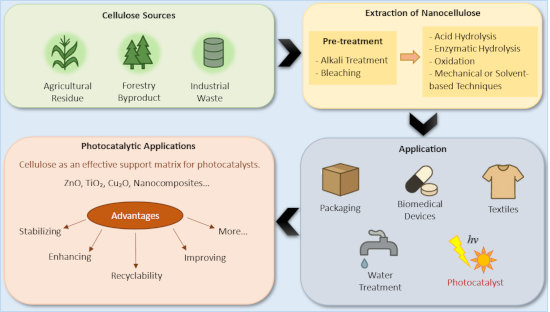
Cellulose as a photocatalyst support material: extraction, structural features, and environmental applications
Beilstein J. Nanotechnol. 2026, 17, 635–652, doi:10.3762/bjnano.17.44


Two-step laser synthesis of Ag@TiO2 nanomaterials for the photocatalytic degradation of rhodamine B
Beilstein J. Nanotechnol. 2026, 17, 622–634, doi:10.3762/bjnano.17.43
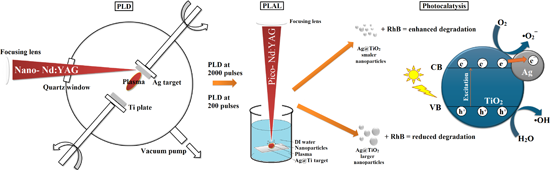
- evaluated using rhodamine B (RhB) under UV irradiation; while RhB showed minimal self-degradation, the Ag@TiO2 200p and 2000p NPs samples achieved degradation rates of 75.8% and 88.4%, respectively. The main novelty of this work is the combination of two laser techniques in a chemical-free process, which
- numerous modification strategies. Silver-modified titanium dioxide (Ag@TiO2) nanoparticles have gained significant attention as advanced photocatalysts for the degradation of organic pollutants, particularly under visible-light irradiation. The incorporation of silver introduces localized surface plasmon
- photocatalytic performance, nanomaterials were prepared using PLAL after submerging the obtained Ag-coated Ti targets in water. The efficiency of the synthesized materials was evaluated through the degradation of rhodamine B under UV–vis light irradiation. Comprehensive structural and compositional


Laser–material interactions in liquids for the synthesis of nanomaterials: current status and perspectives
Beilstein J. Nanotechnol. 2026, 17, 571–575, doi:10.3762/bjnano.17.38
- . The field of LSPC encompasses several techniques with distinct target configurations and laser irradiation regimes. Irradiation of a solid target submerged in a liquid with intense laser pulses is referred to as laser ablation in liquids (LAL) [16], an established technique for the efficient
- generation of surfactant-free, high-purity colloidal nanoparticles. Laser fragmentation in liquids (LFL), in turn, involves the irradiation of colloidal micro- or nanoparticle suspensions with high-intensity pulses above the fragmentation threshold, leading to size reduction through photomechanical or
- photothermal mechanisms [17]. Laser melting in liquids (LML) employs lower pulse intensities to increase particle size [18] and/or modify crystallinity and morphology through melting and resolidification [19]. At moderate laser fluences, close to or even below the melting threshold, irradiation can induce
Synthesis of Cu–Mo/TiO2 and Co–Mo/TiO2 photocatalysts for the efficient degradation of organic pollutants in water
Beilstein J. Nanotechnol. 2026, 17, 559–570, doi:10.3762/bjnano.17.37
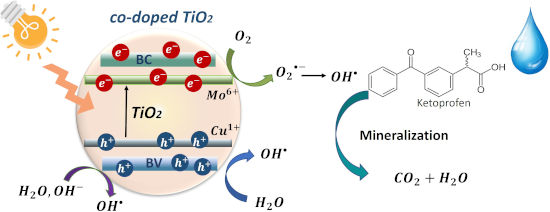
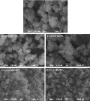
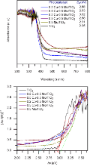
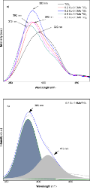
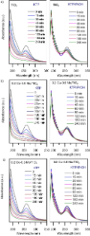
- properties were determined. Finally, the photocatalytic behavior of the materials was studied in the photocatalytic oxidation of ketoprofen (KTP) under UV irradiation, with the aim of studying the charge-transfer improvement. Ketoprofen degradation, adsorption, kinetics, and reaction pathways have been
- ]. The correlation between ln(C0/C) and irradiation time is shown in Figure 6, where the slope of the straight line for a pseudo-first-order process corresponds to k, the rate constant, which can be determined using the equation ln(C0/C) = kt. The apparent rate constants for each photocatalyst are



Defects and defect-mediated engineering of two-dimensional materials: challenges and open questions
Beilstein J. Nanotechnol. 2026, 17, 454–488, doi:10.3762/bjnano.17.31
- under impacts of energetic particles, such as ions and electrons. At the same time, many concepts of defect production under irradiation in bulk systems are not applicable for 2D materials or require substantial modifications. Various aspects of the physics and chemistry of defects in 2D materials have
- with low-dimensional targets, and defect-mediated engineering of the properties of 2D systems. We further discuss possible solutions to these problems or suggest “work-arounds”, which should accelerate the progress in the field. Keywords: 2D materials; defects; electron irradiation; ion bombardment
- the context of doping or single-photon quantum emitters [4][5]. Moreover, irradiation of 2D materials with energetic particles, that is, ions and electrons, has been demonstrated to be a suitable approach for tailoring their properties through the controllable creation of defects and the introduction





Nanocarrier-integrated multilayer films produced by 3D printing for improved skin adhesion and curcumin photostability
Beilstein J. Nanotechnol. 2026, 17, 440–453, doi:10.3762/bjnano.17.30
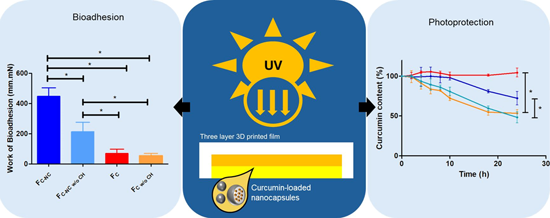
- using software (Exponent, Stable Micro Systems, Godalming, Waverley, UK) [28]. Photodegradation behaviour Photodegradation analyses were conducted in a mirrored chamber under an UVC lamp for 24 h, and all analyses were done in triplicate. UVC irradiation was selected as a stress condition to perform a
- degradation condition to validate the protective function of the TiO2 top layer. As curcumin undergoes extremely rapid photolysis, UVC irradiation allowed for the discrimination between protected and unprotected films within a feasible analytical timeframe. Nevertheless, we acknowledge that evaluation under
- measurably to the adhesive performance of the films, while photostability testing under UVC irradiation demonstrated that the TiO2 layer provided effective protection against curcumin degradation. Additionally, films containing nanoencapsulated curcumin showed increased bioadhesive performance relative to


Biomimetic nanoparticles in cancer photodynamic therapy: a review of targeted delivery systems and therapeutic outcomes
Beilstein J. Nanotechnol. 2026, 17, 396–422, doi:10.3762/bjnano.17.27
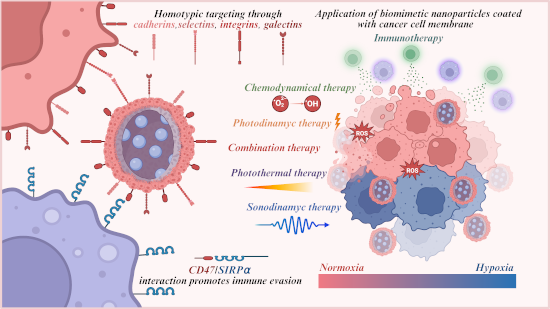
- mechanisms tailored to TME conditions, including light-triggered bursts (e.g., >70% PS liberation within 5 min via azobenzene linker cleavage under 660 nm irradiation [159]), enzyme-sensitive untethering (MMP-2 hydrolysis of peptide linkers overexpressed in tumor ECM [160]), and biomimetic pH gradients
- regions within the tumors. In 4T1 cells exposed to NIR laser irradiation, membrane-coated nanoparticles generated singlet oxygen with threefold greater efficiency compared to non-coated nanoparticles. In BALB/c mouse models bearing 4T1 tumors, the membrane-coated nanoparticles preferentially accumulated
- demonstrated that the biomimetic membrane coating reduced macrophage-mediated clearance of the nanoparticles to a half, while maintaining efficient uptake by HeLa cells and preserving phototoxicity upon NIR irradiation. In vivo experiments in a CT-26 tumor mouse model showed that membrane-coated nanoparticles


Beam shaping techniques for pulsed laser ablation in liquids: Unlocking tunable control of nanoparticle synthesis in liquids
Beilstein J. Nanotechnol. 2026, 17, 309–342, doi:10.3762/bjnano.17.22
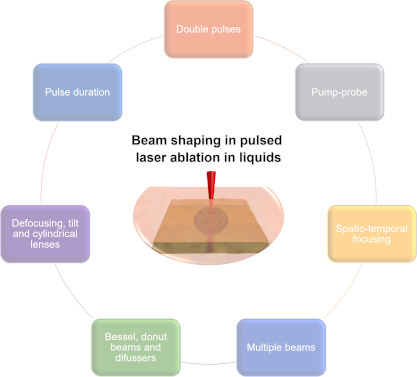
- by a local modification of the refractive index of a material due to the propagation of an intense laser beam due to the Kerr effect [59][112]. Self-focusing is a power-dependent effect and occurs in water at a threshold laser power of the order of 1 MW that corresponds, for a typical irradiation
- near-field amplification of up to four orders of magnitudes in the effective optical breakdown threshold under 3 ps irradiation, compared to the base liquid without NPs (8.5 × 10¹¹ W·cm−2) [116][117]. Several strategies, both statical [118] and dynamical [119], have been considered to modify the
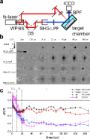
- , laser filamentation can occur. This is a complex process that results from the dynamic balance between self-focusing and plasma-defocusing. An example of filamentation produced in a PLAL setup can be observed in Figure 4 [110]. Initially, high-intensity laser irradiation inside the liquid medium







Structure-dependent thermochromism of PAZO thin films: theory and experiment
Beilstein J. Nanotechnol. 2026, 17, 186–199, doi:10.3762/bjnano.17.12
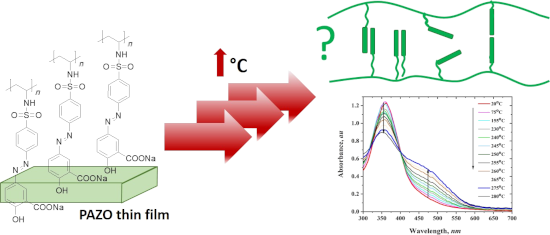
- extends the functionality of polymer thin films. A specific group of photoreactive polymers comprises polymers with azo chromophores embedded in their structure [5][6]. These polymers exhibit photoresponsivity due to the trans–cis (E–Z) isomerization of the azo chromophores upon light irradiation. The
- after irradiation with polarized light. Before inducing birefringence in the samples, Sorder = 0 because the values of A∥ and A⟂ are equal. The molecules are randomly oriented. After inducing birefringence, a higher value of the order parameter is an evidence of higher anisotropy. Table 1 presents the


From shield to spear: Charge-reversible nanocarriers in overcoming cancer therapy barriers
Beilstein J. Nanotechnol. 2026, 17, 159–175, doi:10.3762/bjnano.17.10
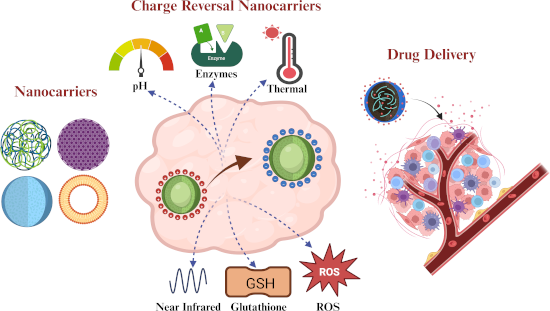
- exposure, azobenzene undergoes reversible trans–cis isomerisation, inducing structural changes that regulate cargo release [55]. Additionally, Choi et al. demonstrated that nanocarriers incorporating graphene oxide (GO) loaded with photosensitizers generate ROS upon NIR irradiation, enabling effective
- photothermal therapy and chemotherapy by encapsulating the HSP90 inhibitor 17-AAG within UCST-type polymer-modified gold nanorods. Upon 1064 nm irradiation, they exhibit 65.1% photothermal conversion efficiency and trigger heat-induced 17-AAG release, achieving 98.86% of tumour growth inhibition in mice [57
- -nitroimidazole and a PEG-modified lipid shell, enabling multifunctional X-ray-responsive therapy. Upon low-dose of X-ray irradiation, Hf4+ deposits radiation energy to induce DNA damage while 2-nitroimidazole releases NO to block DNA repair, relieve hypoxia, and produce reactive nitrogen species (RNS) that


Development and in vitro evaluation of liposomes and immunoliposomes containing 5-fluorouracil and R-phycoerythrin as a potential phototheranostic system for colorectal cancer
Beilstein J. Nanotechnol. 2026, 17, 97–121, doi:10.3762/bjnano.17.7
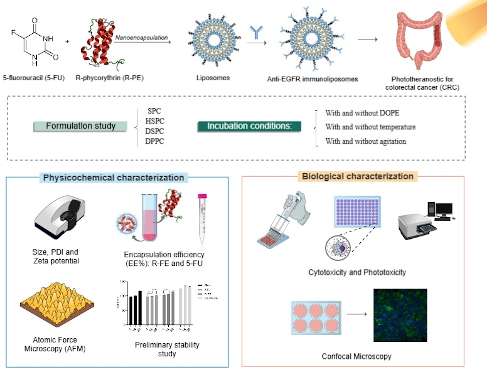
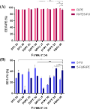
- presence of 5% CO2, for 69 h for cytotoxicity assays, while for phototoxicity assays they remained incubated for 48 h, followed by 2 h of green light irradiation, γ = 525 nm, dose of 14.4 J/cm2 and incubated again until completing the 69 h period. After incubation for 69 h, 20 µL of the MTT solution (0.5



Functional surface engineering for cultural heritage protection: the role of superhydrophobic and superoleophobic coatings – a comprehensive review
Beilstein J. Nanotechnol. 2026, 17, 63–96, doi:10.3762/bjnano.17.6





Terahertz-range on-chip local oscillator based on Josephson junction arrays for superconducting quantum-limited receivers
Beilstein J. Nanotechnol. 2025, 16, 2296–2305, doi:10.3762/bjnano.16.158
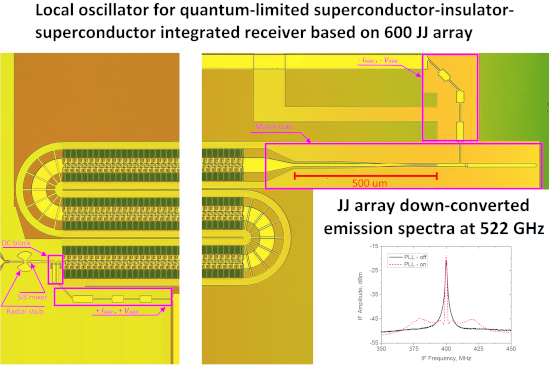
- proven itself for many times both in laboratory and in real-life conditions. The terahertz SIS-mixer integrated on the same chip with the LO based on a flux-flow oscillator (FFO) and a receiving antenna [13] was used to study the irradiation of the human body [15], gas spectroscopy [16], and the


Optical bio/chemical sensors for vitamin B12 analysis in food and pharmaceuticals: state of the art, challenges, and future outlooks
Beilstein J. Nanotechnol. 2025, 16, 2207–2244, doi:10.3762/bjnano.16.153
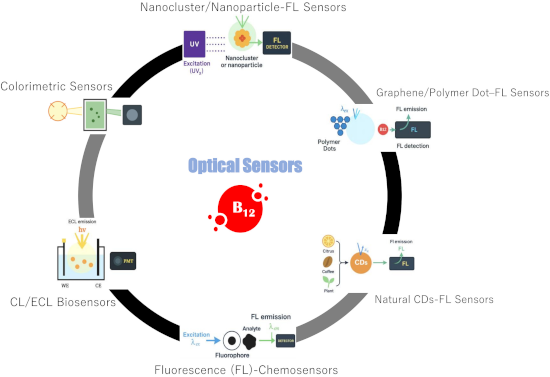
- luminol and percarbonate (H2O2 source) in an alkaline setting, where Co2+ released from VB12 acted as the recognition element, luminol served as the indicator, and the CL emission intensity represented the sensing signal. UV irradiation in the persulfate environment led to the liberation of Co2+ from the





