


Search results
Search for "mechanical properties" in Full Text gives 374 result(s) in Beilstein Journal of Nanotechnology. Showing first 200.
Materials challenges in solid-state sensors for continuous monitoring of ions in water
Beilstein J. Nanotechnol. 2026, 17, 935–973, doi:10.3762/bjnano.17.66
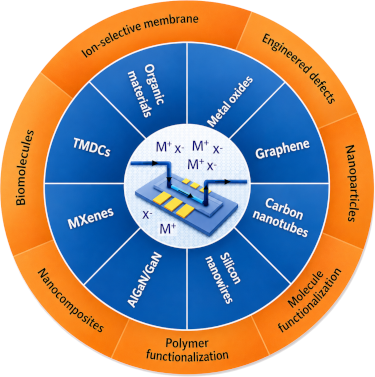
- single graphene cylinder with complete surface exposure and a highly anisotropic, chirality-dependent electronic structure with either metallic (zero bandgap) or semiconducting (a bandgap of 0.5–1.5 eV) character, resulting in favorable intrinsic electrical and mechanical properties but relatively low


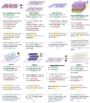
Enhanced erosion resistance and radiation stability of WC–WO3 nanocomposite films under 100 keV Kr+ ion irradiation
Beilstein J. Nanotechnol. 2026, 17, 922–934, doi:10.3762/bjnano.17.65
- drawn attention owing to their improved mechanical properties, enhanced activities and chemical stability [21][22][23][24]. In the recent past, many studies have been carried out which establish synthesis–structure–property relationships of polymer matrix composites in various areas of applications like



Nanoparticle delivery systems for HIV pre-exposure prophylaxis (PrEP): advances and challenges
Beilstein J. Nanotechnol. 2026, 17, 839–853, doi:10.3762/bjnano.17.60
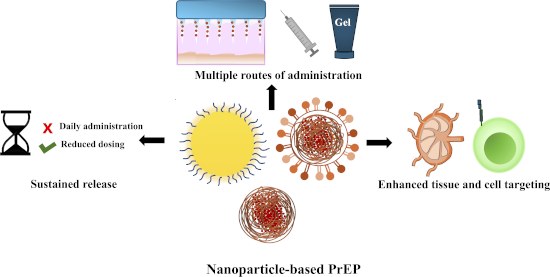
- , mechanical properties, and surface composition that need to be considered in the design of the nanoparticles. The choice of core material plays a pivotal role in defining the physicochemical properties, release behavior, biocompatibility, and clinical feasibility of nanoparticle formulations. Various


Cross-scale design of chemosensor arrays: from molecular self-assembly in water to paper-based devices for metal ion detection
Beilstein J. Nanotechnol. 2026, 17, 828–838, doi:10.3762/bjnano.17.59
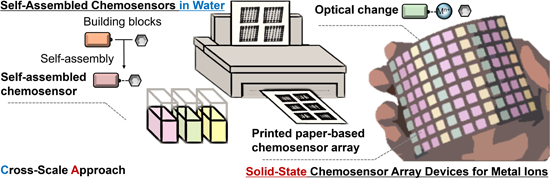
- optimized using a central composite design [58]. The selection of appropriate paper substrates also plays a significant role in reproducible sensing [59]. The mechanical properties of paper substrates depend on their thickness, pore size, and liquid absorbability [21]. In particular, the thickness of the


Substrate-dependent pore formation in molybdenum disulfide monolayers under ion irradiation
Beilstein J. Nanotechnol. 2026, 17, 769–780, doi:10.3762/bjnano.17.54
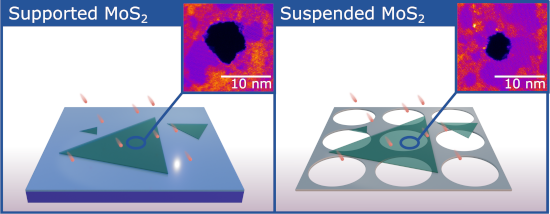
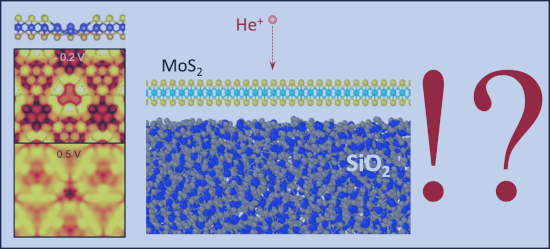
- highly charged ions (HCIs) and swift heavy ions (SHIs), remains less complete. The emergence of 2D materials has intensified the interest in ion–surface interactions [9][10][11][12][13]. Owing to their atomic thickness, 2D materials combine outstanding mechanical properties with promising (opto


Environmental applications of silver nanoparticles: state-of-the-art review and emerging trends
Beilstein J. Nanotechnol. 2026, 17, 697–736, doi:10.3762/bjnano.17.49


Decontamination from water pollutants and pathogens by electrospun nanofibers doped with heavy-atom-free borafluorene-BODIPY photosensitizers
Beilstein J. Nanotechnol. 2026, 17, 668–682, doi:10.3762/bjnano.17.46
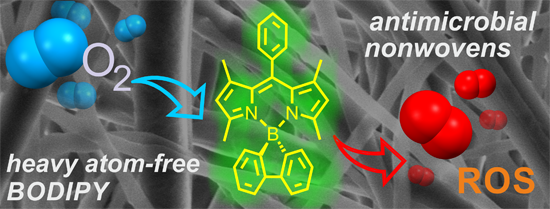
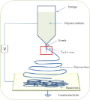
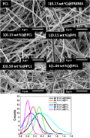
- platform and processing method giving materials with large surface areas, good mechanical properties, and high porosity, enabling oxygen diffusion, light penetration, and efficient ROS production. Accordingly, we used electrospinning, a relatively simple and cheap technique with the perspective for large



Cellulose as a photocatalyst support material: extraction, structural features, and environmental applications
Beilstein J. Nanotechnol. 2026, 17, 635–652, doi:10.3762/bjnano.17.44
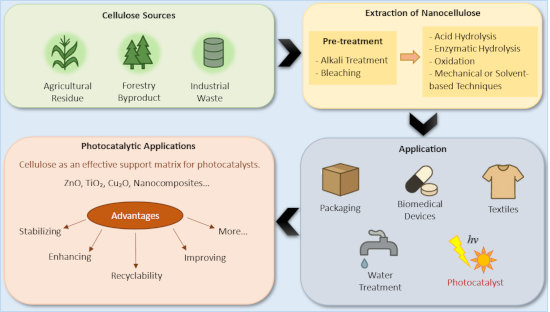
- their structural integrity [12]. Cellulose possesses strong mechanical properties, and its favorable dimensions and strength make it an ideal material for water treatment membranes. This led researchers to apply it as a base material for developing such membranes [13]. A new approach involves
- at low cost, making them economically attractive [24]. CNCs combine exceptional mechanical properties with both high strength and impressive flexibility, and their dynamic mechanical performance makes them particularly promising for advanced applications. In recent years, researchers have focused on
- structures can mimic the human extracellular matrix and show strong potential for applications in cartilage and bone regeneration. Among different cellulose sources, BC has gained particular attention because it combines strong mechanical properties with controlled biodegradability and natural


Defects and defect-mediated engineering of two-dimensional materials: challenges and open questions
Beilstein J. Nanotechnol. 2026, 17, 454–488, doi:10.3762/bjnano.17.31
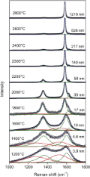
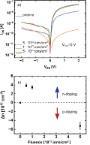
- to the interaction with the environment, for example, because of oxidation. The imperfections have a strong influence on the electronic, optical, thermal, and mechanical properties of 2D materials [2][3]. They normally deteriorate the characteristics; but they can also be beneficial, for example, in





Nanocarrier-integrated multilayer films produced by 3D printing for improved skin adhesion and curcumin photostability
Beilstein J. Nanotechnol. 2026, 17, 440–453, doi:10.3762/bjnano.17.30
- stress and rapidly recover its rheological properties once the stress is removed. A recovery value of at least 80% is generally considered acceptable, indicating that the layer-stacking capability remains sufficiently dependent on the material’s original mechanical properties [40]. Initially, a shear
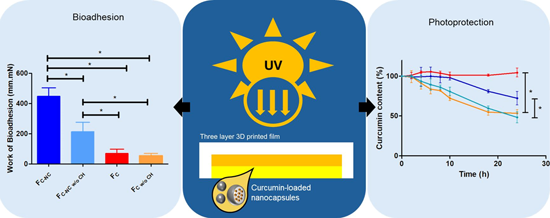
- curcumin-loaded nanocapsules. This proof-of-concept study focused on demonstrating the feasibility of integrating nanocarriers with SSE 3D printing to produce multilayer topical films with improved bioadhesion and photoprotection. A comprehensive evaluation of mechanical properties, long-term stability


First-principles study on elastic properties of Cu, (Cu1−x,Nix)3Sn and interfacial mechanical properties of (Cu1−x,Nix)3Sn/Cu in the lead-free solder joint
Beilstein J. Nanotechnol. 2026, 17, 428–439, doi:10.3762/bjnano.17.29
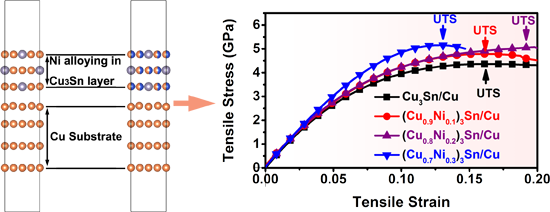
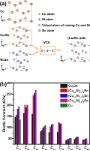
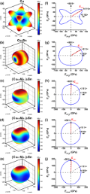
- Guomin Hua School of Material Science and Engineering, Jiangsu University, Zhenjiang 212013, Jiangsu, China 10.3762/bjnano.17.29 Abstract In this study, the elastic properties of Cu and (CuxNi1−x)3Sn were calculated to reveal the effects of Ni alloying on the interfacial mechanical properties of
- (CuxNi1−x)3Sn/Cu in lead-free solder joints. The results reveal that, within the thermodynamically stable domain of (CuxNi1−x)3Sn, the increase of Ni content can enhance the interfacial mechanical properties of (CuxNi1−x)3Sn/Cu, and increase the reliability of the lead-free solder joints. The enhancement
- mechanism can be attributed to the simultaneous improvements of oriented Young’s modulus and ductility of (CuxNi1−x)3Sn, achieved by Ni alloying. But higher Ni content beyond the thermodynamically stable domain of (CuxNi1−x)3Sn will deteriorate the interfacial mechanical properties by mechanical or


Advancing nanolithography: a comprehensive review of materials for local anodic oxidation with AFM
Beilstein J. Nanotechnol. 2026, 17, 275–291, doi:10.3762/bjnano.17.19
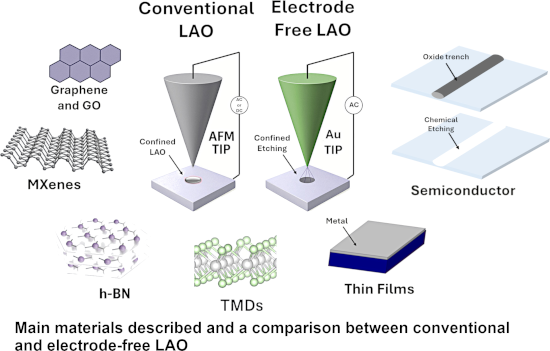
- feature dimensions. Recently, GaN NWs have demonstrated exceptional mechanical properties [67], making them promising candidates for SPL-related applications (Figure 5c). Diamond carbon-coated tips offer exceptional mechanical properties but are limited by their relatively large minimum tip radius. Solid


Durable antimicrobial activity of fabrics functionalized with zeolite ion-exchanged nanomaterials against Staphylococcus aureus and Escherichia coli
Beilstein J. Nanotechnol. 2026, 17, 262–274, doi:10.3762/bjnano.17.18
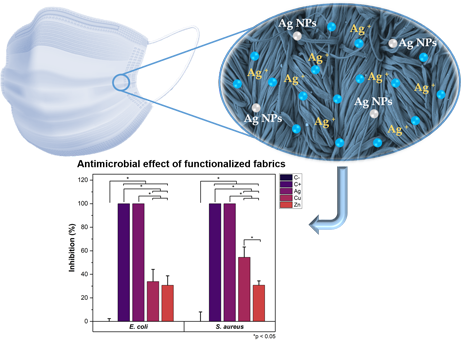
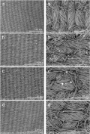
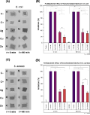
- atom % are evaluated regarding their antimicrobial activity against Staphylococcus aureus (Gram-positive) and Escherichia coli (Gram-negative), as well as regarding their physicochemical and mechanical properties. Scanning electron microscopy confirms the uniform distribution and successful
- impregnated textile samples were studied against S. aureus and E. coli, and their physicochemical and mechanical properties are discussed. The obtained results suggest that the synthesized materials can be applied as an effective alternative to inhibit and reduce the spread of different types of viruses and




Comparative study on 3D morphologies of delignified, single tracheids and fibers of five wood species
Beilstein J. Nanotechnol. 2026, 17, 239–250, doi:10.3762/bjnano.17.16
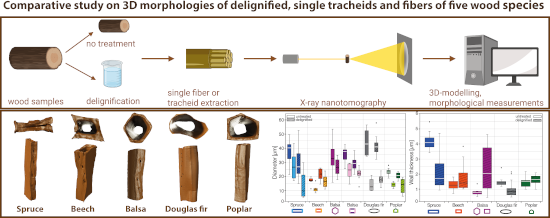
- insights for applications in computer modelling of mechanical properties of fibers and tracheids and for development of novel bio-inspired materials for the industry. Material and Methods Wood samples Wood samples of five different species were used in this study, namely, spruce (Picea abies (L.) H.Karst


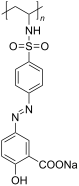
Structure-dependent thermochromism of PAZO thin films: theory and experiment
Beilstein J. Nanotechnol. 2026, 17, 186–199, doi:10.3762/bjnano.17.12
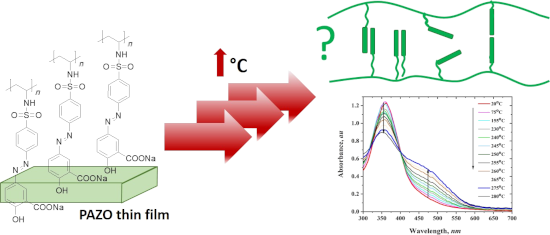
- improved mechanical properties. Figure 3B shows the IR spectra of PAZO samples before and after thermal treatment. There are no drastic changes in the band positions, but some changes in the band intensities are observed. Variation of the band intensities with temperature increase for absorption bands


Quantitative estimation of nanoparticle/substrate adhesion by atomic force microscopy
Beilstein J. Nanotechnol. 2026, 17, 1–14, doi:10.3762/bjnano.17.1

- energy, NP surface termination, relative orientation of the NP upon landing, and mechanical properties of NP and substrate [46][47]. However, a very decisive parameter is the impact velocity, which can be controlled by the substrate bias voltage applied during deposition. A higher bias voltage results in
- only at 0 V substrate bias of all them may arrive at the substrate. For simplicity, we assumed a single elementary charge e having a value of 1.6 × 10⁻¹⁹ A·s [53]. Choosing the mechanical properties of the NPs is not straightforward as their internal structure is unknown. Nevertheless, the following
- reality, the NPs are unlikely to be perfectly spherical; they likely possess facetted surfaces due to their crystalline nature. Consequently, both the interface energy and the mechanical properties can vary depending on the particle orientation and contacting facet, such as (001) and (111), as shown in [4



Missing links in nanomaterials research impacting productivity and perceptions
Beilstein J. Nanotechnol. 2025, 16, 2168–2176, doi:10.3762/bjnano.16.149
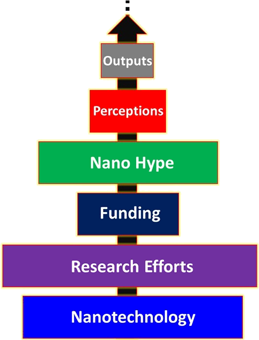
- almost every domain of science and technology [8]. Its exceptional thermo-mechanical properties are ideal for critical sectors such as aerospace, medicine, space exploration, textiles, construction, and materials capable of operating from cryogenic temperatures up to beyond 2000 °C [8][9]. Similarly
Multifrequency AFM integrating PeakForce tapping and higher eigenmodes for heterogeneous surface characterization
Beilstein J. Nanotechnol. 2025, 16, 2077–2085, doi:10.3762/bjnano.16.142
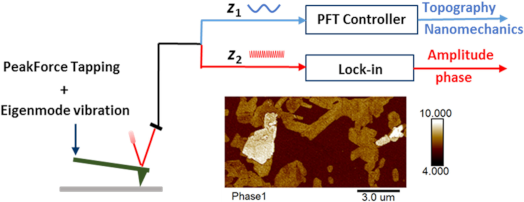
- environments such as liquids [18][19]. As demonstrated by force–distance curve analyses [19], PFT enables direct extraction of quantitative mechanical properties (e.g., Young’s modulus and adhesion) for material discrimination. However, this capability is constrained by the requirement for precise probe
- withdraw with the sample surface periodically, forming a force curve. The peak force, identified within this curve, is utilized as a feedback parameter. By sustaining a constant peak force between the probe and the sample, the topography of the sample can be obtained. Quantitative mechanical properties of


Molecular and mechanical insights into gecko seta adhesion: multiscale simulations combining molecular dynamics and the finite element method
Beilstein J. Nanotechnol. 2025, 16, 2055–2076, doi:10.3762/bjnano.16.141
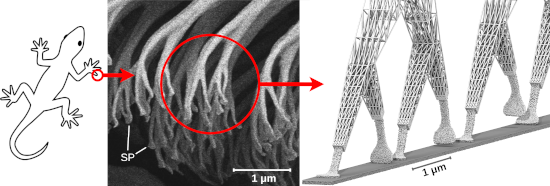
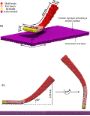
- structure similar to a fiber-reinforced elastomer, with a fibrillar nature that leads to anisotropic mechanical properties [40][41][42]. Rather than explicitly resolving individual fibers and the surrounding amorphous matrix, we represented the spatula with a coarse-grained bead network whose anisotropic
- , kb is an additional force constant in the fibril direction, and θ is the angle between the bond vector and the fibril direction. We systematically tuned the parameters k and kb so that the resulting coarse-grained network reproduced the spatula’s key mechanical properties, specifically, its Young’s







Beyond the shell: exploring polymer–lipid interfaces in core–shell nanofibers to carry hyaluronic acid and β-caryophyllene
Beilstein J. Nanotechnol. 2025, 16, 2015–2033, doi:10.3762/bjnano.16.139
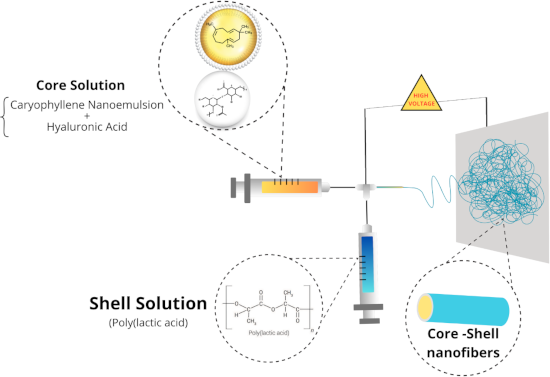
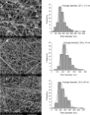
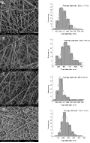
- advancements in the controlled release of diverse bioactive compounds [5][6][7][8][9][10]. Among the various nanostructured platforms explored for these purposes, nanofibers have gained attention due to their high surface area, adjustable porosity, and robust mechanical properties, which set them apart from




The cement of the tube-dwelling polychaete Sabellaria alveolata: a complex composite adhesive material
Beilstein J. Nanotechnol. 2025, 16, 1998–2014, doi:10.3762/bjnano.16.138
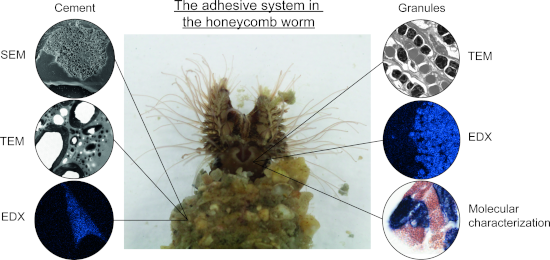
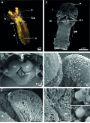
- cement spots treated with EDTA compared to untreated spots [39]. Moreover, EDTA treatment had a strong effect on the mechanical properties of the cement [39]. Proteins involved in the adhesive system In S. alveolata, the localization of the adhesive proteins Sa-1 and Sa-3 in cement cells with



Mechanical property measurements enabled by short-term Fourier-transform of atomic force microscopy thermal deflection analysis
Beilstein J. Nanotechnol. 2025, 16, 1952–1962, doi:10.3762/bjnano.16.136
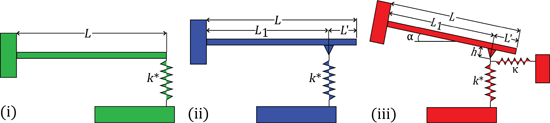
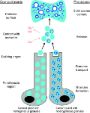
- bring physical values or interpretation to the data that is collected by the AFM, allowing operators of the technique to compare their measurements across fields [6]. CR-AFM is a technique that was established in 2008, allowing for the measurement of mechanical properties (elastic modulus and
- viscoelastic modulus) of surfaces [5]. It is particularly useful for the measurement of heterogeneous surfaces, characteristic of composite and biological materials, where understanding the interplay between microstructure and mechanical properties of the constituent materials is critical for the performance
- bring physical meaning to the experimental data. Instead, in almost every example in the literature, the frequency variation is normalized to what is measured on a surface having known mechanical properties [5][9][10]. Alongside the development of CR-AFM and the analytical models used to describe the




Further insights into the thermodynamics of linear carbon chains for temperatures ranging from 13 to 300 K
Beilstein J. Nanotechnol. 2025, 16, 1818–1825, doi:10.3762/bjnano.16.125
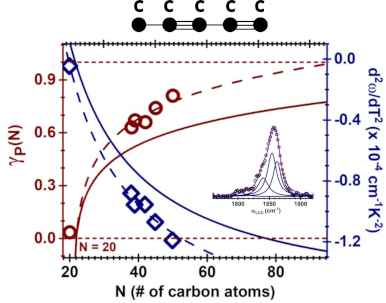
- materials as well as the understanding of how such phonons relate to thermal and mechanical properties of the materials become of fundamental importance [1][2][3][4][5][6][7][8][9][10][11][12][13][14][15][16][17][18][19][20][21][22][23][24][25][26][27][28][29][30]. One important point to keep in mind is
- allows thermal and mechanical properties of materials to be described by semi-classical theories (such as the Debye’s theory that describes the behavior of materials with T), and their phonon frequencies might be directly connected with relevant parameters such as the Young’s modulus, the Grüneisen


![[Graphic 23]](/bjnano/content/inline/2190-4286-16-125-i25.svg?max-width=637&scale=1.18182)
Beyond the bilayer: multilayered hygroscopic actuation in pine cone scales
Beilstein J. Nanotechnol. 2025, 16, 1695–1710, doi:10.3762/bjnano.16.119
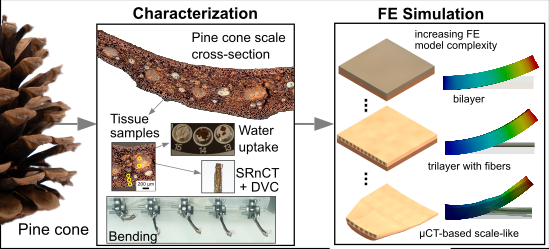
- properties and tissue arrangements for predicting pine cone scale bending in silico. By contributing to a deeper understanding of pine cone scale biomechanics, these results also support the development of bioinspired technical applications. Future studies should refine tissue mechanical properties and
- in the following. To analyze the influence of the mechanical properties, in another simulation of the bilayer, the value of the Young's modulus of the sclerenchyma fibers was adjusted to that of the brown tissue (from 500 to 50 MPa). To analyze the influence of the Young's modulus of the brown tissue
- , together with previously published bilayer models, show that the analytical analysis of such a complex drying movement is a sensitive system of selected expansion coefficients, mechanical properties, and geometric models. It should be noted that the modeling of sorption/desorption of water via thermal


Bioinspired polypropylene-based functionally graded materials and metamaterials modeling the mistletoe–host interface
Beilstein J. Nanotechnol. 2025, 16, 1592–1606, doi:10.3762/bjnano.16.113
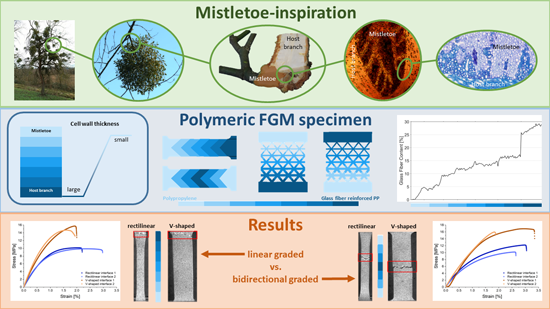
- failure locations can be introduced, which should have little or no effect on the overall mechanical properties in the regular product environment. A class of materials characterized by a high degree of flexibility and distribution of material properties, which enables locally adapted behavior and, thus
- , allows for thermal and mechanical stresses to be controlled locally, is known as functionally graded materials (FGMs). By means of a gradual composition and microstructure, FGMs can reduce interfacial stress, allowing for precise tailoring of mechanical properties such as stiffness, strength, and
- manufacturing processes [10][11]. Programming the mechanical properties and fracture behavior by combining FGMs and mechanical metamaterials represents an exciting frontier in materials engineering and computational design [12][13][14]. By embedding FGMs into the hierarchical architecture of mechanical





