


Search results
Search for "melting" in Full Text gives 247 result(s) in Beilstein Journal of Nanotechnology. Showing first 200.
Nanoglasses: a trail towards uncharted regions of vitreous materials and their properties?
Beilstein J. Nanotechnol. 2026, 17, 1047–1062, doi:10.3762/bjnano.17.72

- , vacancies, as the principal contributors to excess volume in crystalline materials, one typically observes concentrations of the order of 10−4 near the melting point. These concentrations, corresponding to approximately 0.1% excess volume, exhibit an exponential decline with decreasing temperature. Thus
- consider the nanoscale structure of nanoglasses that inherently necessitates to take curvature contributions to thermodynamic potentials into account. In the realm of nanocrystalline matter, these curvature (or interface excess) contributions lead to size effects, for example, regarding the melting


Enhanced erosion resistance and radiation stability of WC–WO3 nanocomposite films under 100 keV Kr+ ion irradiation
Beilstein J. Nanotechnol. 2026, 17, 922–934, doi:10.3762/bjnano.17.65
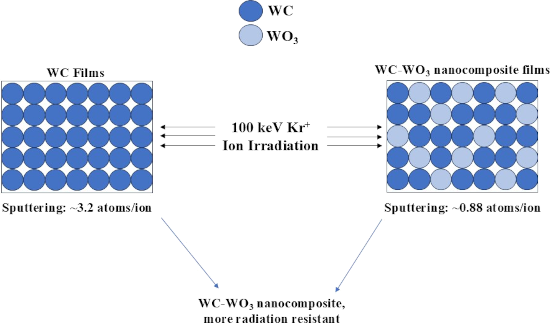
- -facing materials; sputtering erosion; WC–WO3 nanocomposites; Introduction Tungsten carbide (WC) and tungsten trioxide (WO3) are two hard and high-temperature-stable compounds that have individually demonstrated exceptional properties, including high melting points, mechanical strength, and chemical
- stability [1][2][3][4][5]. WC is a refractory ceramic compound known for its exceptional hardness, high melting point, and chemical inertness [6]. As a ceramic, WC exhibits strong covalent and ionic bonding, contributing to its mechanical strength and thermal stability under extreme conditions. Its unique
- performance with large centre radiation losses leading to several limitations on plasma operations [47][48][49]. Researchers then started exploring tungsten as a promising PFC material due to its exceptional qualities such as high melting point, high thermal conductivity, and high sputtering threshold energy



He+ FIBID-fabricated 3D AFM tip architectures: an exploratory study of hollow pillars, helices, and spirals
Beilstein J. Nanotechnol. 2026, 17, 863–871, doi:10.3762/bjnano.17.62
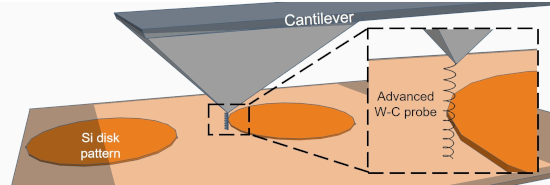
- attributed solely to intrinsic geometric fragility. As detailed in Supporting Information File 1, a subset of early failures showed local apex melting consistent with electrical-discharge events associated with insufficient AFM grounding identified during the measurement campaign. These cases should be


Tailoring Ag–Pt nanoalloys through solid-state dewetting: structural and optical insights
Beilstein J. Nanotechnol. 2026, 17, 748–759, doi:10.3762/bjnano.17.52

- nanoscale thickness can be metastable or even intrinsically unstable. This instability leads to the gradual disintegration of the continuous film, and, consequently, the formation of isolated nanoscale islands [13][14][15][16]. This process occurs at temperatures lower than the melting point of the thin
- in polycrystalline structures, various defects, mainly linear and plane (e.g., twinning), or finally local inhomogeneities of the thickness of thin films, strongly modify the phase equilibrium system. This, in turn, affects critical properties, including the melting temperature of metallic structures
- film in the multiple grain junctions and transformation into isolated islands. These phenomena are consistent with our earlier observations [23][24] and those of others [42][43][44]. It is worth noting that the nucleation of holes can also be accelerated by surface melting or premelting, especially in




Laser–material interactions in liquids for the synthesis of nanomaterials: current status and perspectives
Beilstein J. Nanotechnol. 2026, 17, 571–575, doi:10.3762/bjnano.17.38
- photothermal mechanisms [17]. Laser melting in liquids (LML) employs lower pulse intensities to increase particle size [18] and/or modify crystallinity and morphology through melting and resolidification [19]. At moderate laser fluences, close to or even below the melting threshold, irradiation can induce
- [25][26][27][28], nanoparticle fragmentation intertwined with the generation and collapse of nanobubbles in LFL [29], as well as defect generation during laser-induced melting and resolidification in liquids [30][31]. Experimental investigation of these processes, however, requires characterization
- melting to explosive fragmentation of Au nanoparticles under picosecond laser irradiation in water [42]. Further advances in LSPC can be facilitated by data-driven machine learning approaches, which provide new pathways for optimizing synthesis parameters toward targeted size, composition, phase, and
First-principles study on elastic properties of Cu, (Cu1−x,Nix)3Sn and interfacial mechanical properties of (Cu1−x,Nix)3Sn/Cu in the lead-free solder joint
Beilstein J. Nanotechnol. 2026, 17, 428–439, doi:10.3762/bjnano.17.29
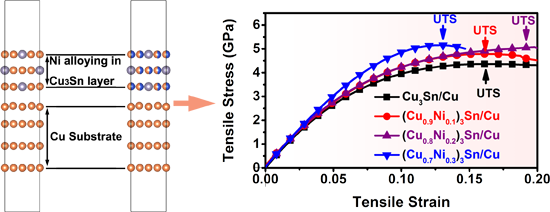
- , wettability, melting point, corrosion resistance, and mechanical and electrical properties [1][2]. A series of binary alloy solders, like Sn-Zn alloys [3], Sn-Cu alloys [4], Sn-Ag alloys [5], and Sn-Bi alloys [6], have been extensively investigated. Moreover, ternary and quaternary alloys have recently


Beam shaping techniques for pulsed laser ablation in liquids: Unlocking tunable control of nanoparticle synthesis in liquids
Beilstein J. Nanotechnol. 2026, 17, 309–342, doi:10.3762/bjnano.17.22
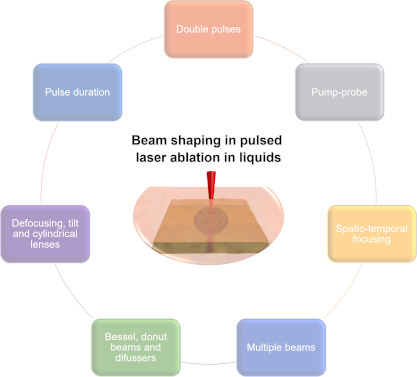
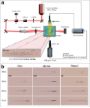
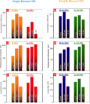
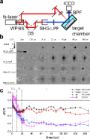
- spread through the material. Prolonged energy deposition enables heat conduction, causing a significant increase in temperature over a wider area of the material, leading to gradual heating, melting, and vaporisation [182]. Since the pulse duration exceeds the thermalisation time of most metals [162







Internal 3D temperature mapping in biological systems using ratiometric light-sheet imaging and lipid-coated upconversion nanothermometers
Beilstein J. Nanotechnol. 2025, 16, 2306–2316, doi:10.3762/bjnano.16.159
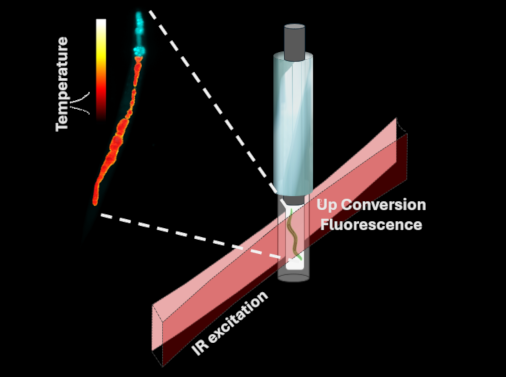
- of UCNPs@lipids solution and 250 µL of 2% low-melting agarose gel. A few microliters of the liquid mixture were drawn into a fluorinated ethylene propylene (FEP) tube and solidified 30 min before imaging. The second sample, S2, consisted of a single UC-fed C. elegans immersed in agarose mixed with
- UCNPs@lipids. After feeding with UCNPs@lipids, live nematodes were placed into a drop of 2% low-melting agarose gel containing UCNPs@lipids and then fixed with 4% paraformaldehyde (PFA). The nematodes were oriented with their mouth and tail positioned at the ends of the FEP tube and left to solidify for


Visualizing nanostructures in supramolecular hydrogels: a correlative study using confocal and cryogenic scanning electron microscopy
Beilstein J. Nanotechnol. 2025, 16, 2274–2284, doi:10.3762/bjnano.16.156
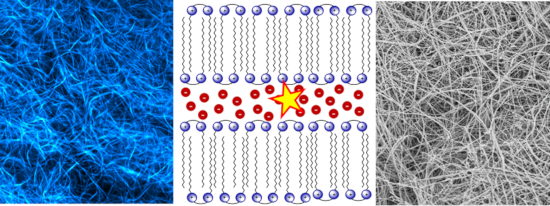
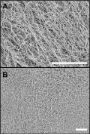
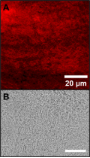
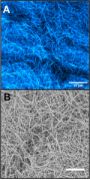
- native gel structure. The freezing point of a 1:1 water–ethanol mixture is approximately −40 °C, so less rapid freezing may have been expected resulting in excessive ice crystal formation [35]. It is also possible that the differing melting points of water and ethanol (0 and −114 °C, respectively) could



Microplastic pollution in Himalayan lakes: assessment, risks, and sustainable remediation strategies
Beilstein J. Nanotechnol. 2025, 16, 2144–2167, doi:10.3762/bjnano.16.148
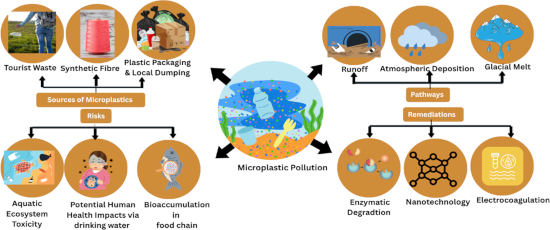
- to MP pollution [4][7][8][9]. MPs enter these ecosystems due to glacier melting, tourism, agricultural runoff, and inadequate waste management. Anchar Lake and Dal Lake in Kashmir, for instance, exhibit high MP levels owing to household waste and touristic activities [10]. Recreational activities and
- also been used regarding Himalayan catchments to simulate subsurface flow and contaminant loading under varying climate and land use scenarios [22]. The models can be used to simulate MP transport in high-altitude lake basins, although particle-bound adaptations are under development. The melting of
- glacial retreat zones, affirming meltwater pathways. Where Himalayan-specific data is sparse, mechanisms are inferred from analogous systems such as the Swiss Alps and Andean lakes. Seasonal MP dynamics in the Himalayan lakes are controlled by environmental factors such as glacier melting and monsoonal


Stereodiscrimination of guests in chiral organosilica aerogels studied by ESR spectroscopy
Beilstein J. Nanotechnol. 2025, 16, 2034–2054, doi:10.3762/bjnano.16.140
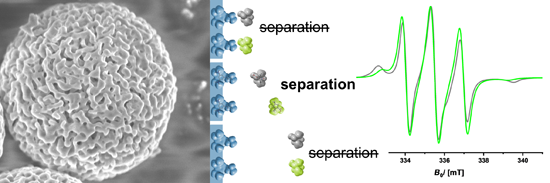
- molecule. T = 103 K is below the melting point of ethanol. Therefore, one obtains a solid-state spectrum of 3CP. At T = 183 K, one can see that the spectrum contains both characteristics, some freely rotating 3CP and some molecules with slower, tumbling dynamics. As shown in the past, one can assign the




Beyond the shell: exploring polymer–lipid interfaces in core–shell nanofibers to carry hyaluronic acid and β-caryophyllene
Beilstein J. Nanotechnol. 2025, 16, 2015–2033, doi:10.3762/bjnano.16.139
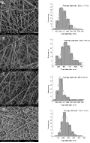
- , featuring an endothermic peak corresponding to the melting of crystallites, an exothermic peak related to the crystallization of polymer chains into spherulites, and a baseline shift indicative of the glass transition of the amorphous regions. Due to the high PLA content in the fibers, all three analyzed
- fully crystallized during the electrospinning process. Additionally, an endothermic peak at approximately 148 °C was observed in all samples, characteristic of the PLA melting temperature (Tm). The appearance of two melting peaks between 135–150 °C during the second heating cycle (Figure 8D) is
- the nanofibers. Key parameters evaluated included: glass transition temperature (Tg), crystallization temperature upon cooling (Tcc), melting temperature (Tm), melting enthalpy (ΔHm), and crystallization enthalpy (ΔHcc). Furthermore, the degree of crystallinity (Xc%) of PLA within the nanofibers was




Laser ablation in liquids for shape-tailored synthesis of nanomaterials: status and challenges
Beilstein J. Nanotechnol. 2025, 16, 1963–1997, doi:10.3762/bjnano.16.137
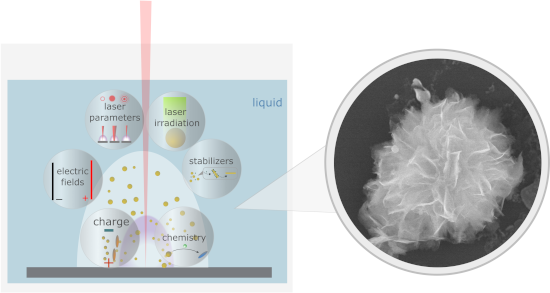
- : thermal evaporation and explosive ejection [1]. According to the thermal evaporation mechanism, the action of a laser beam on the surface of a solid target initiates the absorption of the laser pulse energy. This results in initiation of melting and ionization with the formation of a plasma plume near the
- by unfocused laser irradiation as a second step. This strategy has developed into several methods usually categorized as laser-induced fragmentation, laser-induced melting, or laser-induced modification. Such multistep processes open up ways for precise manipulation and fine tuning of NP parameters
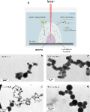
- sufficient time for thermal processes of heating and melting to occur (Figure 7a,f). These mild conditions favour the heating and melting of NPs instead of their fragmentation, which is required for targeted shape change. The laser parameters required to melt the particles by laser pulses can be determined





Multifunctional anionic nanoemulsion with linseed oil and lecithin: a preliminary approach for dry eye disease
Beilstein J. Nanotechnol. 2025, 16, 1711–1733, doi:10.3762/bjnano.16.120
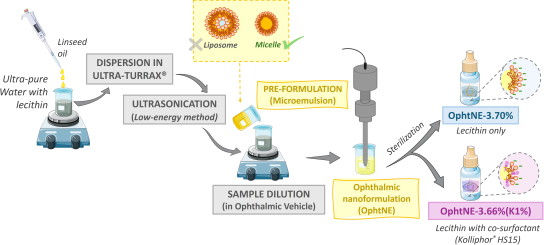
- ) and a decrease in the oil’s melting point. The second endothermic peak (T2 = 457 °C) is attributed to the rupture of double bonds in the unsaturated fatty acids, resulting in the formation of glycerol and shorter-chain fatty acids. Finally, the third exothermic peak (T3 = 557 °C) corresponds to the



Bioinspired polypropylene-based functionally graded materials and metamaterials modeling the mistletoe–host interface
Beilstein J. Nanotechnol. 2025, 16, 1592–1606, doi:10.3762/bjnano.16.113
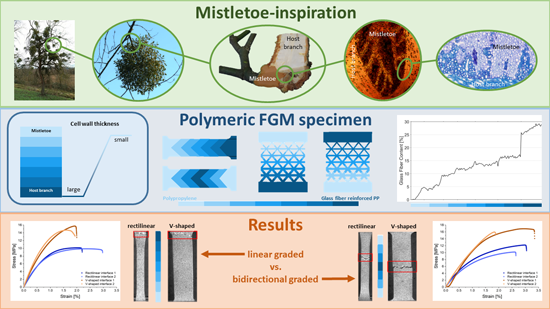
- extended by suitable combinations of materials with different mechanical properties but similar melting temperatures. In order to contribute to more sustainable material use, the transferability to bio-based or biodegradable material combinations (such as cellulose plastic) should be explored. The


Influence of laser beam profile on morphology and optical properties of silicon nanoparticles formed by laser ablation in liquid
Beilstein J. Nanotechnol. 2025, 16, 1533–1544, doi:10.3762/bjnano.16.108
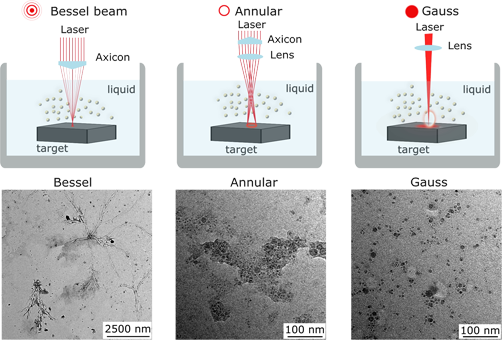
- , could be related to the different conditions created in these different zones. The SEM studies of the ablated target prove this statement since they reveal that melting occurred in the region of the outer rings as well, forming the elongated structures (Supporting Information File 1, Figure S4 and
- magnified image of the area exposed to irradiation from the outer rings (Supporting Information File 1, Figure S5c) shows individual twisted nanofilaments. This observation confirms the participation of the outer rings in nanofilament formation and proves melting of the target by the outer rings. In


Dendrimer-modified carbon nanotubes for the removal and recovery of heavy metal ions from water
Beilstein J. Nanotechnol. 2025, 16, 1522–1532, doi:10.3762/bjnano.16.107

- reagents or solvent systems [39][40]. DESs are formed through hydrogen bonding between two solid components resulting in eutectic liquids having a melting point lower than those of the individual components [41][42]. They offer advantages such as simple synthesis, low cost, and broad applications in


Laser processing in liquids: insights into nanocolloid generation and thin film integration for energy, photonic, and sensing applications
Beilstein J. Nanotechnol. 2025, 16, 1428–1498, doi:10.3762/bjnano.16.104
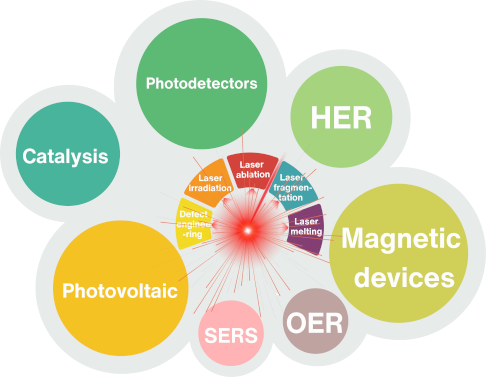
- Nanoparticles in their pure colloidal form synthesized by laser-assisted processes such as laser ablation/fragmentation/irradiation/melting in liquids have attained much interest from the scientific community because of their specialties like facile synthesis, ultra-high purity, biocompatibility, colloidal
- ; nanocolloids to thin films; photocatalysis; photovoltaics and photodetection; surface-enhanced Raman spectroscopy (SERS); Review 1 Introduction This section provides a brief introduction to the fundamental laser processing techniques used in liquids, including ablation, fragmentation, melting, irradiation; it
- catalysis, solar energy, and light emission. A critical review on the emerging topic of laser ablation, fragmentation, and melting in liquids, and key reports on both the fundamental principles and applications related to these processes are available in [6]. In another review, the formation mechanism and






Wavelength-dependent correlation of LIPSS periodicity and laser penetration depth in stainless steel
Beilstein J. Nanotechnol. 2025, 16, 1302–1315, doi:10.3762/bjnano.16.95
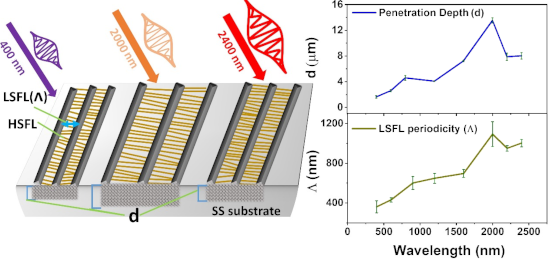
- wavelength and decreases with increasing metal conductivity [53]. In the literature, most researchers used high-intensity pulse lasers for works on laser welding and substrate melting [57][58][61][63][64][65][66][67]. However, we could not find any experimental works dedicated to unraveling the penetration




Crystalline and amorphous structure selectivity of ignoble high-entropy alloy nanoparticles during laser ablation in organic liquids is set by pulse duration
Beilstein J. Nanotechnol. 2025, 16, 1141–1159, doi:10.3762/bjnano.16.84
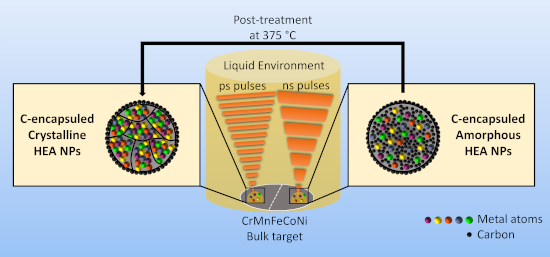
- , besides some topographic differences visible at high magnifications due to the target surface melting process in ns-LAL, only minor compositional differences (3–4 atom %) are observed. Those, however, are in line with general deviations of resulting HEA NPs and expected statistical errors in EDX analysis
- of two in manganese content. Deviating manganese contents were already observed in the works by Johny et al. [34] and Tahir et al. [63] and depletions can be explained with manganese having the lowest melting point and highest vapor pressure [85][86], but also due to its negative redox potential and
- in EDX (±2% to ±5%) they may be related to the known limited lateral elemental mixing of alloy targets during LAL [87]. It is conceivable that Mn, as the metal with the lowest melting point within the HEA, solidifies last after melting and is enriched in the melted area of the target. As this target




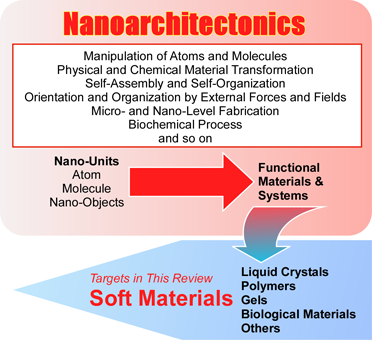
Soft materials nanoarchitectonics: liquid crystals, polymers, gels, biomaterials, and others
Beilstein J. Nanotechnol. 2025, 16, 1025–1067, doi:10.3762/bjnano.16.77






Multifunctional properties of bio-poly(butylene succinate) reinforced with multiwalled carbon nanotubes
Beilstein J. Nanotechnol. 2025, 16, 1014–1024, doi:10.3762/bjnano.16.76
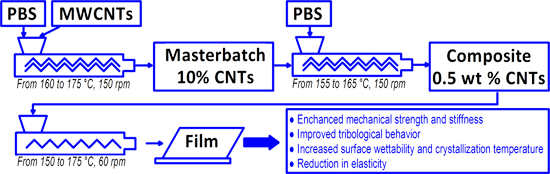
- ) allow for the determination of melting temperature (Tm), glass transition temperature (Tg), crystallization temperature (Tc), and enthalpy (ΔH) of the studied materials (Table 2). During the first heating cycle, neat PBS exhibited a cold crystallization peak at 95.1 °C and a melting peak at 115.2 °C
- (Figure 5, black curve). In contrast, the PBS/CNT_0.5 nanocomposite showed a cold crystallization peak at 99.0 °C and a melting peak at 114.1 °C (Figure 6, black curve). During the cooling process from 300 to 0 °C, crystallization peaks were observed in the thermograms at 72.6 °C for neat PBS (Figure 5
- peak at 97.5 °C and a melting peak at 114.6 °C (Figure 5, blue curve). In contrast, the PBS/CNT_0.5 nanocomposite sample did not show a cold crystallization peak on the second heating curve, but two melting peaks were observed at 107.8 and 114.4 °C (Figure 6, blue curve). These differences can be



Time-resolved probing of laser-induced nanostructuring processes in liquids
Beilstein J. Nanotechnol. 2025, 16, 968–1002, doi:10.3762/bjnano.16.74
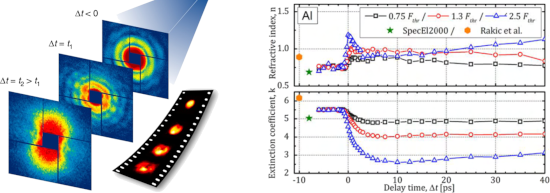
- ][12][13], as well as laser fusion or laser melting in liquid (LML) [14][15]. The latter is used to achieve the opposite effect of increasing particle size with the aim for high quality in shape or size. The presence of a liquid in laser processing, on the one hand, has practical advantages, such as
- to melting, reshaping (Figure 1B,C), evaporation, and phase explosion near the critical point (Figure 1H) [39][46][47][48]; (ii) stress-induced decompositions, where competition between heating and expansion leads to spallation or cavitation [36][49][50] (Figure 1I); (iii) non-thermal processes
- light fields and matter. Investigations into photoinduced melting, a well-known, yet incompletely understood phenomenon, have highlighted the role of non-thermal processes [29][76][77][78]. For example, time-resolved resonant X-ray scattering studies have directly observed the ultrafast reconfiguration


Synthesis and magnetic transitions of rare-earth-free Fe–Mn–Ni–Si-based compositionally complex alloys at bulk and nanoscale
Beilstein J. Nanotechnol. 2025, 16, 823–836, doi:10.3762/bjnano.16.62
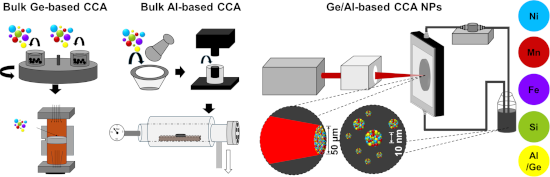
- Ge) and MnFeNiSiAl [24] (i.e., doping NiMnSi with Fe and Al) alloys, synthesized by arc melting of pure elements show a second-order magnetostructural phase transition between 170 and 220 K with an isothermal entropy change of −7.3 J·kg−1·K−1 at 2.5 T and a first-order magnetostructural phase
- helps achieving a homogeneous alloy and is a cost-effective and time-efficient alternative to conventional target preparation methods, such as arc melting or HEBM followed by SPS, and suitable for CCA NP generation because of the inherent alloying produced during PLAL processing. The bulk CCAs were
- (14.1%) compared to other elements. This may be attributed to higher diffusion rates due to its lower latent heat of fusion (31.8 kJ·mol−1) and its relatively low melting point (1211 K) compared to other constituents, as observed by Tiwari and colleagues [54]. Additionally, the target composition was re


Efficiency of single-pulse laser fragmentation of organic nutraceutical dispersions in a circular jet flow-through reactor
Beilstein J. Nanotechnol. 2025, 16, 711–727, doi:10.3762/bjnano.16.55
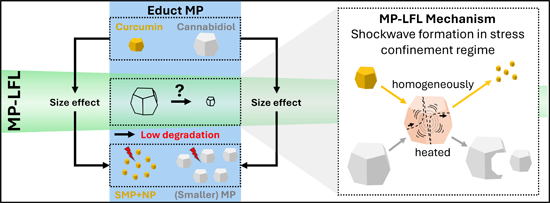
- ), and laser melting (LML) in liquids are aimed at synthesizing nanoparticles (NPs) from bulk targets (LAL), by downsizing (LFL), or by increasing/reshaping (LML) particle dispersions [1]. On the other hand, pulsed laser defect engineering in liquids (PUDEL) processes involve targeted post-treatment of
- . The degradation of curcumin can occur either by thermal or by photochemical channels. Under the conditions examined herein, thermal degradation is unlikely to occur to a large extent as curcumin has a comparatively high melting temperature of 456–459 K [50], which is not permanently exceeded when
- the melting temperature range, which is why the melting temperature roughly corresponds to the degradation temperature [53][54][55][56]. Another potential mechanism would be photochemical degradation. It has been reported that upon irradiation the curcumin molecule dissociates primarily at its central





