


Search results
Search for "mesoporous" in Full Text gives 209 result(s) in Beilstein Journal of Nanotechnology. Showing first 200.
Recent progress in enhancing built-in electric fields of perovskite solar cells via junction engineering
Beilstein J. Nanotechnol. 2026, 17, 602–621, doi:10.3762/bjnano.17.42
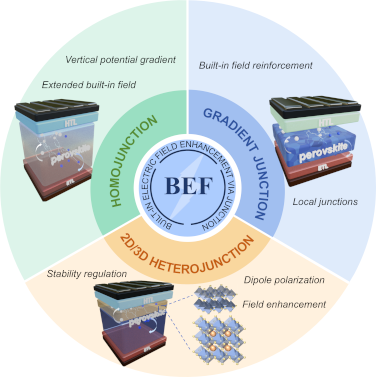
- 17.50% to 19.50%. The CMA post-treatment controlled the aging attenuation of carbon-based mesoporous devices at 8% after 150 days in air at 25 °C and 40% RH. Although the aforementioned strategies optimize energy-level modulation and carrier transport at different scales, they still impose stringent




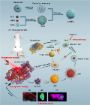
Biomimetic nanoparticles in cancer photodynamic therapy: a review of targeted delivery systems and therapeutic outcomes
Beilstein J. Nanotechnol. 2026, 17, 396–422, doi:10.3762/bjnano.17.27
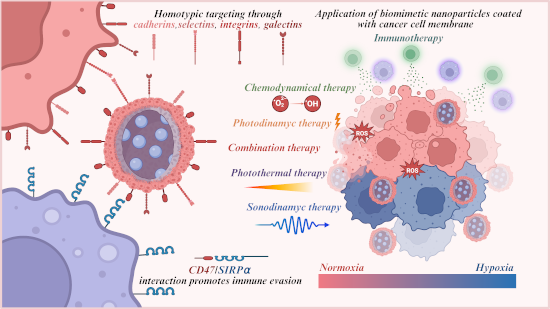


Eco-efficient materials for agricultural crops based on a mineral rich in MOR- and HEU-type zeolites
Beilstein J. Nanotechnol. 2026, 17, 381–395, doi:10.3762/bjnano.17.26
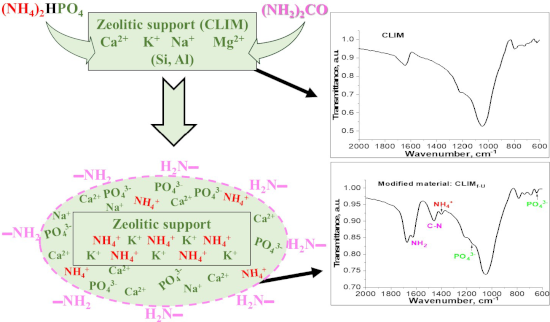
- textural parameter values (Table 2). Like all zeolitic minerals, this natural zeolite possesses both porosity and mesoporosity. In this regard, note in the SEM images the spacing between the crystals of the zeolitic phases. It leads to diffusion of DAP and urea through them (porous and mesoporous) to the



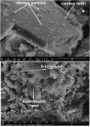
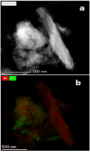
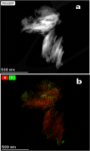

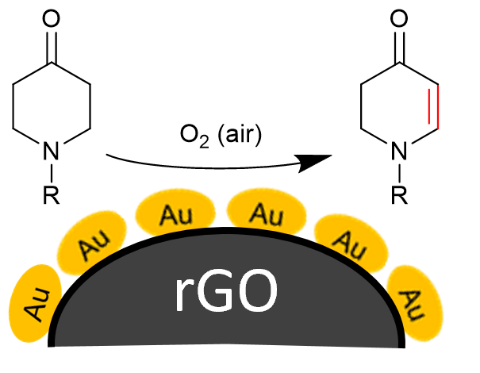
Gold nanoparticle-decorated reduced graphene oxide as a highly effective catalyst for the selective α,β-dehydrogenation of N-alkyl-4-piperidones
Beilstein J. Nanotechnol. 2026, 17, 218–238, doi:10.3762/bjnano.17.15
- micropores around 1 nm, with a small type-II contribution at larger P/P0 and a small H4 hysteresis loop, which is given by the mesoporous part of AC. rGO has a type-II isotherm due to unrestricted monolayer–multilayer adsorption up to high P/P0; the multilayer absorption appears to increase without limit
- the highest total pore volume (2.03 cm3·g−1). The pore diameters extend into the mesoporous region (2–50 nm) for a large fraction of the pores (Figure S1b, Supporting Information File 1). This combination suggests a more open and accessible porous network, facilitating better mass transport and


From shield to spear: Charge-reversible nanocarriers in overcoming cancer therapy barriers
Beilstein J. Nanotechnol. 2026, 17, 159–175, doi:10.3762/bjnano.17.10
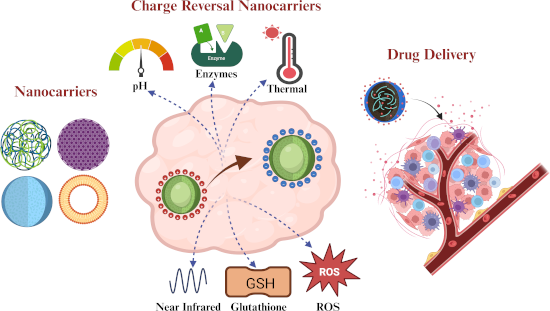
- calcium-ion-crosslinked sodium-alginate-coated mesoporous silica nanoparticles (MSNs) for ultrasound-triggered drug delivery. High- or low-intensity focused ultrasound (HIFU/LIFU) induced reversible disruption of carboxyl–calcium bonds, enabling precise, on-demand release [58]. This confirms that
- ultrasound-responsive CRNs employing calcium-ion-crosslinked sodium-alginate coatings on mesoporous silica nanoparticles offer reversible, on-demand, and biocompatible drug release options. Such systems harness ultrasound-induced cavitation to disrupt and reform ionic bonds, showing considerable promise for
- composed of dendritic mesoporous silica coated with manganese ions and tannic acid, specifically designed to activate the cGAS-STING pathway in dendritic cells. This approach significantly improved antigen cross-presentation and stimulated T-cell activation in murine models, resulting in strong anti-tumour


Stereodiscrimination of guests in chiral organosilica aerogels studied by ESR spectroscopy
Beilstein J. Nanotechnol. 2025, 16, 2034–2054, doi:10.3762/bjnano.16.140
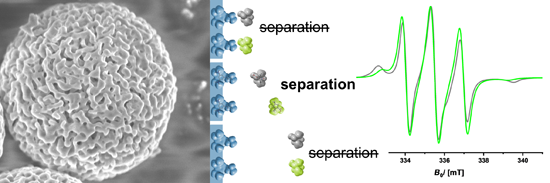
- probes with surfaces [40]. Mastai and coworkers have used ESR spectroscopy to probe the chirality of crystals [41]. Our group used ESR to investigate the rotational dynamics of paramagnetic spin probes in functionalized, mesoporous organosilica materials [42][43][44][45][46]. Using 3-carboxypropyl (3CP
- diffusion coefficients [44]. In the mentioned studies, we have always used racemic 3CP containing both enantiomers. Because of our previous work on mesoporous organosilica materials containing chiral groups [47][48], particularly amino acid derivatives [49], we became interested in observing the two
- organosilica materials [51][52], also including aerogels [53][54]. The thiol precursor HS-Ph(Si(OiPr)3)2 was established in 2014 for making periodically ordered mesoporous organosilica [55][56], which are characterized by pore sizes in the sub-10 nm range. Because large pore sizes are beneficial for mass




Current status of using adsorbent nanomaterials for removing microplastics from water supply systems: a mini review
Beilstein J. Nanotechnol. 2025, 16, 1837–1850, doi:10.3762/bjnano.16.127
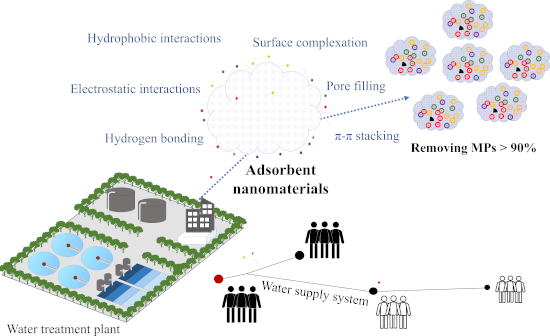
- ]. Similarly, You et al. reported on MOFs grown on a wood aerogel, ZIF-8@Aerogel, achieving removal efficiencies for polyvinylidene fluoride (PVDF) and PS particles of 91.4% and 85.8%, respectively [62]. Through electrostatic interactions, mesoporous UiO-66-NH2/P123 exhibited exceptional performance, achieving


Nanotechnology-based approaches for the removal of microplastics from wastewater: a comprehensive review
Beilstein J. Nanotechnol. 2025, 16, 1607–1632, doi:10.3762/bjnano.16.114
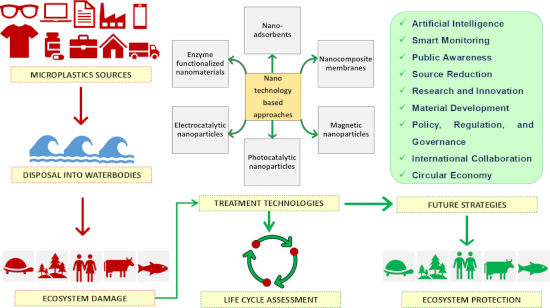
- system complexity. Preventive approaches, such as glutenin-genipin cross-linked coatings, effectively reduce plastic shedding under harsh conditions using biodegradable materials; however, they address only source control and lack proven scalability. Imine-functionalized mesoporous magnetic silica
- methods reflect promising directions but require further validation for widespread adoption [127]. Rushdi et al. [128] developed imine-functionalized mesoporous magnetic silica nanoparticles for the simultaneous removal of polystyrene MPs and organic pollutants. The nanoparticles exhibited strong magnetic


Photocatalytic degradation of ofloxacin in water assisted by TiO2 nanowires on carbon cloth: contributions of H2O2 addition and substrate absorbability
Beilstein J. Nanotechnol. 2025, 16, 1567–1579, doi:10.3762/bjnano.16.111
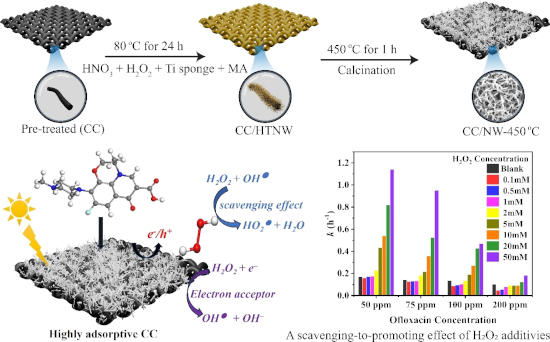
- into the TiO2 lattice. Figure 3b shows the nitrogen adsorption–desorption isotherm of the TiO2 nanowires on carbon cloth at 77 K. The adsorption isotherm exhibits a type-IV profile with an H3 hysteresis loop, indicative of mesoporous structures with slit-like pores. This is further corroborated by the
- pore size distribution, which shows a sharp peak at approximately 4.0 nm, suggesting a uniform pore size. The corresponding pore size distribution curve (Figure 3b, inset) indicates a mesoporous structure. Before calcination, the BET surface area of the titanate on carbon cloth was found to be 3.9 m2·g


Enhancing the therapeutical potential of metalloantibiotics using nano-based delivery systems
Beilstein J. Nanotechnol. 2025, 16, 1350–1366, doi:10.3762/bjnano.16.98
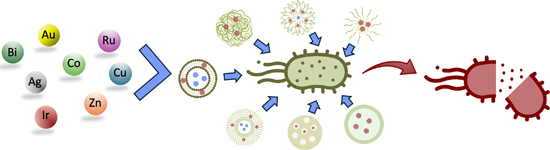
- , making them ideal for targeted drug delivery applications [87]. Mesoporous silica nanoparticles (MSiNPs) are a subclass of SiNPs known for their ordered pore structure, which allows for the encapsulation of large molecules and proteins. Due to their high surface area for drug loading and also to the fact
- clinical translation of metalloantibiotics remains hindered by key challenges, including systemic toxicity, poor stability, and a lack of targeted delivery. In this context, recent advances in nanotechnology-based drug delivery systems, such as liposomes, polymeric nanoparticles, and mesoporous silica


Better together: biomimetic nanomedicines for high performance tumor therapy
Beilstein J. Nanotechnol. 2025, 16, 1246–1276, doi:10.3762/bjnano.16.92
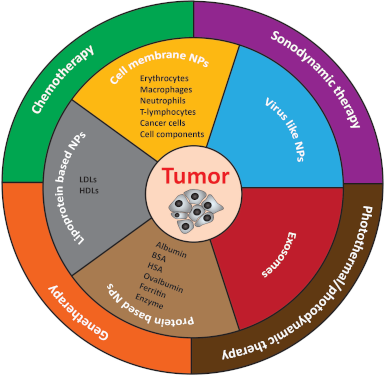
- ferritin. This property was exploited to design redox and pH dual-responsive ferritin nanoparticles. In drug-loaded mesoporous silica nanoparticles, ferritin was used as a gating material. It covered the pores to prevent drug release and opened only when activated by redox or pH stimuli [98]. Similarly
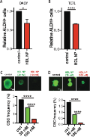
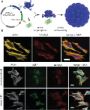
- ]. In that study, a PEGylated-lipid nanoparticle (PEG-liposome) with a mesoporous silica nanoparticle core (LM) was prepared, and then the nanosystem was coated with CCM (CCM@LM). The biomimetic nanomedicine showed high internalization in a way similar to an enveloped virus. The PEGylation of the inner
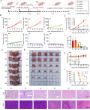
- cavity provided subcellular localization of payload in the nucleus subsequent to cellular internalization. The whole nanosystem demonstrated a significant anti-tumor activity. Shao et al. established X-ray-responsive CCM-covered mesoporous organosilica nanoparticles for the controlled release of DOX [135







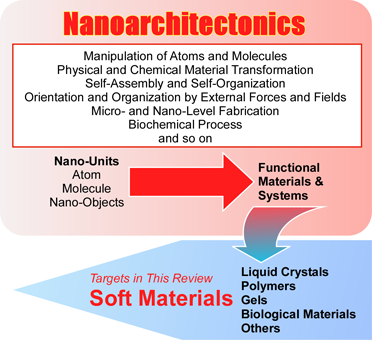
Soft materials nanoarchitectonics: liquid crystals, polymers, gels, biomaterials, and others
Beilstein J. Nanotechnol. 2025, 16, 1025–1067, doi:10.3762/bjnano.16.77
- . Additionally, they can be employed as precursors to produce CaFe2O4 thin films upon calcination. The resulting transparent solution is coated and subjected to calcination/annealing to form mesoporous thin films. The mesoporous films display excellent performance in the oxygen evolution reaction. It would be
- beneficial to extend the findings of this study to explore the nanoarchitectonics of other mesoporous metal oxides in electrocatalytic electrodes. Additionally, there are nanoarchitectonics examples that couple liquid crystal structure control with other functions, such as catalysis. Mavrikakis, Abbott, and






Synthesis of biowaste-derived carbon-dot-mediated silver nanoparticles and the evaluation of electrochemical properties for supercapacitor electrodes
Beilstein J. Nanotechnol. 2025, 16, 933–943, doi:10.3762/bjnano.16.71
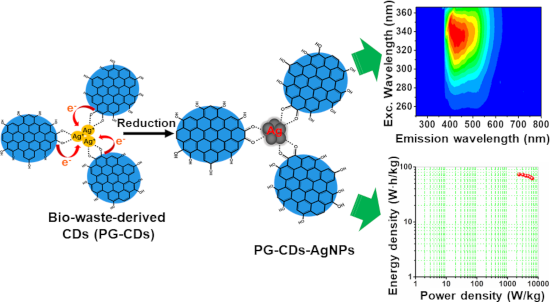
- distribution of PG-CDs-AgNPs was responsible for the enhanced surface area [35]. The pore size distribution plot of PG-CDs-AgNPs suggests the mesoporous characteristics (Supporting Information File 1, Figure S1b), which, via the diffusion of electrolyte ions, is highly efficient for electrochemical charge


The impact of tris(pentafluorophenyl)borane hole transport layer doping on interfacial charge extraction and recombination
Beilstein J. Nanotechnol. 2025, 16, 678–689, doi:10.3762/bjnano.16.52
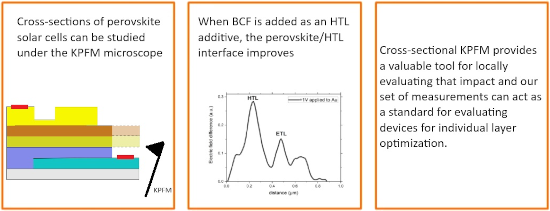
- the HTL/perovskite interface, whereas negative charges get separated within the mesoporous TiO2. In the traditionally doped cell, we notice that on the HTL side there is a comparable amount of electrons and holes on each side of the junction. On the ETL side, however, there are more positive charges
- deposited a mesoporous TiO2 layer from a (transparent) titania paste solution (Aldrich, 16.67 wt % in ethanol) via spin coating and annealed it (same parameters as in the previous step). After each of these titania deposition steps, we subjected the films to a UV-ozone cleaning step (FHR UVO 150) for 30 min


Nanomaterials in targeting amyloid-β oligomers: current advances and future directions for Alzheimer's disease diagnosis and therapy
Beilstein J. Nanotechnol. 2025, 16, 561–580, doi:10.3762/bjnano.16.44


Zeolite materials with Ni and Co: synthesis and catalytic potential in the selective hydrogenation of citral
Beilstein J. Nanotechnol. 2025, 16, 520–529, doi:10.3762/bjnano.16.40
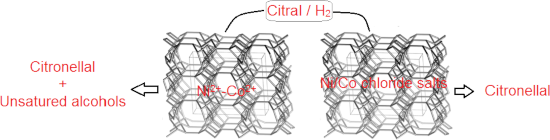
- calcium cations leaving the zeolite, as proven by XRD. In line with expectations for a natural zeolite, the studied materials exhibited hybrid type-I/IV adsorption isotherms (see Figure S2 in Supporting Information File 1), indicating the presence of both microporous and mesoporous structures. The


Emerging strategies in the sustainable removal of antibiotics using semiconductor-based photocatalysts
Beilstein J. Nanotechnol. 2025, 16, 264–285, doi:10.3762/bjnano.16.21
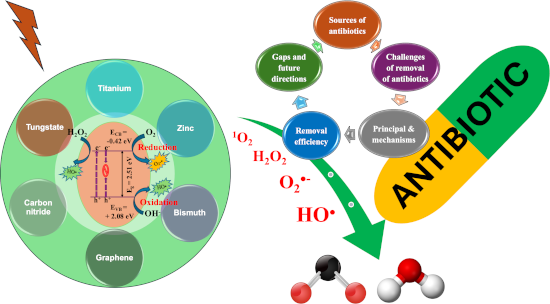
- , including biochar, metal-organic frameworks (MOFs), functionalized mesoporous silica, porous organic polymers, zeolite, and derivatives of graphene. These substances act as a support for metal oxides and immobilize the catalyst, increase the catalyst surface area, and improve the chemical stability



Radiosensitizing properties of dual-functionalized carbon nanostructures loaded with temozolomide
Beilstein J. Nanotechnol. 2025, 16, 229–251, doi:10.3762/bjnano.16.18
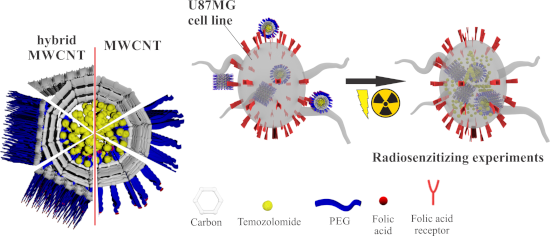
- chemical modifications and/or coupling with hydrophilic polymers. TMZ was successfully incorporated in magnetic NPs [36], mesoporous silica NPs [37], and NPs made of silver [38], zinc oxide [39], and gold [40], all of them showing high accumulation in tumor cells and cytotoxic activity in vitro and in vivo




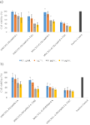
A review of metal-organic frameworks and polymers in mixed matrix membranes for CO2 capture
Beilstein J. Nanotechnol. 2025, 16, 155–186, doi:10.3762/bjnano.16.14
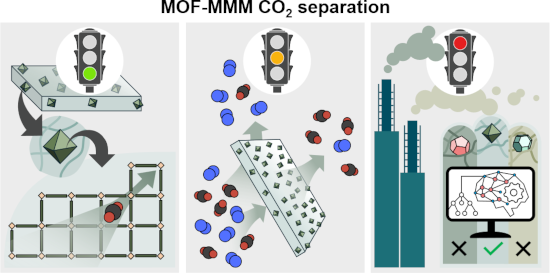
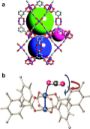
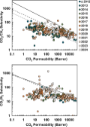
- synthesis [32]. The resulting constructions have pore sizes ranging from microporous (<2 nm) to mesoporous (2–50 nm) [30][36]. This simple strategy has led to substantial exploration of various MOFs with different structures and properties for various applications in heterogeneous catalysis, biomedicine




TiO2 immobilized on 2D mordenite: effect of hydrolysis conditions on structural, textural, and optical characteristics of the nanocomposites
Beilstein J. Nanotechnol. 2025, 16, 128–140, doi:10.3762/bjnano.16.12
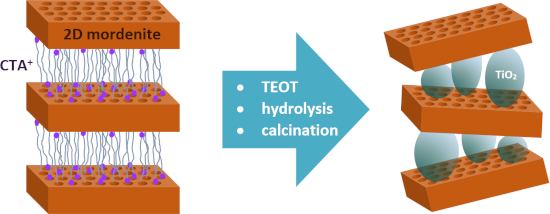
- distance and, hence, the mesopore size, but also the aluminum distribution and acidic properties of the obtained material, which are key parameters for catalysts [5][7][8][9][10]. One widely used component for the synthesis of 2D zeolites is CTAB [5][9][11][12][13]. To prepare mesoporous materials from
- immobilization of TiO2 nanoparticles is of great importance. Many materials are considered as a possible support for immobilization, including porous ceramics [15], glass [16][17], porous carbon materials [18][19], mesoporous silica [20][21][22][23], and zeolites [24][25][26][27]. Recent studies have confirmed
- that direct synthesis of TiO2 in mesoporous silica or zeolites provides strong immobilization of TiO2 nanoparticles through Ti–O–Si bonding [21][22][23]. Previously, we reported the results of the trial synthesis of a new TiO2/2D mordenite nanocomposite [28]. The material was obtained from a composite



Nanocarriers and macrophage interaction: from a potential hurdle to an alternative therapeutic strategy
Beilstein J. Nanotechnol. 2025, 16, 97–118, doi:10.3762/bjnano.16.10

- into clinical practice requires overcoming key challenges, such as ensuring molecular stability, achieving targeted delivery, and minimizing immune activation. Ongoing research is addressing these barriers by advancing RNA delivery systems [77]. For example, mesoporous silica NPs have been utilized to


Instance maps as an organising concept for complex experimental workflows as demonstrated for (nano)material safety research
Beilstein J. Nanotechnol. 2025, 16, 57–77, doi:10.3762/bjnano.16.7



Theoretical study of the electronic and optical properties of a composite formed by the zeolite NaA and a magnetite cluster
Beilstein J. Nanotechnol. 2025, 16, 44–53, doi:10.3762/bjnano.16.5
- fewer studies on the cytotoxicity of nanoparticles on zeolite carriers than other mesoporous matrices, most articles report low cytotoxicity of zeolites. Zeolites are classified as “Safe Substances for Food and Feed Additives” by the European Food Safety Authorities [49] and are “Generally Recognized as




Dual-functionalized architecture enables stable and tumor cell-specific SiO2NPs in complex biological fluids
Beilstein J. Nanotechnol. 2024, 15, 1238–1252, doi:10.3762/bjnano.15.100
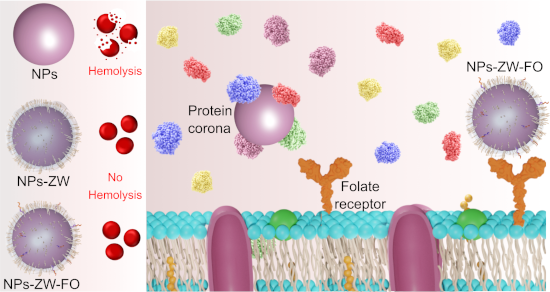
- active groups (amino, mercapto, or carboxylic functionalities) to interact with cells, viruses, and bacteria [17][18][20]. Pan et al. [24] developed mesoporous silica nanoparticles (SiO2NPs) covalently attached to (i) poly(oligo(ethylene glycol) monomethyl ether methacrylate) for improved stabilization
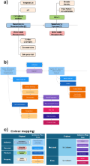
- proves to be a successful model that can be extended to other types of NPs, such as degradable mesoporous silica nanoparticles, which are highly porous and can degrade under specific biological conditions, thus preventing inconvenient accumulation in the body. a) Representation of the synthesis steps of


Recent updates in applications of nanomedicine for the treatment of hepatic fibrosis
Beilstein J. Nanotechnol. 2024, 15, 1105–1116, doi:10.3762/bjnano.15.89
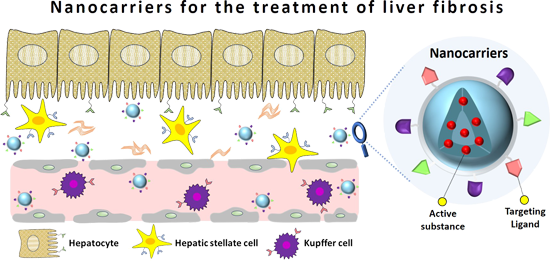
- hepatobiliary clearance in vivo. For example, positively charged mesoporous silica NPs (MSNPs) underwent significant uptake by hepatocytes, while MSNPs with negative charges were rapidly internalized by Kupffer cells in liver sinusoids [33]. The negative charge of the nanocarriers could facilitate efficient





