


Search results
Search for "nano" in Full Text gives 857 result(s) in Beilstein Journal of Nanotechnology. Showing first 200.
Development of Protium heptaphyllum essential oil-loaded nanocapsules: experimental design and biological activity
Beilstein J. Nanotechnol. 2026, 17, 974–990, doi:10.3762/bjnano.17.67
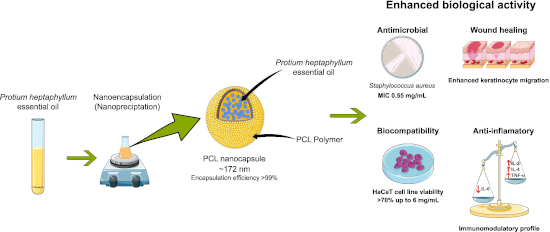
- values of Dh, PDI, and zeta potential of the nanoparticles were determined by dynamic light scattering (DLS) using a Zetasizer Nano-ZS® (Malvern Instruments Ltd, Canada). All samples were previously diluted in Milli-Q® ultrapure water at a ratio of 1:100 prior to analysis. For zeta potential measurements




Materials challenges in solid-state sensors for continuous monitoring of ions in water
Beilstein J. Nanotechnol. 2026, 17, 935–973, doi:10.3762/bjnano.17.66
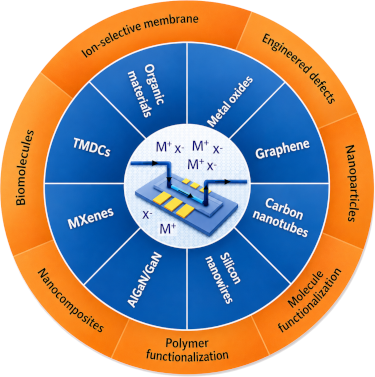
- located further from the channel; this is the core challenge for liquid-phase FET sensing. Practical routes include lowering ionic strength (when acceptable), using small receptors (aptamers) and porous/charge-excluding coatings (like ChemFETs), nano-confinement, or device formats such as the extended



Environmental applications of silver nanoparticles: state-of-the-art review and emerging trends
Beilstein J. Nanotechnol. 2026, 17, 697–736, doi:10.3762/bjnano.17.49
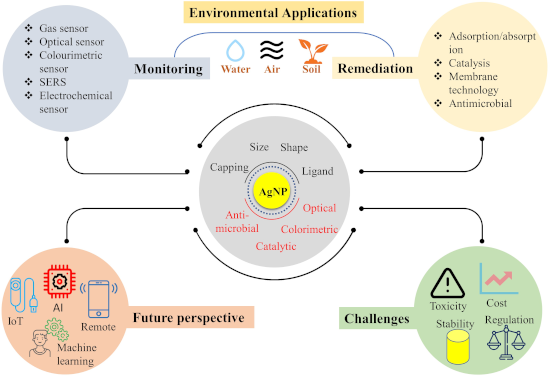
- [121]. The maximum degradation was obtained under specific conditions, including 10 μg/mL (nano-composite), 5 (pH), 2 μg/mL (anthracene and benzene), and UV radiation. Freundlich and Langmuir isotherms confirmed PAH degradation, with R2 values of 0.9894 and 0.9885 for benzene and anthracene


Cellulose as a photocatalyst support material: extraction, structural features, and environmental applications
Beilstein J. Nanotechnol. 2026, 17, 635–652, doi:10.3762/bjnano.17.44
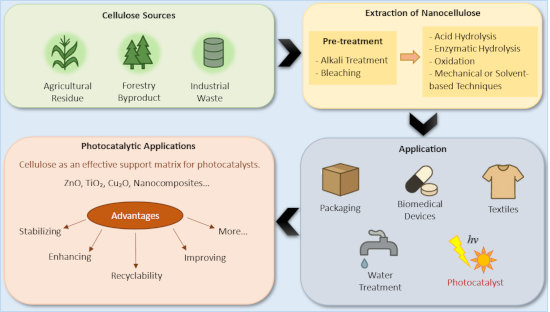
- temperature directly influence whether a substrate is suitable for applications. Traditionally, glass and plastic substrates have dominated the optoelectronic industry, especially in the development of flexible electronics, yet recent research has highlighted transparent nano-paper derived from renewable
- cellulose nanofibers as a highly promising alternative. Unlike plastic, this nano-paper is more environmentally sustainable because it originates from natural materials, while its unique fibrous nanocellulose structure not only reduces environmental impact but also introduces new functionalities that can
- dispersed so their active sites remain available [5]. Bulk cellulose functions primarily as a macroscopic structural support focused on easy handling, filtration, and recovery. CNCs function as a nanoscale active platform focused on maximizing surface area, preventing nano-catalyst aggregation, and actively


Impacts of annealing on structural and photophysical properties of zinc phthalocyanine adsorbed on graphene
Beilstein J. Nanotechnol. 2026, 17, 576–585, doi:10.3762/bjnano.17.39
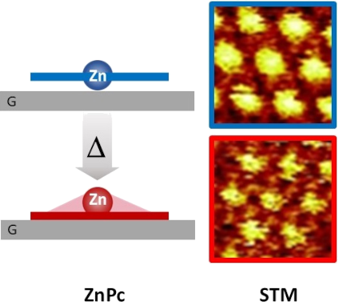
- d’Electronique, de Microélectronique et de Nanotechnologie, F-59000 Lille, France Sorbonne Université, CNRS, Laboratoire Physico-Chimie des Électrolytes et Nano-Systèmes Interfaciaux (PHENIX), F-75005, Paris, France 10.3762/bjnano.17.39 Abstract We report the demonstration and analysis by combined scanning


Defects and defect-mediated engineering of two-dimensional materials: challenges and open questions
Beilstein J. Nanotechnol. 2026, 17, 454–488, doi:10.3762/bjnano.17.31
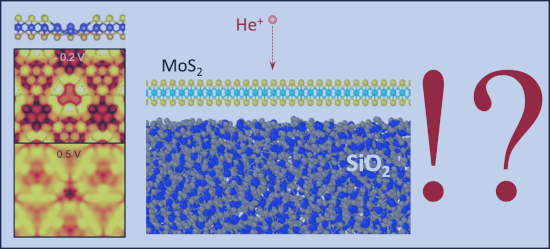
- been computationally prohibitively costly, but modern machine learning models have enabled such simulations for non-resonant Raman experiments. Therefore, the great challenge is the development of higher-precision measurements utilizing nano-Raman spectroscopy (see Figure 3). When nano-Raman is
- ][89][104], imperfections do not drastically change the Raman spectra of other 2D materials. Normally, the peaks are broadened, and their relative position may change as, for example, in MoS2 [105]. Extending the higher-precision measurements utilizing nano-Raman spectroscopy developed for graphene
- addressing this issue with micro-Raman [93][99][100][101][102] and nano-Raman [97][106][107][108][109] spectroscopies. Experiments performed on MoSe2 (Figure 4) show that the dependence observed in Figure 3 for graphene also applies to other 2D materials and that TERS can be utilized to identify specific





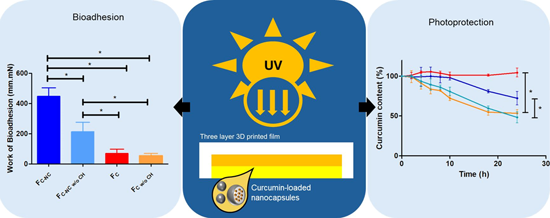
Nanocarrier-integrated multilayer films produced by 3D printing for improved skin adhesion and curcumin photostability
Beilstein J. Nanotechnol. 2026, 17, 440–453, doi:10.3762/bjnano.17.30
- potential The z-average particle size and the polydispersity index were measured by dynamic light scattering using a Zetasizer® Nano ZS (ZEN 3600, Malvern Instruments, USA). For this analysis, 10 µL of the C-NC formulation was diluted in 5 mL of ultrapure water (previously filtered through a 0.45 µm
- hydrophilic membrane, Millipore®), corresponding to a 500-fold dilution, as shown in Equation 1. The zeta potential was determined by measuring electrophoretic mobility at 25 °C using the same instrument (Zetasizer® Nano ZS, ZEN 3600, Malvern Instruments, USA). Prior to analysis, the samples were diluted 500
- conditioning. Furthermore, morphological assessment was performed at both the nano- and the macroscale, using particle size distribution, polydispersity index, and zeta potential as indirect indicators of nanocapsule structural organization, while the morphology and integrity of the multilayer 3D-printed films


Nanoinformatics: spanning scales, systems and solutions
Beilstein J. Nanotechnol. 2026, 17, 423–427, doi:10.3762/bjnano.17.28

- questions including the prediction of (nano)materials (NM) functionality, nanomaterials fate in the environment, toxicity or therapeutic ability, and recyclability. As the properties of nanomaterials themselves span several scales, from electronic, atomistic, mesoscopic to continuum, and are highly dynamic
- are challenging to experimentally measure. Using computational descriptors commonly used in nano-QSAR models, such as the potential energy of surface atoms and the water–NP surface energy, the model predicts that Pt NPs are more toxic than Au NPs, based on their surface properties, which drive
- , preferred orientations, and relative abundance of the specified molecules on the specified material surfaces giving an insight into the mechanisms of bio–nano interaction [4]. Varsou et al. demonstrated a novel approach to evaluate the performance of different models for the same endpoint (zeta potential of

Eco-efficient materials for agricultural crops based on a mineral rich in MOR- and HEU-type zeolites
Beilstein J. Nanotechnol. 2026, 17, 381–395, doi:10.3762/bjnano.17.26
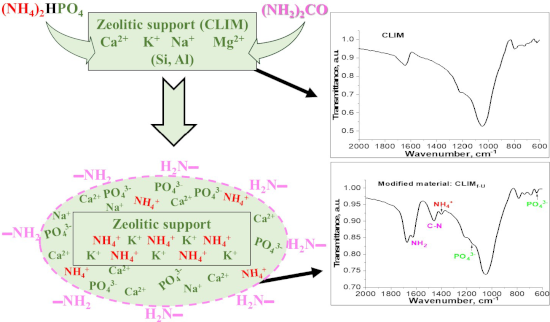
- determined by N elemental analysis and the Kjeldahl method. XRF analysis was performed on an energy-dispersive spectrometer (Bruker Micro-XRF M4 Tornado, Nano GmbH) using tablets/briquettes of materials prepared for this purpose as described in [15]. For elemental analysis of N, a Leco elemental analyzer
- spectrophotometer. The KBr tablet formation method was used with a KBr/sample ratio of 100:1. Powder XRD patterns were obtained on a Philips Xpert MPD diffractometer in the range from 2° to 60° using copper radiation (λ = 1.5406 Å), a speed of 2°/min, and a step of 0.05 s. For SEM studies, an FEI Nova Nano SEM 450




Polycatecholamine nanocoatings on stainless steel: the effect on attachment of human fibroblasts and platelets
Beilstein J. Nanotechnol. 2026, 17, 365–380, doi:10.3762/bjnano.17.25
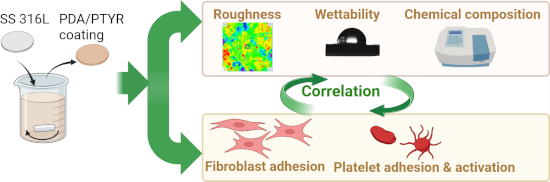
- layers on stainless steel 316L via a novel in situ oxidation process and evaluated their physicochemical properties and cellular interactions at the nano/microscale. Surface characterization revealed that the polymeric coatings formed a homogenous layer with distinct topographical features and thickness
- multiplied, as shown in Figure 8b. Similar to our study, surface Ra affecting the initial threshold has been reported by other authors [38]. It is known that both nano/microroughness and wettability of the material surface can influence cell adhesion since these parameters affect the adsorption kinetics of




Fast vortex dynamics and relaxation times in NbRe-based heterostructures
Beilstein J. Nanotechnol. 2026, 17, 292–302, doi:10.3762/bjnano.17.20
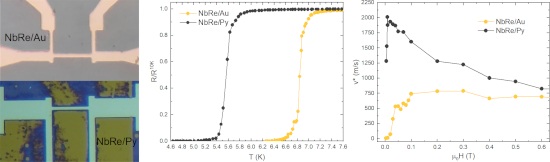
- optimization of superconducting quantum technologies, including superconducting detectors [10][11][12], superconducting qubits [13][14], and superconducting nano- and microstrips used in high-speed electronics [15], as well as for the development of hybrid architectures enabling magnon–fluxon interactions [16


Advancing nanolithography: a comprehensive review of materials for local anodic oxidation with AFM
Beilstein J. Nanotechnol. 2026, 17, 275–291, doi:10.3762/bjnano.17.19
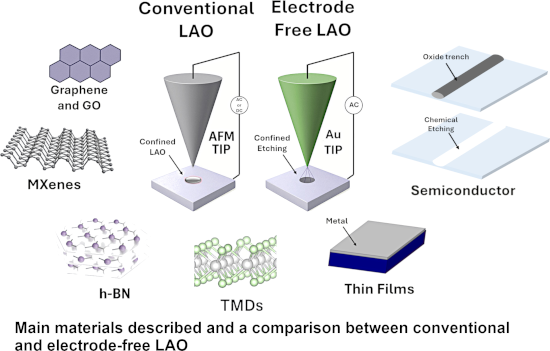
- . demonstrated conventional LAO on InP [93] intending to obtain quantum dot arrays [94]. Nanohole and nano-oxide mound radius and depth were controlled independently by altering tip bias and humidity, with a maximum nanohole depth of ≈15 nm after acid etching. The obtained nanoholes are shown in Figure 4a. The


Durable antimicrobial activity of fabrics functionalized with zeolite ion-exchanged nanomaterials against Staphylococcus aureus and Escherichia coli
Beilstein J. Nanotechnol. 2026, 17, 262–274, doi:10.3762/bjnano.17.18
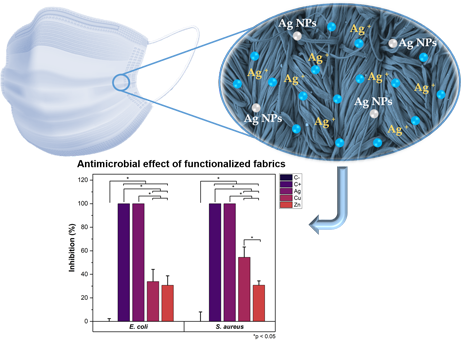
- are currently explored for various biomedical applications, including disease prevention, diagnosis, and the improvement of antiviral drug delivery systems [5][6]. In some cases, the antimicrobial properties of NPs lead to creation of new “nano-antimicrobial” materials [7]. The mechanism by which


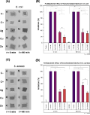


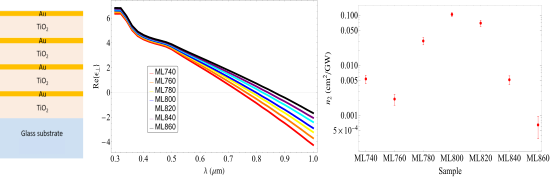
Multilayered hyperbolic Au/TiO2 nanostructures for enhancing the nonlinear response around the epsilon-near-zero point
Beilstein J. Nanotechnol. 2026, 17, 251–261, doi:10.3762/bjnano.17.17
- Recherche et de l’Innovation, France (ECOS Nord M19P01), and NANO-PHOT Ecole Universitaire de Recherche, France (ANR-EURE-0013). Allocations Doctorales Région Grand Est, France (Qsim). We conducted the calculations with the resources of the French regional Grand-Est HPC Center ROMEO.


Comparative study on 3D morphologies of delignified, single tracheids and fibers of five wood species
Beilstein J. Nanotechnol. 2026, 17, 239–250, doi:10.3762/bjnano.17.16
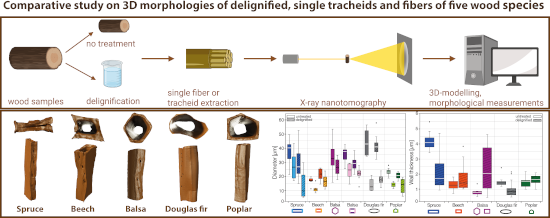
- arrangements of single fibers and tracheids with unprecedented 3D details in spatial distribution compared to traditional methods such as SEM, which, however, show more details of the pit structures [40][41][42]. Unlike those conventional imaging methods, nano-CT 3D models provide a comprehensive view of pit


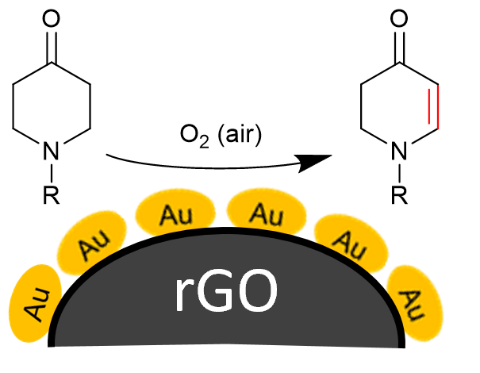
Gold nanoparticle-decorated reduced graphene oxide as a highly effective catalyst for the selective α,β-dehydrogenation of N-alkyl-4-piperidones
Beilstein J. Nanotechnol. 2026, 17, 218–238, doi:10.3762/bjnano.17.15


Micro- and nanoscale effects in biological and bioinspired materials and surfaces
Beilstein J. Nanotechnol. 2026, 17, 214–217, doi:10.3762/bjnano.17.14
- surface structures and their surroundings at nano-, micro-, and macroscales [1]. The physical constraints shaping such interactions are complex for all organisms, including bacteria, plants, and animals and of relevance across all habitats [2]. Understanding these interactions and the functionality of
- a follow-up with an extended scope to continue representation of nano- and microstructure effects in biological and bioinspired systems in the Beilstein Journal of Nanotechnology. The present thematic issue entitled “Micro- and Nanoscale Effects in Biological and Bioinspired Materials and Surfaces
Safe and sustainable by design with ML/AI: A transformative approach to advancing nanotechnology
Beilstein J. Nanotechnol. 2026, 17, 176–185, doi:10.3762/bjnano.17.11
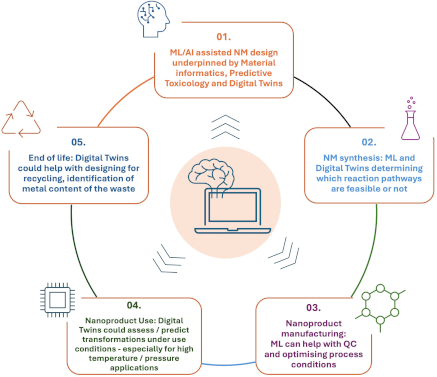
- nanotechnology, which demands not only advanced computational models but also a deep mechanistic understanding of nano–bio interactions, environmental fate, and lifecycle behaviour – areas where current models often fall short. Additionally, implementation of the SSbD framework requires a holistic integration
- ecotoxicological endpoints, standardized test methods, and physicochemical characterization protocols, and the development of nano-specific life cycle inventory data suitable for reliable LCAs. Without these foundational elements, even the most sophisticated ML models may yield biased or non-transferable results


Influence of surface characteristics on the in vitro stability and cell uptake of nanoliposomes for brain delivery
Beilstein J. Nanotechnol. 2026, 17, 139–158, doi:10.3762/bjnano.17.9
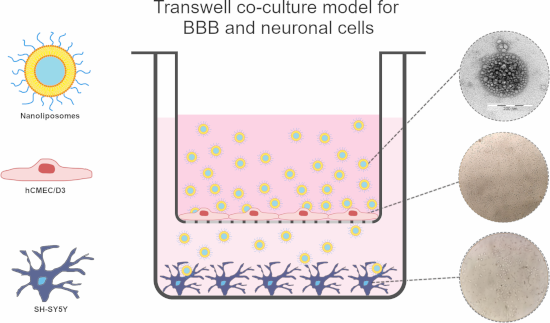
- the physicochemical characteristics and effectiveness of nanoliposomal (NLs) formulations. However, there has been minimal focus on elucidating nano–bio interactions and understanding the behavior of these formulations at organ and cellular levels. Specifically, it is widely recognized that when
- therapeutic outcomes [3][5]. Namely, current research on NLs predominantly focuses on their physicochemical characteristics and efficiency, but minimal attention has been given to understanding the nano–bio interactions at organ and cellular levels. When exposed to biological fluids, nanodelivery systems like
- systems behave in biological environments is limited, and further research is needed to explore the fundamental mechanisms of nano–bio interactions and develop strategies for their manipulation. In order to obtain valuable insights into the behavior of nanodelivery systems, as well as the nano–bio


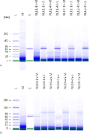
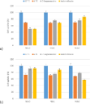


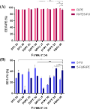
Development and in vitro evaluation of liposomes and immunoliposomes containing 5-fluorouracil and R-phycoerythrin as a potential phototheranostic system for colorectal cancer
Beilstein J. Nanotechnol. 2026, 17, 97–121, doi:10.3762/bjnano.17.7
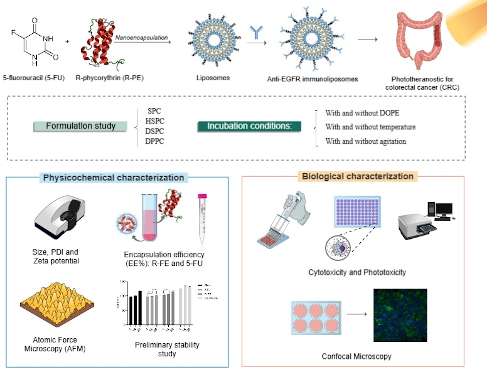
- (ELS) techniques using the Zetasizer Nano ZS device (Malvern Instruments). The vesicle size and PDI were evaluated with noninvasive backscatter with an incidence angle of 173°, and the zeta potential was determined by the forward scatter (13°) ELS technique. The samples were diluted (1:200) in Milli-Q



Functional surface engineering for cultural heritage protection: the role of superhydrophobic and superoleophobic coatings – a comprehensive review
Beilstein J. Nanotechnol. 2026, 17, 63–96, doi:10.3762/bjnano.17.6
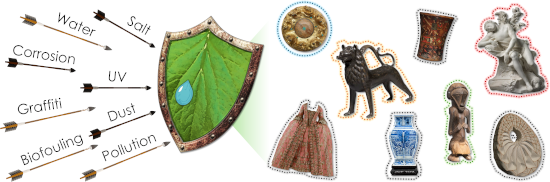
- to minimize ecological impact, both in their production and in their eventual disposal. In light of these requirements, a wide range of recently developed coatings, including biopolymer-based, nano-engineered, and mineral-inspired solutions, have shown promising protective methods for artworks
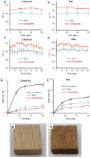
- imparting long-lasting hydrophobicity, reducing water uptake, and maintaining dimensional and biological stability of wood, even under UV exposure and outdoor conditions (Figure 7). To do so, nano/sub-microlignin (NL), derived from beechwood via a one-step organosolv process, was used as a filler and




Chiral plasmonic nanostructures fabricated with circularly polarized light
Beilstein J. Nanotechnol. 2025, 16, 2245–2264, doi:10.3762/bjnano.16.154
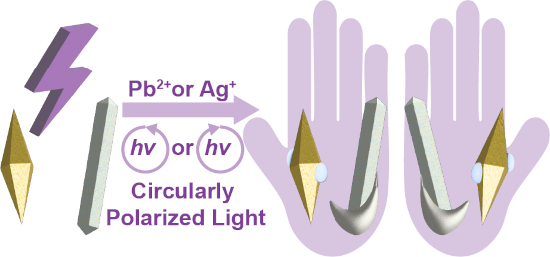
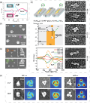
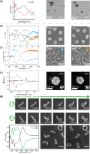
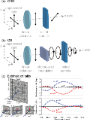
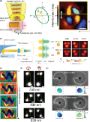
- ]. The simulations considered the polarization vectors of the incident light. The dissymmetric shapes of the gold nano-twisters led to the mixing of different plasmon modes, generating a nonzero CD. The first step in calculating the CD of experimentally obtained cPNSs is to import the morphological





Optical bio/chemical sensors for vitamin B12 analysis in food and pharmaceuticals: state of the art, challenges, and future outlooks
Beilstein J. Nanotechnol. 2025, 16, 2207–2244, doi:10.3762/bjnano.16.153
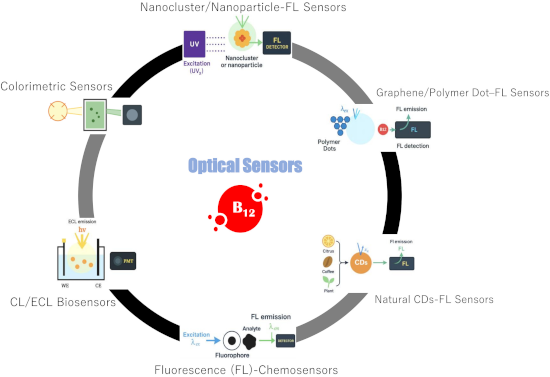
- Seyed Mohammad Taghi Gharibzahedi Zeynep Altintas Division of Bioinspired Materials and Biosensor Technologies, Institute of Materials Science, Faculty of Engineering, Kiel University, 24143, Kiel, Germany Kiel Nano, Surface and Interface Science (KiNSIS), Kiel University, 24118, Kiel, Germany


Ultrathin water layers on mannosylated gold nanoparticles
Beilstein J. Nanotechnol. 2025, 16, 2183–2198, doi:10.3762/bjnano.16.151
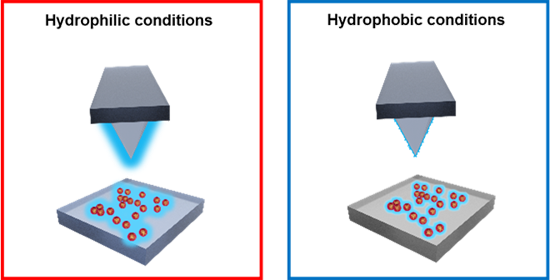
- (99.5%) was obtained from Acros (Belgium) and absolute ethanol (99%) from Panreac (Spain). Aqueous solutions of dimanno-AuNPs and PEG AuNPs were kindly provided by the Bio Nano Plasmonics Lab at CIC Biomagune (San Sebastián, Spain). Water was of ultrapure quality (Milli-Q, 18.2 MΩ·cm, <10 ppb total
- organic content). Synthesis of gold nanoparticles Gold nanoparticles were synthesized by the Bio Nano Plasmonics Lab at CIC biomaGUNE according to [10]. Both PEG AuNPs and dimanno-AuNPs were obtained by reduction of AuCl4− with BH4− in the presence of the corresponding thiol ligands. For the PEG AuNPs, a
- scattering and zeta potential measurements DLS was used to determine the hydrodynamic diameter, and ZP was used to estimate the NP surface charge of both particles in solution. We employed Zetasizer Nano ZS (Malvern Panalytical, UK) equipment. For DLS measurements, 70 µL of the sample (1.0 × 10¹² particles



Missing links in nanomaterials research impacting productivity and perceptions
Beilstein J. Nanotechnol. 2025, 16, 2168–2176, doi:10.3762/bjnano.16.149
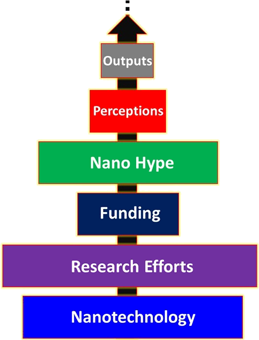
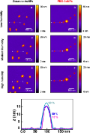
- and nanotechnology research. This skepticism is principally salient given the substantial public and private funding committed to the field. Although it is partially true that nanotechnology has not always met the high expectations set during the “Nano-Hype” era of the early 2000s, claims that the



