


Search results
Search for "nucleic acid" in Full Text gives 56 result(s) in Beilstein Journal of Nanotechnology.
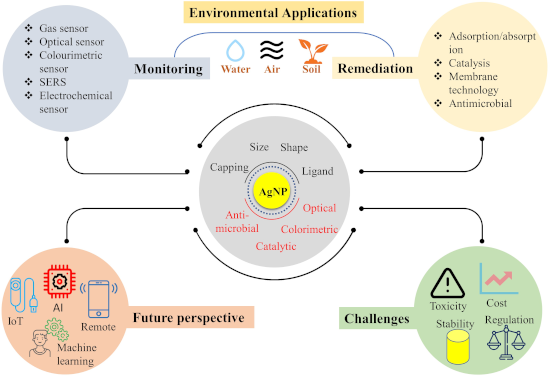
Environmental applications of silver nanoparticles: state-of-the-art review and emerging trends
Beilstein J. Nanotechnol. 2026, 17, 697–736, doi:10.3762/bjnano.17.49


PEGylated lipids in lipid nanoparticle delivery dynamics and therapeutic innovation
Beilstein J. Nanotechnol. 2025, 16, 1914–1930, doi:10.3762/bjnano.16.133
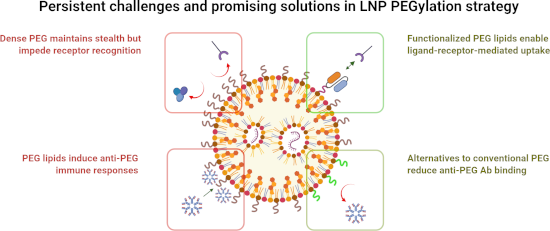
- Peiyang Gao Independent researcher, 140 First St, Cambridge, MA, 02140, USA 10.3762/bjnano.16.133 Abstract Lipid nanoparticles (LNPs) have become significant vehicles in the delivery of therapeutic substances, particularly for nucleic acid vaccines and gene therapies. A key component in the


Advances of aptamers in esophageal cancer diagnosis, treatment and drug delivery
Beilstein J. Nanotechnol. 2025, 16, 1734–1750, doi:10.3762/bjnano.16.121
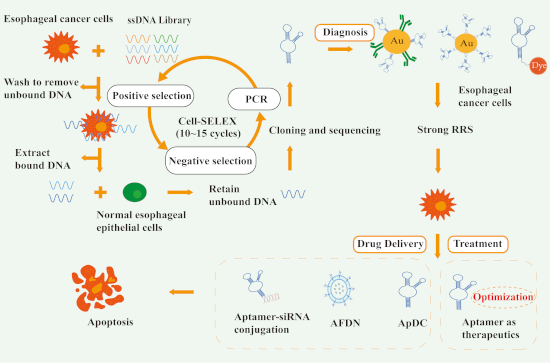
- , peptide aptamers exhibit target specificity predominantly limited to protein molecules, representing a relatively constrained target spectrum. Nucleic acid aptamers, which can bind to proteins, genes, small molecules, cells and other targets, are commonly used in laboratory and clinical practice and
- obtain nucleic acid aptamer S3-2-3 with binding specificity to ESCC cells. After labeled with Cy5 dye, it can yield highly specific fluorescence imaging for ESCC tissues, providing accurate display tools for clinical diagnosis. The remarkably short 18-nucleotide length of aptamer S3-2-3 enables its
- conventional small molecules [74]. These characteristics collectively hinder the development of effective small-molecule inhibitors that can specifically bind and functionally inhibit these targets. In contrast, nucleic acid aptamers overcome these limitations through their unique capacity to form intricate


Prospects of nanotechnology and natural products for cancer and immunotherapy
Beilstein J. Nanotechnol. 2025, 16, 1644–1667, doi:10.3762/bjnano.16.116
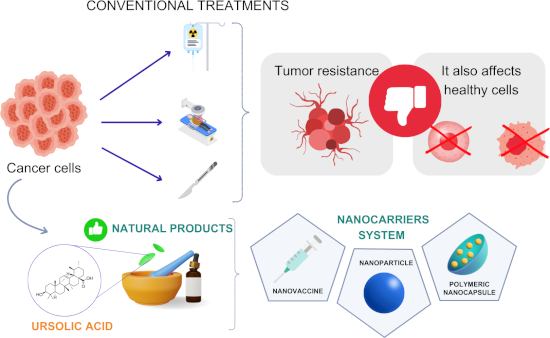
- compared to the individual components, revealing a synergistic activity for cancer treatment [71]. Patent CN114470229 (2022) describes carrier-free double-drug self-assembled nanoparticles for treating liver cancer. This technology contains indocyanine green, a cell-penetrating peptide, a nucleic acid


Ferroptosis induction by engineered liposomes for enhanced tumor therapy
Beilstein J. Nanotechnol. 2025, 16, 1325–1349, doi:10.3762/bjnano.16.97


Better together: biomimetic nanomedicines for high performance tumor therapy
Beilstein J. Nanotechnol. 2025, 16, 1246–1276, doi:10.3762/bjnano.16.92
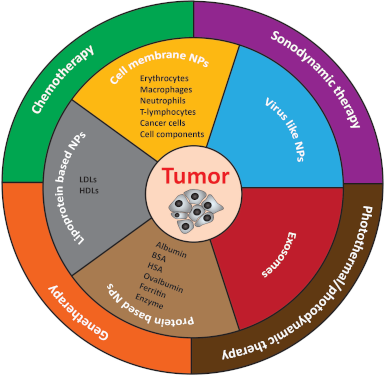
- microenvironment [156]. Other combinational therapy strategies using biomimetic nanoplatforms were reported with co-delivery of nucleic acid drugs and chemotherapeutics [157][158][159], and combinational gene therapy and photothermal therapy [160]. Recently, Liang et al. developed novel stealth and MMP2-activated






Colloidal few layered graphene–tannic acid preserves the biocompatibility of periodontal ligament cells
Beilstein J. Nanotechnol. 2025, 16, 664–677, doi:10.3762/bjnano.16.51
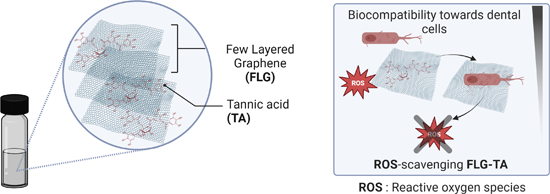
- triplicate, and experiments were replicated at least three times. LIVE/DEAD assay A complementary LIVE/DEAD assay was adopted using a Thermo Fisher Kit with Calcein AM and SYTOX™ Deep Red nucleic acid stain. Cells treated with different concentrations of FLG–TA were incubated with a working solution




Functionalized gold nanoflowers on carbon screen-printed electrodes: an electrochemical platform for biosensing hemagglutinin protein of influenza A H1N1 virus
Beilstein J. Nanotechnol. 2025, 16, 540–550, doi:10.3762/bjnano.16.42
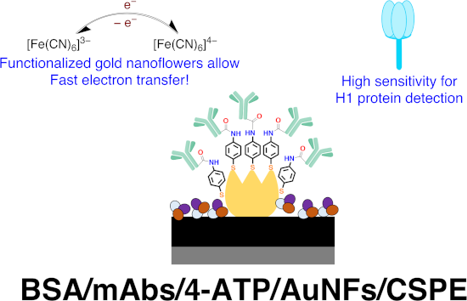
- emergence of future pandemics. Recently, molecular methods capable of detecting viral pathogens have gained more attention because of their inherent high sensitivity and specificity compared to conventional methods. Among these methods, nucleic acid amplification assays such as reverse transcriptase
- require highly specialized infrastructure built in place as well as trained professionals, making detection methods based on nucleic acid detection and amplification less accessible [6]. Rapid, sensitive, reliable, and easily available diagnostic methods for influenza A H1N1 virus are needed to detect


Synthetic-polymer-assisted antisense oligonucleotide delivery: targeted approaches for precision disease treatment
Beilstein J. Nanotechnol. 2025, 16, 435–463, doi:10.3762/bjnano.16.34

- optimise ASO-based therapeutics for more precise and effective disease treatments. Keywords: antisense oligonucleotides; enhanced delivery; gene transfection; intracellular uptake; locked nucleic acid (LNA); nanoparticles; peptide nucleic acid (PNA); personalised therapy; phosphorodiamidate morpholino
- activity and nucleic acid catalysis, effectively bridging the gap between short oligomers and functional RNAs under various environmental conditions. In addition to a delivery enhancer, PLL can be efficiently employed as an antisense oligonucleotide condenser. In their exploration of advanced drug delivery
- its characteristic amphipathic guanidinium group, PLR has been frequently used in biomedical applications, particularly as a carrier for nucleic acid delivery [91]. Moreover, its strong cationic nature allows it to effectively bind to negatively charged molecules, facilitating cellular uptake through


Graphene oxide–chloroquine conjugate induces DNA damage in A549 lung cancer cells through autophagy modulation
Beilstein J. Nanotechnol. 2025, 16, 316–332, doi:10.3762/bjnano.16.24
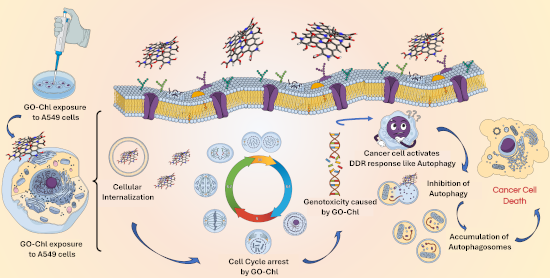
- analysis using the TecnaiTM G2 Spirit (FEI Company, Eindhoven, Netherlands) instrument at an accelerating voltage of 80 kV equipped with a Gatan camera. Propidium iodide uptake analysis Propidium iodide (PI), a positively charged nucleic acid dye, specifically exhibits fluorescence after binding with DNA



Nanocarriers and macrophage interaction: from a potential hurdle to an alternative therapeutic strategy
Beilstein J. Nanotechnol. 2025, 16, 97–118, doi:10.3762/bjnano.16.10
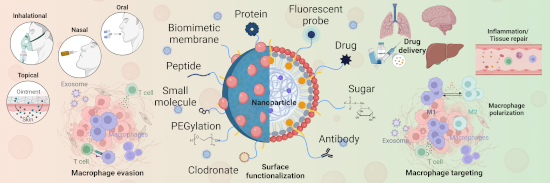
- influenced by the molar ratio between ionizable lipids and mRNA nucleotides; thus, it protects the nucleic acid and promotes efficient in vivo delivery [54]. In summary, combining physicochemical modifications, surface coatings, and immune evasion techniques can significantly enhance the therapeutic
- have focused on improving therapeutic efficacy while minimizing side effects. One such innovative approach, as demonstrated by Violatto et al., involves the conjugation of Dex to biodegradable Avidin-Nucleic-Acid-Nano-Assemblies (ANANAS). This method leverages the natural liver tropism of these nano


Synthesis, characterization and anticancer effect of doxorubicin-loaded dual stimuli-responsive smart nanopolymers
Beilstein J. Nanotechnol. 2024, 15, 1189–1196, doi:10.3762/bjnano.15.96
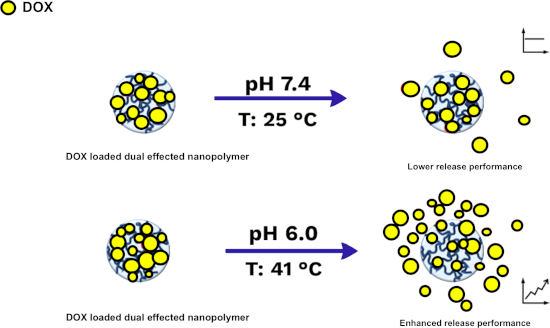
- radicals, and a direct effect on cell membranes with the suppression of nucleic acid synthesis. The most hazardous side effect of DOX is dilated cardiomyopathy, which causes congestive heart failure [4]. To prevent side effects of doxorubicin, liposomal formulations were approved, namely “Myocet liposomal


Antibody-conjugated nanoparticles for target-specific drug delivery of chemotherapeutics
Beilstein J. Nanotechnol. 2023, 14, 912–926, doi:10.3762/bjnano.14.75
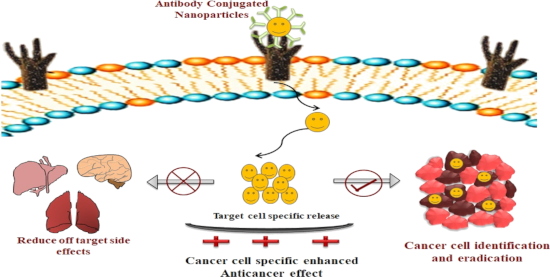
- antibodies (mAbs), and nucleic acid-based materials for targeted drug delivery, have been approved by the Food and Drug Administration (FDA) for the treatment of cancer, arthritis, asthma, psoriasis, pemphigus vulgaris, and chronic urticaria [8]. Antibodies are the primary homing ligands in tumor-targeted



The steep road to nonviral nanomedicines: Frequent challenges and culprits in designing nanoparticles for gene therapy
Beilstein J. Nanotechnol. 2023, 14, 351–361, doi:10.3762/bjnano.14.30
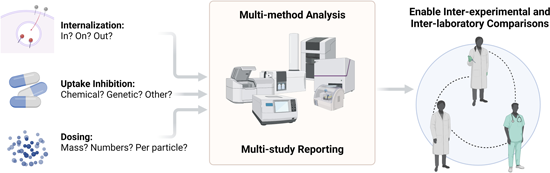
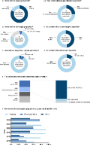
- , payload retention, and interparticle variability in the context of nucleic acid-based nanotherapeutics. In order to illustrate these issues and concerns, we analyzed the materials and methods sections of 50 papers published within the last five years on the topic of NP-mediated delivery of plasmid DNA
- the practices used to determine small-molecule dosing become confounded if applied to nucleic acid payloads (such as plasmids). Direct mass determination of the internalized nucleic acid therapeutics (NATs) is not straightforward and is further complicated given that dosing in these systems should be
- escape. NAT are difficult to quantify if encapsulated into NP delivery carriers. The most common forms of nucleic acid measurement (i.e., UV–vis and fluorescence) provide limited insights for the characterization of NP-encapsulated NATs. Labeling and destructive methods both have drawbacks, ranging from

Nanotechnology – a robust tool for fighting the challenges of drug resistance in non-small cell lung cancer
Beilstein J. Nanotechnol. 2023, 14, 240–261, doi:10.3762/bjnano.14.23
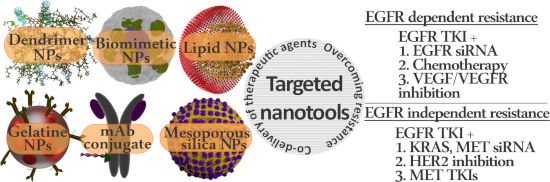
- optimize the systems for different target sites, which is especially promising for nucleic acid delivery [96]. One example of multifunctional, multilayer, bioresponsive lipid polymer nanoparticles with a cleavable layer as a vessel for the co-delivery of erlotinib and bevacizumab was recently published by
- nucleic acid co-delivery for the treatment of resistant lung cancer will be discussed below. The challenge of nucleic acid tumor targeting Silencing target genes using siRNA is an attractive therapeutic approach with significant translational potential in lung cancer treatment. The high specificity of
- release are crucial to maximize the delivery or co-delivery of active agents to the site of action in the cell [141]. State-of-the-art LNPs for siRNA gene silencing, that is, stable antisense–lipid particles (SALPs) and stable nucleic acid–lipid particles (SNALPs), were recently developed as PEGylated


Cyclodextrins as eminent constituents in nanoarchitectonics for drug delivery systems
Beilstein J. Nanotechnol. 2023, 14, 218–232, doi:10.3762/bjnano.14.21
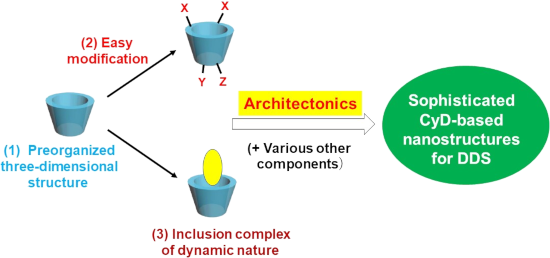
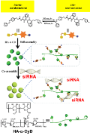
- resultant well-organized orientation of functional groups in CyD-based nanoarchitectures, should be very appropriate to yield both stable encapsulation of nucleic acid drugs and their prompt release when needed. 3.1 CyD-based nanoarchitectures for delivery of siRNA The therapeutic nucleic acid siRNA is
- delivered to a target site, the therapy should be more efficient than a unimodal therapy. For such a co-delivery, CyD-based nanoarchitectures are very convenient since well-defined structures of CyDs allow for the precise molecular design of nanoarchitectures in which the desired nucleic acid drugs are
- release the siRNA and the antisense DNA strands. The two nucleic acid drugs cooperatively suppressed the expression of the target tumor gene. With a similar strategy, a gene editing machine composed of Cas9 and single guide RNA (sgRNA) [69][70] was delivered to tumors simultaneously with antisense DNA




Single-step extraction of small-diameter single-walled carbon nanotubes in the presence of riboflavin
Beilstein J. Nanotechnol. 2022, 13, 1564–1571, doi:10.3762/bjnano.13.130
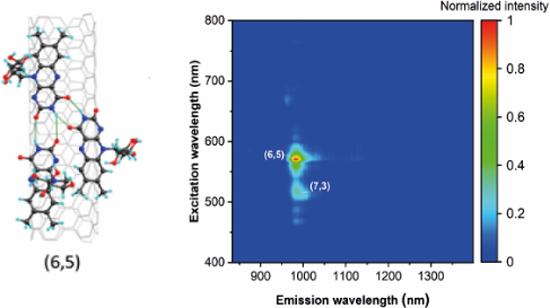
- biocompatibility of nucleic acids can support biomedical applications of such dispersions. Unfortunately, an extensive ultrasonic treatment required to obtain a dispersion of individual nanotubes might destroy fragile nucleic acid molecules so that their applications are somewhat inhibited. Flavin compounds are


Rapid and sensitive detection of box turtles using an electrochemical DNA biosensor based on a gold/graphene nanocomposite
Beilstein J. Nanotechnol. 2022, 13, 1458–1472, doi:10.3762/bjnano.13.120
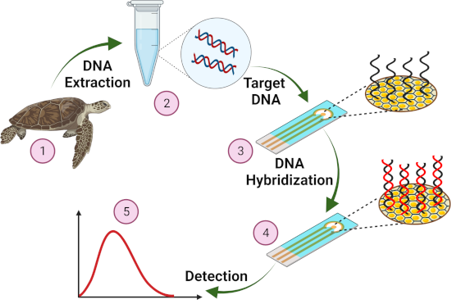
- peptide nucleic acid (PNA) probes [64]. Methylene blue is a very prominent intercalator for DNA-based sensors and biosensors [31][65][66][67][68][69]. For example, Plaxco's group reported the preparation of electrode-immobilised methylene-blue-modified oligonucleotides for electrochemical DNA and aptamer



Studies of probe tip materials by atomic force microscopy: a review
Beilstein J. Nanotechnol. 2022, 13, 1256–1267, doi:10.3762/bjnano.13.104
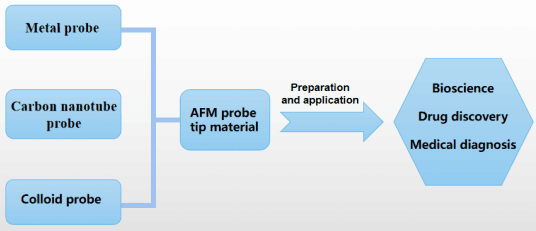
- tool for biomedical research and food detection. Bifunctional probe Yang et al. [54] prepared a novel bifunctionalized colloidal gold nanoprobe and investigated its specificity due to the excellent performance of bifunctional probes for food pathogen detection and nucleic acid analysis. A
- coupling another specific H1N1 oligonucleotide fragment using magnetic microspheres as solid-phase support; both were bound to the target DNA (exact match DNA) to form a colorless nucleic acid probe. The two are combined with the target DNA (exact match DNA) to form a colorless capture probe-target DNA
- only one base mismatch. This study developed a novel self-assembled bifunctionalized colloidal gold nanoprobe with a simple preparation process with high sensitivity and high specificity. This colloidal gold nanoprobe will have a wide range of applications in nucleic acid analysis, especially in
Design of surface nanostructures for chirality sensing based on quartz crystal microbalance
Beilstein J. Nanotechnol. 2022, 13, 1201–1219, doi:10.3762/bjnano.13.100
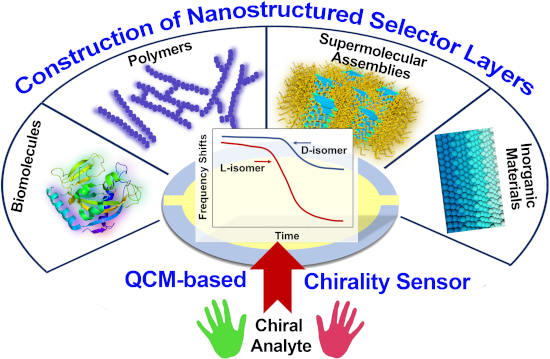
- (e.g., DNA analysis, microorganism assays, nucleic acid detection, pharmaceutical substance detection, and gas monitoring) and also a powerful tool for chiral recognition [23][24][25]. The sensitivity and specificity of QCM-based chiral sensors largely depend on the recognition layers on the surface of


Biomimetic chitosan with biocomposite nanomaterials for bone tissue repair and regeneration
Beilstein J. Nanotechnol. 2022, 13, 1051–1067, doi:10.3762/bjnano.13.92
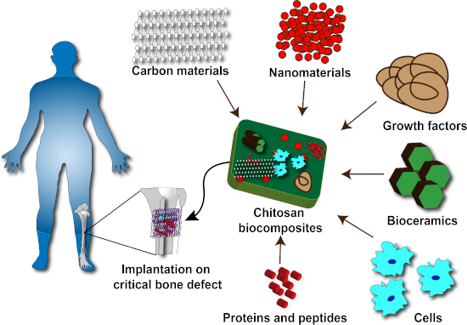
- regeneration, and other applications. Furthermore, chitosan-containing polymer composites are being extensively explored for drug delivery in targeted tumour treatment and nucleic acid delivery in genetic engineering applications. More research is required to optimise chitosan composites utilised in scaffolds
DNA aptamer selection and construction of an aptasensor based on graphene FETs for Zika virus NS1 protein detection
Beilstein J. Nanotechnol. 2022, 13, 873–881, doi:10.3762/bjnano.13.78
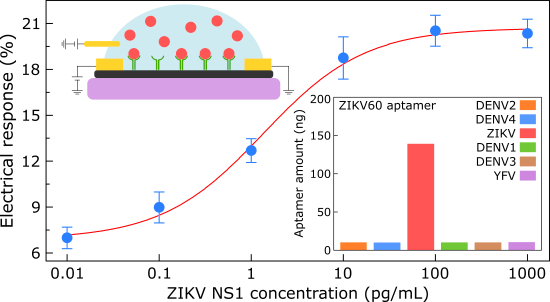
- , and specific virus identification. However, these techniques require professional expertise and expensive laboratory equipment and reagents. These conditions are frequently unavailable in endemic regions [8][9][10]. Nucleic acid aptamers are single-strand oligonucleotides (ssDNA or ssRNA) that can
- , high-affinity nucleic acid aptamers have been developed for a wide variety of targets, such as proteins, peptides, viruses, and bacteria [11][12]. Generally, nucleic acid aptamers are developed in vitro by a molecular evolution process based on iterative selection–amplification steps known as



Theranostic potential of self-luminescent branched polyethyleneimine-coated superparamagnetic iron oxide nanoparticles
Beilstein J. Nanotechnol. 2022, 13, 82–95, doi:10.3762/bjnano.13.6
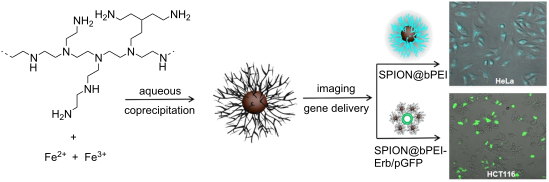
- molecular weight (25 kDa) [19]. Polyethyleneimine, especially branched 25 kDa PEI, has been accepted as the golden standard for non-viral nucleic acid delivery, providing efficient binding to the cell surface, endosomal release of the cargo, and translocation to the nucleus [25][28][29][30]. To develop




Comprehensive review on ultrasound-responsive theranostic nanomaterials: mechanisms, structures and medical applications
Beilstein J. Nanotechnol. 2021, 12, 808–862, doi:10.3762/bjnano.12.64
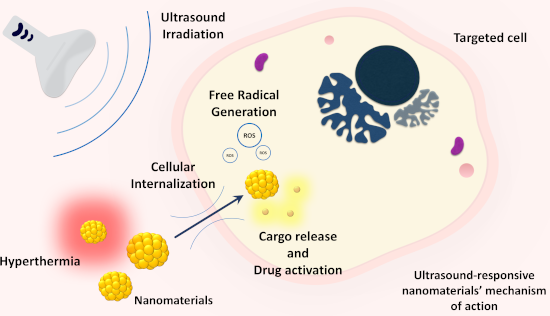
- intracellular delivery of fluorescently labeled mRNA (≈950 kDa) into the colon of healthy C57BL/6 mice using low-frequency US (40 kHz for 0.5 s). Confocal microscopy showed that the mRNA was safely delivered into the colonic mucosa and the colon tissue of mice, in which the US-mediated delivery of the nucleic
- acid was administered, had levels of bioluminescence 11-fold higher than the colon tissue of mice that received mRNA alone. This was suggested to be caused by US-induced cavitation, creating transient pores in the plasma membrane which facilitated the cellular diffusion of macromolecules [87]. In


The nanomorphology of cell surfaces of adhered osteoblasts
Beilstein J. Nanotechnol. 2021, 12, 242–256, doi:10.3762/bjnano.12.20
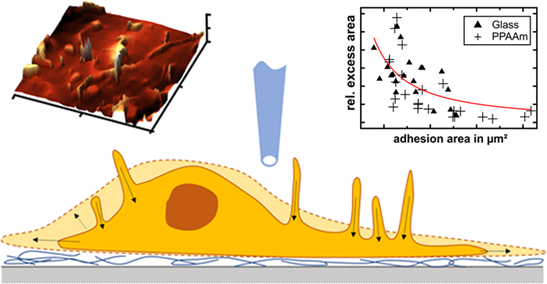
- , respectively. An analysis of a single time traces is shown in Figure 10a. Membrane fluctuation amplitudes turn out to amount to a few tens of nanometers and appear to be substantially larger on living than on fixed cells. Since PFA, via denaturation, only stiffens proteins and leaves nucleic acid, lipids, and





