Search results
Search for "penetration" in Full Text gives 375 result(s) in Beilstein Journal of Nanotechnology. Showing first 200.
Synthesis and characterization of RF-sputtered ZnTe/Cu2−xTe thin films for solar cell applications
Beilstein J. Nanotechnol. 2026, 17, 1016–1027, doi:10.3762/bjnano.17.69
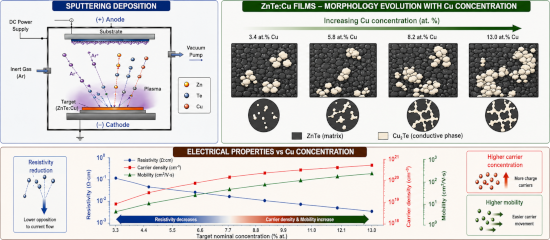
- approximate X-ray penetration depths of 80, 160, and 320 nm, respectively. This angular variation allows for the evaluation of phase distribution as a function of film depth. The SEM images reveal morphological differences between films grown at 300 and 350 °C. At 300 °C, the surface exhibits well-defined



Materials challenges in solid-state sensors for continuous monitoring of ions in water
Beilstein J. Nanotechnol. 2026, 17, 935–973, doi:10.3762/bjnano.17.66
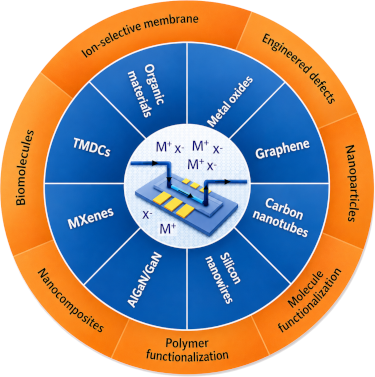
- . Electrochemical transistors (ECTs) are another type of FETs that translate ionic activity in a solution directly into amplified electronic signals. Their channels are commonly coated with ISMs to increase their selectivity (Figure 1f). ECTs rely on volumetric ion penetration into an active channel (often a mixed


Nanocarrier strategies to overcome P-glycoprotein-mediated drug resistance in cancer therapy
Beilstein J. Nanotechnol. 2026, 17, 882–921, doi:10.3762/bjnano.17.64
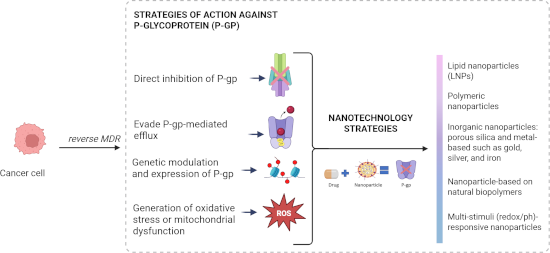
- strategy, the DOX/CEL-MTS-R8H3 system utilizes a hybrid peptide that facilitates cell penetration, lysosomal escape, and mitochondrial targeting. This leads to a 5.7-fold augmentation in intracellular drug absorption, improved ROS generation, and substantial suppression of P-gp efflux relative to non


Nanoparticle delivery systems for HIV pre-exposure prophylaxis (PrEP): advances and challenges
Beilstein J. Nanotechnol. 2026, 17, 839–853, doi:10.3762/bjnano.17.60
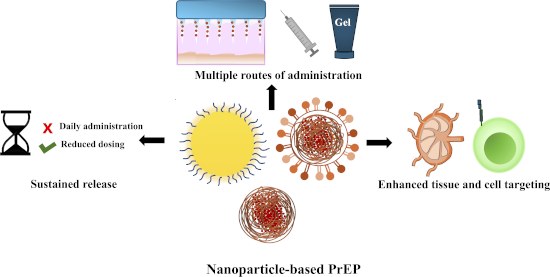
- gel and oral LPV. This indicates improved bioavailability. While LPV is not used as a PrEP drug, this study still demonstrates that SLN gels may offer an alternative route towards improved drug penetration and systemic distribution of PrEP compounds with similar oral limitations. In addition to the
- inorganic nanoparticles and generated GM3-presenting lipid-coated mesoporous silica nanoparticles co-loaded with CAB and RPV [103]. Hybrid systems have also been explored for topical delivery of ARVs in the context of PrEP. In the case of TFV, studies have shown that insufficient drug penetration of the
- well as improved tissue penetration across biological barriers and are therefore of interest to implement LA-PrEP using established, well-characterized ARVs. To achieve this goal and to maximize efficacy, nanoparticle delivery systems require a careful design and characterization. In this manuscript we


Sustainable fabrication of 2D-based devices through reuse of substrates with microfabricated electrodes
Beilstein J. Nanotechnol. 2026, 17, 818–827, doi:10.3762/bjnano.17.58
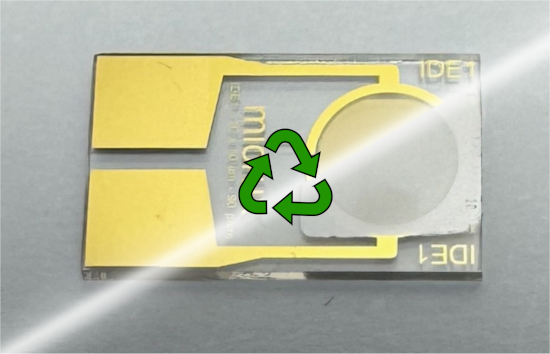
- -methyl-2-pyrrolidone (NMP) at 50 °C to remove MoS2 flakes and adhesive residues from the substrate. (b) Schematic representation illustrates the removal of MoS2 flakes from the substrate through the penetration of N-methyl-2-pyrrolidone (NMP) at 50 °C. (c, d) Optical images of the substrate before and


Restorative potential of laser-synthesized silver nanoparticles with Salvia officinalis for periodontal disease treatment: an in vitro study
Beilstein J. Nanotechnol. 2026, 17, 781–795, doi:10.3762/bjnano.17.55
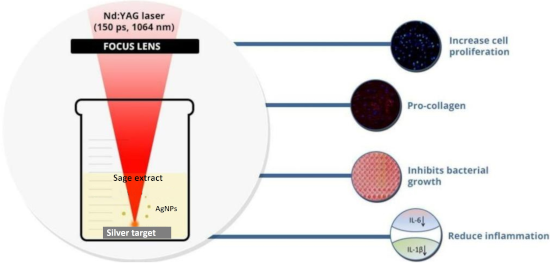
- AgNPs depends on their concentration but also on their size. Smaller nanoparticles exhibit a higher surface-area-to-volume ratio, which enhances their reactivity and interaction with bacterial cells. Moreover, reduced particle size enables more efficient penetration of the bacterial cell membrane



Decontamination from water pollutants and pathogens by electrospun nanofibers doped with heavy-atom-free borafluorene-BODIPY photosensitizers
Beilstein J. Nanotechnol. 2026, 17, 668–682, doi:10.3762/bjnano.17.46
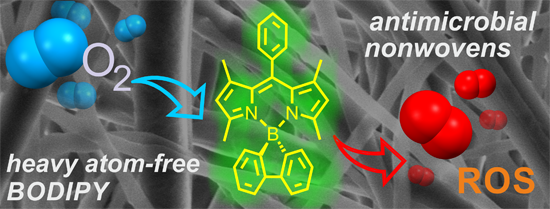
- platform and processing method giving materials with large surface areas, good mechanical properties, and high porosity, enabling oxygen diffusion, light penetration, and efficient ROS production. Accordingly, we used electrospinning, a relatively simple and cheap technique with the perspective for large



Cellulose as a photocatalyst support material: extraction, structural features, and environmental applications
Beilstein J. Nanotechnol. 2026, 17, 635–652, doi:10.3762/bjnano.17.44
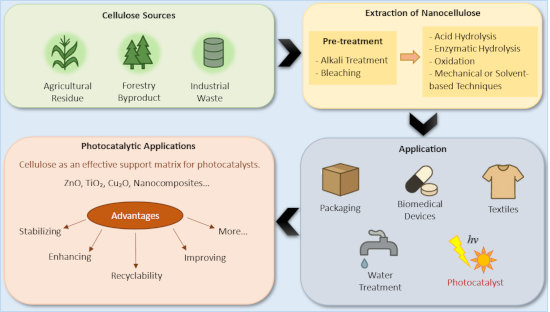
- degradation of pollutants [19]. In addition, the optical properties of transparent cellulose-based thin films enhance photocatalytic efficiency as their ability to transmit UV or visible light ensures greater light penetration, which in turn improves electron distribution and transfer to the TiO2 surface


Two-step laser synthesis of Ag@TiO2 nanomaterials for the photocatalytic degradation of rhodamine B
Beilstein J. Nanotechnol. 2026, 17, 622–634, doi:10.3762/bjnano.17.43
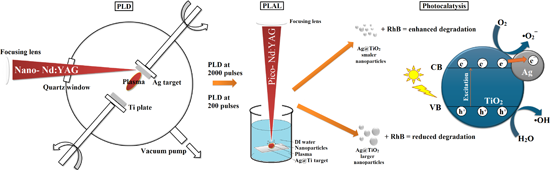
- photosynthetic activity by limiting light penetration in water bodies and causes toxicity to aquatic organisms. Furthermore, RhB is considered a potential mutagen and carcinogen, capable of causing DNA damage and posing significant risks to human health through bioaccumulation in the food chain. Given these


Recent progress in enhancing built-in electric fields of perovskite solar cells via junction engineering
Beilstein J. Nanotechnol. 2026, 17, 602–621, doi:10.3762/bjnano.17.42
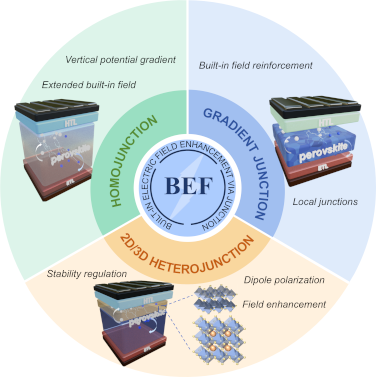
- transport. By contrast, 2D/3D heterojunctions exploit interfacial dipole formation, intrinsic polarization, and phase-penetration effects to amplify and homogenize the BEF, while simultaneously improving energy-level alignment and defect passivation. We systematically compare these strategies within a
- unified framework of BEF descriptors, magnitude, penetration depth, directionality, and spatial continuity. Special emphasis is placed on the potential for synergistic integration of multiple junction architectures and on the development of mild, process-compatible fabrication routes. Ultimately
- aligning energy levels [16]. These advantages have established heterojunctions as a major research hotspot, with current efforts shifting from simple passivation to deliberate interfacial potential design [17]. Nevertheless, the impact of phase penetration depth, residual strain, and bulk inhomogeneity on



Advances in nanotechnology applied to natural products
Beilstein J. Nanotechnol. 2026, 17, 555–558, doi:10.3762/bjnano.17.36

- emerges as a promising strategy to overcome limitations of bioactive compounds, and improve their efficacy in various biomedical scenarios. Nanoformulations can protect unstable compounds, improve sensory acceptability, modulate the release of cargos, increase bioavailability, improve tissue penetration
- compared with nonformulated oils. The issue also includes research illustrating the potential of nanoemulsions for vector control. This subject particularly highlights the potential of the high oil interface area of nanoemulsions in enhancing penetration through the cuticle of Aedes aegypti larvae [10] and
- therapeutic agents has enabled the development of multifunctional platforms, which can improve cellular uptake, enhance tumor penetration, reduce systemic side effects, and integrate therapeutic and diagnostic functions [19]. Beyond lipid-based systems, polymeric nanosystems have emerged as versatile
Nanocarrier-integrated multilayer films produced by 3D printing for improved skin adhesion and curcumin photostability
Beilstein J. Nanotechnol. 2026, 17, 440–453, doi:10.3762/bjnano.17.30
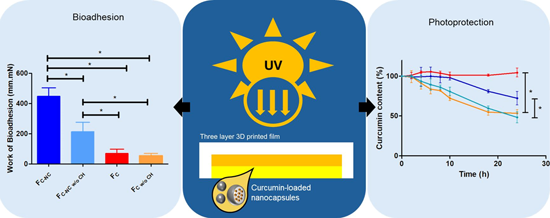
- characterise drug release kinetics and skin permeation/penetration behaviour, which will be essential for advancing this printed multilayer system toward broader application in topical drug-delivery research. (A–C) Rheological behaviour with oscillation frequency data for storage (G′), loss modulus (G″), and


Biomimetic nanoparticles in cancer photodynamic therapy: a review of targeted delivery systems and therapeutic outcomes
Beilstein J. Nanotechnol. 2026, 17, 396–422, doi:10.3762/bjnano.17.27
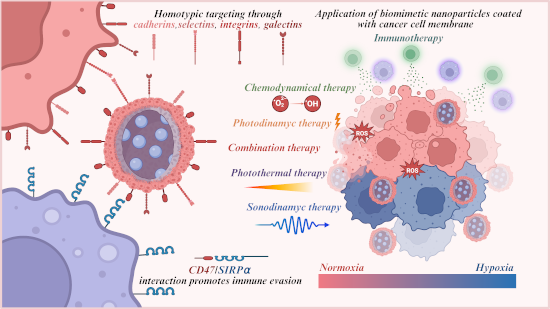
- -infrared (NIR) range to enable deep tissue penetration, addressing a key PDT limitation. However, the use of longer wavelengths (>800 nm) is not practical due to their inefficiency in exciting an oxygen molecule from the triplet ground state to the excited singlet state [21]. A high quantum yield for ROS
- vasculature, penetration through the interstitial space, and cellular internalization at the target site [47]. Conferring the carriers with a biomimetic shell that mimics the functions of biological cells potentially increases their circulation time and targeting properties, while significantly reducing the
- . These properties are particularly valuable for treating inflammatory diseases and targeting tumors. Crossing the blood–brain barrier (BBB) remains a significant challenge for nanomedicine. BNPs coated with membranes from cells capable of BBB penetration, such as neutrophils or cancer cells, show


Beam shaping techniques for pulsed laser ablation in liquids: Unlocking tunable control of nanoparticle synthesis in liquids
Beilstein J. Nanotechnol. 2026, 17, 309–342, doi:10.3762/bjnano.17.22
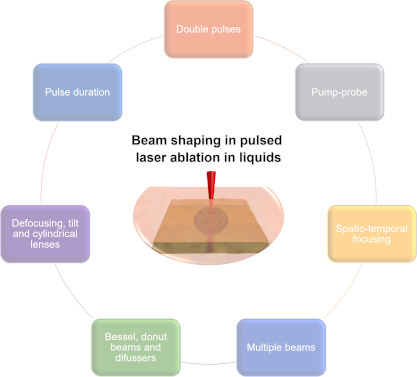
- threshold characterises the “gentle” ablation phase [177]. The ablation rate is low and determined by the optical penetration depth [178]. The rapid ionisation of the material leads to the ejection of charged particles due to electrostatic repulsion, named Coulomb explosion. This process occurs within a few
- penetration depth δ and the electron-thermal penetration depth, l, related to electron heat conduction. Considering that the Gaussian beam fluence distribution follows Φ = Φ0exp(−r2/ω2), with ω being the radius of the beam and Φ0 = E0/πω2 the peak fluence, ΔV is given by: where Φth is the threshold fluence
- , E0 is the absorbed energy and with Φth,δ and Φth,l are the threshold fluences regarding the two different penetration depths [20]. The constants A and B in Equation 3 are derived from the experimental data. In comparison, picosecond pulse durations are in the range of the electron–phonon coupling





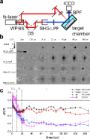


Fast vortex dynamics and relaxation times in NbRe-based heterostructures
Beilstein J. Nanotechnol. 2026, 17, 292–302, doi:10.3762/bjnano.17.20
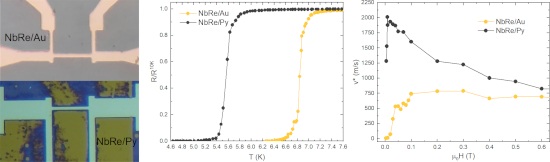
- are characterized by significantly different electrical resistivities, with Au being an excellent electrical conductor even at small thicknesses and Py films showing high resistivity in the ultrathin film regime [40][41]. To calculate the London penetration depth at T = 0 K, the formula λ(0) = 1.05
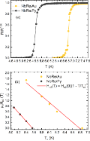
- = [43], where Λ = 2λ2/d is the Pearl penetration length. The theoretical values of Bs are = 5.3 mT and = 7.4 mT. The linear fits to the data were carried out fixing the value of Jc at μ0H = 0 T to the experimental values (0) = 2.64 × 10⁹ A/m2 and (0) = 8.7 × 10⁹ A/m2. The fits yield Bs equal to ≈ 60
- enhancement of Bs can be understood by considering that the theoretical expression accounts for the suppression of the edge barrier, whereas the experimental Bs extracted from Jc(B) reflects the onset of vortex penetration into the bulk, which, in the presence of bulk pinning, may require magnetic fields


Structure-dependent thermochromism of PAZO thin films: theory and experiment
Beilstein J. Nanotechnol. 2026, 17, 186–199, doi:10.3762/bjnano.17.12
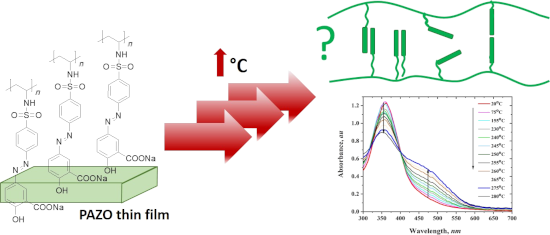
- the sample. Conversely, the increased absorption at 532 nm is advantageous, offering sufficient absorption while allowing deeper light penetration without significant energy loss. This facilitates the efficient use of high-power lasers operating at 532 nm for the fabrication of diffraction gratings


From shield to spear: Charge-reversible nanocarriers in overcoming cancer therapy barriers
Beilstein J. Nanotechnol. 2026, 17, 159–175, doi:10.3762/bjnano.17.10
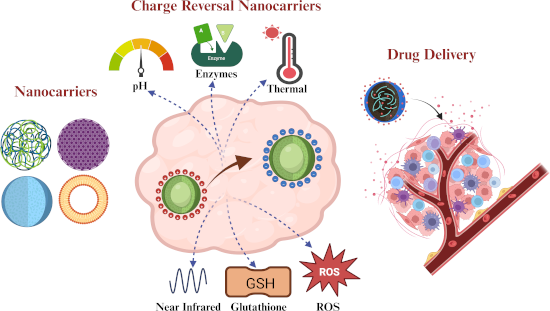
- normal cells [69]. Wang et al. developed a pH/hypoxia synergistic nanocarrier technology, which, with the aid of azo and sulfamide-based zwitterions, achieved targeted medication release and deep tumour penetration [70]. Miao et al. designed a pH/reduction-sensitive, charge-reversal PMAABACy/CS/CS-DMMA
- effective tumour penetration and notable reduction in MCF-7 tumours, with excellent biosafety in vivo [83]. 3.4 Improved cellular uptake Upon exposure to mildly acidic conditions of the tumour microenvironment (around pH 6.5–6.8), ionizable groups such as amines, imidazoles, or carboxyl-based moieties, CRNs
- accumulation, cellular uptake, and controlled drug release in response to tumour microenvironmental cues. Different CRN architectures, including pH-responsive polymeric micelles, lipid-based nanoparticles, and dendrimer-based systems, have demonstrated improved tumour penetration and minimised systemic


Influence of surface characteristics on the in vitro stability and cell uptake of nanoliposomes for brain delivery
Beilstein J. Nanotechnol. 2026, 17, 139–158, doi:10.3762/bjnano.17.9




Capabilities of the 3D-MLSI software tool in superconducting neuron design
Beilstein J. Nanotechnol. 2026, 17, 122–138, doi:10.3762/bjnano.17.8

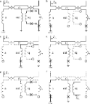
- parameter here is the London penetration depth [5], which was taken as 85 nm according to manufacturer data. Details of 3D-MLSI numerical technique can be found in [49][50]. An input data file, specified in text format, must contain the geometry of the device in the plane of the substrate, the parameters of
- manufacturer’s design rules. So ah can hardly be chosen larger then 2 μm since the minimal width was 4 μm for all samples studied here. In principle, the lower grid scale ahb < ah should be related to the London penetration depth λ = 85 nm for all superconducting layers. However, ahb, and ah as well, must not be
- and ahb = 0.5 μm was used, which provides a reasonable estimate, as was stated above. Summarizing, 3D-MLSI evaluates two-terminal partial inductances of thin multilayer structures, with the only free parameter being the London penetration depth. A fairly good performance rate is achieved due to the



Functional surface engineering for cultural heritage protection: the role of superhydrophobic and superoleophobic coatings – a comprehensive review
Beilstein J. Nanotechnol. 2026, 17, 63–96, doi:10.3762/bjnano.17.6
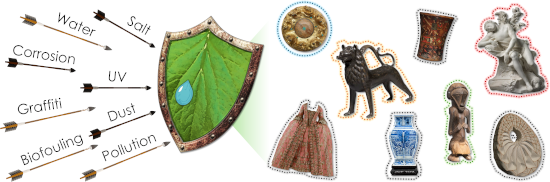
- interfacial adhesion under various environmental conditions, including immersion in saline solutions. It also effectively reduced chloride ion penetration, contributing to the durability of concrete substrates. Additionally, the coating was also able to promote temperature regulation by lowering surface
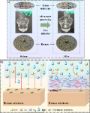
- minimal intervention. The claimed “labyrinth effect” and the strong adhesion were due to the Si–O–metal bonds, which impeded the penetration of corrosive ions, yielding suitable properties to consider the coating for long-term heritage bronze conservation and protection (Figure 6b). Several papers have




Microscopic study of the intermediate mixed state in intertype superconductors
Beilstein J. Nanotechnol. 2026, 17, 57–62, doi:10.3762/bjnano.17.5
- superconductors has long served as a fundamental criterion for their classification into distinct types. Traditionally, two types are recognized, namely, type I, in which magnetic fields are completely expelled from the material (the Meissner state), and type II, with magnetic flux penetration in the form of
- quantized vortices forming a mixed state [1][2][3]. Within the Ginzburg–Landau (GL) framework, the boundary between these regimes is determined by the GL parameter κ = λL/ξGL, where λL is the magnetic London penetration depth and ξGL is Ginsburg–Landau coherence length, with the critical value separating
- T. The variation of g and T modifies both the coherence length ξ and the magnetic penetration depth λ, and hence their ratio κ = λ/ξ, which determines the superconductivity type. Within the GL theory, ξ and λ share the same temperature dependence, ξ,λ ∝ (1 − T/Tc)−1/2, making the superconductivity


Quantitative estimation of nanoparticle/substrate adhesion by atomic force microscopy
Beilstein J. Nanotechnol. 2026, 17, 1–14, doi:10.3762/bjnano.17.1

- partial penetration, removal, or reduction cannot be excluded. We did not detect changes in the roughness between pristine and plasma-treated surfaces (RMS < 0.2 nm at 5 × 5 µm area) that would contribute to a change in friction. Interfacial redox reactions between the copper NP and the wafer surface



Internal 3D temperature mapping in biological systems using ratiometric light-sheet imaging and lipid-coated upconversion nanothermometers
Beilstein J. Nanotechnol. 2025, 16, 2306–2316, doi:10.3762/bjnano.16.159
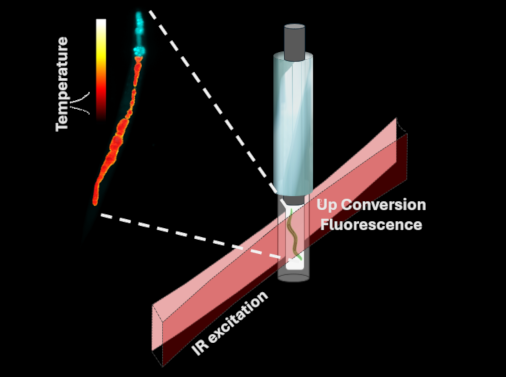
- volumetric temperature sensing through fluorescence-lifetime or UC nanothermometry. However, these approaches remain limited by point-by-point scanning, shallow penetration depth, and narrow fields of view (typically below 100 µm), restricting their applicability to intact organisms. Beyond these


Terahertz-range on-chip local oscillator based on Josephson junction arrays for superconducting quantum-limited receivers
Beilstein J. Nanotechnol. 2025, 16, 2296–2305, doi:10.3762/bjnano.16.158
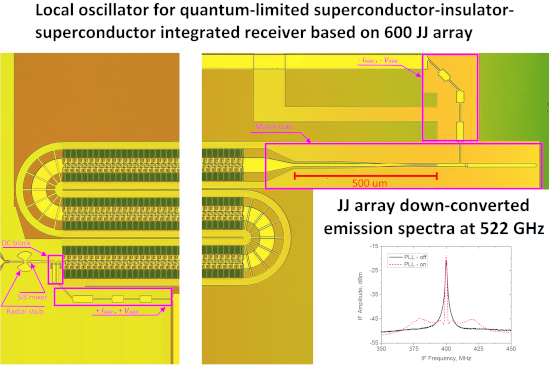
- London penetration depth [18][53]. The experimental results for the S21 coefficient of the 300–550 GHz and 500–700 GHz matching circuits and the calculations are shown in Figure 6a and Figure 6b, respectively. The experimental values of Ipump are normalized to Ig. However, the experiment shows a


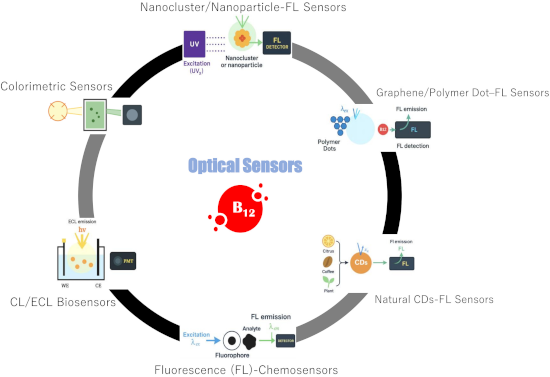
Optical bio/chemical sensors for vitamin B12 analysis in food and pharmaceuticals: state of the art, challenges, and future outlooks
Beilstein J. Nanotechnol. 2025, 16, 2207–2244, doi:10.3762/bjnano.16.153