Search results
Search for "permeability" in Full Text gives 190 result(s) in Beilstein Journal of Nanotechnology.
Development of Protium heptaphyllum essential oil-loaded nanocapsules: experimental design and biological activity
Beilstein J. Nanotechnol. 2026, 17, 974–990, doi:10.3762/bjnano.17.67
- organization and permeability [46][47]. Future studies must clarify the underlying mechanisms by using specific assays to evaluate membrane integrity, assess oxidative stress, or determine apoptosis. According to ISO 10993-5 guidelines, a viability reduction greater than 30% compared to controls indicates




Nanocarrier strategies to overcome P-glycoprotein-mediated drug resistance in cancer therapy
Beilstein J. Nanotechnol. 2026, 17, 882–921, doi:10.3762/bjnano.17.64
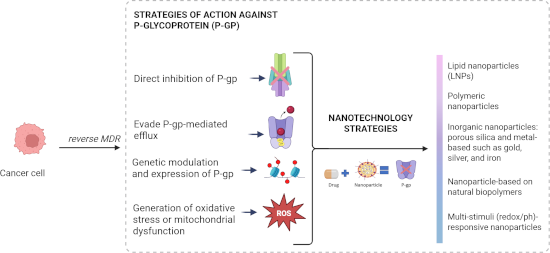
- cells. Nanocarriers may exhibit dual functionality by simultaneously delivering therapeutic agents while some excipients may also modulate P-glycoprotein activity via their components [27]. By utilizing the distinctive pathophysiological traits of tumors, such as the enhanced permeability and retention


Nanoparticle delivery systems for HIV pre-exposure prophylaxis (PrEP): advances and challenges
Beilstein J. Nanotechnol. 2026, 17, 839–853, doi:10.3762/bjnano.17.60
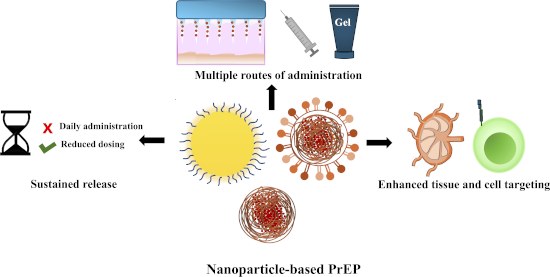
- were designed to improve delivery to HIV reservoirs [58]. In permeability studies, the nanoparticles showed a fourfold increase in transport across a Caco-2 cell membrane compared to plain drug solution. Furthermore, the peptide-grafted SLNs achieved enhanced cellular uptake in a CD4+ T cell model
- ’ intrinsic antiviral actions such as protease inhibition [72][73][74]. Some studies of the toxicity of MNPs have provided indications of mitochondrial dysfunction, increased membrane permeability, cellular damage, and oxidative stress in host cells in response to MNP exposure [75][76]. Silicon-based systems
- . also developed various PLN hybrid systems, in which the authors co-loaded with DRV and ritonavir (RTV) [100]. Certain formulations showed enhanced colloidal stability and improved transcellular permeability in vitro. Similar to our GM3-PLNs work [90], we have also investigated lipid–AuNP hybrids that


Interface-engineered Caco-2 cell culture on a collagen-coated liquid–liquid interface in a microfluidic device
Beilstein J. Nanotechnol. 2026, 17, 760–768, doi:10.3762/bjnano.17.53
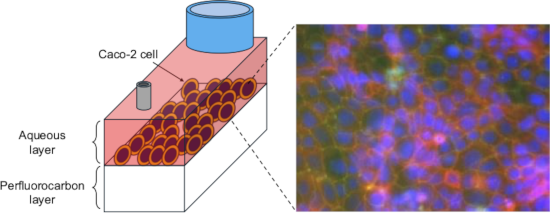
- , offering a novel platform with potential for advanced drug transport studies and co-culture experiments with other cell types. This approach is expected to open new avenues for functional assays, such as transepithelial electrical resistance or drug permeability studies and co-culture experiments with


Environmental applications of silver nanoparticles: state-of-the-art review and emerging trends
Beilstein J. Nanotechnol. 2026, 17, 697–736, doi:10.3762/bjnano.17.49
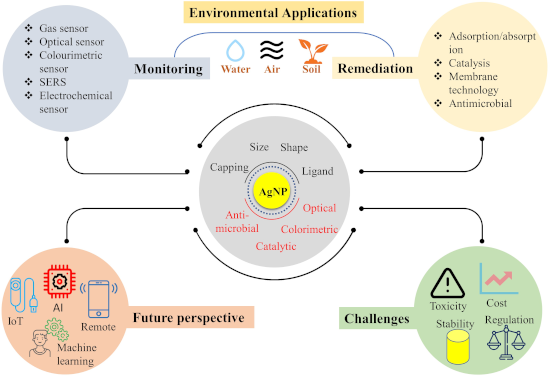
- ]. Another study assessed water permeability, antifouling performance, salt rejection, and dye removal using a nanofiltration membrane of green AgNPs with polyethersulfone [141]. The membrane having AgNPs (0.75 wt %) demonstrates water permeability (36 L/m2·h−1·bar−1), salt rejection (NaCl (32 to 57%), MgSO4


Advances in nanotechnology applied to natural products
Beilstein J. Nanotechnol. 2026, 17, 555–558, doi:10.3762/bjnano.17.36

- photochemical instability, (c) rapid metabolic degradation, (d) reduced permeability, (e) volatility, and (f) unpleasant organoleptic characteristics. These attributes have compromised the potential of natural products towards their extensive application in diverse fields [1]. In this context, nanotechnology
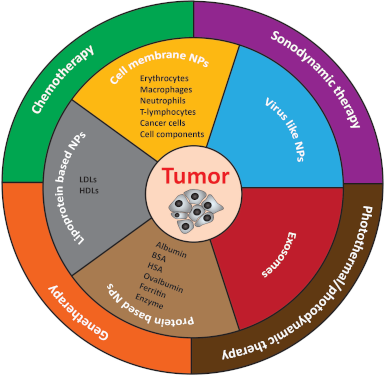
Biomimetic nanoparticles in cancer photodynamic therapy: a review of targeted delivery systems and therapeutic outcomes
Beilstein J. Nanotechnol. 2026, 17, 396–422, doi:10.3762/bjnano.17.27
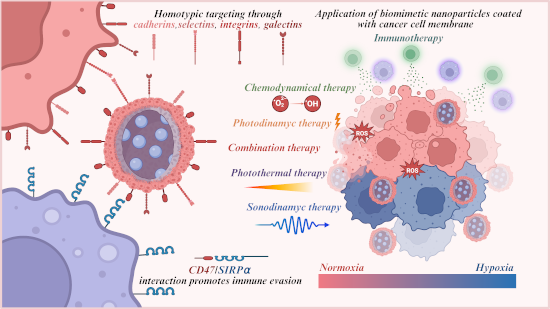
- tissue via the enhanced permeability and retention (EPR) effect, driven by tumor vasculature characteristics [10]. This enhances delivery selectivity, reducing therapeutic doses and impact on healthy tissues. The nanoparticle shell isolates the PS, reducing dark toxicity and systemic phototoxicity [11


Influence of surface characteristics on the in vitro stability and cell uptake of nanoliposomes for brain delivery
Beilstein J. Nanotechnol. 2026, 17, 139–158, doi:10.3762/bjnano.17.9
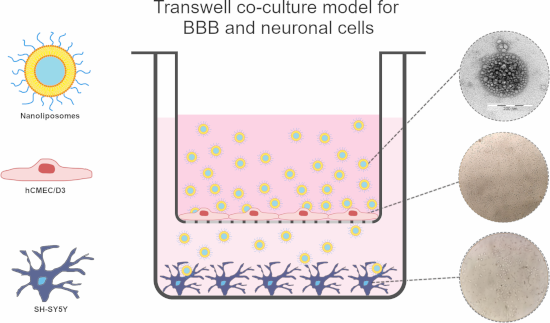
- endothelial monolayer integrity and permeability of hCMEC/D3 and SH-SY5Y in order to accurately simulate NLs uptake across the BBB and to obtain accurate representation of neuronal uptake mechanisms [14]. Other factors playing a key role in maximization of the uptake efficiency and prevention of saturation or
- unique in its composition being highly enriched in lipids, in particular cholesterol, which plays a key role in regulating the membrane structure, fluidity, and permeability as well as multiple aspects of the synaptic transmission [49]. In pure human SH-SY5Y cell cultures, the glia-derived cholesterol is




Development and in vitro evaluation of liposomes and immunoliposomes containing 5-fluorouracil and R-phycoerythrin as a potential phototheranostic system for colorectal cancer
Beilstein J. Nanotechnol. 2026, 17, 97–121, doi:10.3762/bjnano.17.7
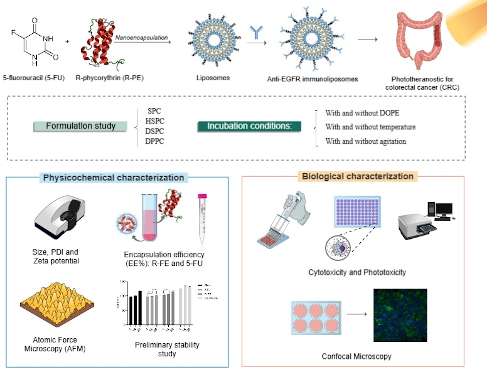
- drug accumulation in tumor tissue through the enhanced permeability and retention (EPR) effect, thereby reducing cytotoxic exposure to healthy tissues and minimizing side effects [6]. Liposomes have promising characteristics due to their biocompatibility and their ability to carry both hydrophilic and
- lipophilic substances. Furthermore, liposomes can also act as a protein delivery system, reducing enzymatic degradation of proteins and enhancing their stability and their permeability through cell membranes [7]. Immunoliposomes provide many advantages by surface functionalization with targeting biomolecules
- ]. Conversely, this trend was not observed in DPPC-based liposomes. DPPC has a lower phase transition temperature (41 °C) than DSPC (55 °C), leading to higher permeability. It has been reported that DPPC liposomes may leak encapsulated compounds even before reaching their transition temperature. Given that film



Functional surface engineering for cultural heritage protection: the role of superhydrophobic and superoleophobic coatings – a comprehensive review
Beilstein J. Nanotechnol. 2026, 17, 63–96, doi:10.3762/bjnano.17.6
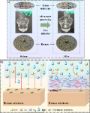
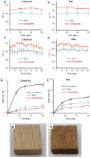
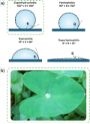
- altering the stone’s appearance as confirmed by minimal color changes in treated samples (Figure 3). The coating also maintains the stone’s vapor permeability, which is essential for its long-term durability. Short-term outdoor exposure tests showed that the protective effects remain stable, making it a
- lower permeability and greater environmental resistance, thanks to the sol–gel-derived procedures. A sol–gel strategy was also considered in [68], in which TiO2 was used in inorganic coating for the prevention of biological attachment, particularly from fungi, on Portuguese glazed tiles (Figure 5). Four
- (obtained from natural-derived raw materials), the coating’s overall mechanical performance was improved, including hardness, vapor permeability, and water repellency. A key feature of this system is its biocidal function; the addition of 0.24 wt % of commercial fungicidal agent (Polyphase R2085




Chiral plasmonic nanostructures fabricated with circularly polarized light
Beilstein J. Nanotechnol. 2025, 16, 2245–2264, doi:10.3762/bjnano.16.154
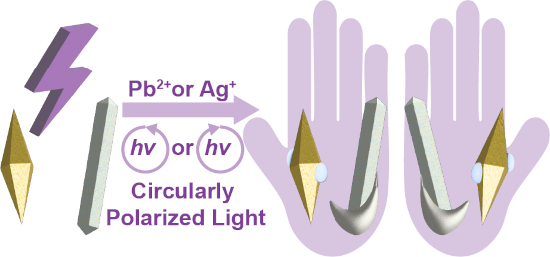
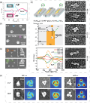
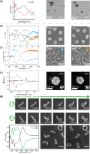
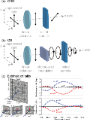
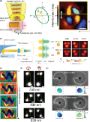
- with asymmetry exceeding that of CPL are referred to as superchiral fields. The optical chirality (C) of a superchiral field is described in Equation 1 [116][117][118]. Here, ε0 and μ0 are, respectively, the permittivity and permeability of free space, and E and B are the time-dependent electric and





Rapid synthesis of highly monodisperse AgSbS2 nanocrystals: unveiling multifaceted activities in cancer therapy, antibacterial strategies, and antioxidant defense
Beilstein J. Nanotechnol. 2025, 16, 2105–2115, doi:10.3762/bjnano.16.145
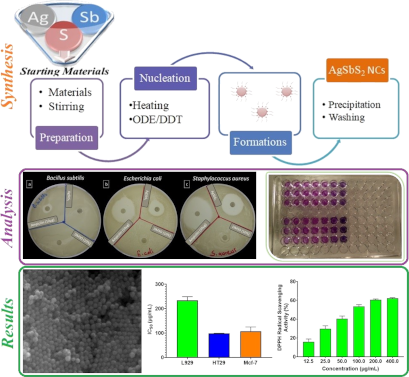
- -dependent studies, larger nanoparticles tend to have higher MICs for E. coli, indicating that membrane permeability and nanoparticle size are key factors affecting antimicrobial strength [42]. Of particular interest is the high resistance exhibited by B. subtilis, which demonstrated an MIC of 5.0 mg/mL and


Targeting the vector of arboviruses Aedes aegypti with nanoemulsions based on essential oils: a review with focus on larvicidal and repellent properties
Beilstein J. Nanotechnol. 2025, 16, 1894–1913, doi:10.3762/bjnano.16.132
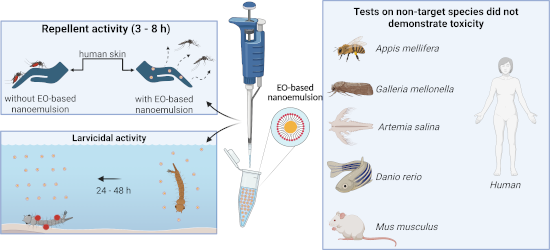
- ) increased cutaneous permeability of various molecules; (d) reduced emulsifier concentrations compared to that of macro- and microemulsions; (e) protection of molecules from adverse environmental conditions such as pH-induced hydrolysis and oxidation; and (f) versatile applications allowing administration in


Current status of using adsorbent nanomaterials for removing microplastics from water supply systems: a mini review
Beilstein J. Nanotechnol. 2025, 16, 1837–1850, doi:10.3762/bjnano.16.127
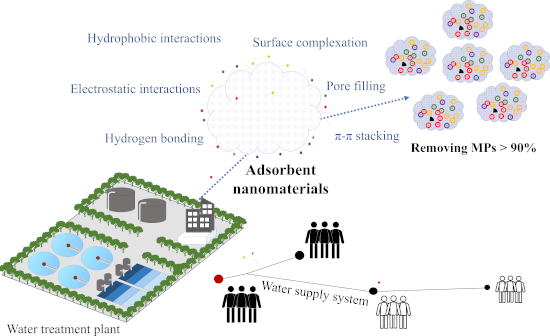
- ]. Recently, Yan et al. developed a reduced graphene oxide (S-rGO) membrane with small lateral size and a rejection rate of up to 99.9% while maintaining high water permeability (236.2 L·m−2·h−1·bar−1) [56]. As another type of material belonging to carbon-based adsorbents, CNTs have also gained attention


Phytol-loaded soybean oil nanoemulsion as a promising alternative against Leishmania amazonensis
Beilstein J. Nanotechnol. 2025, 16, 1826–1836, doi:10.3762/bjnano.16.126

- agents such as surfactants and co-surfactants, forming a kinetically stable system. With droplet sizes ranging from 20 to 500 nm, NEs can significantly enhance drug permeability and bioavailability [24][25][26][27]. Therefore, the present study aimed to develop a nanoemulsion containing phytol, produced
- surface curvature and increased solute concentration at the droplet interface in the aqueous phase. Such structural features can promote a higher drug flux and localized delivery in the skin layers [34][35][36]. Chiu et al. (2024) reported a significant increase in curcumin skin permeability when carried


Exploring the potential of polymers: advancements in oral nanocarrier technology
Beilstein J. Nanotechnol. 2025, 16, 1751–1793, doi:10.3762/bjnano.16.122
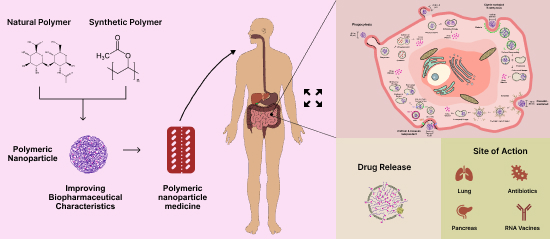
- permeability, critical factors for effective oral drug delivery, are discussed in detail. Furthermore, nanoparticle synthesis methods that enable controlled release profiles, optimized biodistribution, and improved therapeutic efficacy are also explored. Thus, polymers represent a dynamic platform for
- products intended for human use [1]. Despite their advantages, drug candidates for oral administration face several limitations, as shown in Figure 1, including chemical instability caused by the gastric environment, low bioavailability, and poor permeability across barriers in the gastrointestinal tract
- anionic glycoprotein that plays a pivotal role in determining the thickness and structure of the mucus layer. Consequently, its barrier function and permeability to drugs are also influenced. As a consequence, positively charged substances are attracted to mucin by electrostatic forces and retained within


Advances of aptamers in esophageal cancer diagnosis, treatment and drug delivery
Beilstein J. Nanotechnol. 2025, 16, 1734–1750, doi:10.3762/bjnano.16.121
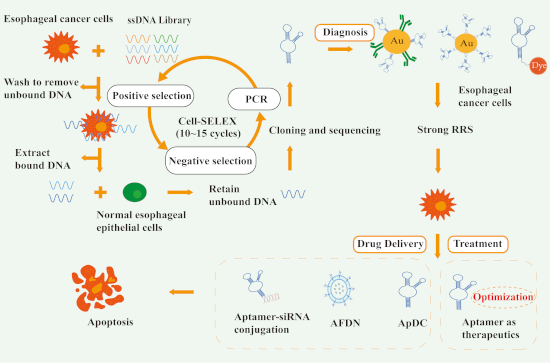
- conjugates and aptamer-functionalized drug nanocarriers for targeted drug delivery in esophageal cancer are reviewed in this paper. In addition, we expect investigators to pay special attention to improving aptamer permeability and stability to accelerate aptamer clinical transformation. In conclusion
- aptamers in terms of global market share. However, the large size of antibodies (150–180 kDa, 15 nm), limited tissue permeability, expensive, time-consuming and laborious in vivo screening, and high immunogenicity [26] make it imperative to develop safe, effective, and simple ApDCs. Aptamer-functionalized
- deliver PTX and siRNA to ESCC cells overexpressing EFNA1. Due to the excellent permeability and retention of natural yolk lipid nanocarriers (EYLNs) [127], as well as the combined effects of chemotherapy and gene therapy, the EA1-EYLNs-PTX/siEFNA1 delivery system exhibited significant antitumor effects


Multifunctional anionic nanoemulsion with linseed oil and lecithin: a preliminary approach for dry eye disease
Beilstein J. Nanotechnol. 2025, 16, 1711–1733, doi:10.3762/bjnano.16.120
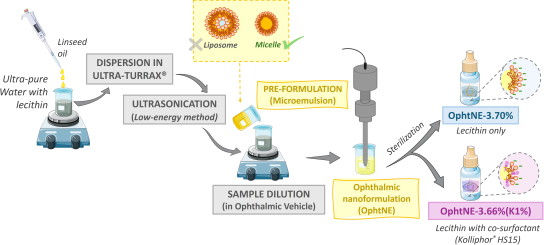
- Freire 01, Cidade Universitária, 50740-540, Recife, Pernambuco, Brazil 10.3762/bjnano.16.120 Abstract The treatment of dry eye disease (DED) often requires frequent use of artificial tear products. Because of their low permeability and limited ocular bioavailability, repeated applications are required



Prospects of nanotechnology and natural products for cancer and immunotherapy
Beilstein J. Nanotechnol. 2025, 16, 1644–1667, doi:10.3762/bjnano.16.116
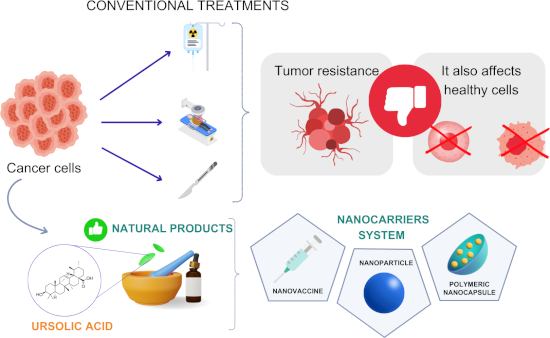
- permeability, which can help overcome challenges like multidrug resistance [23]. Moreover, this technology enables better encapsulation of active pharmaceutical ingredients (APIs), contributing to improved drug delivery to the tumor region and promoting new therapeutic approaches for cancer treatment [99]. In
- cytotoxicity. The nanoparticles showed inhibition of the proliferation of breast cancer cells, with lower cytotoxicity to normal liver cells compared to standard drug and free drug. This is due to the nanoparticles’ enhanced permeability and retention, which improves tumor-specific targeting. Mitochondrial


Nanotechnology-based approaches for the removal of microplastics from wastewater: a comprehensive review
Beilstein J. Nanotechnol. 2025, 16, 1607–1632, doi:10.3762/bjnano.16.114
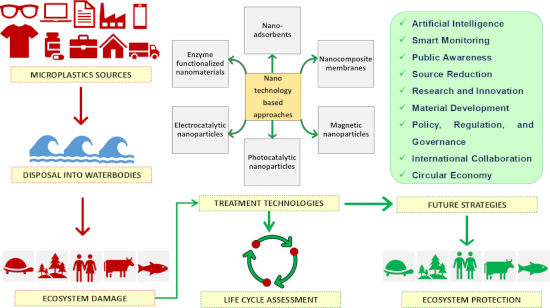
- seawater and brackish water [111]. The physical mechanisms involved in the removal of pollutants are schematically represented in Figure 9 and explained in Table 5 [112]. Membrane technology faces a key limitation in balancing selectivity with permeability, often resulting in a compromise between the two
- associated modules. The efficiency of a membrane system is primarily governed by the material used in its construction. Enhancing membranes with functional nanomaterials provides a promising path to boost permeability, reduce fouling, and increase both mechanical and thermal durability, while also enabling
- explored for applications such as water treatment and purification [114]. Yang et al. [120] introduced for the first time a membrane with an enhanced water permeability. This membrane was obtained by selectively etching Co3O4 nanoparticles embedded within Ti3C2Tx nanosheets, followed by vacuum filtration


Parylene-coated platinum nanowire electrodes for biomolecular sensing applications
Beilstein J. Nanotechnol. 2025, 16, 1392–1400, doi:10.3762/bjnano.16.101
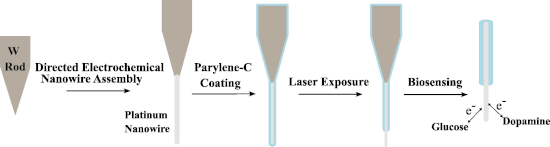
- structures [18][19][20][21]. These characteristics allow DENA to create a variety of structures for nanoscale biosensor manufacturing. Parylene-C is a polymer known for its exceptional properties, including high tensile strength, excellent electrical insulation, low water permeability, and biocompatibility


Synthesis and antibacterial properties of nanosilver-modified cellulose triacetate membranes for seawater desalination
Beilstein J. Nanotechnol. 2025, 16, 1380–1391, doi:10.3762/bjnano.16.100
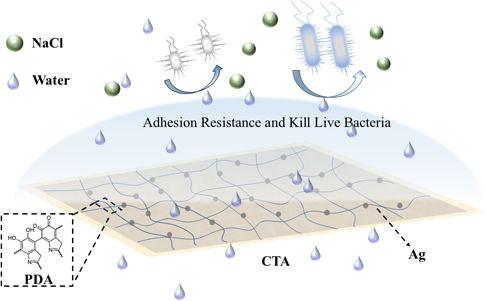
- water supply methods [13]. Additionally, traditional membranes face challenges such as the trade-off between permeability and selectivity, as well as susceptibility to biological pollution [14][15]. Biofouling, which involves attachment, growth, reproduction, and proliferation of microorganisms on the
- membrane surface, significantly reduces the efficiency of water production [16]. Therefore, there is an urgent need to enhance membrane properties to achieve both high permeability and high selectivity while improving resistance to biological contamination. Antibacterial nanomaterials have garnered


Enhancing the therapeutical potential of metalloantibiotics using nano-based delivery systems
Beilstein J. Nanotechnol. 2025, 16, 1350–1366, doi:10.3762/bjnano.16.98
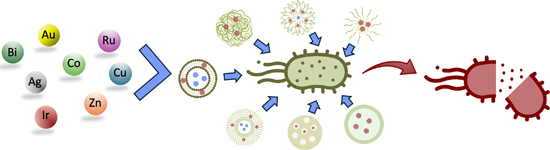
- systems [40][41]. Other bacteria, such as Staphylococcus aureus express alpha-toxin, which perforates the membrane of liposomes and can be utilized to trigger the release of antibiotics from the drug delivery system at the target site [42]. Also, enhanced permeability and retention (EPR) is observed at
- vascular permeability. Due to the intrinsic characteristics of nanoparticles, they can accumulate at infection sites due to this effect, resulting in better therapeutic outcomes and reduced toxic problems [43][44]. In contrast to passive targeting, active targeting takes advantage of the conjugation of
- resistance mechanisms that involve reduced membrane permeability. These complexes may bypass conventional porin-mediated pathways, enabling drug entry through alternative mechanisms, primarily controlled by electrostatic interactions with the membrane surface [117]. In 2022, Ghosh et al. described the


Acrocomia aculeata oil-loaded nanoemulsion: development, anti-inflammatory properties, and cytotoxicity evaluation
Beilstein J. Nanotechnol. 2025, 16, 1277–1288, doi:10.3762/bjnano.16.93
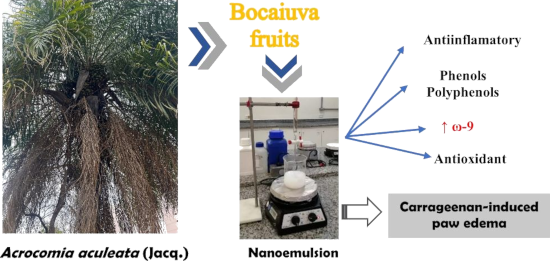
- emulsified systems loaded with plant extracts have better pharmacological activity than extracts when used naturally [22]. For example, plant oil-loaded nanoemulsions exhibit high water solubility, improved permeability, and enhanced bioavailability [23]. This contrasts with the limited solubility and poor


Better together: biomimetic nanomedicines for high performance tumor therapy
Beilstein J. Nanotechnol. 2025, 16, 1246–1276, doi:10.3762/bjnano.16.92