Search results
Search for "plants" in Full Text gives 159 result(s) in Beilstein Journal of Nanotechnology.
Light-driven ammonia electrooxidation via carbon nitride–ruthenium molecular interfaces
Beilstein J. Nanotechnol. 2026, 17, 854–862, doi:10.3762/bjnano.17.61
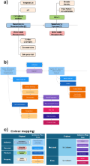
- carrier, remains an open and compelling opportunity [8]. B) Learning from nature: photosynthesis as the conceptual template The photoactive system took inspiration from natural photosynthesis (Figure 1). Plants, algae, and cyanobacteria optimise the conversion of sunlight into chemical energy, and the


Environmental applications of silver nanoparticles: state-of-the-art review and emerging trends
Beilstein J. Nanotechnol. 2026, 17, 697–736, doi:10.3762/bjnano.17.49


Cellulose as a photocatalyst support material: extraction, structural features, and environmental applications
Beilstein J. Nanotechnol. 2026, 17, 635–652, doi:10.3762/bjnano.17.44
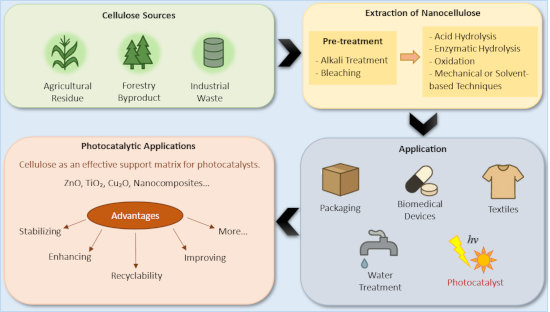
- technologies. Keywords: biomass waste; cellulose; green technology; photocatalysis; sustainable materials; Introduction The utilization of biomass has gained a lot of interest among researchers; biomass materials for extraction of biopolymers originate from plants, wood, and waste such as fruit peels and
- natural materials, and it exists in many different sources that can be used to create valuable products. These sources are generally divided into four main groups, which are plants, waste materials, bacteria, and marine organisms. Plants represent the largest and most important source of cellulose, with
- water treatment [37]. Despite its many advantages, bacterial cellulose remains more costly to produce compared to cellulose derived from plants, which limits its large-scale use. A fourth source of cellulose comes from certain sea animals such as tunicates, which produce cellulose in their outer


Eco-efficient materials for agricultural crops based on a mineral rich in MOR- and HEU-type zeolites
Beilstein J. Nanotechnol. 2026, 17, 381–395, doi:10.3762/bjnano.17.26
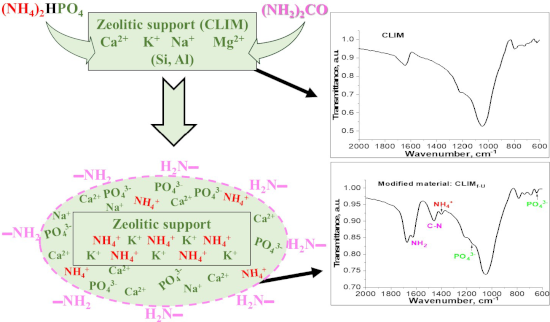
- development of plants, as evidenced in the cultivation tests. Keywords: adsorption; agroecological fertilizer; ion exchange; MOR–HEU zeolite mixture; natural zeolite; Introduction Traditional chemical fertilizers, widely used in agriculture, undergo significant nutrient losses resulting from dissolution and
- utilized by crop plants during their development. Furthermore, the silicon contained in its matrix is considered an important element due to its role in the physiology and biochemistry of agricultural crops [12]. The cation exchange and adsorption properties of zeolites form the basis for the modification
- medium. This behaviour is of great importance for agronomic applications [27] as it allows NH4+ ions to gradually exchange with the environment. This ensures that there are no significant losses of this element as in the case of a single application of water-soluble fertilizers, which enables plants to




Durable antimicrobial activity of fabrics functionalized with zeolite ion-exchanged nanomaterials against Staphylococcus aureus and Escherichia coli
Beilstein J. Nanotechnol. 2026, 17, 262–274, doi:10.3762/bjnano.17.18
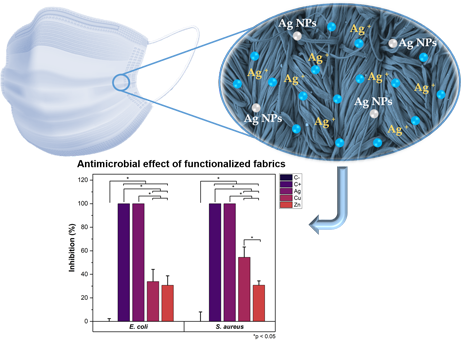
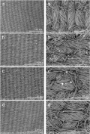
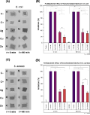
- leaves of some plants are water- or dust-repellent, and these repellent properties can be transferred to textiles by modifying the components involved in these mechanisms [24]. Among the physicochemical methods used for fabric functionalization with nanomaterials are coatings, electrospinning, assembling




Comparative study on 3D morphologies of delignified, single tracheids and fibers of five wood species
Beilstein J. Nanotechnol. 2026, 17, 239–250, doi:10.3762/bjnano.17.16
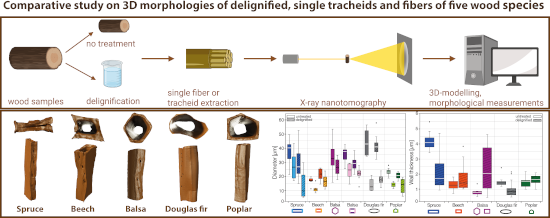
- biomechanics and water management. Keywords: 3D models; delignification; tracheid; wood; X-ray nanotomography; Introduction Wood fibers in hardwood and tracheids in softwood play a crucial role in the structure and function of vascular plants, particularly in water conduction and mechanical support [1][2
- moves between adjacent fibers and tracheids. Pits are distinguished between simple pits and bordered pits, which are surrounded by a thickened rim of wall material [6][7]. Several plants, such as conifers, have a torus–margo structure with a thin, porous mesh-like region (margo) and a thickened central


Micro- and nanoscale effects in biological and bioinspired materials and surfaces
Beilstein J. Nanotechnol. 2026, 17, 214–217, doi:10.3762/bjnano.17.14

- surface structures and their surroundings at nano-, micro-, and macroscales [1]. The physical constraints shaping such interactions are complex for all organisms, including bacteria, plants, and animals and of relevance across all habitats [2]. Understanding these interactions and the functionality of
- information on the design of natural ultrablack materials. Adhesion is a widespread topic in the field of nanotechnology and subject to various studies investigating the relationships between structures and functions. As the physical constraints for adhesive systems are omnipresent for animals and plants, but
- templates can be combined to benefit from the effects observed in both systems. This was demonstrated in the biomimetic approach of Faase et al. [23] which utilized slippery liquid-infused porous surfaces inspired by carnivorous pitcher plants with polydopamine anchorage inspired by mussel adhesive systems
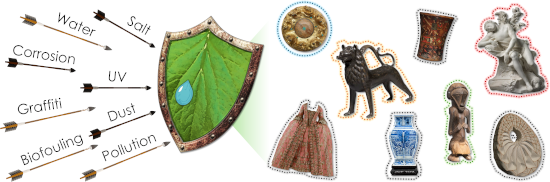
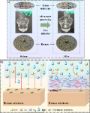
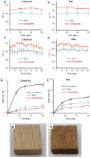
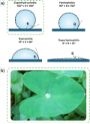
Functional surface engineering for cultural heritage protection: the role of superhydrophobic and superoleophobic coatings – a comprehensive review
Beilstein J. Nanotechnol. 2026, 17, 63–96, doi:10.3762/bjnano.17.6




Microplastic pollution in Himalayan lakes: assessment, risks, and sustainable remediation strategies
Beilstein J. Nanotechnol. 2025, 16, 2144–2167, doi:10.3762/bjnano.16.148
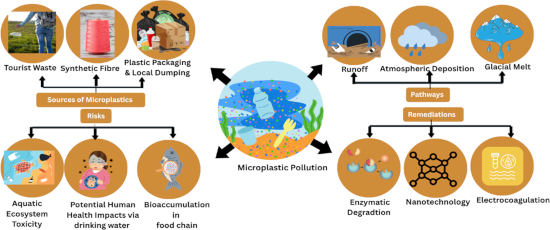
- more than 99% removal efficiencies under controlled conditions [42]. Sedimentation methods are frequently used in wastewater treatment plants, making use of the density difference between MPs and water. But it is difficult to trap particles measuring less than 10 µm with such processes. Physical
- treatment plants (WWTPs) are significant contributors to MP pollution, upgrading filtration technology is crucial. Germany and Switzerland have also enhanced their WWTPs to add more advanced membrane bioreactors and electrocoagulation systems to minimize MP discharge [136]. Implementation of microfiber


Beyond the shell: exploring polymer–lipid interfaces in core–shell nanofibers to carry hyaluronic acid and β-caryophyllene
Beilstein J. Nanotechnol. 2025, 16, 2015–2033, doi:10.3762/bjnano.16.139
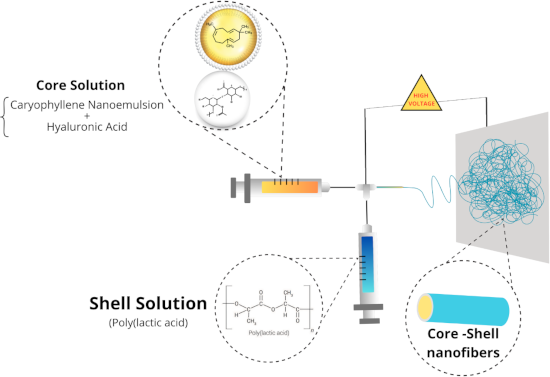
- inflammatory response during wound healing [32][33]. Chemically, βCp is characterized as a natural bicyclic sesquiterpene found in several plants and essential oils, and as expected for compounds of this class, it exhibits characteristic volatility and low solubility in water [34]. To address these limitations




Quantum circuits with SINIS structures
Beilstein J. Nanotechnol. 2025, 16, 1931–1941, doi:10.3762/bjnano.16.134
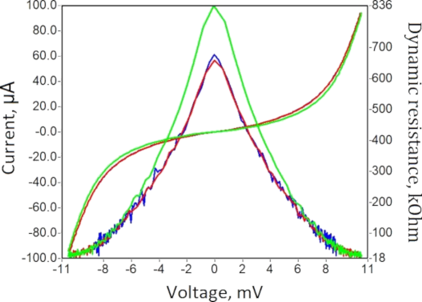
- deposition plants with thermal or e-beam evaporation. A much more available and simple deposition equipment is magnetron sputtering, but it provides only isotropic deposition, which is incompatible with anisotropic shadow evaporation. The practical solution for a magnetron sputtering is selective etching of


Targeting the vector of arboviruses Aedes aegypti with nanoemulsions based on essential oils: a review with focus on larvicidal and repellent properties
Beilstein J. Nanotechnol. 2025, 16, 1894–1913, doi:10.3762/bjnano.16.132
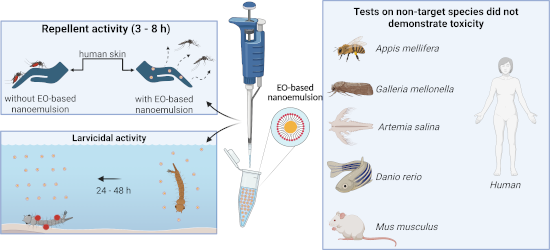
- with complex chemical composition extracted from different parts of plants [23]. They stand out for their efficiency in combating the vector at different stages of the evolutionary cycle, especially as larvicides, wherein the mosquito is at its most vulnerable stage [24]. In addition, they can act as
- trichomes, which are the secretory tissues present in different vegetative parts of plants, such as leaves, flowers, roots, fruits, or stems [67]. These can be obtained by distillation with water or steam, microwave or ultrasound assisted extraction, or from the epicarp of fruits by a mechanical process, or
- by “dry distillation”. They and are made of a complex mixture of low molecular weight chemical substances including terpenes, terpenoids, phenylpropanoids, aldehydes, ketones, and ethers which are directly related to the defense of plants against different pathogens [68][69][70]. The chemical


On the road to sustainability – application of metallic nanoparticles obtained by green synthesis in dentistry: a scoping review
Beilstein J. Nanotechnol. 2025, 16, 1851–1862, doi:10.3762/bjnano.16.128
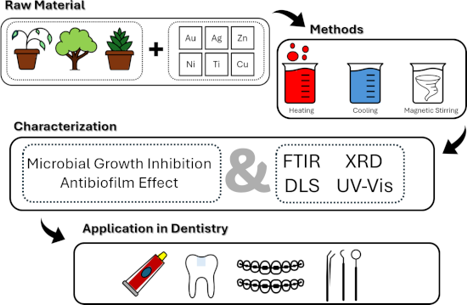
- attributed to a combination of scientific, cultural, and socioeconomic factors. First, India possesses a rich biodiversity, with a variety of endemic medicinal plants traditionally used in Ayurvedic and Unani medicine [10]. The country’s long-standing cultural familiarity with plant-based therapeutics
- (Figure 3). This increase may be primarily related to the recent pursuit of sustainable and biocompatible methods. Plants, metals, and methods used in green synthesis The predominance of plant families such as Lamiaceae (n = 15), Fabaceae (n = 12), Myrtaceae (n = 8), Asteraceae (n = 7), and Zingiberaceae
- during the biosynthesis of metallic nanoparticles [34][35]. For instance, plants from the Lamiaceae family (e.g., Ocimum spp., Rosmarinus officinalis, and Salvia rosmarinus) are extensively documented for their abundant polyphenols such as rosmarinic acid and caffeic acid, which facilitate the reduction


Current status of using adsorbent nanomaterials for removing microplastics from water supply systems: a mini review
Beilstein J. Nanotechnol. 2025, 16, 1837–1850, doi:10.3762/bjnano.16.127
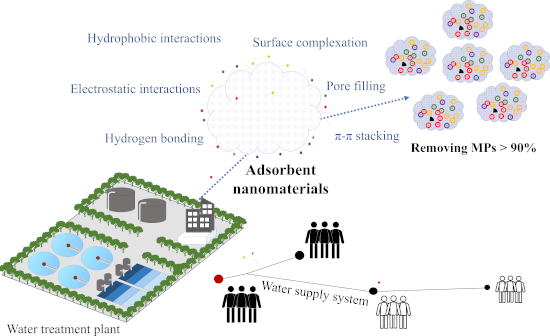
- efficiency of MPs in water supply systems, as well as the mechanisms and performance when applying these materials for treatment. In addition, the related risk of adsorbent nanomaterials is also considered. Microplastics from land-based sources and wastewater plants persist in water supplies, with
- products, construction materials, clothing, sewage sludge, urban runoff, and industrial activities contribute 80–90% of MPs in water bodies [28]. The outputs from wastewater treatment plants (WWTPs) are identified as a major pathway for MP discharge into aquatic environments [29]. Data collected worldwide
- in water supply systems worldwide, and MP pollution directly affects the water quality used in water treatment plants (WTPs) [35]. The occurrences of MPs in water supply systems The water distribution systems are responsible for transporting treated water from WTPs to various locations through the


Phytol-loaded soybean oil nanoemulsion as a promising alternative against Leishmania amazonensis
Beilstein J. Nanotechnol. 2025, 16, 1826–1836, doi:10.3762/bjnano.16.126

- diterpenes exhibit promising antileishmanial activity while displaying low toxicity to host cells [13][14][15]. One such compound is a phytol, a highly lipophilic, acyclic monounsaturated diterpene alcohol derived from chlorophyll metabolism in plants [16], and has demonstrated promising antileishmanial


Prospects of nanotechnology and natural products for cancer and immunotherapy
Beilstein J. Nanotechnol. 2025, 16, 1644–1667, doi:10.3762/bjnano.16.116

- bioactive compounds primarily extracted from plants. Among the most frequently identified natural products were ursolic acid, hyaluronic acid, and catechins. These bioactive compounds have been shown to promote cell cycle arrest, reduce tumor size, and exhibit synergistic effects with other anticancer
- ]. Given this scenario, bioactive compounds from natural products, such as alkaloids, flavonoids, and terpenoids, have garnered interest due to their anticancer and immunomodulatory properties [13][14]. Derivatives from plants, fungi, and microorganisms offer diverse mechanisms of action, including immune
- quantum dot nanoparticles are fluorescent semiconductor compounds that can act as drug carriers [40][41]. Nanotechnology, natural products, cancer, and immunotherapy Natural products are chemicals produced by living organisms such as microbes, marine organisms, animals, fungi, and plants. They are widely


Nanotechnology-based approaches for the removal of microplastics from wastewater: a comprehensive review
Beilstein J. Nanotechnol. 2025, 16, 1607–1632, doi:10.3762/bjnano.16.114
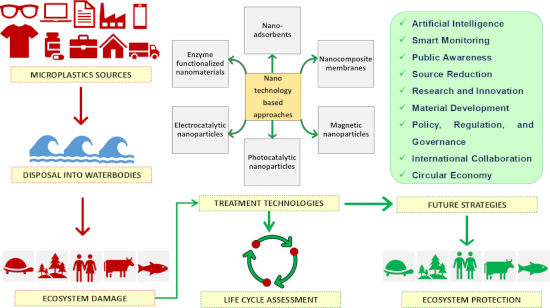
- play a major role. Everyday plastic items ranging from toothbrushes over kitchenware to furniture, such as plastic chairs that are commonly used in homes, contribute to MPs release [5]. Wastewater treatment plants receive MPs primarily from two sources, namely, domestic sewage and industrial effluents
- wastewater varies, with levels reaching several hundred particles per litre [7]. Studies have reported significant variation in the concentration and types of MPs present in wastewater samples collected from different treatment plants. Commonly identified MPs include polyethylene (PE, 4–51%), polyester (PES
- are later polymerised to produce various plastic materials. This results in the release of microplastic particles, which enter into wastewater treatment facilities through industrial effluents. Wastewater treatment plants (WWTPs) are the major contributors to microplastic pollution in the environment
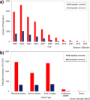


The role of biochar in combating microplastic pollution: a bibliometric analysis in environmental contexts
Beilstein J. Nanotechnol. 2025, 16, 1401–1416, doi:10.3762/bjnano.16.102
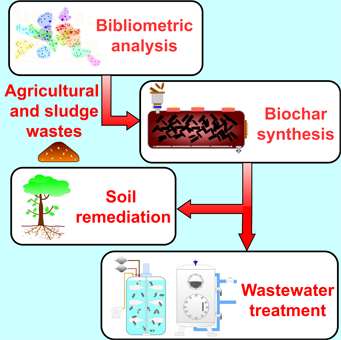
- ), while sediment contamination was more severe during the wet season, with contamination factors categorized as “very high” (15.6) in wet periods and “high” (4.9) in dry periods [10]. Similarly, effluent from wastewater treatment plants contained 192 particles/L for 2 µm MPs and 323 particles/L for 10 µm
- interacting with plants, activating genes associated with oxidative stress resistance, enhancing soil properties and promoting the growth of beneficial microorganisms, enzyme activity, and ARGs. Through these mechanisms, BC contributes to restoring microbial equilibrium, regulating enzymatic functions and
- biochar’s application. Biochar has demonstrated remarkable potential in mitigating the impacts of MPs on soil and plants. It enhances plant biomass yield by up to 80%, improves soil water retention and cation exchange capacity and increases Olsen-P levels. It also fosters the growth of beneficial soil



Chitosan nanocomposite containing rotenoids: an alternative bioinsecticidal approach for the management of Aedes aegypti
Beilstein J. Nanotechnol. 2025, 16, 1197–1208, doi:10.3762/bjnano.16.88
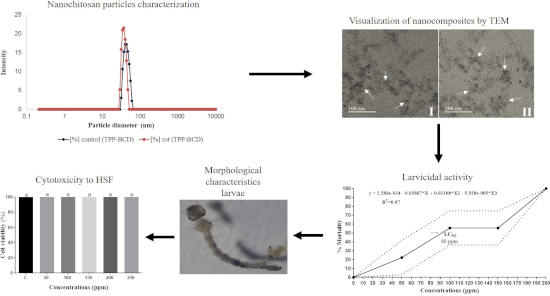
- becomes crucial to overcome these obstacles in vector control in a smarter way [5][6][7][8]. Bioactive compounds from plants have demonstrated great potential as bioinsecticidal agents. Derived from renewable sources, these compounds possess complex chemical compositions, diverse modes of action, and

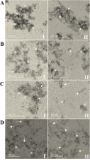


Mechanical stability of individual bacterial cells under different osmotic pressure conditions: a nanoindentation study of Pseudomonas aeruginosa
Beilstein J. Nanotechnol. 2025, 16, 1171–1183, doi:10.3762/bjnano.16.86
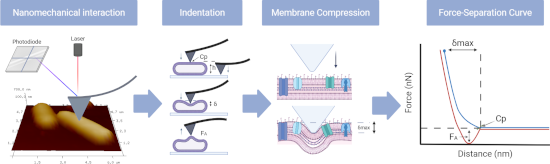
- -negative bacterium belonging to the Pseudomonas genus. It is well known for its versatility and adaptability in various environments, as it can be found in multiple habitats, including soil, water, plants, and animals. It can also prosper in artificial environments such as metal or plastic pipes and


A formulation containing Cymbopogon flexuosus essential oil: improvement of biochemical parameters and oxidative stress in diabetic rats
Beilstein J. Nanotechnol. 2025, 16, 617–636, doi:10.3762/bjnano.16.48
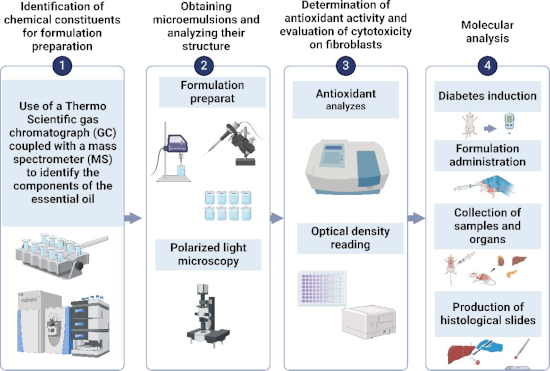
- , natural sources are being investigated, such as citral, the main compound in the essential oil (EO) extracted from plants of the Cymbopogon genus. Both citral and the essential oils of species such as Cymbopogon flexuosus (EOCF) and Cymbopogon citratus have shown antioxidant, antidiabetic, and
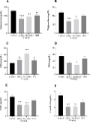
- HDL cholesterol levels. After treatment with an aqueous extract of Cymbopogon citratus from organically grown plants, there was a significant reduction in serum lipid levels in diabetic mice that had previously been elevated due to the induction of diabetes. Effect of EOCF on kidney function Exposure




Emerging strategies in the sustainable removal of antibiotics using semiconductor-based photocatalysts
Beilstein J. Nanotechnol. 2025, 16, 264–285, doi:10.3762/bjnano.16.21
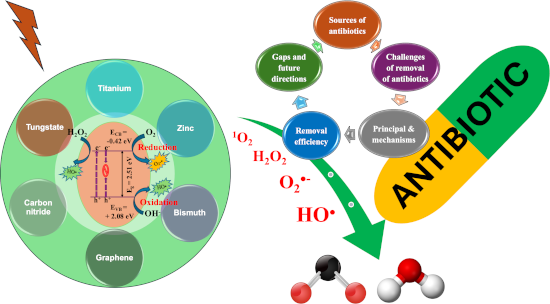
- , and dispose of significant quantities of antibiotics during production. A study found that downstream water sources from pharmaceutical production plants had significantly higher antibiotic concentrations than upstream sources [44]. Hospitals and healthcare facilities also significantly contribute



Synthesis and the impact of hydroxyapatite nanoparticles on the viability and activity of rhizobacteria
Beilstein J. Nanotechnol. 2025, 16, 216–228, doi:10.3762/bjnano.16.17
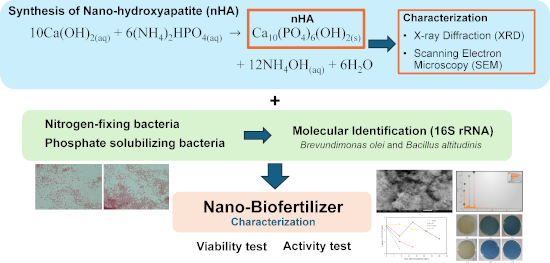
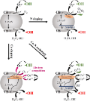
- application and storage [7]. Nanomaterials have gained significant attention in the development of rhizobacterial carrier materials, as their effective utilization can provide protective benefits to plants, assist in nutrient absorption, and, when in gel form, significantly improve water management efficiency
- as Fe, Al, and Ca. Thus, soluble phosphate forms that plants can absorb are formed. The organic acids generated by rhizobacteria facilitate the formation of phosphate complexes, producing H2PO4− and the subsequent appearance of clear zones within the medium [35][36]. Nitrogen-fixing activity of


Characterization of ZnO nanoparticles synthesized using probiotic Lactiplantibacillus plantarum GP258
Beilstein J. Nanotechnol. 2025, 16, 78–89, doi:10.3762/bjnano.16.8
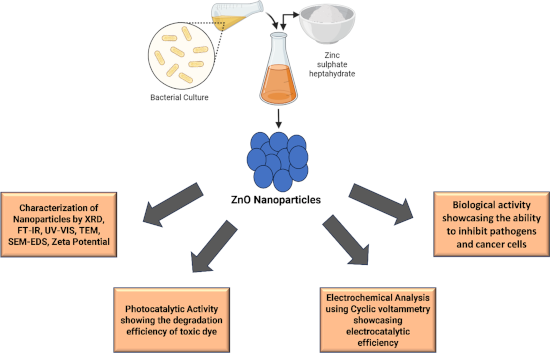
- concerns about environmental and biological compatibility. In contrast, green synthesis methods, which use biological agents, such as plants, algae, fungi, and bacteria, under milder, more sustainable conditions offer a more eco-friendly and biocompatible approach to NP production, especially for



Instance maps as an organising concept for complex experimental workflows as demonstrated for (nano)material safety research
Beilstein J. Nanotechnol. 2025, 16, 57–77, doi:10.3762/bjnano.16.7

- describe a material and its surrounding medium in mesocosm experiments while keeping the sequence of transformations intact (e.g., a material deposited in soil resulting in the material’s uptake by surrounding plants, which are then eaten by insects). Material transformations are tracked through connected