Search results
Search for "polymers" in Full Text gives 581 result(s) in Beilstein Journal of Nanotechnology. Showing first 200.
Breaking barriers: nanosystems to overcome solubility and permeability challenges of second-generation tyrosine kinase inhibitors
Beilstein J. Nanotechnol. 2026, 17, 1063–1086, doi:10.3762/bjnano.17.73
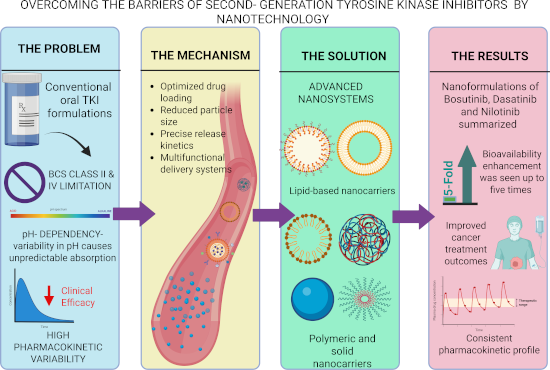
- encapsulated (nanospheres) or surface-adsorbed (nanocapsules) in the polymer matrix. NTB-loaded nanoparticles were formulated using Eudragit RL 100 and Eudragit RS 100 as polymers via the precipitation method. The resulting nanoparticles were stable and exhibited a mean particle size of 42.54 nm, a PDI of
- exhibited sustained, gradual drug release over a prolonged period [39]. Poly(lactic-co-glycolic acid) is one of the most widely used Food and Drug Administration (FDA)-approved biocompatible polymers in polymeric nanoparticle-based drug delivery systems as its ester hydrolysis provides predictable biphasic
- driving force for dissolution. The amorphous drug is molecularly dispersed in the polymer using various formulation techniques [59]. In this context, NTB solid dispersions were prepared via spray drying using different polymers, namely Kollidon®, Soluplus®, and Lutrol® F68. Dissolution studies conducted


Nanoglasses: a trail towards uncharted regions of vitreous materials and their properties?
Beilstein J. Nanotechnol. 2026, 17, 1047–1062, doi:10.3762/bjnano.17.72

- excess volume, which is not necessarily the case in phase-separated glass composites. Therefore, nanoglasses bear more similarity with the concept of polyamorphism [39], where two glasses of identical composition but different MRO structure are present. So far, polyamorphism is well-known for polymers


Materials challenges in solid-state sensors for continuous monitoring of ions in water
Beilstein J. Nanotechnol. 2026, 17, 935–973, doi:10.3762/bjnano.17.66
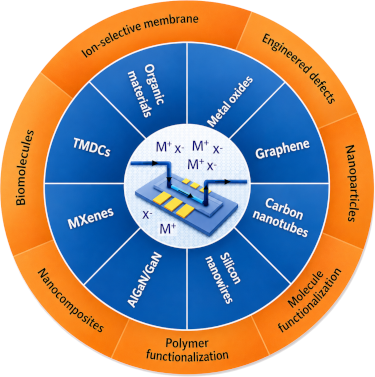
- of active materials have been investigated, including metal oxides, graphene, carbon nanotubes, silicon nanowires, AlGaN/GaN, MXenes, transition metal dichalcogenides, and organic polymers all of which can be tailored for sensor development. Sensor selectivity and functionality can be enhanced
- through strategies such as defect engineering, nanoparticle doping, surface functionalization with organic molecules, or incorporation of advanced recognition elements like metal–organic frameworks, covalent organic frameworks, ion-imprinted polymers, and biomaterials. Hybrid nanocomposites and ion
- activity change, decreasing proportionally with temperature and scaling as 59.16/z for ions of charge z [77]. Modern solid-contact ISEs (SC-ISEs) replace the inner reference solution with a solid electron–ion transducer, typically based on conducting polymers or nanostructured carbon materials [76][78]. SC



Nanocarrier strategies to overcome P-glycoprotein-mediated drug resistance in cancer therapy
Beilstein J. Nanotechnol. 2026, 17, 882–921, doi:10.3762/bjnano.17.64
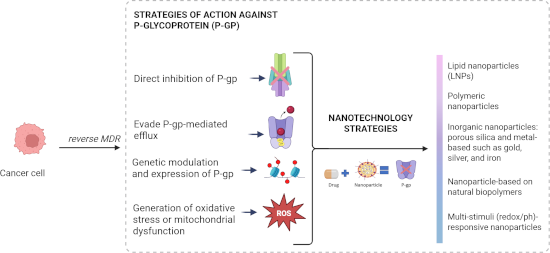
- ]. 3.2.1.3 Lipid–polymer hybrid nanoparticles. Another important class of nanocarriers are lipid–polymer hybrid nanoparticles (LPNs), which integrate the advantageous properties of lipids (biocompatibility) and polymers (structural stability). These nanoparticles can exhibit various structural configurations
- polymers. These structures enable the encapsulation or conjugation of active compounds, allowing for controlled and targeted drug release [67]. One of their major advantages is the improvement of the bioavailability of poorly water-soluble or unstable drugs. They also protect sensitive molecules such as
- with polymers like polyethylene glycol (PEG) and particular ligands, improving their circulation, minimizing resistant framework acknowledgement, and promoting targeted delivery to particular tissues [68]. These nanoparticles can be created utilizing either top-down strategies (from preformed polymers


Nanoparticle delivery systems for HIV pre-exposure prophylaxis (PrEP): advances and challenges
Beilstein J. Nanotechnol. 2026, 17, 839–853, doi:10.3762/bjnano.17.60
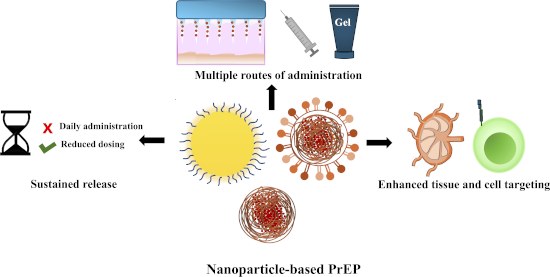
- nanoparticle-based HIV prophylaxis delivery strategies, we have broadly categorized existing platforms into four main categories based on their core material (Figure 1). (1) Polymeric nanoparticles: These nanoparticles are designed from biodegradable polymers such as poly(lactic-co-glycolic acid) (PLGA
- requirements of nanosuspensions [39][40][41][42][43][44]. Moreover, the increased biocompatibility and controlled degradation ability of polymers, such as PLGA, reduce the long-term toxicity concerns that are associated with some inorganic particles that exhibit no or slow biodegradation such as gold or silica
- [45][46][47]. Furthermore, polymers can be engineered to respond to environmental triggers such as pH or temperature for smart drug release [39][40][42]. This provides polymeric systems additional functionalities beyond targeted delivery to HIV-susceptible tissues or cell populations [41][42][43][44


Cross-scale design of chemosensor arrays: from molecular self-assembly in water to paper-based devices for metal ion detection
Beilstein J. Nanotechnol. 2026, 17, 828–838, doi:10.3762/bjnano.17.59
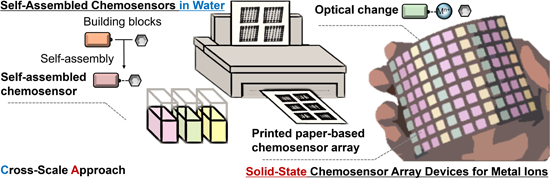
- ], approaches for self-assembled chemosensors [17][19][31], chemosensor arrays (nanoparticles [32][33], polymers [34][35], and self-assembled elements [36]), solid-state analytical devices using gels [37][38] and paper substrates [21], and chemometric techniques [39] and their principles [40][41], independently


Environmental applications of silver nanoparticles: state-of-the-art review and emerging trends
Beilstein J. Nanotechnol. 2026, 17, 697–736, doi:10.3762/bjnano.17.49
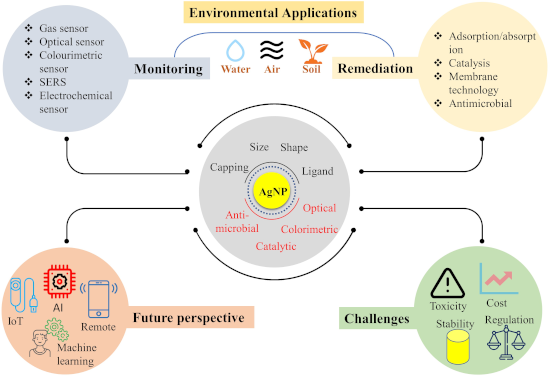
- prevent aggregation [36]. The capping agents can be polymers, surfactants, and small and large biomolecules, providing colloidal nanoregime stability [37]. The size-controlled synthesis of AgNPs capped with ʟ-carnosine was developed for metal ion detection and nitrophenol removal [8]. Another study
- . Selecting the appropriate capping agent from polymers, surfactants, biomolecules, and green extracts is essential to ensure long-term stability and prevent agglomeration, thereby making it suitable for environmental applications [63]. In addition, surface functionalization or coating with biocompatible
- polymers or targeting ligands can enhance stability, dispersibility, and biocompatibility for specific ecological applications [64]. For example, differently capped AgNPs (e.g., PEG, EDTA, PVP, or PVA) exhibited NP size variations, ultimately affecting antimicrobial and sensing applications. PVA provided


Protein-based custom-designed molecular nanotraps for biomedical applications
Beilstein J. Nanotechnol. 2026, 17, 683–687, doi:10.3762/bjnano.17.47
- /bjnano.17.47 Abstract The development of highly selective nanoscaled platforms for molecular recognition has gained significant attention in nanomedicine. Recently, we pioneered a versatile methodology for fabricating custom-designed molecular nanotraps using naturally derived polymers, by relying on
- imprinted polymers; natural polymers silk fibroin; SilMA; Introduction Molecular recognition is a cornerstone in biomedical nanotechnology; it is pivotal to applications ranging from drug delivery to sequestering and to sensing. Where traditional affinity systems, such as antibodies, fall short for
- inherent limitations such as limited stability, high costs, or inadequate selectivity, biomimetics have surged as potent alternatives [1]. A versatile way to form biomimetics is the molecular imprinting of polymers (MIP), which has emerged as a promising technique to create synthetic binding sites within

Decontamination from water pollutants and pathogens by electrospun nanofibers doped with heavy-atom-free borafluorene-BODIPY photosensitizers
Beilstein J. Nanotechnol. 2026, 17, 668–682, doi:10.3762/bjnano.17.46
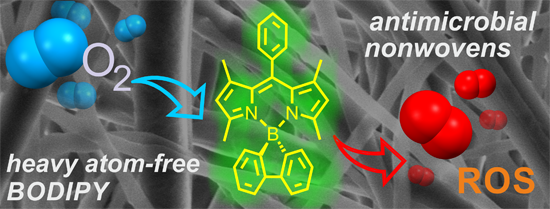
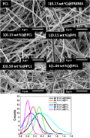
- -scale industrialized production of membrane filters [40][41][42][43][44][45][46][47][48][49]. We optimized electrospinning conditions and material composition using three different polymers, namely, poly(methyl methacrylate) (PMMA), polycaprolactone (PCL), and polystyrene (PS), doped with various
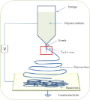
- of BODIPY 1 photocatalyst were added to solutions of polymers. Mixing the solutions using a magnetic stirrer lasted 2 h until homogeneous solutions were obtained. Then electrospinning was performed. Details are provided in Table 1. All nanofibrous samples were deposited on aluminum foil (thickness of



Cellulose as a photocatalyst support material: extraction, structural features, and environmental applications
Beilstein J. Nanotechnol. 2026, 17, 635–652, doi:10.3762/bjnano.17.44
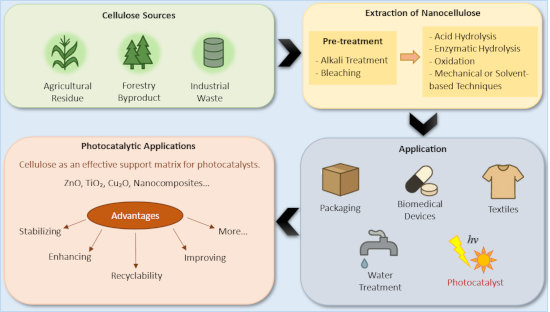
- polymers provide distinct advantages such as renewability, biodegradability, and biocompatibility, which make them particularly valuable for biomedical applications. Among polysaccharides, cellulose is the most abundant biodegradable polymer [1]. Many researchers have reported on the extraction of
- with conductive polymers, depositing metallic layers on them, converting them through carbonization, and integrating them with carbon nanotubes (CNTs), each approach offering unique pathways to tailor the performance of CNCs-based conductive nanomaterials [87]. Cellulose-based nanostructured


Probing internal continua and atomic ultrafast charge transfer within size-controlled nanoparticles by post-collision interaction in core-hole clock spectroscopy
Beilstein J. Nanotechnol. 2026, 17, 505–514, doi:10.3762/bjnano.17.33
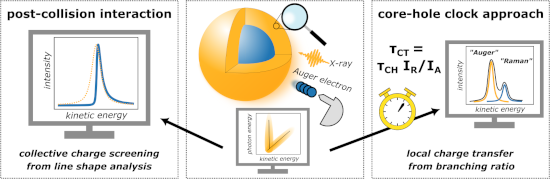
- materials [24][25][26], nanoparticles [27], and matrix-embedded polymers [28]. Results and Discussion Figure 1a shows S KL2,3L2,3 Auger electron spectra at different photon energies around the absorption edge of S 1s electrons as a color-coded map. The intensity ratio between the Raman and Auger channels is



Nanocarrier-integrated multilayer films produced by 3D printing for improved skin adhesion and curcumin photostability
Beilstein J. Nanotechnol. 2026, 17, 440–453, doi:10.3762/bjnano.17.30
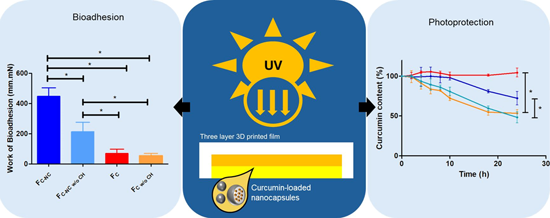
- consists of polymers, solvents, and excipients blended at an optimal ratio; the mixture should not be overly viscous to enable efficient extrusion from the syringe tip, but it must also not be too fluid in order to support the weight of each subsequent layer. After extrusion, a post-printing drying phase


Biomimetic nanoparticles in cancer photodynamic therapy: a review of targeted delivery systems and therapeutic outcomes
Beilstein J. Nanotechnol. 2026, 17, 396–422, doi:10.3762/bjnano.17.27
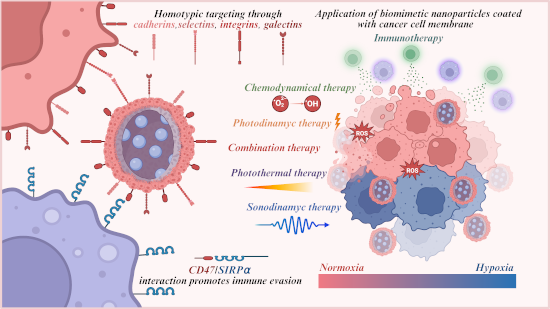
- mimic their functions belong to the third generation of nanodelivery systems [50]. The first generation of particles was based on surface modifications to reduce the interactions with immune cells and to increase biocompatibility. Among them, biocompatible polymers like PEG and PPE have been widely used
- ) [175][176][177] or MOFs [165][178][179], and a stabilizing matrix often composed of polymers, lipids, or proteins like human serum albumin (HSA) [177]. Figure 6 schematically illustrates examples of these key strategies for mitigating hypoxia in tumor tissues using BNPs. Table 2 presents the main


Polycatecholamine nanocoatings on stainless steel: the effect on attachment of human fibroblasts and platelets
Beilstein J. Nanotechnol. 2026, 17, 365–380, doi:10.3762/bjnano.17.25
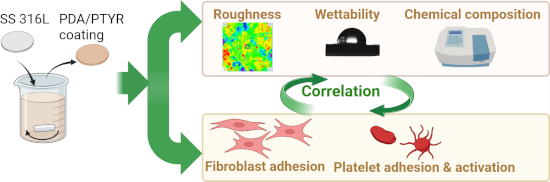
- polycatecholamines, as standalone coating systems [12][26]. Their results indicated that polycatecholamines may provide tunable surface properties distinct from those of conventional PDA films. Although PDA and PTYR originate from different amino acid precursors, both polymers are believed to undergo oxidation
- oxidation. The resulting polymers contain mixtures of catechol and quinone moieties, as well as primary and secondary amine groups, whose relative proportions depend on the polymerization conditions [12][27][28][29]. The differences in monomer structure and oxidation route (e.g., Fenton-type vs autoxidation




Interconnection morphology effects on the radio frequency response of carbon nanotube sponges
Beilstein J. Nanotechnol. 2026, 17, 343–351, doi:10.3762/bjnano.17.23
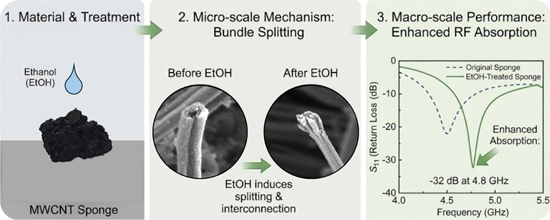
- conditions [1][2]. Novel alternative materials including conducting polymers [3], nanocarbon-based materials like carbon fibres [4], carbon nanotubes (CNTs), their composites [5][6][7], and more recently graphene [8][9] have been the focus of extensive research. Above materials fulfil the requirements of
- increased from 0.5 to 5.0 μm, the gain changed from 14% up to 70% [19]. MWCNTs were also mixed with conductive polymers [20][21] or with metals [22], showing sizeable improvements in the response. More recently, a novel material based on a 3D self-standing CNT assembly, often denoted as carbon nanotube



Advancing nanolithography: a comprehensive review of materials for local anodic oxidation with AFM
Beilstein J. Nanotechnol. 2026, 17, 275–291, doi:10.3762/bjnano.17.19
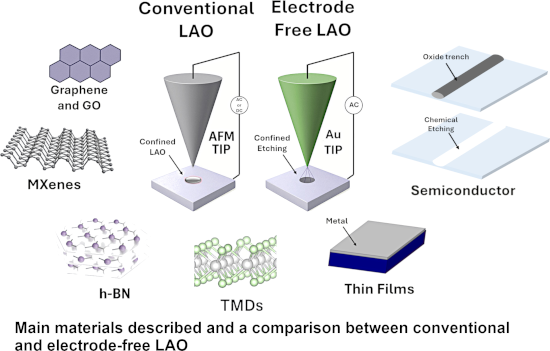
- ]. Polymers remain an underexploited material domain for LAO experiments. Suitable polymeric materials with electrochemical patterning capabilities are rare. With few exceptions, like the organic semiconductor [111] or organometallic multilayers [112], polymers, with their markedly insulating nature, tend to
- polymers can be selectively oxidized to create hydrophilic regions or chemically reactive sites, enabling controlled interactions with proteins, cells, or other biomolecules. However, challenges remain in ensuring that the LAO process does not degrade the material’s biocompatibility or structural integrity
- poly-ʟ-lysine (PLL) thin films, a well-established material in biotechnology [117]. Following LAO patterning, protein-resistant polymers like polyethylene glycol can be selectively grafted onto the patterned areas, forming a copolymer with PLL that faithfully replicates the design. This approach has


Gold nanoparticle-decorated reduced graphene oxide as a highly effective catalyst for the selective α,β-dehydrogenation of N-alkyl-4-piperidones
Beilstein J. Nanotechnol. 2026, 17, 218–238, doi:10.3762/bjnano.17.15
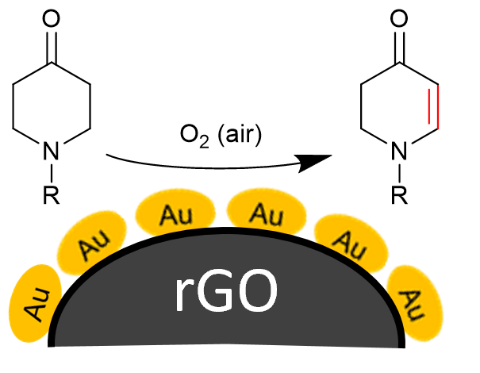
- filtration and where the NPs are further stabilized against coalescence, aggregation, sintering, or Ostwald ripening under the catalytic reaction conditions. By anchoring AuNPs onto a solid support, such as metal oxides, polymers, or carbon-based materials, their stability is significantly enhanced


Structure-dependent thermochromism of PAZO thin films: theory and experiment
Beilstein J. Nanotechnol. 2026, 17, 186–199, doi:10.3762/bjnano.17.12
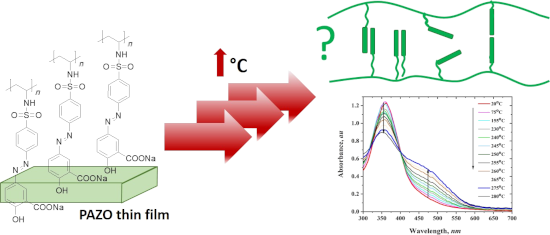
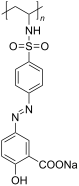
- in azopolymer thin films and offer valuable guidelines for the design of thermally responsive photonic materials. Keywords: aggregate; azopolymer; birefringence; PAZO; thermochromism; Introduction Functionalization of polymers with different photo- and bioactive groups to achieve novel
- polymers in thin films are known to markedly differ from those observed in the bulk, with significant differences in glass transition behavior, diffusion, and viscoelastic properties [4]. The assembly of polymer molecules from solution to solid state play a critical role in determining thin film morphology
- extends the functionality of polymer thin films. A specific group of photoreactive polymers comprises polymers with azo chromophores embedded in their structure [5][6]. These polymers exhibit photoresponsivity due to the trans–cis (E–Z) isomerization of the azo chromophores upon light irradiation. The


From shield to spear: Charge-reversible nanocarriers in overcoming cancer therapy barriers
Beilstein J. Nanotechnol. 2026, 17, 159–175, doi:10.3762/bjnano.17.10
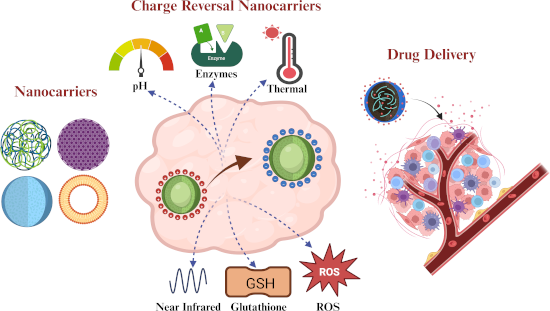
- enhances cellular uptake by facilitating better interaction with the negatively charged cell membrane, improving drug delivery efficiency [45]. For example, nanoparticles engineered with pH-responsive polymers facilitate the controlled release of therapeutic agents specifically within the acidic tumour
- targeted drug delivery with improved intracellular release and reduced systemic toxicity, highlighting the therapeutic advantage of pH-sensitive hydrazone bonds in nanocarrier design [46]. Another work involved polymers modified with weak acidic groups (e.g., carboxylic acids or phosphates). Under neutral
- in cancer therapy [76]. 3.2 Controlled drug release Biodegradable nanoparticles and micelles offer significant potential as nanosystems for delivering powerful anticancer drugs directly to target sites. Using specific polymers as nanocarriers allows for targeted drug delivery and controlled release


Influence of surface characteristics on the in vitro stability and cell uptake of nanoliposomes for brain delivery
Beilstein J. Nanotechnol. 2026, 17, 139–158, doi:10.3762/bjnano.17.9
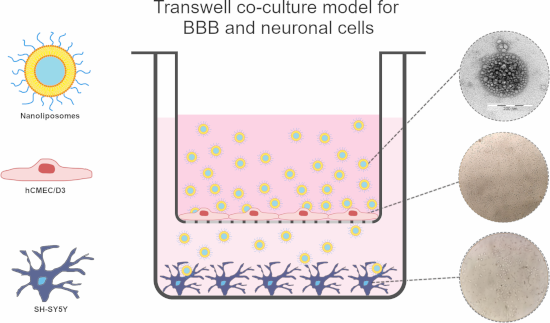
- . Additionally, the information regarding the influence of different experimental conditions on the NL cell uptake outcome in brain cell culture lines is also scarce. In our previous work, we compared nanostructured lipid carriers (NLCs) and liposomes modified with different stealth polymers (poloxamer or poly




Functional surface engineering for cultural heritage protection: the role of superhydrophobic and superoleophobic coatings – a comprehensive review
Beilstein J. Nanotechnol. 2026, 17, 63–96, doi:10.3762/bjnano.17.6
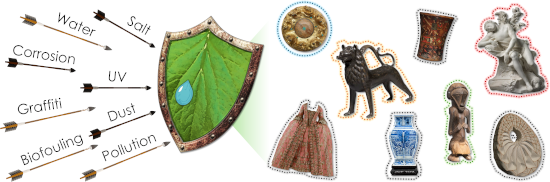
- Giuseppe Cesare Lama Marino Lavorgna Letizia Verdolotti Federica Recupido Giovanna Giuliana Buonocore Bharat Bhushan Institute for Polymers, Composite and Biomaterials, National Council of Research (IPCB-CNR), P.le E. Fermi 1, 80055 Portici, Italy Dept of Mechanical and Aerospace Engineering, The
- promising solution for heritage conservation. The same group also investigated a way to protect the same surfaces from simulated bird excreta [62], comparing the effectiveness of an experimental fluoropolymer (modified with SiO2 particles) with two commercial polymers (a fluorine-based and a silicon-based
- impacts and ecological footprint is absent. Even if fluorine-based polymers were the best solution for heritage protection, there are concerns, especially for the strong environmental threat they may cause, due to their endurance, their resistance to external factors, and the difficulty of being degraded




Visualizing nanostructures in supramolecular hydrogels: a correlative study using confocal and cryogenic scanning electron microscopy
Beilstein J. Nanotechnol. 2025, 16, 2274–2284, doi:10.3762/bjnano.16.156
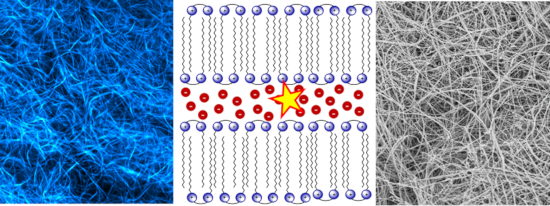
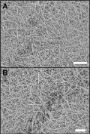
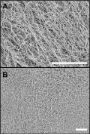
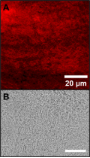
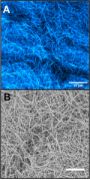
- ; microscopies; nanostructure; supramolecular hydrogel; Introduction Hydrogels, whether based on self-assembling molecules or cross-linked polymers, are useful in fields ranging from tissue engineering to drug delivery and biosensing [1][2][3][4][5]. Their high water content and soft, porous structure make them



Optical bio/chemical sensors for vitamin B12 analysis in food and pharmaceuticals: state of the art, challenges, and future outlooks
Beilstein J. Nanotechnol. 2025, 16, 2207–2244, doi:10.3762/bjnano.16.153
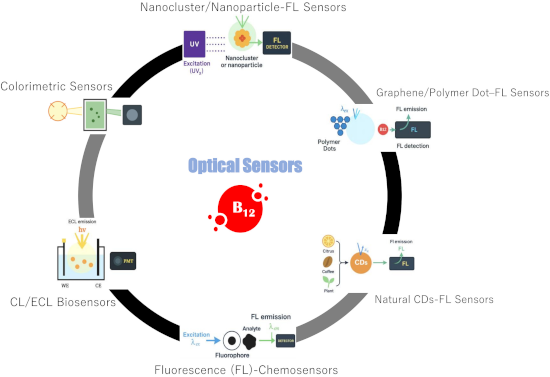
- ; molecularly imprinted polymers (MIPs); nanobiosensor; Introduction Micronutrients including vitamins and minerals play key roles in modulating body growth, preventing a wide range of diseases and disorders, and maintaining general health and wellness [1][2]. Apart from vitamin D, which the body can
- milk samples using molecular imprinted polymers (MIPs), where the MIP cavities served as the recognition sites, the SPR chip surface as the indicator, and the resonance shift as the sensing signal. For SPR chip surface modification, they initially added allyl groups to the SPR chip surface using allyl


Microplastic pollution in Himalayan lakes: assessment, risks, and sustainable remediation strategies
Beilstein J. Nanotechnol. 2025, 16, 2144–2167, doi:10.3762/bjnano.16.148
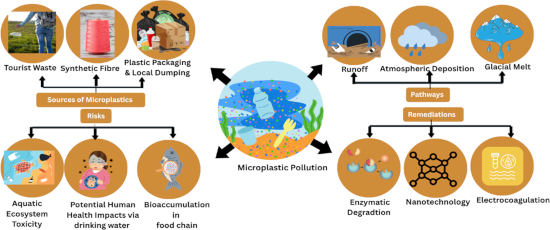
- regional results, Table 1 reports documented MP density in some Himalayan freshwater lakes and their typology. Table 2 is a compilation of the most commonly reported dominant polymers and morphologies, as well as the size classes, of MPs in Himalayan lakes. 3.2 Impact on biodiversity, water quality, and
- ability to examine colored or pigmented polymers without dye interference. The geographical distributions of MPs in samples are increasingly being mapped using Raman mapping techniques, which provide valuable information for ecological impact studies [36]. Such techniques are able to distinguish between
- polymers that result from local tourist waste and those transported by atmospheric deposition in Himalayan lakes of high elevation [37]. 4.2.2 Microscopy. Microscopic techniques remain crucial for the initial description of MPs, particularly when assessing their physical properties. Scanning electron


Molecular and mechanical insights into gecko seta adhesion: multiscale simulations combining molecular dynamics and the finite element method
Beilstein J. Nanotechnol. 2025, 16, 2055–2076, doi:10.3762/bjnano.16.141
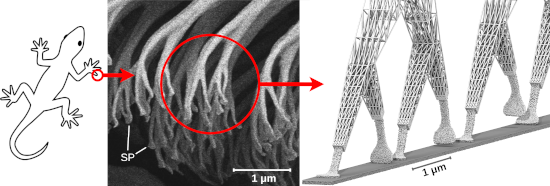
- used this multiscale approach to simulate crystalline and amorphous polymers [43]. Once the FEM calculation is complete, the updated positions of the FE nodes in the bridging domain, and hence of the APs, are passed back to the particle domain. The FE-coupling spring constant was optimized, starting