


Search results
Search for "pore size" in Full Text gives 215 result(s) in Beilstein Journal of Nanotechnology. Showing first 200.
Substrate-dependent pore formation in molybdenum disulfide monolayers under ion irradiation
Beilstein J. Nanotechnol. 2026, 17, 769–780, doi:10.3762/bjnano.17.54
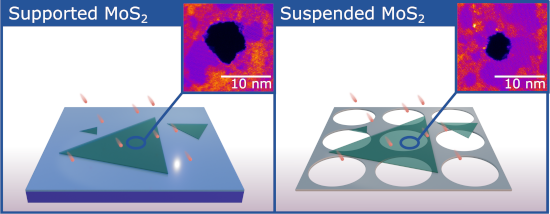
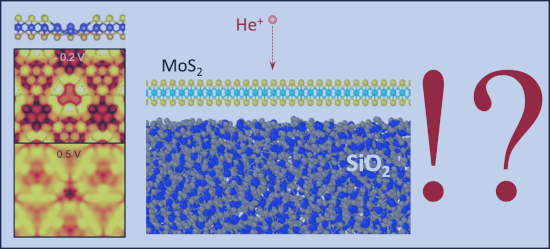
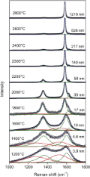
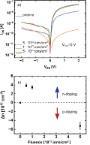
- suspended MoS2, MoS2 on SiO2, bilayer MoS2, and MoS2 on gold. Both pore size and pore formation efficiency exhibit a pronounced dependence on the type of substrate. Pores are largest and most frequent in MoS2 on SiO2, while the gold substrate massively quenches pore formation. The observed pore dimensions
- Information File 1, Figure S1), consistent with the pore morphology previously reported for suspended MoS2 [25]. Representative pores are shown in STEM annular dark-field (ADF) images in Figure 1a–d. We quantified pore-size distributions by measuring ≈150 pores. Mean pore radii are summarized in Figure 1e
- interpretation is inferential – the dissipation pathway is not measured directly – but it is consistent with the pore size enhancement observed under both HCI and SHI irradiation (see below Figure 4a), suggesting the effect is not specific to one excitation regime. The preceding discussion focused on lateral (in


Decontamination from water pollutants and pathogens by electrospun nanofibers doped with heavy-atom-free borafluorene-BODIPY photosensitizers
Beilstein J. Nanotechnol. 2026, 17, 668–682, doi:10.3762/bjnano.17.46
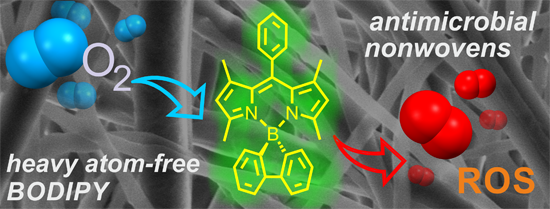
- the theoretical mass of the solid sample, calculated as the product of the density of PCL, 1.081 g·cm−3 [51], and the volume Vt ≈ 3.98 cm3. The pore size (P) was estimated using Equation 2: Here, D denotes the mean fiber diameter for each specimen, (1 − p) corresponds to the area of fibers per unit
- interactions between BODIPY molecules and PCL chains. Increasing the dye content promotes stronger jet stretching in the electric field during electrospinning, leading to the formation of thinner fibers. Porosity and average pore size analysis confirmed the effect of BODIPY addition, leading to increased
- porosity and slightly smaller pore sizes. For pure PCL, the porosity was 88.4%, while for PCL with BODIPY additive, the porosity increased to approximately 94%. The average pore size decreased from 204 ± 7 nm for pure PCL to 192 ± 4 nm after BODIPY addition. The observed increase of porosity is within the



Defects and defect-mediated engineering of two-dimensional materials: challenges and open questions
Beilstein J. Nanotechnol. 2026, 17, 454–488, doi:10.3762/bjnano.17.31





Interconnection morphology effects on the radio frequency response of carbon nanotube sponges
Beilstein J. Nanotechnol. 2026, 17, 343–351, doi:10.3762/bjnano.17.23
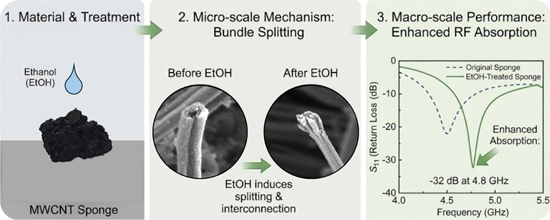
- fits in Figure 5. From the Raman and XPS studies, as well as the SEM micrographs, we conclude that the ethanol treatment induced a change in the structure of the CNS sample, unravelling many of the aggregated tubes, resulting in an increase in pore size and overall available surface area. Without



Gold nanoparticle-decorated reduced graphene oxide as a highly effective catalyst for the selective α,β-dehydrogenation of N-alkyl-4-piperidones
Beilstein J. Nanotechnol. 2026, 17, 218–238, doi:10.3762/bjnano.17.15
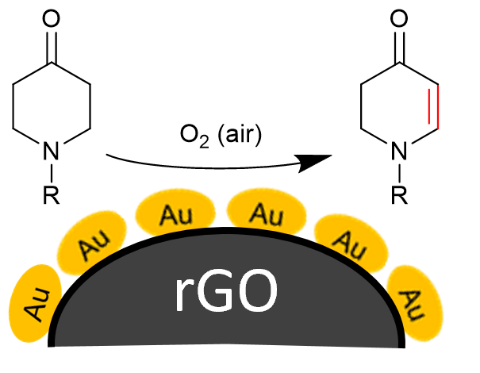
- Information File 1, Table S2, Figure 10). Considering the thin-layer structure and small pore size of rGO, the Au nanoparticles are likely too large to enter and occupy the porous network and are instead predominantly deposited on the surface. In part, the observed reduction in specific (i.e., mass-based


Development and in vitro evaluation of liposomes and immunoliposomes containing 5-fluorouracil and R-phycoerythrin as a potential phototheranostic system for colorectal cancer
Beilstein J. Nanotechnol. 2026, 17, 97–121, doi:10.3762/bjnano.17.7
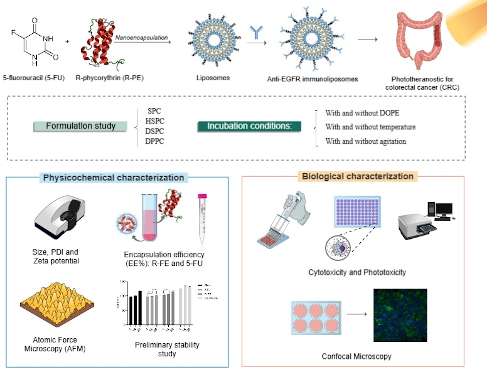
- of the samples was added to a 50 kDa Amicon®, and subsequently centrifuged at 3000 rcf/g for 15 min. Then, a 50 μL aliquot collected from the filtrate was pipetted and the volume was made up to 5 mL with PBS buffer pH 7.4 and subjected to filtration through PVDF with a pore size of 0.45 μm. The



Stereodiscrimination of guests in chiral organosilica aerogels studied by ESR spectroscopy
Beilstein J. Nanotechnol. 2025, 16, 2034–2054, doi:10.3762/bjnano.16.140
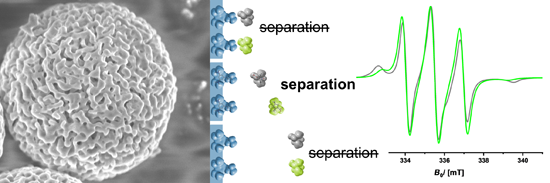
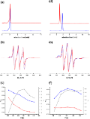
- also discussed in several of our past papers [42][43][44][45][46]. Exemplarily, Figure 3 shows the behavior in an achiral silica aerogel. Because of the large pore size, the spin probe behaves almost like in a free solution. The spectra recorded at T = 273 K are characteristic of a freely rotating 3CP




Beyond the shell: exploring polymer–lipid interfaces in core–shell nanofibers to carry hyaluronic acid and β-caryophyllene
Beilstein J. Nanotechnol. 2025, 16, 2015–2033, doi:10.3762/bjnano.16.139
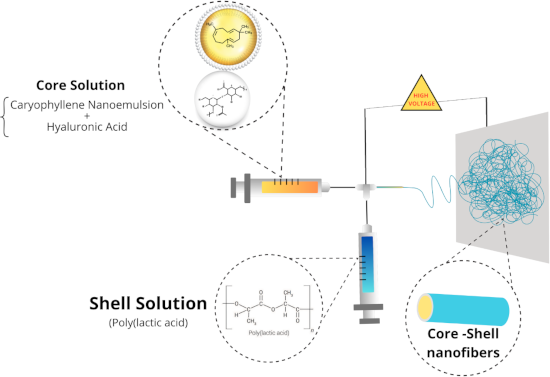
- pores. The pore formation on the shell surface is a potential mechanism for regulating the release of the core content [56][57]. A biomedical scaffold must possess suitable pore size and a high level of porosity. The porosity of the scaffold in tissue engineering applications should be adequate. A study




Current status of using adsorbent nanomaterials for removing microplastics from water supply systems: a mini review
Beilstein J. Nanotechnol. 2025, 16, 1837–1850, doi:10.3762/bjnano.16.127
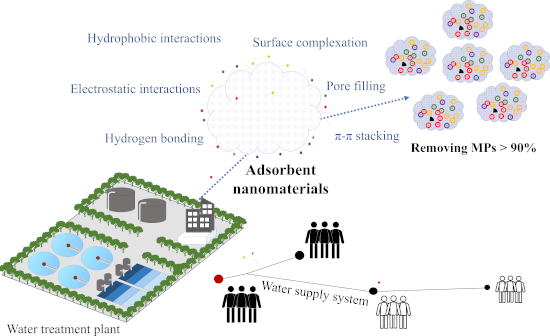
- , and the main mechanism involved electrostatic attractions between the positive charge of MPs and negatively charge of GAC [58]. Metal-organic frameworks. MOFs are highly ordered crystalline materials characterized by high porosity and large surface area (Figure 3). Their pore size, volume, and


Multifunctional anionic nanoemulsion with linseed oil and lecithin: a preliminary approach for dry eye disease
Beilstein J. Nanotechnol. 2025, 16, 1711–1733, doi:10.3762/bjnano.16.120
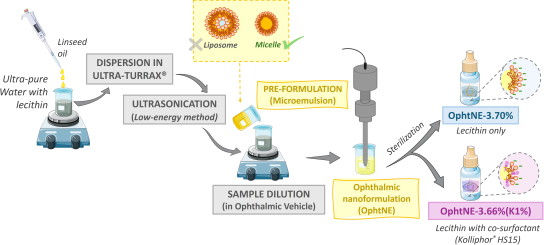
- pore size) and stored at room temperature. The hydrophilic nature of PES facilitates filtration of lipid-based nanoemulsions, while potential retention of larger or deformable droplets may occur without compromising overall stability. Surfactant concentration in the pre-formulations Pre-nanoemulsions
- through 0.22 μm PES membranes demonstrates the viability of this method for ophthalmic use. PES membranes are hydrophilic, have low lipid affinity, reduce fouling, and are compatible with aqueous nanoemulsions. Although droplet size was below the pore size, larger or aggregated droplets might be retained



Nanotechnology-based approaches for the removal of microplastics from wastewater: a comprehensive review
Beilstein J. Nanotechnol. 2025, 16, 1607–1632, doi:10.3762/bjnano.16.114
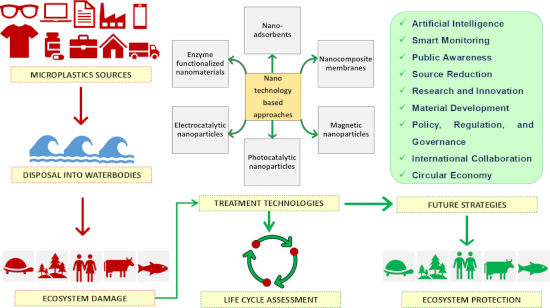
- for different types of MPs. Nanoparticle-based membranes and membrane processes: Membranes function as selective barriers that permit the passage of specific substances, while blocking others. Based on pore size, membranes are generally classified into four main categories: ultrafiltration (UF
- results in a large specific surface area, which in turn offers the potential to control membrane pore size and enhance the removal efficiency of nanoparticles and MPs. Membranes developed using MOF-based nanomaterials offer scalable control over surface charge and pore size, enabling high separation


Photocatalytic degradation of ofloxacin in water assisted by TiO2 nanowires on carbon cloth: contributions of H2O2 addition and substrate absorbability
Beilstein J. Nanotechnol. 2025, 16, 1567–1579, doi:10.3762/bjnano.16.111
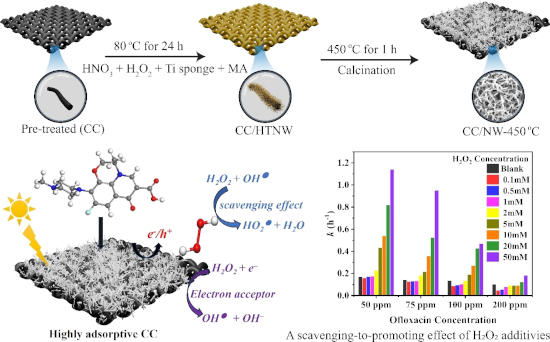
- Ultura DLD system (Kratos, UK), and the binding energies were calibrated to C 1s = 284.8 eV. The specific surface area and pore size were analyzed using low-temperature N2 adsorption–desorption measurements conducted with an ASAP 2460 (USA). The absorption spectrum of the sample was acquired through UV
- pore size distribution, which shows a sharp peak at approximately 4.0 nm, suggesting a uniform pore size. The corresponding pore size distribution curve (Figure 3b, inset) indicates a mesoporous structure. Before calcination, the BET surface area of the titanate on carbon cloth was found to be 3.9 m2·g
- . (b) Low-temperature nitrogen adsorption–desorption isotherm of CC/NW-450 °C. The inset shows the corresponding pore size distribution curve. XPS spectra of CC/NW-450 °C and CC/HTNW. (a) Survey spectra and detailed XPS spectra of (b) C 1s, (c) O 1s, and (d) Ti 2p. (a) Photocatalytic degradation of


Laser processing in liquids: insights into nanocolloid generation and thin film integration for energy, photonic, and sensing applications
Beilstein J. Nanotechnol. 2025, 16, 1428–1498, doi:10.3762/bjnano.16.104






Synthesis and antibacterial properties of nanosilver-modified cellulose triacetate membranes for seawater desalination
Beilstein J. Nanotechnol. 2025, 16, 1380–1391, doi:10.3762/bjnano.16.100
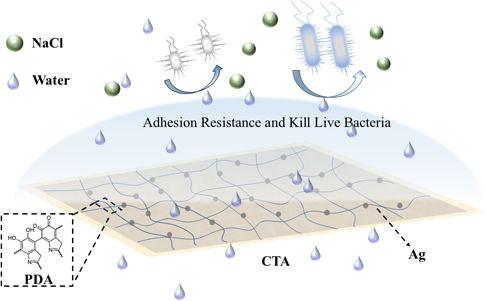
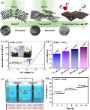
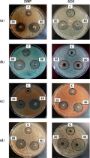
- unchanged, leading to no significant differences in the transport properties of the membranes. The consistent pore size and structure ensure that the water flux and salt rejection rates remain similar across the modified and unmodified membranes. The combined effects of these factors result in minimal


Enhancing the therapeutical potential of metalloantibiotics using nano-based delivery systems
Beilstein J. Nanotechnol. 2025, 16, 1350–1366, doi:10.3762/bjnano.16.98
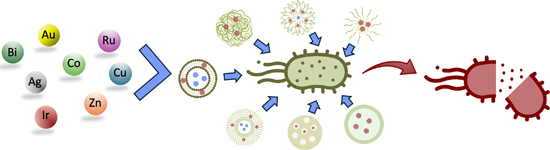
- that the pore size can be precisely controlled during synthesis, MSiNPs are widely applied for delivering drugs to targeted sites, particularly in cancer and infectious diseases [88][89]. In addition, MSiNPs can be further enhanced by surface modifications, such as the attachment of polyethyleneimine


Synthesis of biowaste-derived carbon-dot-mediated silver nanoparticles and the evaluation of electrochemical properties for supercapacitor electrodes
Beilstein J. Nanotechnol. 2025, 16, 933–943, doi:10.3762/bjnano.16.71
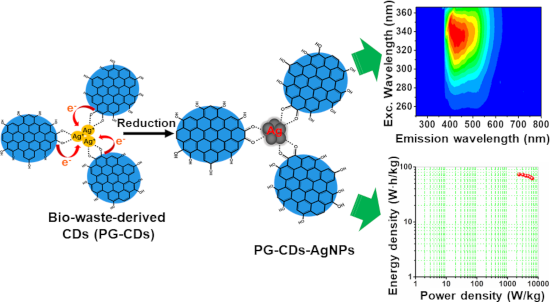
- distribution of PG-CDs-AgNPs was responsible for the enhanced surface area [35]. The pore size distribution plot of PG-CDs-AgNPs suggests the mesoporous characteristics (Supporting Information File 1, Figure S1b), which, via the diffusion of electrolyte ions, is highly efficient for electrochemical charge
- Information Supporting Information File 2: Experimental procedures including materials details and characterizations; Schematic representation; BET isotherm and pore size distribution plot; SEM, EDX, and elemental mapping of PG-CDs-AgNPs; ASC device fabrication method; Table for the comparison of cyclic


Characterization of ion track-etched conical nanopores in thermal and PECVD SiO2 using small angle X-ray scattering
Beilstein J. Nanotechnol. 2025, 16, 899–909, doi:10.3762/bjnano.16.68
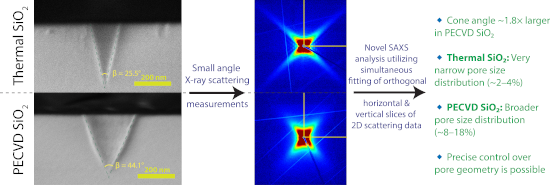
- values. Although only three pores are shown, they illustrate the larger size variation in PECVD SiO2 compared to the uniform pore size in thermal SiO2. From SEM measurements, the standard deviation in the pore radius was measured to be ≈1.8 nm for thermal SiO2 but ≈8 nm for PECVD SiO2. The reader must
- other systems, the pore size homogeneity in thermal SiO2 is exceptional. In PECVD SiO2 samples, nanopores fabricated using 185 MeV Au ion irradiation show slightly larger cone angles compared to those created with 89 MeV and 1.6 GeV Au ions. This variation may result from sample-to-sample difference


Polyurethane/silk fibroin-based electrospun membranes for wound healing and skin substitute applications
Beilstein J. Nanotechnol. 2025, 16, 591–612, doi:10.3762/bjnano.16.46
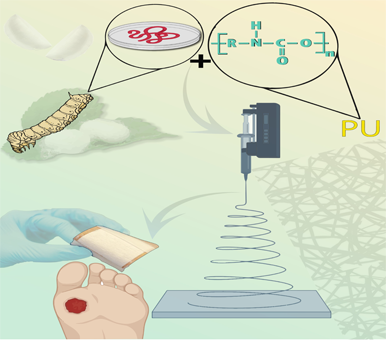
- cellular responses. These membranes can be tailored with a diverse range of fibers, weights, densities, porosities, pore size distributions, chemical compositions, morphologies, hardness levels, and elastic properties [65][66]. Importantly, electrospun membranes and the ECM share substantial structural and
- . Although electrospun SF nanofibers are highly biocompatible, their tiny pore size inhibits cell penetration. To solve this, sodium chloride crystals of various sizes were incorporated into the nanofibers during fabrication, resulting in increased pore size. The wound healing properties of the 3D SF
- models using permeable freeze-dried silk, a highly porous sponge with an adequate pore size is crucial for controlling cell migration and proliferation, particularly when the objective is to generate a dermally well-vascularized layer [105]. The most common approach for constructing a double-layer skin



Synthetic-polymer-assisted antisense oligonucleotide delivery: targeted approaches for precision disease treatment
Beilstein J. Nanotechnol. 2025, 16, 435–463, doi:10.3762/bjnano.16.34


Development of a mucoadhesive drug delivery system and its interaction with gastric cells
Beilstein J. Nanotechnol. 2025, 16, 371–384, doi:10.3762/bjnano.16.28

- used for nanoparticle preparation. The nanoscale size is particularly important in mucoadhesive systems designed for gastric delivery because of the mesh-like structure of gastric mucus. Since the pore size in gastric mucus is around 500 nm [9], the smaller the nanoparticle, the better the mucus


Enhancing mechanical properties of chitosan/PVA electrospun nanofibers: a comprehensive review
Beilstein J. Nanotechnol. 2025, 16, 286–307, doi:10.3762/bjnano.16.22

- sensitive compounds [3]. Electrospun nanofibers exhibit a large surface area, high porosity, and small pore size, making them useful for a wide range of applications, as shown in Figure 1. Chitosan/polyvinyl alcohol (PVA) electrospun nanofibers have many applications, including water treatment, biomedical


A review of metal-organic frameworks and polymers in mixed matrix membranes for CO2 capture
Beilstein J. Nanotechnol. 2025, 16, 155–186, doi:10.3762/bjnano.16.14
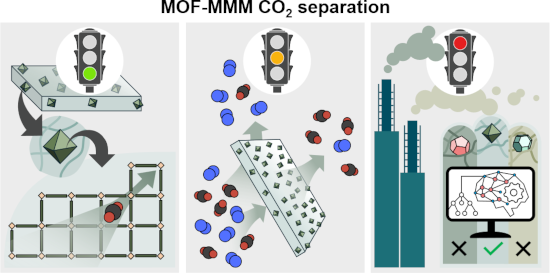
- selectivity. In contrast, inorganic membranes are rigid with small, uniform pores, offering high selectivity but only modest permeability [70]. For both membrane types, increased uniformity in pore size distribution and greater pore rigidity generally enhance selectivity [70][71][72]. Typically, inorganic
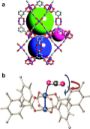
- described in section 2, engineering the MOF pore size is pivotal for enabling CO2 capture based on size exclusion. This property can be controlled by the choice of the organic linker, that is, via isoreticular expansion. This method involves selecting a linker with a different size but a similar molecular
- -labile linkers that can be labilized and cleaved provides a way to expand or contract MOF pores post-synthetically in a controlled manner [107][108]. In addition, the choice of metal ion comprising the MOF nodes may also be altered to change the MOF pore size, though this may lead to changes in the




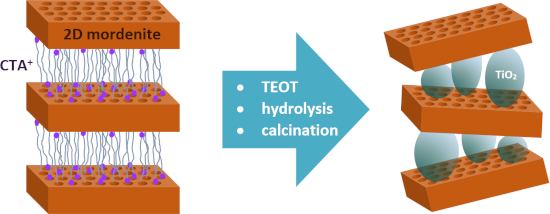
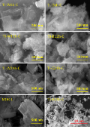
TiO2 immobilized on 2D mordenite: effect of hydrolysis conditions on structural, textural, and optical characteristics of the nanocomposites
Beilstein J. Nanotechnol. 2025, 16, 128–140, doi:10.3762/bjnano.16.12
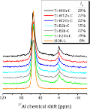
- -loaded samples. The Al 2p and O 1s XPS spectra of the MOR-L compound are given for comparison. The inset in (a) shows the decomposition of the Al 2p spectrum for Ti-W24h-C. (a, b) Nitrogen adsorption isotherms at 77 K, (c, d) pore size distribution and pore volume in calcined nanocomposites Ti-WNh-C (a



Theoretical study of the electronic and optical properties of a composite formed by the zeolite NaA and a magnetite cluster
Beilstein J. Nanotechnol. 2025, 16, 44–53, doi:10.3762/bjnano.16.5
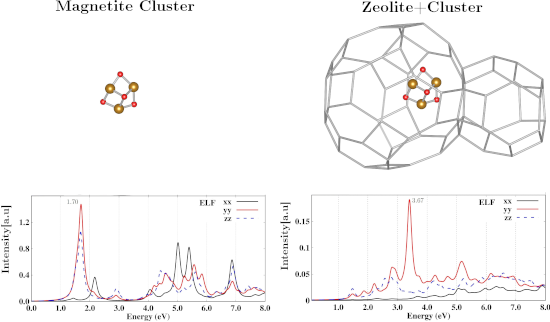
- with a three-dimensional structure comprising pores and cavities of molecular dimensions. This unique structure enables them to operate as molecular sieves, allowing molecules smaller than the pore size to pass through while blocking the diffusion of larger ones. Furthermore, the physicochemical




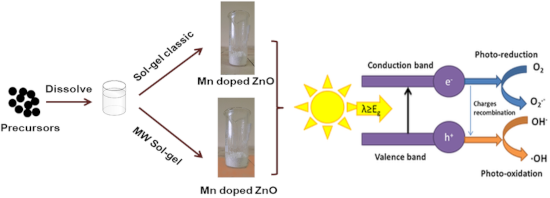
Mn-doped ZnO nanopowders prepared by sol–gel and microwave-assisted sol–gel methods and their photocatalytic properties
Beilstein J. Nanotechnol. 2024, 15, 1283–1296, doi:10.3762/bjnano.15.104
- explained by the influence of the microwave irradiation, which is known to create materials with fewer defects [49]. Porosimetry The nitrogen adsorption–desorption isotherms and pore size distributions are presented in Figure 7. The adsorption and desorption branches for both samples appear to be almost
- parallel in Figure 7. The insets show a wide pore size distribution reaching 120 nm and pore width maxima located in the mesoporosity area for both samples (40 nm for SG and 35–45 nm for MW). Similar textural features for SG and MW samples are presented in Table 3. UV–vis spectroscopy The recorded UV–vis
- vacuum before analysis. Specific surface areas (S-BET) were calculated according to the Brunauer–Emmett–Teller (BET) equation, using adsorption data in the relative pressure range between 0.05 and 0.30. The pore size distribution curves were obtained from the desorption data using the BJH (Barrett–Joyner





