


Search results
Search for "potential" in Full Text gives 1959 result(s) in Beilstein Journal of Nanotechnology. Showing first 200.
Nanoglasses: a trail towards uncharted regions of vitreous materials and their properties?
Beilstein J. Nanotechnol. 2026, 17, 1047–1062, doi:10.3762/bjnano.17.72

- glasses with a given chemical composition undergo “microstructural” engineering beyond the well-known and limited changes in specific volume? Can we impose a tailored “microstructure” onto glasses to control their properties? This line of inquiry extends further, exploring the potential extent of
- important to emphasize that the combination of properties found in glasses with such glass–glass interfaces distinguishes them from all known interfaces in crystalline materials. Given the correlation between excess volume and interatomic interaction potential, significant changes in nearly all material
- ), the potential structures can vary much more significantly than in any crystalline state. In fact, it is only through the consideration of processing routes beyond the conventional liquid quenching and subsequent relaxation methods, such as gas-phase condensation, sputtering, or electrochemical


Vibration-induced dynamic structural superlubricity on MoS2/Au(111) under ultrahigh vacuum
Beilstein J. Nanotechnol. 2026, 17, 1039–1046, doi:10.3762/bjnano.17.71

- ][7] and electrical control [8][9] to structural engineering [10][11], and thermal control [12]. Thermal approaches primarily act by modifying the energy landscape experienced by the sliding interface. Increasing temperature assists atoms in overcoming potential energy barriers, and friction is
- , confirming the successful suppression of atomic-scale stick–slip. These results indicate that the external vibration provides sufficient energy for the tip to overcome the local potential barriers. As a result, the tip slides in a nearly continuous manner rather than by stick–slip jumps, marking the onset of
- potential couplings related to the moiré superstructure; however, its origin remains to be further investigated. The stability of this superlubric state was investigated over a wide range of normal loads. Figure 3b compares the load dependence of friction at 0 and 554 kHz. In the absence of external


Influence of an external electric field on the catalytic CO oxidation of nanoscaled CeO2 and its La3+ and Gd3+ congeners
Beilstein J. Nanotechnol. 2026, 17, 1028–1038, doi:10.3762/bjnano.17.70
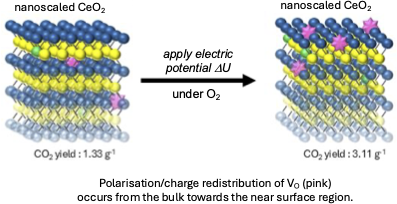
- potential, charge transport within nCeO2 is modulated. Our results show that both dopants Gd3+ and La3+ lead to an increasing VO concentration, whereas the impact of the applied potential on the oxidation behaviour varies with catalyst composition. The applied electric potential markedly improves the
- activity of undoped nCeO2 and 5% Gd3+-doped nCeO2; however, it causes no significant change in CO oxidation capability in 2.5% Gd3+-doped and La3+-doped samples. These findings can be understood considering the applied potential and its influence on the polaron mobility and VO arrangement, which are
- controlled by the underlying oxidic defect structure. Keywords: cerium oxide; CO oxidation; defect structure; doped cerium oxide; electric potential; Introduction Catalytic CO oxidation is a straightforward approach to reduce CO levels. A variety of catalysts have been synthesized and applied to improve


Synthesis and characterization of RF-sputtered ZnTe/Cu2−xTe thin films for solar cell applications
Beilstein J. Nanotechnol. 2026, 17, 1016–1027, doi:10.3762/bjnano.17.69
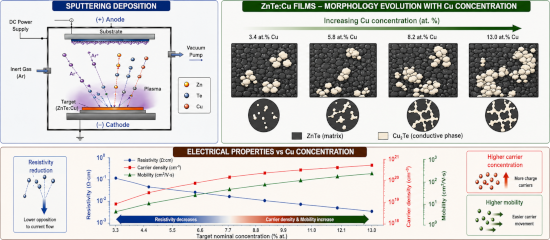
- incorporation and the formation of conductive Cu-rich secondary phases, yielding a biphasic system composed of semiconducting ZnTe and conductive Cu-rich telluride phases. These material properties suggest potential relevance for future studies of back-contact materials in CdTe-based solar cells. Keywords



Ultrasonic irradiation in the synthesis of nanohydroxyapatite: a chemically friendly technique for improving hemocompatibility and antibiofilm applications
Beilstein J. Nanotechnol. 2026, 17, 991–1015, doi:10.3762/bjnano.17.68
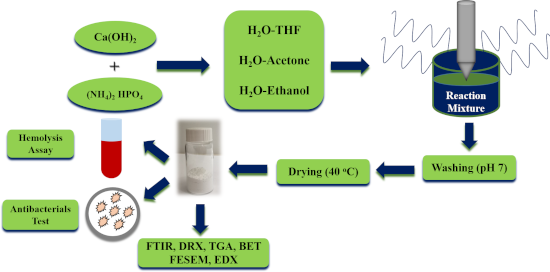
- , cellular aggregates, or formation of specialized structures after treatment with this bioceramic, compared to the commercial hydroxyapatite, suggesting potential antibiofilm properties. This research presents an original and efficient method for producing nHA as a promising biomaterial for tissue
- ]. Sonochemistry shows great potential and has therefore aroused significant interest. This is because the chemical effects of ultrasound do not originate from a direct interaction between sound waves and the molecular species present in the medium. Rather, they derive mainly from acoustic cavitation, a physical
- ]. Nanohydroxyapatite is distinguished by its remarkable osteoinduction and osteoconduction capabilities, making it a bioceramic with great potential in biomedical engineering. Its low hemotoxicity [27][28] and antibacterial properties [29][30] further expand its applicability in the field of biomaterials. It is also




Development of Protium heptaphyllum essential oil-loaded nanocapsules: experimental design and biological activity
Beilstein J. Nanotechnol. 2026, 17, 974–990, doi:10.3762/bjnano.17.67
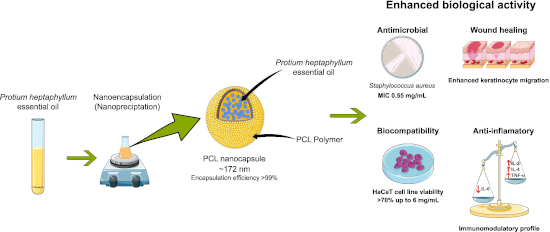
- ± 0.04, a zeta potential of −25.49 ± 1.08 mV and an encapsulation efficiency above 99%, in addition to long-term colloidal stability. Cell viability assays in HaCaT cells showed high biocompatibility, with cell viability above 70% up to 6 mg/mL and only moderate toxicity at 12 mg/mL. In antimicrobial
- development of novel natural products and promotes the sustainable use of renewable biological resources with high therapeutic potential. Among these, essential oils are particularly important due to their complex chemical composition, rich in terpenoids and phenolic compounds known to exhibit antimicrobial
- et al. [15], successfully demonstrated oil-loaded nanocapsules using interfacial polymerization, supporting the importance of evaluating critical parameters like particle size, polydispersity index (PDI), and zeta potential. Building on this evidence, the present study aimed to develop and




Materials challenges in solid-state sensors for continuous monitoring of ions in water
Beilstein J. Nanotechnol. 2026, 17, 935–973, doi:10.3762/bjnano.17.66
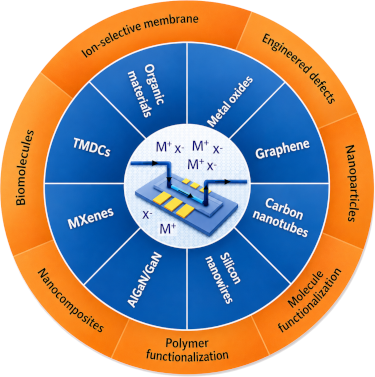
- especially ISEs, FETs, and chemiresistive devices, are central to next-generation online water quality monitoring. They offer sensitivity and selectivity aligned with regulatory thresholds, fast response to capture transient events, and the potential for dense spatial networks. Given these advantages, there
- ISEs, the potential changes at the membrane–sample interface against a reference electrode follow the Nernst equation allowing for selective detection of specific ions such as nitrate, potassium, and calcium [76]. For a monovalent ion at 25 °C, the theoretical Nernstian slope is ≈59.16 mV/decade of
- -ISEs convert the ionic potential formed at the membrane–sample interface into an electronic signal through one of three principal mechanisms: (1) Capacitive (electrostatic) transduction relies on high double-layer or pseudocapacitive charge storage at the solid contact; carbon nanotubes (CNTs) are a



Enhanced erosion resistance and radiation stability of WC–WO3 nanocomposite films under 100 keV Kr+ ion irradiation
Beilstein J. Nanotechnol. 2026, 17, 922–934, doi:10.3762/bjnano.17.65
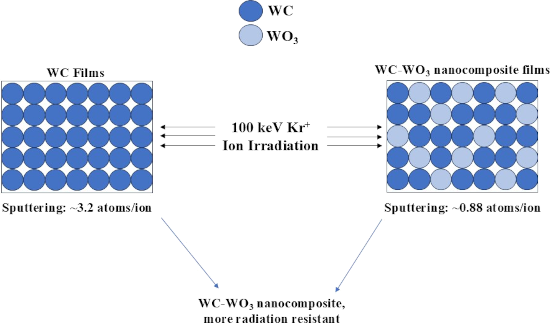
- potential ceramic-based PFC materials, specifically tungsten carbide (WC) thin films and their nanocomposite counterpart, WC–WO3, under 100 keV Kr+ ion irradiation. The films were irradiated at fluences of 1 × 10¹⁶, 3 × 10¹⁶, and 1 × 10¹⁷ ions/cm2. Rutherford backscattering spectrometry was employed to
- , indicating dynamic microstructural evolution rather than amorphization under irradiation. These results highlight the potential of WC–WO3 nanocomposites as erosion-resistant and structurally resilient candidates for future plasma-facing applications in fusion reactors. Keywords: low energy ions; plasma
- resilience to ion irradiation, reinforcing its potential as a radiation-resistant material in nuclear environments [13]. WO3, in contrast, has other advantages, including its capability to act as a radiation absorber and its chemical inertness [14][15][16]. However, hardness and toughness of the



Nanocarrier strategies to overcome P-glycoprotein-mediated drug resistance in cancer therapy
Beilstein J. Nanotechnol. 2026, 17, 882–921, doi:10.3762/bjnano.17.64
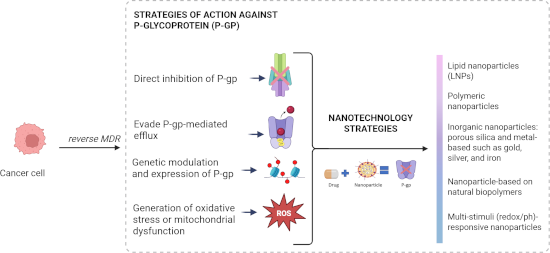
- insight. However, several limitations should be acknowledged: (i) a potential selection bias inherent to the narrative design, (ii) a heterogeneity of experimental models, including differences in nanoparticle types, biological systems, and evaluation methods, and (iii) a lack of standardized reporting
- (an oncogene) (MSNs-anti-miR-155@PDA-Apt). They observed that it blocked miR-155 expression, increased 5-FU cytotoxicity, and down-regulated P-gp [35]. Although siRNA- and miRNA-based strategies offer remarkable potential for reversing multidrug resistance, their therapeutic specificity requires
- immediate functional reversal of efflux in tumors with moderate P-gp overexpression (e.g., breast, ovarian, and colon cancers) as the co-delivery of inhibitors like tariquidar or elacridar with chemotherapeutics can restore drug accumulation efficiently; however, its clinical potential remains limited by


Supramolecular one-dimensional conducting nanofibers from a C3-symmetric tetrathiafulvalene derivative
Beilstein J. Nanotechnol. 2026, 17, 872–881, doi:10.3762/bjnano.17.63
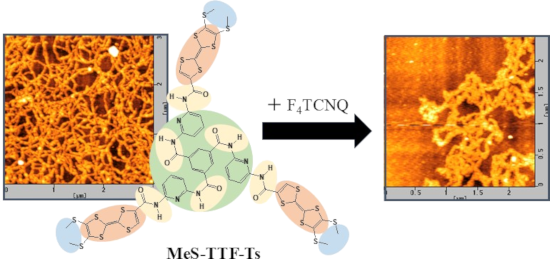
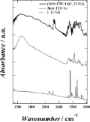
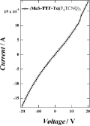
- potential as self-assembled organic nanowire materials. This conductivity is attributed to the one-dimensional stacked structure formed through donor–acceptor charge-transfer interactions, which functions as an efficient charge transport pathway. Overall, this study demonstrates that the combination of


Light-driven ammonia electrooxidation via carbon nitride–ruthenium molecular interfaces
Beilstein J. Nanotechnol. 2026, 17, 854–862, doi:10.3762/bjnano.17.61
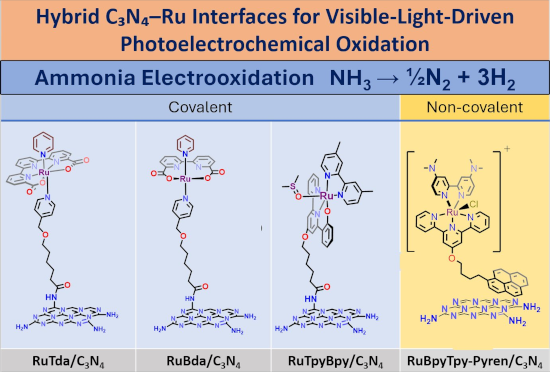
- six-electron, six-proton oxidation of NH3 to N2 requires a metal centre capable of cycling through multiple oxidation states sequentially, Ru(II) through Ru(V), within a narrow and accessible potential window (≈0.2–1.2 V vs NHE), accumulating the oxidizing equivalents needed for N–N bond formation
- ), Ru(V), and even Ru(VI) under forcing conditions) within a relatively narrow potential window, and because the ligand field around the ruthenium centre can be finely tuned to control the thermodynamics and kinetics of each oxidation step [20][21]. Three benchmark Ru catalysts are particularly relevant
- conveniently used for surface anchoring, and its low water oxidation onset potential of 1.1 V vs NHE is among the lowest reported for any molecular catalyst [22][24]. When non-covalently attached to carbon paper electrodes through C–H···π interactions, RuBda achieves a turnover number of 7500 and Faradaic


Nanoparticle delivery systems for HIV pre-exposure prophylaxis (PrEP): advances and challenges
Beilstein J. Nanotechnol. 2026, 17, 839–853, doi:10.3762/bjnano.17.60
- as gold or mesoporous silica and silicon. Inorganic platforms offer distinct properties like structural rigidity, potential use as adjuvant systems, and some studies reported virion removal by attachment [29]. Although less widely applied in PrEP, they are attracting interest in microbicidal and
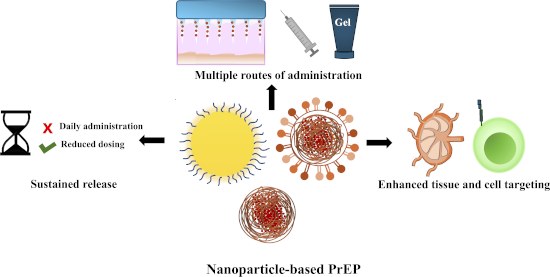
- mice even when challenged 24 h after gel application demonstrates that the PLGA-based system has the potential for localized PrEP for at least 24 h after dosing. In another study, also focused on localized mucosal drug delivery, the INSTI dolutegravir (DTG) was encapsulated into nanoparticles made from
- nanoparticle containing gel could be a promising strategy for LA topical PrEP due to its ability to provide pH-responsive release of ARV drugs localized to the potential exposure site while minimizing systemic absorption of nanoparticles and drugs. In another recent approach to polymeric drug delivery, Zhang


Cross-scale design of chemosensor arrays: from molecular self-assembly in water to paper-based devices for metal ion detection
Beilstein J. Nanotechnol. 2026, 17, 828–838, doi:10.3762/bjnano.17.59
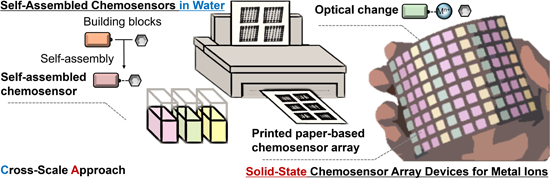
- potential of self-assembled chemosensors and their arrays for simultaneous detection of metal ions in solution states, the concept is expanded to a paper-based chemosensor array device [20]. In this perspective, we introduce the new concept “cross-scale design”, defined as an approach connecting molecular
- arrays for qualitative detection of eleven metal ions To explore the potential of colorimetric self-assembled chemosensors, the three catechol dyes 1–3 and the color manipulator 5 were selected as components of an array for the simultaneous discrimination of eleven types of metal ions (i.e., Pb2+, Cu2


Sustainable fabrication of 2D-based devices through reuse of substrates with microfabricated electrodes
Beilstein J. Nanotechnol. 2026, 17, 818–827, doi:10.3762/bjnano.17.58
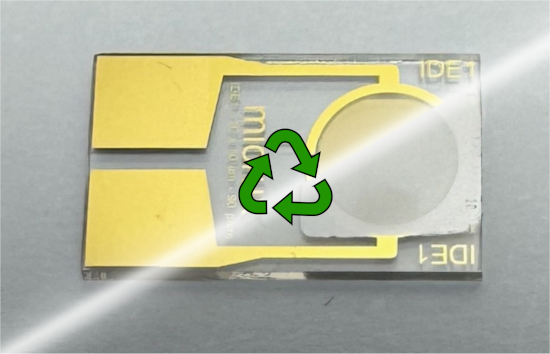
- signatures of the transferred 2D material, retain a largely homogeneous surface-potential distribution, and preserve comparable electrical performance after reuse. By extending the lifetime of pre-patterned chips, this approach can reduce substrate consumption and lower the cost of 2D device prototyping
- electrode surface after MoS2 transfer followed by NMP cleaning retains a mostly homogeneous surface-potential distribution. Although the cleaned electrode exhibits a slightly broader surface-potential histogram than the pristine one, no clear large-area electrostatic inhomogeneity is observed, suggesting
- that the cleaning process largely preserves the surface-potential uniformity of the electrode. Beyond the roll-to-roll deposited films of 2D materials, it is crucial to evaluate the reusability of substrates in the context of devices fabricated with single mechanically exfoliated flakes or CVD-grown


Glycerol photoelectrochemical oxidation reaction at carbon nitrides/BiVO4 materials
Beilstein J. Nanotechnol. 2026, 17, 806–817, doi:10.3762/bjnano.17.57
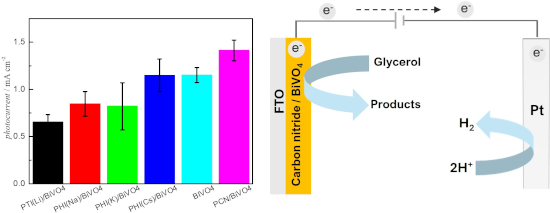
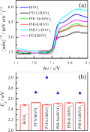
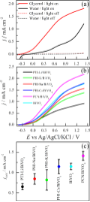
- ; bismuth vanadate; glycerol valorization; heterojunctions; photoelectrochemistry; Introduction Hydrogen production based on sustainable and renewable energy sources (the so-called green-H2) is a promising alternative for energy storage, with potential applications in fuel cells and the chemical industry
- [1]. Among the various methods of producing green-H2 [2], water photoelectrolysis [3] allows the direct use of solar energy, decreasing reliance on fossil fuels, and having potential for large-scale hydrogen production [4]. On the other hand, the challenges related to the sluggish kinetics of the
- , unlike the neutral PCN, which enhances their interactions with various substrates and expands their potential applications. A key factor in achieving superior crystallinity of PHI and PTI is ionothermal synthesis, where the use of salts facilitates a well-ordered molecular arrangement and minimizes




Tuning the electronic properties of defect-rich MoS2
Beilstein J. Nanotechnol. 2026, 17, 796–805, doi:10.3762/bjnano.17.56
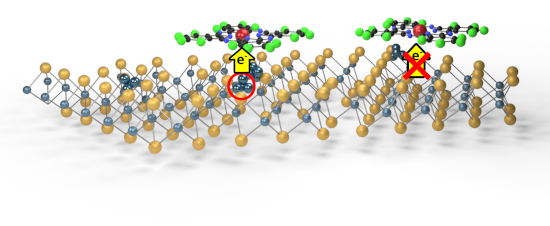
- TMDC layers [15]. Since interaction mechanisms depend strongly on the central metal atom and the ionization potential of the phthalocyanine, we focus specifically on CoPcF16 and vary the properties of the substrate. In general, electronic defects play a crucial role in novel optoelectronic devices, as


Restorative potential of laser-synthesized silver nanoparticles with Salvia officinalis for periodontal disease treatment: an in vitro study
Beilstein J. Nanotechnol. 2026, 17, 781–795, doi:10.3762/bjnano.17.55
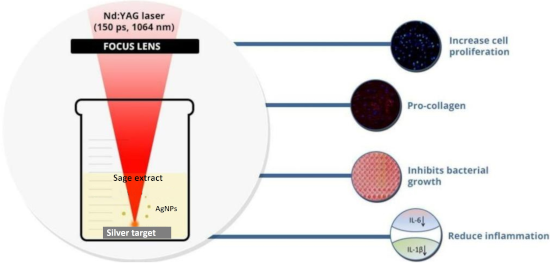
- inflammation. This dual antibacterial and regenerative action demonstrates the high potential of sage-assisted PLAL-synthesized AgNPs as a safe, sustainable strategy for periodontal disease treatment. Keywords: cell proliferation; periodontal disease; pulsed laser ablation in liquid (PLAL); Salvia officinalis
- . In contrast, Mostafavi and colleagues [10], investigated the wound-healing potential of combined AgNP and sage extract treatment in an in vivo mouse skin model, indicating possible synergistic effects between silver and sage. Nevertheless, the antibacterial activity was not evaluated, and sage was
- not utilized in the nanoparticle synthesis itself. Importantly, none of these studies reported the exact silver concentrations used in treatments, which limits the assessment of their safety and potential clinical applicability. We have previously demonstrated that sage leaf extract obtained by



Substrate-dependent pore formation in molybdenum disulfide monolayers under ion irradiation
Beilstein J. Nanotechnol. 2026, 17, 769–780, doi:10.3762/bjnano.17.54
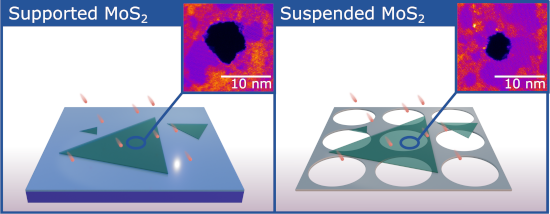
- ][23][24], and HCIs add potential energy that can lead to larger defect complexes [25]. At megaelectronvolt energies, damage is dominated by electronic excitation and can be tuned by the irradiation geometry (e.g., grazing incidence) [26][27]. While fundamental studies of ion irradiation-induced defect
- formation in MoS2 under HCI and SHI irradiation. HCIs and SHIs represent two distinct irradiation regimes with vastly different kinetic energies and energy-deposition profiles. Specifically, HCIs release their potential energy predominantly through ultrafast charge exchange and Auger-type processes near the
- on SiO2/Si with suspended MoS2 reported in one of our previous works [25]. Using the same ion species and kinetic energies as in that work, we vary the charge state from q = 30+ up to q = 40+, corresponding to potential energies of approximately 15–40 keV. In contrast to earlier AFM studies on


Interface-engineered Caco-2 cell culture on a collagen-coated liquid–liquid interface in a microfluidic device
Beilstein J. Nanotechnol. 2026, 17, 760–768, doi:10.3762/bjnano.17.53
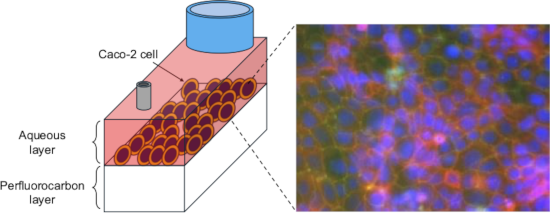
- stable monolayer formation, demonstrating their potential as engineered bioactive substrates [10]. Owing to their dynamic responsiveness to chemical and physical stimuli, such interfaces can also serve as reservoirs or delivery media for gases and hydrophobic molecules [11]. Incorporating a liquid–liquid
- substrates for epithelial cell culture and highlight their potential for the development of flexible, multiphase microfluidic models of epithelial barrier. Results and Discussion Liquid–liquid interface formation in the microfluidic device The liquid–liquid interface was formed by first filling the
- , offering a novel platform with potential for advanced drug transport studies and co-culture experiments with other cell types. This approach is expected to open new avenues for functional assays, such as transepithelial electrical resistance or drug permeability studies and co-culture experiments with


Tailoring Ag–Pt nanoalloys through solid-state dewetting: structural and optical insights
Beilstein J. Nanotechnol. 2026, 17, 748–759, doi:10.3762/bjnano.17.52

- properties, and thus, the application potential of the fabricated nanosystem. Moreover, when designing plasmonic devices based on Ag–Pt nanoalloys, one must take into account the damping of the plasmon resonance in platinum alloys. This phenomenon was theoretically investigated [36][37][38][39] and supported
- components, causing quenching of the plasmon resonance. We demonstrate that the Ag plasmon resonance is damped once the compositional threshold is reached. Taking into consideration both the intrinsic challenges of Ag–Pt nanoalloy formation and their promising application potential, developing an optimized
- macroscale. This is particularly important when considering potential applications of such nanoalloys, for instance, in catalysis or nanosensing. The Ag–Pt system is particularly noteworthy because of its high gas absorption capacity, making it highly relevant for catalytic applications. In this study, a




Superconducting artificial neural networks and quantum circuits
Beilstein J. Nanotechnol. 2026, 17, 744–747, doi:10.3762/bjnano.17.51
- useful for engineering improved qubits for quantum computation [21]. Novel microwave quantum detectors [22], ultra-high-frequency receivers [23], and terahertz-range on-chip oscillators [24] based on superconducting heterostructures demonstrate significant potential for various applications of
Oxidative atmosphere-driven formation of single-phase spinel CuRh2O4 nanofibers for alkaline water oxidation
Beilstein J. Nanotechnol. 2026, 17, 737–743, doi:10.3762/bjnano.17.50
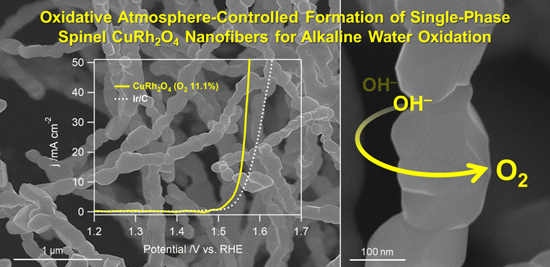
- critical role of phase purity in catalytic performance. Notably, the optimized CuRh2O4 nanofibers outperform commercial Ir/C and IrO2, benchmark catalysts for alkaline OER, requiring a lower potential of 1.53 V (vs RHE) to reach 10 mA·cm−2 compared to 1.57 V for Ir/C and exhibiting comparable performance
- electrocatalyst demonstrates excellent durability, as shown in Figure 6c, maintaining a nearly stable potential during 10,000 s of continuous OER operation at a constant current density of 10 mA·cm−2. Conclusion In summary, Cu–Rh bimetallic single-phase spinel oxide nanofibers were successfully synthesized via




Environmental applications of silver nanoparticles: state-of-the-art review and emerging trends
Beilstein J. Nanotechnol. 2026, 17, 697–736, doi:10.3762/bjnano.17.49
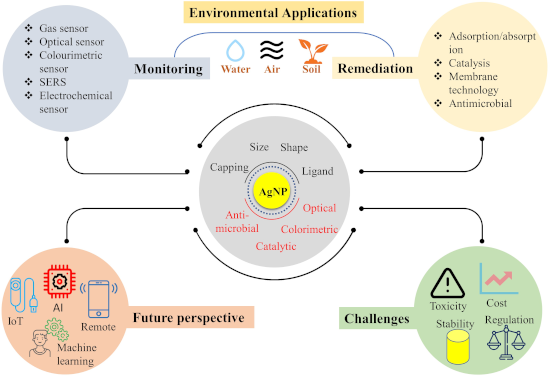
- that Acacia raddiana-stabilised AgNPs simultaneously detected Co2+, Hg2+, Pb2+, and Cu2+, indicating their role as a multimetal sensor for environmental monitoring [41]. The catalytic potential of Plantago ovata leaf extract-stabilised AgNPs was assessed by measuring MB and CR removal, with reaction
- through their interactions with the surrounding medium. Zeta potential measurements are used to assess the surface charge and stability of silver nanoparticles; higher absolute values (>±30 mV) indicate better colloidal stability and resistance to aggregation [52]. This surface charge also validated the
- properties due to their higher surface-area-to-volume ratio [58]. A study reported that luteolin tetraphosphate-stabilised nanosilver exhibited size- and shape-dependent antimicrobial activity [59]. The study concluded that 100% bacterial and fungal growth was inhibited, indicating potential in water and air


Molecular engineering of individual dye-based nanoparticle photostability for ultrabright two-photon fluorescence
Beilstein J. Nanotechnol. 2026, 17, 688–696, doi:10.3762/bjnano.17.48
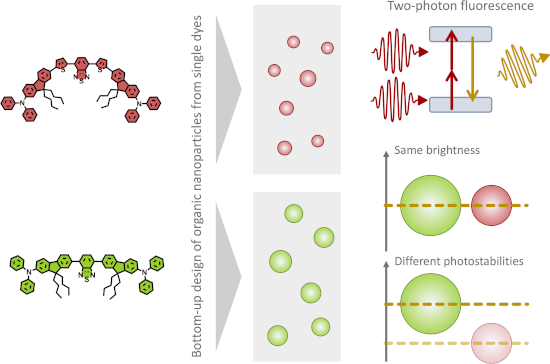
- dFONs (including their colloidal stability and surface properties) can be precisely tuned through molecular engineering of specific dye building blocks [1]. dFONs have demonstrated significant potential in bioimaging applications. They have been used as biosensors for various ions [4] and thiols [5], as
- kcounts·s−1·mW−2, respectively) and quartile ranges. Mean values were very high (427 and 436 kcounts·s−1·mW−2, respectively), which is attributed to the potential aggregation of nanoparticles, leading to a few very high signals. A t-test yielded a p-value of 0.90, indicating no significant difference


Protein-based custom-designed molecular nanotraps for biomedical applications
Beilstein J. Nanotechnol. 2026, 17, 683–687, doi:10.3762/bjnano.17.47
- structural precision and enable functionalities such as molecular recognition and cargo delivery, which have the potential for overcoming some challenges of drug delivery. In contrast, the concept of exploiting unfolded proteins for binding and targeting applications remains largely counterintuitive and
- high levels of IL-6 showed that the addition of bioMIPs significantly reduced the levels of the pro-inflammatory cytokine, highlighting the potential therapeutic utility of bioMIPs. Future Directions The preparation of bioMIP nanotraps represents a general strategy for fabricating protein-based
- . The scalability and environmental friendliness of this approach, together with the inherent biodegradability of the natural polymers, support their translational potential. At a critical perspective, while the use of proteins for the preparation of bioMIPs could prove competitive with established




