Search results
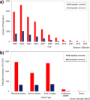
Search for "reactive oxygen species" in Full Text gives 168 result(s) in Beilstein Journal of Nanotechnology.
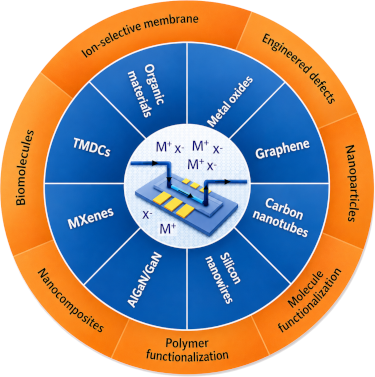
Materials challenges in solid-state sensors for continuous monitoring of ions in water
Beilstein J. Nanotechnol. 2026, 17, 935–973, doi:10.3762/bjnano.17.66



Nanocarrier strategies to overcome P-glycoprotein-mediated drug resistance in cancer therapy
Beilstein J. Nanotechnol. 2026, 17, 882–921, doi:10.3762/bjnano.17.64
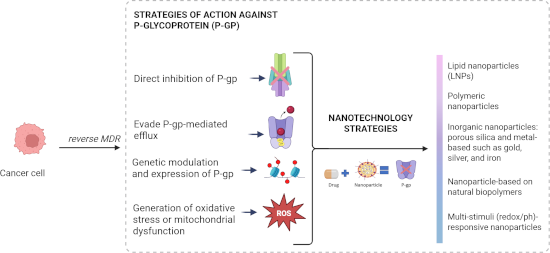
- microenvironment (e.g., acidic pH or elevated levels of reactive oxygen species (ROS)), to gain access to tumor cells. By entering through these routes, they may initially evade recognition by membrane-associated P-gp. However, once the drug is released into the cytosol, subsequent prevention of drug efflux
- be functionally designed to respond to tumor-associated stimuli (e.g., acidic pH, elevated glutathione (GSH) levels, presence of reactive oxygen species, or hypoxia) or integrate multifunctional therapeutic capabilities such as P-gp inhibition, redox modulation, photothermal activation, or gene


Light-driven ammonia electrooxidation via carbon nitride–ruthenium molecular interfaces
Beilstein J. Nanotechnol. 2026, 17, 854–862, doi:10.3762/bjnano.17.61
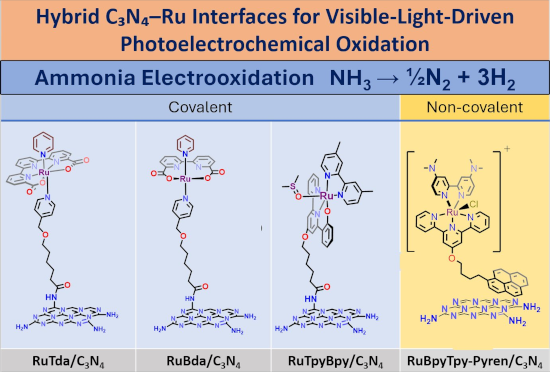
- not expected to degrade under visible-light irradiation [15][16][33] The more likely degradation pathways are oxidative cleavage of the amide linker in covalently anchored systems, or displacement of the pyrene anchor by photogenerated reactive oxygen species in non-covalently adsorbed ones, both of


Restorative potential of laser-synthesized silver nanoparticles with Salvia officinalis for periodontal disease treatment: an in vitro study
Beilstein J. Nanotechnol. 2026, 17, 781–795, doi:10.3762/bjnano.17.55
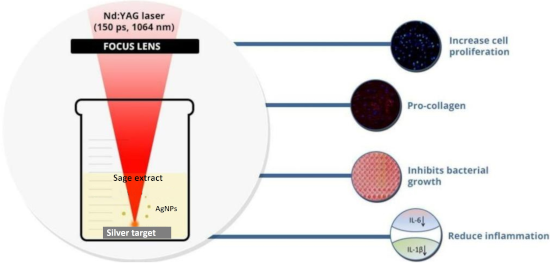
- bacterial metabolic processes [39][40]. These compounds contribute to the antimicrobial mechanisms of AgNPs, including disruption of bacterial cell wall synthesis, interference with DNA replication, and generation of reactive oxygen species (ROS) [36]. The same MIC and MBC values observed for SageAgNPs6mJ



Environmental applications of silver nanoparticles: state-of-the-art review and emerging trends
Beilstein J. Nanotechnol. 2026, 17, 697–736, doi:10.3762/bjnano.17.49
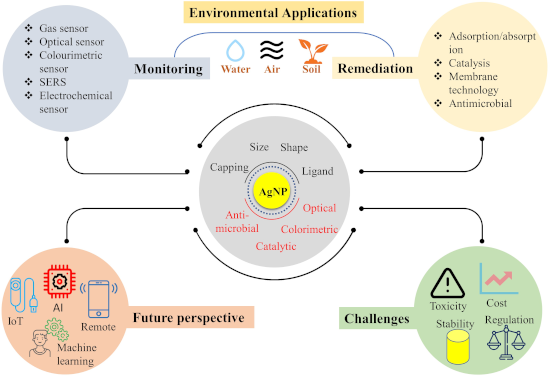
- generation of reactive oxygen species (ROS), mediate the antimicrobial effect [73]. AgNPs stabilised with Hormophysa triquetra extract inhibited Escherichia coli, Bacillus subtilis, Staphylococcus aureus, Pseudomonas stutzeri, and Pseudomonas fragi in a solvent-dependent manner [74]. AgNPs showed an
- junction formation at the Ag/semiconductor interface creates an internal electric field that suppresses electron–hole recombination, extending carrier lifetime and enabling band-alignment-dependent redox reactions [127]. Reactive oxygen species, primarily •OH, •O2−, h+, and 1O2, drive oxidative pollutant


Molecular engineering of individual dye-based nanoparticle photostability for ultrabright two-photon fluorescence
Beilstein J. Nanotechnol. 2026, 17, 688–696, doi:10.3762/bjnano.17.48
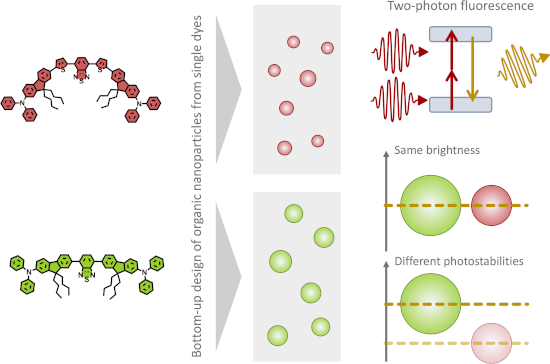
- following a transition to the triplet state, and can be further accelerated by the presence of oxygen and the generation of reactive oxygen species (ROS) [27]. The resulting loss of fluorescence can significantly shorten tracking durations while compromising the localization precision, as the signal from


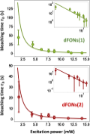
Decontamination from water pollutants and pathogens by electrospun nanofibers doped with heavy-atom-free borafluorene-BODIPY photosensitizers
Beilstein J. Nanotechnol. 2026, 17, 668–682, doi:10.3762/bjnano.17.46
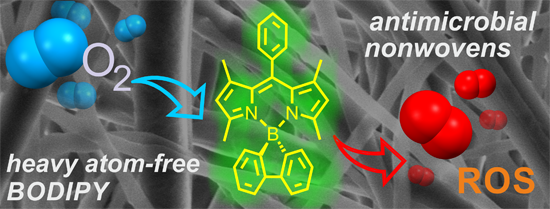
- photosensitizers, that is, light-activated molecules producing reactive oxygen species (ROS), such as singlet oxygen (1O2), capable of degrading organic pollutants or microbes [2][3][4][5][6]. Among various groups of organic photosensitizers, boron dipyrromethenes (BODIPYs, i.e., 4,4-difluoro-4-bora-3a,4a-diaza-s

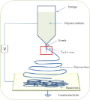


Cellulose as a photocatalyst support material: extraction, structural features, and environmental applications
Beilstein J. Nanotechnol. 2026, 17, 635–652, doi:10.3762/bjnano.17.44
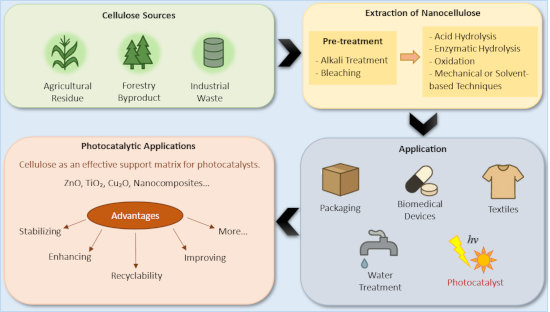
- absorb photons from light, typically ultraviolet (UV) radiation or visible light, and generate reactive oxygen species (ROS) such as hydroxyl radicals (•OH) or superoxide radicals (O2•−) through photoexcitation [16][17]. In photocatalytic degradation, the catalysts typically used are semiconductor


Two-step laser synthesis of Ag@TiO2 nanomaterials for the photocatalytic degradation of rhodamine B
Beilstein J. Nanotechnol. 2026, 17, 622–634, doi:10.3762/bjnano.17.43
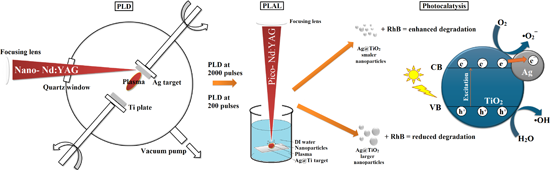
- photocatalytic activity. The improved activity of Ag@TiO2 is not mainly due to bandgap reduction. It is more likely related to Ag–TiO2 interaction, where Ag reduces electron–hole recombination and enhances light absorption through surface plasmon resonance, leading to increased formation of reactive oxygen
- species [28]. These combined effects lead to faster degradation of rhodamine B compared to pure TiO2. The different kinetic behavior of the samples reflects differences in particle size and Ag surface modification. The kinetic models are used as empirical descriptions of the overall process rather than


Nanocarrier-integrated multilayer films produced by 3D printing for improved skin adhesion and curcumin photostability
Beilstein J. Nanotechnol. 2026, 17, 440–453, doi:10.3762/bjnano.17.30
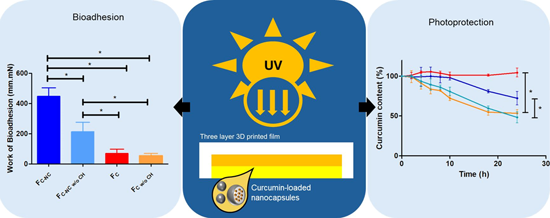
- as antioxidant activity through reactions with free radicals or reactive oxygen species (ROS) and inhibition of lipid peroxidation and DNA damage. These mechanisms contribute to reduced oxidative stress and enhanced wound-healing processes [17]. Consequently, curcumin is currently under investigation


Biomimetic nanoparticles in cancer photodynamic therapy: a review of targeted delivery systems and therapeutic outcomes
Beilstein J. Nanotechnol. 2026, 17, 396–422, doi:10.3762/bjnano.17.27
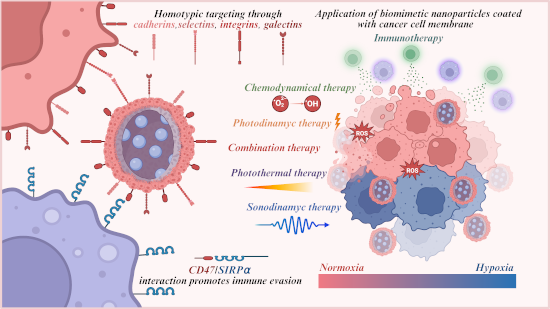
- cancer treatment that uses photosensitizers (PSs) activated by light to produce cytotoxic reactive oxygen species (ROS). Although PDT shows clinical promise, its effectiveness is limited by factors such as insufficient tumor targeting, tumor hypoxia, PS instability, and weak immune responses. Biomimetic
- involving three key components: a photosensitizer (PS), light of a specific wavelength, and molecular oxygen [3]. Upon light activation, the PS transitions to an excited state and transfers energy to surrounding oxygen molecules, generating reactive oxygen species (ROS) that can eradicate tumor cells. While


Advancing nanolithography: a comprehensive review of materials for local anodic oxidation with AFM
Beilstein J. Nanotechnol. 2026, 17, 275–291, doi:10.3762/bjnano.17.19
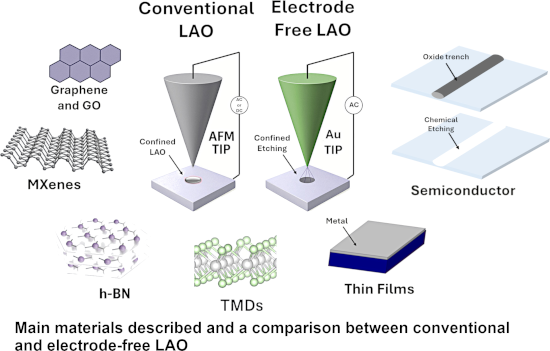
- -layer graphene flakes [22][98][99], epitaxial graphene [20][100], graphene grown by thermal decomposition of SiC [77], and graphite [101]. By applying local oxidation in a humid environment, the resulting reactive oxygen species, such as OH− and O2•−, oxidize the graphene surface, forming graphene oxide


Gold nanoparticle-decorated reduced graphene oxide as a highly effective catalyst for the selective α,β-dehydrogenation of N-alkyl-4-piperidones
Beilstein J. Nanotechnol. 2026, 17, 218–238, doi:10.3762/bjnano.17.15
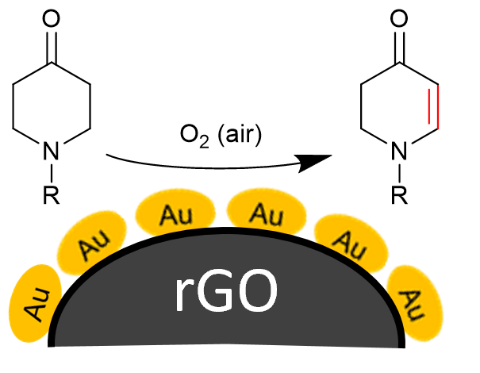
- the observed reaction rate under otherwise kinetically favorable conditions [52]. Second, excessive catalyst loading can promote recombination or quenching of reactive oxygen species generated on the Au/rGO surface. As demonstrated in the proposed ODH mechanism (Figure 14), Au/rGO activates O2 to form


From shield to spear: Charge-reversible nanocarriers in overcoming cancer therapy barriers
Beilstein J. Nanotechnol. 2026, 17, 159–175, doi:10.3762/bjnano.17.10
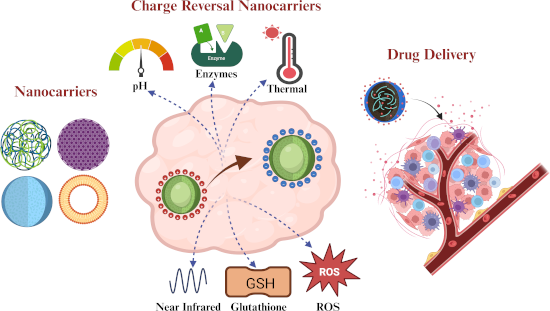
- of tumour cells, characterized by elevated levels of GSH and reactive oxygen species (ROS), to trigger on-demand drug release. These nanocarriers typically incorporate redox-sensitive chemical bonds, such as disulfide linkages, which remain stable in blood circulation but undergo cleavage in the


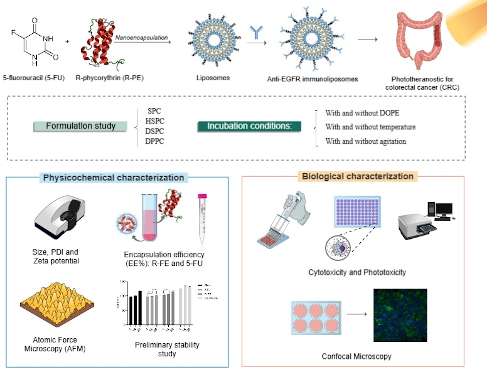
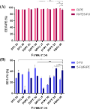
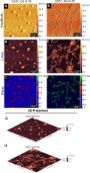
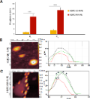
Development and in vitro evaluation of liposomes and immunoliposomes containing 5-fluorouracil and R-phycoerythrin as a potential phototheranostic system for colorectal cancer
Beilstein J. Nanotechnol. 2026, 17, 97–121, doi:10.3762/bjnano.17.7



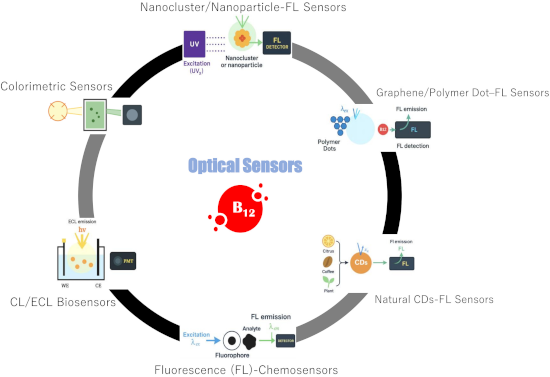
Optical bio/chemical sensors for vitamin B12 analysis in food and pharmaceuticals: state of the art, challenges, and future outlooks
Beilstein J. Nanotechnol. 2025, 16, 2207–2244, doi:10.3762/bjnano.16.153


Microplastic pollution in Himalayan lakes: assessment, risks, and sustainable remediation strategies
Beilstein J. Nanotechnol. 2025, 16, 2144–2167, doi:10.3762/bjnano.16.148
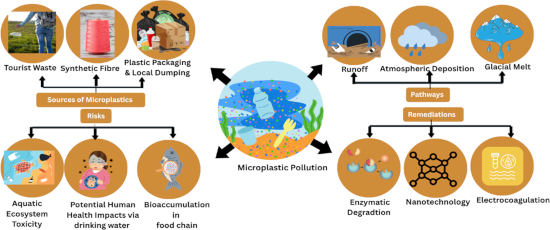
- safe for the environment. Photocatalysis produces reactive oxygen species (ROS), which attack polymer chains and cause oxidative cleavage. Studies have shown that, under ideal circumstances, this process is quite successful in degrading polymers such as PS [74]. Bionanomaterials, which are composite


Toward clinical translation of carbon nanomaterials in anticancer drug delivery: the need for standardisation
Beilstein J. Nanotechnol. 2025, 16, 2092–2104, doi:10.3762/bjnano.16.144

- healthy tissues. Toxicity remains one of the most significant concerns associated with CNMs. Their unique physical and chemical properties, while advantageous for drug delivery, can also contribute to harmful effects. Potential mechanisms of toxicity include the generation of reactive oxygen species



Targeting the vector of arboviruses Aedes aegypti with nanoemulsions based on essential oils: a review with focus on larvicidal and repellent properties
Beilstein J. Nanotechnol. 2025, 16, 1894–1913, doi:10.3762/bjnano.16.132
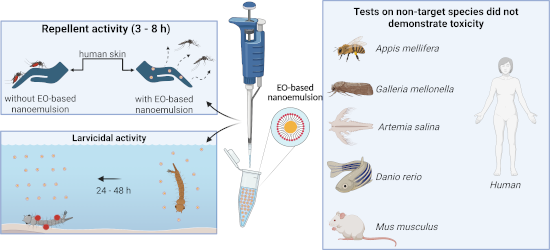
- vector larvae, including Ae. aegypti, and have been enhanced in nanoemulsions thanks to their properties [105][106][107]. Nanostructured plant-based larvicides could be associated with larvae morphological alterations, formation of reactive oxygen species that cause genotoxicity, and inhibition of


Current status of using adsorbent nanomaterials for removing microplastics from water supply systems: a mini review
Beilstein J. Nanotechnol. 2025, 16, 1837–1850, doi:10.3762/bjnano.16.127
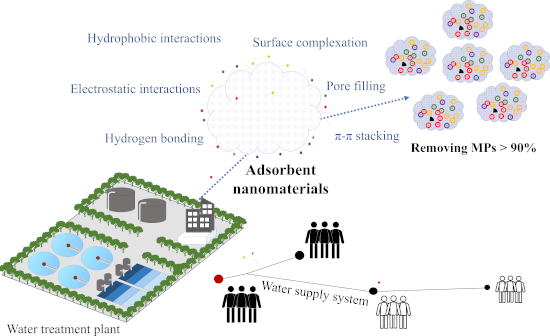
- water, affecting microbial communities and bioaccumulating in food chains, as shown in the study by Yang and colleagues [110]. Carbon-based nanomaterials, like GO, have the potential to react with biological systems, causing oxidative stress in aquatic organisms by generating reactive oxygen species


Phytol-loaded soybean oil nanoemulsion as a promising alternative against Leishmania amazonensis
Beilstein J. Nanotechnol. 2025, 16, 1826–1836, doi:10.3762/bjnano.16.126

- depolarization, consequently leading to the generation of reactive oxygen species (ROS) and oxidative stress in promastigotes. It is noteworthy that Leishmania, like other trypanosomatids, possesses a single mitochondrion, which is responsible for multiple essential metabolic processes and is crucial for


Piezoelectricity of layered double hydroxides: perspectives regarding piezocatalysis and nanogenerators
Beilstein J. Nanotechnol. 2025, 16, 1812–1817, doi:10.3762/bjnano.16.124

- and external stress, leading to increased current generation and reactive oxygen species production. The authors proposed that the piezoelectric field of LDHs facilitates the separation of photo-induced electron–hole pairs and modulates band alignment, thereby synergistically enhancing the piezo

Electrical, photocatalytic, and sensory properties of graphene oxide and polyimide implanted with low- and medium-energy silver ions
Beilstein J. Nanotechnol. 2025, 16, 1794–1811, doi:10.3762/bjnano.16.123
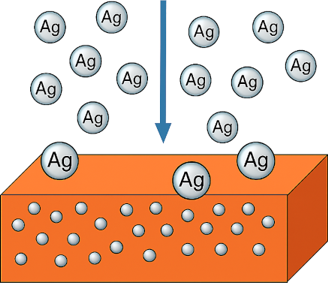
- , where they initiate redox reactions with adsorbed species, such as water or dissolved oxygen, leading to the formation of reactive oxygen species that degrade organic contaminants. In Ag-modified polymer matrices, several synergistic effects contribute to enhanced photocatalytic activity. The
- the implanted samples. This suggests that the material itself without any intervention has limited ability to generate reactive oxygen species or facilitate charge transfer, which are both essential for efficient photocatalysis. There is a noticeable increase in the rate constant when low-energy Ag


Prospects of nanotechnology and natural products for cancer and immunotherapy
Beilstein J. Nanotechnol. 2025, 16, 1644–1667, doi:10.3762/bjnano.16.116
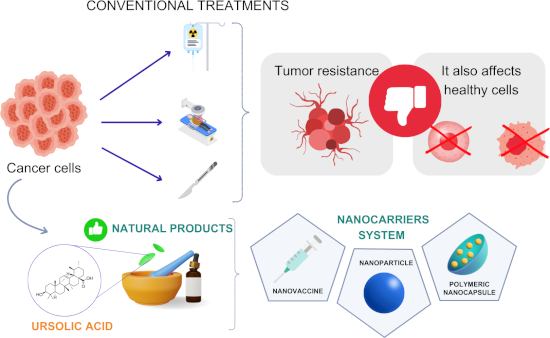
- the development of reactive oxygen species (ROS) [118]. Hyaluronic acid can inhibit local recurrence and distant tumor growth when used in immunotherapy scenarios in conjuction with CAR-T cells and anti-PDL1-conjugated platelets [119]. Transmission electron microscopy (TEM) and dynamic light


Nanotechnology-based approaches for the removal of microplastics from wastewater: a comprehensive review
Beilstein J. Nanotechnol. 2025, 16, 1607–1632, doi:10.3762/bjnano.16.114
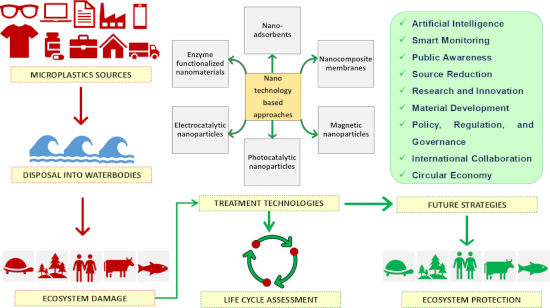
- oxidation mechanisms. These processes generate reactive oxygen species (ROS) through methods such as photocatalysis, ozonation, and electrochemical activation, which effectively break down the polymer chains of MPs, leading to their mineralization. The primary AOP techniques used for removing MPs from water
- biological treatments aimed at removing organic contaminants [96]. In photocatalysis, under UV illumination, electron–hole pairs are generated. These pairs interact with water molecules and dissolved oxygen to generate reactive oxygen species, such as hydroxyl radicals and superoxide anions. These highly