Search results
Search for "selectivity" in Full Text gives 318 result(s) in Beilstein Journal of Nanotechnology. Showing first 200.
Materials challenges in solid-state sensors for continuous monitoring of ions in water
Beilstein J. Nanotechnol. 2026, 17, 935–973, doi:10.3762/bjnano.17.66
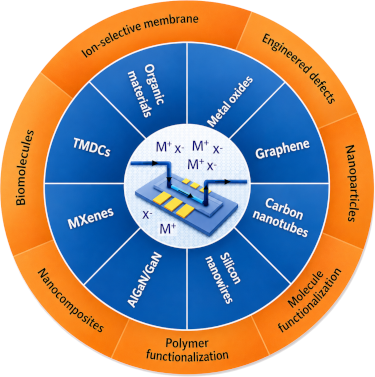
- of active materials have been investigated, including metal oxides, graphene, carbon nanotubes, silicon nanowires, AlGaN/GaN, MXenes, transition metal dichalcogenides, and organic polymers all of which can be tailored for sensor development. Sensor selectivity and functionality can be enhanced
- promising for online deployment due to their portability, low power, and amenability to automation and networking. To be fit for purpose in online monitoring, sensors must meet requirements that extend beyond laboratory figures of merit. (i) Selectivity is essential to discriminate targets in complex
- especially ISEs, FETs, and chemiresistive devices, are central to next-generation online water quality monitoring. They offer sensitivity and selectivity aligned with regulatory thresholds, fast response to capture transient events, and the potential for dense spatial networks. Given these advantages, there


Nanocarrier strategies to overcome P-glycoprotein-mediated drug resistance in cancer therapy
Beilstein J. Nanotechnol. 2026, 17, 882–921, doi:10.3762/bjnano.17.64
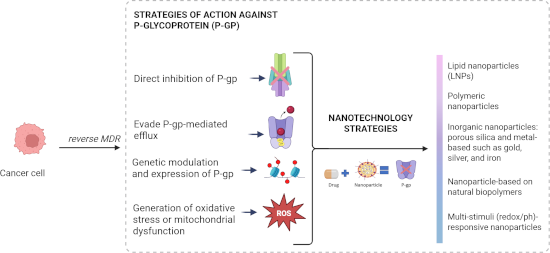
- enhance tumor selectivity and intracellular retention. Preclinical evidence consistently demonstrates improved drug accumulation, restored chemosensitivity, and reduced systemic toxicity. Nevertheless, clinical translation remains constrained by tumor heterogeneity, variable biological barriers, large


Light-driven ammonia electrooxidation via carbon nitride–ruthenium molecular interfaces
Beilstein J. Nanotechnol. 2026, 17, 854–862, doi:10.3762/bjnano.17.61
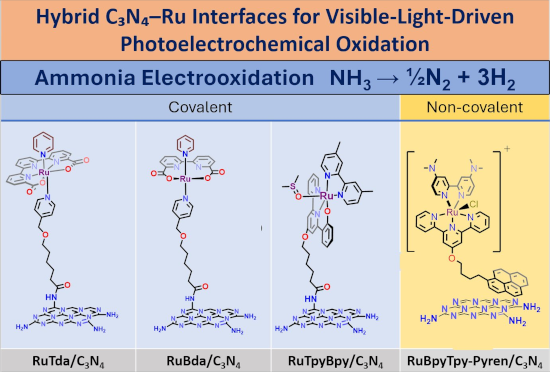
- , Germany 10.3762/bjnano.17.61 Abstract The homogeneous–heterogeneous catalysis gap remains an unresolved challenge in solar fuels research. Molecular catalysts offer unique selectivity and mechanistic transparency but suffer from poor electrode contact and limited recyclability, while heterogeneous
- optimizing charge carrier dynamics at the hybrid interface. Finally, photoelectrocatalysis is the enabling configuration: Simultaneous illumination and electrochemical bias reduce the thermodynamic penalty, suppress charge recombination, and provide independent control over product selectivity. Despite
- catalytic centre, as is the case in solar fuel production, neither paradigm alone is sufficient. What is needed is a hybrid architecture that positions a well-defined molecular catalyst directly at the surface of a photoactive solid, combining the selectivity of homogeneous catalysis with the processability


Nanoparticle delivery systems for HIV pre-exposure prophylaxis (PrEP): advances and challenges
Beilstein J. Nanotechnol. 2026, 17, 839–853, doi:10.3762/bjnano.17.60
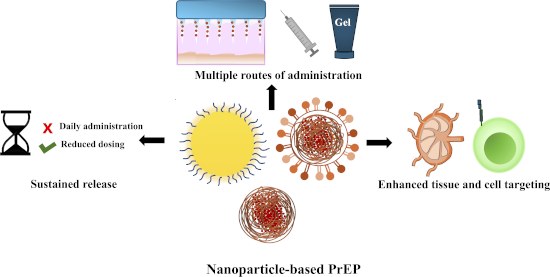
- ]. The authors observed that the BIC+TAF nanoparticles achieved a drug selectivity index that was 472 times higher than for the free drugs solution when tested with human peripheral blood mononuclear cells (PBMCs). Moreover, when Balb/C mice were subcutaneously injected with BIC+TAF nanoparticles, both


Glycerol photoelectrochemical oxidation reaction at carbon nitrides/BiVO4 materials
Beilstein J. Nanotechnol. 2026, 17, 806–817, doi:10.3762/bjnano.17.57
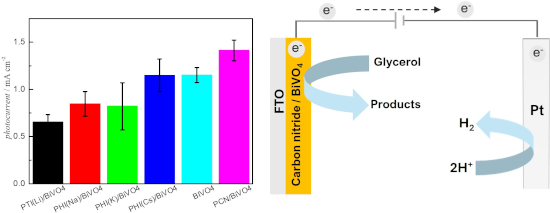
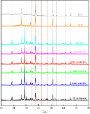
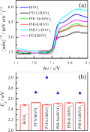
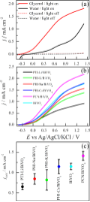
- oxidation depicted higher photocurrents and provided a protective effect against photocorrosion. The photoelectrochemical activity and selectivity of glycerol oxidation on BiVO4 are influenced by several factors, including pH [26], electrolyte cation and anion [28], BiVO4 surface crystallography orientation




Restorative potential of laser-synthesized silver nanoparticles with Salvia officinalis for periodontal disease treatment: an in vitro study
Beilstein J. Nanotechnol. 2026, 17, 781–795, doi:10.3762/bjnano.17.55
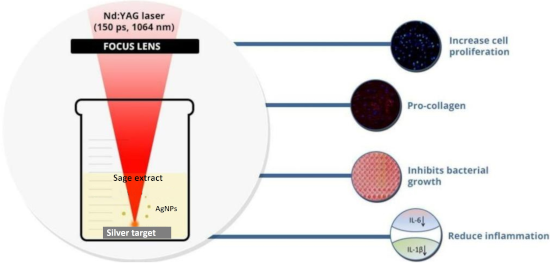
- antibacterial activity of AgNPs with comparatively lower cytotoxicity toward mammalian cells [49]. This selectivity is essential for potential applications where treatment should eliminate pathogenic bacteria and maintain the viability of gingival cells responsible for tissue repair and regeneration. The
- differences between bacterial and eukaryotic cell metabolisms may be the cause of this selectivity. Eukaryotic cells have strong antioxidant systems that can neutralize ROS as long as particle concentrations stay within therapeutic ranges [50]. The sage extract compounds enhance this selectivity by providing



Environmental applications of silver nanoparticles: state-of-the-art review and emerging trends
Beilstein J. Nanotechnol. 2026, 17, 697–736, doi:10.3762/bjnano.17.49
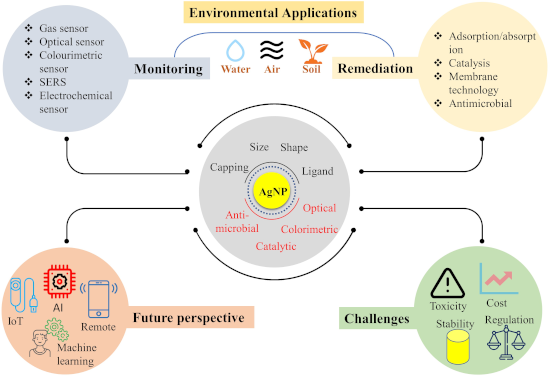
- develop LSPR-based nanosensors that detect different metal ions [7]. A surface coating of ʟ-carnosine on nanosilver enables size tuning and the detection of metal ions such as As3+, Cr3+, Cd2+, and Pb2+, while cetyltrimethylammonium bromide (CTAB) coating provides selectivity against Hg2+ and Cu2+ [8][9
- in signal, indicating that AgNPs with smaller size-selectivity interact with the virus capsid [79]. Furthermore, nanosilver exhibits antifungal properties against waterborne fungi, including Acremonium, Alternaria, Aspergillus, Chaetomium, Fusarium, Mucor, Lichtheimia, Paecilomyces, Penicillium
- using an Ag-modified (CeO2–Al2O3) nanocomposite, achieving oxidation rates of 96% and 98%, respectively. Additionally, the reaction selectivity exceeded 97%. The relative humidity enhanced gas-phase photolysis in the presence of UV [168]. Bifunctional zeolite-Ag catalysts (ZSM-5||Ag/γ-Al2O3) showed 100


Protein-based custom-designed molecular nanotraps for biomedical applications
Beilstein J. Nanotechnol. 2026, 17, 683–687, doi:10.3762/bjnano.17.47

- protein building blocks and employing the molecular imprinting technique to confer selectivity toward specific molecular targets. With a portfolio of protein-based units that includes cross-linkable silk fibroin and gelatin, the approach enables tailored nanostructures capable of efficient and selective
- inherent limitations such as limited stability, high costs, or inadequate selectivity, biomimetics have surged as potent alternatives [1]. A versatile way to form biomimetics is the molecular imprinting of polymers (MIP), which has emerged as a promising technique to create synthetic binding sites within
- epitope (C-terminus of interleukin-6 [6]). The tailored affinity towards the targets was remarkably high and comparable to that of natural antibodies, being estimated in the low nanomolar range. Selectivity for the target was proven, up to the level of discriminating scrambled sequences of the peptide

Synthesis of Cu–Mo/TiO2 and Co–Mo/TiO2 photocatalysts for the efficient degradation of organic pollutants in water
Beilstein J. Nanotechnol. 2026, 17, 559–570, doi:10.3762/bjnano.17.37
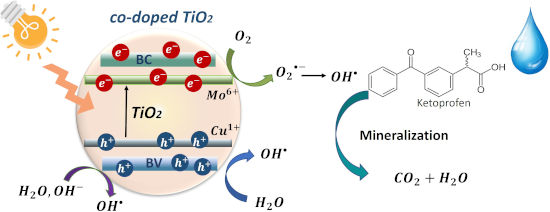
- oxide. However, although the 0.5 Cu–0.5 Mo/TiO2 photocatalyst promotes a significant reduction in ketoprofen concentration, complete degradation is not observed within 120 min of reaction. It has been reported that metal/metal co-doped photocatalysts can exhibit considerable selectivity in their



Electrochemical determination of ciprofloxacin using a MIL-101/reduced graphene oxide-modified electrode
Beilstein J. Nanotechnol. 2026, 17, 541–554, doi:10.3762/bjnano.17.35
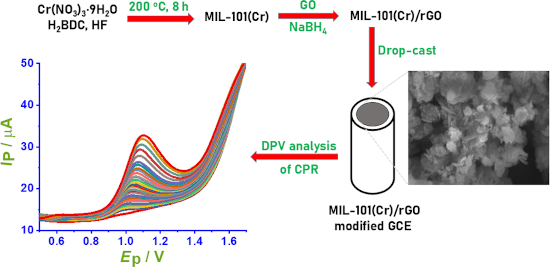
- response over 0.25–9.41 µM and a detection limit of 0.11 µM for CPR determination. The sensor also demonstrated good selectivity, satisfactory repeatability, and long-term stability. Furthermore, the method’s practical applicability was validated by the determination of CPR in pharmaceutical samples
- , reproducibility, selectivity, and stability of the sensor were evaluated using relative standard deviation (RSD) values. Results and Discussion Materials characterization Figure 1a presents the XRD patterns of GO, rGO, and pristine MIL-101, while Figure 1b shows the diffraction patterns of MIL-101/rGO composites
- . The low RSD values together with the high current retention demonstrate the satisfactory long-term stability and reliable performance of the MIL-101/rGO-modified electrode. Interference study The selectivity of the proposed sensor toward ciprofloxacin (CPR) was evaluated in the presence of common


Defects and defect-mediated engineering of two-dimensional materials: challenges and open questions
Beilstein J. Nanotechnol. 2026, 17, 454–488, doi:10.3762/bjnano.17.31





Biomimetic nanoparticles in cancer photodynamic therapy: a review of targeted delivery systems and therapeutic outcomes
Beilstein J. Nanotechnol. 2026, 17, 396–422, doi:10.3762/bjnano.17.27
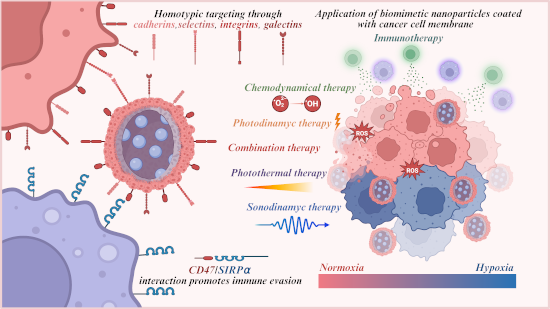
- tissue via the enhanced permeability and retention (EPR) effect, driven by tumor vasculature characteristics [10]. This enhances delivery selectivity, reducing therapeutic doses and impact on healthy tissues. The nanoparticle shell isolates the PS, reducing dark toxicity and systemic phototoxicity [11
- , achieved by conjugating second-generation PSs with carriers like antibodies, peptides, or nanoparticles to enhance specificity and reduce off-target effects [31][32]. The third generation of PSs should demonstrate minimal accumulation in healthy tissues and high selectivity toward pathological sites
- , thereby reducing side effects and increasing the therapeutic index. In this context, the use of nanocarriers for PS delivery gains particular importance, offering new opportunities to enhance both the selectivity and safety of PDT [33]. Currently, nanoparticles serve as versatile delivery system for a


Interconnection morphology effects on the radio frequency response of carbon nanotube sponges
Beilstein J. Nanotechnol. 2026, 17, 343–351, doi:10.3762/bjnano.17.23
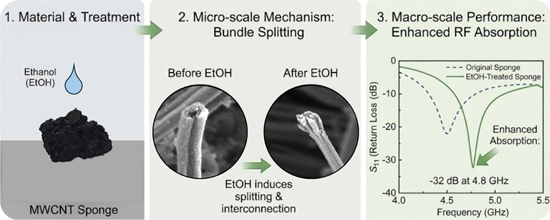
- ) × 10−3 W·m−2. It is essential to emphasise the frequency selectivity of the CNS antenna towards the interference signal at 5.2 GHz (Wi-Fi band, Figure 6a). For this frequency, no noticeable variation in the signal reception was observed with the CNS, highlighting potential applications in multiband RF
- excitation, our proposed method has the advantages of simplicity, ease of operation, wideband operation, and high modulation rate. This provides an idea for the research of tunable terahertz devices. As a signal receptor, we also observed a frequency selectivity in the CNS antenna towards the interference



Advancing nanolithography: a comprehensive review of materials for local anodic oxidation with AFM
Beilstein J. Nanotechnol. 2026, 17, 275–291, doi:10.3762/bjnano.17.19
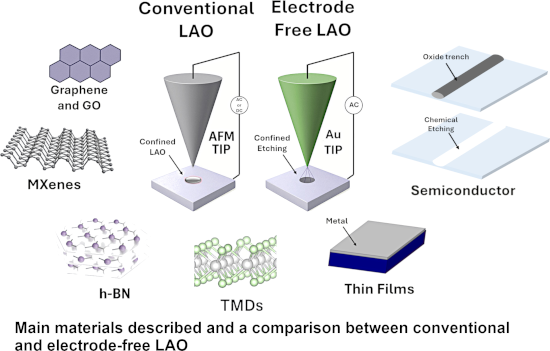
- of the fabrication steps to enhance the aspect ratio of such features is out of the scope of this work. But it is worth mentioning that most oxides exhibit good selectivity against many common etchants used for dry etching, including reactive ion etching with fluorine- or chlorine-based plasmas


Gold nanoparticle-decorated reduced graphene oxide as a highly effective catalyst for the selective α,β-dehydrogenation of N-alkyl-4-piperidones
Beilstein J. Nanotechnol. 2026, 17, 218–238, doi:10.3762/bjnano.17.15
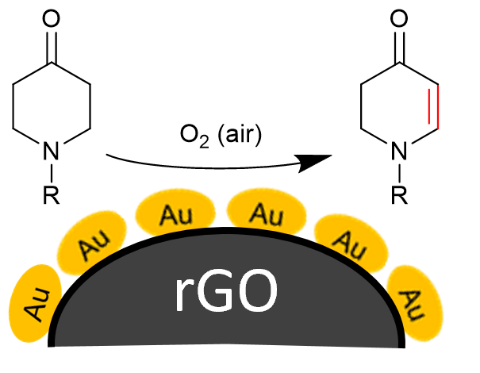
- catalytic properties of AuNPs stem from their nanoscale size, which increases the surface-to-volume ratio, exposes a higher density of active sites, and induces quantum size effects that modulate the electronic structure [5]. These characteristics collectively enhance their reactivity, selectivity, and
- and selectivity with an exceptionally low gold loading. Results and Discussion Description and characterization of the carbon supports The morphological and textural properties of the carbon supports are critical for their performance as catalysts in AuNP-supporting systems. To assess these properties
- nine carbon-supported gold nanoparticle materials synthesized in this study were evaluated under identical conditions, at first for the N-methyl-4-piperidone (Table 1), focusing on conversion, selectivity, and yields. Blank tests demonstrated that the neat carbon supports (AC, rGO, CB) without gold


From shield to spear: Charge-reversible nanocarriers in overcoming cancer therapy barriers
Beilstein J. Nanotechnol. 2026, 17, 159–175, doi:10.3762/bjnano.17.10
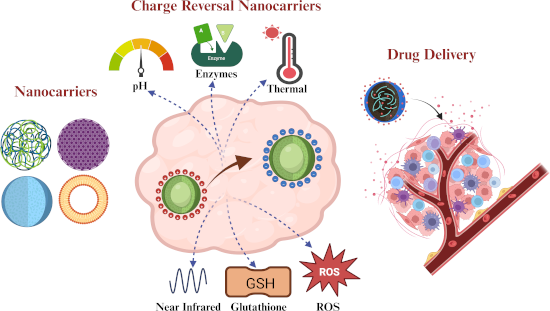
- , drug resistance, and poor tumour selectivity. In response to these limitations, nanotechnology-based drug delivery systems have gained prominence for enhancing solubility, improving molecular stability, enabling controlled drug release, and prolonging systemic circulation, offering superior therapeutic
- enhancing the therapeutic efficacy and safety profiles of nanocarriers in clinical applications [15]. The functional mechanism of CRNs (Figure 2) is designed to enhance the selectivity and efficacy of anticancer drug delivery systems, along with their behaviour in response to the acidic environment of
- tuneable, site-specific delivery via GelMA-PEDOT interactions and degradation over 21 days [73]. Esmaeili et al. developed a charge-reversible MCM@CS@PEG-APT (DOX-GFP) nanosystem that minimises off-target effects by pH-sensitive charge transition, enhancing tumour selectivity, reducing systemic toxicity


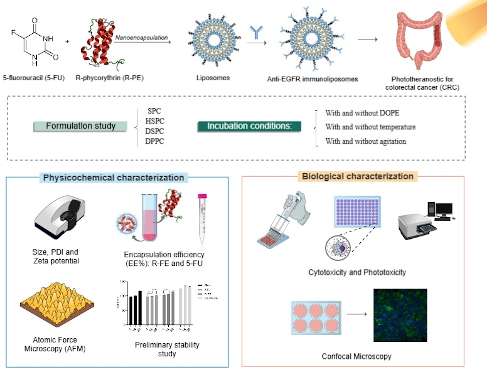
Development and in vitro evaluation of liposomes and immunoliposomes containing 5-fluorouracil and R-phycoerythrin as a potential phototheranostic system for colorectal cancer
Beilstein J. Nanotechnol. 2026, 17, 97–121, doi:10.3762/bjnano.17.7



Chiral plasmonic nanostructures fabricated with circularly polarized light
Beilstein J. Nanotechnol. 2025, 16, 2245–2264, doi:10.3762/bjnano.16.154
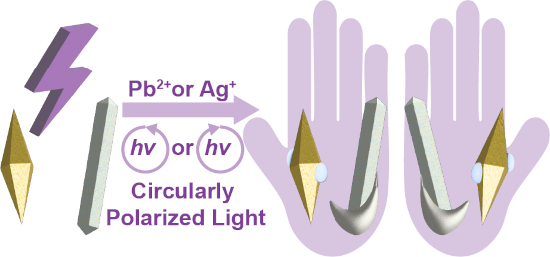
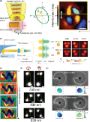
- . Additionally, the optical chirality at the near field is greater than that of the incident CPL, increasing the polarization selectivity of the interactions between molecules and CPL [17][18]. After more than two decades of development, the synthesis of cPNSs has evolved from nanolithography and self-assembly
- enantioselectivity induced by cPNSs has primarily been attributed to their geometrical chirality, which structurally favors interactions with chiral molecules [21][22]. However, chiral-induced spin selectivity through cPNSs can potentially promote enantioselective catalytic reactions [23]. Furthermore, the chiral
- near field of cPNSs can also improve the enantioselectivity of photochemical transformations. Likewise, the superchiral field of cPNSs holds great potential for amplifying the selectivity of specific photophysical processes in solid-state materials. This review article aims to provide an overview of





Optical bio/chemical sensors for vitamin B12 analysis in food and pharmaceuticals: state of the art, challenges, and future outlooks
Beilstein J. Nanotechnol. 2025, 16, 2207–2244, doi:10.3762/bjnano.16.153
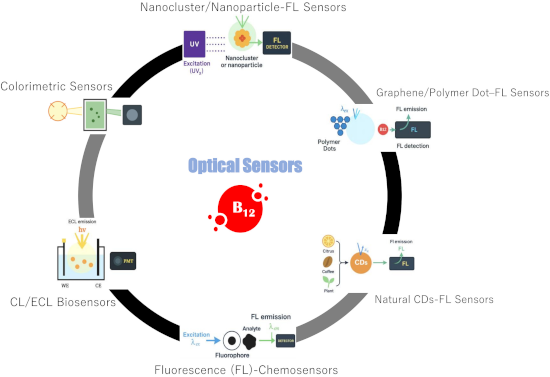
- electrophoresis [20], chemiluminescence [21][22][23][24], enzyme-linked immunosorbent assay (ELISA) [25][26], and electrochemical assays [2][27]. However, these methods involve complex procedures with long preparation times, poor selectivity, expensive equipment, and relatively costly or environmentally harmful
- group was developed to detect Co2+ ions in water with high selectivity. Here, the small molecule served as the recognition receptor, its coumarin scaffold acted as the indicator chromophore, and the sensing signal was a visible change from colorless to pale violet [80]. When anchored to silica, this
- remarkably excellent selectivity, reproducibility, and storage stability for the SPR sensor recorded, but a strong association between the SPR sensor and LC-MS/MS findings was found [95]. Recently, Bareza et al. have reported that graphene nanostructures, which can confine mid-infrared plasmons at the


Rapid synthesis of highly monodisperse AgSbS2 nanocrystals: unveiling multifaceted activities in cancer therapy, antibacterial strategies, and antioxidant defense
Beilstein J. Nanotechnol. 2025, 16, 2105–2115, doi:10.3762/bjnano.16.145
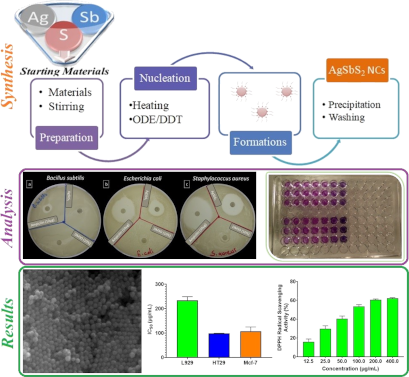
- compared to their pronounced impact on malignant cell lines, thereby establishing a differential selectivity profile. This differential efficacy suggests considerable potential for NCs to function as targeted therapeutic agents in cancer treatment, demonstrating promising selectivity towards cancerous
- avenue for the development of targeted cancer therapies by leveraging this inherent selectivity. Although direct mechanistic assays such as ROS quantification or apoptosis marker analysis were not performed in this study, previous research on silver-based nanomaterials offers valuable insights into


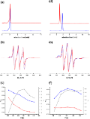
Stereodiscrimination of guests in chiral organosilica aerogels studied by ESR spectroscopy
Beilstein J. Nanotechnol. 2025, 16, 2034–2054, doi:10.3762/bjnano.16.140
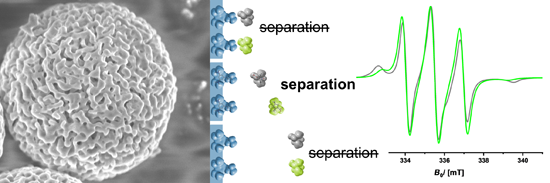
- of a surface influences the stereoselectivity of the enantiomers at the surface. Despite the difference in the interaction enthalpies being only in the 1–2 kJ·mol−1 range, an ideal surface would exclusively interact with one enantiomer. However, the question of which selectivity is sufficient or
- available material confirmed the method’s reliability. The data underline how crucial the choice of the right solvent is if one wants to reach sufficient selectivity. Together with a series of custom-made organosilica aerogels, it is shown that adjusting solvent and surface properties so that the two
- enantiomers (+) and (−) experience a different chemical environment is key. Otherwise, there might be a dynamic equilibrium between surface-adsorbed and mobile spin probes without stereodifferentiation. With this knowledge, it was possible to reach higher selectivity values than for the commercial material. A




Current status of using adsorbent nanomaterials for removing microplastics from water supply systems: a mini review
Beilstein J. Nanotechnol. 2025, 16, 1837–1850, doi:10.3762/bjnano.16.127
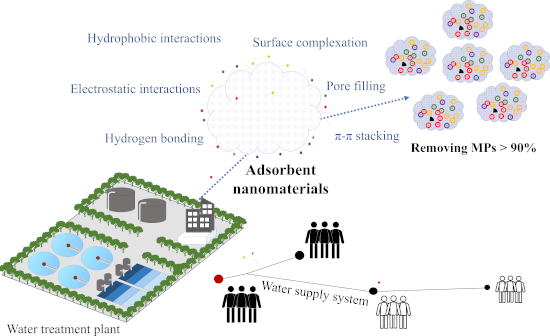
- economy in the long term. Nanomaterials with characteristics such as environmental durability and reusability should be considered to improve overall effectiveness. Many recent studies are focusing on porous and hybrid nanomaterials to enhance the efficiency and selectivity of MP removal in water


Phytol-loaded soybean oil nanoemulsion as a promising alternative against Leishmania amazonensis
Beilstein J. Nanotechnol. 2025, 16, 1826–1836, doi:10.3762/bjnano.16.126

- against L. amazonensis promastigotes compared to the 24-hour exposure. Altogether, these results indicate that incorporating PHYT into the nanoemulsion enhances the selectivity of the molecule, potentiating its therapeutic effect while reducing its toxicity toward mammalian cells. This is supported by a
- permeation. Nevertheless, the present findings indicate that entrapment enhances selectivity and therapeutic efficacy of phytol. Therefore, PHYT-NE emerges as a promising and safe alternative for the treatment of cutaneous leishmaniasis, warranting additional evaluations to access the scalability potential


Advances of aptamers in esophageal cancer diagnosis, treatment and drug delivery
Beilstein J. Nanotechnol. 2025, 16, 1734–1750, doi:10.3762/bjnano.16.121
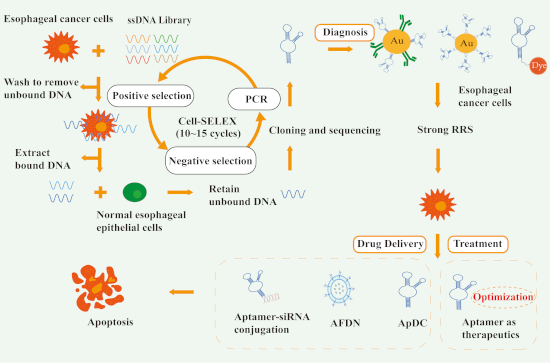
- therapeutics and targeted delivery agents to provide more accurate, efficient and safer diagnosis and treatment options for EC patients. Initially, this review describes the high selectivity and binding ability of aptamers to specific EC markers, showing great potential for early detection of EC and monitoring


Ambient pressure XPS at MAX IV
Beilstein J. Nanotechnol. 2025, 16, 1677–1694, doi:10.3762/bjnano.16.118
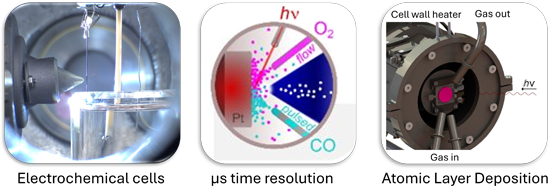
- configuration of the O2H radical could drive the selectivity for 2e− vs 4e− pathway ORR. The APXPS measurements revealed distinct changes in the Co 2p and O 1s core levels consistent with the formation of this reactive intermediate. Figure 2 shows spectroscopic evidence for the O2H–H2O/Co complex, highlighting
- and mechanisms in single-atom catalysis. 2D confined catalysis Confined catalysis is an emerging field that investigates how spatial constraints can influence the efficiency, selectivity, and performance of catalytic reactions. This approach leverages the principles of confinement within various
- surface composition and the catalyst selectivity by observing the gas phase (with a slightly retracted sample). The time evolution of NO and N2 taken from curve fits of the N 1s gas phase spectra (Figure 7D) is shown in (Figure 7F) while the evolution of the dominant surface adsorbate taken from curve