Search results
Search for "solvent" in Full Text gives 672 result(s) in Beilstein Journal of Nanotechnology. Showing first 200.
Ultrasonic irradiation in the synthesis of nanohydroxyapatite: a chemically friendly technique for improving hemocompatibility and antibiofilm applications
Beilstein J. Nanotechnol. 2026, 17, 991–1015, doi:10.3762/bjnano.17.68
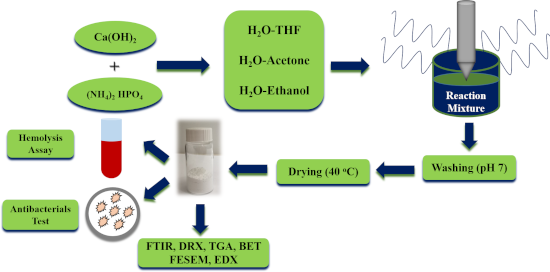
- nHA similar to biological apatite, with distinct morphologies and particle sizes dependent on the solvent system used. All synthesized materials exhibited high thermal stability and yields exceeding 80%. Hemocompatibility studies showed that nHA samples obtained in the W/THF mixture presented very low
- , further diversifying its multiple applications [23]. Some studies have also shown that synthesis parameters such as the type of solvent, ultrasonic irradiation time, and the nature of the reactants used as nHA precursors, directly influence the microstructure of the resulting material [24]. Due to the
- , significantly reducing energy consumption compared to traditional hydrothermal routes that require more drastic conditions. In addition, selecting aqueous solvents contributes to a greener process, aligning with the goal of reducing chemical toxicity through proper solvent selection and dilution [25]. Green




Development of Protium heptaphyllum essential oil-loaded nanocapsules: experimental design and biological activity
Beilstein J. Nanotechnol. 2026, 17, 974–990, doi:10.3762/bjnano.17.67
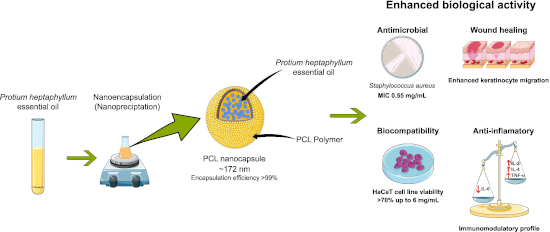
- advantageous, providing increased stability as well as ensuring controlled release and improved interactions with biological matrices [13][14]. They can be engineered using various techniques, such as emulsification–solvent evaporation, interfacial polymerization, solvent displacement, and microfluidics, each
- polymer concentration may have elevated the viscosity of the organic phase, potentially reducing solvent diffusion during nanoprecipitation and delaying nucleation processes. Such diffusion-limited conditions are commonly associated with enhanced droplet coalescence prior to stabilization, which can




Supramolecular one-dimensional conducting nanofibers from a C3-symmetric tetrathiafulvalene derivative
Beilstein J. Nanotechnol. 2026, 17, 872–881, doi:10.3762/bjnano.17.63
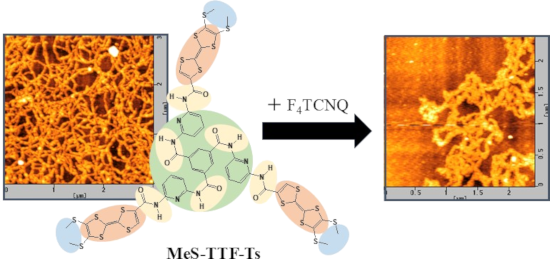
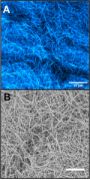
- structures with morphologies strongly dependent on the solvent conditions. AFM and SEM observations revealed that distinct supramolecular structures were formed depending on the solvent and substrate used, suggesting that molecular interactions and assembly processes play important roles in determining the
- purification unless otherwise noted. Synthesis of compounds 4,5-Bis(methylthio)-1,3-dithiole-2-thione (2) Iodomethane (790 mg, 5.56 mmol) was added to a solution of zinc chelate 1 (1.000 g, 1.39 mmol) in acetone (25 mL). The reaction mixture was stirred at 25 °C overnight. After removal of the solvent under
- -dithiole-2-thioxo-4,5-dicarboxylate (999.6 mg, 3.99 mmol) in chloroform (40 mL). The reaction mixture was stirred at 25 °C for 1 h. The mixture was filtered through Celite and washed with chloroform. The solvent was removed under reduced pressure, and the residue was purified by column chromatography


Light-driven ammonia electrooxidation via carbon nitride–ruthenium molecular interfaces
Beilstein J. Nanotechnol. 2026, 17, 854–862, doi:10.3762/bjnano.17.61
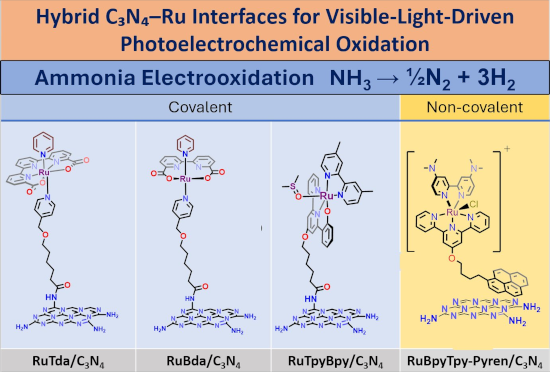
- pyrene-functionalized Ru complex in a suitable solvent, adding the C3N4 support, allowing adsorption to reach equilibrium, and washing away excess complex, requires no reactive chemistry and no elevated temperatures, making it synthetically accessible even for complex, sensitive catalyst molecules. The


Nanoparticle delivery systems for HIV pre-exposure prophylaxis (PrEP): advances and challenges
Beilstein J. Nanotechnol. 2026, 17, 839–853, doi:10.3762/bjnano.17.60
- fabrication may raise some concerns about residual solvent toxicity [53]. Another point to note is that active targeting via surface ligand decoration, common in lipid-based systems, is more challenging to implement with polymers and typically requires additional chemical modification of the polymer building


Sustainable fabrication of 2D-based devices through reuse of substrates with microfabricated electrodes
Beilstein J. Nanotechnol. 2026, 17, 818–827, doi:10.3762/bjnano.17.58
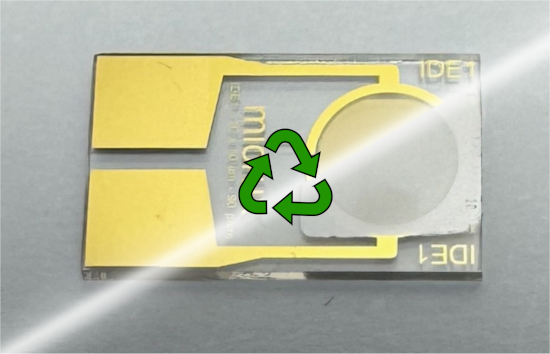
- and isopropyl alcohol (IPA) rinse and nitrogen blow-drying. This procedure is designed to remove residual 2D materials and adhesives from the substrates. The selection of cleaning solvent is critical and guided by the physical properties required to overcome the strong adhesion at the 2D material
- cleaning conditions. Dihydrolevoglucosenone (Cyrene) has recently emerged as a greener alternative within this class, with solubility parameters and surface tension similar to those of NMP and DMF, but a lower toxicity profile [30][31]. Overall, these observations suggest that the solvent classes effective
- for layered materials in LPE may also guide solvent selection for post-transfer cleaning. Accordingly, Cyrene represents an attractive greener candidate for future study, while NMP is adopted here as the representative solvent for systematic investigation of the cleaning protocol and substrate reuse


Glycerol photoelectrochemical oxidation reaction at carbon nitrides/BiVO4 materials
Beilstein J. Nanotechnol. 2026, 17, 806–817, doi:10.3762/bjnano.17.57
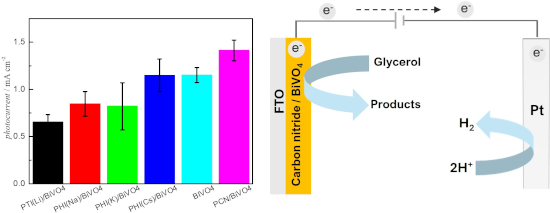
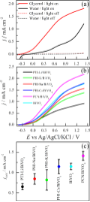
- Synthesis of carbon nitrides The PCN synthesis followed the procedure described by Silva et al. [31]. Briefly, the synthesis was carried out in a hydrothermal reactor for the polymerization of melamine in 25 mL of distilled water at 80 °C for 4 h. At the end of the process, the solvent was evaporated, and




Restorative potential of laser-synthesized silver nanoparticles with Salvia officinalis for periodontal disease treatment: an in vitro study
Beilstein J. Nanotechnol. 2026, 17, 781–795, doi:10.3762/bjnano.17.55
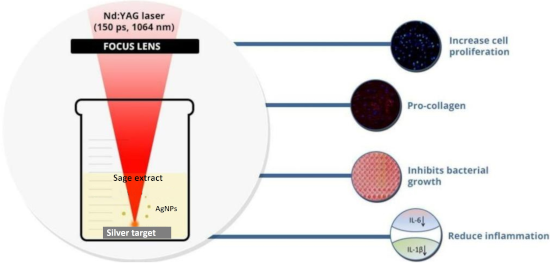
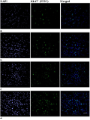
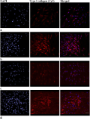
- ferulic acids were below the detection limit, probably due to the lower polarity of the used solvent. We chose water extraction over organic solvents to reach a balance between safety and bioactivity; the therapeutic potential of the obtained nanoparticles could be compromised by the organic solvents



Substrate-dependent pore formation in molybdenum disulfide monolayers under ion irradiation
Beilstein J. Nanotechnol. 2026, 17, 769–780, doi:10.3762/bjnano.17.54
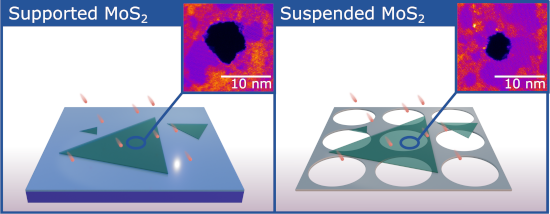
- TEM grid. Finally, the PS film is dissolved in toluene for 2 h, with the solvent renewed once during the process. After retrieval, the grid is immersed in analytical-grade isopropanol as a final cleaning step and then left to dry. Ion irradiation Irradiation with highly charged xenon ions was done at


Oxidative atmosphere-driven formation of single-phase spinel CuRh2O4 nanofibers for alkaline water oxidation
Beilstein J. Nanotechnol. 2026, 17, 737–743, doi:10.3762/bjnano.17.50
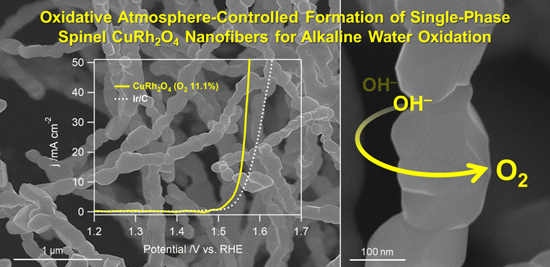
- metal precursors at concentrations of 0.151 and 0.076 mol/L, respectively, in 2.2 mL of a mixed solvent comprising ethanol (1.5 mL) and deionized water (0.7 mL), followed by ultrasonication for 30 min to achieve complete homogenization. Subsequently, 200 mg of PVP was added to the precursor solution




Environmental applications of silver nanoparticles: state-of-the-art review and emerging trends
Beilstein J. Nanotechnol. 2026, 17, 697–736, doi:10.3762/bjnano.17.49
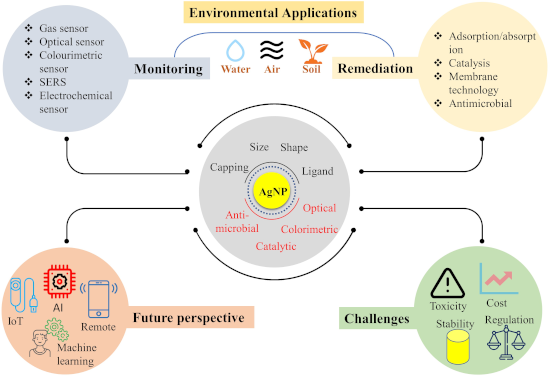
- generation of reactive oxygen species (ROS), mediate the antimicrobial effect [73]. AgNPs stabilised with Hormophysa triquetra extract inhibited Escherichia coli, Bacillus subtilis, Staphylococcus aureus, Pseudomonas stutzeri, and Pseudomonas fragi in a solvent-dependent manner [74]. AgNPs showed an


Molecular engineering of individual dye-based nanoparticle photostability for ultrabright two-photon fluorescence
Beilstein J. Nanotechnol. 2026, 17, 688–696, doi:10.3762/bjnano.17.48
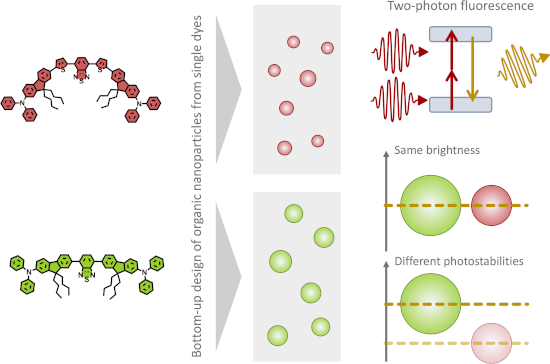
- at 40 °C on a hotplate for 15 min to evaporate the solvent. 2P fluorescence signals from individual nanoparticles were observed using a custom-made inverted 2P microscope setup [22] with a water-immersion objective (NA 1.2, ×60, Nikon) and a piezoelectric nanopositioning stage (Piezoconcept) for


Cellulose as a photocatalyst support material: extraction, structural features, and environmental applications
Beilstein J. Nanotechnol. 2026, 17, 635–652, doi:10.3762/bjnano.17.44
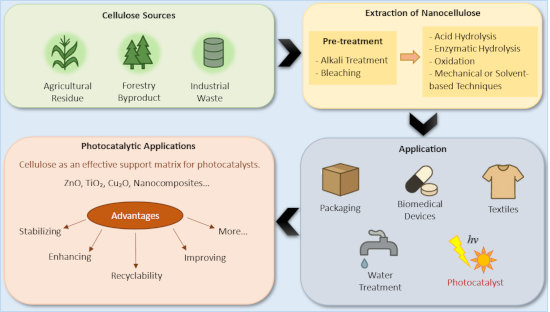
- for cellulose extraction were also explored such as acid hydrolysis, enzymatic hydrolysis, oxidation, and mechanical or solvent-based techniques. Besides that, this review highlights the role of cellulose in photocatalytic applications, where its high surface area, structural porosity, and abundance
- exciting possibilities for diverse applications [6]. Extracting cellulose from waste is crucial for its effective use. Several methods exist such as acid hydrolysis [3], enzymatic hydrolysis [8], green solvent-based extraction [9], and ionic liquid treatment [10], where each method has specific advantages
- on significant amounts of alcohols and the hydrolysis–calcination method, which has already been commercialized but requires high energy input and the use of hydrochloric acid as a solvent [86]. CNCs possess several valuable features that make them excellent candidates for conductive nanocomposites


Recent progress in enhancing built-in electric fields of perovskite solar cells via junction engineering
Beilstein J. Nanotechnol. 2026, 17, 602–621, doi:10.3762/bjnano.17.42
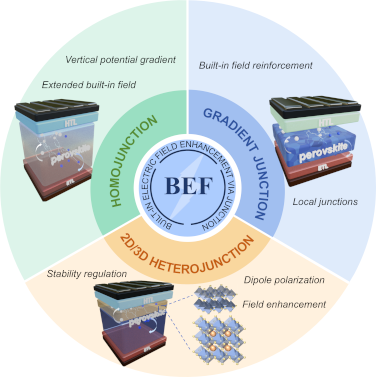
- introducing a “reassembly process” (RP) strategy. Using a pyridine/isopropanol mixed solvent, insulating long-chain ligands were replaced with formamidinium iodide short-chain ions, enabling close-packed quantum dot assembly and vertical growth orientation. Simultaneously, layered spin-coating of nanocrystals
- depends critically on interfacial stability and order. Inappropriate solvent or processing conditions can induce dissolution and recrystallization of the 3D lattice, resulting in energy-level disorder and disruption of the BEF [61][62]. Excessive deposition or a disordered distribution of the low
- continuous illumination for 500 h. Although ACN exhibits higher polarity than IPA, it is a polar aprotic solvent with weak Lewis basicity toward Pb2+. Consequently, its interaction with the Pb–I framework is more controllable, enabling a relatively mild interfacial modulation. In the half-precursor (HP



Impacts of annealing on structural and photophysical properties of zinc phthalocyanine adsorbed on graphene
Beilstein J. Nanotechnol. 2026, 17, 576–585, doi:10.3762/bjnano.17.39
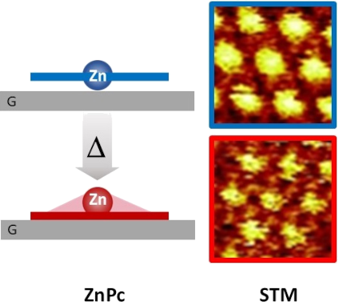
- phthalocyanine (ZnPc, Sigma-Aldrich). The host–guest monolayers were successively drop-casted from toluene solutions with ≈2:1 relative molar concentrations, respectively. The coordination with BPDI4Py was conducted in situ, on a fresh guest–host ZnPc:TSB35-C12 sample after complete solvent evaporation. A ≈8 µL


Laser–material interactions in liquids for the synthesis of nanomaterials: current status and perspectives
Beilstein J. Nanotechnol. 2026, 17, 571–575, doi:10.3762/bjnano.17.38

- changes in atomic structure, enabling defect engineering [20]. The broad materials library accessible through LSPC, combined with the wide range of laser, target, and solvent parameters, creates a complex multidimensional optimization space governing nanoparticle size, internal structure, composition, and
- synthesis productivity [21]. This complexity has driven major efforts within the LSPC community toward elucidating the roles of the solvent environment [6][22], target geometry [23], and irradiation conditions [24] in nanoparticle formation. Advancing these efforts requires a fundamental understanding of
Nanocarrier-integrated multilayer films produced by 3D printing for improved skin adhesion and curcumin photostability
Beilstein J. Nanotechnol. 2026, 17, 440–453, doi:10.3762/bjnano.17.30
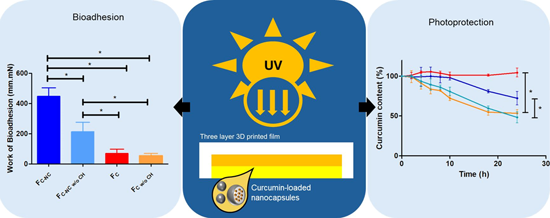
- is required to eliminate the solvent. A significant advantage of this technique is that it can be performed at room temperature or even at lower temperatures, making it ideal for thermosensitive materials [6]. The SSE approach can be applied to produce various pharmaceutical dosage forms and can be
- pressure at 40 °C, a procedure widely employed in the nanoprecipitation-based preparation of polymeric nanocapsules. Considering the high volatility and water miscibility of acetone and its classification as a class-3 solvent (ICH Q3C), residual levels are expected to be minimal after evaporation
- . Nevertheless, residual solvent determination represents an important quality attribute for translation and regulatory purposes. Future studies will include validated headspace gas chromatography analysis in accordance with official guidelines to quantitatively assess residual solvents in the final formulation


Beam shaping techniques for pulsed laser ablation in liquids: Unlocking tunable control of nanoparticle synthesis in liquids
Beilstein J. Nanotechnol. 2026, 17, 309–342, doi:10.3762/bjnano.17.22
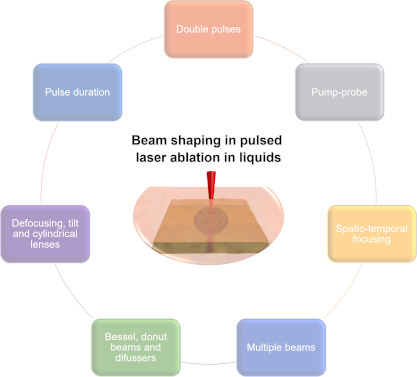
- carried out by gravimetric analysis of the colloid, either collecting the entire suspension, evaporating the solvent to dry it, and weighing the residue, or by measuring target mass loss before and after ablation, which allows for an estimation of collection efficiency. Greater precision is obtained by
- mass in suspension. Incomplete solvent evaporation or residual organics can bias gravimetric results, making vacuum drying preferable. NP adhesion to container walls requires vessel washing, and aggregation during or after ablation may need sonication or size-separation steps. Overall, gravimetry
- , generating a supercontinuum. In addition to self-focusing in the solvent, it is important to consider the influence of NPs already present in the liquid on the optical breakdown threshold. Dispersed NPs act as additional scattering and absorption centres, leading to local field enhancement in their vicinity







Comparative study on 3D morphologies of delignified, single tracheids and fibers of five wood species
Beilstein J. Nanotechnol. 2026, 17, 239–250, doi:10.3762/bjnano.17.16
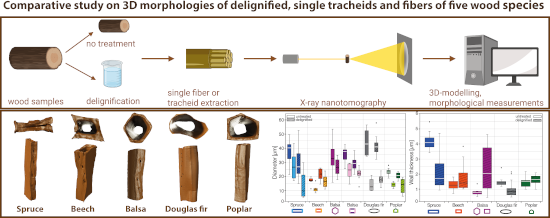
- from dark brown to yellow. The procedure was repeated once for 8 h to ensure full delignification of the wood, as indicated by the complete loss of color of the specimen. The wood pieces were washed with Soxhlet extraction using distilled water as solvent for 5 h, followed by freezing in liquid


Structure-dependent thermochromism of PAZO thin films: theory and experiment
Beilstein J. Nanotechnol. 2026, 17, 186–199, doi:10.3762/bjnano.17.12
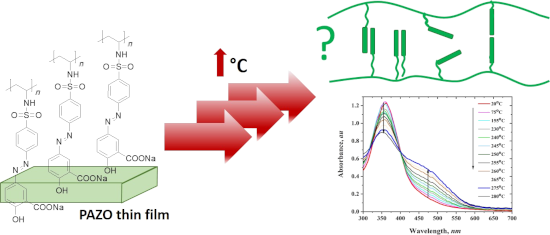
- ωB97XD/6-31G(d,p) optimized structures in solvent chloroform (used to mimic the polarity of the polymer layer). Simulated (using the vertical excitation energies and oscillator strengths) UV spectra are given in Figure 9. One strong monomer band at 383 nm is predicted. The spectra of the model dimers
- = 1). This finding highlights the influence of solvent polarity, as the diminished dielectric screening characteristic of nonpolar media enhances monomer–monomer association, whereas polar environments preferentially stabilize the monomeric state. Conclusion Understanding the aggregation states and
- based on PAZO polymer. Preparation of thin-film samples All thin films used in this work were fabricated using spin-coating technique. Methanol was used as solvent for all samples, and a magnetic stirrer ensured complete dissolution. The solution was then poured onto the substrate (quartz or glass) and


Functional surface engineering for cultural heritage protection: the role of superhydrophobic and superoleophobic coatings – a comprehensive review
Beilstein J. Nanotechnol. 2026, 17, 63–96, doi:10.3762/bjnano.17.6
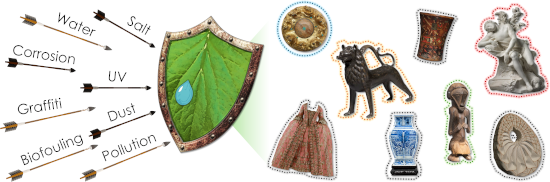
- principles. Ethyl lactate acts as the organic solvent, PHB as the gelator, and DFO as a chelating agent for Fe(III), all functioning effectively at a mildly acidic pH (~4.8). The authors prepared several mock-ups of mild steel by chemically inducing corrosion and coating with Paraloid® B72, replicating real
- toxicological or environmental risks. With respect to sustainability, neither study explicitly integrates this parameter as a design or assessment criterion. Although occasional references to environmentally friendly formulations or solvent substitutions are made, a systematic consideration of life-cycle
- suitable for preserving both new and historical wooden structures, also offering a compelling alternative to traditional solvent-based or slower-curing systems, meeting the modern demands of sustainability, efficiency, and long-term durability. Ramos et al. [81] described a sustainable approach for




Reduced graphene oxide paper electrode for lithium-ion cells – towards optimized thermal reduction
Beilstein J. Nanotechnol. 2026, 17, 24–37, doi:10.3762/bjnano.17.3
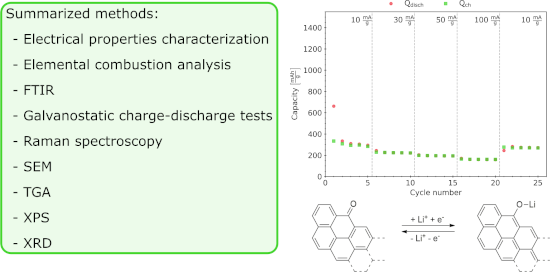
- easy to scale up and, which is worth emphasizing, eliminates the use of any binder or harmful solvent. In order to obtain rGO paper sheets, the produced paper sheets underwent a mild, three-step thermal procedure described in [34] (i.e., sample M300 mentioned in the current article) with further



Internal 3D temperature mapping in biological systems using ratiometric light-sheet imaging and lipid-coated upconversion nanothermometers
Beilstein J. Nanotechnol. 2025, 16, 2306–2316, doi:10.3762/bjnano.16.159
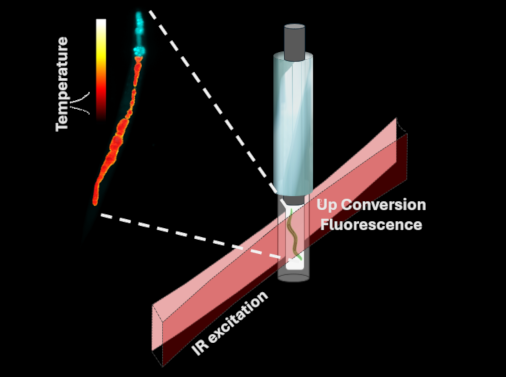
- 100 µL of UCNPs in a round-bottomed flask. The resulting mixture was then evaporated under a constant flow of N2 gas while stirring in a circular motion for 30 min. After solvent evaporation, 2 mL of Milli-Q water were added to the flask for rehydration overnight at 4 °C. The resulting water


Improving magnetic properties of Mn- and Zn-doped core–shell iron oxide nanoparticles by tuning their size
Beilstein J. Nanotechnol. 2025, 16, 2285–2295, doi:10.3762/bjnano.16.157
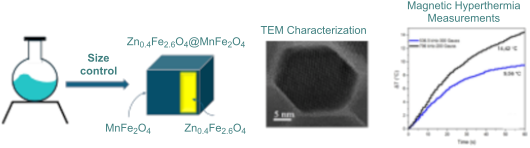
- -background sample holder. The latter was installed on a rotating spinner to allow the highest number of grains to be in diffraction position, and the XRD patterns were recorded at room temperature. The nanoparticles were annealed at 300 °C to remove all the traces of the solvent. in an Anton Paar 1200N oven
- plate at 50 °C for 2 h to remove all solvent traces. The chemical compositions of both core and core–shell NPs were investigated by Fourier-transform infrared spectroscopy (FTIR). Both spectra were recorded using a commercial Agilent FTIR 680 spectrometer in attenuated total reflection (ATR) mode. The



Visualizing nanostructures in supramolecular hydrogels: a correlative study using confocal and cryogenic scanning electron microscopy
Beilstein J. Nanotechnol. 2025, 16, 2274–2284, doi:10.3762/bjnano.16.156
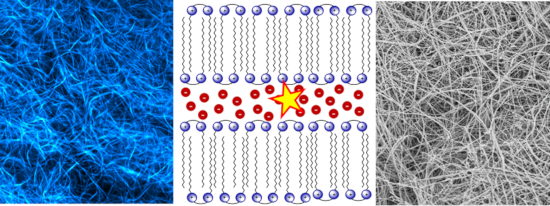
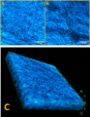
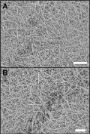
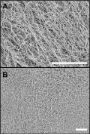
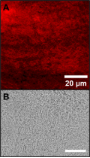
- [11]. Cryogenic scanning electron microscopy (cryo-SEM) bypasses many of these resolution limits by preserving the hydrogel through rapid freezing and subsequent fracture, thereby maintaining native-like morphology in the microscope in the form of a xerogel (no solvent) nature [12][13][14]. High
- . The comparison is important because it could reveal an effect of the probe on the morphology of the network of fibres. The gel network itself is formed by the self-assembly of 1,3-bis[(3-octadecyl-1-imidazolium)methyl]benzene dibromide (1·2Br) in a 1:1 water–ethanol solvent system [20][21] and is made