Search results
Search for "supercapacitors" in Full Text gives 74 result(s) in Beilstein Journal of Nanotechnology.
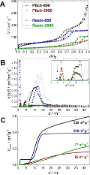
Reduced graphene oxide paper electrode for lithium-ion cells – towards optimized thermal reduction
Beilstein J. Nanotechnol. 2026, 17, 24–37, doi:10.3762/bjnano.17.3
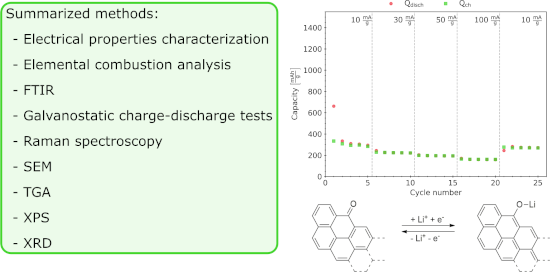
- carbonaceous base material was chosen due to its high conductivity. The relevance of rGO is not limited to only one electrode; Kiran et al. revealed performance enhancement of both cathode and anode materials for hybrid supercapacitors as a result of rGO application as core structure [11]. A similar approach



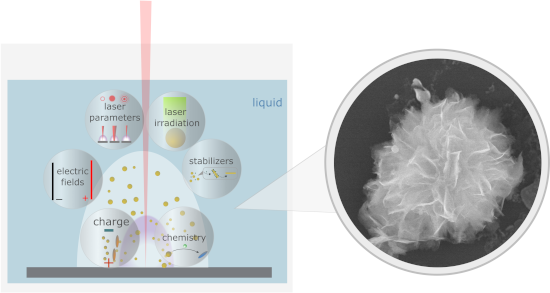
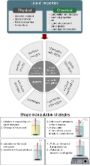
Laser ablation in liquids for shape-tailored synthesis of nanomaterials: status and challenges
Beilstein J. Nanotechnol. 2025, 16, 1963–1997, doi:10.3762/bjnano.16.137





Piezoelectricity of layered double hydroxides: perspectives regarding piezocatalysis and nanogenerators
Beilstein J. Nanotechnol. 2025, 16, 1812–1817, doi:10.3762/bjnano.16.124

- nanostructure itself demonstrated a piezoelectric charge coefficient of 274 pm·V−1. This work opens the door to future applications of LDHs in smart wearable electronic devices as both power generators and supercapacitors. In addition to the intrinsic piezoelectric properties of LDHs, it has been demonstrated
- of the base material. The main feature that distinguishes LDHs is their dual activity as both generators of their own piezoelectric field and charge-storing supercapacitors. Charge-balancing anions between the LDHs layers can also contribute to the overall electroactive performance. Overall, the

Influence of laser beam profile on morphology and optical properties of silicon nanoparticles formed by laser ablation in liquid
Beilstein J. Nanotechnol. 2025, 16, 1533–1544, doi:10.3762/bjnano.16.108
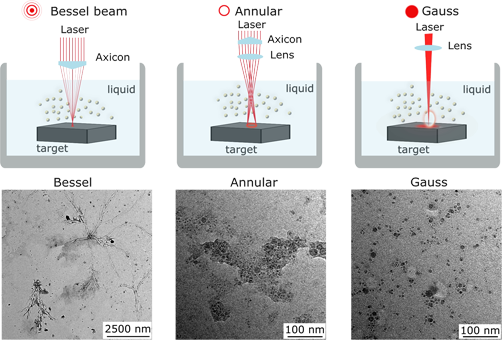
- morphology. The synthesized colloidal Si NPs are suggested for applications as a component of electrode materials in supercapacitors and batteries. Keywords: laser ablation; laser beams with Bessel, annular, Gaussian profiles; laser-induced modification; silicon nanoparticles; Introduction Silicon, due to
- of Si NPs. The presence of defects in the Si structure confirmed by Raman and PL studies is a prerequisite for enhanced performance of the developed nanostructures in electrochemical processes occurring in supercapacitors or batteries [14]. The intrinsic defects act as intercalation sites during
- as a supercapacitor electrode material are in progress. In these experiments, the fabricated Si NPs are deposited onto a carbon cloth and used as working electrodes in the three-electrode scheme. As shown in [50], the application of carbon cloth as a support material in supercapacitors demonstrated a


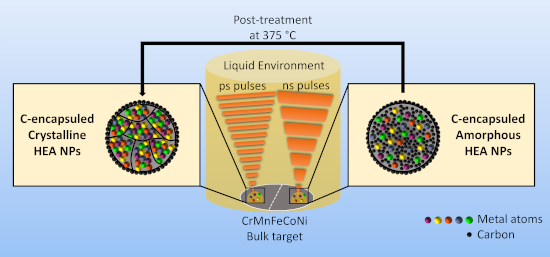
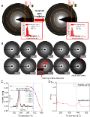
Crystalline and amorphous structure selectivity of ignoble high-entropy alloy nanoparticles during laser ablation in organic liquids is set by pulse duration
Beilstein J. Nanotechnol. 2025, 16, 1141–1159, doi:10.3762/bjnano.16.84




Soft materials nanoarchitectonics: liquid crystals, polymers, gels, biomaterials, and others
Beilstein J. Nanotechnol. 2025, 16, 1025–1067, doi:10.3762/bjnano.16.77
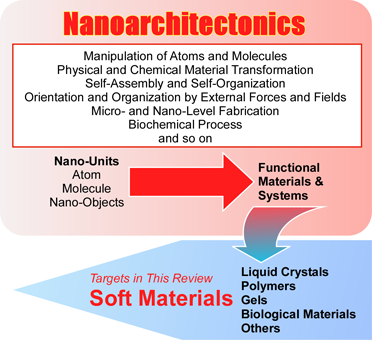
- ][182][183], fuel cells [184][185][186][187][188], batteries [189][190][191][192][193], supercapacitors [194][195][196][197][198], and other energy applications [199][200][201][202][203]. Furthermore, it is employed in environmental remediation [204][205][206][207][208], drug delivery [209][210][211






Synthesis of biowaste-derived carbon-dot-mediated silver nanoparticles and the evaluation of electrochemical properties for supercapacitor electrodes
Beilstein J. Nanotechnol. 2025, 16, 933–943, doi:10.3762/bjnano.16.71
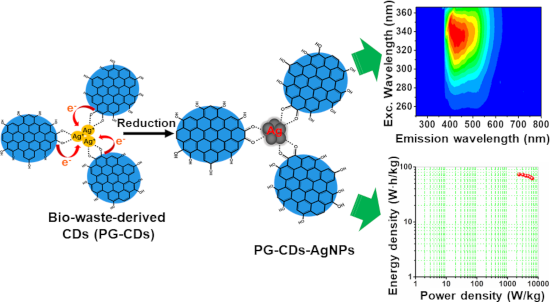
- energy demand. Therefore, a notable research focus has been given to advancements in renewable energy storage systems. Secondary batteries and supercapacitors are promising alternatives for energy storage applications [1][2]. Through the electrostatic polarization of electrolyte solutions, supercapacitor
- devices store charge across the electric double layers [3]. Supercapacitors are highly sought-after energy storage devices, as their high power density, ultrastability, and rapid charge–discharge capability render them irreplaceable by traditional metal-ion batteries [4]. Typically, the functioning of
- supercapacitors involves two different kinds of charge-storing mechanisms: pseudocapacitance and electric double-layer capacitance (EDLC) [5]. The reversible redox processes are the primary charge-storage mechanism for pseudocapacitors [6]. Even though the capacitance value of pseudocapacitors is theoretically


Nanostructured materials characterized by scanning photoelectron spectromicroscopy
Beilstein J. Nanotechnol. 2025, 16, 700–710, doi:10.3762/bjnano.16.54
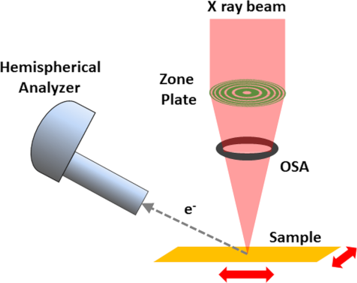
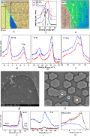
- supercapacitors [35][36] fast spintronics [37], electrochromic devices [38][39], catalysts, and gas sensors [40][41], [42][43]. The characteristic p-type conductivity of this transition metal oxide is related to the presence of oxygen interstitials and the inherent nickel deficiency which leads to the formation


Feasibility analysis of carbon nanofiber synthesis and morphology control using a LPG premixed flame
Beilstein J. Nanotechnol. 2025, 16, 581–590, doi:10.3762/bjnano.16.45
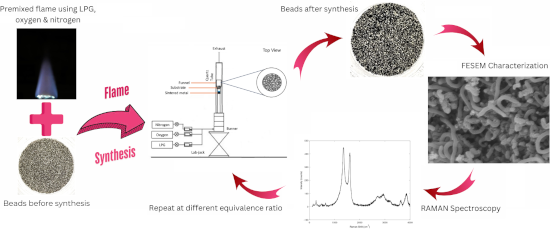
- combustion mode where the fuel and oxidizer are thoroughly mixed before ignition. LPG is a cheap industrial material used as a carbon source to produce carbon nanomaterials [6]. The application of CNFs includes, but is not limited to, energy storage in batteries and supercapacitors, electronics, drug
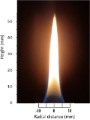
- . discussed several applications of CNFs. Thin CNFs have a large surface area and are used for adsorptive hydrogen storage. Also, CNFs are used as electrode materials in supercapacitors. They can also be used for water purification and carbon capture and storage [20]. LPG gas contains a flammable mixture of



The role of a tantalum interlayer in enhancing the properties of Fe3O4 thin films
Beilstein J. Nanotechnol. 2024, 15, 1253–1259, doi:10.3762/bjnano.15.101

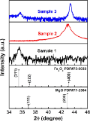
- K [1], as well as its high spin polarization with only one spin at the Fermi level, even at room temperature [2][3][4][5][6]. Fe3O4 thin films are an issue of interest and have extensive applications in Li-ion batteries, spin Seebeck devices, supercapacitors, spin Hall magnetoresistance, and the


Effect of repeating hydrothermal growth processes and rapid thermal annealing on CuO thin film properties
Beilstein J. Nanotechnol. 2024, 15, 743–754, doi:10.3762/bjnano.15.62
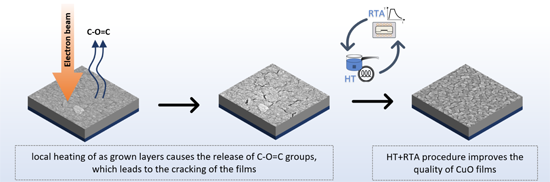
- -cleaning [1], anti-corrosion [2], and antibacterial [3] coatings. Like other CuO nanostructures, thin films also show potential for applications in photovoltaic cells [4][5], lithium-ion batteries [6], supercapacitors [7], gas sensors [8], and biosensors [9]. Furthermore, the literature reports their




Controllable physicochemical properties of WOx thin films grown under glancing angle
Beilstein J. Nanotechnol. 2024, 15, 350–359, doi:10.3762/bjnano.15.31
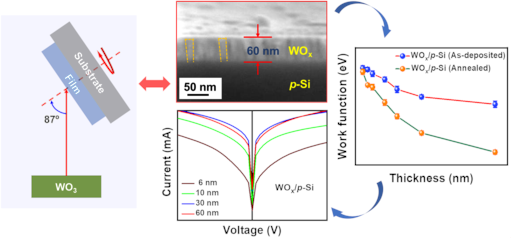
- [2]. WOx nanostructures, exhibiting high chemical and thermal stability, and structural flexibility, have obvious relevance in areas such as photocatalysis [22], electrochromism [23], supercapacitors [24], and lithium batteries [25] and have undergone extensive investigations during the last decades


Carbon nanotube-cellulose ink for rapid solvent identification
Beilstein J. Nanotechnol. 2023, 14, 535–543, doi:10.3762/bjnano.14.44
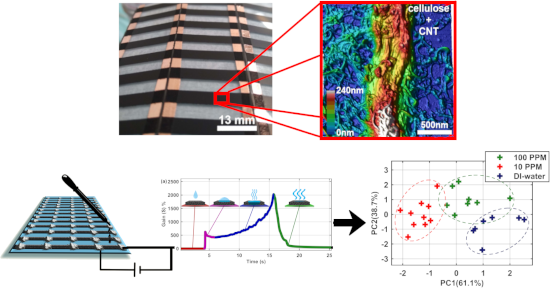
- transistors, transparent conductors, gas sensors, supercapacitors, and pH sensors [41][42][47][48][49][50][51][52][53][54][55]. Different approaches to ink printing methods have been explored, such as aerosol jet, inkjet, syringe, roll-to-roll printing, and stamp methods [1][41][50]. In this work, we report a


Role of titanium and organic precursors in molecular layer deposition of “titanicone” hybrid materials
Beilstein J. Nanotechnol. 2022, 13, 1240–1255, doi:10.3762/bjnano.13.103
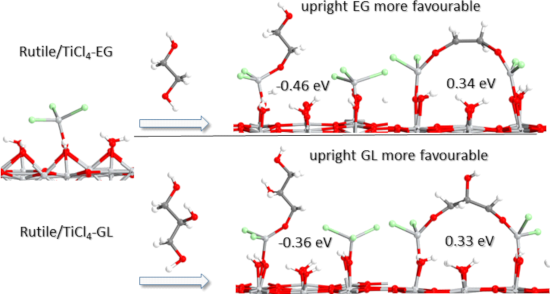
- Li ion batteries or pseudocapacitance supercapacitors [31]. These films were also employed as coatings of nano Si electrodes and successfully improved their performance [48]. As described above, different titanicone and Ti–organic MLD processes have been developed and although first principles


Recent advances in nanoarchitectures of monocrystalline coordination polymers through confined assembly
Beilstein J. Nanotechnol. 2022, 13, 763–777, doi:10.3762/bjnano.13.67
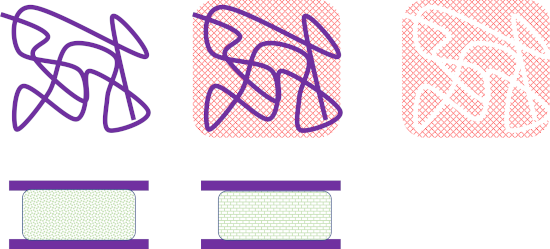
- . Such an enhancement could also be found in the case of electrodes for supercapacitors. The carbons derived from the inverse opal single crystals showed excellent cycling stability [120]. When the networks do not have lattice similarity with the grown monocrystalline coordination polymers, the crystal






Electrical, electrochemical and structural studies of a chlorine-derived ionic liquid-based polymer gel electrolyte
Beilstein J. Nanotechnol. 2021, 12, 1252–1261, doi:10.3762/bjnano.12.92
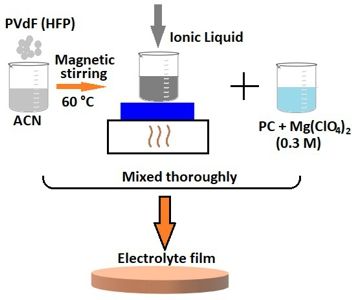
- , researchers have been developing polymer electrolytes (solid/gel) as an alternative to commercial liquid-based electrolytes which are suitable for electrochemical devices, such as Li-ion batteries, solar cells, fuel cells, and supercapacitors [1][2][3][4][5]. The main aim is to increase the amorphous content



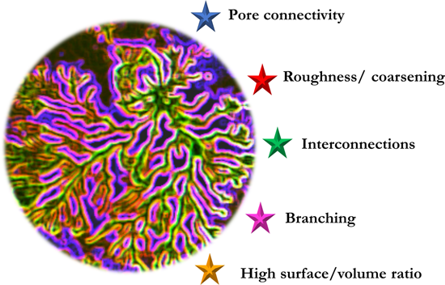
Morphology-driven gas sensing by fabricated fractals: A review
Beilstein J. Nanotechnol. 2021, 12, 1187–1208, doi:10.3762/bjnano.12.88

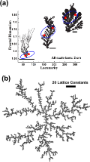


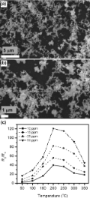







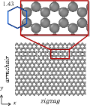
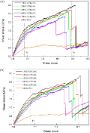
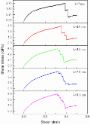
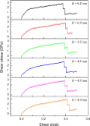
Effects of temperature and repeat layer spacing on mechanical properties of graphene/polycrystalline copper nanolaminated composites under shear loading
Beilstein J. Nanotechnol. 2021, 12, 863–877, doi:10.3762/bjnano.12.65
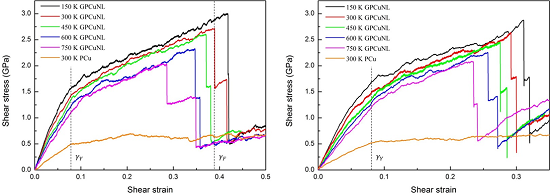
- properties in various fields, such as supercapacitors, integrated electrodes, catalysis, and sensors [10][11][12][13]. Furthermore, the interaction between graphene and matrix materials directly affects the mechanical properties of composites [14]. The van der Waals force between graphene and metals can













Paper-based triboelectric nanogenerators and their applications: a review
Beilstein J. Nanotechnol. 2021, 12, 151–171, doi:10.3762/bjnano.12.12
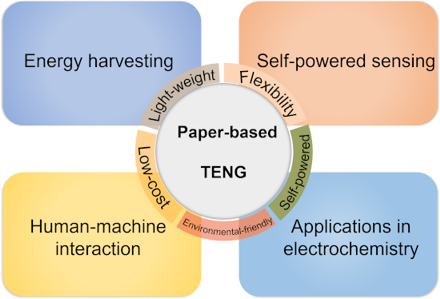
- pattering process results in porous MCG structures (with pore sizes ranging from hundreds of nanometers to several microns), which can be used in various applications, such as mechanical energy harvesting devices, chemical sensors, and electrochemical supercapacitors. Screen printing is a facile, efficient
- under all the applied current densities (Figure 10f). This application of P-TENGs provides a feasible and an effective way to construct self-powered electrochemical systems with a high output performance, enables the application of TENGs in the preparation of electrodes for supercapacitors with high






ZnO and MXenes as electrode materials for supercapacitor devices
Beilstein J. Nanotechnol. 2021, 12, 49–57, doi:10.3762/bjnano.12.4
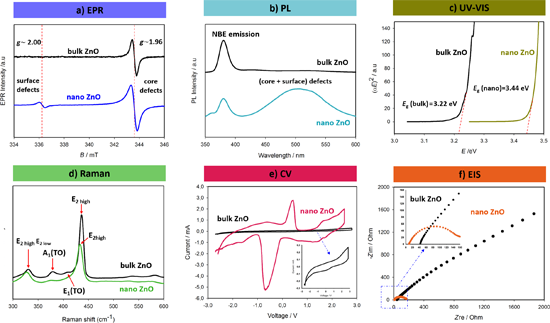
- materials; electrodes; MXenes; supercapacitors; zinc oxide (ZnO); Introduction In this article, the past, the present, and the prospects of ZnO and MXenes are discussed in terms of their usage as electrode materials in supercapacitor devices. Recently, supercapacitors gained a lot of attention due to their
- high power density as well as due to the potential to further increase the energy density. Supercapacitors may act as batteries in electrochemical performance tests. The choice of the materials, their morphology, dimension, and synthesis technique, as well the synergy with the other components of the
- supercapacitor device are important factors in this scenario. Nowadays, ZnO as metal oxide and MXene as 2D materials are the rising stars of electrode materials in supercapacitors due to their highly controllable properties. Therefore, we review the findings about ZnO and MXene in terms of defect structures and
Seebeck coefficient of silicon nanowire forests doped by thermal diffusion
Beilstein J. Nanotechnol. 2020, 11, 1707–1713, doi:10.3762/bjnano.11.153
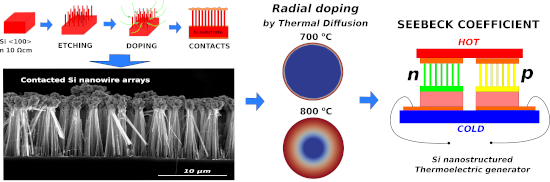
- , energy storage (supercapacitors), and, in particular, thermoelectric applications [15][16][17]. There are two main requirements to the fabrication of a leg for a thermoelectric generator that is based on a large number of silicon nanowires perpendicular to a substrate: 1) Electrical contacts need to


Structure and electrochemical performance of electrospun-ordered porous carbon/graphene composite nanofibers
Beilstein J. Nanotechnol. 2020, 11, 1280–1290, doi:10.3762/bjnano.11.112
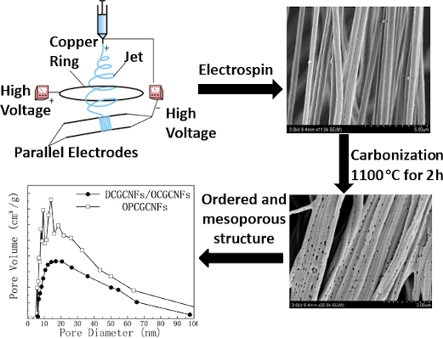
- ; electrochemistry; electrode material; electrospinning method; ordered and porous nanofibers; supercapacitor; Introduction As the technology sector develops, societal demands for energy storage devices also increases. Supercapacitors, including electric double-layer capacitors (EDLCs) and pseudo-capacitance
- improvement of the current supercapacitor electrochemical performance, the capacitance and cycle stability of supercapacitors are still subjects of research interest. Electrospinning is one of the most convenient methods to synthesize nanofibers in a continuous manner. Electrospinning has many advantages over
- conductivity impedes their use in high-power-density supercapacitors. Therefore, by adding high-performance conductive materials one can enhance the electrochemical performance of carbon nanofibers. Experiments have shown that by introducing graphene into the carbon matrix, various mechanical and


Exfoliation in a low boiling point solvent and electrochemical applications of MoO3
Beilstein J. Nanotechnol. 2020, 11, 662–670, doi:10.3762/bjnano.11.52
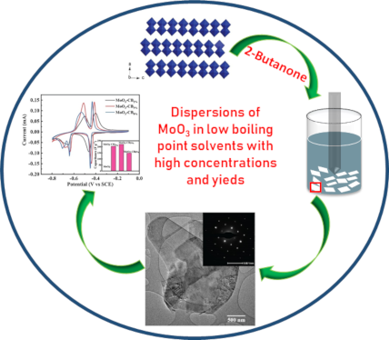
- , the MoO3 dispersion in 2-butanone retains its intrinsic nature even after exposure to sunlight for 24 h. The composites of MoO3 nanosheets were used as an electrode material for supercapacitors and showed a high specific capacitance of 201 F·g−1 in a three-electrode configuration at a scan rate of 50
- mV·s−1. Keywords: 2-butanone; liquid-phase exfoliation; low-boiling point solvent; molybdenum trioxide (MoO3); supercapacitors; Introduction The advent of graphene has opened a new area of research in the field of two-dimensional materials [1]. The extraordinary properties of graphene have led
- were mixed with 5 wt % of PVDF and stirred overnight in NMP to form a thick paste. The paste was used to make a thin electrode film on carbon paper (1.5 cm × 1.5 cm) and dried in an oven at 60 °C. To fabricate two-electrode supercapacitors, two such electrodes were sandwiched between battery-grade


Adsorptive removal of bulky dye molecules from water with mesoporous polyaniline-derived carbon
Beilstein J. Nanotechnol. 2020, 11, 597–605, doi:10.3762/bjnano.11.47
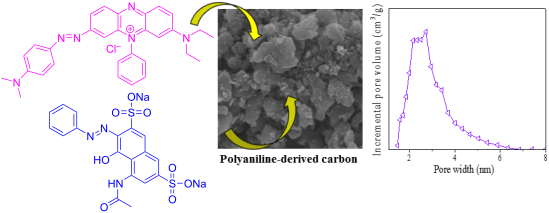
- synthesis, high conductivity and nitrogen content. Porous carbon materials, with high porosity and nitrogen content, have also been obtained from PANI. In other words, functional carbon, for catalysts and supercapacitors can be derived from high temperature carbonization of PANI, especially in the co


An advanced structural characterization of templated meso-macroporous carbon monoliths by small- and wide-angle scattering techniques
Beilstein J. Nanotechnol. 2020, 11, 310–322, doi:10.3762/bjnano.11.23
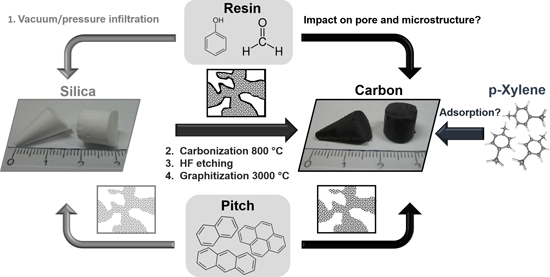
- -ray scattering (WAXS); Introduction and Motivation Porous sp2-hybridized carbon materials are frequently used in various applications such as supercapacitors or batteries for the storage of electric energy, as filters for the purification of air or water, and in adsorption processes [1][2][3][4][5][6
- accessible micro/mesoporosity between Ar and deuterated p-xylene. DPX serves as a representative substance for relevant applications (e.g., supercapacitors and filtering), since its molecule size is more comparable to common organic electrolytes such as tetrahydrofuran [58], acetonitrile [59], ethylene