


Search results
Search for "surface" in Full Text gives 2438 result(s) in Beilstein Journal of Nanotechnology. Showing first 200.
Enhanced erosion resistance and radiation stability of WC–WO3 nanocomposite films under 100 keV Kr+ ion irradiation
Beilstein J. Nanotechnol. 2026, 17, 922–934, doi:10.3762/bjnano.17.65
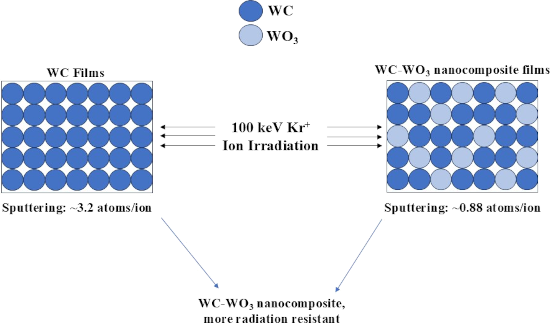
- density to the material are being considered to test the behaviour of synthesized nanocomposite films under far more extreme irradiation conditions. Numerous studies on the effect of Kr+ ion irradiation across different materials have demonstrated a wide range of ion-induced modifications in both surface
- Sigmund’s theory of sputtering [83][84] within the framework of the “linear cascade” regime. Sigmund’s formula [83] is given as: where Y is the sputtering yield, U is the surface binding energy, α is a function of mass ratio of target and ions, Sn(E) is the stopping power of ions in the target at energy E
- atoms are accomodated in the composite by the heterointerfaces, resulting in a smaller number of displaced atoms being ejected from the surface. Note that differences in chemical potential in composites can further influence the migration of interstitals/vacancies to heterointerfaces [33][87]. However



Nanocarrier strategies to overcome P-glycoprotein-mediated drug resistance in cancer therapy
Beilstein J. Nanotechnol. 2026, 17, 882–921, doi:10.3762/bjnano.17.64
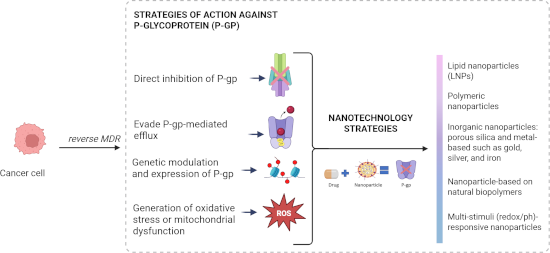
- , kidney, the apical surface of ileal and colonic epithelial cells, and the blood–brain barrier, while its expression is comparatively lower in the jejunum, duodenum, and stomach [22][24]. Systemic P-gp inhibitors, therefore, risk disrupting normal physiological efflux at these sites, a liability that has
- liposomes, first discovered in the 1960s, which were commonly used to deliver anticancer agents, antibiotics, and vaccines. The size, surface charge, and composition of liposomes influence their biological behavior, biodistribution, and shelf life [45]. Another important class are nanostructured lipid
- structures [46]. Examples of NLCs are presented in Table 2. 3.2.1.1 Functionalized liposomes. Surface functionalization of liposomes aims to deliver anticancer agents directly to tumors by attaching specific ligands, such as peptides, antibodies or their fragments, or small molecules. This strategy leverages


Supramolecular one-dimensional conducting nanofibers from a C3-symmetric tetrathiafulvalene derivative
Beilstein J. Nanotechnol. 2026, 17, 872–881, doi:10.3762/bjnano.17.63
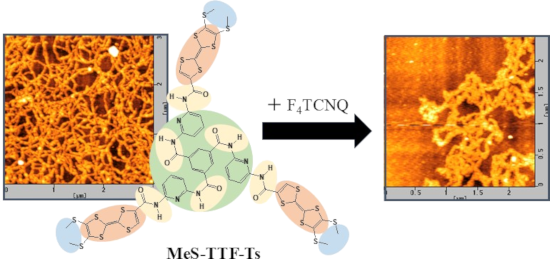
- morphologies observed by SEM differed from those obtained by AFM on mica substrates, showing more aggregated structures. This difference may originate from the distinct surface properties of the substrates used for the measurements. Although the detailed mechanism remains unclear, these results suggest that
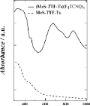
- the self-assembly behavior of MeS-TTF-Ts and its charge-transfer complex is influenced by the substrate surface as well as the solvent conditions. Optical spectra of nanofibers formed from MeS-TTF-Ts and the (MeS-TTF-Ts)(F4TCNQ)3 charge-transfer complex Figure 4 shows the UV–vis spectra of nanofiber


He+ FIBID-fabricated 3D AFM tip architectures: an exploratory study of hollow pillars, helices, and spirals
Beilstein J. Nanotechnol. 2026, 17, 863–871, doi:10.3762/bjnano.17.62
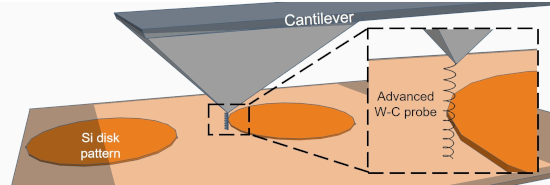
- , Germany 10.3762/bjnano.17.62 Abstract Atomic force microscopy (AFM) relies strongly on tip geometry and mechanical integrity for stable and reproducible surface measurements. Here, we present an exploratory study of tungsten–carbon (W–C) AFM tips with complex three-dimensional (3D) architectures
- required. Keywords: 3D-printed tips; AFM tips; beam induced nanomanufacturing; focused ion beam induced deposition (FIBID); helium ion microscope; nanohelix; nanopillar; nanospiral; scanning tip microscopy; surface topography; tungsten carbide; Introduction The atomic force microscope (AFM) is a
- versatile technique for nanoscale surface characterisation that enables topographic measurements with sub-nanometre resolution by means of a sharp tip mounted at the end of a flexible cantilever [1]. During operation, the tip scans across the sample surface and responds to local interactions such as van der


Light-driven ammonia electrooxidation via carbon nitride–ruthenium molecular interfaces
Beilstein J. Nanotechnol. 2026, 17, 854–862, doi:10.3762/bjnano.17.61
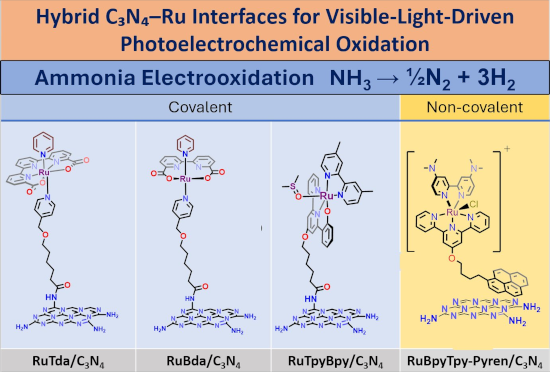
- : C3N4 absorbs visible light, separates charge carriers, and provides a structurally tunable aromatic surface, while the metal complexes, e.g., RuBda, RuTda, or RuTpyBpy, accept photogenerated holes and drive the demanding six-electron oxidation of ammonia through well-defined coordination chemistry. Two
- anchoring strategies, covalent amide bond formation exploiting the surface amine groups of C3N4, and non-covalent π–π and C–H···π interactions mediated by pyrene-functionalized ligands, are presented as complementary rather than competing routes to the heterointerface, each controlling surface density
- , electronic coupling, and catalyst stability differently. This perspective article examines how the structural diversity of the C3N4 allotropes, spanning semicrystalline polymeric C3N4, highly ordered poly(heptazine imide), and high-surface-area amorphous sulfur-doped C3N4, offers a tunable platform for


Nanoparticle delivery systems for HIV pre-exposure prophylaxis (PrEP): advances and challenges
Beilstein J. Nanotechnol. 2026, 17, 839–853, doi:10.3762/bjnano.17.60
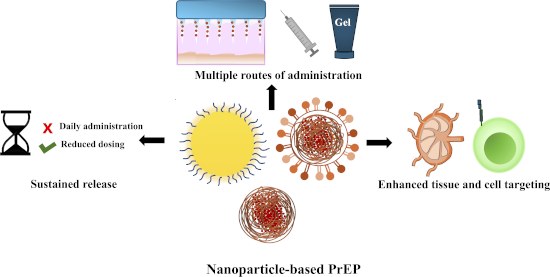
- , mechanical properties, and surface composition that need to be considered in the design of the nanoparticles. The choice of core material plays a pivotal role in defining the physicochemical properties, release behavior, biocompatibility, and clinical feasibility of nanoparticle formulations. Various
- loading and controlled release. PrEP nanoparticle delivery platforms can be equipped with different functionalization and passivation chemistries. The surface properties determine colloidal stability as well as the interactions between the nanoparticles and the surrounding. These properties are critical
- fabrication may raise some concerns about residual solvent toxicity [53]. Another point to note is that active targeting via surface ligand decoration, common in lipid-based systems, is more challenging to implement with polymers and typically requires additional chemical modification of the polymer building


Sustainable fabrication of 2D-based devices through reuse of substrates with microfabricated electrodes
Beilstein J. Nanotechnol. 2026, 17, 818–827, doi:10.3762/bjnano.17.58
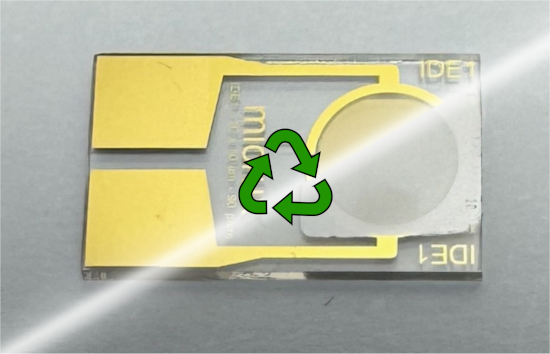
- signatures of the transferred 2D material, retain a largely homogeneous surface-potential distribution, and preserve comparable electrical performance after reuse. By extending the lifetime of pre-patterned chips, this approach can reduce substrate consumption and lower the cost of 2D device prototyping
- the substrate surface, allowing for their application in reusable biosensors [21]. A different approach to reuse the substrates was reported by Paupy et al. by developing wafer-scale detachable monocrystalline germanium nanomembranes for III–V material growth and substrate reuse, significantly
- cleaning conditions. Dihydrolevoglucosenone (Cyrene) has recently emerged as a greener alternative within this class, with solubility parameters and surface tension similar to those of NMP and DMF, but a lower toxicity profile [30][31]. Overall, these observations suggest that the solvent classes effective


Glycerol photoelectrochemical oxidation reaction at carbon nitrides/BiVO4 materials
Beilstein J. Nanotechnol. 2026, 17, 806–817, doi:10.3762/bjnano.17.57
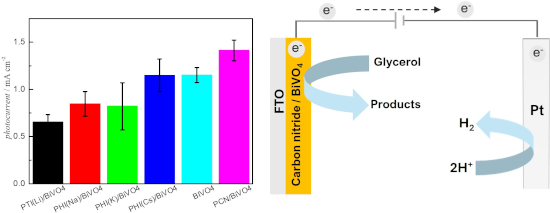
- been pointed out as a promising material, as it presents high chemical stability and a wide absorption range of solar radiation [8][9][10]. To overcome the limitations associated with the low electrical conductivity of BiVO4, sluggish surface kinetics and the recombination of electron–hole pairs [11
- oxidation depicted higher photocurrents and provided a protective effect against photocorrosion. The photoelectrochemical activity and selectivity of glycerol oxidation on BiVO4 are influenced by several factors, including pH [26], electrolyte cation and anion [28], BiVO4 surface crystallography orientation
- (ethylene glycol) (PEG-300, Sigma-Aldrich, ACS reagent, 99.99%) for 30 min in an ultrasound bath (Soni-tech ultrasonic cleaner). Subsequently, 60 µL of a freshly sonicated suspension was drop-cast onto a 1 × 1 cm FTO (Sigma-Aldrich, surface resistivity ≈7 Ω/sq) substrate cleaned/pre-treated according to the





Tuning the electronic properties of defect-rich MoS2
Beilstein J. Nanotechnol. 2026, 17, 796–805, doi:10.3762/bjnano.17.56
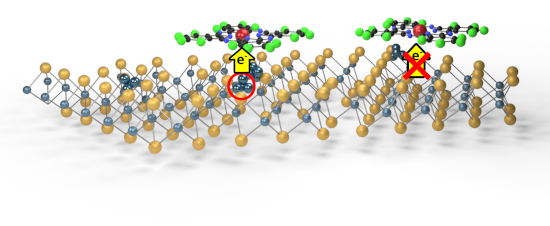
- structural defects significantly affect the electronic properties of the material. The present study utilizes angle-resolved photoelectron spectroscopy (ARPES) and surface-sensitive core-level spectroscopy (SXPS, XAS) with synchrotron radiation to investigate the interfaces between defect-rich MoS2 and
- Fermi energy in such defect-rich MoS2 can be tuned by the subsequent deposition of CoPcF16, which is verified by a shift in Fermi level for the Ne sputtered surface, under complex charge rearrangements including a charge transfer from all the substrates towards the cobalt atom of the organic molecule
- spectroscopy (XAS), and angle-resolved photoelectron spectroscopy (ARPES) are powerful techniques for studying interfacial electronic structures with different surface sensitivities, the orientation of molecules in a heterostructure, and the band structure in proximity to the Fermi level. Using these


Restorative potential of laser-synthesized silver nanoparticles with Salvia officinalis for periodontal disease treatment: an in vitro study
Beilstein J. Nanotechnol. 2026, 17, 781–795, doi:10.3762/bjnano.17.55
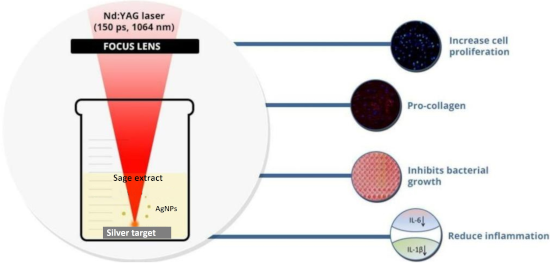
- a 150 ps pulse duration and a repetition rate of 10 Hz. Two different pulse energies (2 and 6 mJ), corresponding to fluences of 0.04 and 0.12 J·cm−2 and a laser-irradiated area of approximately 0.05 cm2 on the target surface, were used with or without sage extract to evaluate the influence of laser
- fresh surface irradiation could be achieved. Four AgNPs samples were obtained, namely, SageAgNPs2mJ and SageAgNPs6mJ, which were synthesized in the presence of sage extract (100 µL), as well as dwAgNPs2mJ and dwAgNPs6mJ, which were prepared in 8 mL of deionized water (18 MΩ·cm) under the same laser
- AgNPs depends on their concentration but also on their size. Smaller nanoparticles exhibit a higher surface-area-to-volume ratio, which enhances their reactivity and interaction with bacterial cells. Moreover, reduced particle size enables more efficient penetration of the bacterial cell membrane



Substrate-dependent pore formation in molybdenum disulfide monolayers under ion irradiation
Beilstein J. Nanotechnol. 2026, 17, 769–780, doi:10.3762/bjnano.17.54
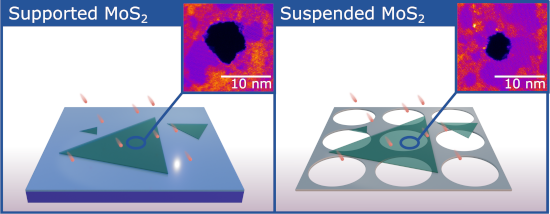
- Abstract Ion irradiation is a versatile tool for nanostructuring surfaces, yet the roles of energy deposition and dissipation at the surface and in ultrathin materials remain poorly understood. In this study, we investigate nanopore formation in monolayer MoS2 on different substrates under irradiation of
- highly charged ions (HCIs) and swift heavy ions (SHIs), remains less complete. The emergence of 2D materials has intensified the interest in ion–surface interactions [9][10][11][12][13]. Owing to their atomic thickness, 2D materials combine outstanding mechanical properties with promising (opto
- surface [36][37], whereas SHIs deposit energy continuously along their trajectory via electronic stopping Se. Despite these differences, both ion types couple primarily to the electronic system of the target such that subsequent energy transfer to the lattice is governed by electron–phonon coupling [38


Interface-engineered Caco-2 cell culture on a collagen-coated liquid–liquid interface in a microfluidic device
Beilstein J. Nanotechnol. 2026, 17, 760–768, doi:10.3762/bjnano.17.53
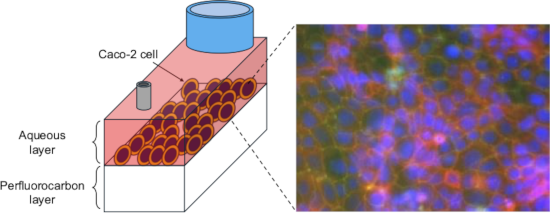
- channel widths of 5 and 10 mm, the Bond number increased by one to two orders of magnitude. As the Bond number increases, gravitational forces increasingly dominate over interfacial tension. Thus, for channel widths of 5 and 10 mm, the gravitational effect on the aqueous layer exceeds that of surface


Tailoring Ag–Pt nanoalloys through solid-state dewetting: structural and optical insights
Beilstein J. Nanotechnol. 2026, 17, 748–759, doi:10.3762/bjnano.17.52

- -electron contribution of platinum, which suppresses plasmonic oscillations. The obtained results demonstrate that thermally activated dewetting enables the synthesis of homogeneous Ag–Pt nanoalloys at the nanoscale, both in volume and on the surface of nanostructures, overcoming miscibility limitations of
- physical and chemical properties. This phenomenon arises due to their exceptionally high surface area relative to the number of atoms in their volume, as well as the influence of quantum effects [1][2]. Notably, nanoalloys facilitate the formation of unique phases and systems that are often unattainable in
- film. The disintegration mechanism is driven by atomic diffusion, and the tendency of the system is to reduce the surface energy through the formation of isolated islands [17][18][19][20]. This process is governed by the pursuit of balance between the energy needed to create a new surface (surface




Oxidative atmosphere-driven formation of single-phase spinel CuRh2O4 nanofibers for alkaline water oxidation
Beilstein J. Nanotechnol. 2026, 17, 737–743, doi:10.3762/bjnano.17.50
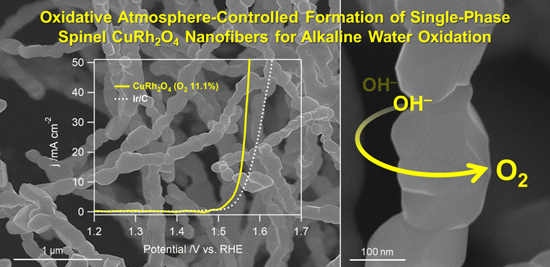
- attention due to their structural robustness and compositional tunability [2]. The spinel framework accommodates diverse metal cations with flexible site occupancy, enabling rational modulation of electronic structure and surface adsorption energetics of key OER intermediates [3], thereby offering a
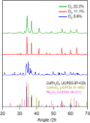
- oxygen-atmosphere engineering during annealing is critical for suppressing undesired phase segregation and achieving phase-pure CuRh2O4 nanofibers. Angle-resolved X-ray photoelectron spectroscopy (AR-XPS) was performed to clarify the surface chemical states of Cu and Rh in Cu–Rh bimetallic oxides
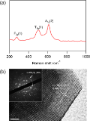
- synthesized under different O2 concentrations. The Cu 2p spectra in Figure 3a exhibit distinct Cu 2p3/2 (ca. 935 eV) and Cu 2p1/2 (ca. 952 eV) peaks characteristic of oxidized Cu species, accompanied by shake-up satellite features, indicating the predominance of Cu2+ on the surface [12][13]. Meanwhile, the Rh




Environmental applications of silver nanoparticles: state-of-the-art review and emerging trends
Beilstein J. Nanotechnol. 2026, 17, 697–736, doi:10.3762/bjnano.17.49
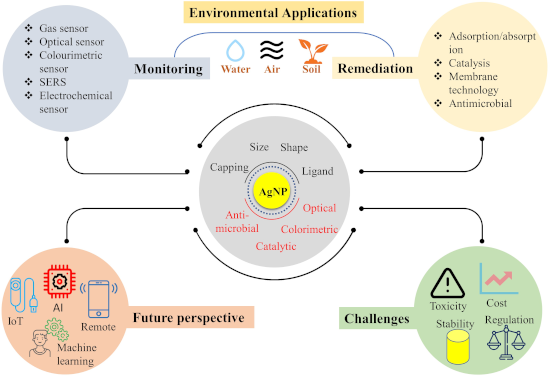
- environmental monitoring and remediation. For example, the optical properties of AgNPs are primarily governed by localised surface plasmon resonance (LSPR ), which occurs in the 380–450 nm region and depends on the nanoparticles’ size and shape. The unique optical properties of nanosilver were utilised to
- develop LSPR-based nanosensors that detect different metal ions [7]. A surface coating of ʟ-carnosine on nanosilver enables size tuning and the detection of metal ions such as As3+, Cr3+, Cd2+, and Pb2+, while cetyltrimethylammonium bromide (CTAB) coating provides selectivity against Hg2+ and Cu2+ [8][9
- pseudo-first-order reaction kinetics [25]. The addition of AgNPs to a matrix may improve their efficiency in removing various contaminants via adsorption mechanisms, which can be ionic or covalent, depending on the nanocomposite surface chemistry [26]. In a study, Ag-decorated reduced graphene oxide was


Molecular engineering of individual dye-based nanoparticle photostability for ultrabright two-photon fluorescence
Beilstein J. Nanotechnol. 2026, 17, 688–696, doi:10.3762/bjnano.17.48
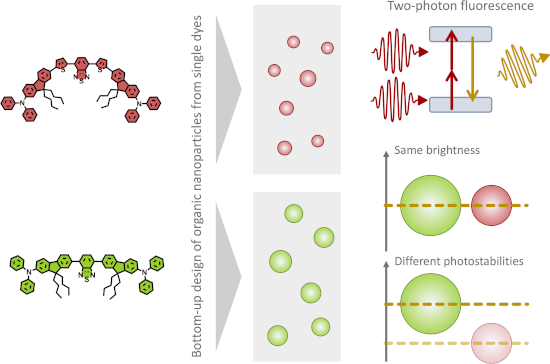
- dFONs (including their colloidal stability and surface properties) can be precisely tuned through molecular engineering of specific dye building blocks [1]. dFONs have demonstrated significant potential in bioimaging applications. They have been used as biosensors for various ions [4] and thiols [5], as
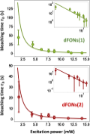
- higher surface-to-volume ratios and increased exposure of dye molecules to environmental interactions. We previously demonstrated a counterintuitive result: 14 nm NIR-emitting dFONs (fluorescence quantum yield Φ ≈ 0.01) were ten times more photostable in SPT than larger 43 nm green-emitting dFONs (Φ


Protein-based custom-designed molecular nanotraps for biomedical applications
Beilstein J. Nanotechnol. 2026, 17, 683–687, doi:10.3762/bjnano.17.47

- ). The whole process occurred in an aqueous environment, providing sustainable conditions. The surface response method [20][21] enabled the modeling of the optimal conditions for the synthesis of uniform bioMIPs, yielding nanoparticulates with a low polydispersity (PDI < 0.3). Investigations to elucidate

Decontamination from water pollutants and pathogens by electrospun nanofibers doped with heavy-atom-free borafluorene-BODIPY photosensitizers
Beilstein J. Nanotechnol. 2026, 17, 668–682, doi:10.3762/bjnano.17.46
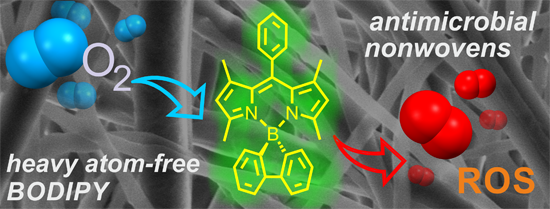
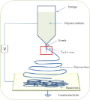
- platform and processing method giving materials with large surface areas, good mechanical properties, and high porosity, enabling oxygen diffusion, light penetration, and efficient ROS production. Accordingly, we used electrospinning, a relatively simple and cheap technique with the perspective for large
- ® software and embedded algorithms. The components of the high-resolution spectra were represented with Gaussian (70%) and Lorentzian (30%) lines, while the background was represented with Shirley’s function. Water contact angle measurements and surface free energy determination The wettability of all
- samples was assessed using a Data Physics OCA 15EC contact angle goniometer (Filderstadt, Germany). A 2 µL droplet of liquid was placed on the scaffold surface, and the contact angle (CA) was measured after 3 s at a temperature of 21 °C. The Owens–Wendt method was used to calculate the components of the



afspm: A framework for manufacturer-agnostic automation in scanning probe microscopy
Beilstein J. Nanotechnol. 2026, 17, 653–667, doi:10.3762/bjnano.17.45
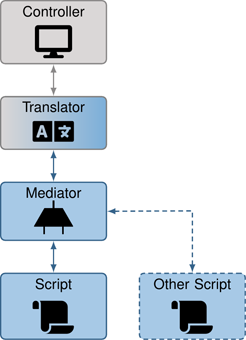
- above a surface of interest while measuring one or more properties. This process allows for atomic-level imaging of properties, spectroscopic analysis, and even manipulation of a sample toward atomic-scale manufacturing [1]. However, a number of factors limit higher throughput of these techniques. First
- , preparing, running, and analyzing such experiments requires significant domain knowledge and expertise. Dozens of works over the past decade have investigated SPM automation. Some have shown probe tip conditioning to ensure proper surface characterization and/or manipulation [2][3][4]. Others have
- classified surface structure, detecting atoms [5], molecules [6], or defects of interest [7][8]. Even the design of experiments has been researched, using statistics to drive decisions during the experiment [9][10][11][12]. Active learning, where a machine learning algorithm’s internal model is updated




Cellulose as a photocatalyst support material: extraction, structural features, and environmental applications
Beilstein J. Nanotechnol. 2026, 17, 635–652, doi:10.3762/bjnano.17.44
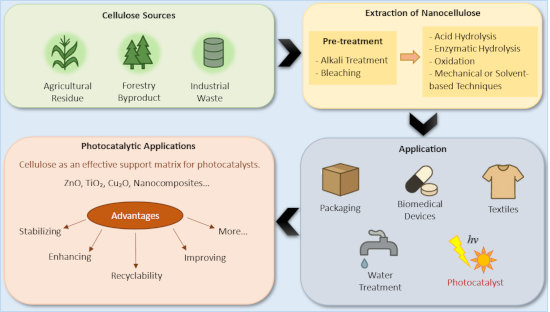
- for cellulose extraction were also explored such as acid hydrolysis, enzymatic hydrolysis, oxidation, and mechanical or solvent-based techniques. Besides that, this review highlights the role of cellulose in photocatalytic applications, where its high surface area, structural porosity, and abundance
- . Cellulose-based nanostructured photocatalyst hybrids have gained particular attention in recent years, and the number of studies in this area continues to rise steadily. CNCs possess several advantageous properties, including distinctive optical features, high stability, large surface area, and excellent
- crystallinity, excellent elasticity, and mechanical strength, with fibers ranging from 200 to 3000 nm long and 10–75 nm wide [23]. Extraction at the nanoscale not only reduces structural defects within cellulose’s hierarchy but also introduces new characteristics such as increased surface area, thereby


Two-step laser synthesis of Ag@TiO2 nanomaterials for the photocatalytic degradation of rhodamine B
Beilstein J. Nanotechnol. 2026, 17, 622–634, doi:10.3762/bjnano.17.43
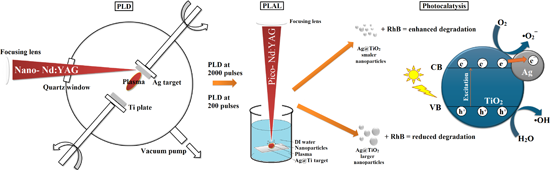
- numerous modification strategies. Silver-modified titanium dioxide (Ag@TiO2) nanoparticles have gained significant attention as advanced photocatalysts for the degradation of organic pollutants, particularly under visible-light irradiation. The incorporation of silver introduces localized surface plasmon
- the morphology, composition, and crystallinity of the resulting nanostructures with high precision. The absence of organic contaminants or residual reagents maximizes the catalytic surface area, while the presence of silver can influence the optical response of TiO2 through plasmon-related effects
- nanoparticle formation, leading to improved control over nanoparticle structure and photocatalytic performance. Results and Discussion SEM analysis The surface morphology of PLD-prepared samples was analyzed using SEM-EDS (Figure 2 and Figure 3). SEM images of the sample surface after deposition of silver on


Recent progress in enhancing built-in electric fields of perovskite solar cells via junction engineering
Beilstein J. Nanotechnol. 2026, 17, 602–621, doi:10.3762/bjnano.17.42
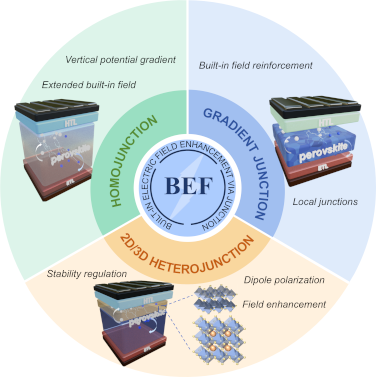
- groundwork for the present review. Homojunctions focus on constructing continuous band bending and Fermi level gradients within the same material system using methods such as doping, surface reconstruction, or orientation induction, thereby smoothly extending the BEF from the interface into the bulk. Their
- [19]. The resulting BEFs, extending across both bulk and surface regions, facilitate the efficient separation of photogenerated carriers and promote their directional transport to the electrodes. Furthermore, optimized interfacial energy-level alignment enhances carrier extraction and suppresses
- distortions, create defects, and promote ion migration. To address these challenges, recent research has focused on precisely tuning the local potential via surface or near-surface doping and functionalization while preserving lattice continuity. Current efforts are also directed toward extending these




Towards targeted drugs and next generation of nanomedicines
Beilstein J. Nanotechnol. 2026, 17, 598–601, doi:10.3762/bjnano.17.41
- affect nanoparticle distribution and reach the target organ [24][27]. Endogenous targeting refers to the capacity of targeting acquired by nanomedicines after administration, upon adsorption on their surface of specific endogenous biomolecules. In fact, while nanomedicines are usually modified to prevent
- first lipid nanoparticle approved in the clinics for RNA delivery (in this case short interfering RNA). It was reported that this nanomedicine reaches the hepatocytes because of the adsorption of apolipoprotein E on its surface once administered, driving accumulation in the liver and promoting
- interaction with the low density lipopoprotein receptor (LDLR) on the hepatocytes [29]. Other examples of nanomedicines exploiting endogenous targeting are the so-called selective organ-targeting (SORT) lipid nanoparticles, which adsorb different corona proteins on their surface depending on their charge
Probing tribological evolution in atomically thin MoS2 at different scales
Beilstein J. Nanotechnol. 2026, 17, 586–597, doi:10.3762/bjnano.17.40
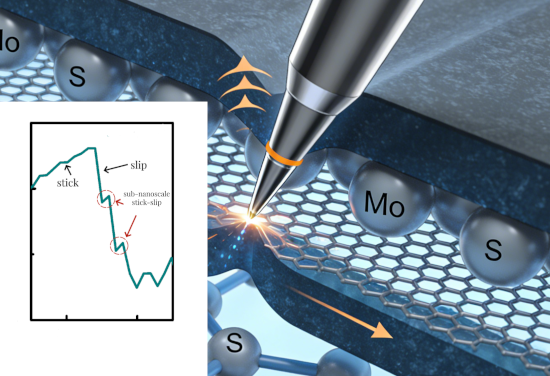
- mode using silicon probes (PPP-LFMR, Nanosensors) with a normal spring constant of 0.2 N·m−1 and a tip radius of ≈8 nm. Raman spectra were collected using a 533 nm laser (0.5 mW power) to avoid sample damage. The surface roughness (Ra) values of MoS2 were measured from the corresponding topographic
- about 23 cm−1 (Figure 1d) indicates the corresponding MoS2 area is composed of 3–4 layers. Combined with topographic data, the two regions in Figure 1a were identified as 1L and 4L, respectively. Surface roughness (Ra) measurements (within an area of 1 μm × 1 μm) showed that both 1L and 4L MoS2 reduce


Impacts of annealing on structural and photophysical properties of zinc phthalocyanine adsorbed on graphene
Beilstein J. Nanotechnol. 2026, 17, 576–585, doi:10.3762/bjnano.17.39
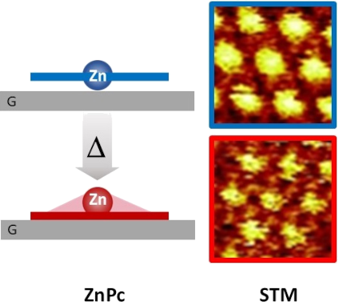
- characteristic of a ZnPc response [43]. However, the highest energy peak is strongly shifted from its value of 1506 cm−1 in the bulk to 1543 cm−1 in this assembly. The same shift has been reported for the ZnPc embedded inside carbon nanotubes or adsorbed on their surface [44]. This is considered as a signature
- of π-stacking of the Pc conjugated core on the nanotube surface and its observation here is consistent with an adsorption of ZnPc on graphene, the molecule lying flat on the surface. The frequencies of these three peaks are similar before and after annealing (1543, 1472, and 1374 cm−1), within our





