Search results
Search for "synthetic polymers" in Full Text gives 34 result(s) in Beilstein Journal of Nanotechnology.
Microplastic pollution in Himalayan lakes: assessment, risks, and sustainable remediation strategies
Beilstein J. Nanotechnol. 2025, 16, 2144–2167, doi:10.3762/bjnano.16.148
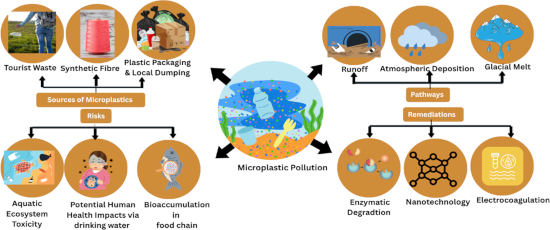
- they frequently demand substantial energy input and can produce secondary pollutants [47]. Biological processes can utilize the natural ability of microorganisms to degrade synthetic polymers. Microorganisms such as Pseudomonas and Bacillus, which have enzymatic activity, can degrade plastics into
- synthetic polymers into smaller, biodegradable particles [72]. Ojha et al. found that adding nutritional supplements sped up biofilm production in lab trials, suggesting that this strategy might be useful in nutrient-deficient lakes in the Himalayas [47]. The synergistic effects of hybrid biofilms that
- protective covering made of extracellular polymeric substances (EPSs). These EPSs are made by the microbes themselves and stick to surfaces, such as MPs. The enzymes secreted by these microbial colonies have the ability to degrade synthetic polymers into smaller, biodegradable components. Tiwari et al. have


Self-assembly and adhesive properties of Pollicipes pollicipes barnacle cement protein cp19k: influence of pH and ionic strength
Beilstein J. Nanotechnol. 2025, 16, 1863–1872, doi:10.3762/bjnano.16.129
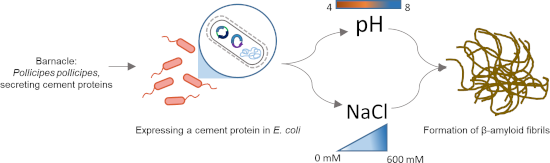
- scalability concerns [10]. Additionally, M. edulis Mfp exhibits optimal adhesion under acidic conditions [11], potentially limiting its biomedical application. Meanwhile, synthetic sealants based on DOPA functionalisation of natural or synthetic polymers have shown promise in biomedical applications, but


Exploring the potential of polymers: advancements in oral nanocarrier technology
Beilstein J. Nanotechnol. 2025, 16, 1751–1793, doi:10.3762/bjnano.16.122
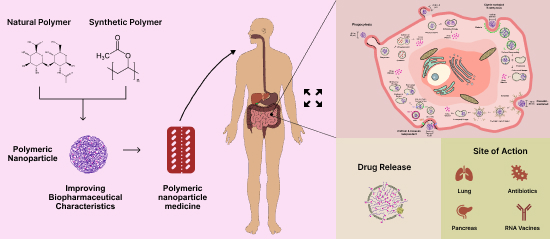
- in the application of polymers as oral nanocarriers, emphasizing key natural and synthetic polymers that enhance stability, bioavailability, and release. The physicochemical properties, biodegradability, and chemical modifications of these polymers, which promote mucoadhesion and epithelial
- chemical derivatization to obtain specific properties, while synthetic polymers are synthesized from their corresponding monomers, resulting in diverse structures and applications [25]. PNs are viable options for smart drug delivery using responsive and stimulating polymers, which release molecules in
- specific polymer classes, depending on their physicochemical properties and solubility behavior. Nanoprecipitation is frequently employed for synthetic polymers such as PLGA and PCL, which are soluble in organic solvents and undergo controlled precipitation in aqueous media, enabling efficient


Multifunctional anionic nanoemulsion with linseed oil and lecithin: a preliminary approach for dry eye disease
Beilstein J. Nanotechnol. 2025, 16, 1711–1733, doi:10.3762/bjnano.16.120
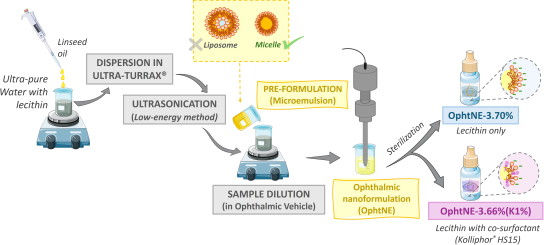
- based on NEs, Restasis® (Allergan), Lacrinmune® (Bausch & Lomb), and Ikervis® (Santen). have been approved by regulatory agencies such as the FDA and EMA and are commercially available for treating DED [1]. These products are formulated with synthetic polymers and contain cyclosporine as the active




Functional bio-packaging enhanced with nanocellulose from rice straw and cinnamon essential oil Pickering emulsion for fruit preservation
Beilstein J. Nanotechnol. 2025, 16, 1234–1245, doi:10.3762/bjnano.16.91
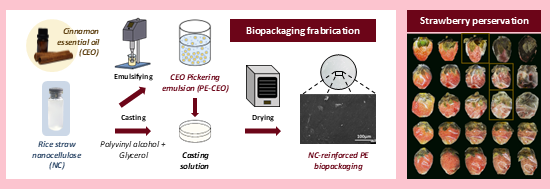
- City, Vietnam CIRTECH Institute, HUTECH University, Ho Chi Minh City, Vietnam 10.3762/bjnano.16.91 Abstract Biopackaging materials are gaining significant attention compared to traditional synthetic polymers thanks to their biodegradable and biocompatible nature to be used in food, pharmaceutical, and




Hydrogels and nanogels: effectiveness in dermal applications
Beilstein J. Nanotechnol. 2025, 16, 1216–1233, doi:10.3762/bjnano.16.90
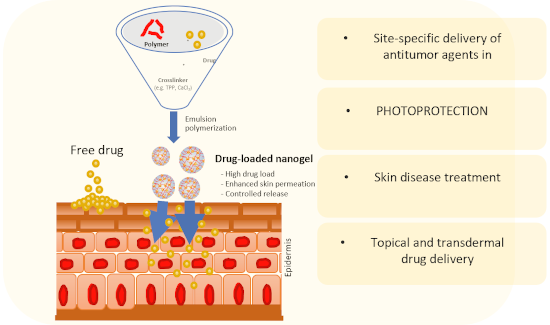
- properties to a gel previously composed of a more rigid and brittle network, a double network gel with an IPN structure is obtained. This approach significantly contributes to improving the mechanical properties and stability of the system [43][52]. Synthetic polymers, including acrylates [53], acrylamide


Polyurethane/silk fibroin-based electrospun membranes for wound healing and skin substitute applications
Beilstein J. Nanotechnol. 2025, 16, 591–612, doi:10.3762/bjnano.16.46
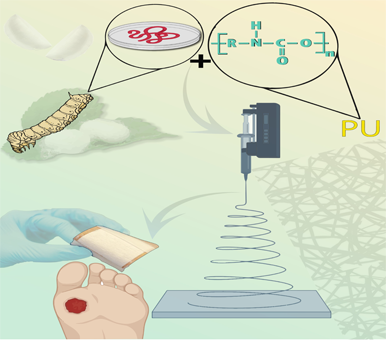
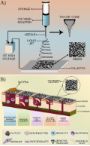
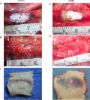
- substitute applications [13]. Various materials including natural polymers, synthetic polymers, or composites have been used to create electrospun membranes. This review focuses on silk fibroin/polyurethan-based electrospun membranes. Silk fibroin (SF) is a naturally occurring biomaterial made of proteins




Synthetic-polymer-assisted antisense oligonucleotide delivery: targeted approaches for precision disease treatment
Beilstein J. Nanotechnol. 2025, 16, 435–463, doi:10.3762/bjnano.16.34

- potential in precision disease treatment. Synthetic polymers have shown significant promise in enhancing the delivery, stability, and therapeutic efficacy of ASOs by addressing key challenges such as cellular uptake, endosomal escape, and reducing cytotoxicity. The review highlights key studies from the
- oligomer (PMO); phosphorothioate (PS); polyplexes; ribose substitutions; small interfering RNA (siRNA); synthetic polymers; tricyclo-DNA (tcDNA); Introduction The development and use of personalised therapies tailored to individual patients have emerged as a powerful strategy for treating various
- potential use in precision medicine over the past decade. Review Synthetic polymers for enhanced ASOs delivery Polymer-assisted platforms for enhanced delivery have attracted considerable attention because of their versatile drug delivery capabilities and their diverse chemical composition, which enables


Nanocarriers and macrophage interaction: from a potential hurdle to an alternative therapeutic strategy
Beilstein J. Nanotechnol. 2025, 16, 97–118, doi:10.3762/bjnano.16.10



Synthesis, characterization and anticancer effect of doxorubicin-loaded dual stimuli-responsive smart nanopolymers
Beilstein J. Nanotechnol. 2024, 15, 1189–1196, doi:10.3762/bjnano.15.96
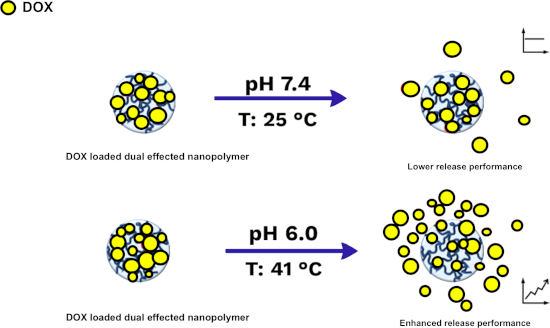
- durations. While numerous biodegradable polymeric nanoparticles derived from proteins or polysaccharides have been studied for drug delivery and controlled drug release in the recent past, the emphasis of research has now turned towards synthetic polymers, resulting in significant advancements in this field


Electrospun nanofibers: building blocks for the repair of bone tissue
Beilstein J. Nanotechnol. 2024, 15, 941–953, doi:10.3762/bjnano.15.77
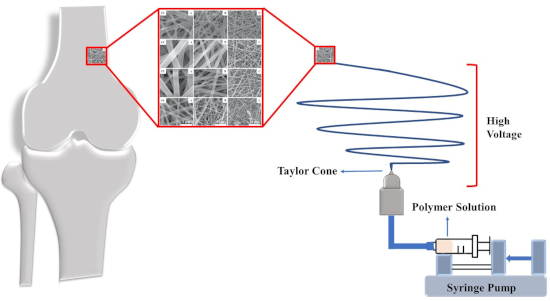
- when preparing polymeric nanofiber formulations to obtain controlled and sustained drug release profiles. The polymers used in the preparation of polymeric nanofibers are generally categorized into four classes, namely, natural polymers, synthetic polymers, blends of these two classes (hybrid), and


Curcumin-loaded nanostructured systems for treatment of leishmaniasis: a review
Beilstein J. Nanotechnol. 2024, 15, 37–50, doi:10.3762/bjnano.15.4
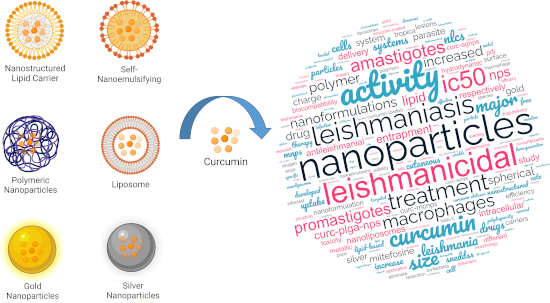
- delivered via these nanostructured systems. Polymeric nanoparticles Polymeric nanoparticles (PNPs) are colloidal systems made of natural or synthetic polymers [98]. These systems can encapsulate or adsorb active pharmaceutical ingredients (APIs) and macromolecules [99][100][101]. In addition, PNPs can


Microneedle-based ocular drug delivery systems – recent advances and challenges
Beilstein J. Nanotechnol. 2022, 13, 1167–1184, doi:10.3762/bjnano.13.98
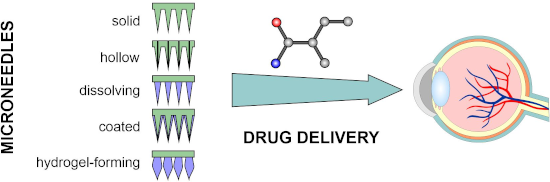
- if the needles break and are deposited in the tissue [117][118]. Other non-degradable materials utilized to fabricate microneedles, include metals such as stainless steel [119] and titanium [120], ceramics, such as aluminum oxide [121], or synthetic polymers comprising polyvinylpyrrolidone (PVP) [122


Biomimetic chitosan with biocomposite nanomaterials for bone tissue repair and regeneration
Beilstein J. Nanotechnol. 2022, 13, 1051–1067, doi:10.3762/bjnano.13.92
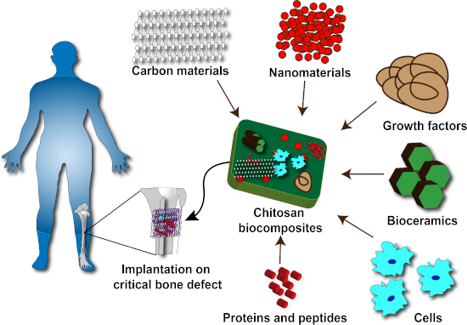
- collagen, they develop an interlinked molecular framework with load-bearing applications and have superior mechanical qualities and biological advantages [57]. A further study reported that carbon nanotubes combined with synthetic polymers of poly-ʟ-lactide acid, polylactic acid
Micro- and nanotechnology in biomedical engineering for cartilage tissue regeneration in osteoarthritis
Beilstein J. Nanotechnol. 2022, 13, 363–389, doi:10.3762/bjnano.13.31
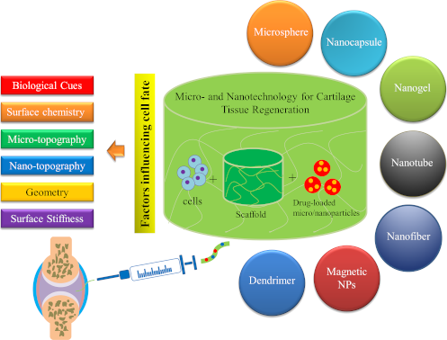
- purposes is the subject of many studies [19] in which natural polymers, synthetic polymers, or their combination were used to provide a biomimetic microenvironment, which not only includes biological cues, but also provides the desired mechanical properties. The progress in materials science has revealed
- molecules such as growth factors. Thus, the sustained release of bioactive molecules from scaffolds will be achieved. Electrospun nanofibers can be synthesized from either natural or synthetic polymers and used for lineage-specific differentiation of MSCs. Multi-lineage differentiation of MSCs in a


Alcohol-perturbed self-assembly of the tobacco mosaic virus coat protein
Beilstein J. Nanotechnol. 2022, 13, 355–362, doi:10.3762/bjnano.13.30
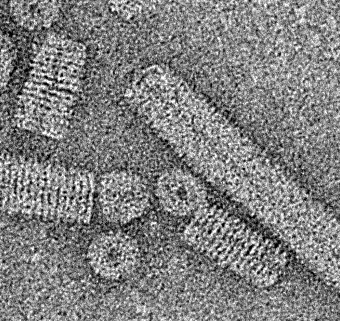
- assembly of macromolecular components is well-established with many other systems, including lipids, synthetic polymers, and peptides, but has been the subject of few studies with virus-like particles [28][29][30][31]. Lauffer and Shalaby reported that glycine-based molecules promoted the polymerization of


Theranostic potential of self-luminescent branched polyethyleneimine-coated superparamagnetic iron oxide nanoparticles
Beilstein J. Nanotechnol. 2022, 13, 82–95, doi:10.3762/bjnano.13.6
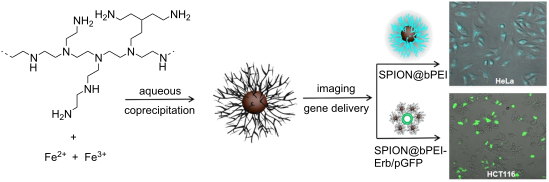
- sodium; superparamagnetic iron oxide nanoparticles; Introduction Luminescent materials are of great interest in biotechnology and medicine since they can be utilized in sensors, labelling, and imaging [1][2][3][4][5]. Luminescent proteins, luminescent synthetic polymers, and quantum dots are the most




Comprehensive review on ultrasound-responsive theranostic nanomaterials: mechanisms, structures and medical applications
Beilstein J. Nanotechnol. 2021, 12, 808–862, doi:10.3762/bjnano.12.64


Paper-based triboelectric nanogenerators and their applications: a review
Beilstein J. Nanotechnol. 2021, 12, 151–171, doi:10.3762/bjnano.12.12
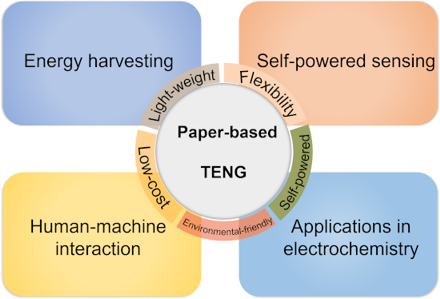
- composites are used as the electropositive layer, while some common synthetic polymers, such as fluorinated ethylene propylene (FEP), polytetrafluoroethylene (PTFE), and poly(dimethylsiloxane) (PDMS) are used as the electronegative part. As the synthetic polymers have a smooth surface and a dense structure






Key for crossing the BBB with nanoparticles: the rational design
Beilstein J. Nanotechnol. 2020, 11, 866–883, doi:10.3762/bjnano.11.72
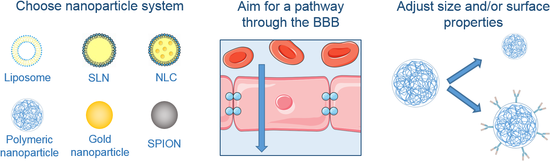
- ) are based on magnetite (Fe3O4) or maghemite (γ-Fe2O3) molecules encapsulated in polysaccharides, synthetic polymers or monomer coatings and have a size range from 1 to 100 nm [21][182]. SPIONs possess interesting magnetic properties and some formulations have already been approved as MRI contrast


Luminescent gold nanoclusters for bioimaging applications
Beilstein J. Nanotechnol. 2020, 11, 533–546, doi:10.3762/bjnano.11.42
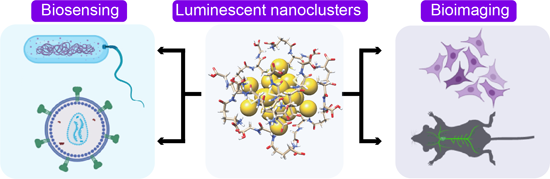
- an exact number of metal atoms and surface ligands (Figure 1A,B). Therefore, NCs are considered as colloidal molecules. Similar to plasmonic nanoparticles, the stability of NCs can be controlled by ligand passivation using small molecules, synthetic polymers or biomacromolecules. A significant


Multilayer capsules made of weak polyelectrolytes: a review on the preparation, functionalization and applications in drug delivery
Beilstein J. Nanotechnol. 2020, 11, 508–532, doi:10.3762/bjnano.11.41
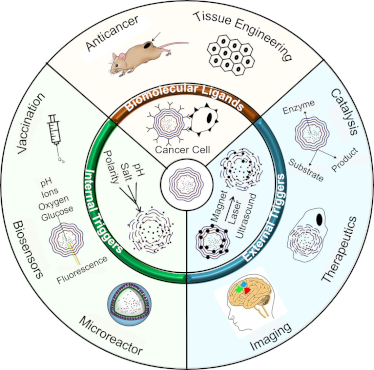
- (e.g., dextran sulfate (DS), heparin and chitosan) and various synthetic polymers (e.g., PAH, PMA and poly(ethyleneimine) (PEI)). When a negatively charged template is dipped in a solution of positively charged PE, or vice versa, a monolayer of excessively adsorbed PEs is formed that leads to the



Preparation and in vivo evaluation of glyco-gold nanoparticles carrying synthetic mycobacterial hexaarabinofuranoside
Beilstein J. Nanotechnol. 2020, 11, 480–493, doi:10.3762/bjnano.11.39
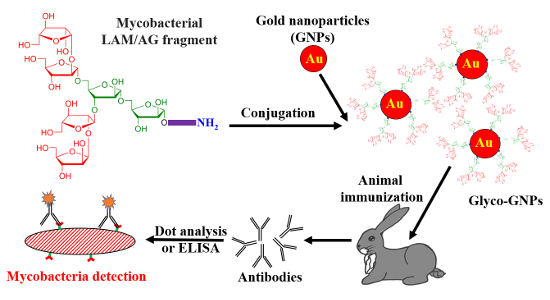
- serological identification of microorganisms and are also widely used as antigenic components of vaccines. The use of gold nanoparticles as carriers for glyco-epitopes is becoming an important alternative to the traditional conjugation with proteins and synthetic polymers. In this study, we aimed to prepare
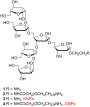
- ][29][30][31][32][33][34][35][36][37][38][39][40][41][42][43][44][45][46][47][48] to the traditional conjugation with proteins, synthetic polymers and other carriers [15][17][38][49][50][51][52][53][54][55]. Immunological properties of GNPs [25][56][57] and their use in vaccine development [58] have
- typically characterized by a fairly developed structure and include proteins, polysaccharides, and a number of synthetic polymers. A significant part of biologically active substances, including glycosides, has a relatively small molecular mass. Low-molecular-mass antigens belong to the category of so


Brome mosaic virus-like particles as siRNA nanocarriers for biomedical purposes
Beilstein J. Nanotechnol. 2020, 11, 372–382, doi:10.3762/bjnano.11.28
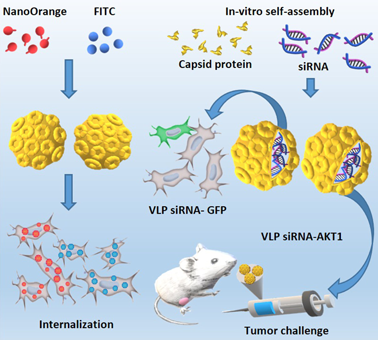
- ]. The accumulation of nanoparticles in tumors, either passively or directed, is extensively documented [14]. Thus, there are multiple efforts to design nanoparticles that function as nanovehicles, mainly composed of liposomes, synthetic polymers, dendrimers, and virus-like particles (VLPs) [13][15


Fully amino acid-based hydrogel as potential scaffold for cell culturing and drug delivery
Beilstein J. Nanotechnol. 2019, 10, 2579–2593, doi:10.3762/bjnano.10.249
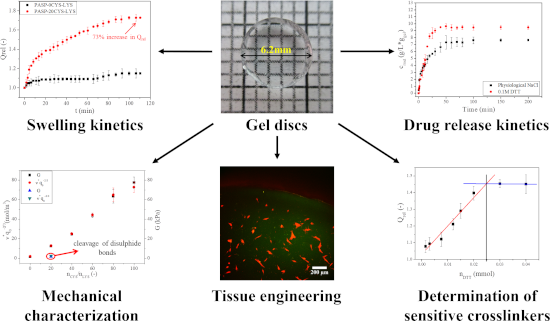
- backbone determines almost all of the properties of the hydrogels. For biological applications, in general, the polymer backbone and its degradation products have to be biodegradable and biocompatible [11][23]. In contrast to many synthetic polymers, the degradation products of poly(amino acid)s, which are