Search results
Search for "thiol" in Full Text gives 179 result(s) in Beilstein Journal of Nanotechnology.
Materials challenges in solid-state sensors for continuous monitoring of ions in water
Beilstein J. Nanotechnol. 2026, 17, 935–973, doi:10.3762/bjnano.17.66


Nanocarrier strategies to overcome P-glycoprotein-mediated drug resistance in cancer therapy
Beilstein J. Nanotechnol. 2026, 17, 882–921, doi:10.3762/bjnano.17.64


Tuning the electronic properties of defect-rich MoS2
Beilstein J. Nanotechnol. 2026, 17, 796–805, doi:10.3762/bjnano.17.56
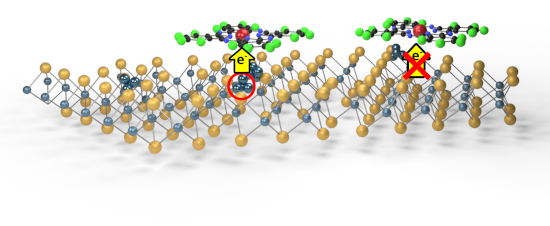
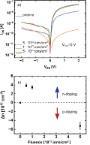
- strategies, such defects can be healed by appropriate surface modifications. For instance, the adsorption of thiol-bearing molecules has been demonstrated to remove the S-vacancies inherent to MoS2 grown by chemical vapor deposition [23]. It has been shown that the adsorption of different TMPcs can


Environmental applications of silver nanoparticles: state-of-the-art review and emerging trends
Beilstein J. Nanotechnol. 2026, 17, 697–736, doi:10.3762/bjnano.17.49


Defects and defect-mediated engineering of two-dimensional materials: challenges and open questions
Beilstein J. Nanotechnol. 2026, 17, 454–488, doi:10.3762/bjnano.17.31
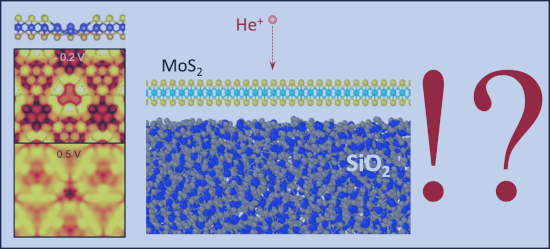
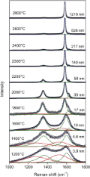
- MoSe2 on a gold substrate to the Janus MoSeS structure [77]. Also, a facile low-temperature thiol chemistry route was suggested to remove sulfur vacancies in 2D MoS2 [78], which resulted in a significant drop in the number of the charged impurities and traps and increased the mobility. Qualitatively





Biomimetic nanoparticles in cancer photodynamic therapy: a review of targeted delivery systems and therapeutic outcomes
Beilstein J. Nanotechnol. 2026, 17, 396–422, doi:10.3762/bjnano.17.27
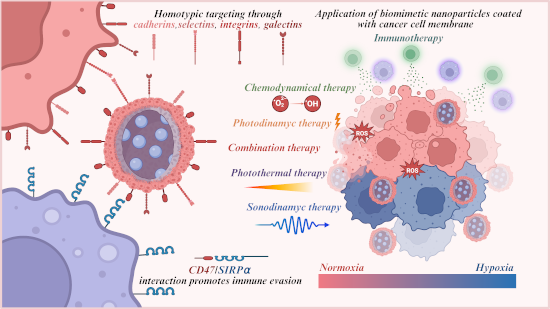
- peptides via amide or thiol–maleimide linkages, provide stable and specific functionalization but may risk altering membrane protein function if not carefully controlled. Enzymatic approaches can offer greater specificity but require additional steps and conditions. These advanced BNPs can be engineered to


Gold nanoparticle-decorated reduced graphene oxide as a highly effective catalyst for the selective α,β-dehydrogenation of N-alkyl-4-piperidones
Beilstein J. Nanotechnol. 2026, 17, 218–238, doi:10.3762/bjnano.17.15
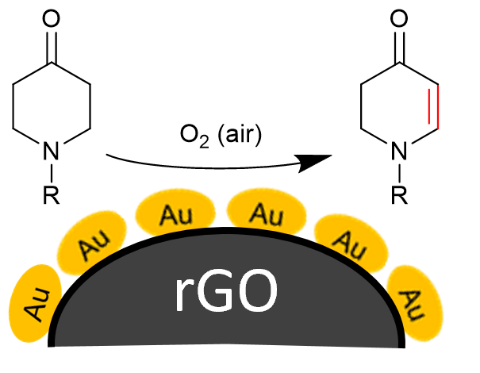
- -supported gold nanoparticles (Au/C) have been extensively studied for their remarkable selective catalytic performance in low-temperature oxidation reactions, including CO oxidation, alcohol oxidation, hydrocarbon oxidation, amino and thiol oxidation, and glucose oxidation [20]. However, despite their


Ultrathin water layers on mannosylated gold nanoparticles
Beilstein J. Nanotechnol. 2025, 16, 2183–2198, doi:10.3762/bjnano.16.151
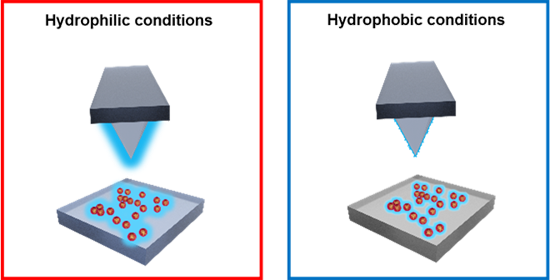
- thiourea PEG thiol chain; the particles also feature COOH-terminated PEG chains (Figure 1). We used a typical standard PEG coating on AuNPs, again with COOH termini (PEG AuNPs) for comparison. Here, and in the following, we use the established term “polyethylene glycol” (PEG) to designate our relatively
- nitrogen) and VSFG at variable humidity. While the preparation involved a known stoichiometric ratio of the thiol mixture (50:50), our FTIR and VSFG data are primarily qualitative and semi-quantitative, serving to validate the presence of the desired chemical moieties. We discuss details of the FTIR
- organic content). Synthesis of gold nanoparticles Gold nanoparticles were synthesized by the Bio Nano Plasmonics Lab at CIC biomaGUNE according to [10]. Both PEG AuNPs and dimanno-AuNPs were obtained by reduction of AuCl4− with BH4− in the presence of the corresponding thiol ligands. For the PEG AuNPs, a



Stereodiscrimination of guests in chiral organosilica aerogels studied by ESR spectroscopy
Beilstein J. Nanotechnol. 2025, 16, 2034–2054, doi:10.3762/bjnano.16.140
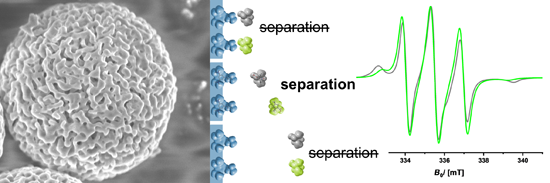
- organosilica materials [51][52], also including aerogels [53][54]. The thiol precursor HS-Ph(Si(OiPr)3)2 was established in 2014 for making periodically ordered mesoporous organosilica [55][56], which are characterized by pore sizes in the sub-10 nm range. Because large pore sizes are beneficial for mass
- in Supporting Information File 1, Figure S7. The alanine-modified precursor can also be used for co-condensation with the thiol precursor as shown in Scheme 2. The co-condensation of the latter precursor with the aforementioned Fmoc-protected, alanine-modified precursor delivers SH-FmocAlaNHzoSIL
- aerogels. After deprotection, one obtains SH-AlaNHzoSIL; the data is given in Supporting Information File 1, Figure S8. In particular, energy-dispersive X-ray spectroscopy analysis proves the presence of sulfur and, thus, the successful incorporation of the thiophenyl groups. The value of the thiol groups




PEGylated lipids in lipid nanoparticle delivery dynamics and therapeutic innovation
Beilstein J. Nanotechnol. 2025, 16, 1914–1930, doi:10.3762/bjnano.16.133
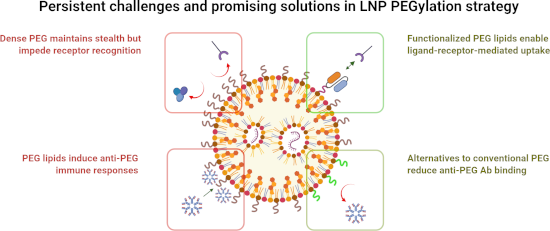
- targeted LNP cellular uptake To overcome the reduced cellular uptake associated with high PEG density, functionalized PEG lipids can be utilized as chemical handles for the conjugation of small molecules as targeting ligands [34]. For instance, maleimide-PEG lipids are widely used for thiol-mediated
- including RVG29, T7, AP2, and mApoE through thiol-maleimide click chemistry [38][39][40]. The functionalized PEG lipid was incorporated by substituting 10%, 30%, or 50% of the total 1.5 mol % PEG lipid content with DSPE-PEG-maleimide in the LNP formulation. Peptides containing a terminal cysteine residue
- with thiol-containing plasma proteins and trigger the alternative complement pathway [57]. Therefore, quenching free maleimide groups with cysteine will be required but with added complexity in processing [59]. In addition to these functionalized PEG lipids for click conjugation, trans-cycloctene (TCO


Advances of aptamers in esophageal cancer diagnosis, treatment and drug delivery
Beilstein J. Nanotechnol. 2025, 16, 1734–1750, doi:10.3762/bjnano.16.121
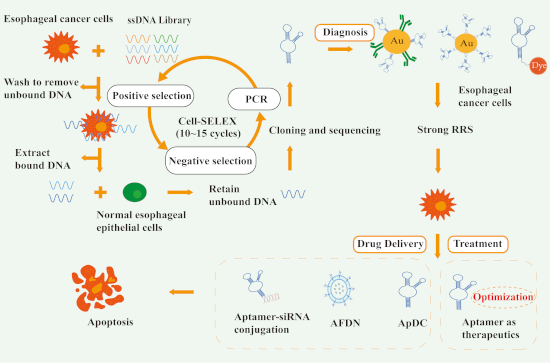
- serum samples. The capture probe is an EGFR aptamer with thiol modification, and the signal probe is an anti-EGFR antibody. This multifunctional cellular probe specifically recognizes and binds to EGFR on the cell surface, inducing the formation of probe aggregates that significantly enhance resonance
- tumor targeting; and (4) PEGylation of aptamers, where polyethylene glycol (PEG) is covalently linked to aptamers, typically via amino, thiol, or carboxyl groups introduced at the 5′ or 3′ end (Figure 5). This PEGylation increases the molecular weight of the drug complex, potentially exceeding the renal


Cross-reactivities in conjugation reactions involving iron oxide nanoparticles
Beilstein J. Nanotechnol. 2025, 16, 1504–1521, doi:10.3762/bjnano.16.106
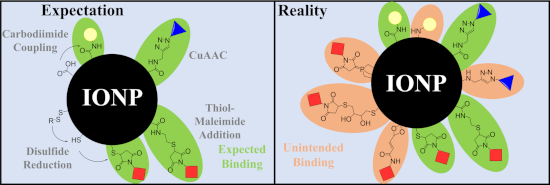
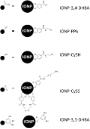
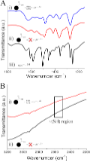
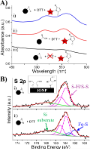
- IONPs (IONP-3,4-DHBA) as a platform upon which carbodiimide coupling can be used to conjugate clickable small molecules for further functionalization using two common click reactions, namely, the copper-catalyzed azide–alkyne cycloaddition (CuAAC), and the thiol–maleimide Michael addition reactions
- erroneous conclusions about the efficacy of conjugation reactions, which can have detrimental impacts on the functionality and safety of IONPs in biomedical applications. Keywords: click chemistry; copper-catalyzed azide–alkyne cycloaddition; disulfide reduction; iron oxide nanoparticles; thiol–maleimide
- for the preparation of functional IONPs capped with either alkynes or azides [8][13][17][18][19][20][21][22][23][24][25][26][27]. The thiol–maleimide Michael addition reaction is another commonly employed click reaction [28][29][30][31], which can be performed at room temperature by simply mixing







Enhancing the therapeutical potential of metalloantibiotics using nano-based delivery systems
Beilstein J. Nanotechnol. 2025, 16, 1350–1366, doi:10.3762/bjnano.16.98
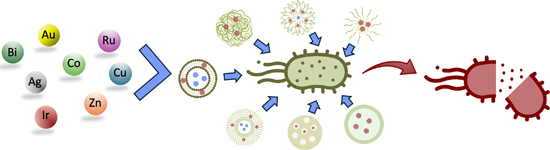
- antimicrobial agents since they usually exhibit superior antimicrobial activity compared to silver(I) alone [100]. The mechanism of action of most silver complexes is based on a slow release of the silver(I) ions, which react with the thiol groups of proteins or with key functional groups of enzymes; the


Better together: biomimetic nanomedicines for high performance tumor therapy
Beilstein J. Nanotechnol. 2025, 16, 1246–1276, doi:10.3762/bjnano.16.92
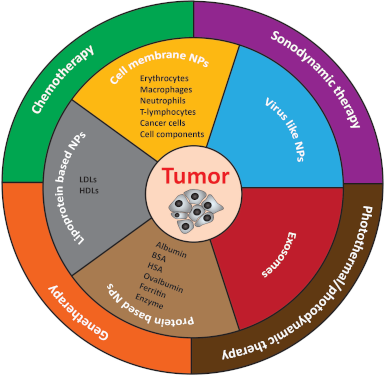
- sites it is considered safe for drug delivery applications. In fact, albumin-conjugated drugs are already used in clinical practice [75]. Albumin molecules can be used as a template to surface-decorate inorganic/metallic nanoparticles by biomineralization. In this method, the thiol group at the albumin
- surface acts as scaffold for synthesis of nanoparticles [76]. The thiol groups are protonated at neutral pH and can entrap Au(III) ions. When the pH is changed to basic (≈12), Au(III) is reduced to Au and gold nanoparticles are formed [77]. Synthesis of albumin-templated nanomaterials depends upon many






Nanomaterials in targeting amyloid-β oligomers: current advances and future directions for Alzheimer's disease diagnosis and therapy
Beilstein J. Nanotechnol. 2025, 16, 561–580, doi:10.3762/bjnano.16.44


Functionalized gold nanoflowers on carbon screen-printed electrodes: an electrochemical platform for biosensing hemagglutinin protein of influenza A H1N1 virus
Beilstein J. Nanotechnol. 2025, 16, 540–550, doi:10.3762/bjnano.16.42
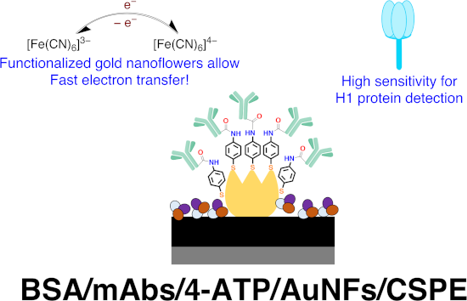
- -ATP The surface of the electrodes was functionalized to introduce an amine group, which was used to covalently bind the mAbs as biorecognition element. The molecule 4-ATP possesses a thiol group capable of self-assembling on the surface of the AuNFs. A method from the literature [57] with some


Attempts to preserve and visualize protein corona on the surface of biological nanoparticles in blood serum using photomodification
Beilstein J. Nanotechnol. 2024, 15, 1654–1666, doi:10.3762/bjnano.15.130

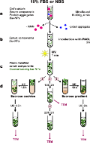
- , Russia) [23]. PACL (Figure 1) is a molecule carrying two orthogonal reactive groups, namely, (i) a maleimide residue that modifies serum proteins at their thiol groups and (ii) an nitroaryl azide group to form covalent cross-links between proteins and nanoparticles under the influence of UV radiation
- . When incubated in the dark, PACL binds to the thiol groups of serum proteins (i.e., it modifies them). The reaction mixture is then irradiated with UV, under the action of which the nitroaryl azide group covalently fixes the modified proteins on the surface of the NPs. This mechanism has been



A biomimetic approach towards a universal slippery liquid infused surface coating
Beilstein J. Nanotechnol. 2024, 15, 1376–1389, doi:10.3762/bjnano.15.111
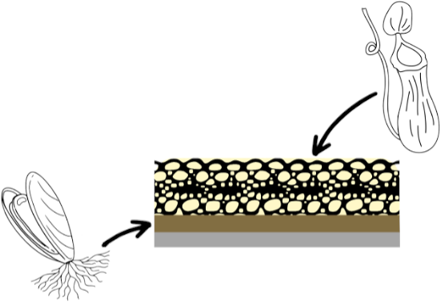
- cyclic olefin copolymer, silicon, and stainless steel substrates, by first growing a PDA film on each substrate. This was followed by a hydrophobic liquid anchor layer created by functionalizing the PDA film with a fluorinated thiol. Finally, perfluorodecalin was applied to the surface immediately prior
- modification of the PDA film though the formation of a pseudo self-assembled monolayer [19][20]. In this process, molecules that contain thiol groups attach to the newly formed PDA surface via Michael addition [21][22][23]. In this work, we take advantage of PDA to covalently attach fluorinated chains
- copolymer (COC), silicon, and 316 stainless steel (SS) as our substrates. These substrates were first coated with PDA; then, a fluorinated thiol was attached to serve as the anchor for the infused fluid. The resulting surface modifications were then characterized by water contact angle measurements, atomic




Nanoarchitectonics with cetrimonium bromide on metal nanoparticles for linker-free detection of toxic metal ions and catalytic degradation of 4-nitrophenol
Beilstein J. Nanotechnol. 2024, 15, 1312–1332, doi:10.3762/bjnano.15.106
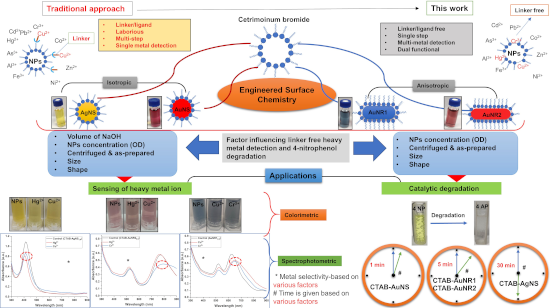
- to detect Pb2+ in the presence of sodium thiosulfate due to the thiol group’s higher affinity for metal ions [24]. Furthermore, the study found that AuNR1 and AuNR2 detected metals only in the presence of NaOH, possibly due to the removal of CTAB from the nanorod curvature, which is known to contain




Vinorelbine-loaded multifunctional magnetic nanoparticles as anticancer drug delivery systems: synthesis, characterization, and in vitro release study
Beilstein J. Nanotechnol. 2024, 15, 256–269, doi:10.3762/bjnano.15.24
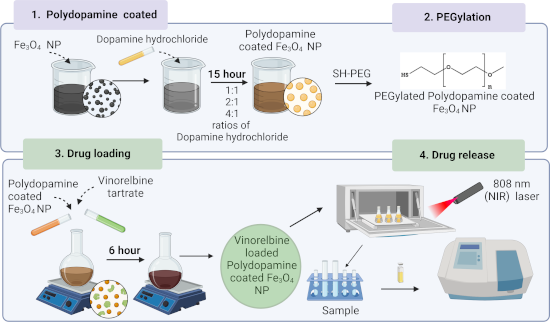
- ratios as a result of dopamine polymerisation and covalent bonding of thiol-polyethylene glycol (SH-PEG). The VNB/PDA/Fe3O4 nanoparticles have a saturation magnetisation value of 60.40 emu/g in vibrating sample magnetometry, which proves their magnetisation. Vinorelbine, which is used as an effective
- ), and thiol-polyethylene glycol (SH-PEG, purity: ≥95%), ammonium hydroxide (NH4OH, 28–30%), phosphate-buffered saline (PBS) were purchased from Merck. The chemical vinorelbine tartrate CRS (European Pharmacopoeia (EP) Reference Standard, catalog no: Y0000463) was also acquired from Merck. Synthesis of
- three times with distilled water, and the PDA/Fe3O4 NPs were dried in a vacuum oven at 55 °C. Surface functionalization of PDA/Fe3O4 nanoparticles with SH-PEG For the surface modification process with SH-PEG, 50 mg of PDA/Fe3O4 NPs were added to 50 mL of Tris-HCl solution. Then, 100 mg of thiol


Antibody-conjugated nanoparticles for target-specific drug delivery of chemotherapeutics
Beilstein J. Nanotechnol. 2023, 14, 912–926, doi:10.3762/bjnano.14.75
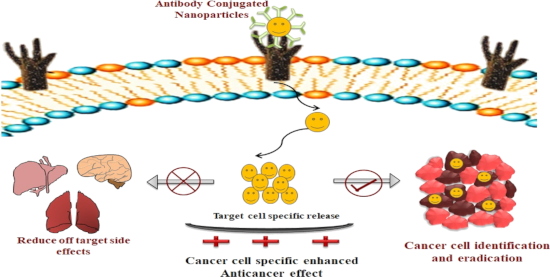
- . Maleimide chemistry: Maleimide chemistry is another covalent immobilization technique, which comprises binding through thiol groups (–SH) of the antibodies. This oriented covalent conjugation technique requires various steps, such as chemical modification achieved either by oxidation of sugar moieties or
- the reduction of disulfide bonds. Thiols, also called sulfhydryls, in the cysteine side chain are slightly less abundant than primary amines; therefore, the coupling by thiol groups is more selective [52]. Thiols in cysteines are linked by disulfide bonds (–S–S–) through an oxidation process where the
- thiols groups are oxidized into disulfides. The disulfide bonds stabilize tertiary and quaternary protein structures and play a crucial role in protein folding [53][54]. For conjugation, free thiol and reduced thiol groups are required. Many proteins contain cysteine moieties linked with thiol. In



N-Heterocyclic carbene-based gold etchants
Beilstein J. Nanotechnol. 2023, 14, 865–871, doi:10.3762/bjnano.14.71
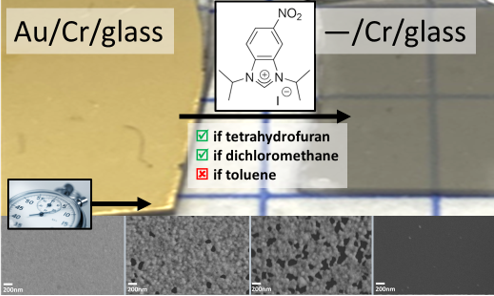
- conditions that the thiol-linked monolayer can be exposed to, prompting the development of alternative surface linking chemistry [12]. N-Heterocyclic carbene (NHC)-based monolayers have received increasing attention for their reported stability under a variety of harsh conditions [11][13][14][15][16]. Indeed
- , an NHC-based monolayer has even been shown to protect against thiol displacement on gold surfaces [13]. Thus, in spite of the challenges that can be presented by NHC synthesis [17], they offer appeal even in light of the more general commercial availability of a wide range of thiols. The covalent
- clearly undesirable that an effort to form a stable monolayer could result in removal of underlying material, but similarly undesirable effects have been reported in the gold–thiol SAM literature. For example, gold–sulfur interactions can lead to a weaker bonding of gold surface atoms to the bulk. This



Gap-directed chemical lift-off lithographic nanoarchitectonics for arbitrary sub-micrometer patterning
Beilstein J. Nanotechnol. 2023, 14, 34–44, doi:10.3762/bjnano.14.4
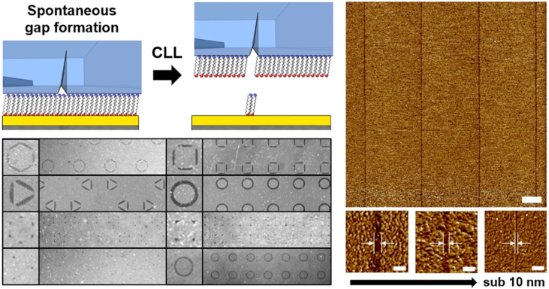
- glycol undecanethiol (TEG), and biotinylated alkane PEG thiol (BAT) were purchased from Sensopath Technologies Inc. (Bozeman, MT, USA). Streptavidin was purchased from Novus Biologicals (Centennial, CO, USA). FITC-labelled antistreptavidin antibody was purchased from Jackson ImmunoResearch Inc. (West
- -covered Au substrate, the Au surface was immersed in a 2 μM ethanolic TEG thiol solution or 1 mM ethanolic MCU solution for overnight. After SAM formation, the substrates were washed with ethanol to remove excess thiol molecules and blown dry with nitrogen gas. To make PDMS stamps for CLL operation, a 10
- surface patterns created by gap-directed CLL through biorecognition. (A) Schematic illustration of the biorecognition process including post lift-off region biotinylated thiol backfilling, streptavidin binding, and antibody recognition. (B) XPS characterization of the surface for (left) pure MCU SAM


Rapid and sensitive detection of box turtles using an electrochemical DNA biosensor based on a gold/graphene nanocomposite
Beilstein J. Nanotechnol. 2022, 13, 1458–1472, doi:10.3762/bjnano.13.120
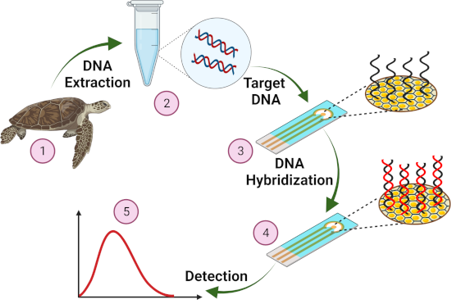
- electrochemical impedance spectroscopy. The thiol-modified synthetic DNA probe was immobilised on modified SPCEs to facilitate hybridisation with the reverse complementary DNA. The turtle DNA was distinguished based on hybridisation-induced electrochemical change in the presence of methylene blue compared to
- surface-to-volume ratio [37][38][43][44][45][46]. Biomolecules such as DNA may readily modify AuNPs by adding thiol and amine groups via Au–S or Au–N links without losing their activity [38][47]. In electrocatalytic applications, the combination of carbon-based materials with metal nanoparticles has been
- active surface area and conductivity of the modified SPCE and also enhanced its electrochemical capacity. The attachment of the thiol group to the probe facilitated covalent attachment with AuNPs, and the carbon spacer arm facilitated protrusion from the electrode surface, which enables proper



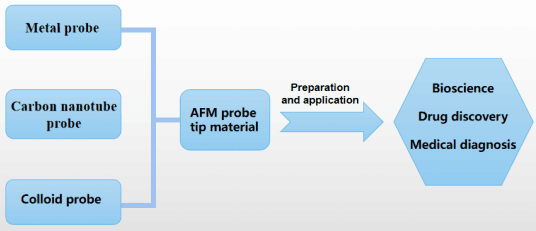
Studies of probe tip materials by atomic force microscopy: a review
Beilstein J. Nanotechnol. 2022, 13, 1256–1267, doi:10.3762/bjnano.13.104
- highly fluorescent gold-silver bimetallic nanomaterials with stable fluorescence properties by a simple one-pot method using thiol salts as ligands. TPN-AuAgNCs were synthesised using tiopronin (TPN) as ligand, and the clusters emitted strong red fluorescence with good burst selectivity for Fe3+ after Ag
- + doping. The fluorescence was restored after further adding ascorbic acid (AA) based on a redox reaction. A rapid detection method for Fe3+ and AA was established and successfully used to detect Fe3+ and AA in human serum. The DMT-AuAgNCs were successfully prepared using 4,6-diaminopyrimidine-2-thiol (DMT