


Search results
Search for "toxicity" in Full Text gives 423 result(s) in Beilstein Journal of Nanotechnology. Showing first 200.
Development of Protium heptaphyllum essential oil-loaded nanocapsules: experimental design and biological activity
Beilstein J. Nanotechnol. 2026, 17, 974–990, doi:10.3762/bjnano.17.67
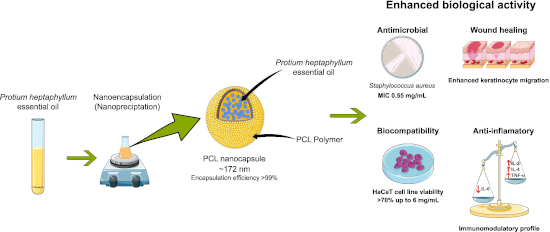
- ± 0.04, a zeta potential of −25.49 ± 1.08 mV and an encapsulation efficiency above 99%, in addition to long-term colloidal stability. Cell viability assays in HaCaT cells showed high biocompatibility, with cell viability above 70% up to 6 mg/mL and only moderate toxicity at 12 mg/mL. In antimicrobial
- , consistent with previous reports demonstrating the toxicity of essential oils at elevated levels. This effect may be associated with the presence of lipophilic monoterpenes, including p-cymene and α-pinene, which have been reported to interact with phospholipid bilayers, potentially altering membrane




Materials challenges in solid-state sensors for continuous monitoring of ions in water
Beilstein J. Nanotechnol. 2026, 17, 935–973, doi:10.3762/bjnano.17.66
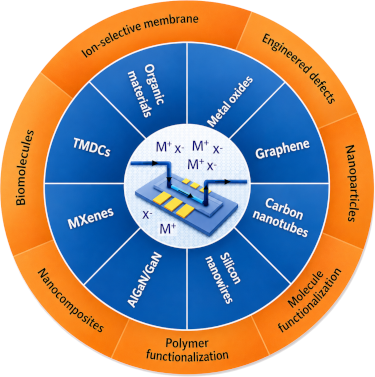
- higher oxidation states, notably chromium(VI) and manganese(VII), which form chromate (or dichromate) and permanganate [4][42][66][67]. Because toxicity, mobility, and regulatory relevance of many metals depend strongly on their oxidation state, it is essential to distinguish these species explicitly in
- , mining effluents, and domestic and industrial wastewater due to their toxicity and stringent regulatory limits. In drinking water, the EU Drinking Water Directive imposes very low maximum acceptable concentrations (MACs) such as for lead (10 µg/L), arsenic (10 µg/L), mercury (1 µg/L), chromium (50 µg/L
- –50 µg/L for Cd2+, Hg2+, Pb2+, As3+/As5+, Cr6+/Cr3+ ions). Monitoring ranges must therefore span from sub-microgram per liter for high-toxicity metals to tens of milligrams per liter for Fe2+/Fe3+, Mn2/Mn4+, Ni2+, Cu2+ ions in industrial streams. Across all sectors, continuous heavy-metal monitoring


Nanocarrier strategies to overcome P-glycoprotein-mediated drug resistance in cancer therapy
Beilstein J. Nanotechnol. 2026, 17, 882–921, doi:10.3762/bjnano.17.64
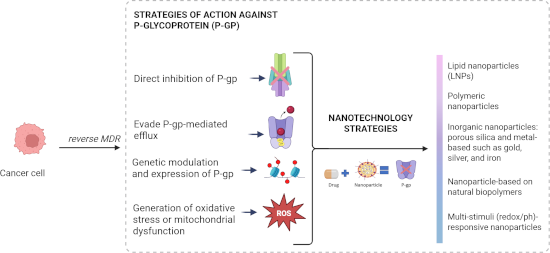
- enhance tumor selectivity and intracellular retention. Preclinical evidence consistently demonstrates improved drug accumulation, restored chemosensitivity, and reduced systemic toxicity. Nevertheless, clinical translation remains constrained by tumor heterogeneity, variable biological barriers, large
- -mediated resistance: Both approaches elevate systemic toxicity without reliably restoring drug sensitivity and are associated with decreased survival in patients with breast, colorectal, lung, and other cancers [18]. Co-administration of two or more synergistic drugs has offered partial improvements in
- , bypassing P-gp at the plasma membrane, and by enabling co-delivery of P-gp inhibitors or siRNA at therapeutically relevant intracellular concentrations, nanocarrier systems offer a route to restoring drug sensitivity without the systemic toxicity liabilities associated with conventional inhibition


Nanoparticle delivery systems for HIV pre-exposure prophylaxis (PrEP): advances and challenges
Beilstein J. Nanotechnol. 2026, 17, 839–853, doi:10.3762/bjnano.17.60
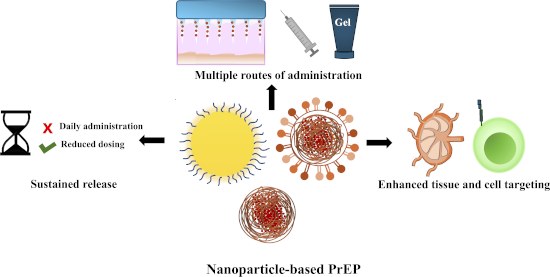
- requirements of nanosuspensions [39][40][41][42][43][44]. Moreover, the increased biocompatibility and controlled degradation ability of polymers, such as PLGA, reduce the long-term toxicity concerns that are associated with some inorganic particles that exhibit no or slow biodegradation such as gold or silica
- fabrication may raise some concerns about residual solvent toxicity [53]. Another point to note is that active targeting via surface ligand decoration, common in lipid-based systems, is more challenging to implement with polymers and typically requires additional chemical modification of the polymer building
- ’ intrinsic antiviral actions such as protease inhibition [72][73][74]. Some studies of the toxicity of MNPs have provided indications of mitochondrial dysfunction, increased membrane permeability, cellular damage, and oxidative stress in host cells in response to MNP exposure [75][76]. Silicon-based systems


Sustainable fabrication of 2D-based devices through reuse of substrates with microfabricated electrodes
Beilstein J. Nanotechnol. 2026, 17, 818–827, doi:10.3762/bjnano.17.58
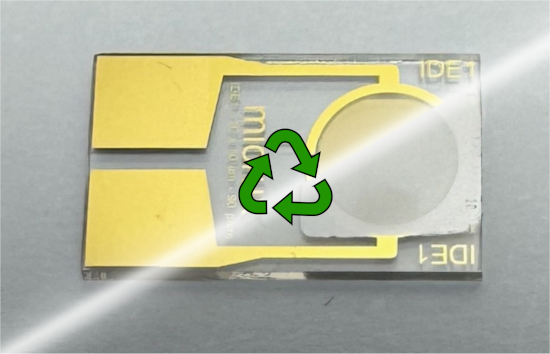
- cleaning conditions. Dihydrolevoglucosenone (Cyrene) has recently emerged as a greener alternative within this class, with solubility parameters and surface tension similar to those of NMP and DMF, but a lower toxicity profile [30][31]. Overall, these observations suggest that the solvent classes effective


Restorative potential of laser-synthesized silver nanoparticles with Salvia officinalis for periodontal disease treatment: an in vitro study
Beilstein J. Nanotechnol. 2026, 17, 781–795, doi:10.3762/bjnano.17.55
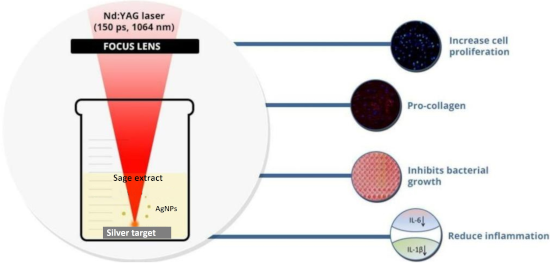
- , even though they usually extract higher levels of phytoconstituents [30]. In contrast, aqueous extraction relies on eco-friendly principles that reduce toxicity and support the biocompatibility of the obtained nanoparticles. The high concentration of rosmarinic acid in our extract is particularly
- laser energy of 6 mJ, their use in dental medicine could be limited due to bystander toxicity [42]. The results of cell viability testing showed that only SageAgNPs6mJ did not reduce cell viability after both treatment times at 1 × MIC concentration, suggesting that the sage extract used for AgNP
- cells, outlining the concentration limit. Previous studies also showed that the toxicity of AgNPs strongly depends on the size, concentration, and surface modification, and that the synthesis with phytochemicals could reduce their toxicity and improve biocompatibility [43][44]. SageAgNPs6mJ exhibited



Environmental applications of silver nanoparticles: state-of-the-art review and emerging trends
Beilstein J. Nanotechnol. 2026, 17, 697–736, doi:10.3762/bjnano.17.49
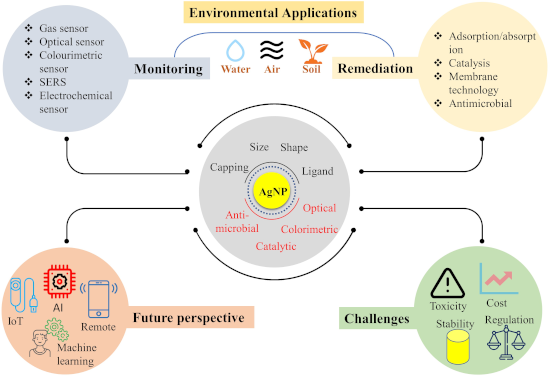
- safety and the risks associated with environmental applications, in particular regarding the cytotoxicity of Ag+ ions [31]. The mechanisms underlying the toxicity of AgNPs towards various organisms, including humans, must be elucidated to inform risk assessment and mitigation strategies [32]. The AgNPs
- exhibit toxicity towards aquatic organisms, including bacteria, algae, invertebrates, and fish, with reported adverse effects such as growth inhibition, reproductive impairment, and mortality [32][33]. Moreover, various factors influence the fate and transport of AgNPs in environmental samples, including
- particle size, surface composition, state stability, and organic matter, which ultimately generate bioavailability and toxicity concerns [34]. The regulatory framework governing AgNP environmental applications remains fragmented across jurisdictions; while OECD, ISO, EU, and US EPA guidelines address


Protein-based custom-designed molecular nanotraps for biomedical applications
Beilstein J. Nanotechnol. 2026, 17, 683–687, doi:10.3762/bjnano.17.47

- , choosing the protein building block among those already in use in tissue engineering and regenerative medicine, such as gelatin and silk fibroin, ensures biocompatibility, biodegradability and non-toxicity. Despite these potentials, to date, the use of proteins as building blocks for the preparation of

Decontamination from water pollutants and pathogens by electrospun nanofibers doped with heavy-atom-free borafluorene-BODIPY photosensitizers
Beilstein J. Nanotechnol. 2026, 17, 668–682, doi:10.3762/bjnano.17.46
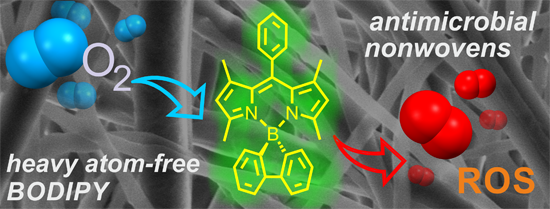
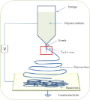
- heavy atoms (e.g., I, Ru, Pt, and Au) [17][18][19][20], which enhance intersystem crossing induced by spin–orbit coupling (SOC-ISC), but also increase dark toxicity, shorten the triplet lifetime, and decrease photostability [21][22][23]. For these reasons, heavy-atom-free BODIPY photosensitizers have
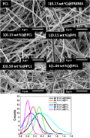
- antimicrobial efficacy similar to that of higher concentrations while potentially reducing toxicity and improving cost efficiency. The photoactivity of 1@PCL materials is comparable to that of a BODIPY-embedded electrospun PCL material studied by Cakmak et al. [62], which achieved 0.6–2.6 log reductions in



Cellulose as a photocatalyst support material: extraction, structural features, and environmental applications
Beilstein J. Nanotechnol. 2026, 17, 635–652, doi:10.3762/bjnano.17.44
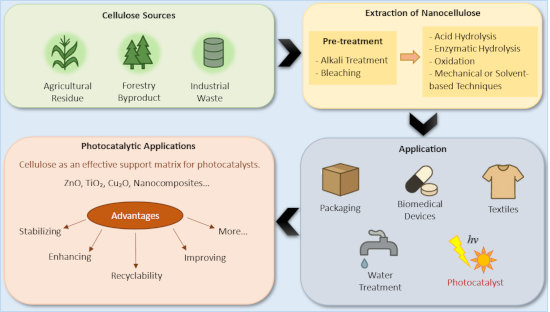
- for burns and chronic wounds, highlighting their crucial role in modern biomedicine. A notable example is cellulose acetate (CA), a natural and environmentally friendly derivative obtained from renewable sources such as wood pulp, which combines non-toxicity with water-attracting properties, robust
- gained prominence because of their ability to selectively target specific organs and tissues, thereby reducing side effects, minimizing systemic toxicity, and improving overall treatment efficiency [23]. Researchers are increasingly developing cellulose-based scaffolds for tissue engineering as these
- applied in wastewater treatment to degrade organic pollutants efficiently [86]. Metal oxides serve as key activators in photocatalytic oxidation by initiating radical chain reactions, and they remain favored for their low cost, minimal toxicity, and ease of modification through strategies such as size


Two-step laser synthesis of Ag@TiO2 nanomaterials for the photocatalytic degradation of rhodamine B
Beilstein J. Nanotechnol. 2026, 17, 622–634, doi:10.3762/bjnano.17.43
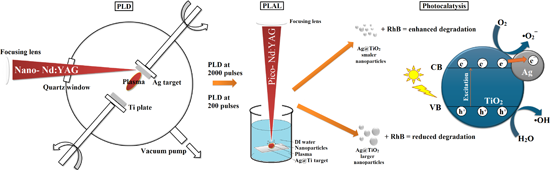
- photosynthetic activity by limiting light penetration in water bodies and causes toxicity to aquatic organisms. Furthermore, RhB is considered a potential mutagen and carcinogen, capable of causing DNA damage and posing significant risks to human health through bioaccumulation in the food chain. Given these


Advances in nanotechnology applied to natural products
Beilstein J. Nanotechnol. 2026, 17, 555–558, doi:10.3762/bjnano.17.36
- nanoplatforms for the delivery of natural products, offering structural stability, tunable release profiles, and controllable surface properties [20]. Polymeric nanoparticles, in particular, can protect bioactive compounds, potentially reduce off-target toxicity, and enhance specific biological responses
First-principles study on elastic properties of Cu, (Cu1−x,Nix)3Sn and interfacial mechanical properties of (Cu1−x,Nix)3Sn/Cu in the lead-free solder joint
Beilstein J. Nanotechnol. 2026, 17, 428–439, doi:10.3762/bjnano.17.29
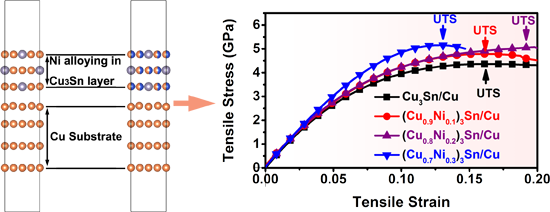
- alloying strategies to meet the requirements for electronic device miniaturization and harsh environmental applications. Keywords: ductility; elastic modulus; interfacial toughness; lead-free solder; work of adhesion; Introduction Due its toxicity, lead has caused serious problems in human health and
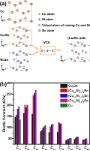

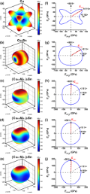

Nanoinformatics: spanning scales, systems and solutions
Beilstein J. Nanotechnol. 2026, 17, 423–427, doi:10.3762/bjnano.17.28
- questions including the prediction of (nano)materials (NM) functionality, nanomaterials fate in the environment, toxicity or therapeutic ability, and recyclability. As the properties of nanomaterials themselves span several scales, from electronic, atomistic, mesoscopic to continuum, and are highly dynamic
- nanomaterials physicochemical properties, structural features, and biomolecule interactions using both physics-based and machine-learning (ML) approaches; (ii) prediction of nanomaterials toxicity including development of novel toxicity-related descriptors; (iii) solution-focussed approaches applying advanced
- major topic in the field is to identify the drivers of nanomaterials toxicity, through understanding which physicochemical properties or atomistic properties are most strongly correlated with – and thus predictive of – toxicity, often measured in vitro as cytotoxicity. To address this question, Roy and

Biomimetic nanoparticles in cancer photodynamic therapy: a review of targeted delivery systems and therapeutic outcomes
Beilstein J. Nanotechnol. 2026, 17, 396–422, doi:10.3762/bjnano.17.27
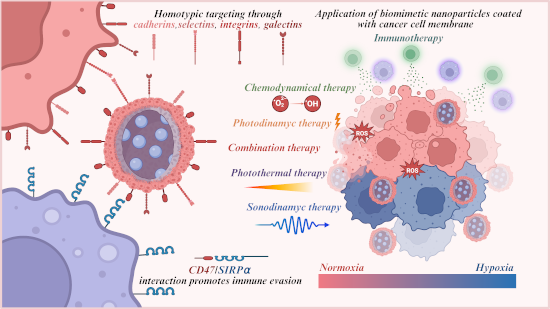
- reduced systemic toxicity [1]. Among emerging treatments, photodynamic therapy (PDT) has garnered considerable attention due to its minimally invasive nature, spatiotemporal control, and ability to selectively destroy tumor tissues while sparing healthy cells [2]. PDT operates through a unique mechanism
- tissue via the enhanced permeability and retention (EPR) effect, driven by tumor vasculature characteristics [10]. This enhances delivery selectivity, reducing therapeutic doses and impact on healthy tissues. The nanoparticle shell isolates the PS, reducing dark toxicity and systemic phototoxicity [11
- generation requires efficient excitation and minimal competing non-ROS-producing relaxation pathways. Low dark toxicity minimizes harm in the absence of light. High stability and low aggregation under physiological conditions are essential for maintaining photochemical activity [22]. A balanced


Beam shaping techniques for pulsed laser ablation in liquids: Unlocking tunable control of nanoparticle synthesis in liquids
Beilstein J. Nanotechnol. 2026, 17, 309–342, doi:10.3762/bjnano.17.22
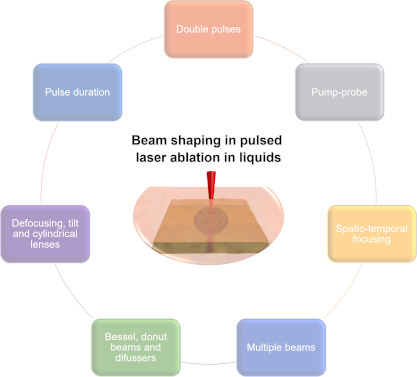
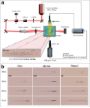
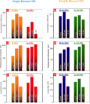
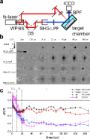
- indeed eco-friendly and offer advantages like low toxicity and reduced environmental impact; however, they generally offer less control over NP properties. Moreover, other physical methods such as milling, pyrolysis, sputtering, and arc discharge, or gas-phase processes such as flame spray pyrolysis or







Safe and sustainable by design with ML/AI: A transformative approach to advancing nanotechnology
Beilstein J. Nanotechnol. 2026, 17, 176–185, doi:10.3762/bjnano.17.11
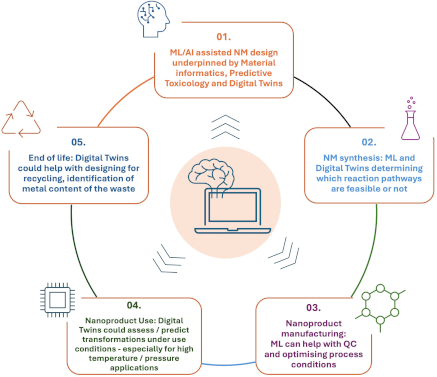
- networks, where standardized information on nanomaterial properties and toxicity profiles can be used to train increasingly robust ML models. Overall, the synergy between the SSbD concept, advanced ML/AI algorithms, and comprehensive regulatory directives fosters a future-oriented model of nanotechnology
- and sustainability considerations into nanomaterial development. Need for harmonized testing protocols Establishing standardized and reproducible methodologies for characterizing nanomaterial properties – such as size distribution, surface chemistry, and toxicity profiles – is essential. A unified
- environmental and climate data with information on the production, release, exposure, and toxicity of materials with many complex descriptors [38]. (2) Big data analytics: Advanced algorithms can carefully analyse high-dimensional datasets, identifying patterns between physicochemical characteristics of ENMs


From shield to spear: Charge-reversible nanocarriers in overcoming cancer therapy barriers
Beilstein J. Nanotechnol. 2026, 17, 159–175, doi:10.3762/bjnano.17.10
- 16.8% of all deaths and 30.3% of premature mortality due to noncommunicable diseases, and continues to be one of the leading causes of death worldwide despite medical progress. Conventional treatment methods such as surgery, chemotherapy, and radiotherapy often face challenges such as systemic toxicity
- the crucial role of surface charge in cellular uptake and intracellular transport, highlighting recent advances that demonstrate improved targeting, reduced systemic toxicity, enhanced cellular internalisation, and the potential for integrated approaches, including combination therapies and
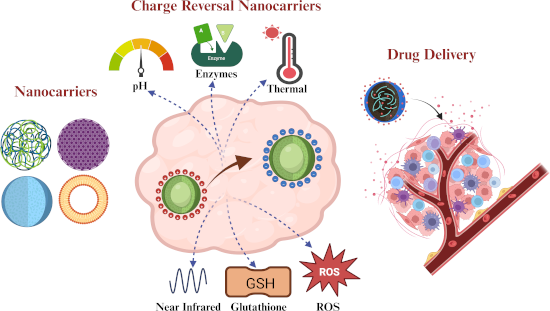
- biodistribution while protecting fragile biomolecules such as proteins and nucleic acids [11]. Through targeted and sustained release, these systems enhance therapeutic efficacy, prolong circulation, and reduce systemic toxicity compared to conventional formulations [12][13]. As illustrated in Figure 1


Influence of surface characteristics on the in vitro stability and cell uptake of nanoliposomes for brain delivery
Beilstein J. Nanotechnol. 2026, 17, 139–158, doi:10.3762/bjnano.17.9
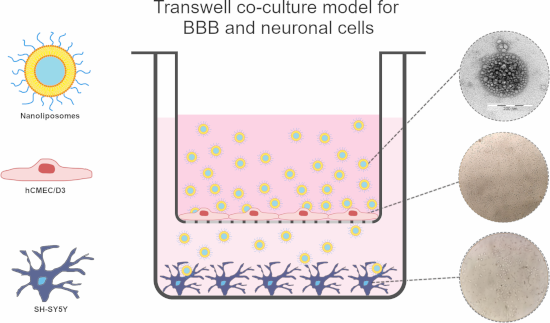
- well known that incorporating AC into NLs improves their biological distribution, reduces macrophage uptake, and lowers free AC concentrations, thus decreasing systemic toxicity. Additionally, modifying the composition and surface properties of NLs can enhance their passage through the blood–brain
- stability, toxicity, and therapeutic potential of nanodelivery systems, thus improving the translation of study results to real biological systems. In this direction, some of the prerequisites for establishing a relevant in vitro model for cell uptake studies include precise control over factors like


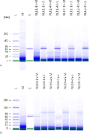
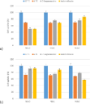


Development and in vitro evaluation of liposomes and immunoliposomes containing 5-fluorouracil and R-phycoerythrin as a potential phototheranostic system for colorectal cancer
Beilstein J. Nanotechnol. 2026, 17, 97–121, doi:10.3762/bjnano.17.7
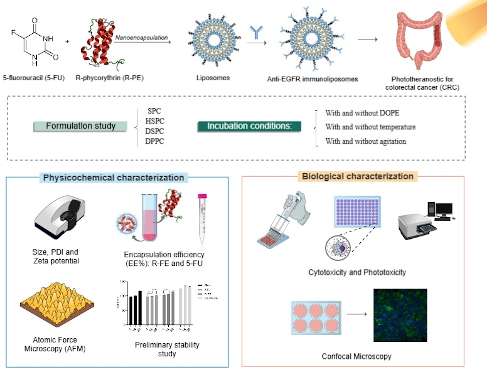
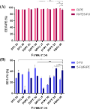
- third most prevalent type of cancer in the world. R-phycoerythrin (R-PE) is a phycobiliprotein isolated from red algae such as Solieria filiformis, with fluorescent properties, photodynamic activity and potential for cancer treatment. However, 5-FU toxicity promotes several side effects and R-PE low
- intratumor accumulation with higher cellular internalization. In addition, the use of immunoliposomes contributes to reducing systemic toxicity, since their delivery is concentrated in the tumor microenvironment, avoiding exposure of healthy tissues [8]. In colorectal cancer, the epidermal growth factor
- evaluated, and the systems were thoroughly characterized. Finally, in vitro experiments in a CRC cell line were conducted for the evaluation of cytotoxicity, photo toxicity, and uptake. Some studies have sought to demonstrate that dual-drug nanosystems can result in synergistic antitumor effects or reduce



Functional surface engineering for cultural heritage protection: the role of superhydrophobic and superoleophobic coatings – a comprehensive review
Beilstein J. Nanotechnol. 2026, 17, 63–96, doi:10.3762/bjnano.17.6
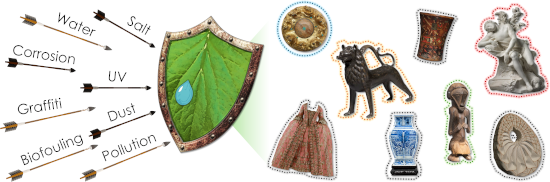
- organogel, composed of poly-3-hydroxybutyrate (PHB), ethyl lactate (EL), and deferoxamine B (DFO), for the simultaneous removal of iron corrosion and aged acrylic coatings from historical metal artefacts. This gel is made of bio-based, biodegradable, and low-toxicity materials, aligned with Green Chemistry
- materials and low-toxicity systems, while the other studies [78][80] approach it only indirectly, through solvent-free processing or durability improvements rather than fully closed life-cycle considerations. Textile substrates Just like wood, heritage textile materials are organic substrates since they are




Internal 3D temperature mapping in biological systems using ratiometric light-sheet imaging and lipid-coated upconversion nanothermometers
Beilstein J. Nanotechnol. 2025, 16, 2306–2316, doi:10.3762/bjnano.16.159
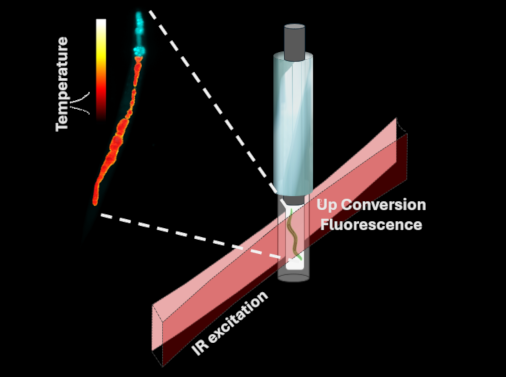
- measure the internal temperature within fixed C. elegans nematodes. The worms were fed with the UCNPs@lipids solution at a 1 mg·mL−1 concentration, consistent with imaging and toxicity studies [56]. Figure 5 illustrates the workflow for obtaining temperature maps. The process begins with identifying the


Improving magnetic properties of Mn- and Zn-doped core–shell iron oxide nanoparticles by tuning their size
Beilstein J. Nanotechnol. 2025, 16, 2285–2295, doi:10.3762/bjnano.16.157
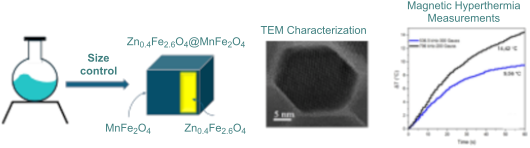
- ), have been extensively studied due to their low toxicity, biocompatibility, and ease of synthesis [5]. However, SPIONs face several challenges related to their relatively low saturation magnetization (Ms) and specific loss power (SLP), which limit their effectiveness in hyperthermia applications



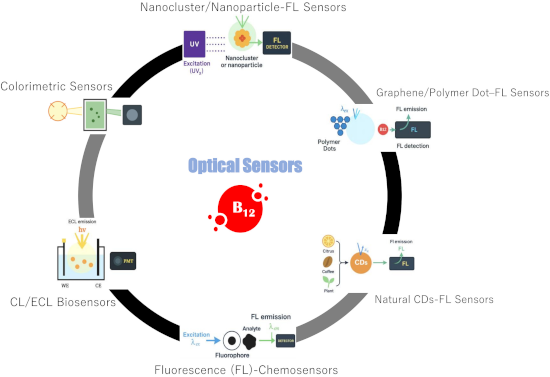
Optical bio/chemical sensors for vitamin B12 analysis in food and pharmaceuticals: state of the art, challenges, and future outlooks
Beilstein J. Nanotechnol. 2025, 16, 2207–2244, doi:10.3762/bjnano.16.153


Missing links in nanomaterials research impacting productivity and perceptions
Beilstein J. Nanotechnol. 2025, 16, 2168–2176, doi:10.3762/bjnano.16.149
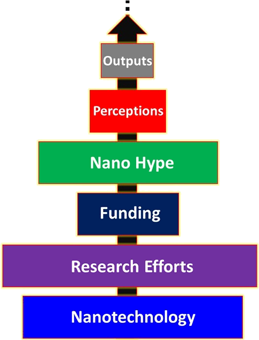
- standardized toxicity assessment, environmental fate modeling, and lifecycle analysis to enable safe and scalable commercialization. (2) Strengthen industry engagement through public–private partnerships that integrate advanced nanomaterials such as graphene, MXenes, nanoporous catalysts, and quantum dots into



